Management of
Patients with Oral
disorders
1
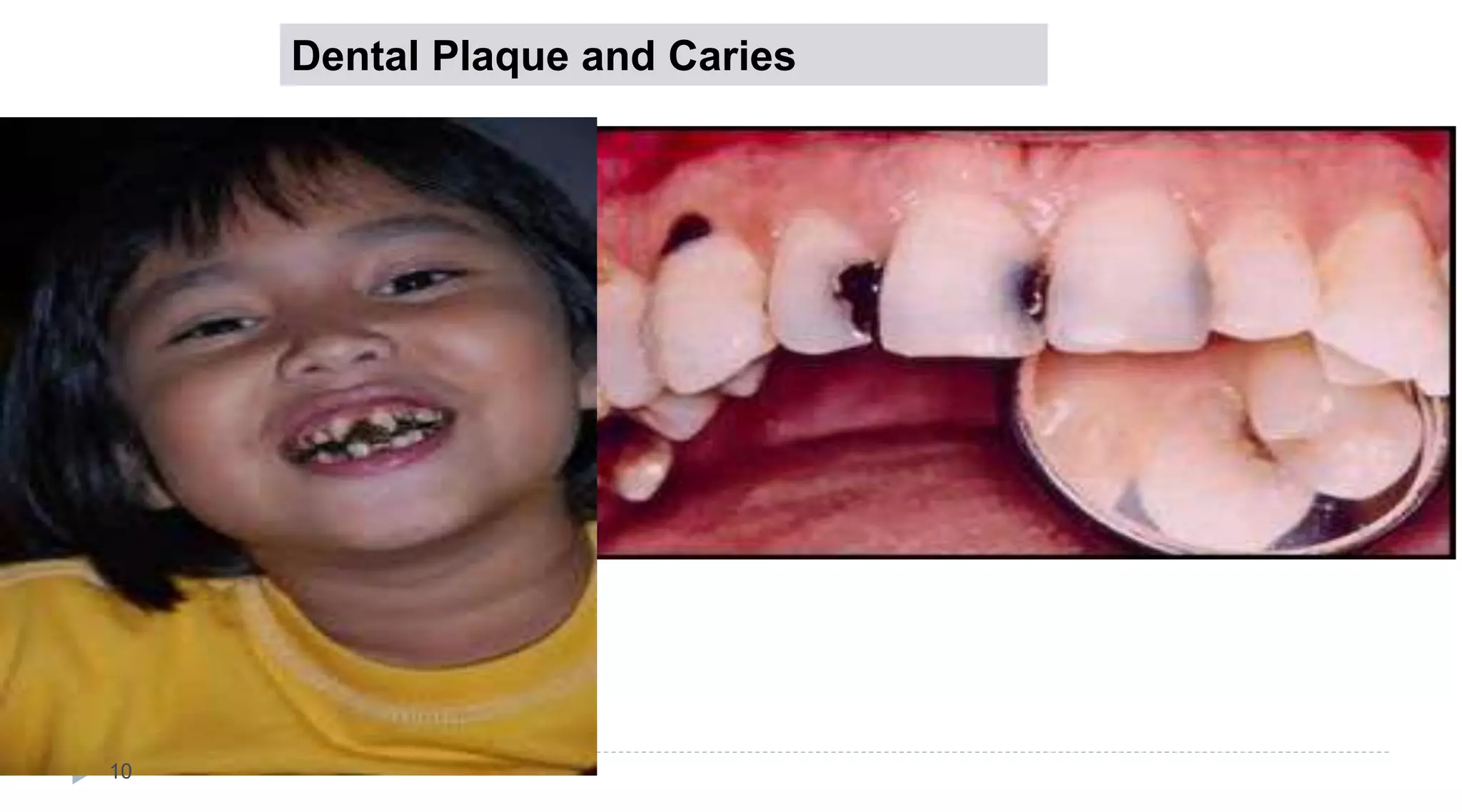
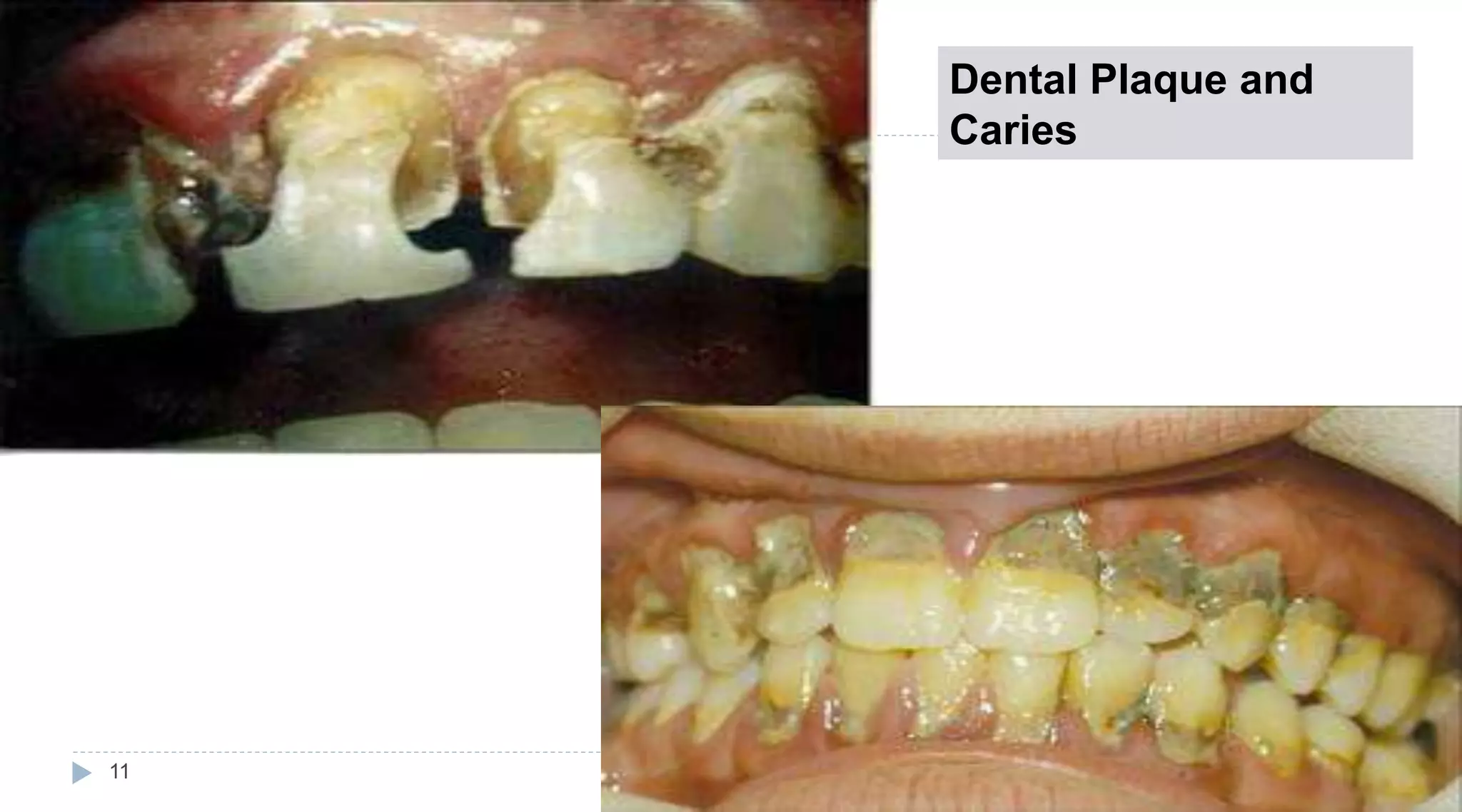
Dental Plaque and Caries
2
 Dental caries is a dietary carbohydrate-modified bacterial
infectious disease with saliva as a critical regulator.
 A process of demineralization of tooth enamel, leading
to destruction of enamel and dentin, with cavitations
of the tooth
Tooth decay
 Is localized progressive disease, whose character consists in the
destruction of tooth structures mainly under the influence of metabolic
products of the oral microflora;
 Is an erosive process begins with the action of bacteria on
fermentable carbohydrates in the mouth.
 Produces acids and dissolve tooth enamel
Dental caries----
3
 Dental caries and periodontal diseases result from the accumulation of
many different species of bacteria that form dental plaque
 Bacterial adhesion to surfaces primarily involves two types of
reactions: physicochemical and biochemical
The microorganisms within bacterial plaque can produce :
 Extracellular coatings, such as slime layers which prolong the
existence of biofilms ;
 A variety of surface fibrils, or appendages, that extend from their cell
walls.
 These mechanisms mediate attachment of bacteria to a substrate by
providing additional attachment structures between the tooth surface
and the plaque, thus allowing the formation of adherent matrices
Bacterial Colonization of the Mouth
4
 Microorganisms found in the oral cavity are naturally acquired from
the environment.
 Bacteria are acquired from the atmosphere, food, human contact.
 Bacteria form colonies between saliva and hard tissues such as
erupted teeth, and exposed root cementum and dentin.
The extent of damage to the teeth
depends on the following:
5
The presence of dental plaque
The strength of the acids and the ability of the saliva to
neutralize them
The length of time the acids are in contact with the teeth
The susceptibility of the teeth to decay
Dental plaque
6
Is the soft tenacious material found on tooth surfaces
which is not readily removed by rinsing with water”
Gluey, gelatin-like substance consisting of:
 Bacteria (lactobacilli and streptococcus mutans)
 Saliva, and
 Epithelial cells that adheres to the teeth.
Types of dental plaque by placement:
7
1. Dentogingival plaque (on the smooth
surfaces along the gingival margins)
2. Approximal dental plaque
3. Subgingival plaque
4. Occlusal or fissure plaque
PP-- Dental caries
8
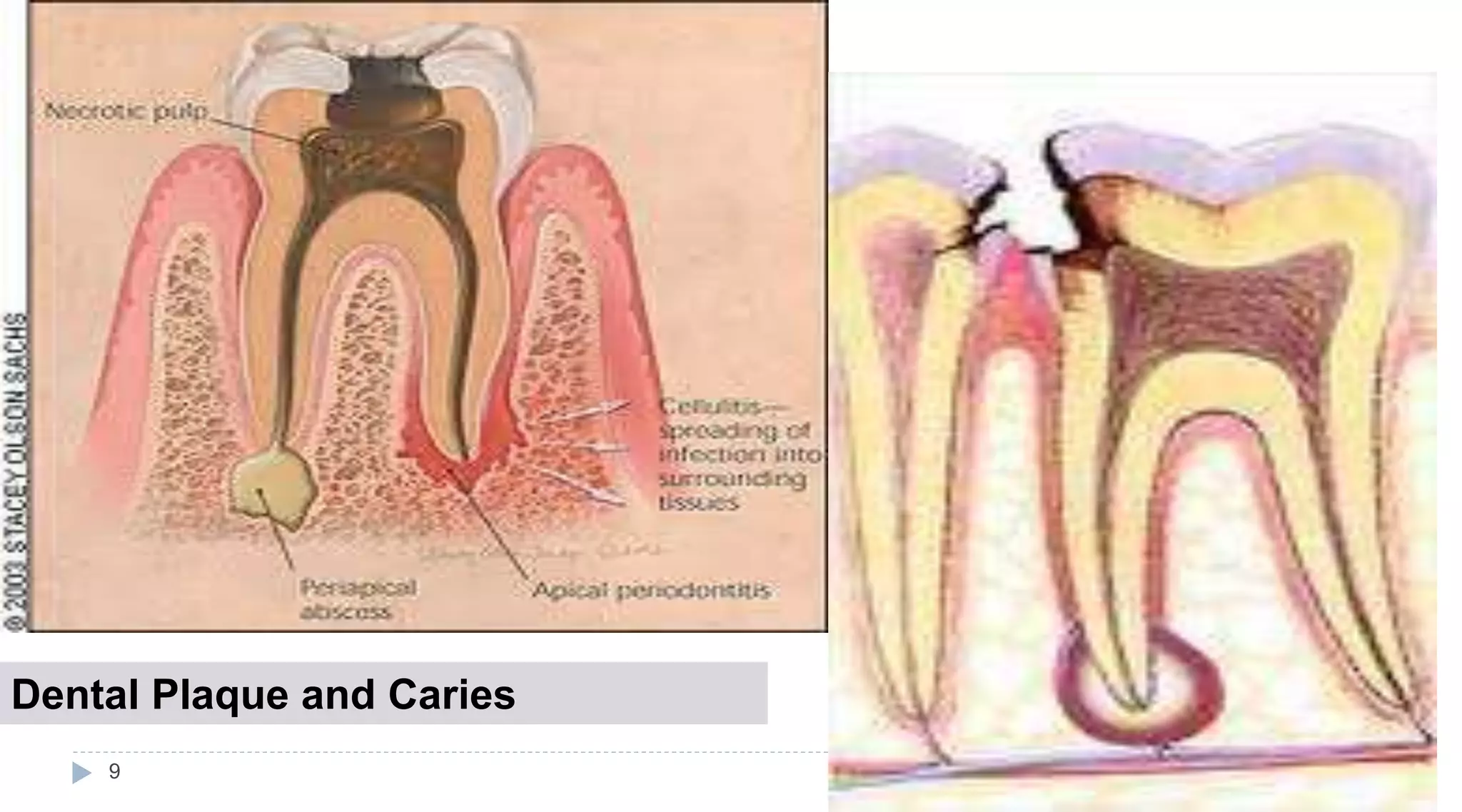
Dental decay begins with small hole/fissure on teeth

Bacteria produce acids from the breakdown of sugars contained in food within
30 minutes after eating

Dental caries penetrate the enamel and extend to the underlying dentin

Cavitation of the enamel

Penetrate to the tooth pulp

Acute pulpitis

Infection of blood vessels, lymph vessels, and nerves

Abscess

Soreness, facial swelling and pulsating pain
Dental Plaque and Caries
9
Dental Plaque and Caries
10
Dental Plaque and
Caries
11
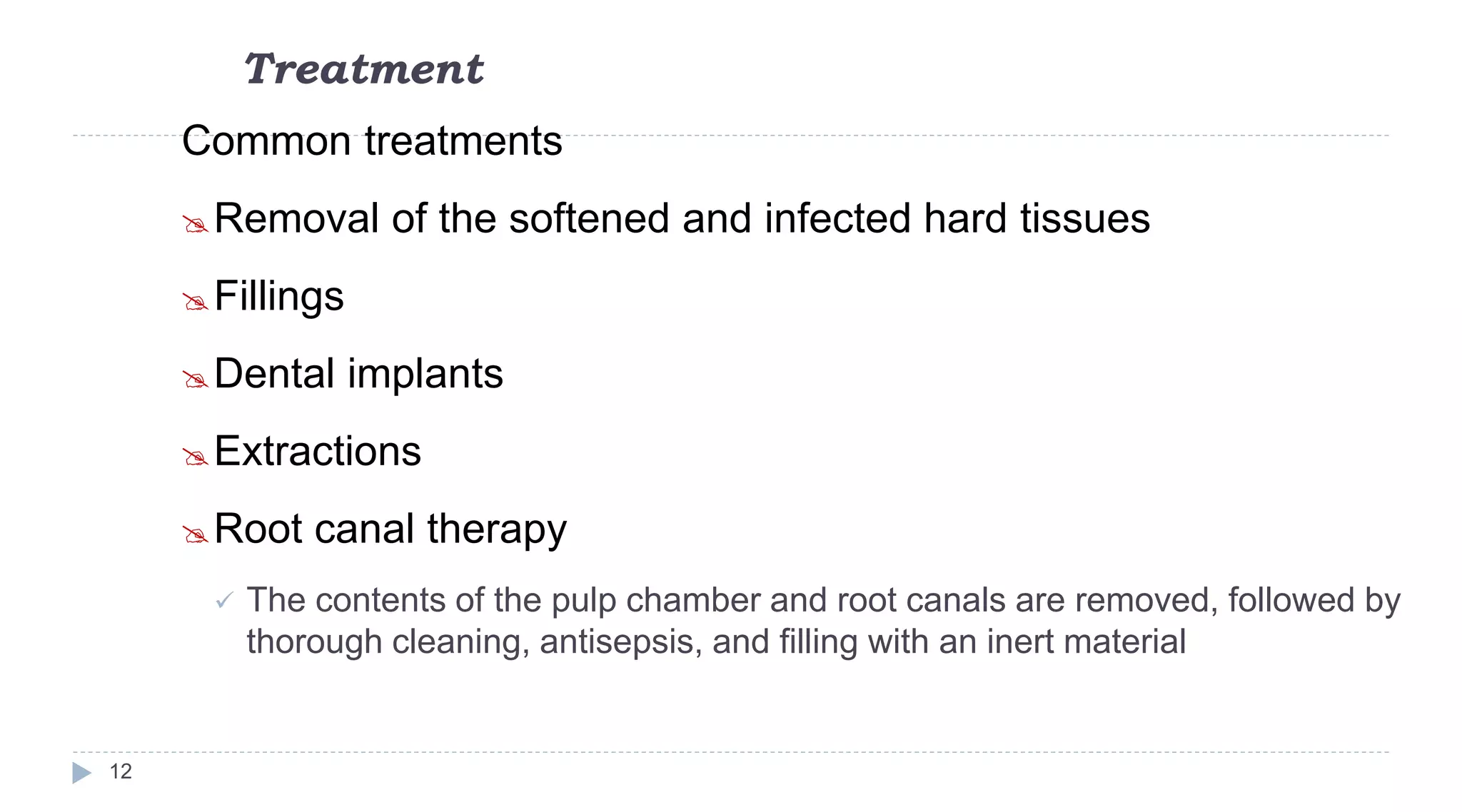
Treatment
12
Common treatments
Removal of the softened and infected hard tissues
Fillings
Dental implants
Extractions
Root canal therapy
 The contents of the pulp chamber and root canals are removed, followed by
thorough cleaning, antisepsis, and filling with an inert material
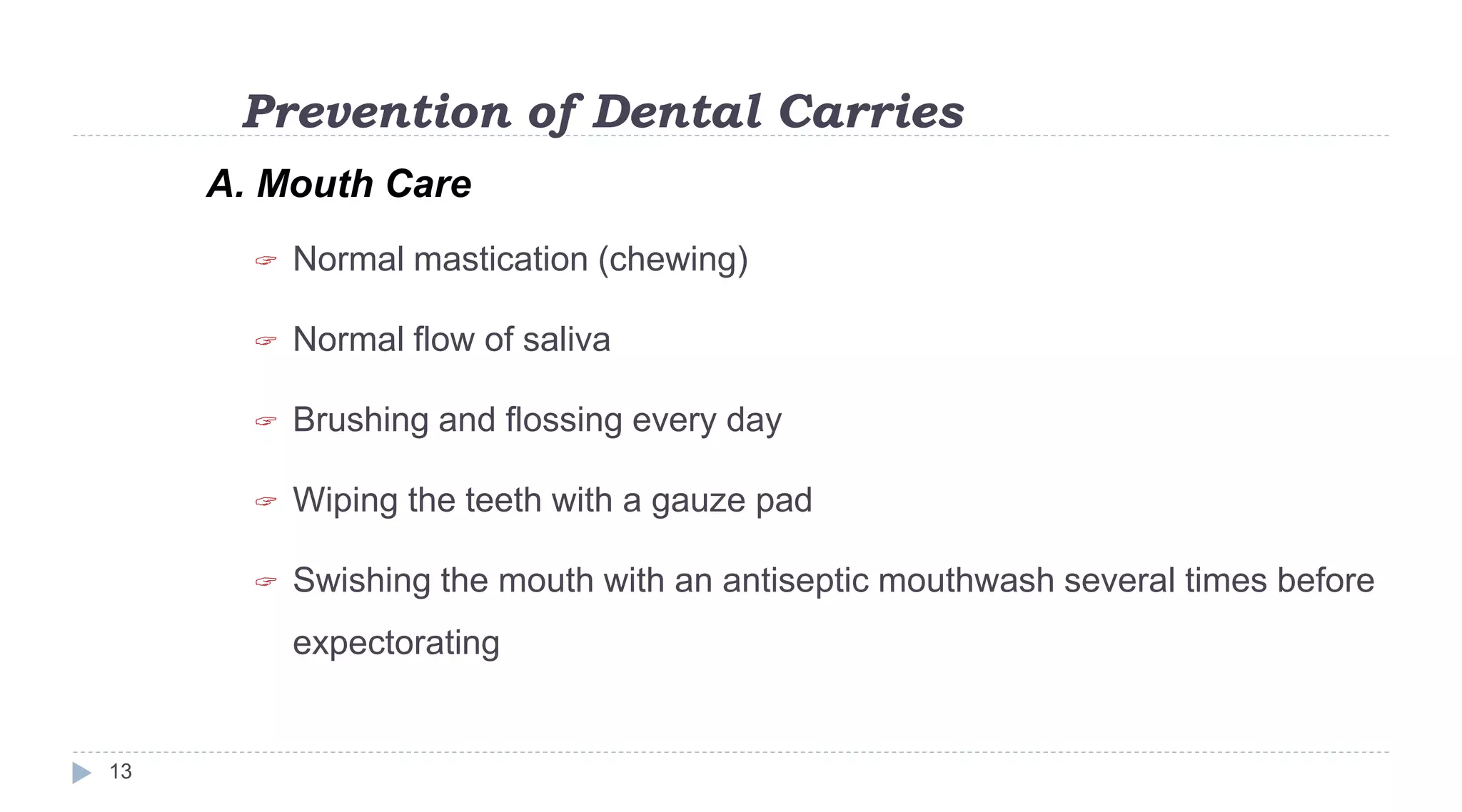
Prevention of Dental Carries
13
A. Mouth Care
 Normal mastication (chewing)
 Normal flow of saliva
 Brushing and flossing every day
 Wiping the teeth with a gauze pad
 Swishing the mouth with an antiseptic mouthwash several times before
expectorating
Prevention of Dental Carries Cont’d…
14
B. Diet
 Decreasing the amount of sugar and starch in the diet
 Snacks --less cariogenic alternatives
 Fruits
 Vegetables
 Cheeses
Prevention of Dental Carries Cont’d…
15
C. Fluoridation
 Public water supplies
 Applying a concentrated gel or solution to the teeth
 Adding fluoride to home water supplies
 Using fluoridated toothpaste or mouth rinse
 Using sodium fluoride tablets, drops, or lozenges
D. Pit and Fissure Sealants
 Applying a special coating to fill and seal pits and
fissures which last up to 7 years
E. Controlling diabetes
Gingivitis
16
 Lat. gingiva = gingie(gum); -itis = inflammation
 Gingivitis refers to gingival inflammation induced by bacterial
biofilms, also called plaque, adherent to tooth surfaces.
 Bacterial plaque accumulates in the spaces between the gums
and teeth and in calculus (tartar) that forms on the teeth.
 These accumulations may be tiny, even microscopic, but the
bacteria contained in them, produces foreign chemicals and
toxins that cause inflammation of the gums around teeth.
 Inflammation of the gum tissue- term used to describe non-
destructive periodontal disease
17
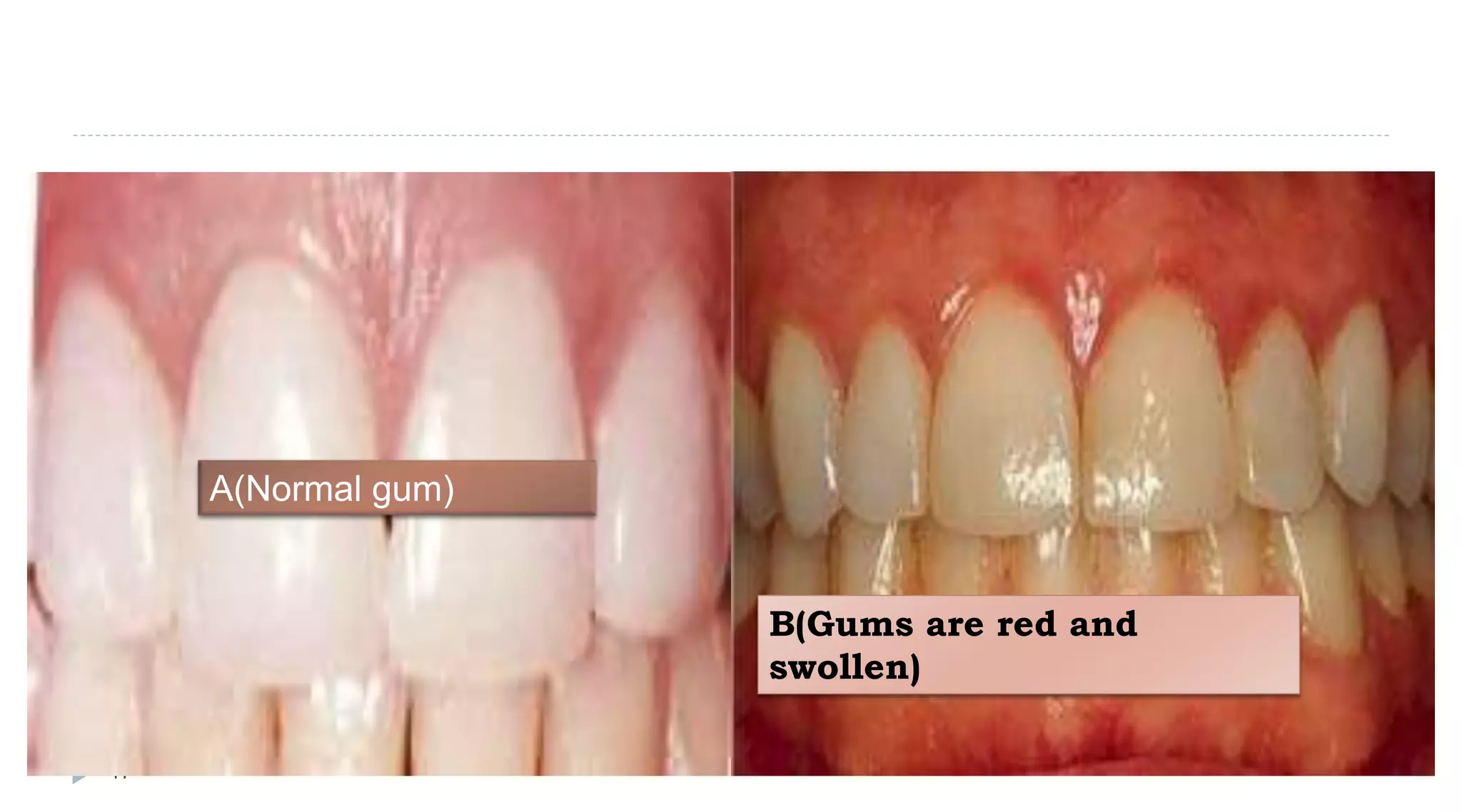
A(Normal gum)
B(Gums are red and
swollen)
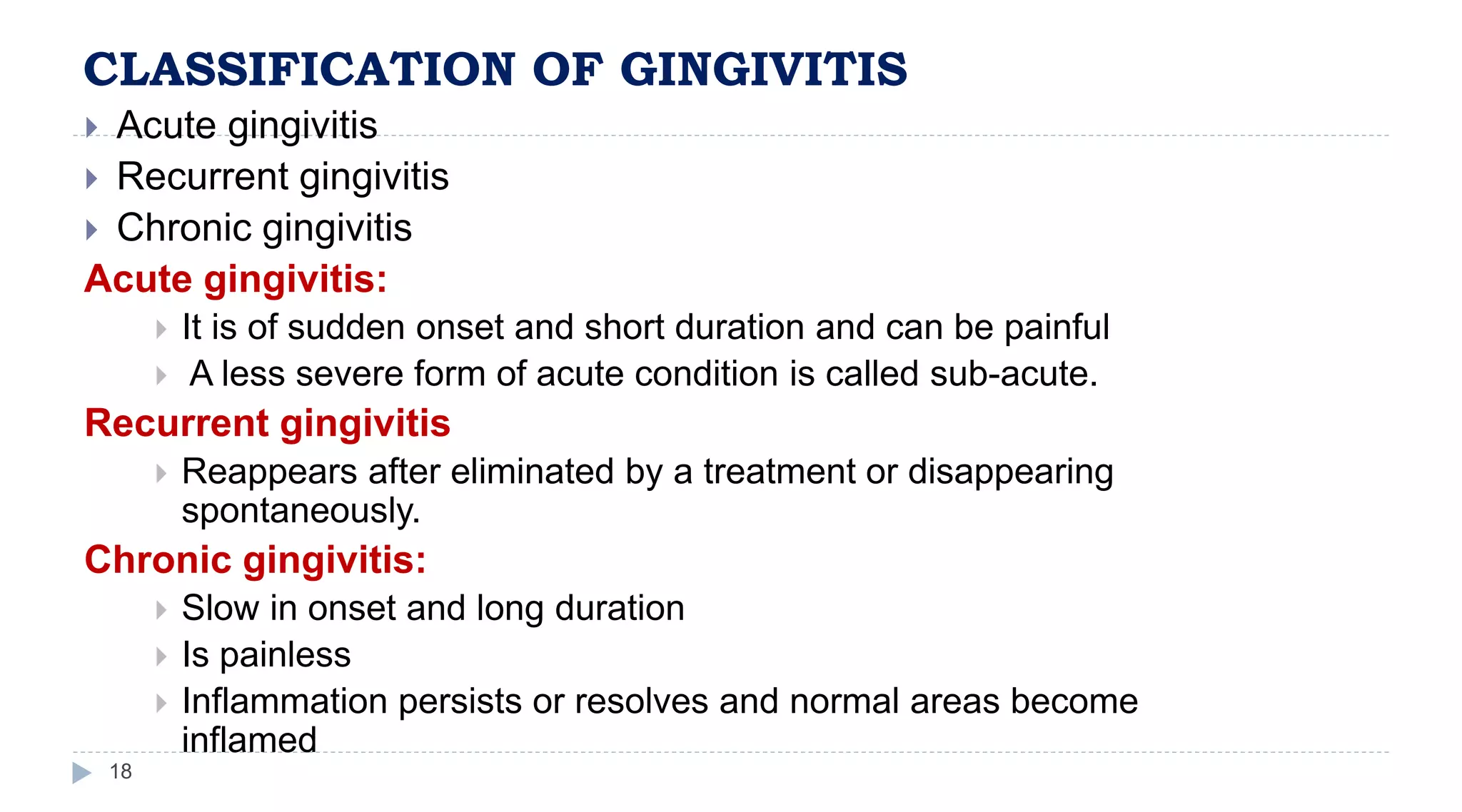
CLASSIFICATION OF GINGIVITIS
18
 Acute gingivitis
 Recurrent gingivitis
 Chronic gingivitis
Acute gingivitis:
 It is of sudden onset and short duration and can be painful
 A less severe form of acute condition is called sub-acute.
Recurrent gingivitis
 Reappears after eliminated by a treatment or disappearing
spontaneously.
Chronic gingivitis:
 Slow in onset and long duration
 Is painless
 Inflammation persists or resolves and normal areas become
inflamed
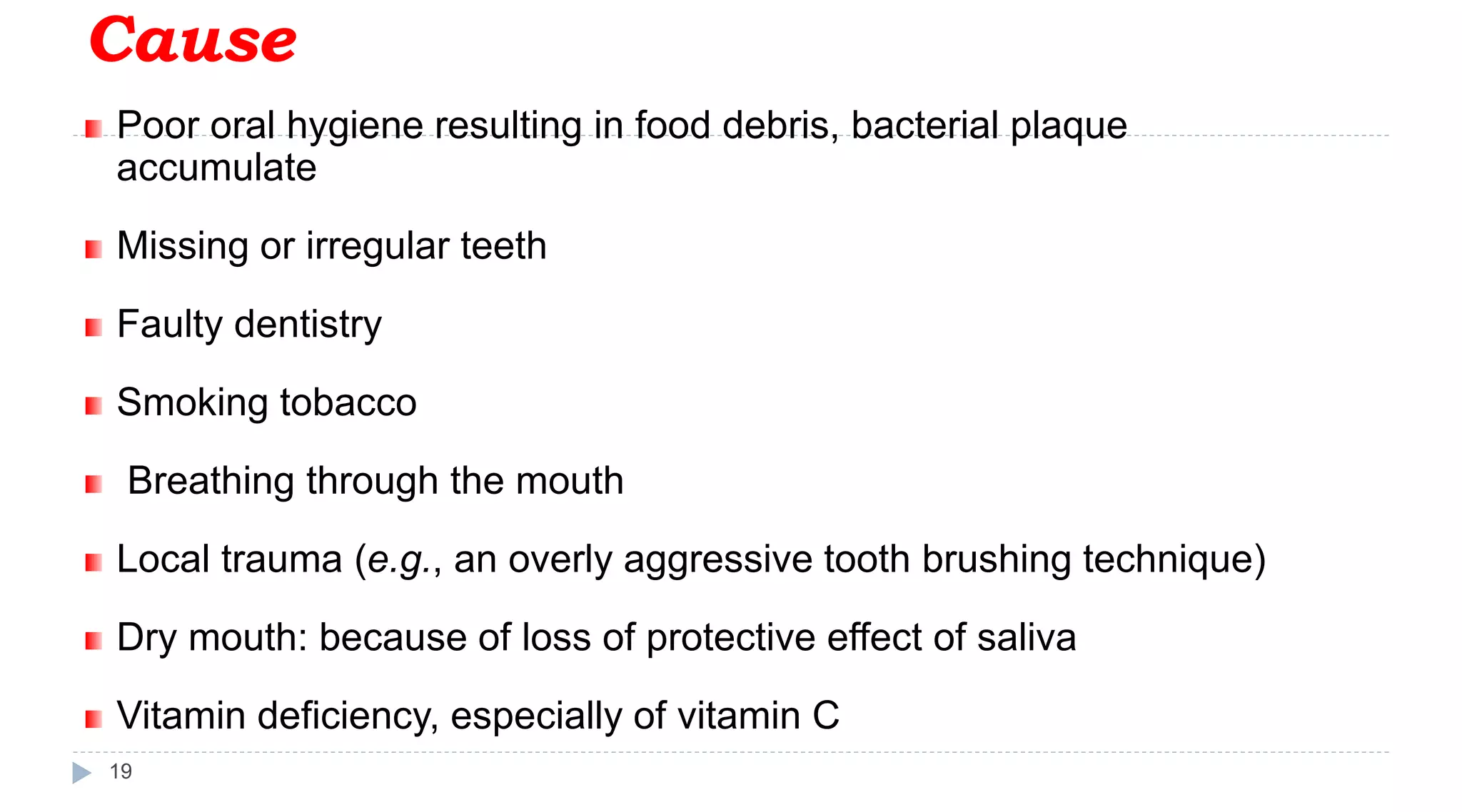
Cause
19
Poor oral hygiene resulting in food debris, bacterial plaque
accumulate
Missing or irregular teeth
Faulty dentistry
Smoking tobacco
Breathing through the mouth
Local trauma (e.g., an overly aggressive tooth brushing technique)
Dry mouth: because of loss of protective effect of saliva
Vitamin deficiency, especially of vitamin C
STAGES OF GINGIVITIS
20
STAGE I : THE INITIAL LESION(2-4 days)
 Vascular changes dilated capillaries and increased
blood flow.
 Initial inflammatory changes due to microbial activation
of resident leukocytes and stimulation of endothelial
cells.
STAGE II : THE EARLY LESION
 Clinical signs : ERYTHEMA[proliferation of capillaries and increased
formation of capillary loops between rete pegs].
• Evidence of bleeding on probing.
• Increase in gingival fluid flow and number of trans migrating
leukocytes[also T lymphocytes].
• Amount of collagen destruction increases which is related to Matrix
Metalloproteins

21
STAGE III : THE ESTABLISHED LESION
Predominance of plasma cells and B lymphocyte.
Localised gingival anoxmia[impaired venous return](bluish
hue on the reddened gingiva).
Lesion is moderately to severely inflamed
STAGE IV : THE ADVANCED LESION
Extension of the lesion into the alveolar bone.
Phase of periodontal breakdown[bone loss].
All types of inflammatory cells.
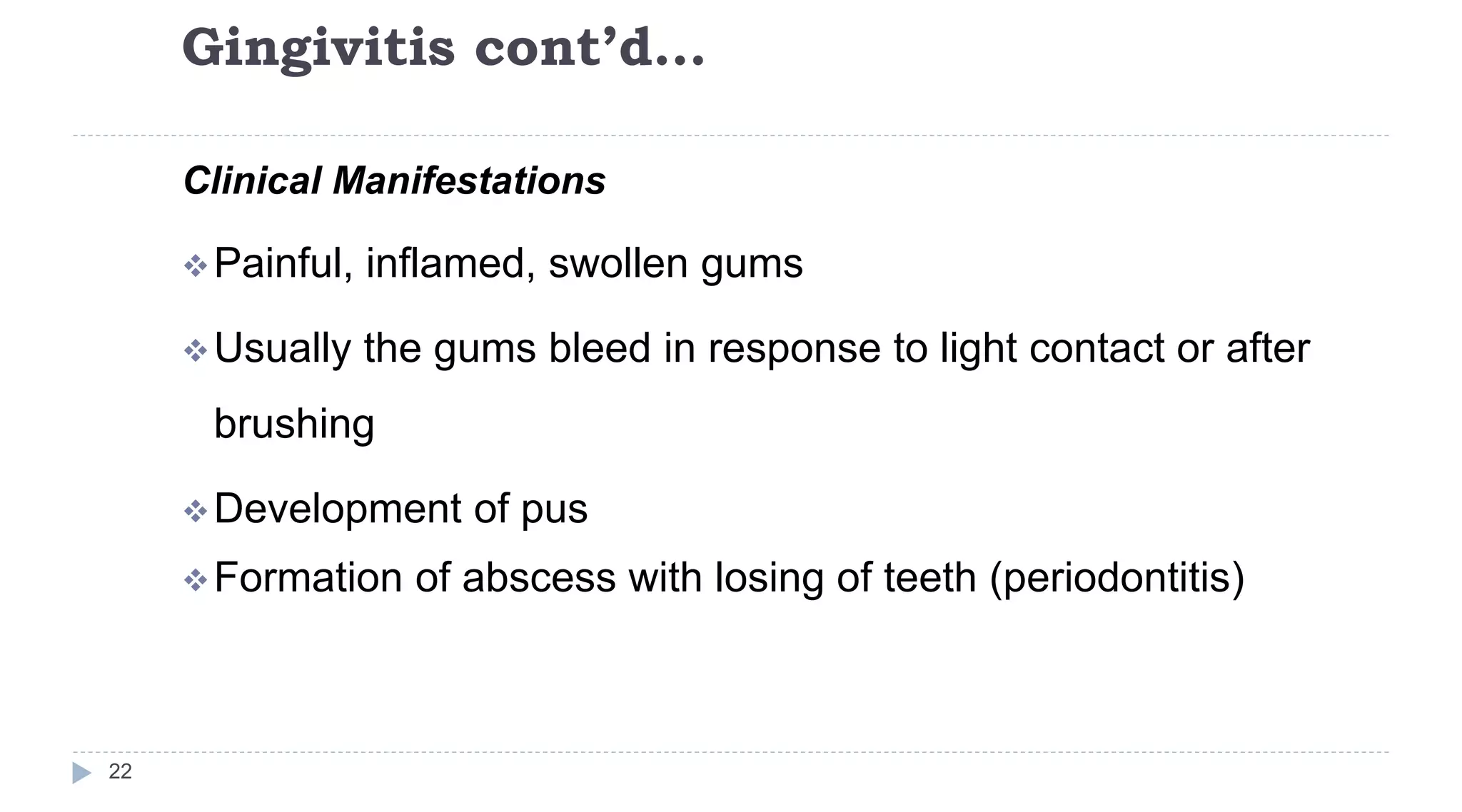
Gingivitis cont’d…
22
Clinical Manifestations
Painful, inflamed, swollen gums
Usually the gums bleed in response to light contact or after
brushing
Development of pus
Formation of abscess with losing of teeth (periodontitis)
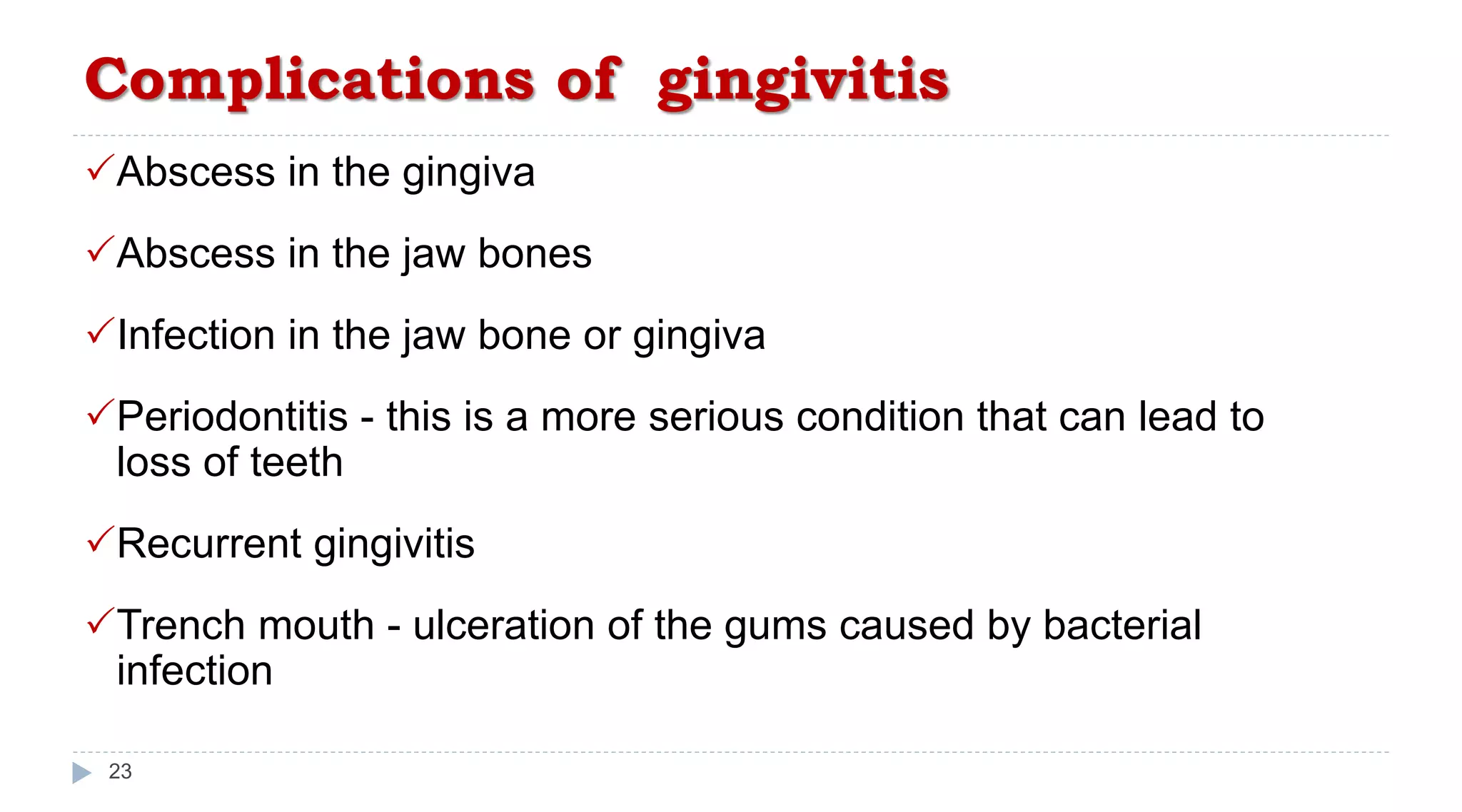
Complications of gingivitis
23
Abscess in the gingiva
Abscess in the jaw bones
Infection in the jaw bone or gingiva
Periodontitis - this is a more serious condition that can lead to
loss of teeth
Recurrent gingivitis
Trench mouth - ulceration of the gums caused by bacterial
infection
Gingivitis cont’d…
24
Treatment and Prevention
 Regular oral hygiene that includes daily brushing and flossing
 Professional cleaning of teeth
 Removal of the etiologic (causative) agent, plaque
Patient Education: Preventive Oral Hygiene
25
 Brush teeth using a soft toothbrush at least two times daily.
 Use an anti-plaque mouth rinse.
 Floss your teeth at least once a day
 Regularly rinse your mouth with an antiseptic mouthwash.
 Avoid smoking.
 Avoid refined sugars between meals
 Drink plenty of water
 Ensure adequate intake of vitamin C.
 Eat a balanced diet (avoid malnutrition)
Gingivitis cont’d…
26
 Visit a dentist at least every 6 months, or when you have a
chipped (cracked or broken) tooth, a lost filling, an oral sore that
persists longer than 2 weeks, or a toothache.
 Avoid alcohol and tobacco products.
 Maintain adequate nutrition and avoid sweets.
 Replace toothbrush at first signs of wear, usually every 2
months.
Periodontal disease
27
 Periodontal disease is destruction of bone and the
structures supporting the teeth.
 Periodontitis is irreversible, but you can stop its progression
through good oral hygiene and visiting your dental
professional
Warning Signs of Periodontal Disease:
28
 Gums that bleed when you brush or floss your teeth
 Gums that are red, swollen or tender
 Gums that have pulled away from teeth
 Infection including purulence (pus) between the teeth and gums when the
gums are pressed
 Permanent teeth that are loose or separating
 Any changes in the way your teeth fit together when you bite
 Any changes in the fit of your partial denture
 Bad breath
 Itchy sensation
EARLY AND MODERATE PERIODONTITIS:
29
 Periodontitis occurs when the inflammation of the gums
progresses into the deeper underlying structures and bone.
 In the most common form of Periodontitis, plaque (and
sometimes calculus) is found below the gum line.
 The gums may feel irritated, appear bright red, and bleed easily.
 The ligaments holding the tooth in its socket break down and the
gums pull away from the teeth, resulting in a periodontal pocket
or space between the tooth and gum.
 The periodontal pocket deepens and fills with more bacteria.
 Supportive ligaments and bone start to show damage.
Stomatitis
30
Is an inflammation of the mucous lining of the mouth
, which may involve the cheeks, gums ,tongue ,lips ,
and roof or floor of the mouth.
The word“ stomatitis “ literally means inflammation of
the mouth.
An inflammation of the mucous lining of any of the
structures in the mouth
Causes
31
Poor oral hygiene
Poorly fitted dentures
Mouth burns from hot food or drinks
Conditions that affect the entire body, such as
medications, allergic reactions, infections
Chronic irritation by tobacco—called Nicotine
stomatitis
Dietary deficiencies of iron
Chemotherapy & Radiotherapy
 Dehydration
•
Clinical manifestation
32
 Redness,
 Swelling,
 Bleeding (Occasional)
 Excessive salivation
 Halitosis
 Sore mouth
Managements
33
Removal or treatment of the cause,
Oral hygiene with soothing solutions is fundamental.
Topical medications
Soft bland diet
Correcting any vitamin B12, iron, or folate deficiencies
Disorders of the
Salivary Glands
34
Parotitis
35
 An inflammation of the parotid gland which are large salivary
glands located in front of each ear
Causative agents
 Bacterial infection of Staphylococcus aureus for adults
 Virus – epidemic (mump) for pediatrics
Parotitis cont’d…
36
Sign and symptoms
Pain of the gland and ear, fever
The gland swollen and becomes tense and tender
Swollen gland interferes swallowing,
Swelling increase rapidly and overlying skin soon becomes red and shiny
Parotitis cont’d…
37
Management
Maintaining adequate nutritional and fluid intake, good oral hygiene,
and discontinuing medications (e.g., tranquilizers, diuretics) that can
diminish salivation
Antibiotic therapy
Analgesics to control pain
If antibiotic therapy is not effective, the gland may need to be drained
by a surgical procedure known as parotidectomy.
Disorders of the
Esophagus
38
Achalasia
39
Absent or ineffective peristalsis of the smooth muscle layer of the
distal esophagus (the lower 2/3rd)-muscular ability to move food down
the esophagus
Accompanied by failure of the esophageal sphincter to relax in
response to swallowing
Also known as
 Esophageal achalasia
 Achalasia cardiae
 Cardiospasm
 Esophageal aperistalsis
40
 Cause is unknown
Degeneration of nerve cells in muscular layer of esophagus
 Characterized by incomplete LES relaxation
 Aperistalsis of the esophagus in the absence of other explanations
like cancer or fibrosis
 People 40 years of age or older
Clinical Manifestations
41
 Difficulty in swallowing both liquids and solids
 A sensation of food sticking in the lower portion of the esophagus
 Food regurgitation
 Complaint of chest pain and heart burn (pyrosis)
 Secondary pulmonary complications
Diagnosis
42
 X-ray studies- show esophageal dilation above the narrowing at the
GEJ
 CT scan
 Endoscopy
 Barium swallow
 Manometry
Management
43
 Eating slowly and drinking fluids with meals
 Calcium channel blockers and nitrates- decrease esophageal
pressure and improve swallowing
 Injection of botulinum toxin- inhibit the contraction of smooth
muscle
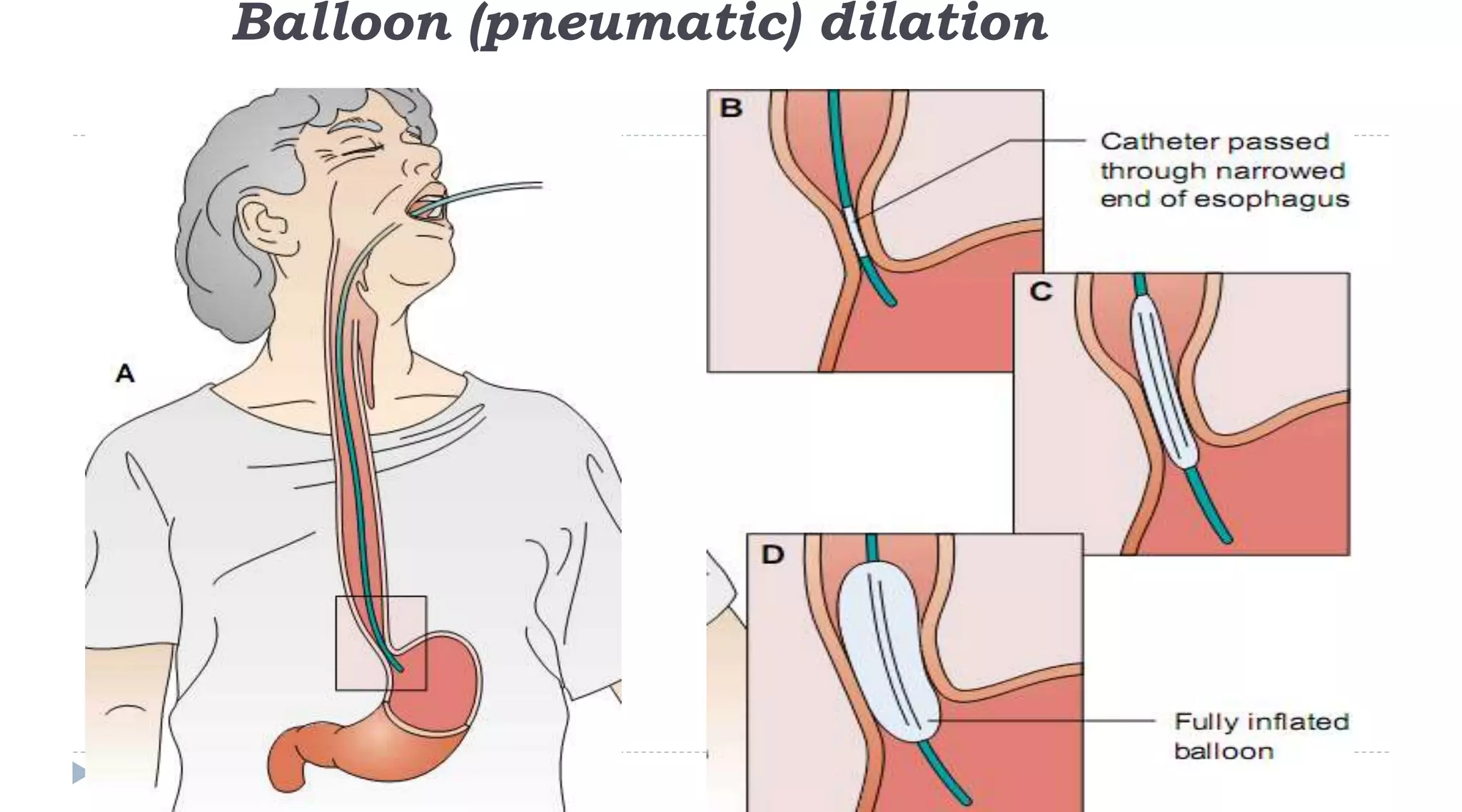
 Balloon (pneumatic) dilation- stretch the narrowed area of the
esophagus
 Surgery: esophagomyotomy
Balloon (pneumatic) dilation
44
Hiatal Hernia/ hiatus hernia
45
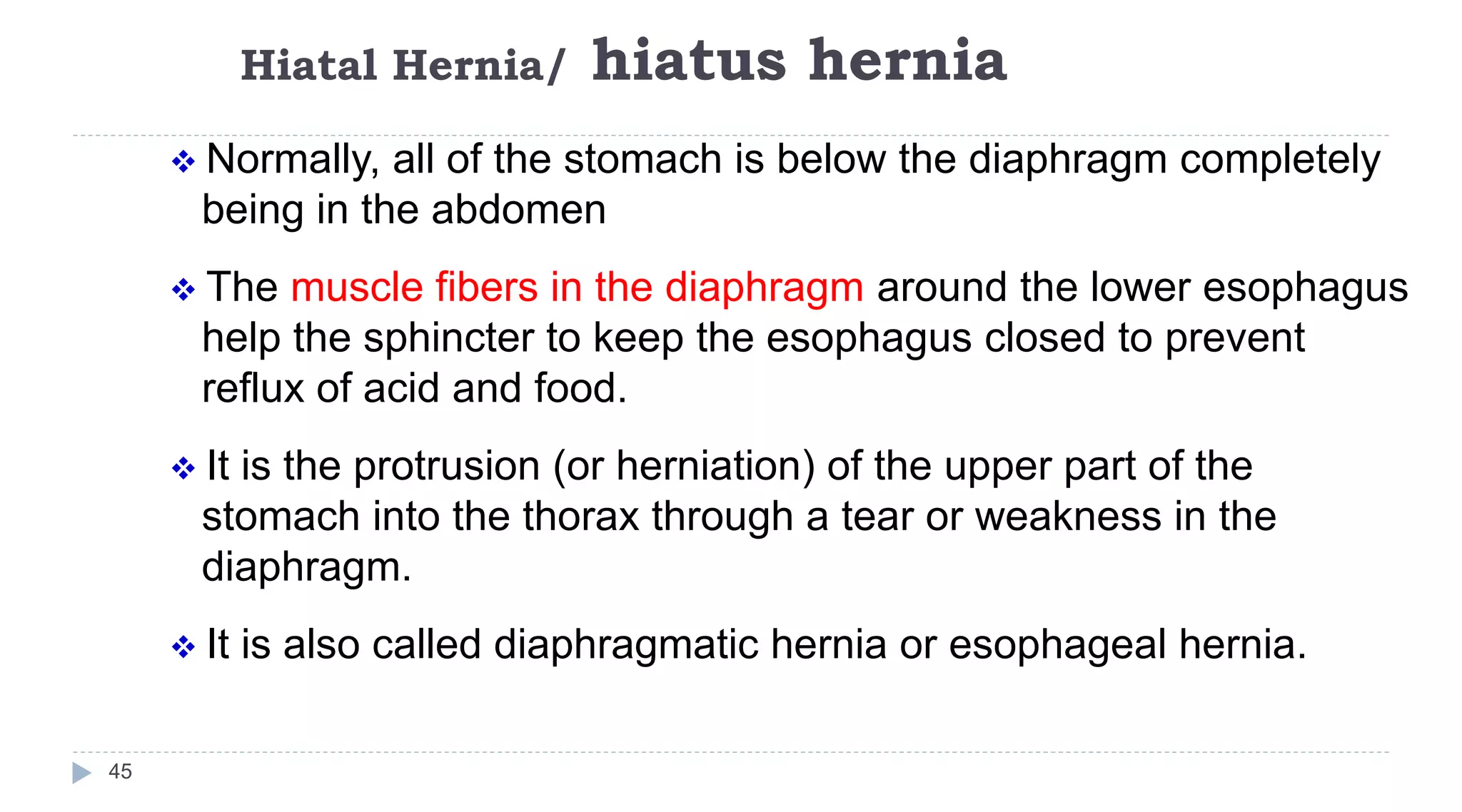
 Normally, all of the stomach is below the diaphragm completely
being in the abdomen
 The muscle fibers in the diaphragm around the lower esophagus
help the sphincter to keep the esophagus closed to prevent
reflux of acid and food.
 It is the protrusion (or herniation) of the upper part of the
stomach into the thorax through a tear or weakness in the
diaphragm.
 It is also called diaphragmatic hernia or esophageal hernia.
Types of hiatal hernia
46
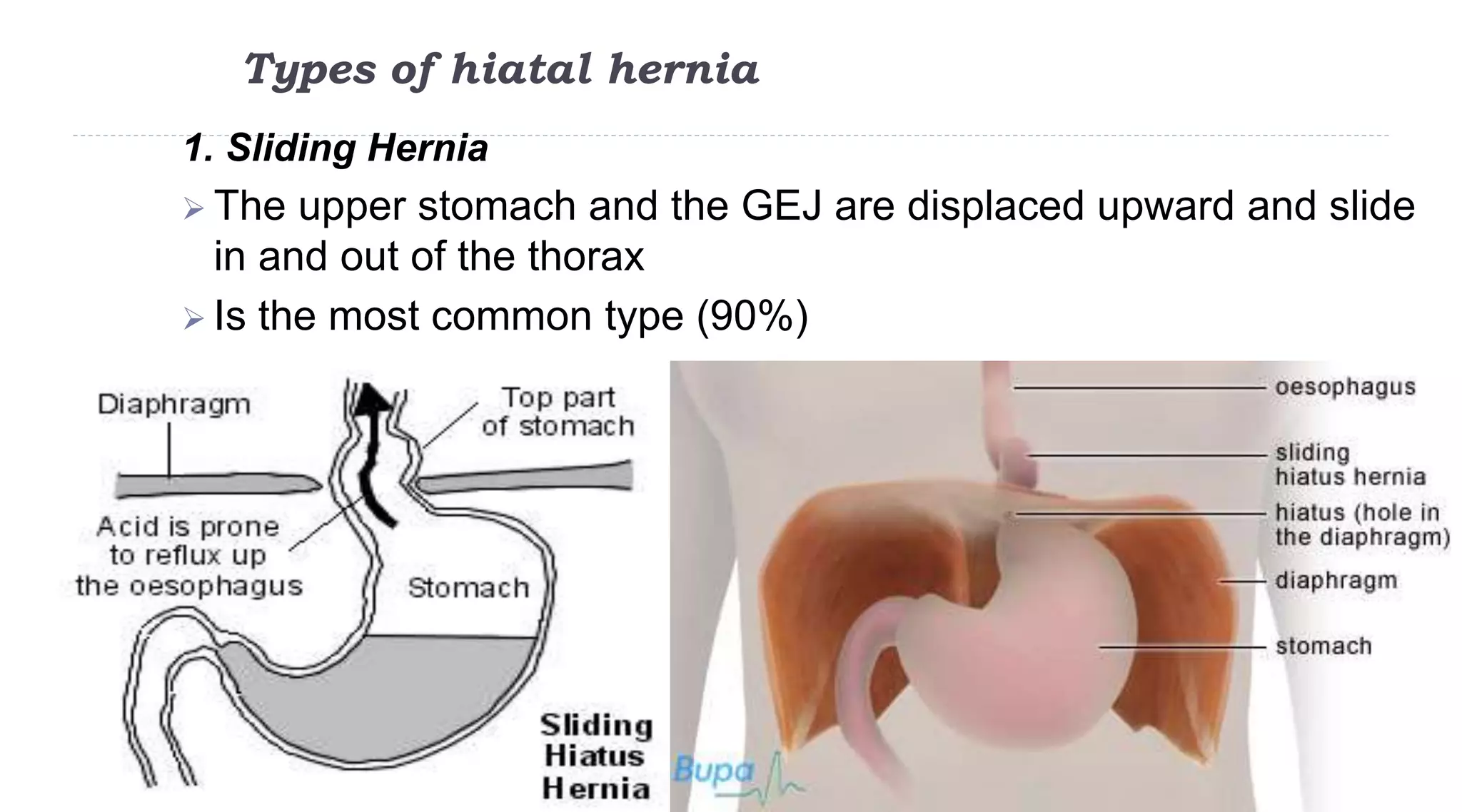
1. Sliding Hernia
 The upper stomach and the GEJ are displaced upward and slide
in and out of the thorax
 Is the most common type (90%)
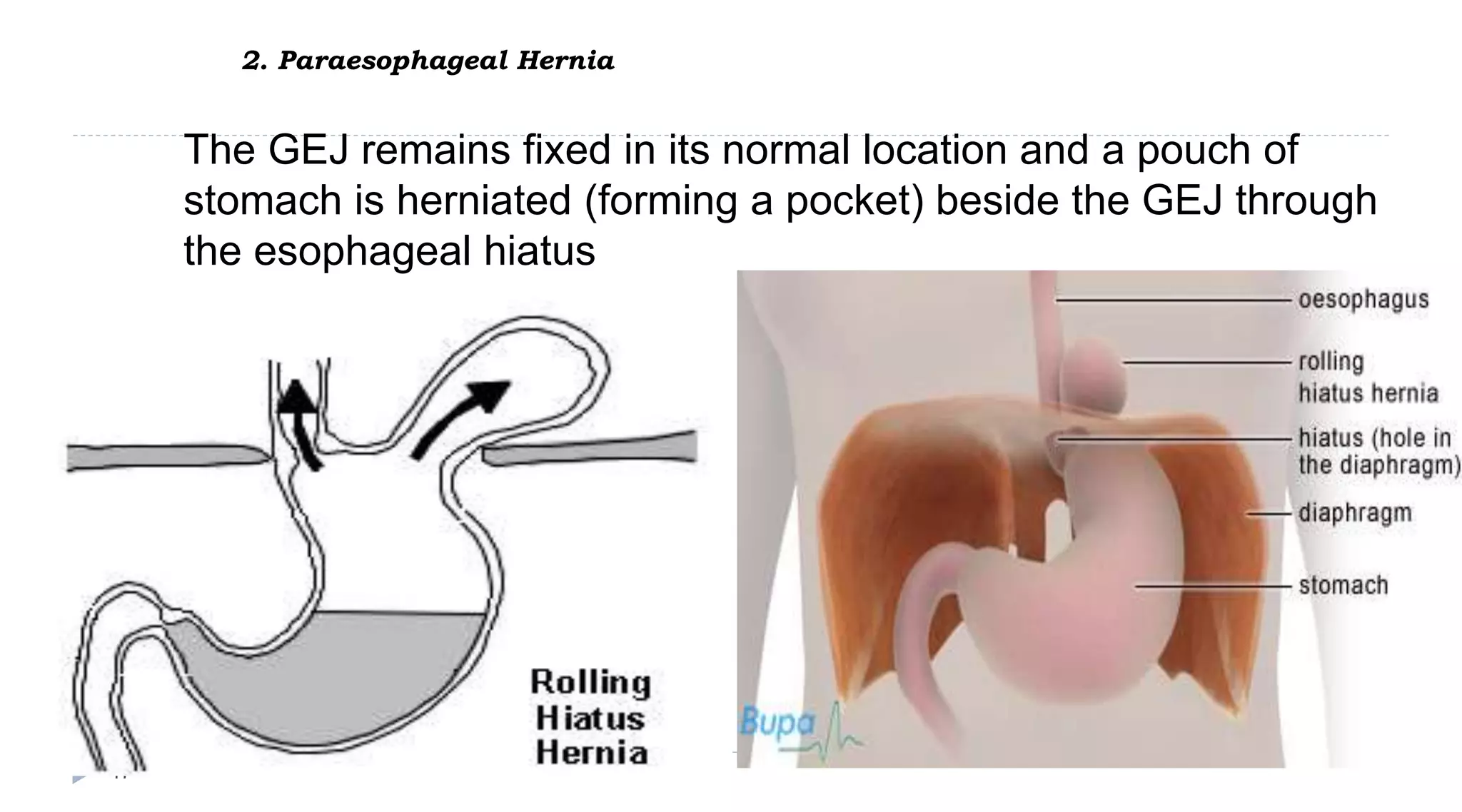
2. Paraesophageal Hernia
47
The GEJ remains fixed in its normal location and a pouch of
stomach is herniated (forming a pocket) beside the GEJ through
the esophageal hiatus
Etiology
48
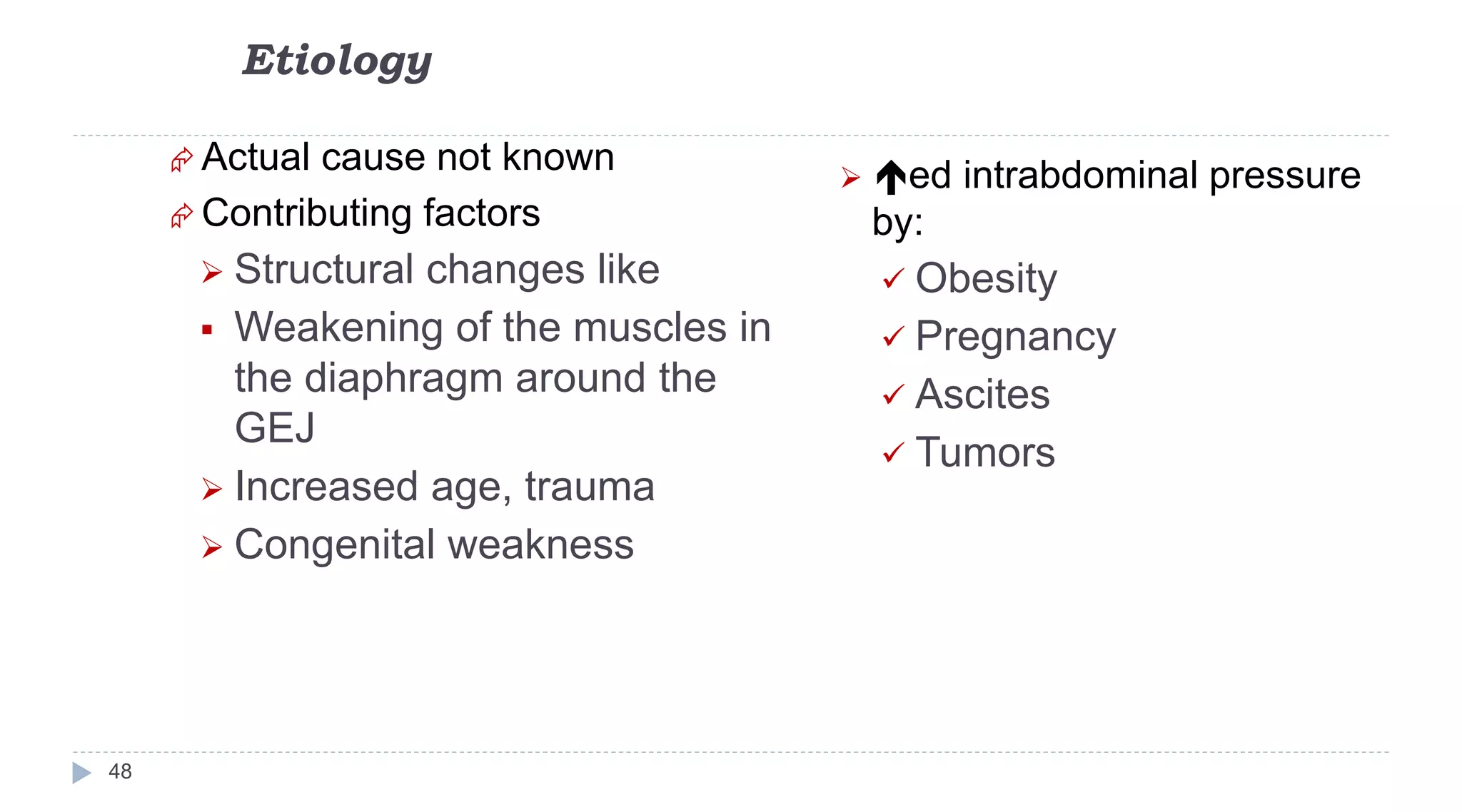
 Actual cause not known
 Contributing factors
 Structural changes like
 Weakening of the muscles in
the diaphragm around the
GEJ
 Increased age, trauma
 Congenital weakness
 ed intrabdominal pressure
by:
 Obesity
 Pregnancy
 Ascites
 Tumors
Clinical manifestations
49
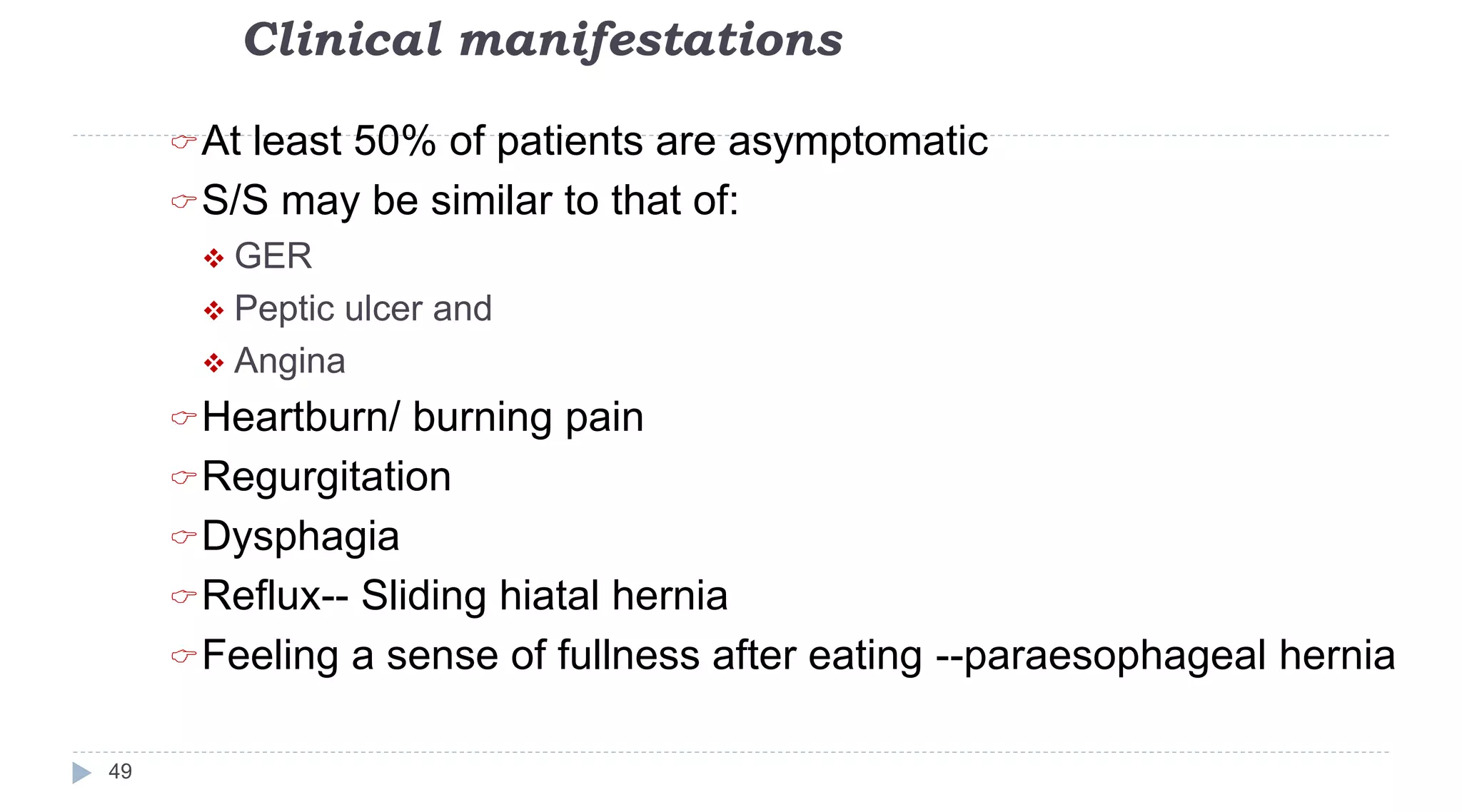
At least 50% of patients are asymptomatic
S/S may be similar to that of:
 GER
 Peptic ulcer and
 Angina
Heartburn/ burning pain
Regurgitation
Dysphagia
Reflux-- Sliding hiatal hernia
Feeling a sense of fullness after eating --paraesophageal hernia
Diagnosis
50
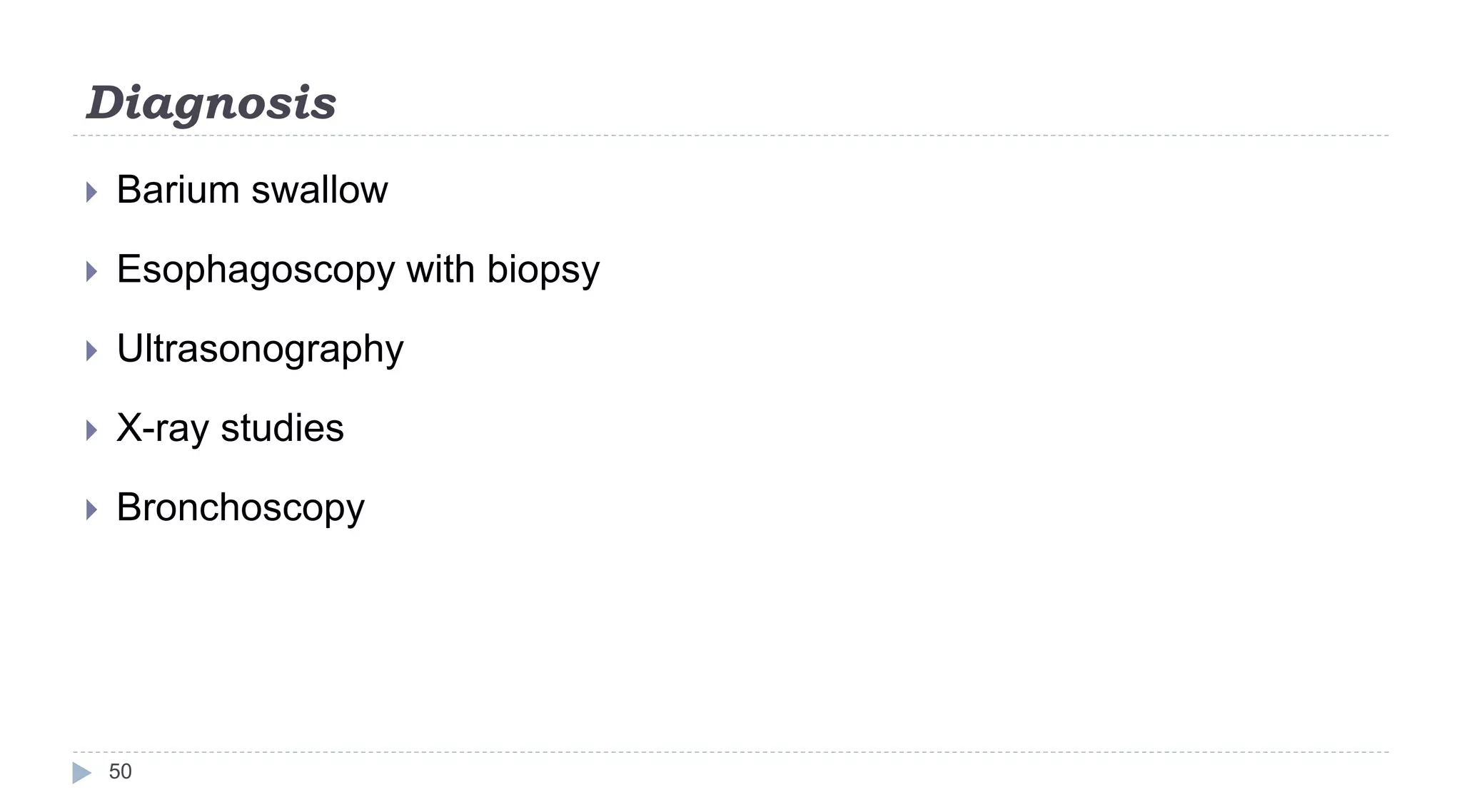
 Barium swallow
 Esophagoscopy with biopsy
 Ultrasonography
 X-ray studies
 Bronchoscopy
Management
51
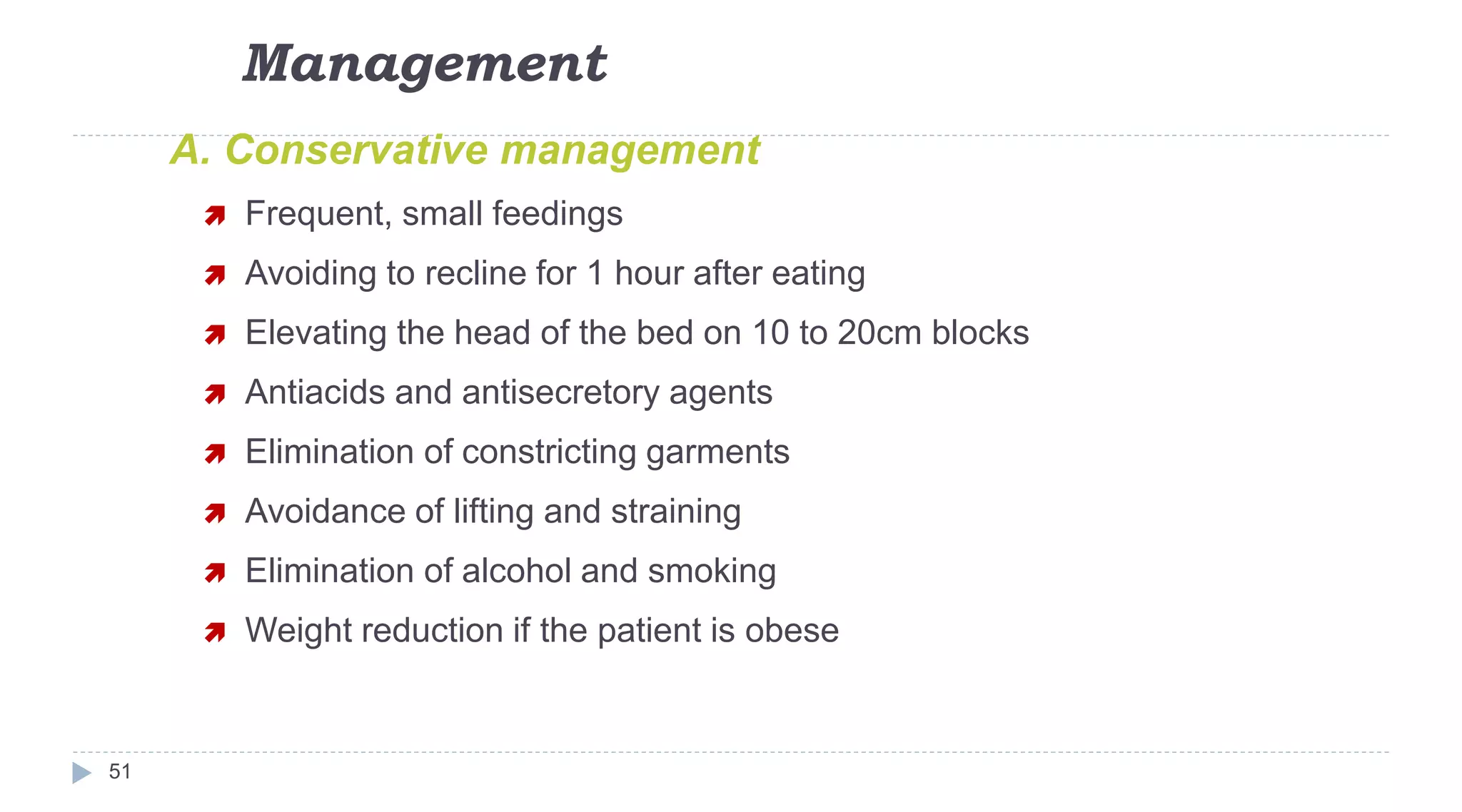
A. Conservative management
 Frequent, small feedings
 Avoiding to recline for 1 hour after eating
 Elevating the head of the bed on 10 to 20cm blocks
 Antiacids and antisecretory agents
 Elimination of constricting garments
 Avoidance of lifting and straining
 Elimination of alcohol and smoking
 Weight reduction if the patient is obese
B. Surgical interventions
52
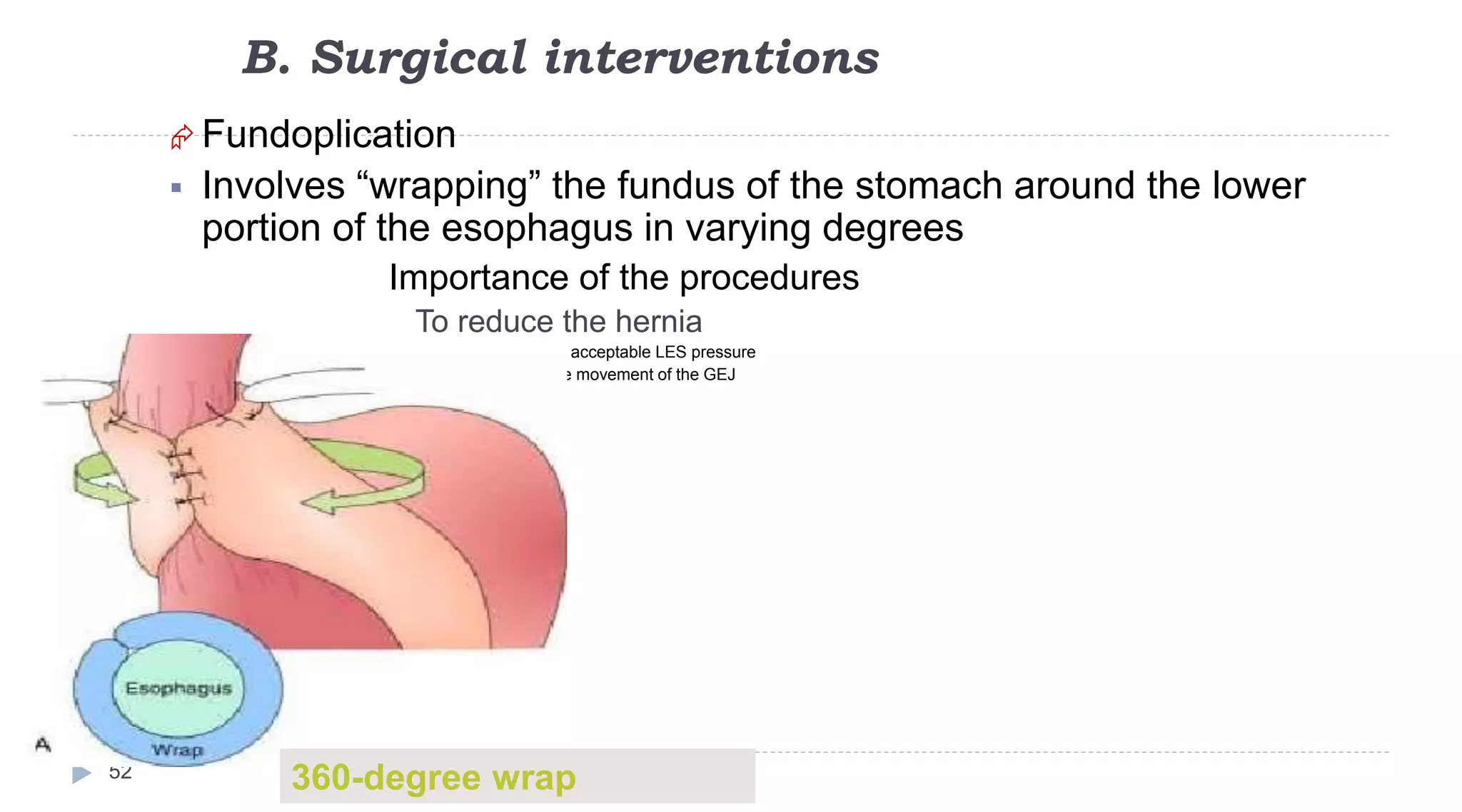
 Fundoplication
 Involves “wrapping” the fundus of the stomach around the lower
portion of the esophagus in varying degrees
Importance of the procedures
To reduce the hernia
 To provide an acceptable LES pressure
 To prevent the movement of the GEJ
360-degree wrap
53
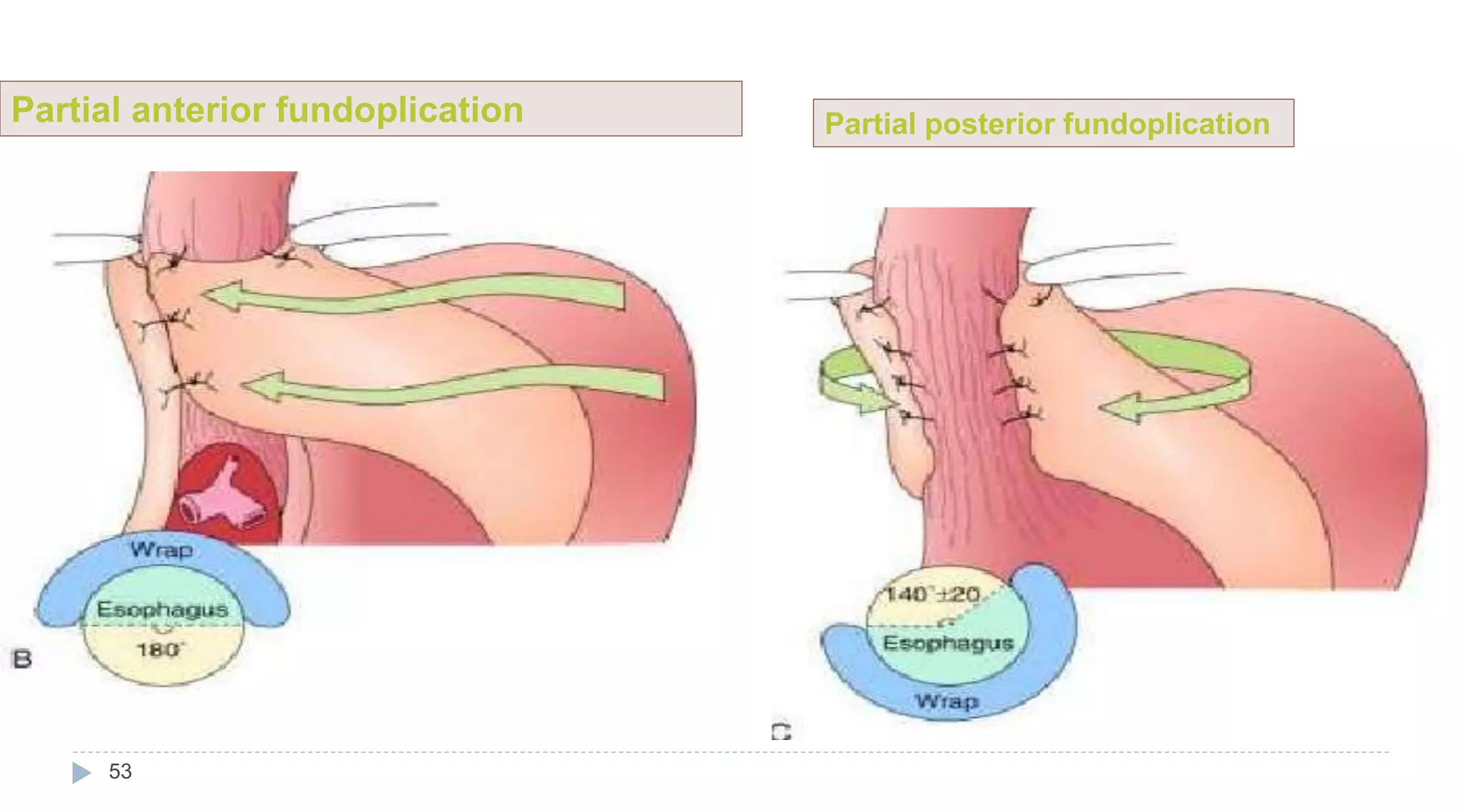
Partial anterior fundoplication Partial posterior fundoplication
Gastro-esophageal Reflux Disease (GERD)
54
 GERD is not a disease
 Is a syndrome produced by conditions that result in reflux
(back-flow) of gastric or duodenal secretions in to the
esophagus.
 The stomach lining protects the stomach from the effects of its
own acid but esophagus can’t protect itself producing S/S
GERD--Predisposing conditions
55
 Incompetent LES
 Conditions resulting in gastric
contents near the GEJ
 Bending down
 Hiatal hernia
 Decreased gastric emptying
 Certain drugs that interfere LES
function
  gastric pressure
 Dietary habits
Fatty foods
Chocolate
Caffeinated
Carbonated beverages
 Ingestion of alcohol
 Tobacco smoking
 Pyloric stenosis
Complications
56
 Esophageal irritation and inflammation
 Corrosion to the esophagus
 Scar tissue formation and decreased dispensability of secondary to
inflammation and irritation
 Aspiration
Clinical manifestations
57
 Pyrosis
 Dyspepsia (indigestion)
 Regurgitation
 Dysphagia
 Odynophagia
 Hypersalivation
 Esophagitis
Diagnosis
58
Barium swallow-determine if there is protrusion of the gastric
cardia
Esophagoscopy- determine the incompetence of the LES and
the extent of inflammation, potential scarring, and strictures
Biopsy and cytologic analysis
pH monitoring
Motility (manometry) studies
Bilirubin monitoring
Management
59
A. Patient education
 Low-fat diet
 To avoid caffeine, tobacco, beer, milk, foods containing
peppermint or spearmint, and carbonated beverages which
increase gastric secretion
 Eating or drinking 2 hours before bedtime
 To maintain normal body weight
 To avoid tight-fitting clothes
 To elevate the head of the bed on 15- to 20-cm blocks
GERD-- Mgt Cont’d…
60
B. Drugs
 Antacids- 1 to 2 hrs after meals and at bed time
 Histamine receptor blockers
 Proton pump inhibitors like omeprazole
 Cholinergics (e.g. bethanechol)
 Metoclopramide
61
Gastritis
Gastritis Definition
62
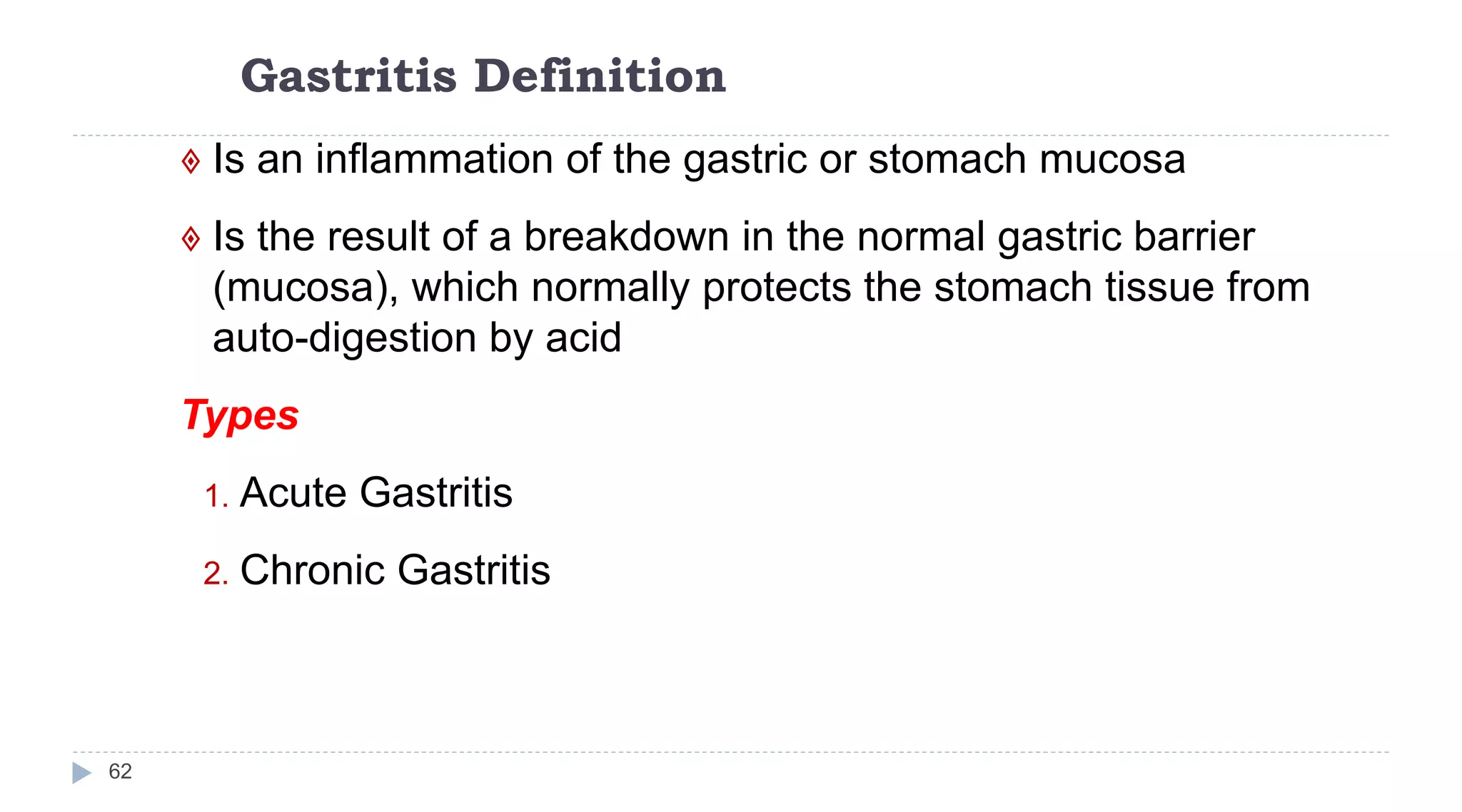
 Is an inflammation of the gastric or stomach mucosa
 Is the result of a breakdown in the normal gastric barrier
(mucosa), which normally protects the stomach tissue from
auto-digestion by acid
Types
1. Acute Gastritis
2. Chronic Gastritis
Etiology --Acute Gastritis
63
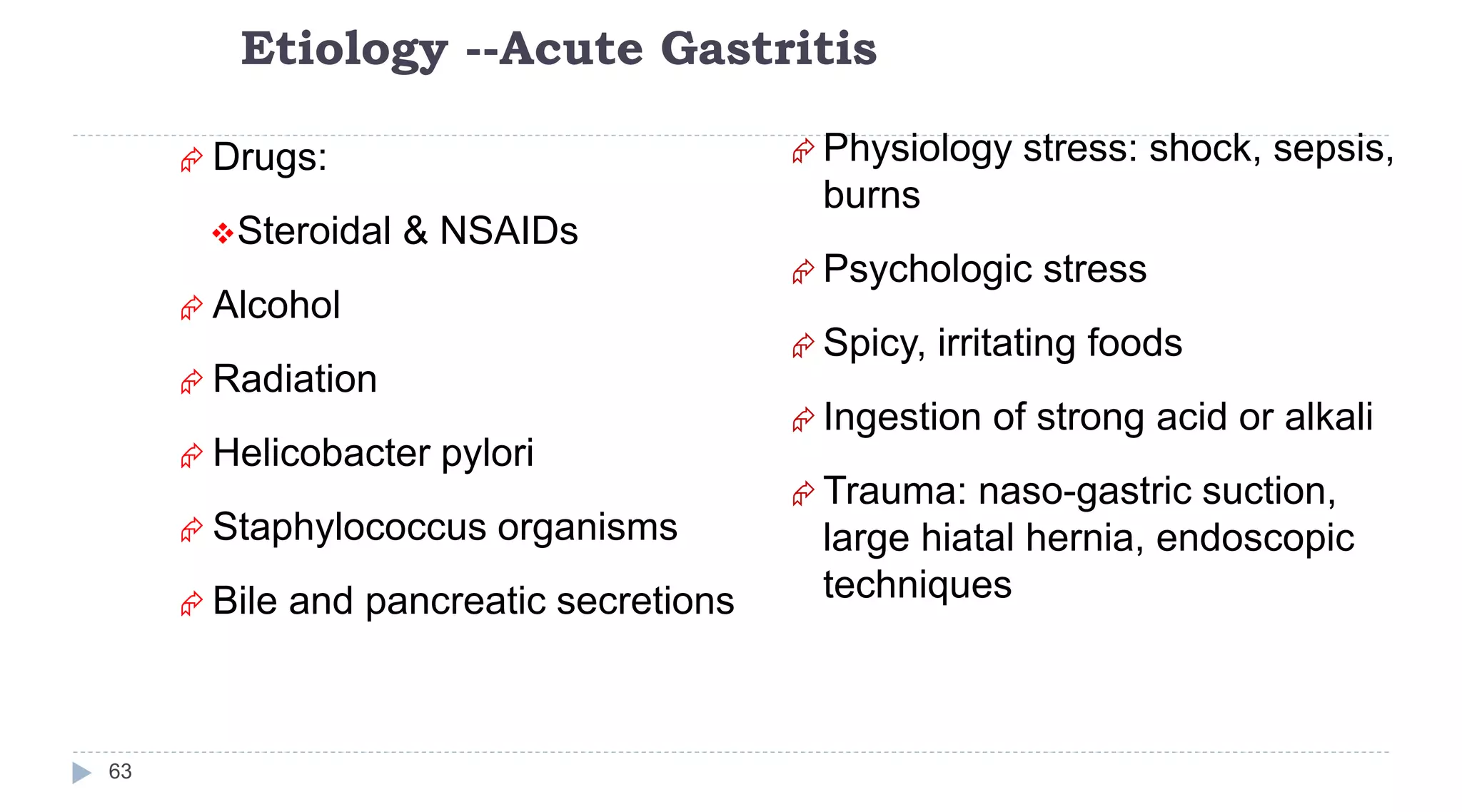
 Drugs:
Steroidal & NSAIDs
 Alcohol
 Radiation
 Helicobacter pylori
 Staphylococcus organisms
 Bile and pancreatic secretions
 Physiology stress: shock, sepsis,
burns
 Psychologic stress
 Spicy, irritating foods
 Ingestion of strong acid or alkali
 Trauma: naso-gastric suction,
large hiatal hernia, endoscopic
techniques
Etiology-- Chronic Gastritis
64
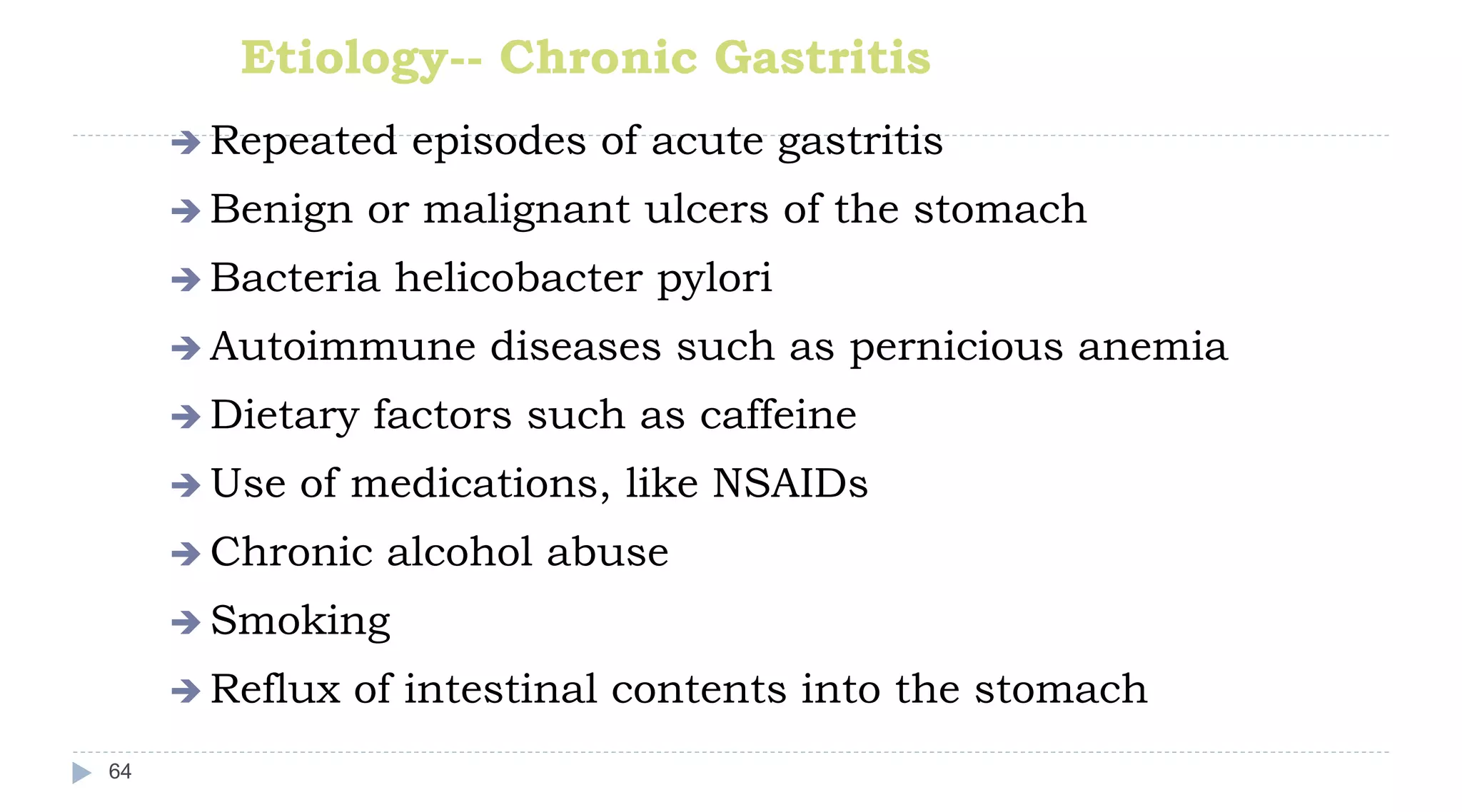
 Repeated episodes of acute gastritis
 Benign or malignant ulcers of the stomach
 Bacteria helicobacter pylori
 Autoimmune diseases such as pernicious anemia
 Dietary factors such as caffeine
 Use of medications, like NSAIDs
 Chronic alcohol abuse
 Smoking
 Reflux of intestinal contents into the stomach
PP
65
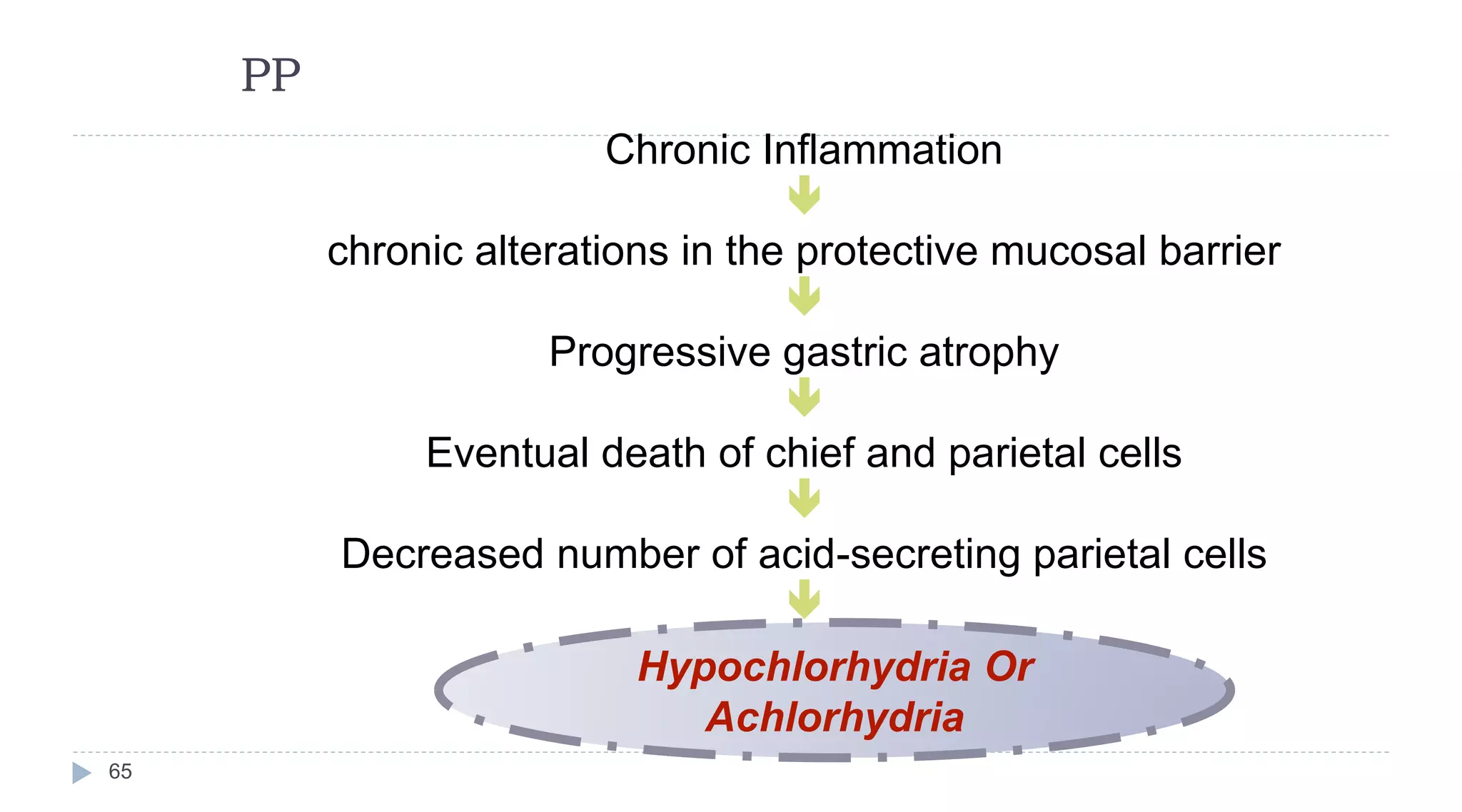
Chronic Inflammation

chronic alterations in the protective mucosal barrier

Progressive gastric atrophy

Eventual death of chief and parietal cells

Decreased number of acid-secreting parietal cells

Hypochlorhydria Or
Achlorhydria
Clinical Manifestation
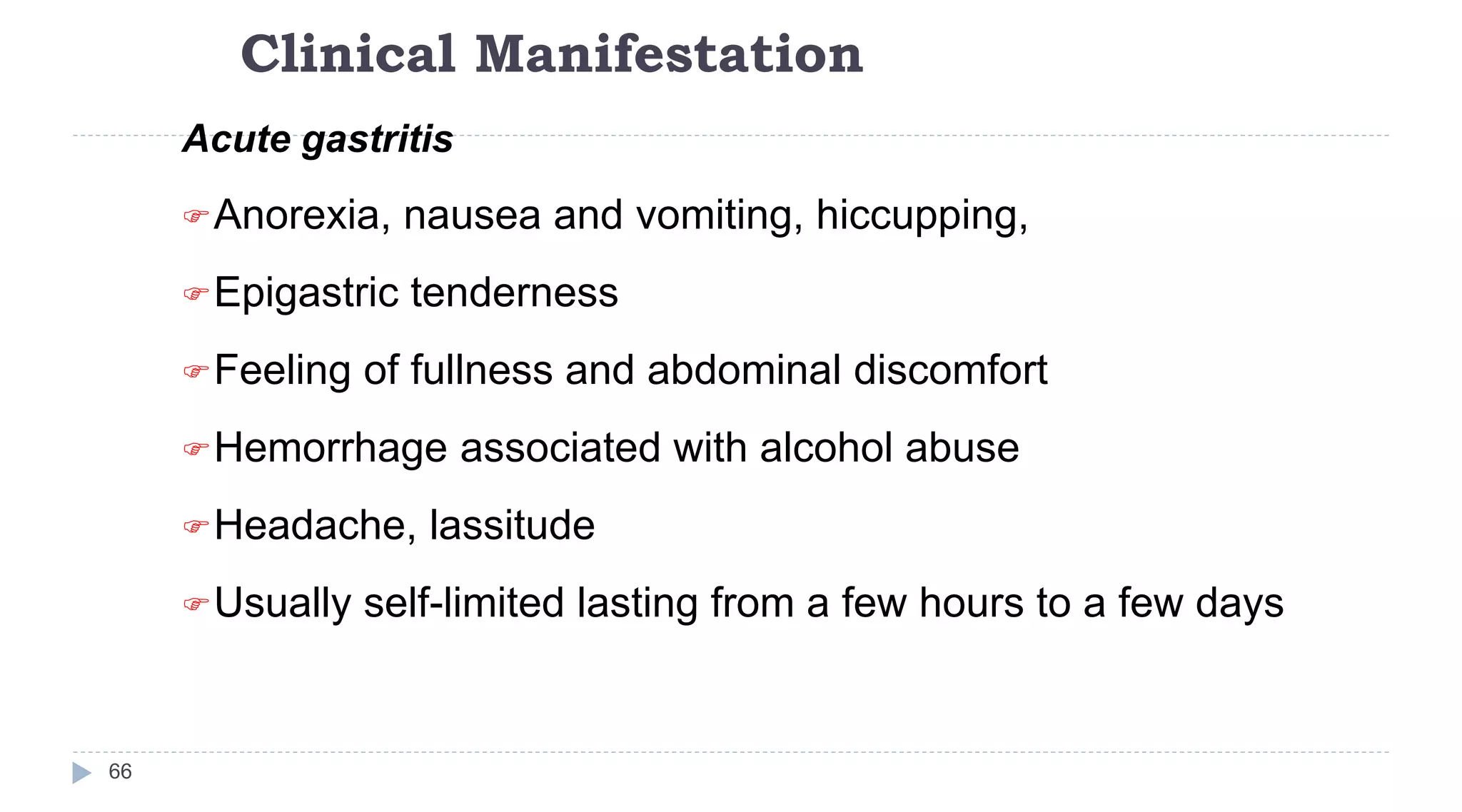
66
Acute gastritis
Anorexia, nausea and vomiting, hiccupping,
Epigastric tenderness
Feeling of fullness and abdominal discomfort
Hemorrhage associated with alcohol abuse
Headache, lassitude
Usually self-limited lasting from a few hours to a few days
C/Ms Cont’d…
67
Chronic gastritis
S/S are similar to that of acute gastritis
Anemia because of atrophy of cells producing intrinsic factor
Diagnosis
68
 Endoscopic examination with biopsy
 Complete blood count (CBC)
 Stool exam for occult blood
 Serologic test for H. pylori
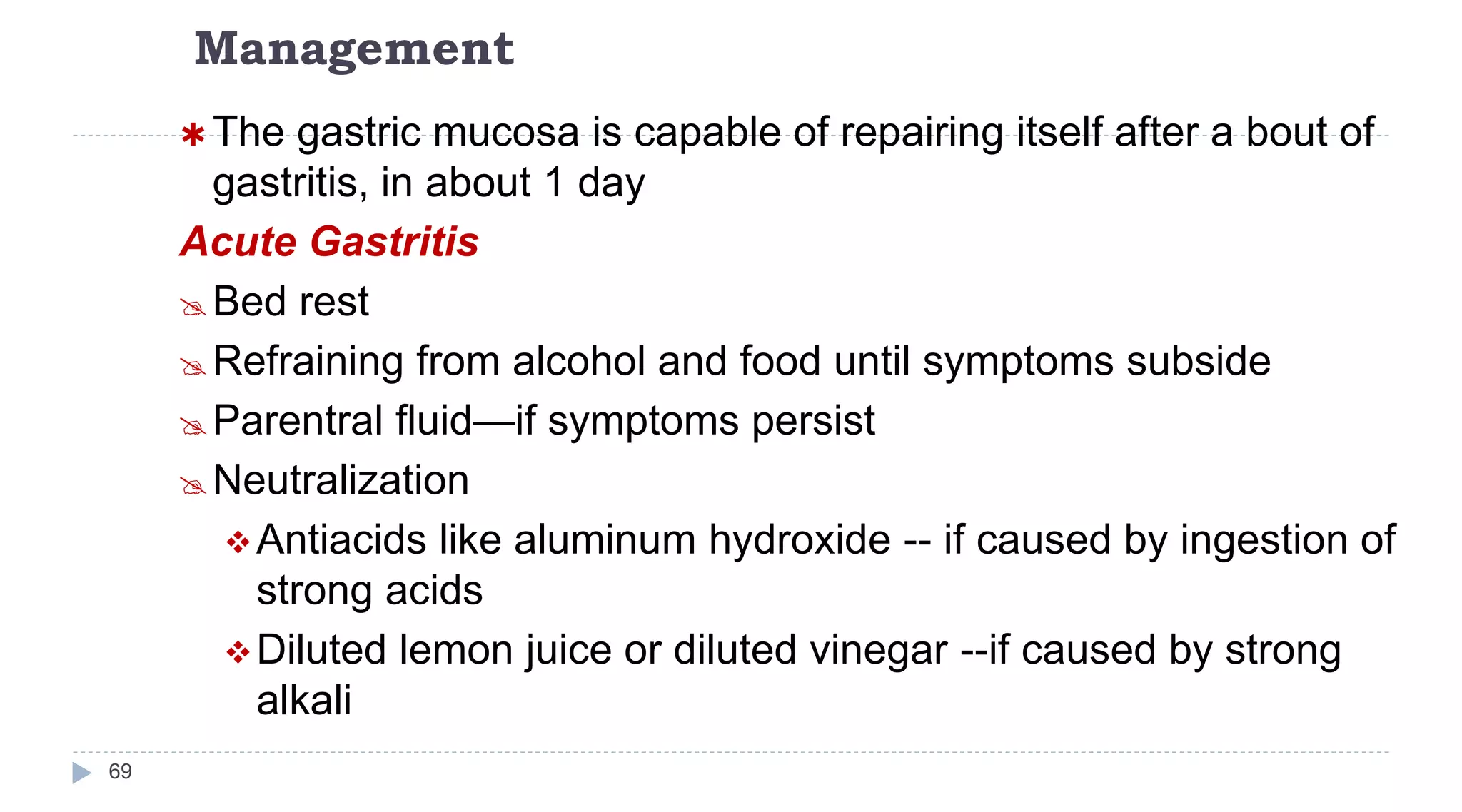
Management
69
 The gastric mucosa is capable of repairing itself after a bout of
gastritis, in about 1 day
Acute Gastritis
Bed rest
Refraining from alcohol and food until symptoms subside
Parentral fluid—if symptoms persist
Neutralization
Antiacids like aluminum hydroxide -- if caused by ingestion of
strong acids
Diluted lemon juice or diluted vinegar --if caused by strong
alkali
Mgt Acute Gastritis Cont’d…
70
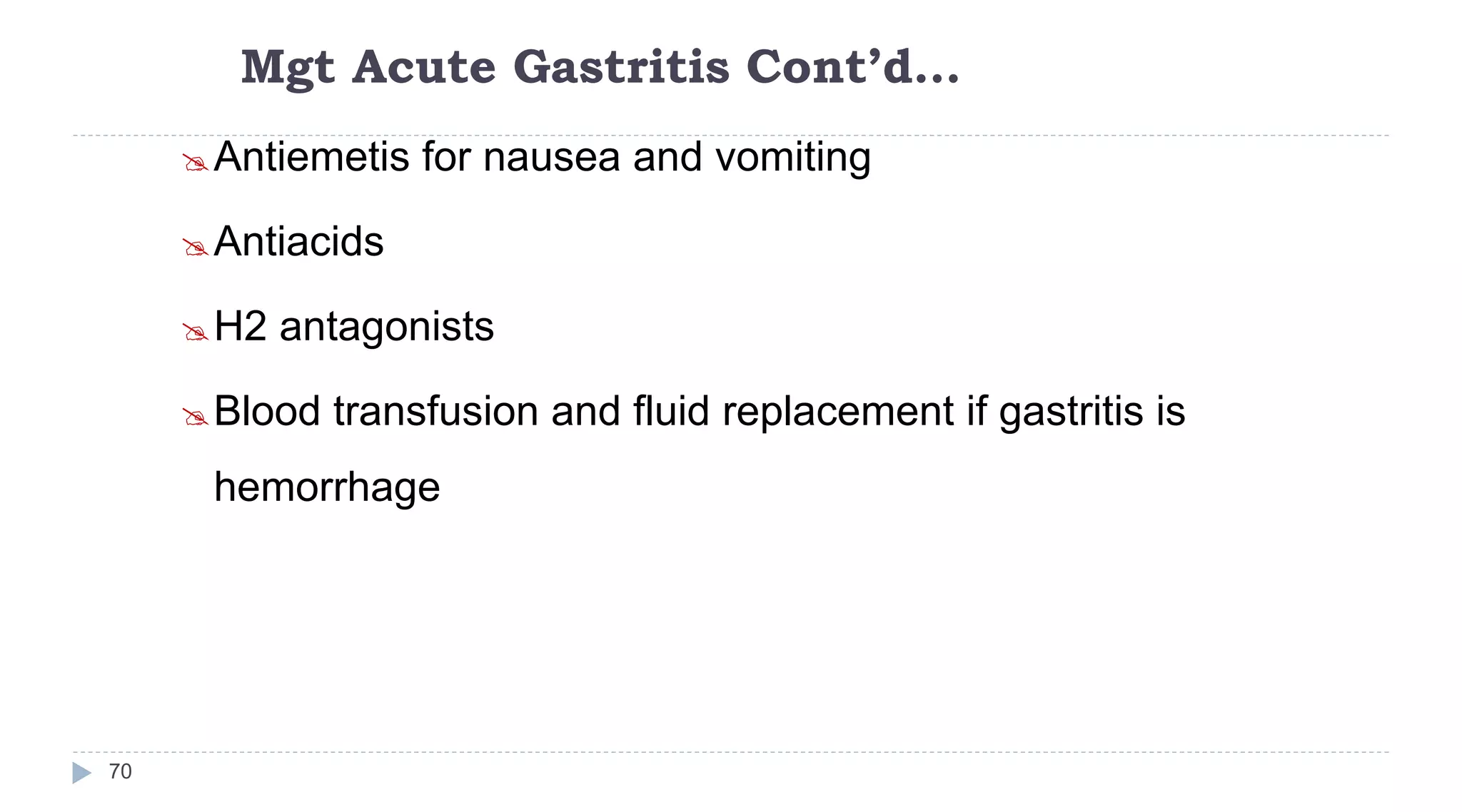
Antiemetis for nausea and vomiting
Antiacids
H2 antagonists
Blood transfusion and fluid replacement if gastritis is
hemorrhage
Mgt: Chronic Gastritis
71
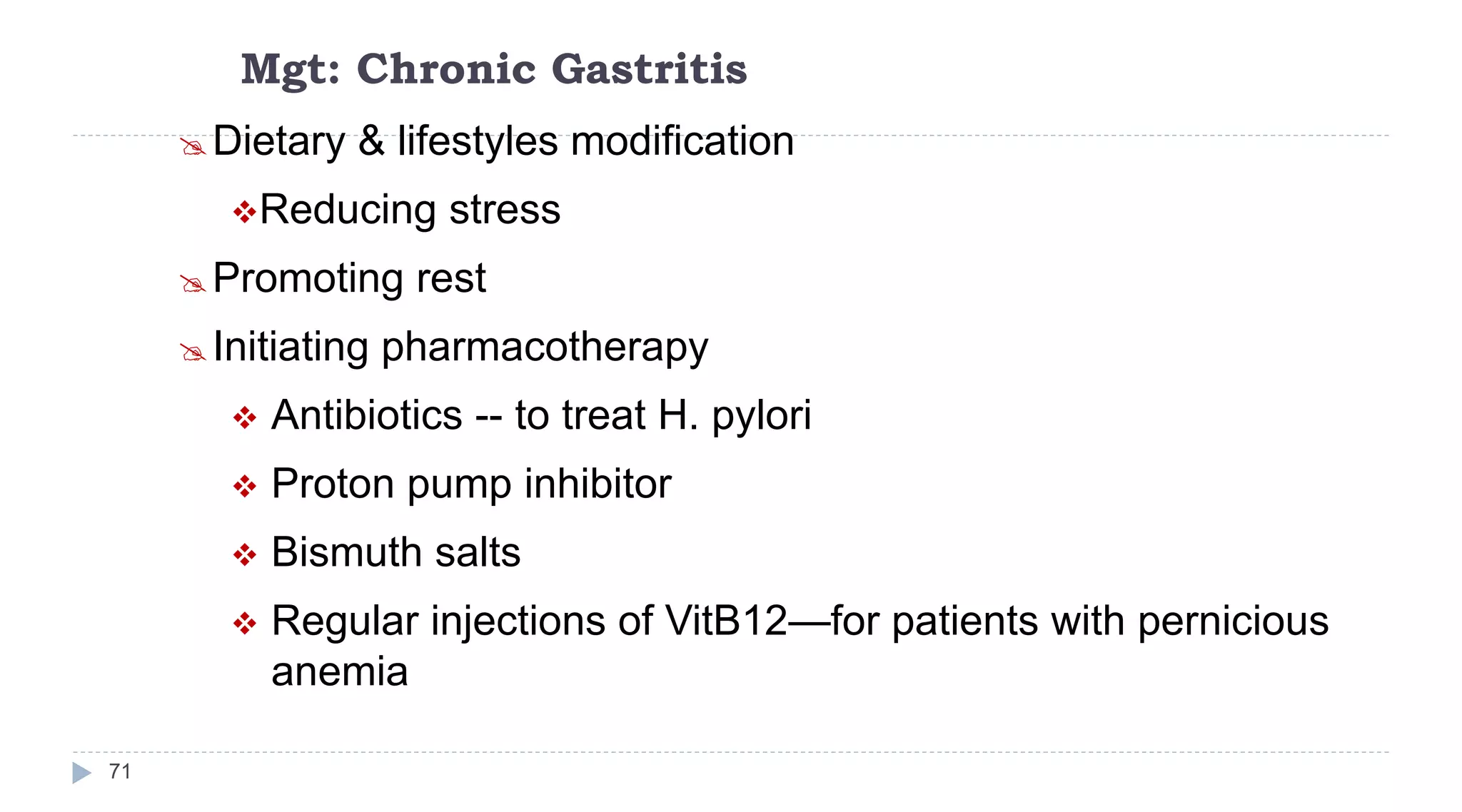
Dietary & lifestyles modification
Reducing stress
Promoting rest
Initiating pharmacotherapy
 Antibiotics -- to treat H. pylori
 Proton pump inhibitor
 Bismuth salts
 Regular injections of VitB12—for patients with pernicious
anemia
Major Nursing Diagnoses
72
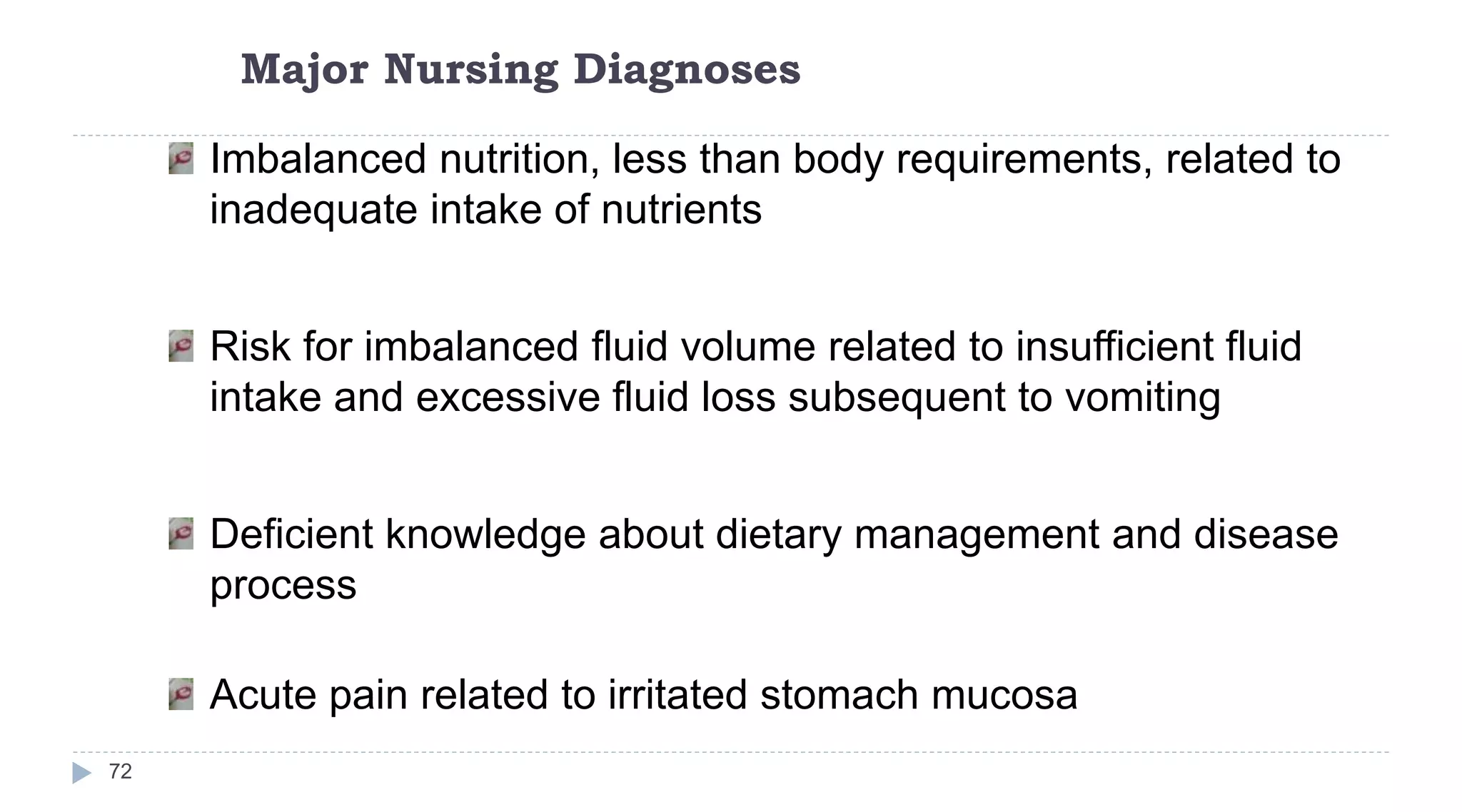
Imbalanced nutrition, less than body requirements, related to
inadequate intake of nutrients
Risk for imbalanced fluid volume related to insufficient fluid
intake and excessive fluid loss subsequent to vomiting
Deficient knowledge about dietary management and disease
process
Acute pain related to irritated stomach mucosa
Peptic Ulcer Disease
Gastric and Duodenal Ulcers
73
Definition
74
 PUD is an excavation (hollowed-out area) that forms in the
mucosal wall of the stomach, in the pylorus, duodenum, or in
the esophagus
 Results from the digestive action of HCl & pepsin
 More common in people b/n 40 & 60 years
 Incidence
 Is relatively uncommon in women of childbearing age
 Is almost equal to that in men after menopause
 Can occur without excessive acid secretion
 Ulcers are defined as breaks in the mucosal surface >5 mm in
size, with depth to the submucosa
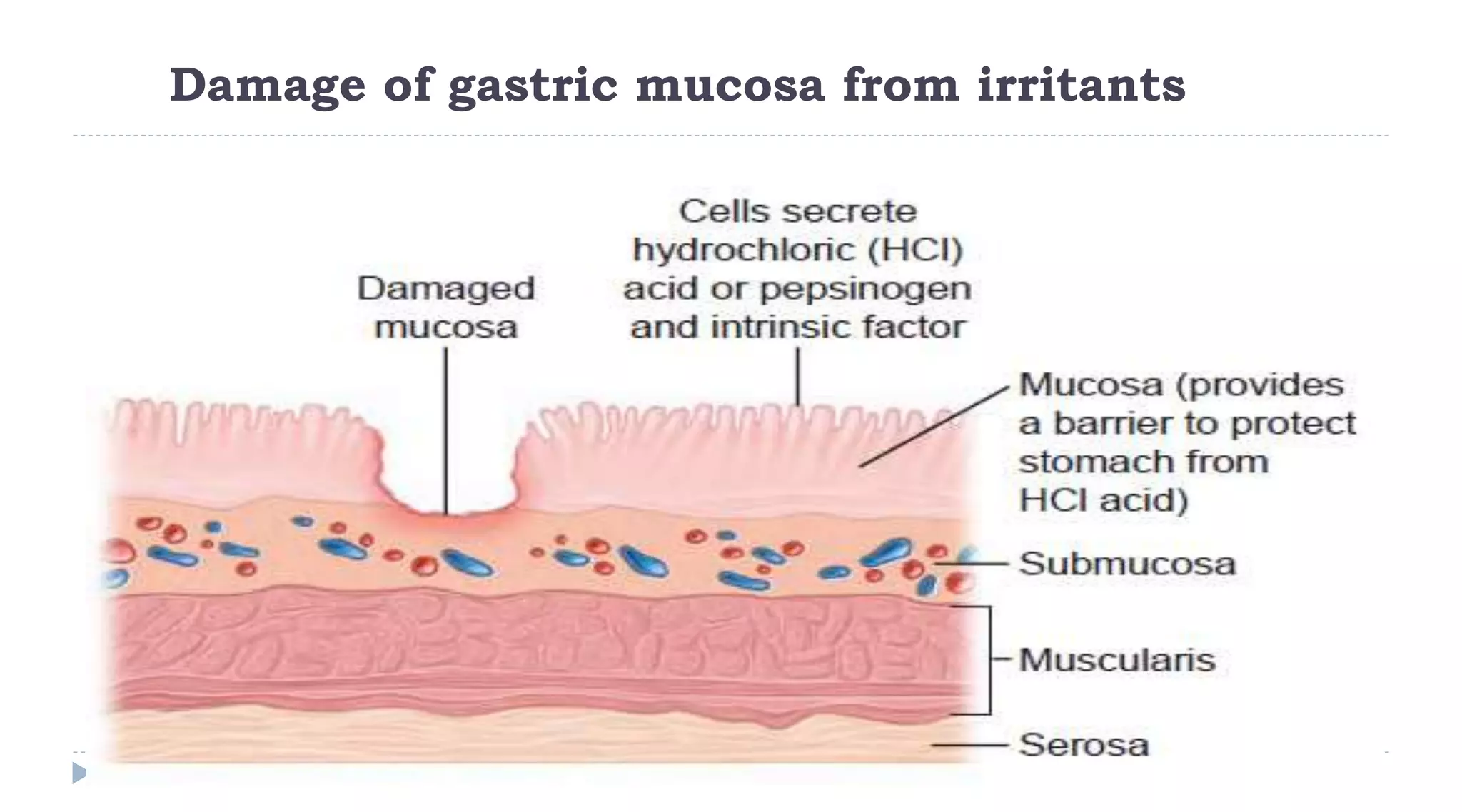
Damage of gastric mucosa from irritants
75
Types of PUD
76
Depending on the degree of mucosal involvement
i. Acute PUD
 Associated with superficial erosion and minimal inflammation
ii. Chronic PUD
 Is of long duration, eroding through the muscular wall with the formation
of fibrous tissue
 Present continuously for many months or intermittently throughout the
person’s lifetime
 Is at least four times as common as acute erosion
Depending on the location of erosion
a. Gastric ulcer (GU)
b. Duodenal ulcer (DU)
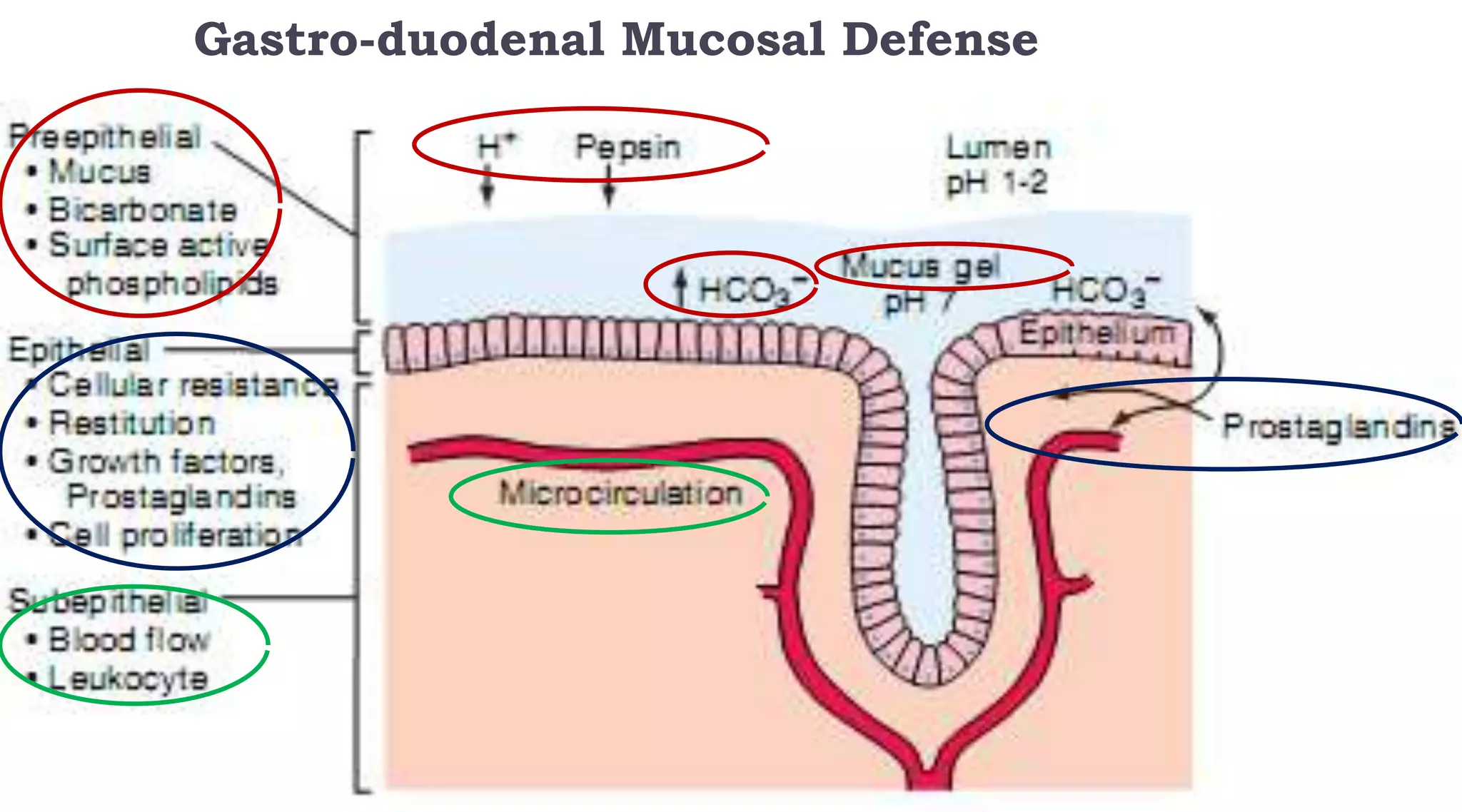
Gastro-duodenal Mucosal Defense
77
Cause
78
 Infection with H. pylori
 Excessive secretion of HCl in the stomach because of:
 Psychological stress (e.g., anxiety) and physiological stress (like
in case of burn, shock, surgery)
 Ingestion of milk and caffeinated beverages
 Ingestion of hot, rough, or spicy foods
 Alcohol
 Smoking
Cause Cont’d…
79
Ulcerogenic drugs
Tumors, like in case of Zollinger-Ellison syndrome (ZES)–
produce excessive amounts of the hormone gastrin
GERD- resulting esophageal ulcer
Familial tendency-genetic link– those with blood type O
Pregnancy appears to protect women from the developing ulcers
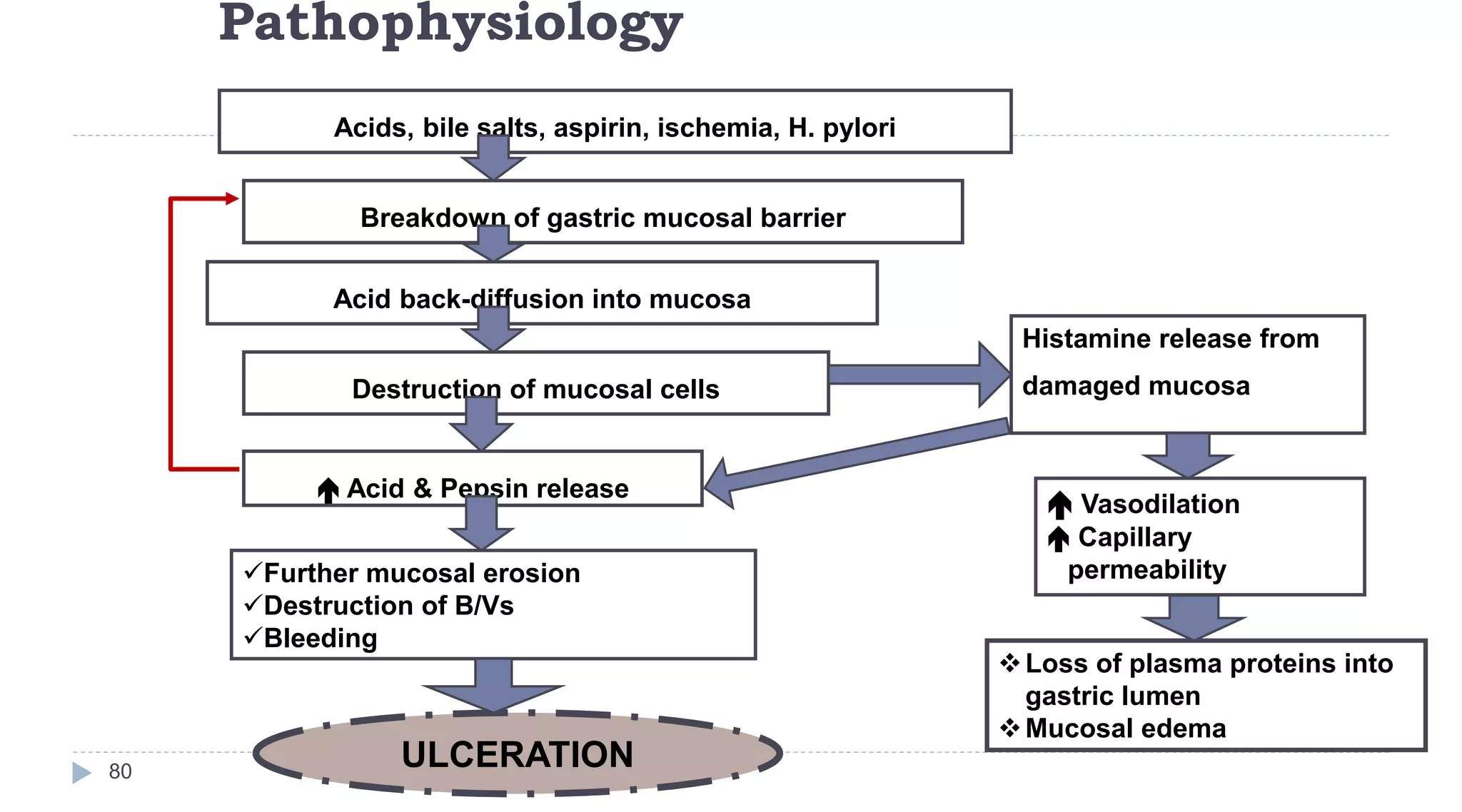
Pathophysiology
80
Acids, bile salts, aspirin, ischemia, H. pylori
Breakdown of gastric mucosal barrier
Acid back-diffusion into mucosa
Destruction of mucosal cells
 Acid & Pepsin release
Further mucosal erosion
Destruction of B/Vs
Bleeding
Histamine release from
damaged mucosa
 Vasodilation
 Capillary
permeability
Loss of plasma proteins into
gastric lumen
Mucosal edema
ULCERATION
Clinical Manifestations
81
Symptoms may last for a few days, weeks, or months and may
disappear only to reappear, often without an identifiable cause
C/Ms Cont’d…
82
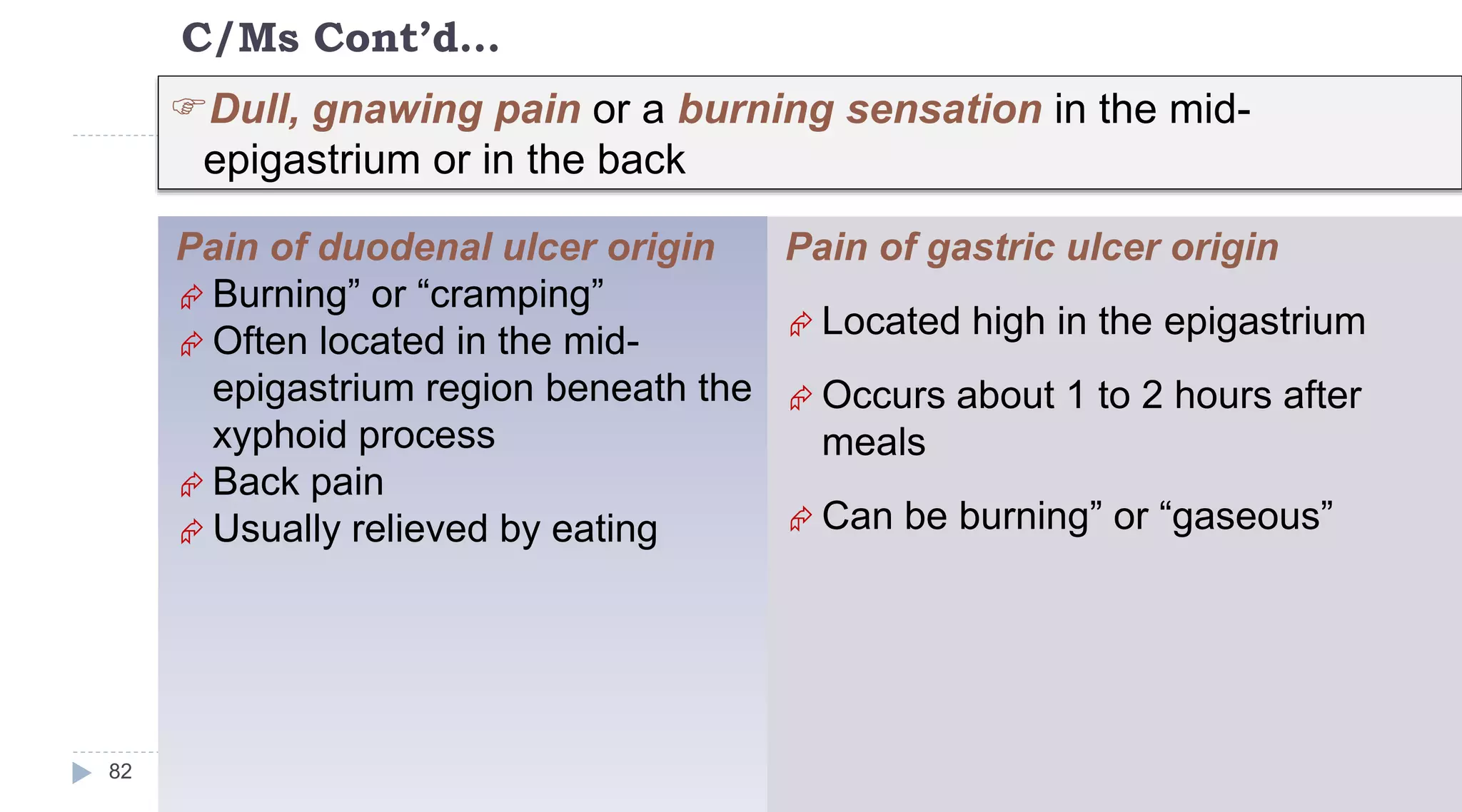
Pain of duodenal ulcer origin
 Burning” or “cramping”
 Often located in the mid-
epigastrium region beneath the
xyphoid process
 Back pain
 Usually relieved by eating
Pain of gastric ulcer origin
 Located high in the epigastrium
 Occurs about 1 to 2 hours after
meals
 Can be burning” or “gaseous”
Dull, gnawing pain or a burning sensation in the mid-
epigastrium or in the back
C/Ms Cont’d…
83
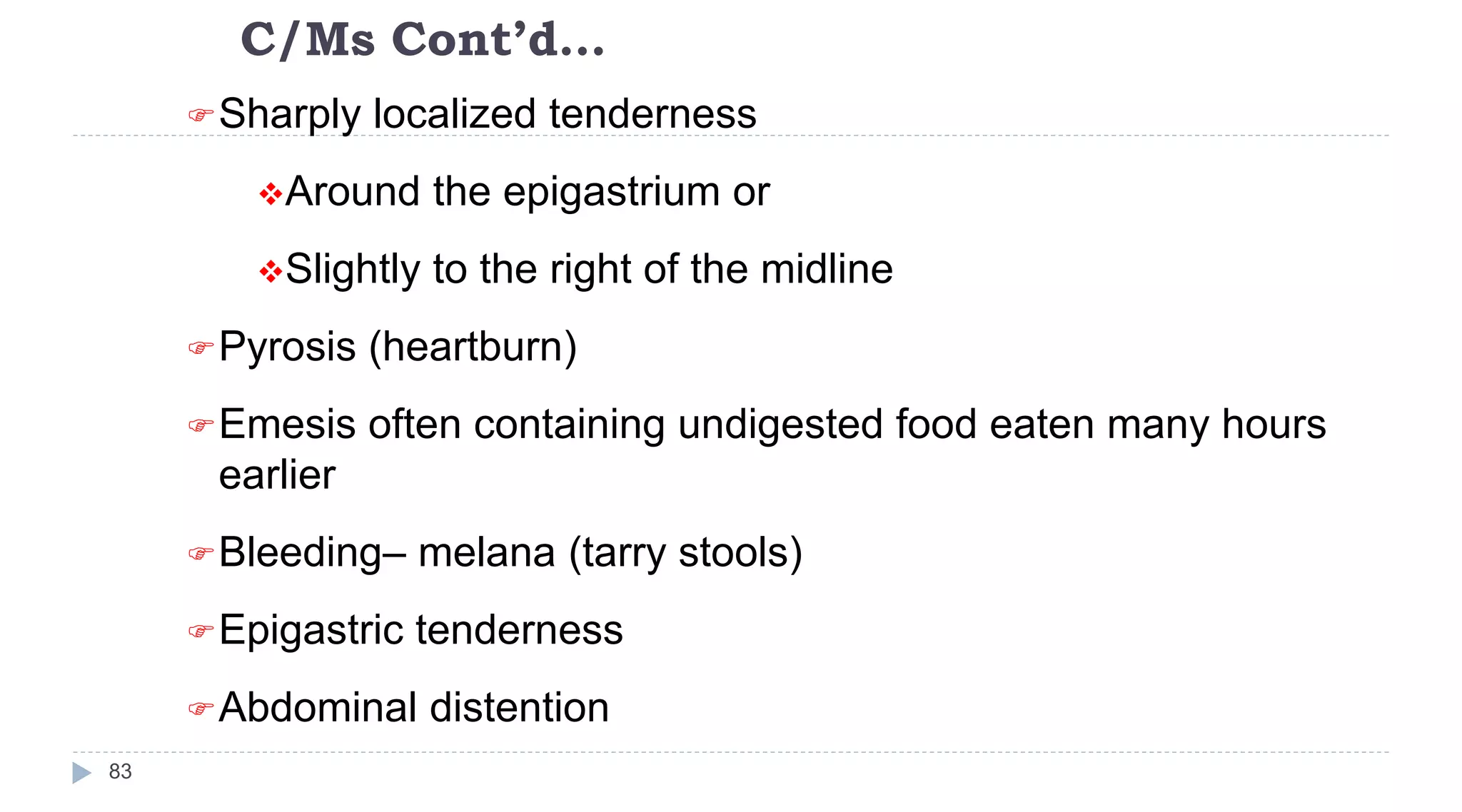
Sharply localized tenderness
Around the epigastrium or
Slightly to the right of the midline
Pyrosis (heartburn)
Emesis often containing undigested food eaten many hours
earlier
Bleeding– melana (tarry stools)
Epigastric tenderness
Abdominal distention
Emergency Complications
84
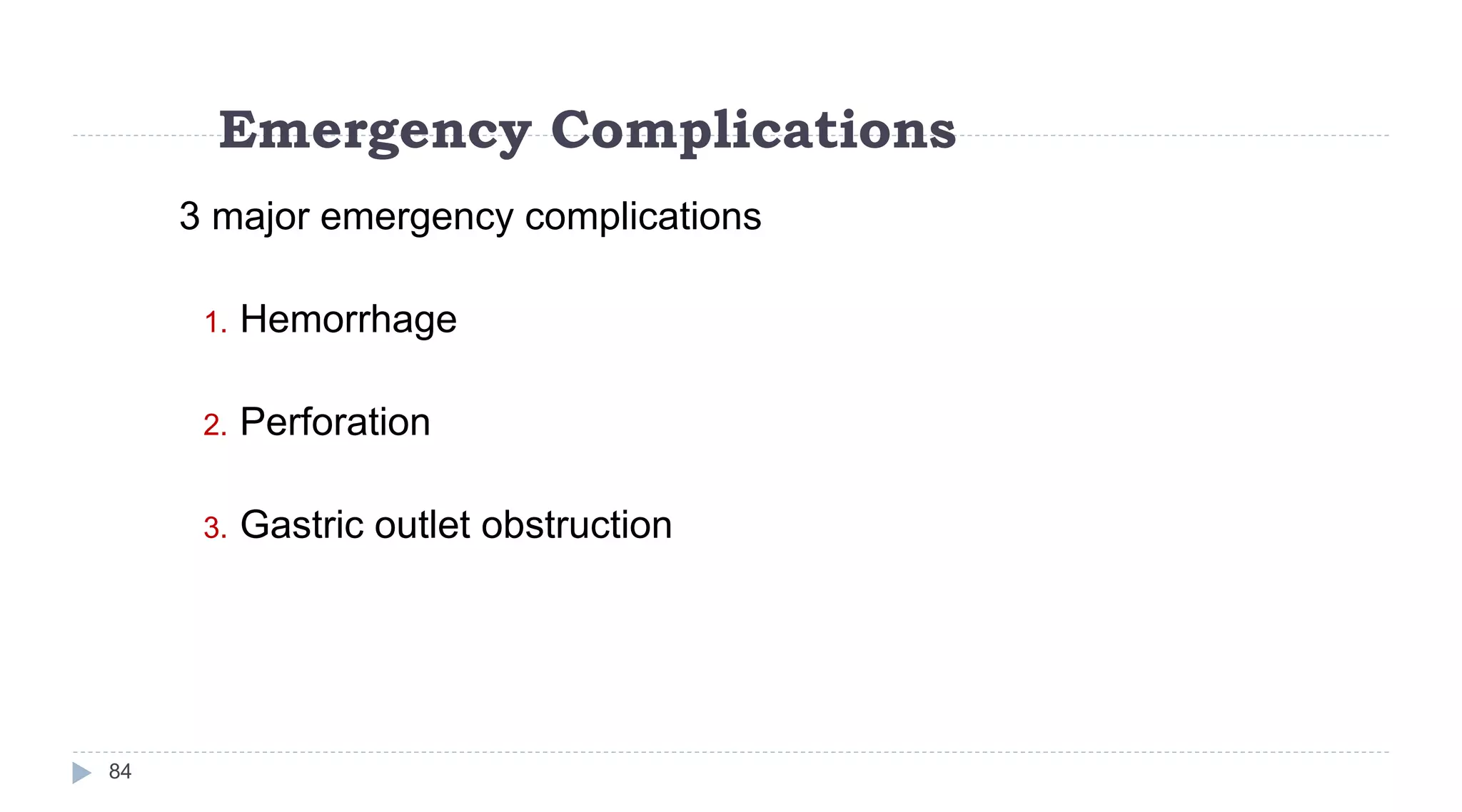
3 major emergency complications
1. Hemorrhage
2. Perforation
3. Gastric outlet obstruction
Complications Cont’d…
85
1. Hemorrhage
 Is the most common observed
 Cause
 Erosion of the ulcer through a major blood vessels
Complications Cont’d…
86
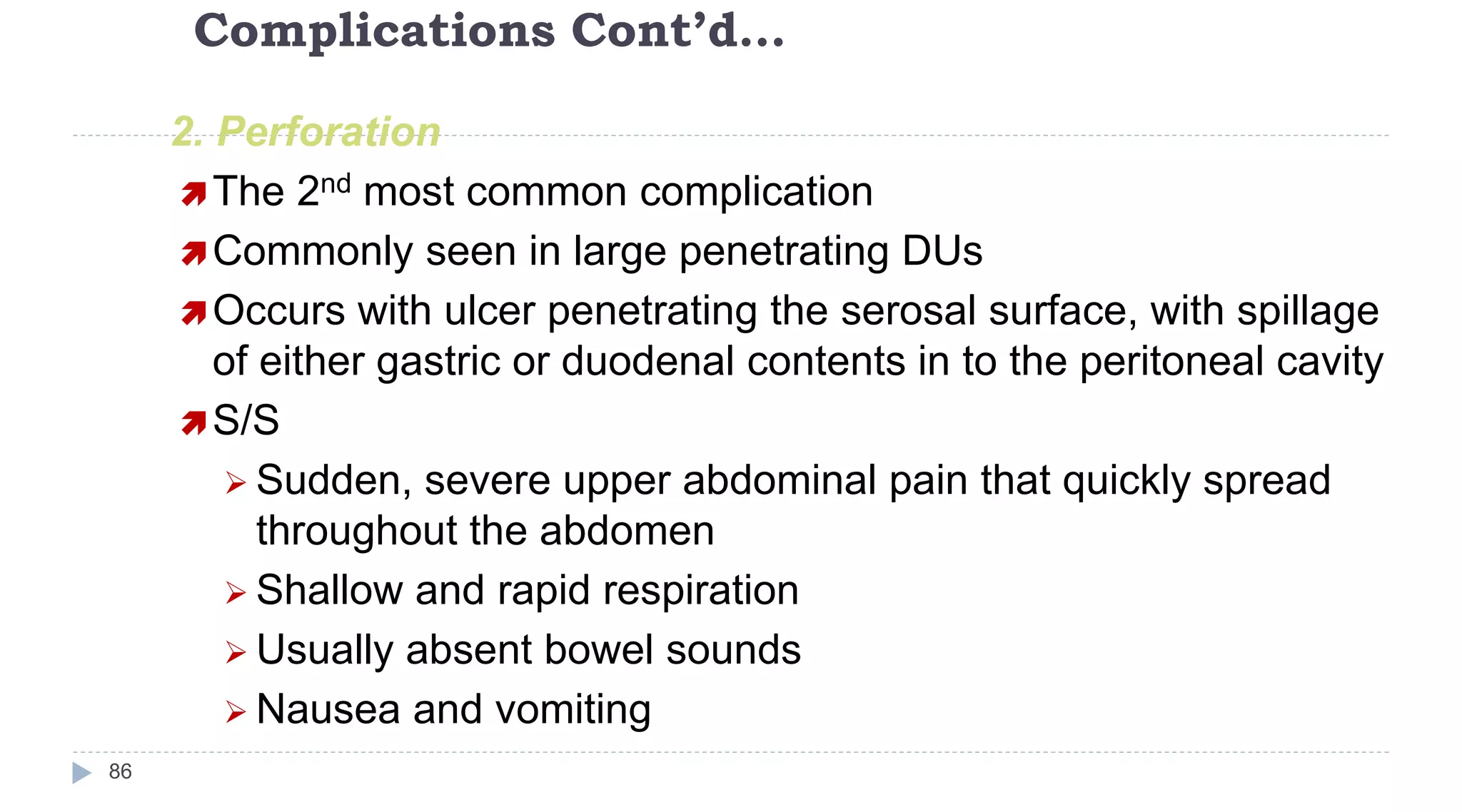
2. Perforation
The 2nd most common complication
Commonly seen in large penetrating DUs
Occurs with ulcer penetrating the serosal surface, with spillage
of either gastric or duodenal contents in to the peritoneal cavity
S/S
 Sudden, severe upper abdominal pain that quickly spread
throughout the abdomen
 Shallow and rapid respiration
 Usually absent bowel sounds
 Nausea and vomiting
Complications Cont’d…
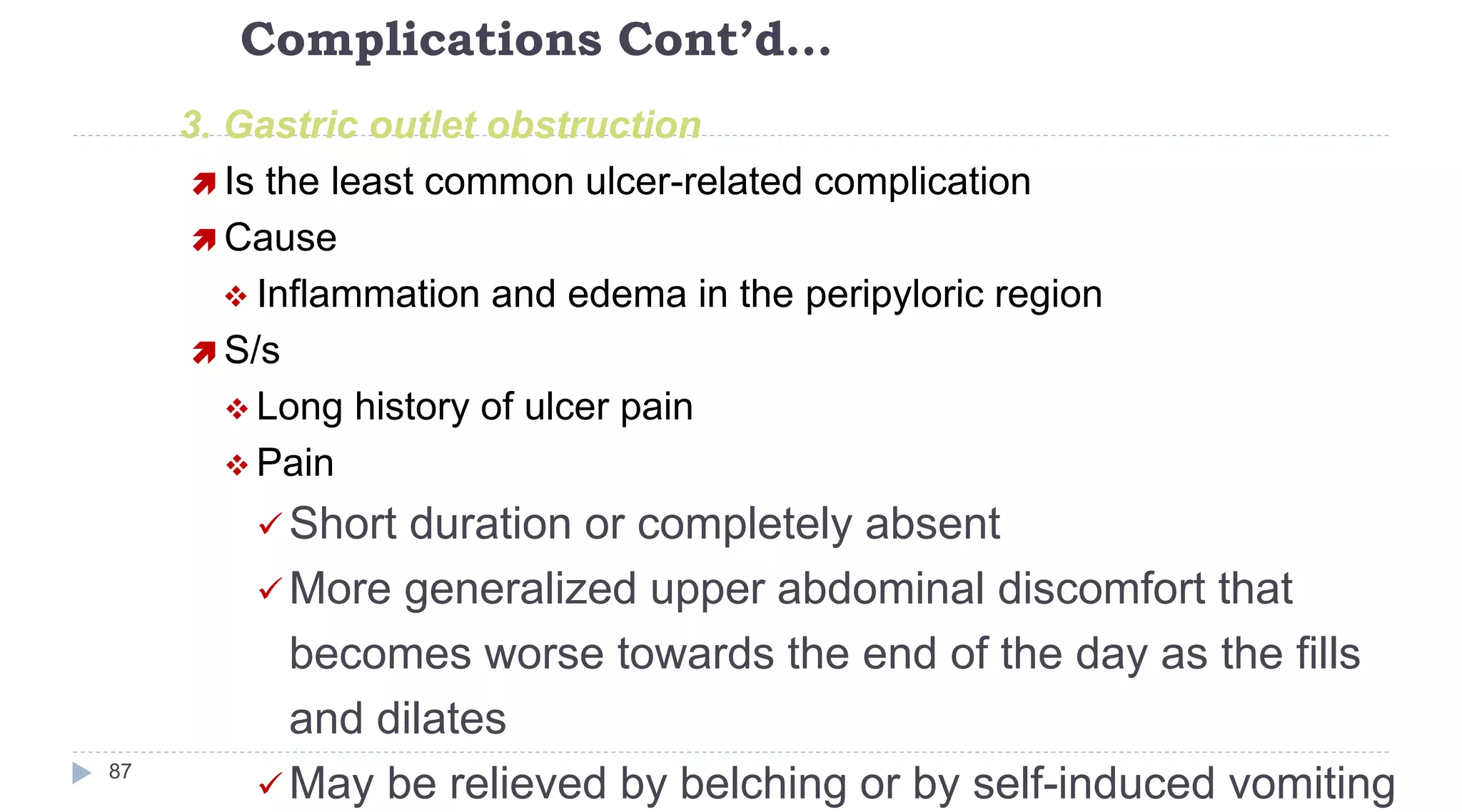
87
3. Gastric outlet obstruction
 Is the least common ulcer-related complication
 Cause
 Inflammation and edema in the peripyloric region
 S/s
 Long history of ulcer pain
 Pain
 Short duration or completely absent
 More generalized upper abdominal discomfort that
becomes worse towards the end of the day as the fills
and dilates
 May be relieved by belching or by self-induced vomiting
Complications Cont’d…
88
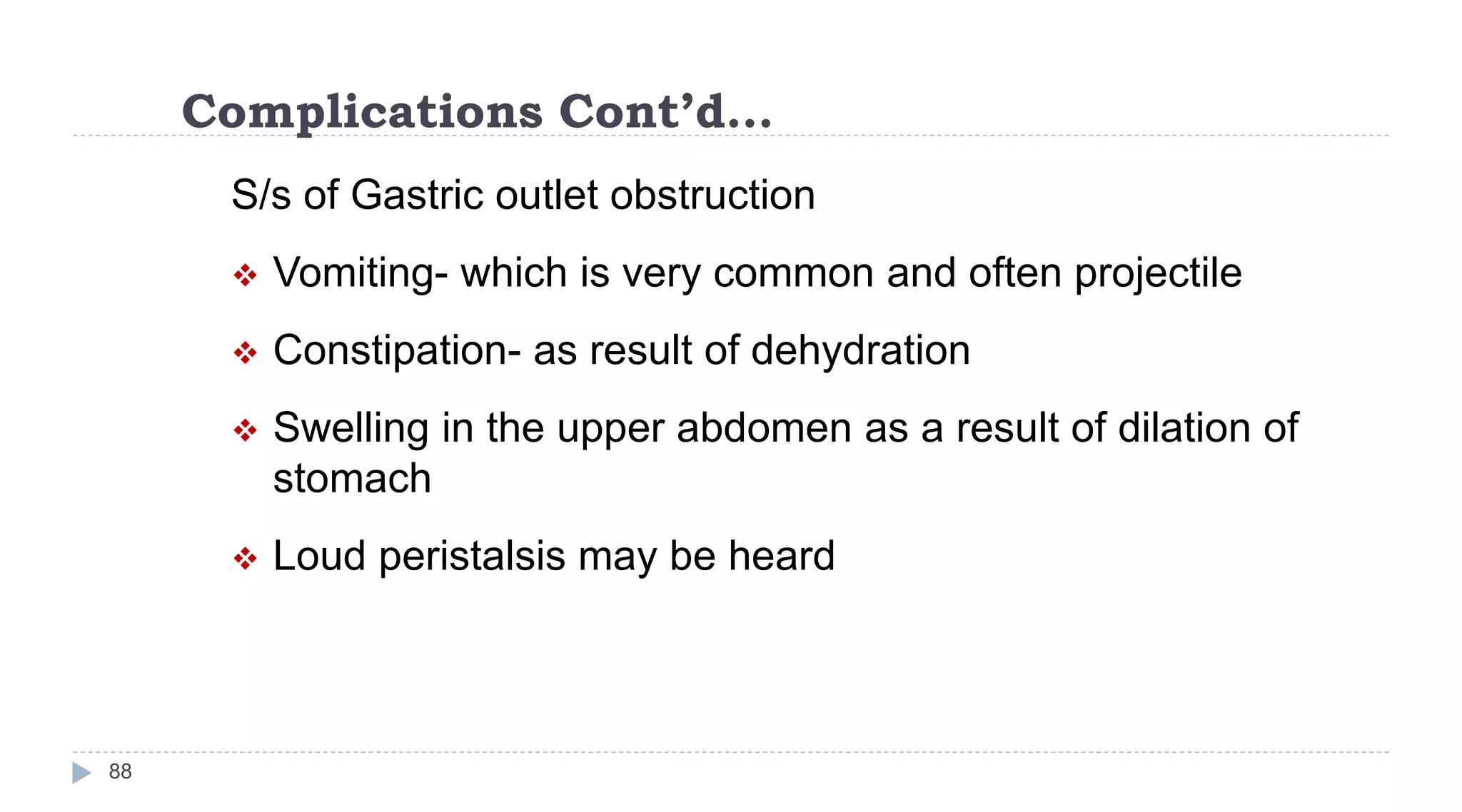
S/s of Gastric outlet obstruction
 Vomiting- which is very common and often projectile
 Constipation- as result of dehydration
 Swelling in the upper abdomen as a result of dilation of
stomach
 Loud peristalsis may be heard
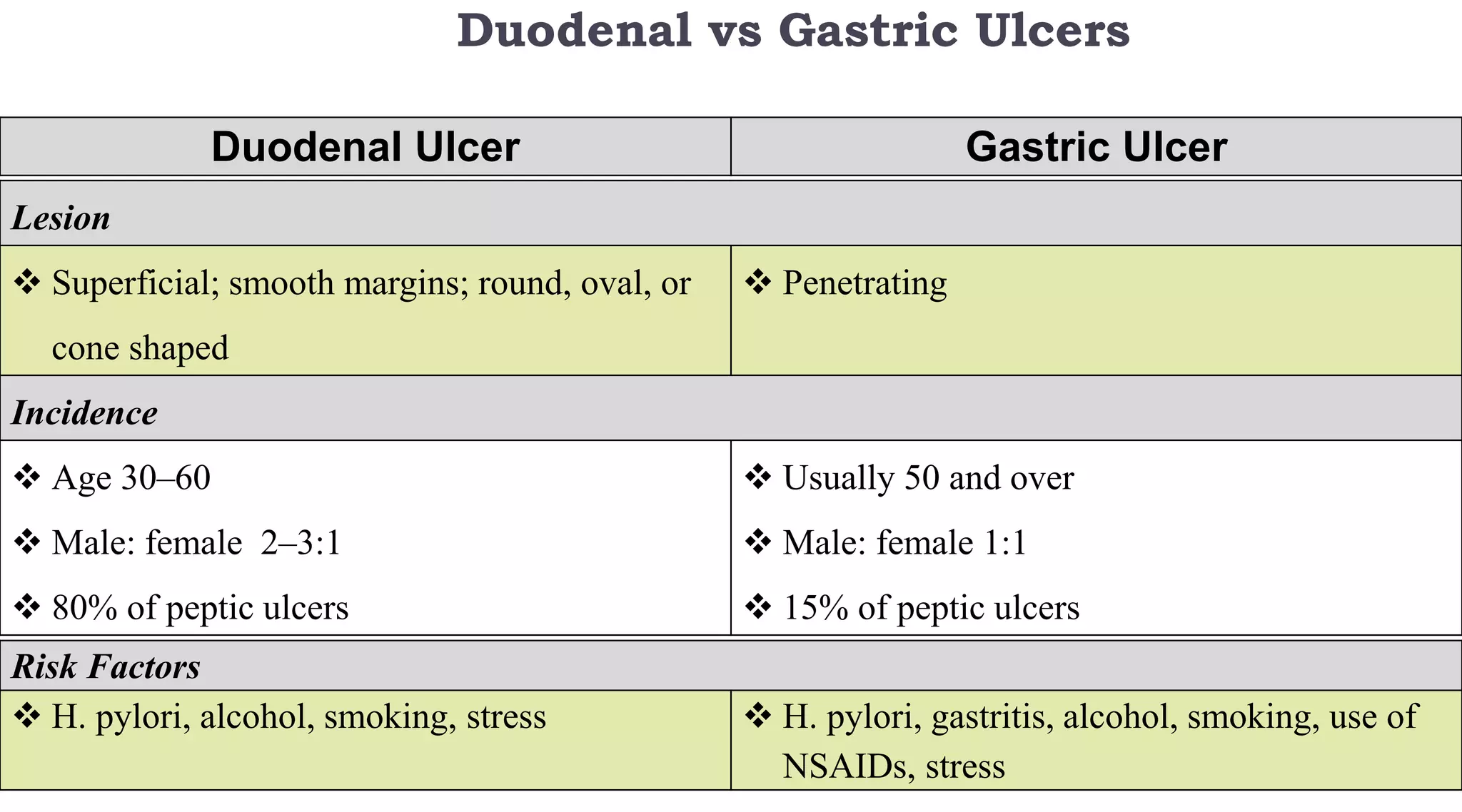
Duodenal vs Gastric Ulcers
89
Duodenal Ulcer Gastric Ulcer
Lesion
 Superficial; smooth margins; round, oval, or
cone shaped
 Penetrating
Incidence
 Age 30–60
 Male: female 2–3:1
 80% of peptic ulcers
 Usually 50 and over
 Male: female 1:1
 15% of peptic ulcers
Risk Factors
 H. pylori, alcohol, smoking, stress  H. pylori, gastritis, alcohol, smoking, use of
NSAIDs, stress
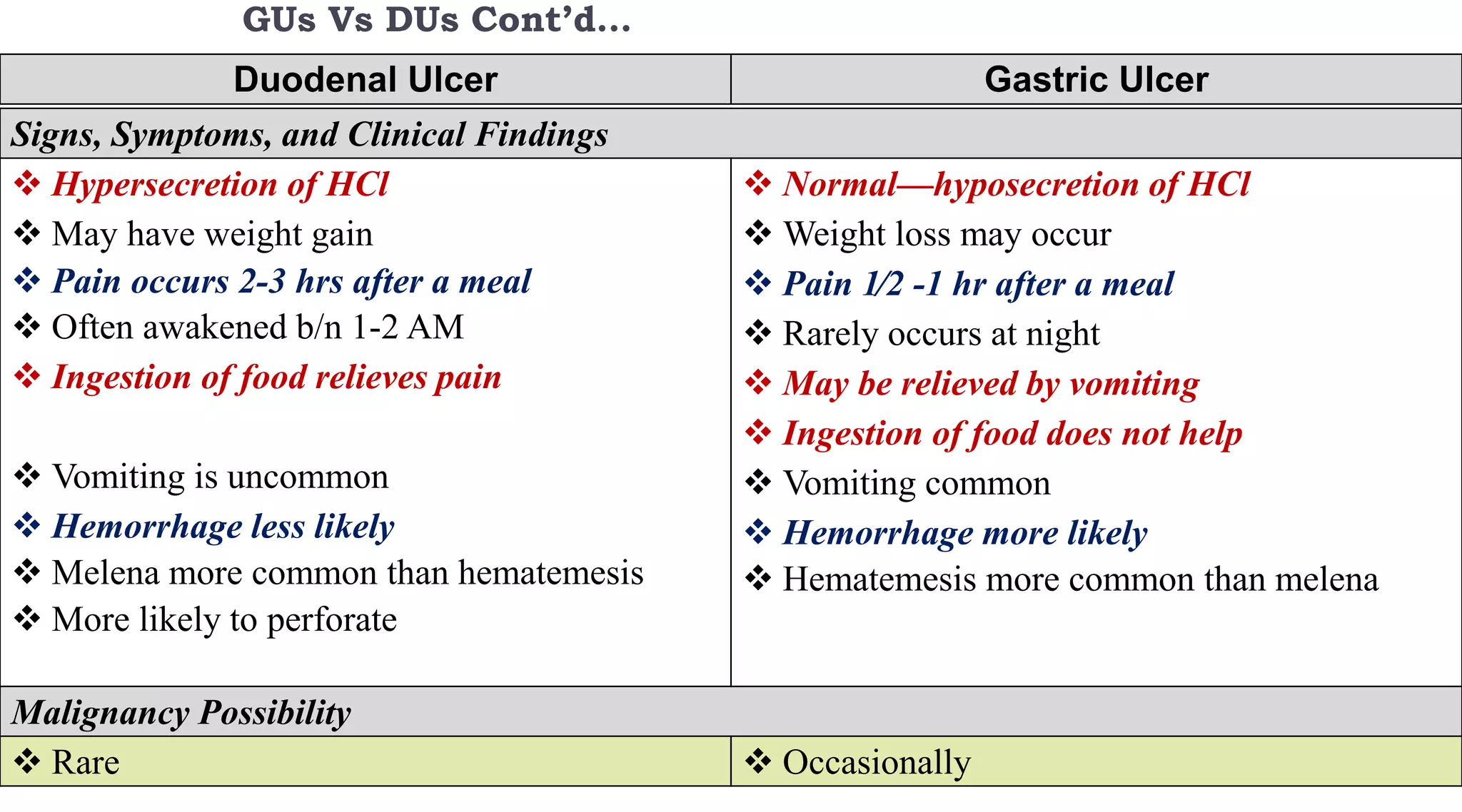
GUs Vs DUs Cont’d…
90
Signs, Symptoms, and Clinical Findings
 Hypersecretion of HCl
 May have weight gain
 Pain occurs 2-3 hrs after a meal
 Often awakened b/n 1-2 AM
 Ingestion of food relieves pain
 Vomiting is uncommon
 Hemorrhage less likely
 Melena more common than hematemesis
 More likely to perforate
 Normal—hyposecretion of HCl
 Weight loss may occur
 Pain 1⁄2 -1 hr after a meal
 Rarely occurs at night
 May be relieved by vomiting
 Ingestion of food does not help
 Vomiting common
 Hemorrhage more likely
 Hematemesis more common than melena
Malignancy Possibility
 Rare  Occasionally
Duodenal Ulcer Gastric Ulcer
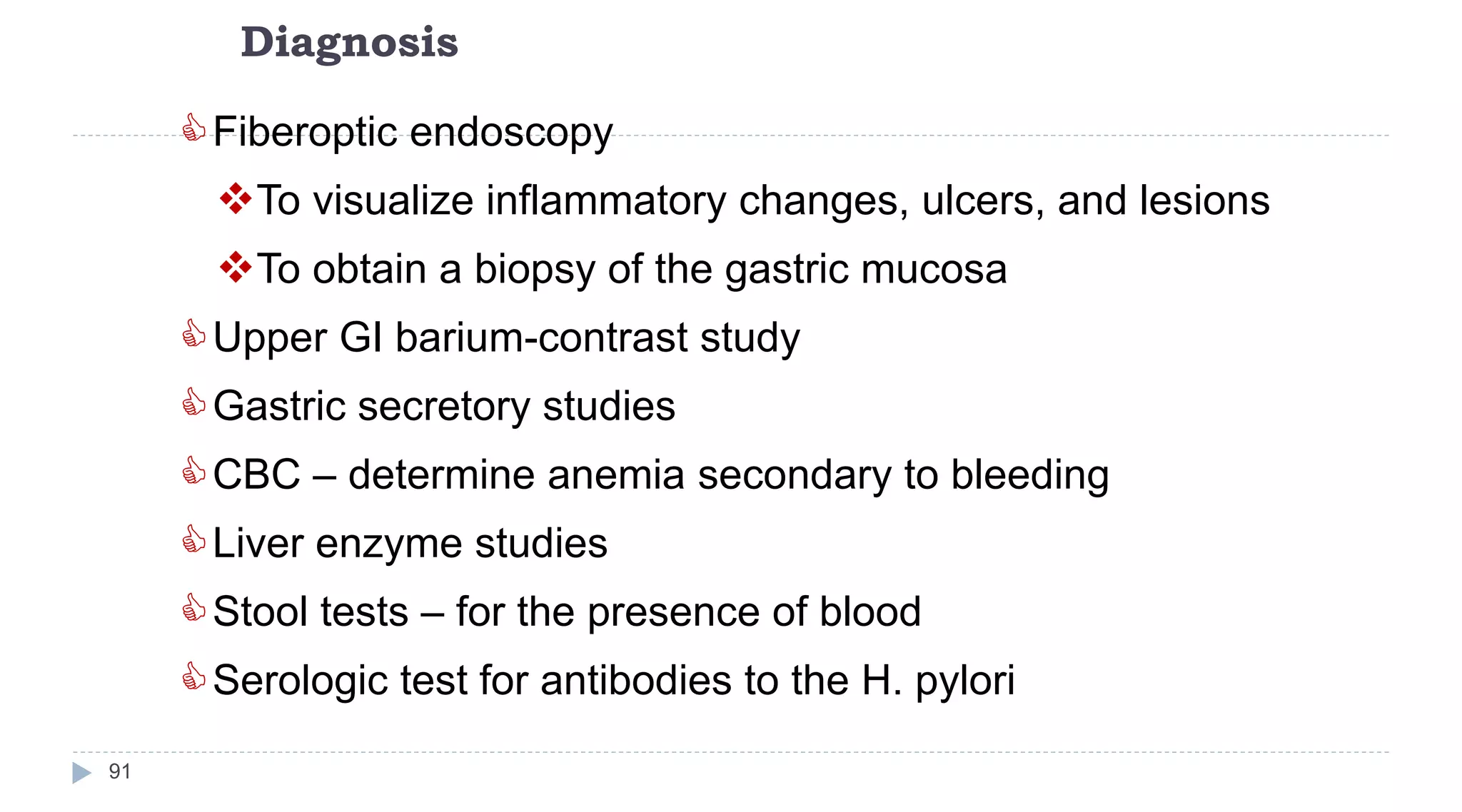
Diagnosis
91
Fiberoptic endoscopy
To visualize inflammatory changes, ulcers, and lesions
To obtain a biopsy of the gastric mucosa
Upper GI barium-contrast study
Gastric secretory studies
CBC – determine anemia secondary to bleeding
Liver enzyme studies
Stool tests – for the presence of blood
Serologic test for antibodies to the H. pylori
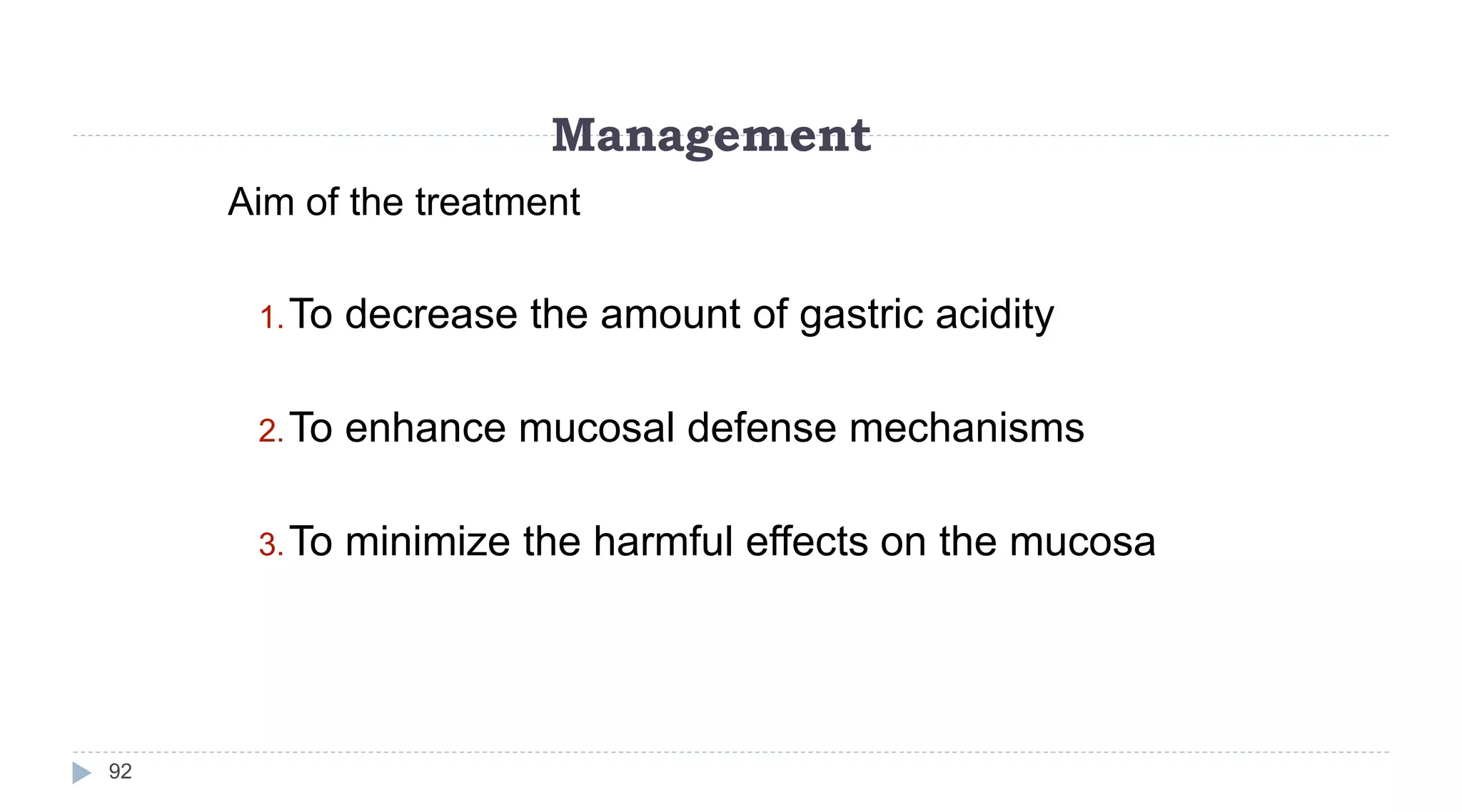
Management
92
Aim of the treatment
1.To decrease the amount of gastric acidity
2.To enhance mucosal defense mechanisms
3.To minimize the harmful effects on the mucosa
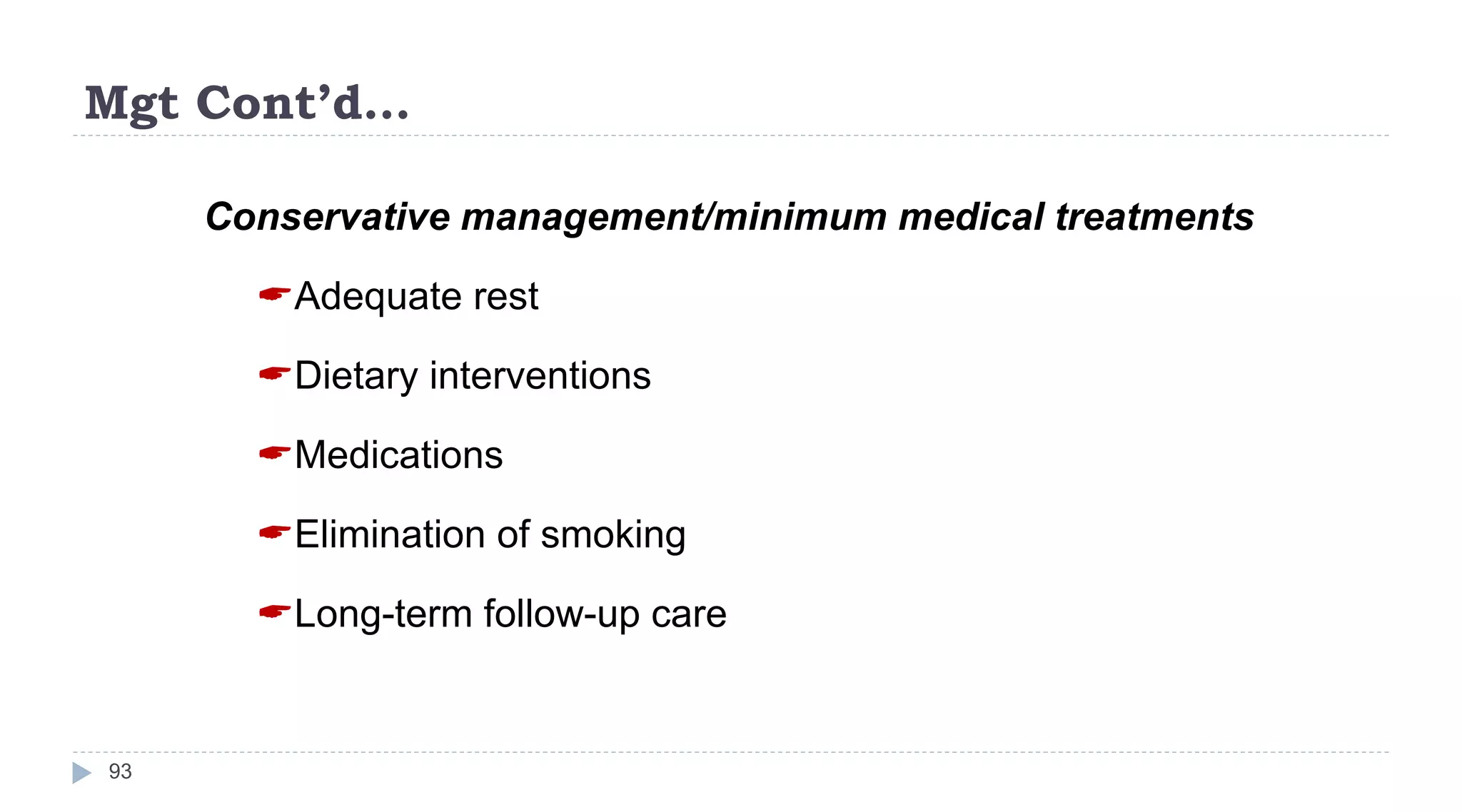
Mgt Cont’d…
93
Conservative management/minimum medical treatments
Adequate rest
Dietary interventions
Medications
Elimination of smoking
Long-term follow-up care
Mgt Cont’d…
94
Lifestyle modifications
Adequate physical and emotional rest
A quite, calm environment
Elimination of stress
Moderate in daily activity
Mgt Cont’d…
95
Nutritional Management
 Avoiding irritant foods and beverages
Hot, spicy foods and pepper
Alcohol
Carbonated beverages
Tea and coffee
 Foods high in roughage, such as raw
fruits, salads, and vegetables may
irritate an inflamed mucosa
Proteins
 Best neutralizing food
 Stimulates HCl secretion
Carbohydrates and fats
 The least to stimulate HCl
secretion
 Don’t neutralize well
Nutritional Mgt Cont’d…
96
Milk
 Milk proteins and calcium are stimulant to gastric acid
production
 Can neutralize gastric acidity
 Contains prostaglandins and growth factors which protect the
GI mucosa from injury
NB
i. No specific diet seems totally appropriate in the treatment of
ulcer disease
ii.Each patient should be instructed to eat and drink foods and
fluids that do not cause and distressing or harmful side
effects
Mgt Cont’d…
97
Pharmacologic Therapy
1. Neutralizing agents – Antiacids
Are the initial drugs of choice
Decrease gastric acidity and the acid content of chyme
reaching the duodenum
Block the conversion of pepesinogen to pepsin by raising the
pH to above 3.5
Some (like Al(OH)3) can bind to bile salts and decrease their
effects on the gastric mucosa
Examples: Aluminum hydroxide and magnesium trisilcates
Pharmacologic Mgt Cont’d…
98
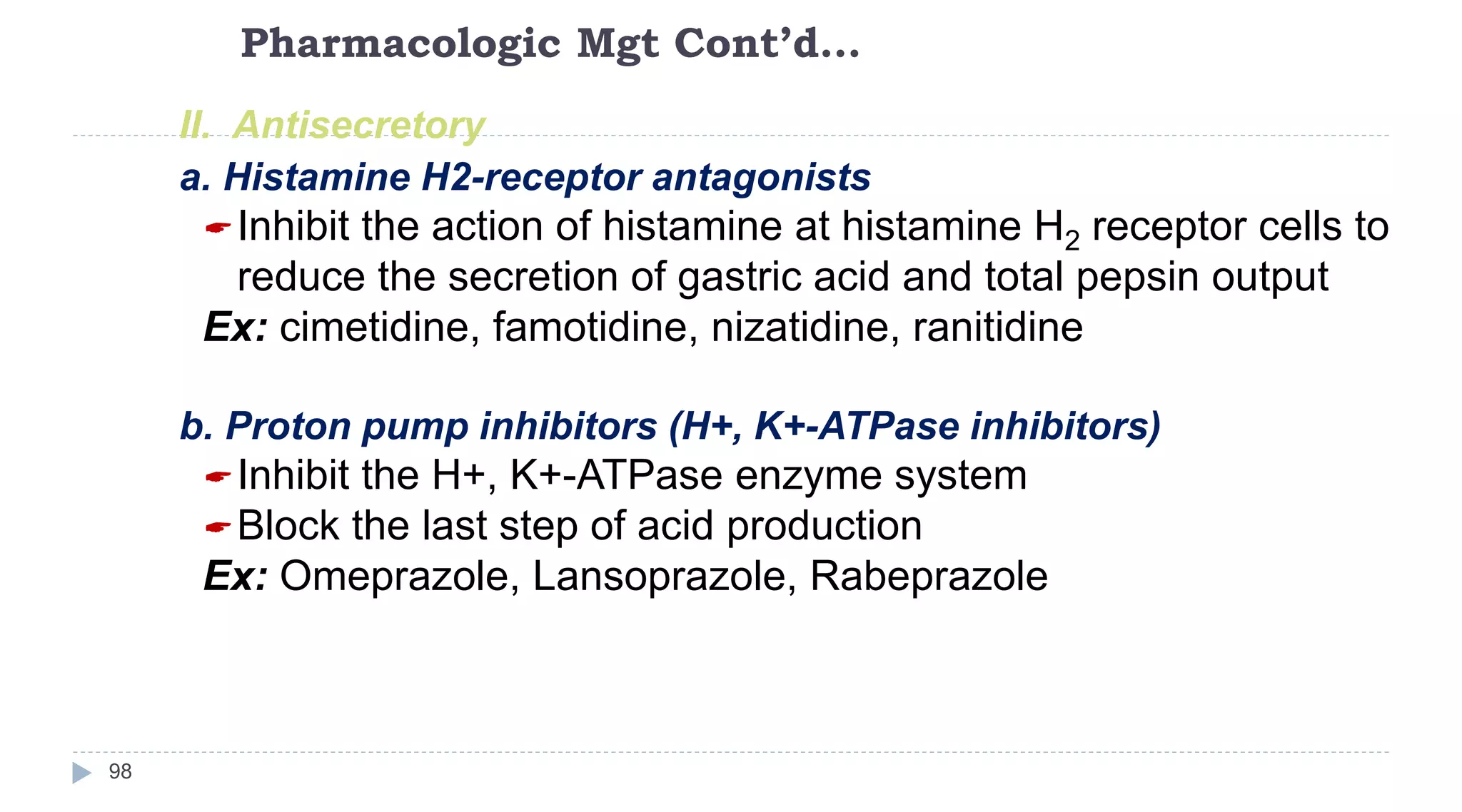
II. Antisecretory
a. Histamine H2-receptor antagonists
Inhibit the action of histamine at histamine H2 receptor cells to
reduce the secretion of gastric acid and total pepsin output
Ex: cimetidine, famotidine, nizatidine, ranitidine
b. Proton pump inhibitors (H+, K+-ATPase inhibitors)
Inhibit the H+, K+-ATPase enzyme system
Block the last step of acid production
Ex: Omeprazole, Lansoprazole, Rabeprazole
Pharmacologic Mgt Cont’d…
99
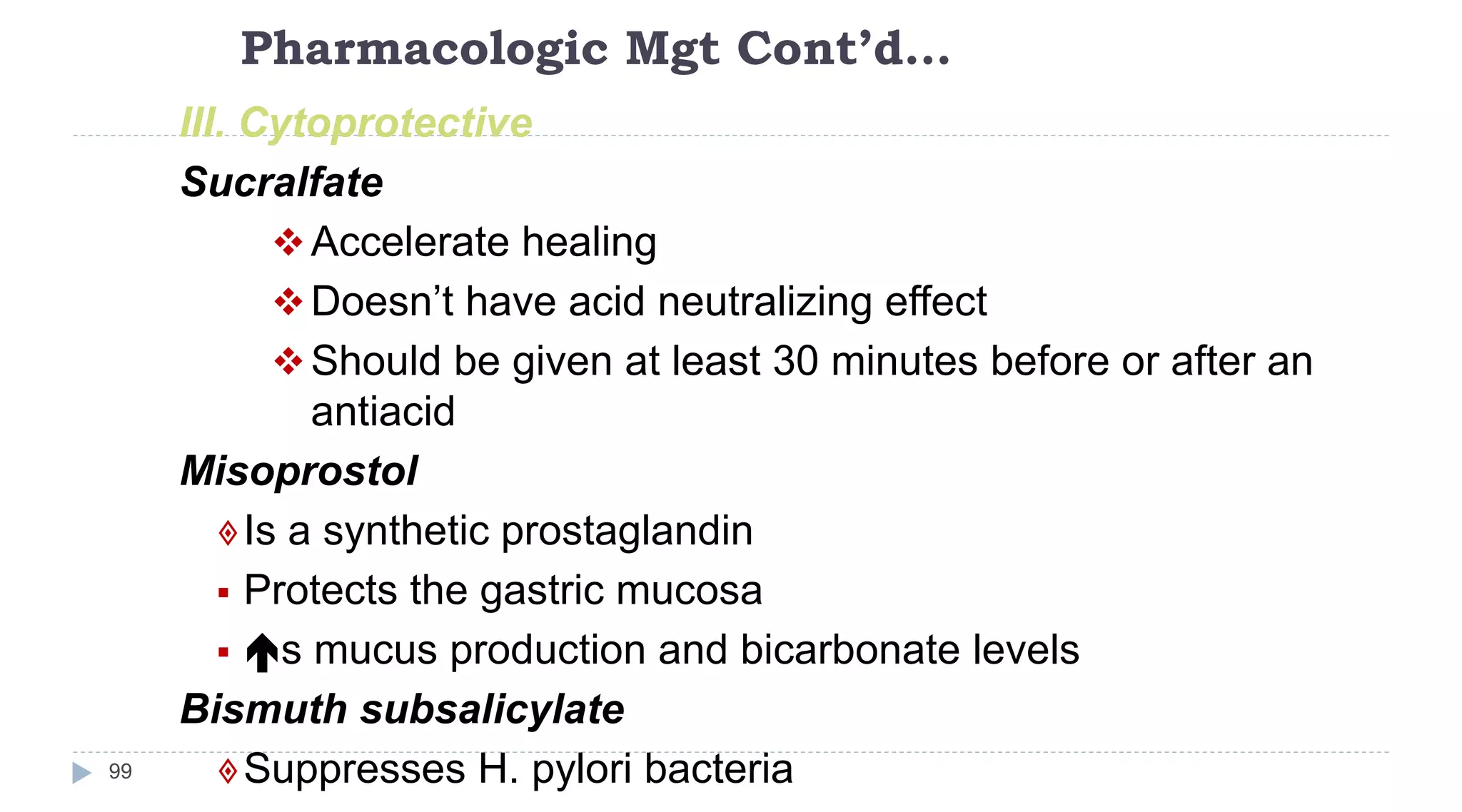
III. Cytoprotective
Sucralfate
Accelerate healing
Doesn’t have acid neutralizing effect
Should be given at least 30 minutes before or after an
antiacid
Misoprostol
Is a synthetic prostaglandin
 Protects the gastric mucosa
 s mucus production and bicarbonate levels
Bismuth subsalicylate
Suppresses H. pylori bacteria
Pharmacologic Mgt Cont’d…
100
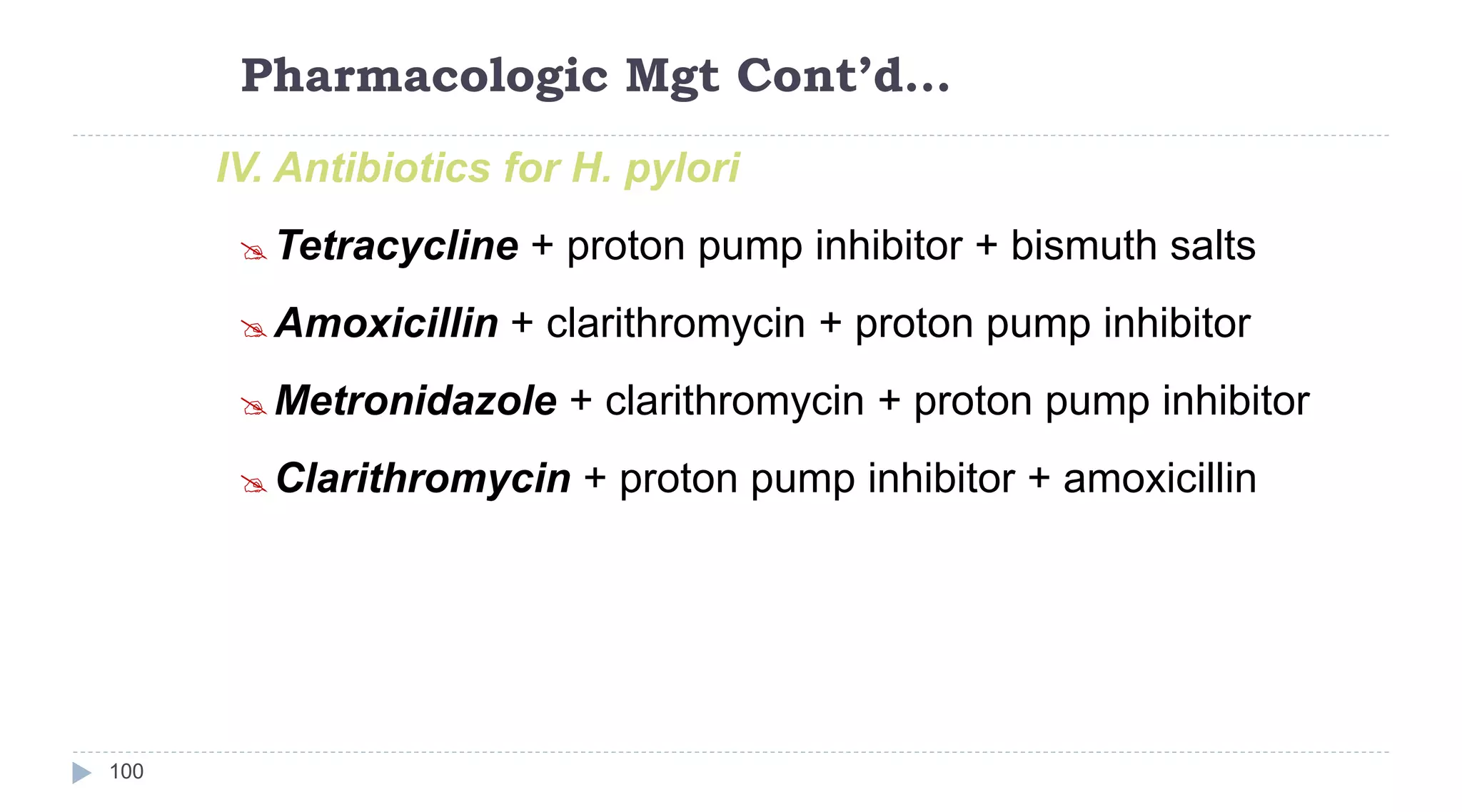
IV. Antibiotics for H. pylori
 Tetracycline + proton pump inhibitor + bismuth salts
 Amoxicillin + clarithromycin + proton pump inhibitor
 Metronidazole + clarithromycin + proton pump inhibitor
 Clarithromycin + proton pump inhibitor + amoxicillin
PUD Rx-- DACA-Ethiopia
101
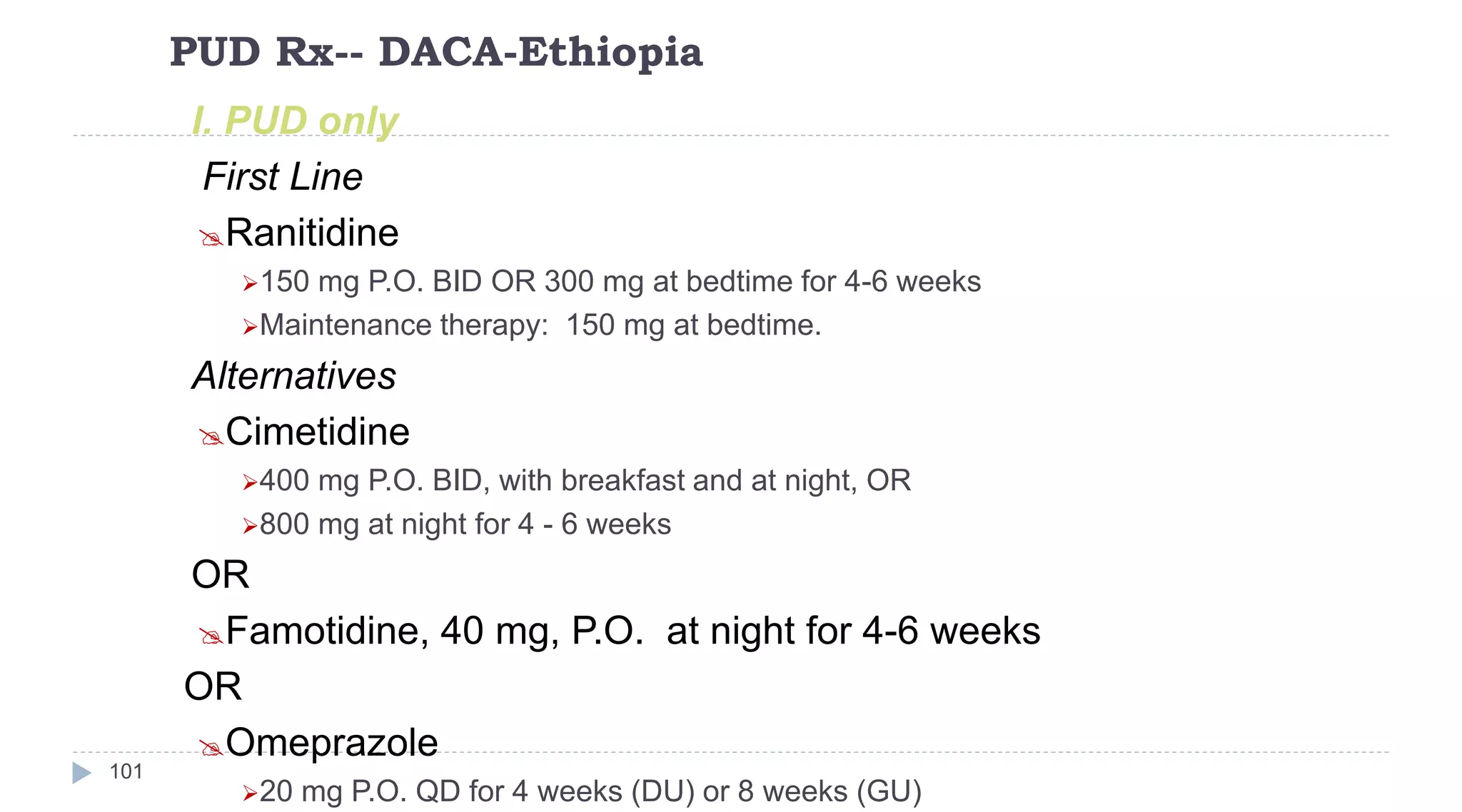
I. PUD only
First Line
Ranitidine
150 mg P.O. BID OR 300 mg at bedtime for 4-6 weeks
Maintenance therapy: 150 mg at bedtime.
Alternatives
Cimetidine
400 mg P.O. BID, with breakfast and at night, OR
800 mg at night for 4 - 6 weeks
OR
Famotidine, 40 mg, P.O. at night for 4-6 weeks
OR
Omeprazole
20 mg P.O. QD for 4 weeks (DU) or 8 weeks (GU)
Pharmacologic Mgt Cont’d…
102
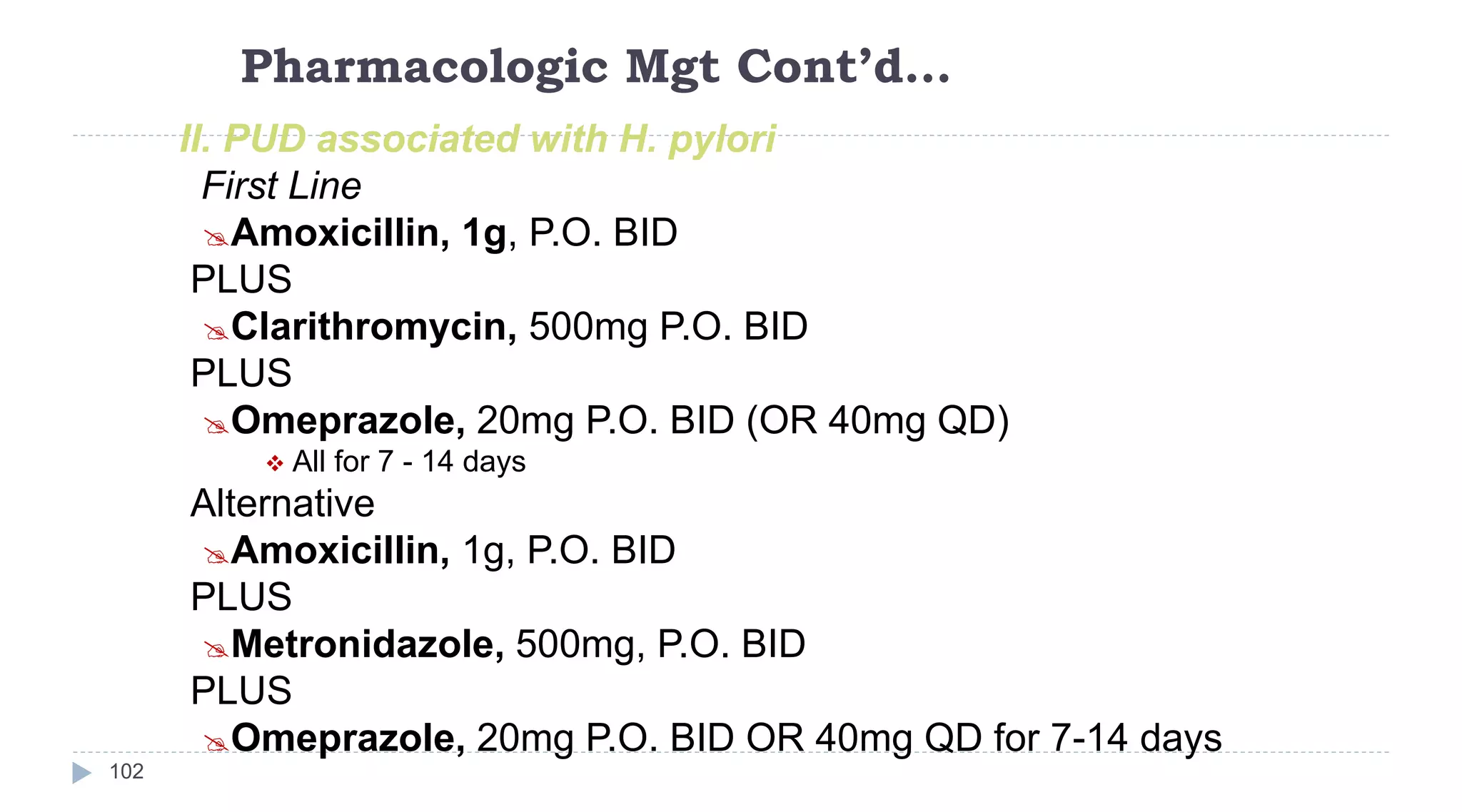
II. PUD associated with H. pylori
First Line
Amoxicillin, 1g, P.O. BID
PLUS
Clarithromycin, 500mg P.O. BID
PLUS
Omeprazole, 20mg P.O. BID (OR 40mg QD)
 All for 7 - 14 days
Alternative
Amoxicillin, 1g, P.O. BID
PLUS
Metronidazole, 500mg, P.O. BID
PLUS
Omeprazole, 20mg P.O. BID OR 40mg QD for 7-14 days
Mgt Cont’d…
103
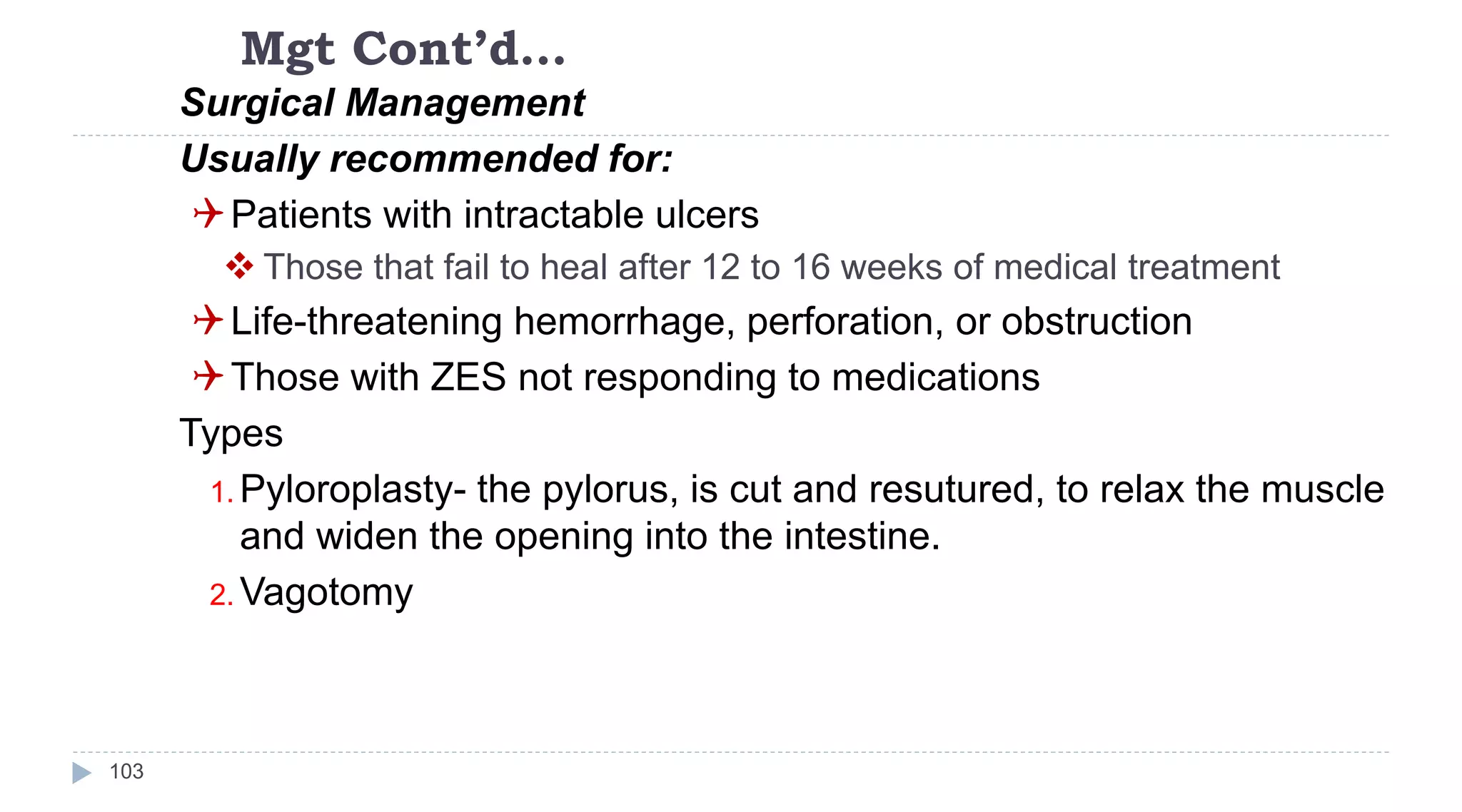
Surgical Management
Usually recommended for:
Patients with intractable ulcers
 Those that fail to heal after 12 to 16 weeks of medical treatment
Life-threatening hemorrhage, perforation, or obstruction
Those with ZES not responding to medications
Types
1. Pyloroplasty- the pylorus, is cut and resutured, to relax the muscle
and widen the opening into the intestine.
2. Vagotomy
Mgt Cont’d…
104
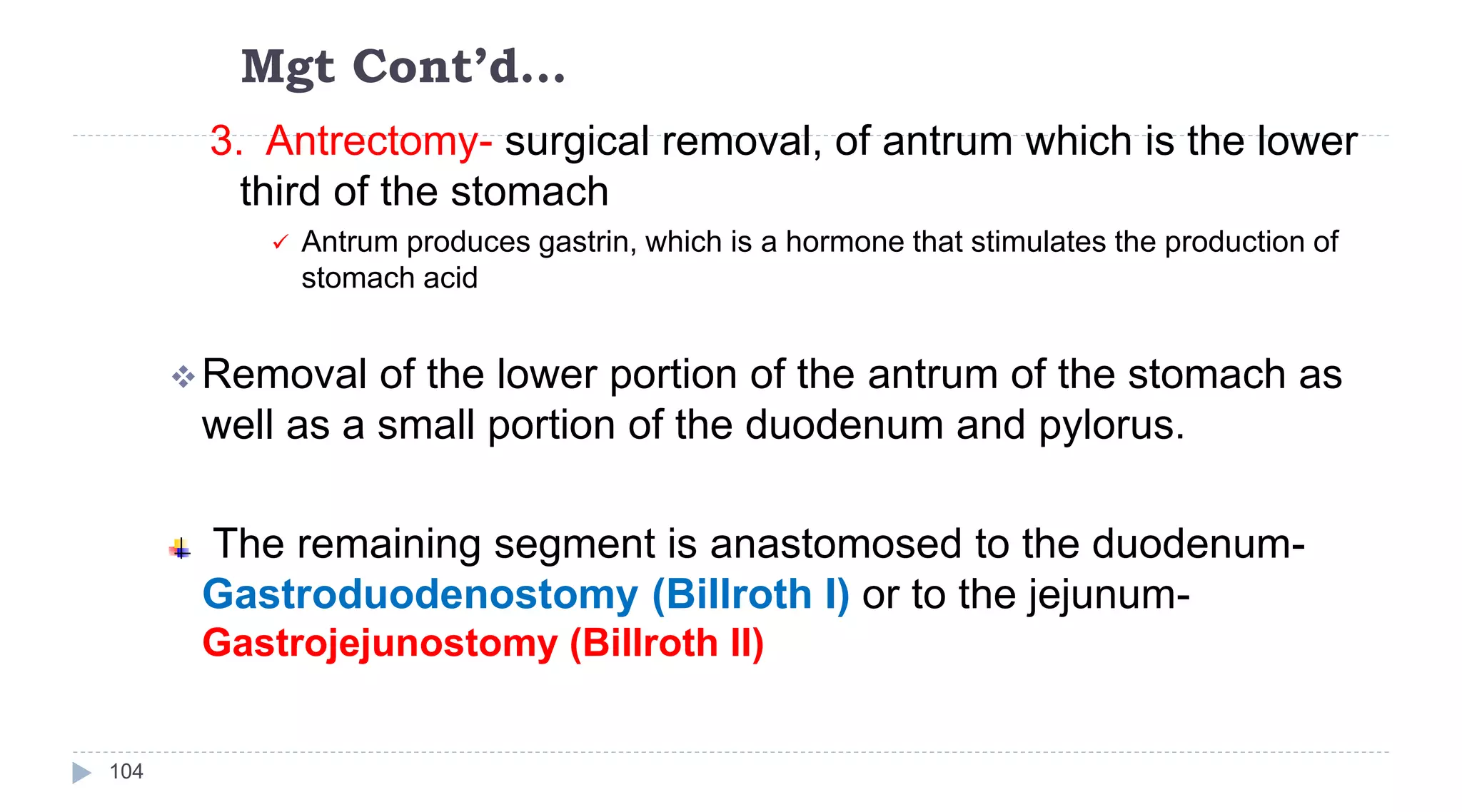
3. Antrectomy- surgical removal, of antrum which is the lower
third of the stomach
 Antrum produces gastrin, which is a hormone that stimulates the production of
stomach acid
Removal of the lower portion of the antrum of the stomach as
well as a small portion of the duodenum and pylorus.
The remaining segment is anastomosed to the duodenum-
Gastroduodenostomy (Billroth I) or to the jejunum-
Gastrojejunostomy (Billroth II)
105
Nursing Management
106
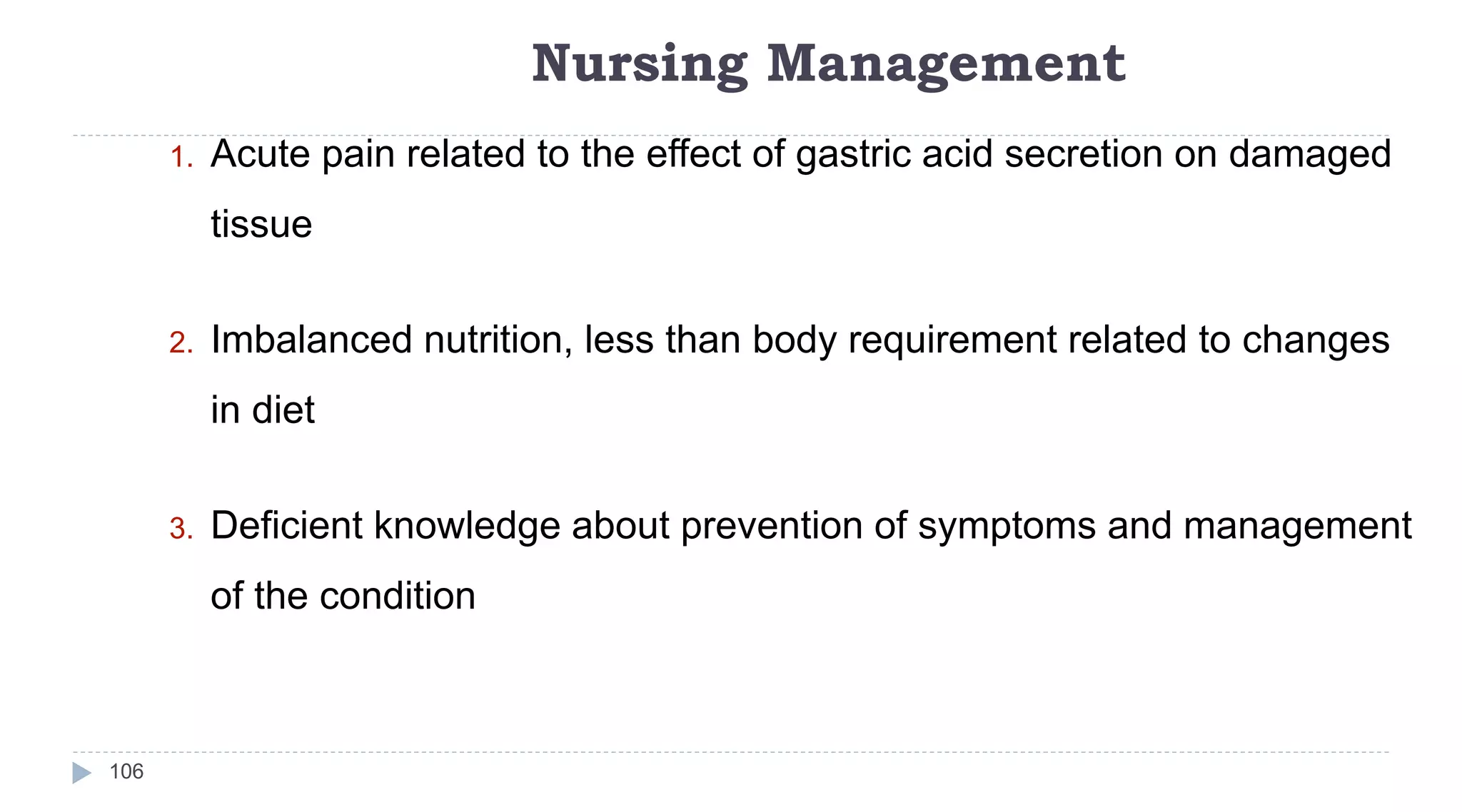
1. Acute pain related to the effect of gastric acid secretion on damaged
tissue
2. Imbalanced nutrition, less than body requirement related to changes
in diet
3. Deficient knowledge about prevention of symptoms and management
of the condition
Nursing Interventions
107
1. Relieving Pain
Patient education:
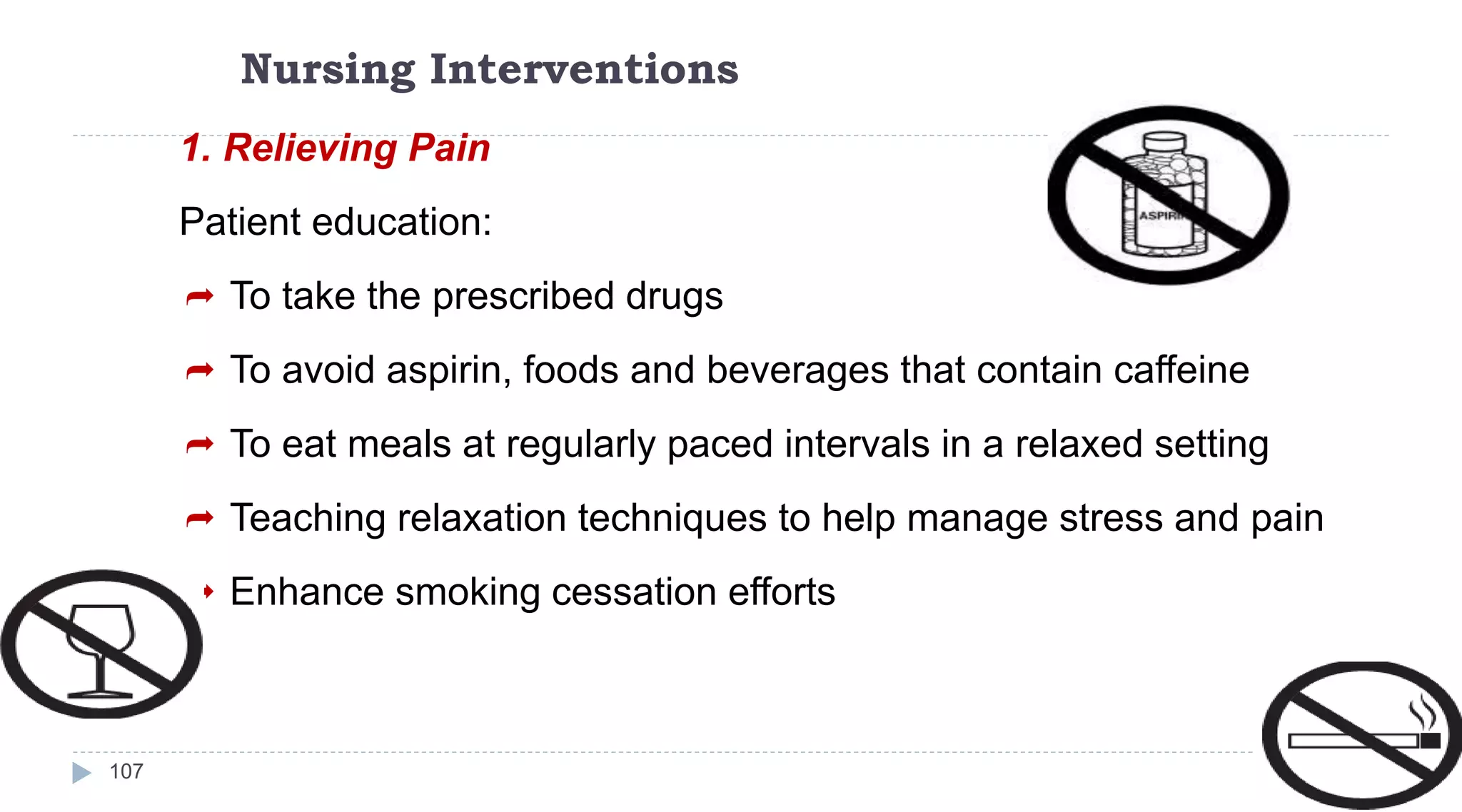
 To take the prescribed drugs
 To avoid aspirin, foods and beverages that contain caffeine
 To eat meals at regularly paced intervals in a relaxed setting
 Teaching relaxation techniques to help manage stress and pain
 Enhance smoking cessation efforts
Nsg Interventions Cont’d…
108
2. Maintaining Optimal Nutritional Status
 Assesses the patient for malnutrition and weight loss
 Advise the patient about the importance of complying with
the medication regimen and dietary restrictions
Nsg Interventions Cont’d…
109
3. Teaching Patients Self-Care
 Factors that will help or aggravate the condition
 Drug information
 Avoiding foods that exacerbate symptoms and potentially acid-
producing foods
 Eating meals at regular times and in a relaxed setting
 Avoiding overeating
 Irritant effects of smoking on the ulcer and cessation of
smoking
Nsg Interventions Cont’d…
110
Teach about the S/S of complications:
i. Hemorrhage
 cool skin, confusion, ed heart rate, ed BP, labored
breathing, blood in stool
ii. Penetration and perforation
 Severe abdominal pain, rigid and tender abdomen, vomiting,
ed temp, ed HR
iii. Pyloric obstruction
 Nausea and vomiting, distended abdomen, abdominal pain
111
Acute inflammatory
intestinal disorders
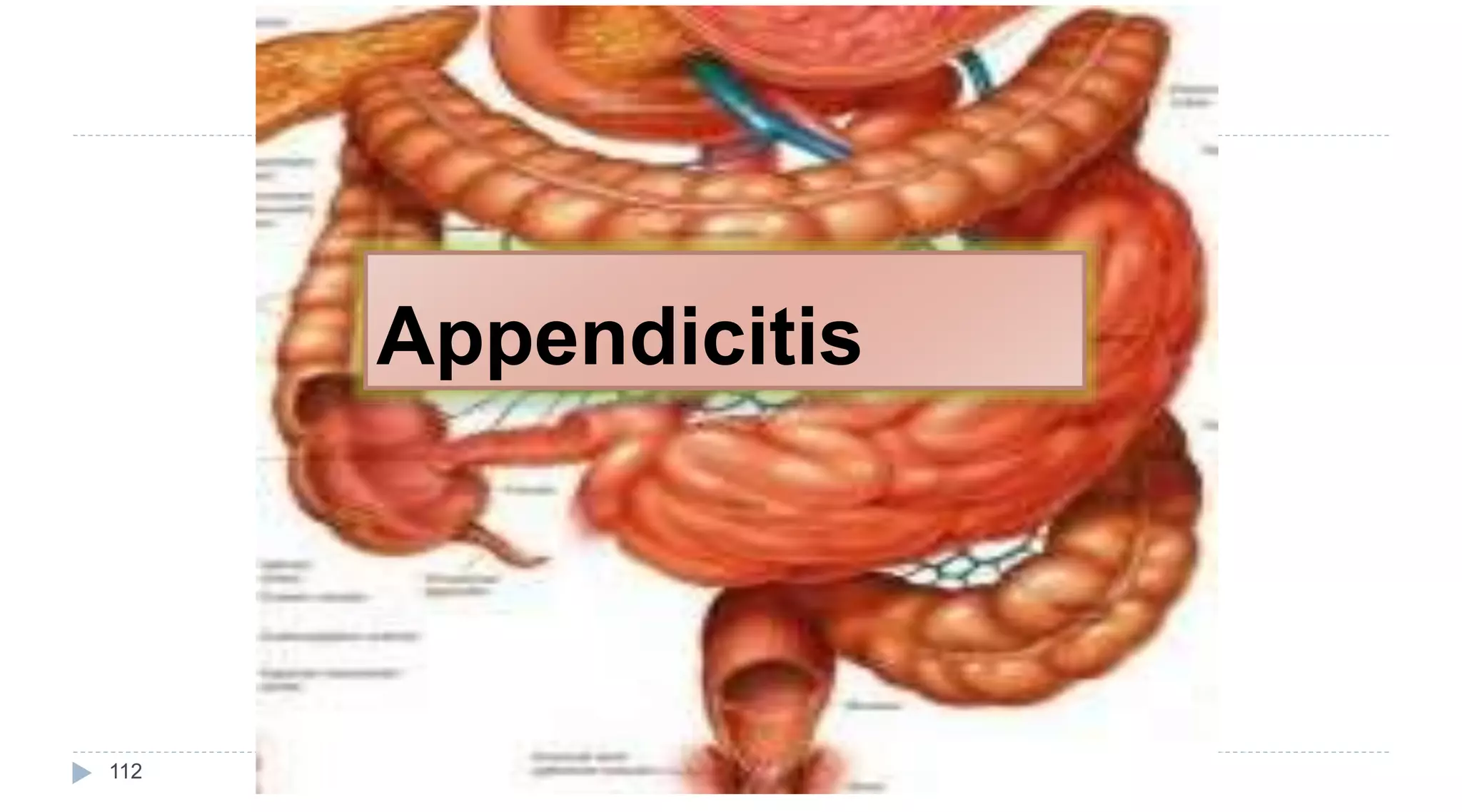
Appendicitis
112
Introduction
113
The Appendix
 A small, finger-like appendage about 10 cm (4 inch) long
 Attached to the cecum just below the ileocecal valve
 Fills with food and empties regularly into the cecum
 Because it empties inefficiently and its lumen is small, the
appendix is prone to obstruction and is particularly vulnerable to
infection
Definition
114
 Appendicitis- is an inflammation of the vermiform appendix
Etiology
 Obstruction of the lumen by:
 A fecalith (accumulated feces)
 Foreign bodies
 Worms (e.g., Pinworms, ascaris)
 Intramural thickening caused by lymphoid hyperplasia
 Tumors of the cecum or appendix
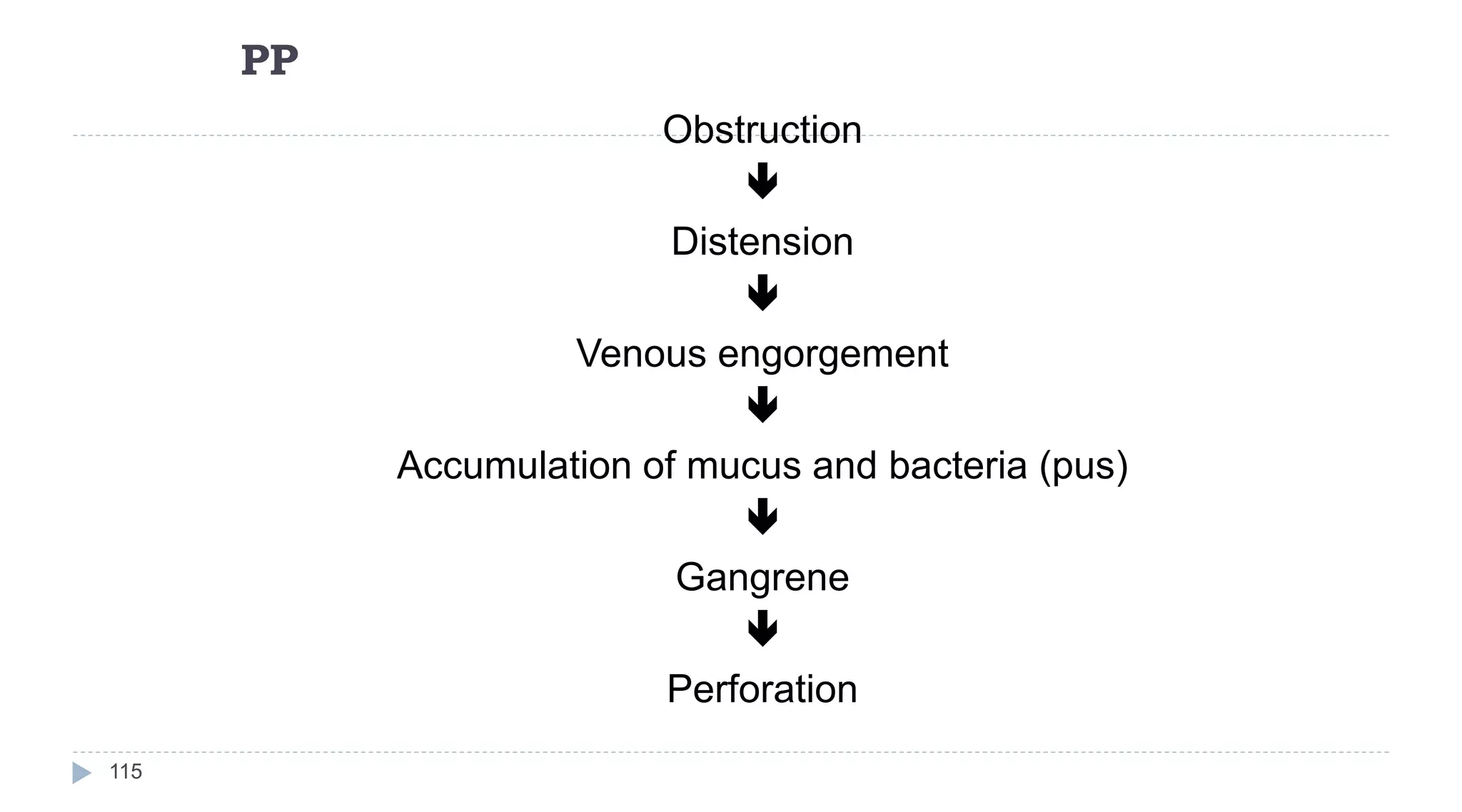
PP
115
Obstruction

Distension

Venous engorgement

Accumulation of mucus and bacteria (pus)

Gangrene

Perforation
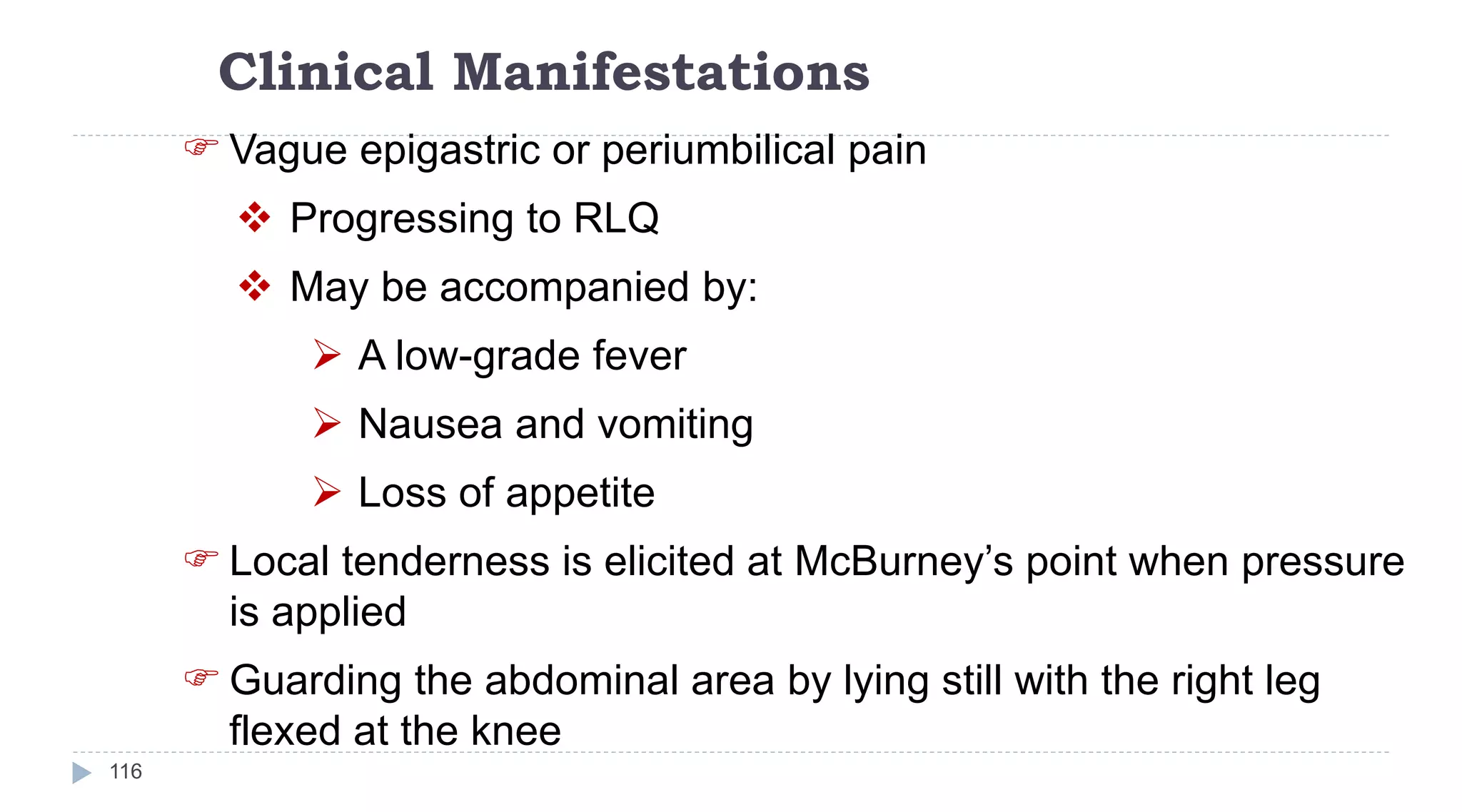
Clinical Manifestations
116
 Vague epigastric or periumbilical pain
 Progressing to RLQ
 May be accompanied by:
 A low-grade fever
 Nausea and vomiting
 Loss of appetite
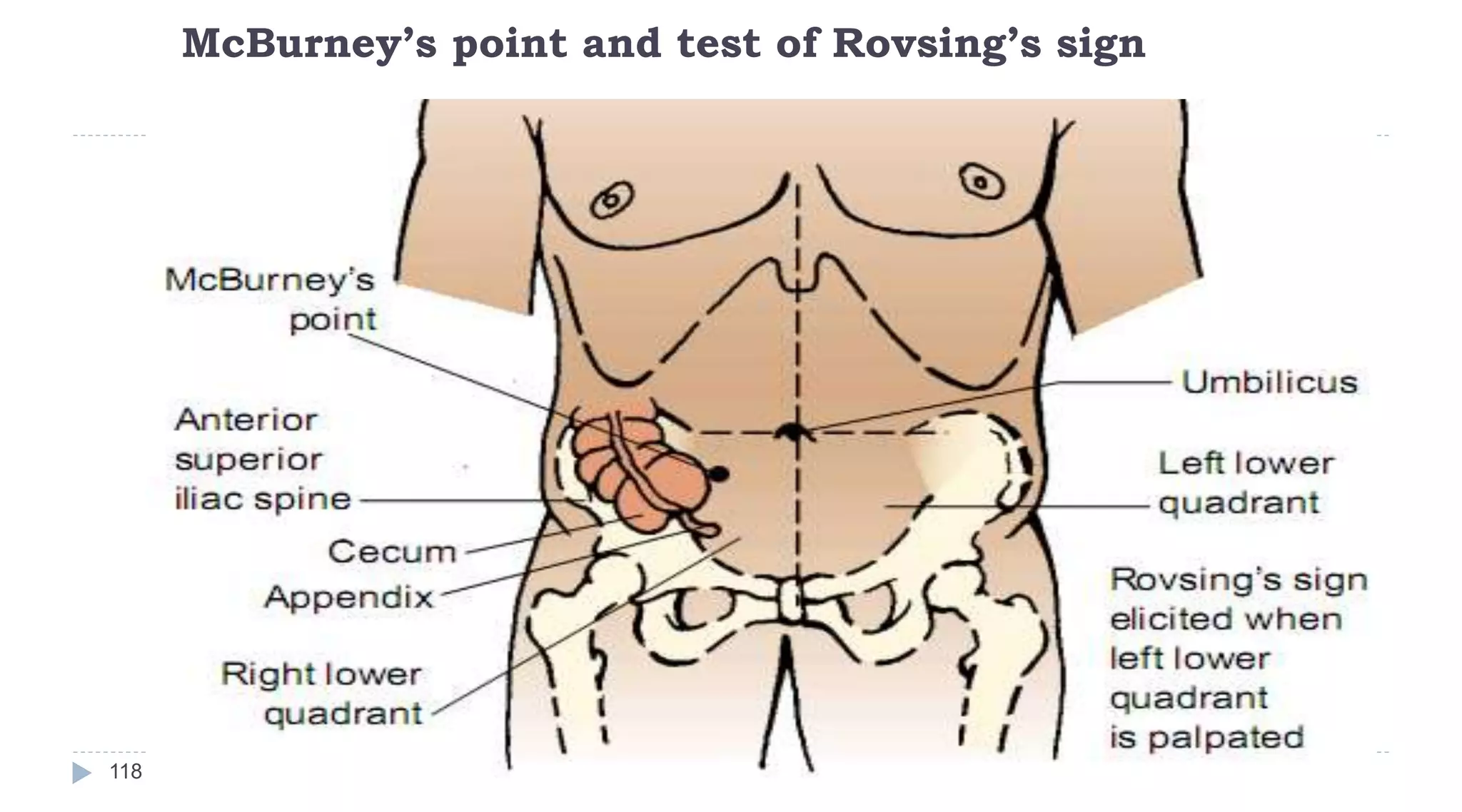
 Local tenderness is elicited at McBurney’s point when pressure
is applied
 Guarding the abdominal area by lying still with the right leg
flexed at the knee
117
McBurney’s point and test of Rovsing’s sign
118
C/Ms Cont’d…
119
Signs
a. Rebound tenderness
b. Rovsing’s sign
Elicited by palpating the LLQ; this paradoxically causes pain
to be felt in the RLQ
c. Positive Psoas Sign
Feeling pain in the RLQ while applying resistance to the right
knee as the patient tries to lift the right thigh while lying down
Appendicitis-- Psoas Sign Cont’d…
120
C/Ms Cont’d…
121
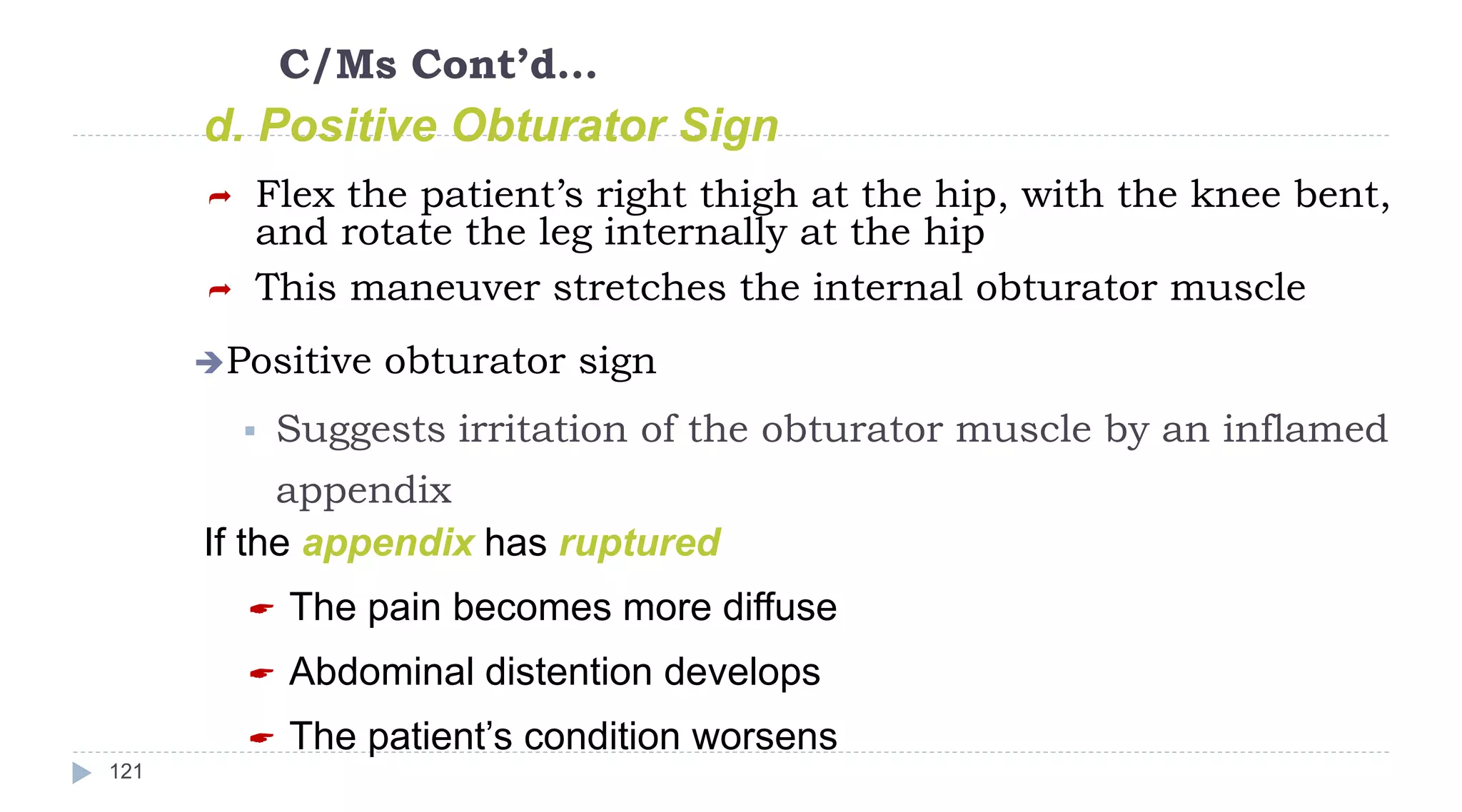
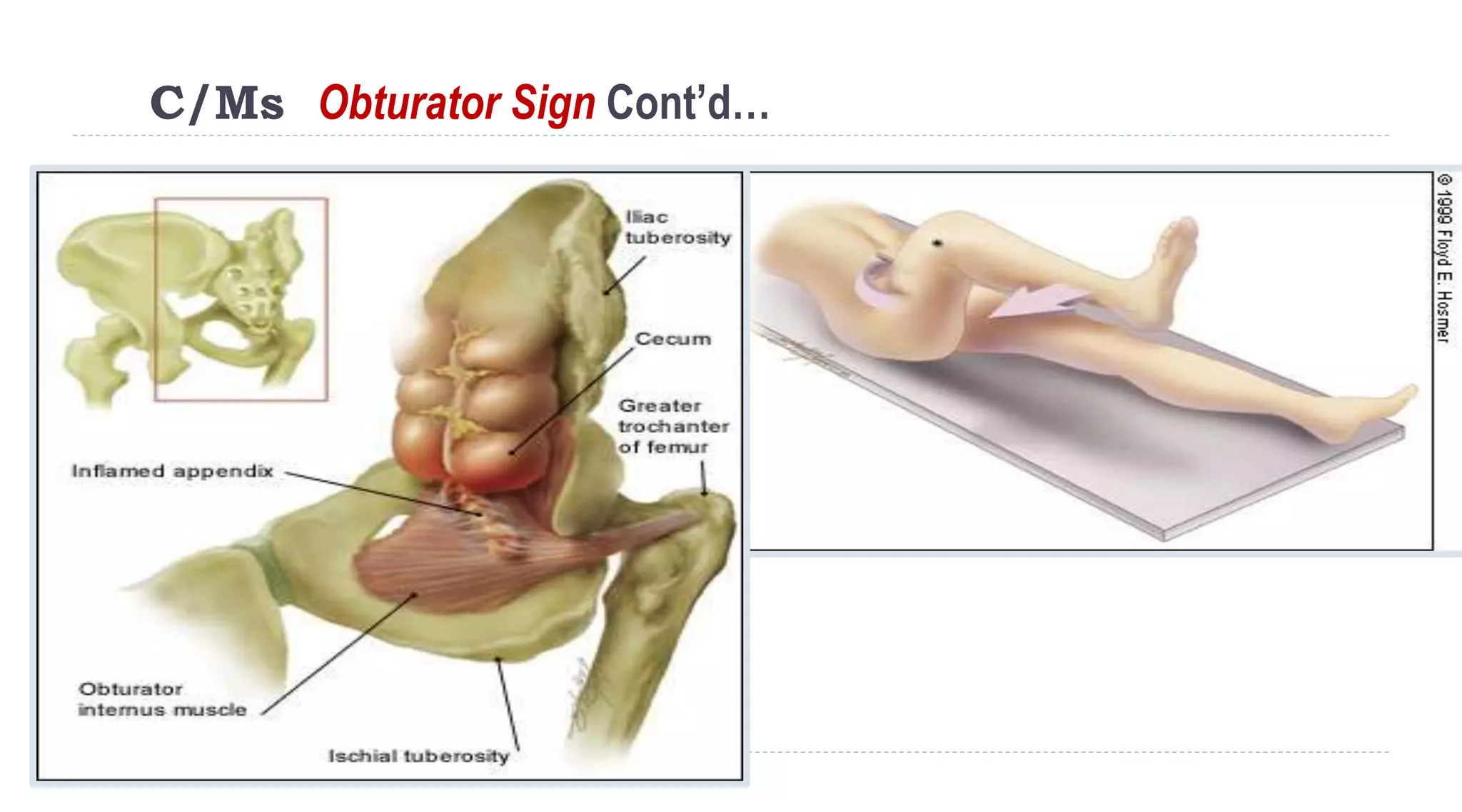
d. Positive Obturator Sign
 Flex the patient’s right thigh at the hip, with the knee bent,
and rotate the leg internally at the hip
 This maneuver stretches the internal obturator muscle
Positive obturator sign
 Suggests irritation of the obturator muscle by an inflamed
appendix
If the appendix has ruptured
 The pain becomes more diffuse
 Abdominal distention develops
 The patient’s condition worsens
C/Ms Obturator Sign Cont’d…
122
C/Ms Cont’d…
123
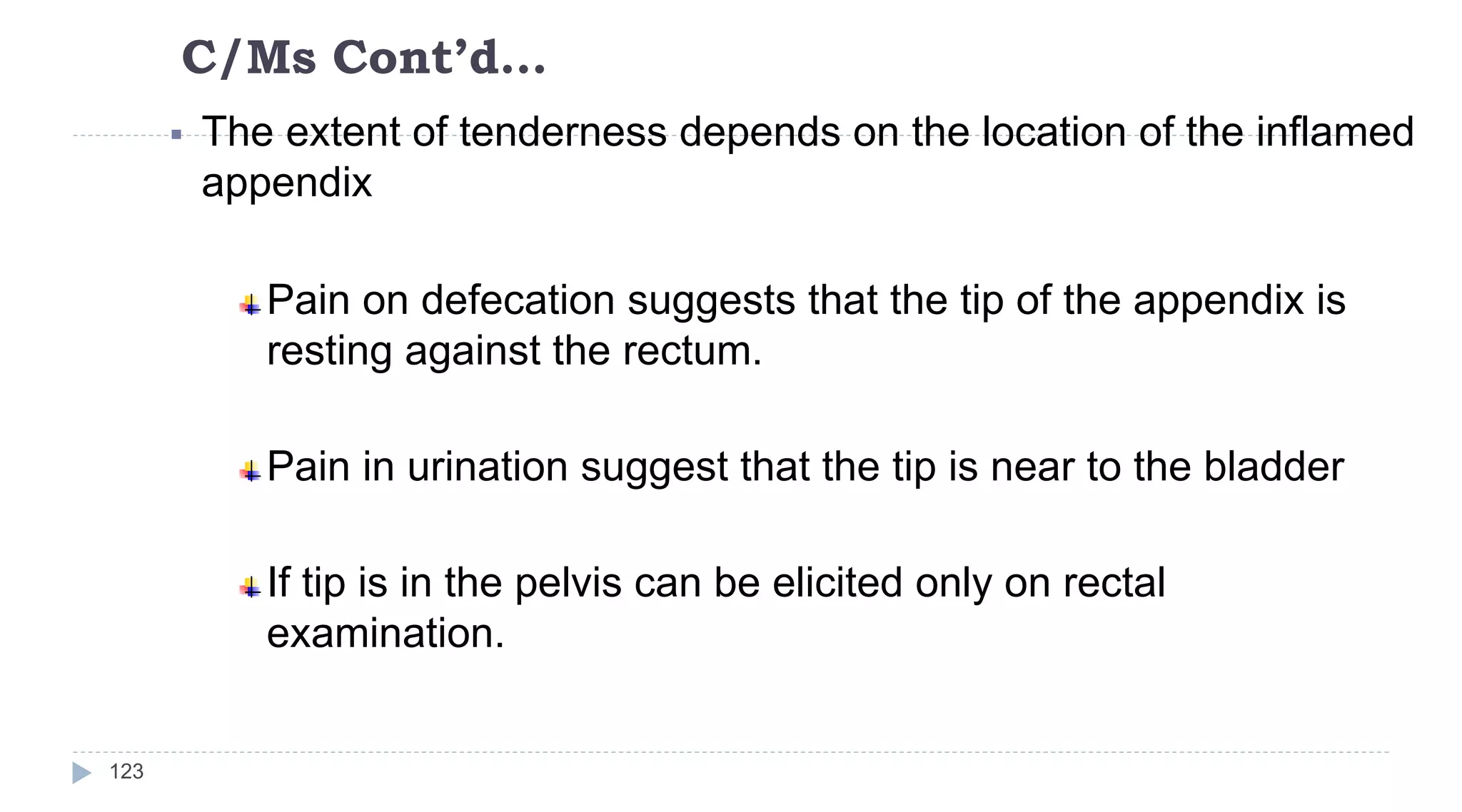
 The extent of tenderness depends on the location of the inflamed
appendix
Pain on defecation suggests that the tip of the appendix is
resting against the rectum.
Pain in urination suggest that the tip is near to the bladder
If tip is in the pelvis can be elicited only on rectal
examination.
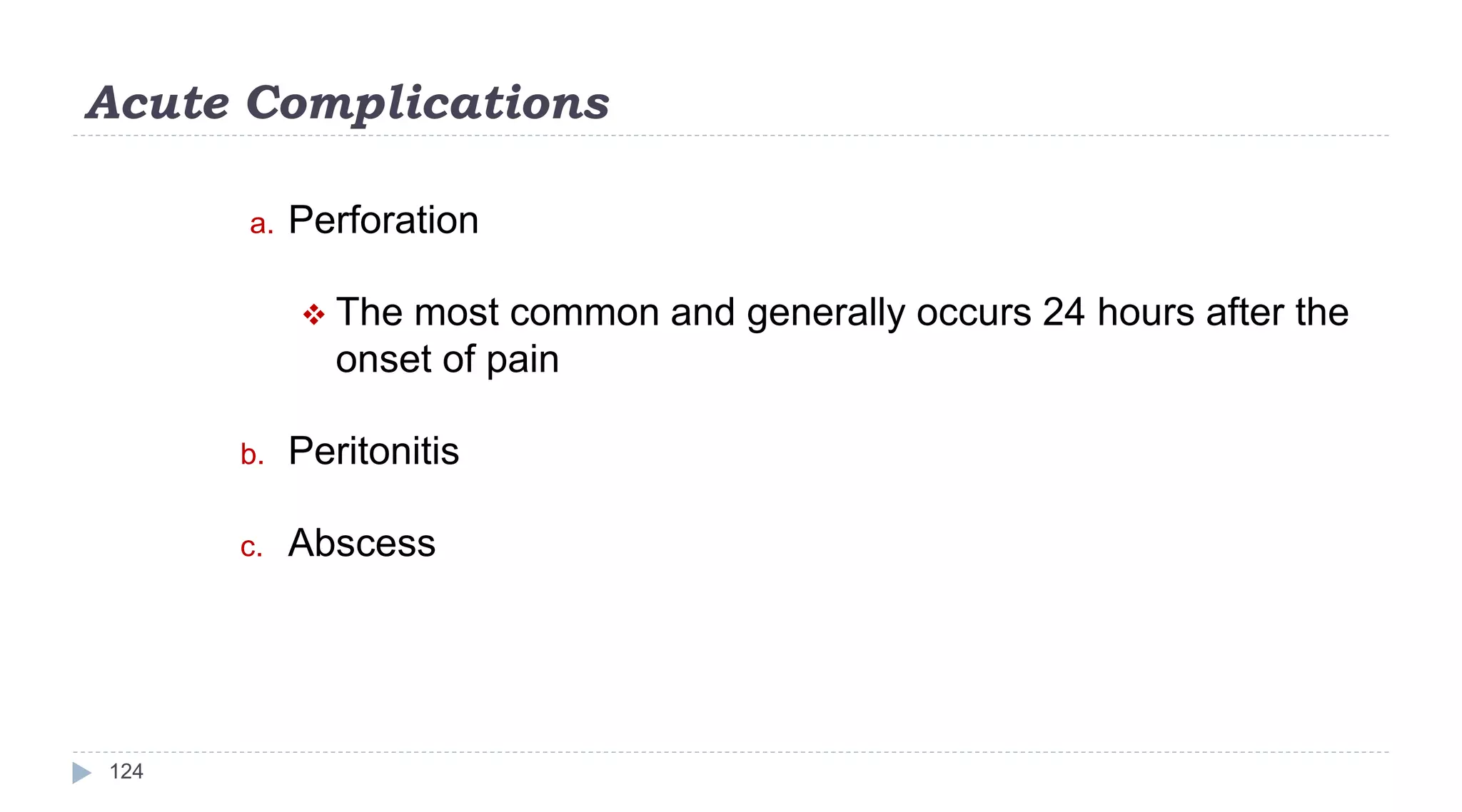
Acute Complications
124
a. Perforation
 The most common and generally occurs 24 hours after the
onset of pain
b. Peritonitis
c. Abscess
Diagnosis
125
 History
 Complete physical examination
 Lab tests
CBC—ed WBCs (neutrophils >75%)
Serum electrolyte profile
 Abdominal x-ray films, ultrasound studies, and CT scans
Management
126
 Surgery is indicated if appendicitis is diagnosed
 Antibiotics and intravenous fluids
 To correct or prevent fluid and electrolyte imbalance and
dehydration, until surgery is performed
 Used for 6 to 8 hrs before the appendectomy If the appendix
has ruptured and there is evidence of peritonitis or an
abscess
 Analgesics after diagnosis
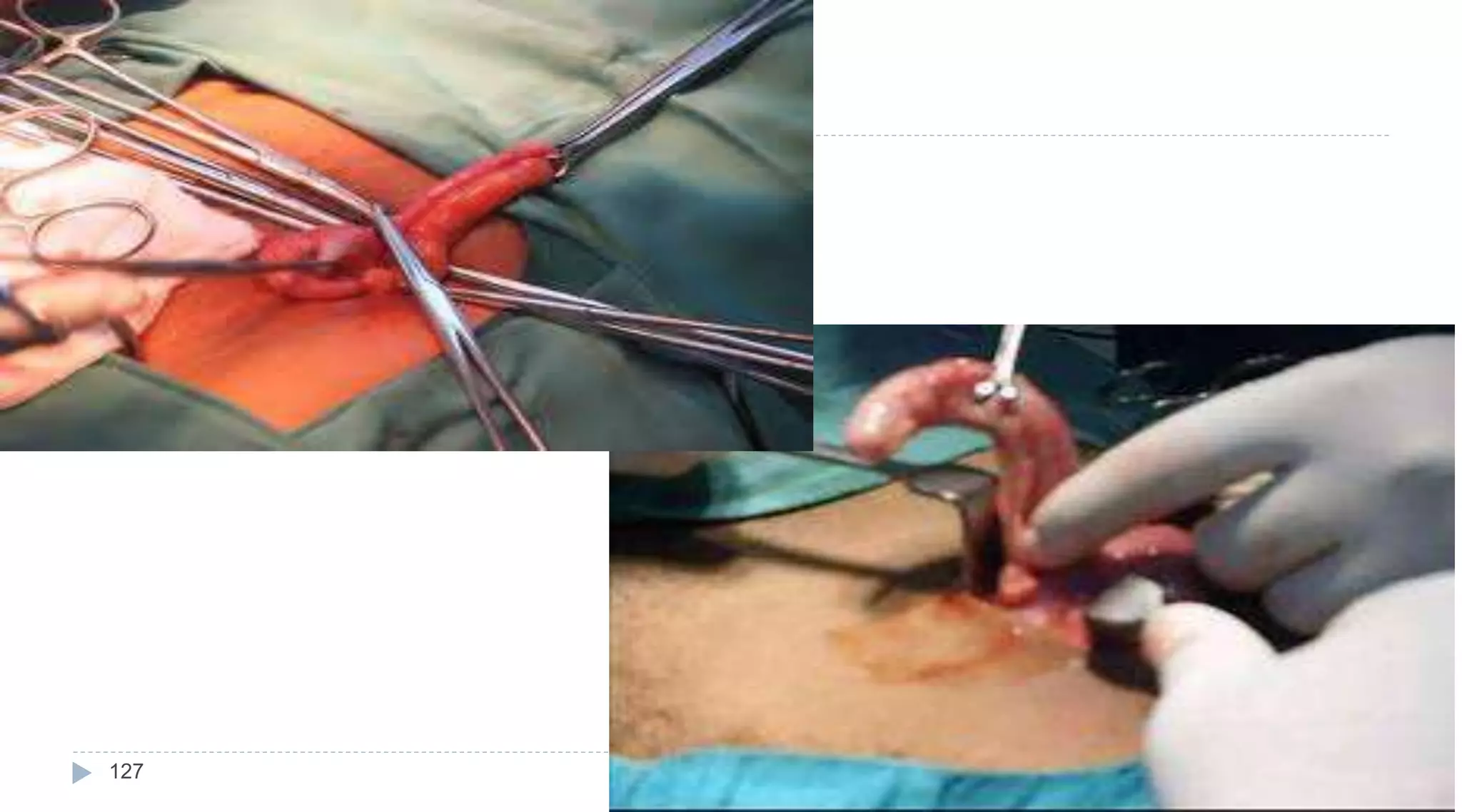
 Appendectomy
127
Nursing Management
128
Patient preparation for surgery
IV infusion to replace fluid loss and promote adequate renal
function
Antibiotic therapy to prevent infection
Enema is not administered
Avoid self-treatment like the use of laxatives and enema to
prevent perforation
Cold compress to the RLQ to decrease blood flow to the area
and impend the inflammatory process
Heat is never used because it may cause the appendix to
rupture
Nsg Mgt Cont’d…
129
Postoperative care
 Placing the patient in a semi-Fowler position
 Opioid, usually morphine sulfate
 Oral fluids as tolerated
 Food is provided as desired and tolerated on the day of surgery
 Ambulation begins the day of surgery or the first postoperative day
 Discharge on the first or second postoperative day
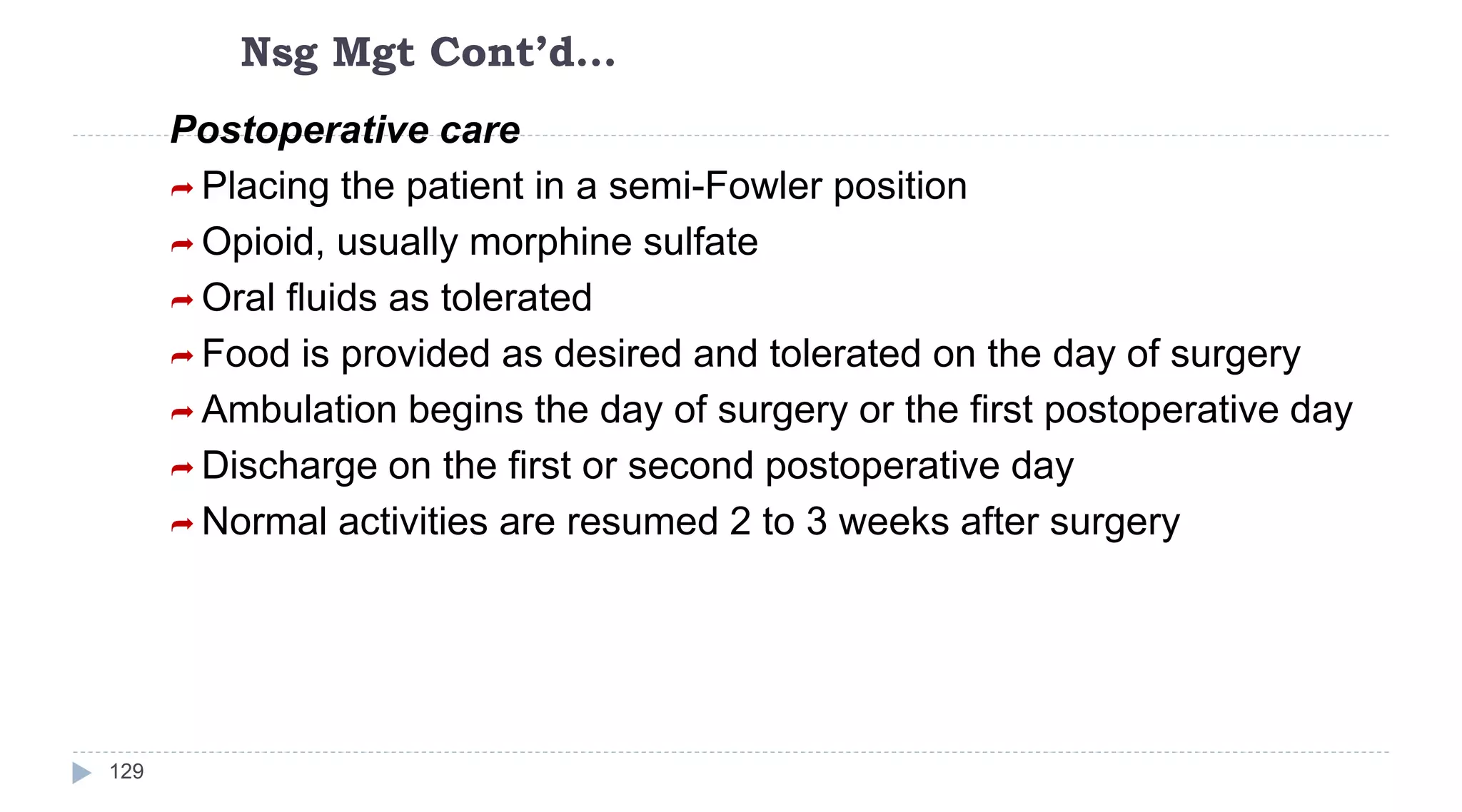
 Normal activities are resumed 2 to 3 weeks after surgery
Peritonitis
130
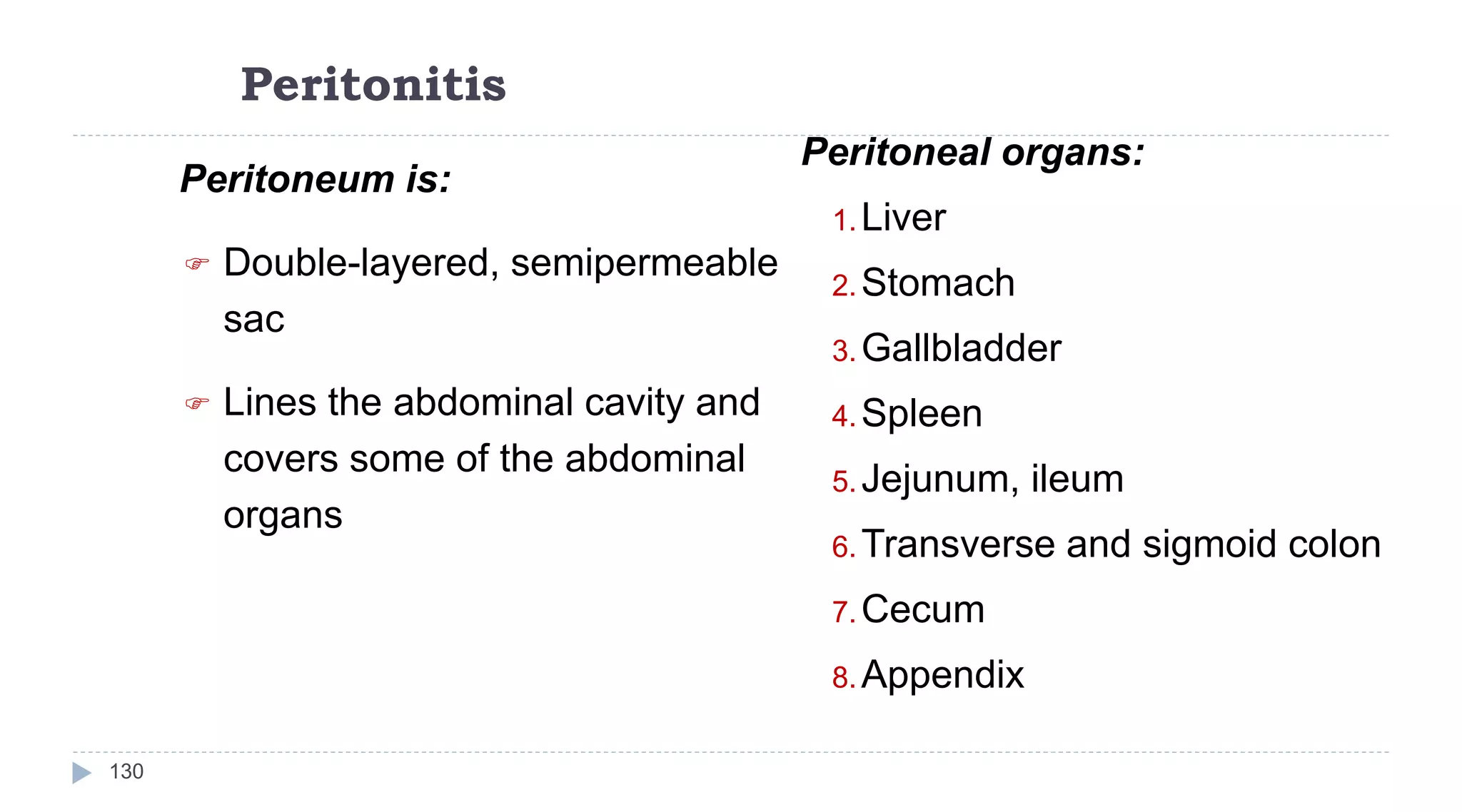
Peritoneum is:
 Double-layered, semipermeable
sac
 Lines the abdominal cavity and
covers some of the abdominal
organs
Peritoneal organs:
1.Liver
2.Stomach
3.Gallbladder
4.Spleen
5.Jejunum, ileum
6.Transverse and sigmoid colon
7.Cecum
8.Appendix
Definition
131
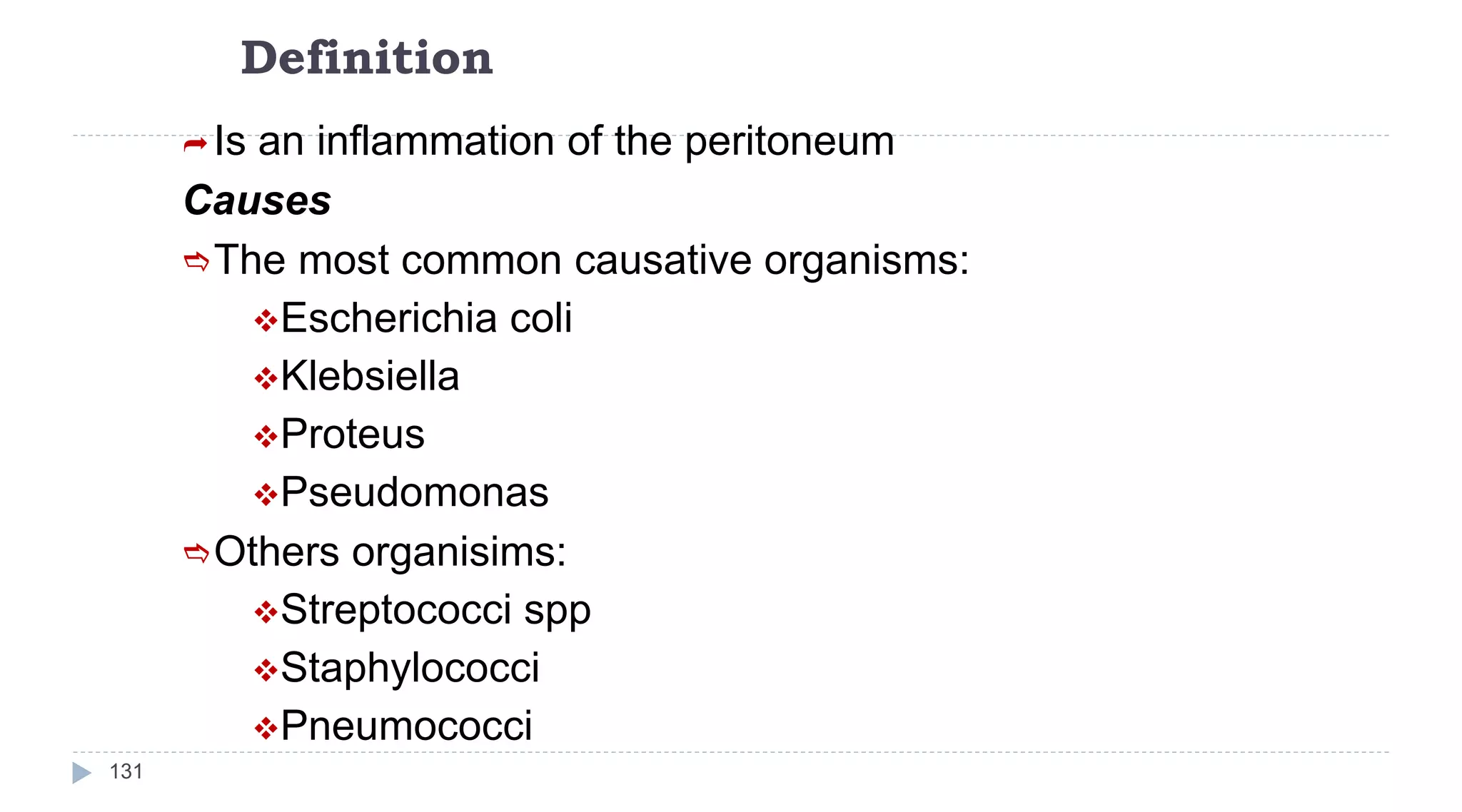
Is an inflammation of the peritoneum
Causes
The most common causative organisms:
Escherichia coli
Klebsiella
Proteus
Pseudomonas
Others organisims:
Streptococci spp
Staphylococci
Pneumococci
Cause Peritonitis Cont’d…
132
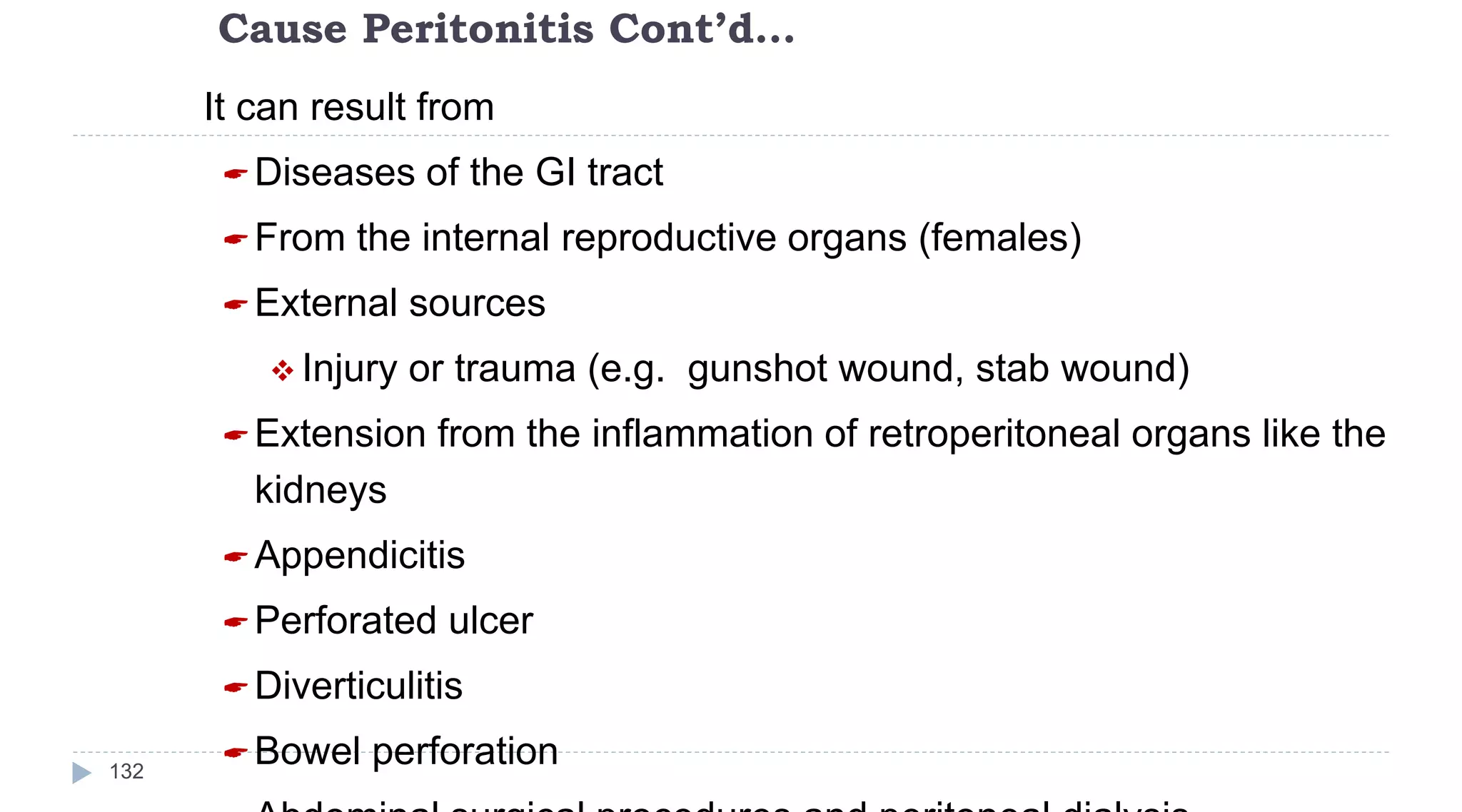
It can result from
Diseases of the GI tract
From the internal reproductive organs (females)
External sources
 Injury or trauma (e.g. gunshot wound, stab wound)
Extension from the inflammation of retroperitoneal organs like the
kidneys
Appendicitis
Perforated ulcer
Diverticulitis
Bowel perforation
Clinical Manifestations
133
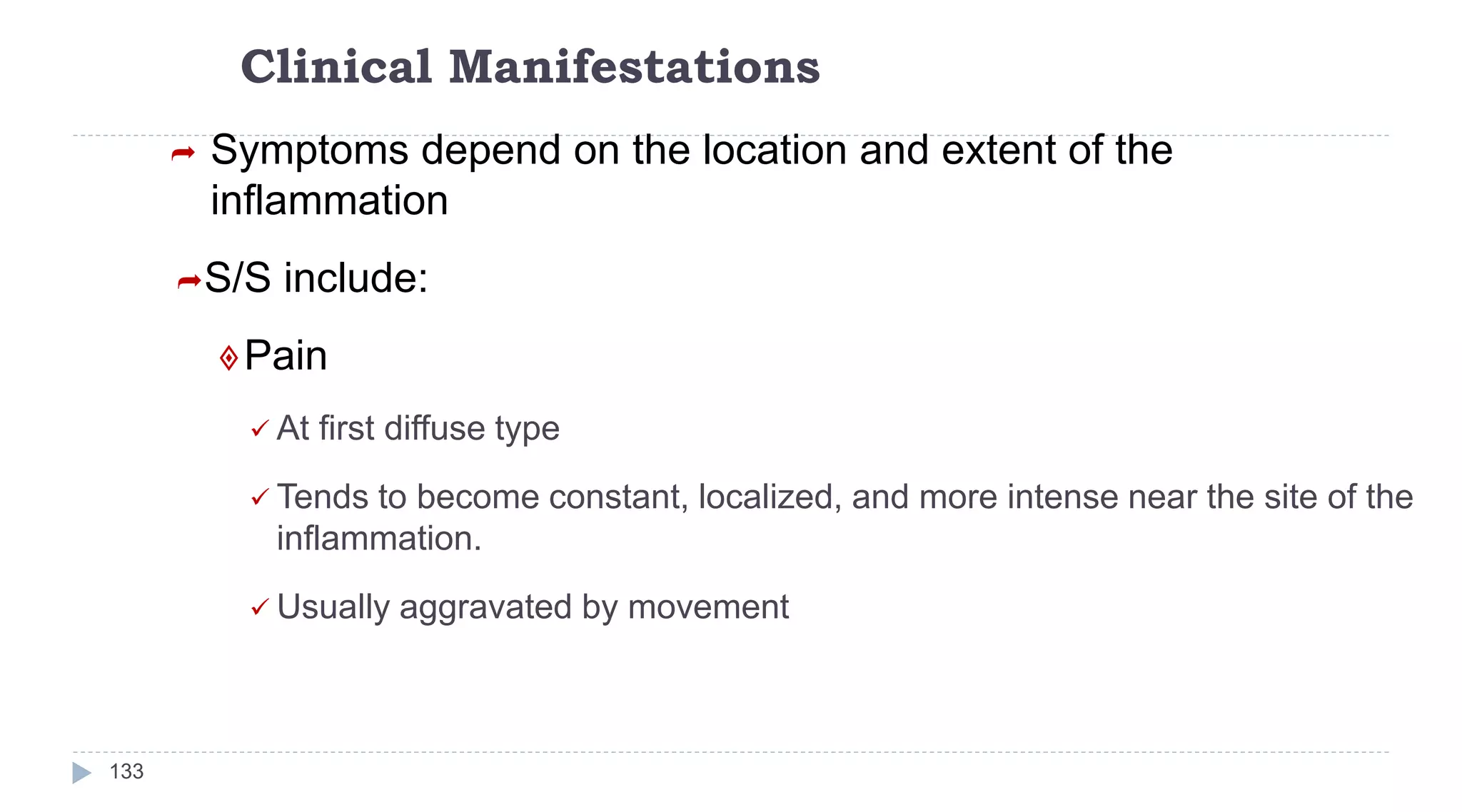
 Symptoms depend on the location and extent of the
inflammation
S/S include:
Pain
 At first diffuse type
 Tends to become constant, localized, and more intense near the site of the
inflammation.
 Usually aggravated by movement
C/Ms Cont’d…
134
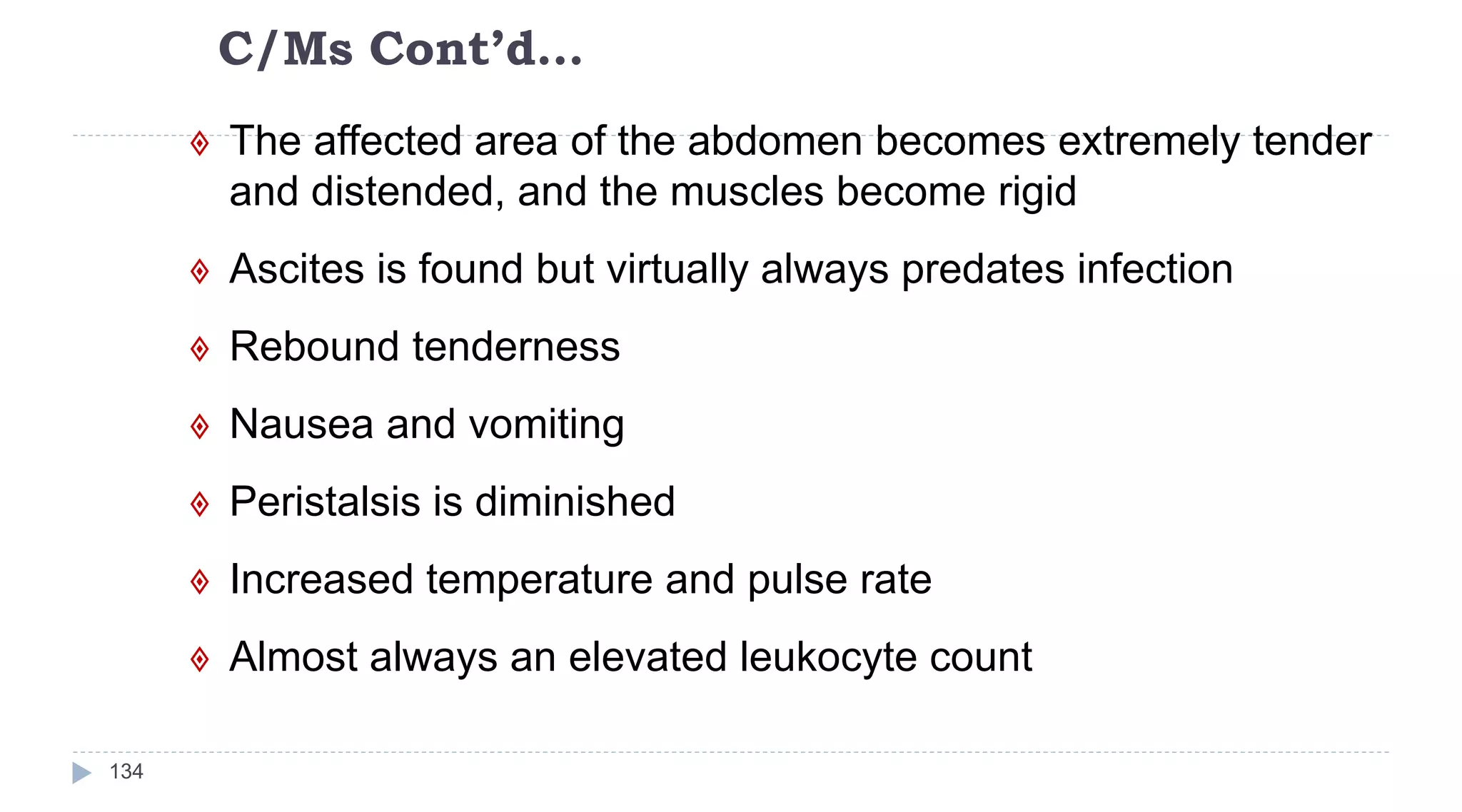
 The affected area of the abdomen becomes extremely tender
and distended, and the muscles become rigid
 Ascites is found but virtually always predates infection
 Rebound tenderness
 Nausea and vomiting
 Peristalsis is diminished
 Increased temperature and pulse rate
 Almost always an elevated leukocyte count
Diagnosis
135
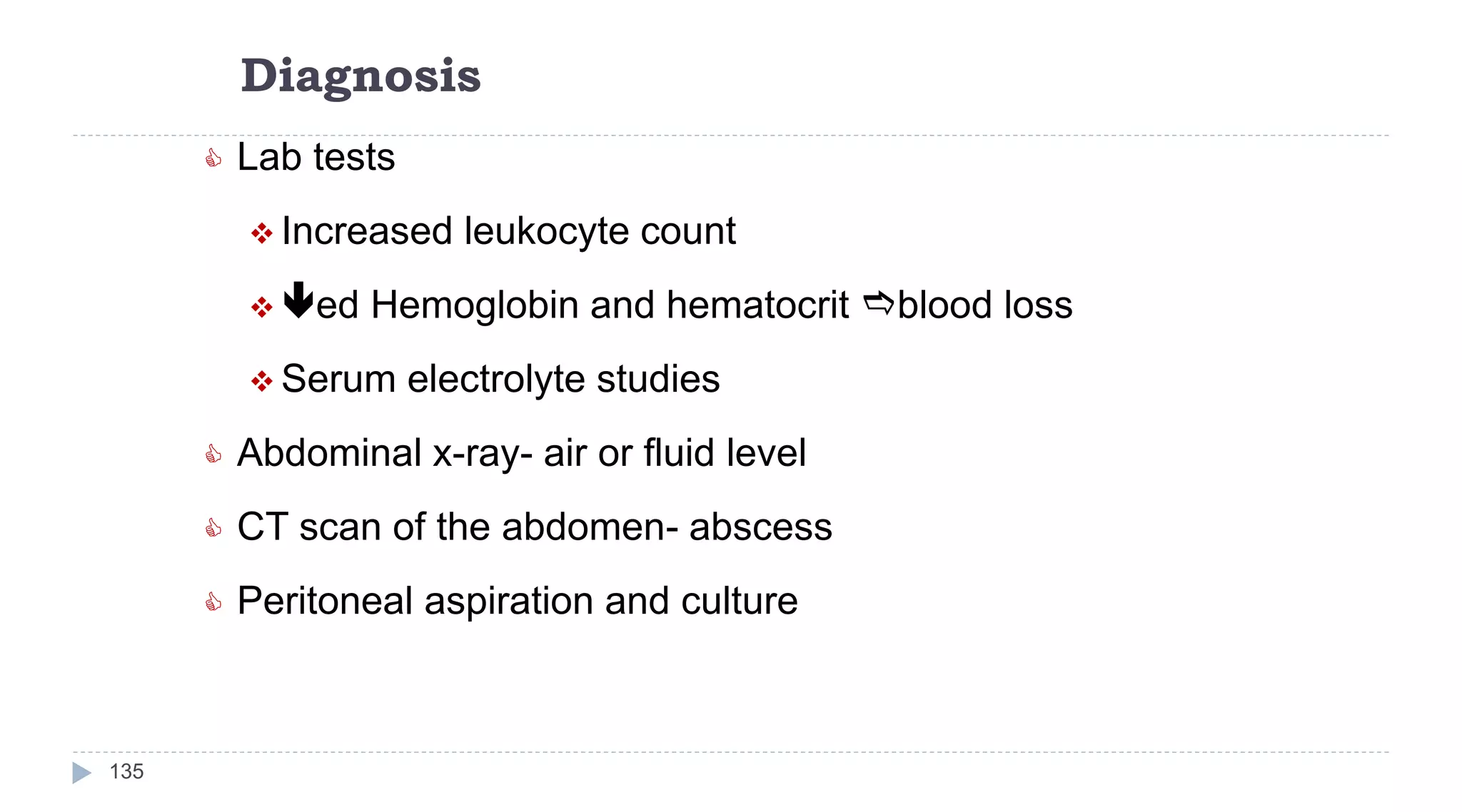
 Lab tests
 Increased leukocyte count
 ed Hemoglobin and hematocrit blood loss
 Serum electrolyte studies
 Abdominal x-ray- air or fluid level
 CT scan of the abdomen- abscess
 Peritoneal aspiration and culture
Complications
136
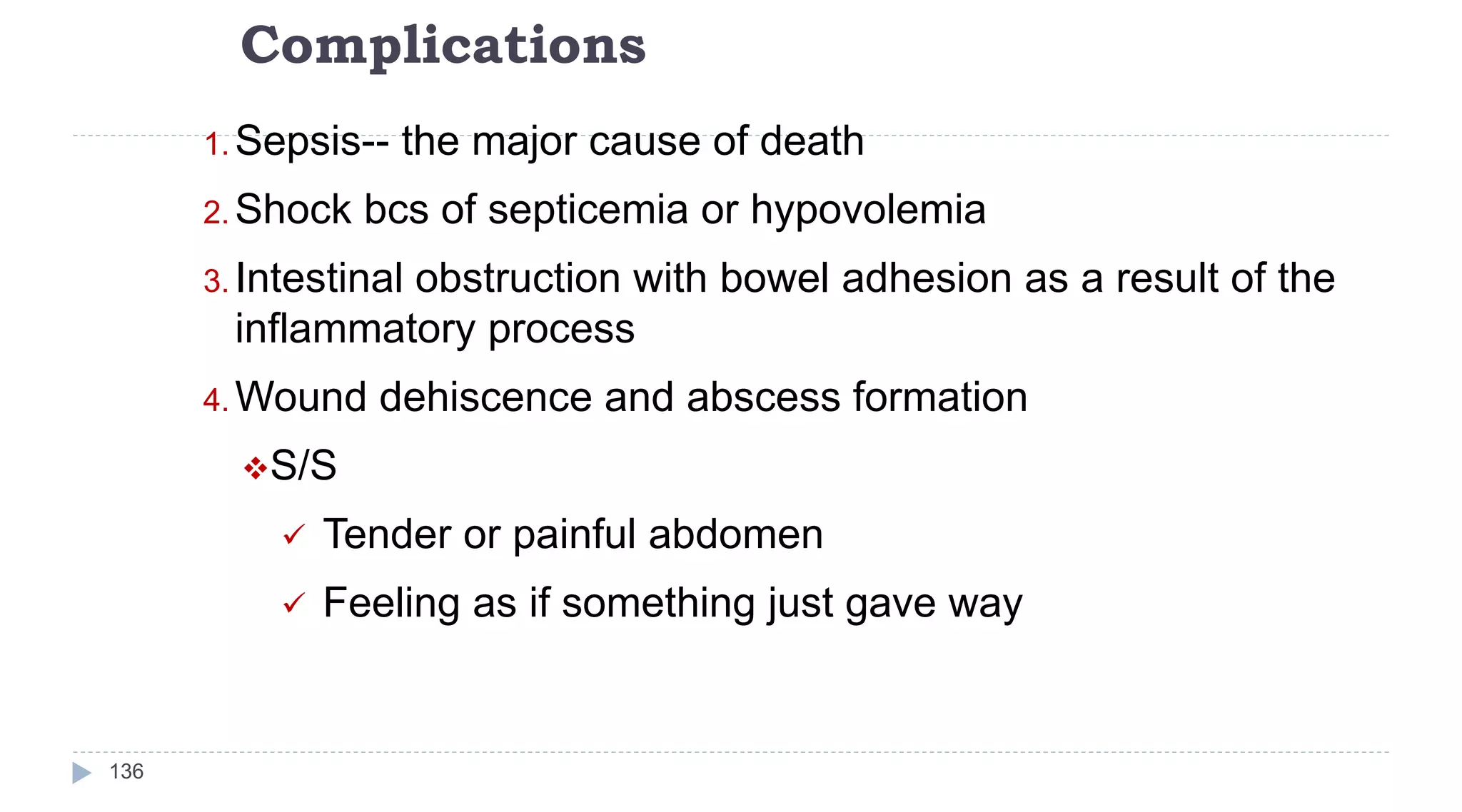
1. Sepsis-- the major cause of death
2. Shock bcs of septicemia or hypovolemia
3. Intestinal obstruction with bowel adhesion as a result of the
inflammatory process
4. Wound dehiscence and abscess formation
S/S
 Tender or painful abdomen
 Feeling as if something just gave way
Management
137
 Administration of several liters of an isotonic solution
 Analgesics
 Antiemetics
 Intestinal intubation and suction
 Oxygen therapy by nasal cannula or mask
Mgt Cont’d…
138
Large doses of IV broad-spectrum antibiotic until the specific
organism causing the infection is identified
Third-generation cephalosporins
Cefotaxime (2 g q8h, IV)
Ceftriaxone (2 g q24h IV)
Patients with primary bacterial peritonitis (PBP) usually
respond within 72 hours to appropriate antibiotic therapy
Administered for as little as 5 days and can be extended to 2
weeks course
Mgt Cont’d…
139
Surgery
To remove the infected material and correct the cause
Includes:
Excision (i.e., appendix)
Resection with or without anastomosis (i.e., intestine)
Repair (i.e. perforation)
Drainage (i.e. abscess)
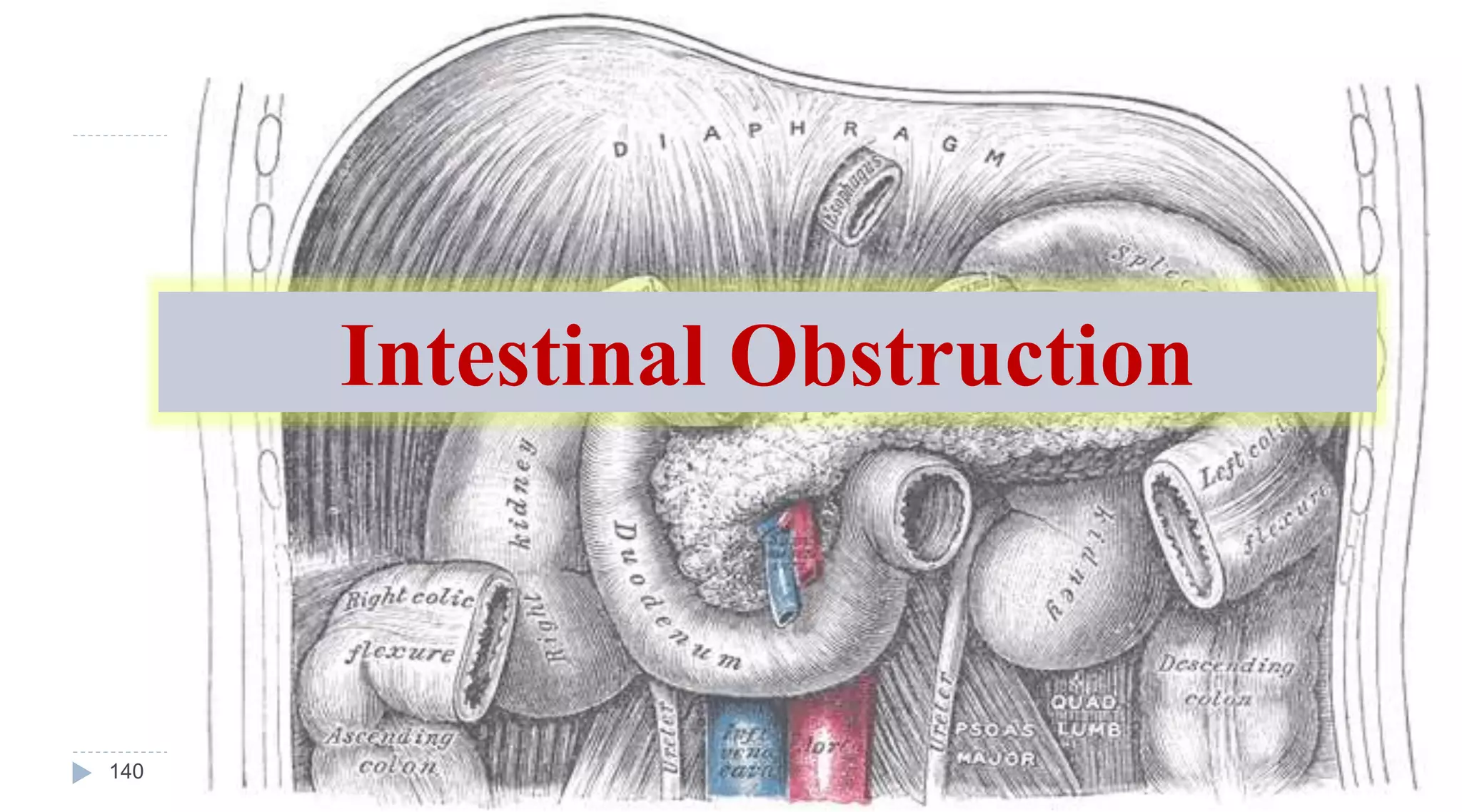
Intestinal Obstruction
140
Intestinal Obstruction
141
 A partial or complete blockage of the bowel that prevents the normal
flow of intestinal contents through the intestinal tract.
 Two types:
Mechanical obstruction
Functional obstruction
Types of Intestinal Obstruction Cont’d…
142
A. Mechanical Obstruction
Cause:
Intra-luminal obstruction or
Obstruction from pressure on the intestinal walls
Accounts for 90% of intestinal obstructions
Examples:
1. Adhesions (50%)
 Loops of intestine become adherent to areas that heal slowly
or scar after abdominal surgery
 May produce a kinking of an intestinal loop
Types of Intestinal Obstruction Cont’d…
143
2. Hernias (15%)
 Protrusion of intestine through a weakened area in the
abdominal muscle or wall
 May result in complete obstruction of intestinal lumen and
obstruction of blood flow to the area
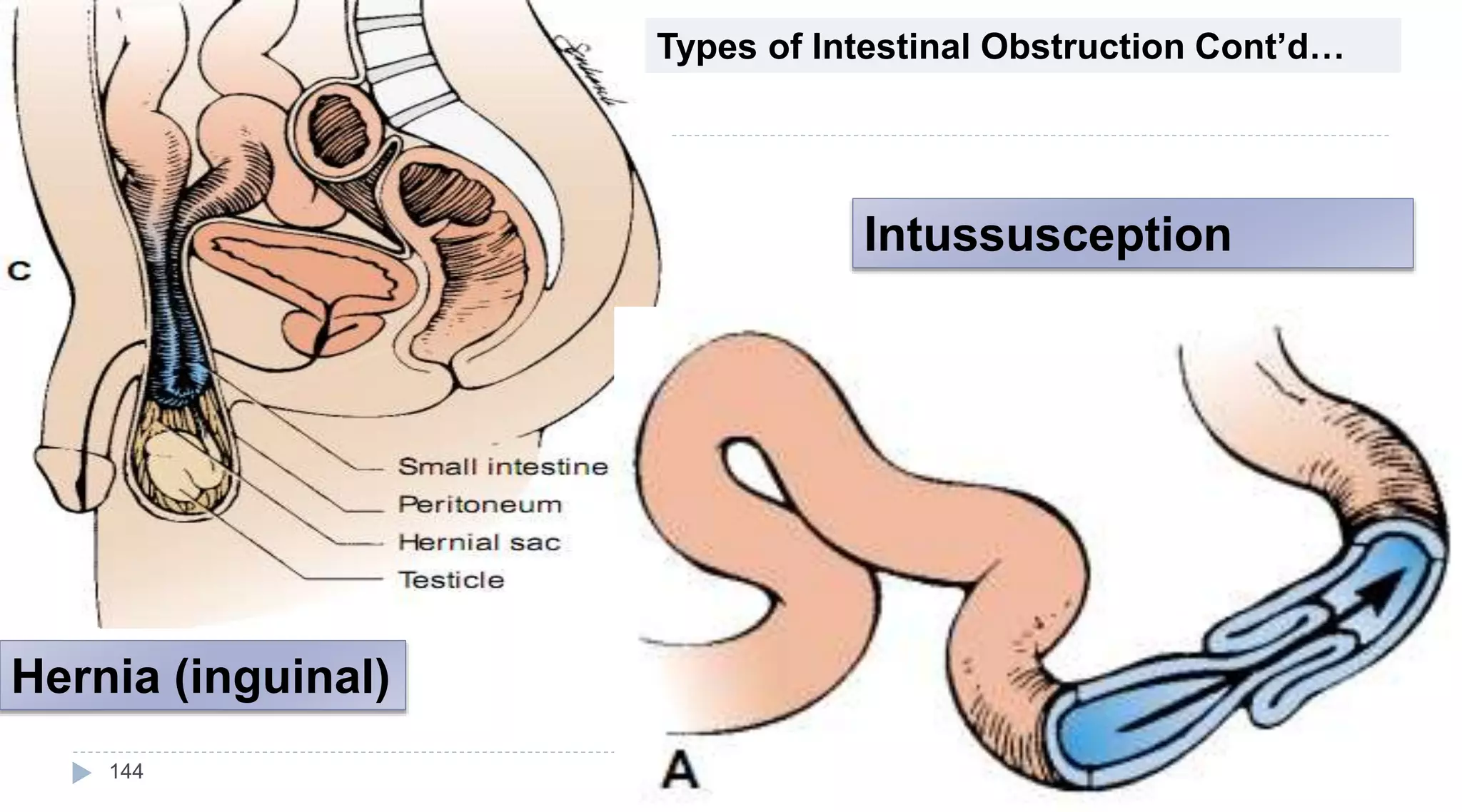
3. Intussusception
 One part of the intestine slips into another part located below it
 Results in narrowing of intestinal lumen
Hernia (inguinal)
Intussusception
Types of Intestinal Obstruction Cont’d…
144
Types of Intestinal Obstruction Cont’d…
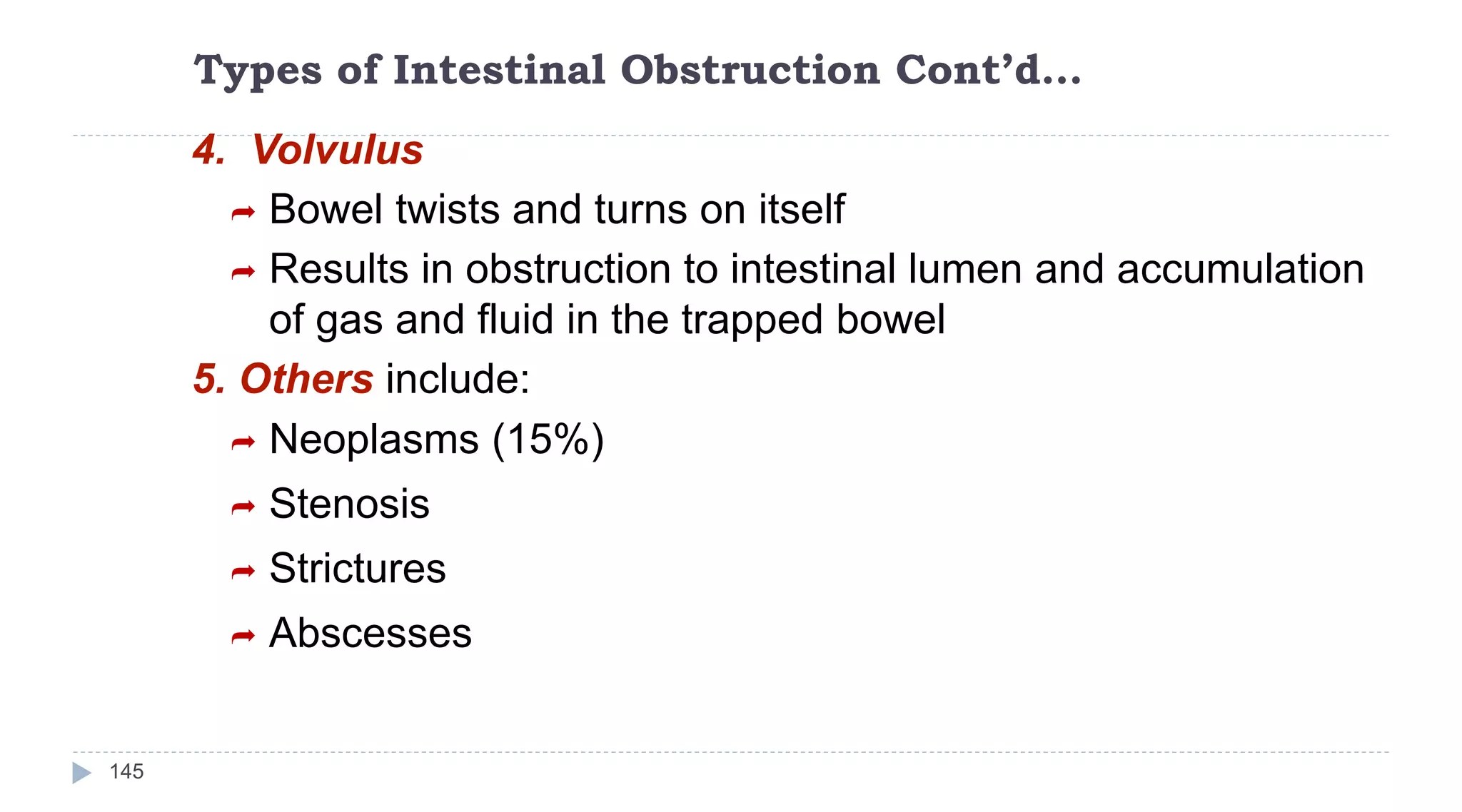
145
4. Volvulus
 Bowel twists and turns on itself
 Results in obstruction to intestinal lumen and accumulation
of gas and fluid in the trapped bowel
5. Others include:
 Neoplasms (15%)
 Stenosis
 Strictures
 Abscesses
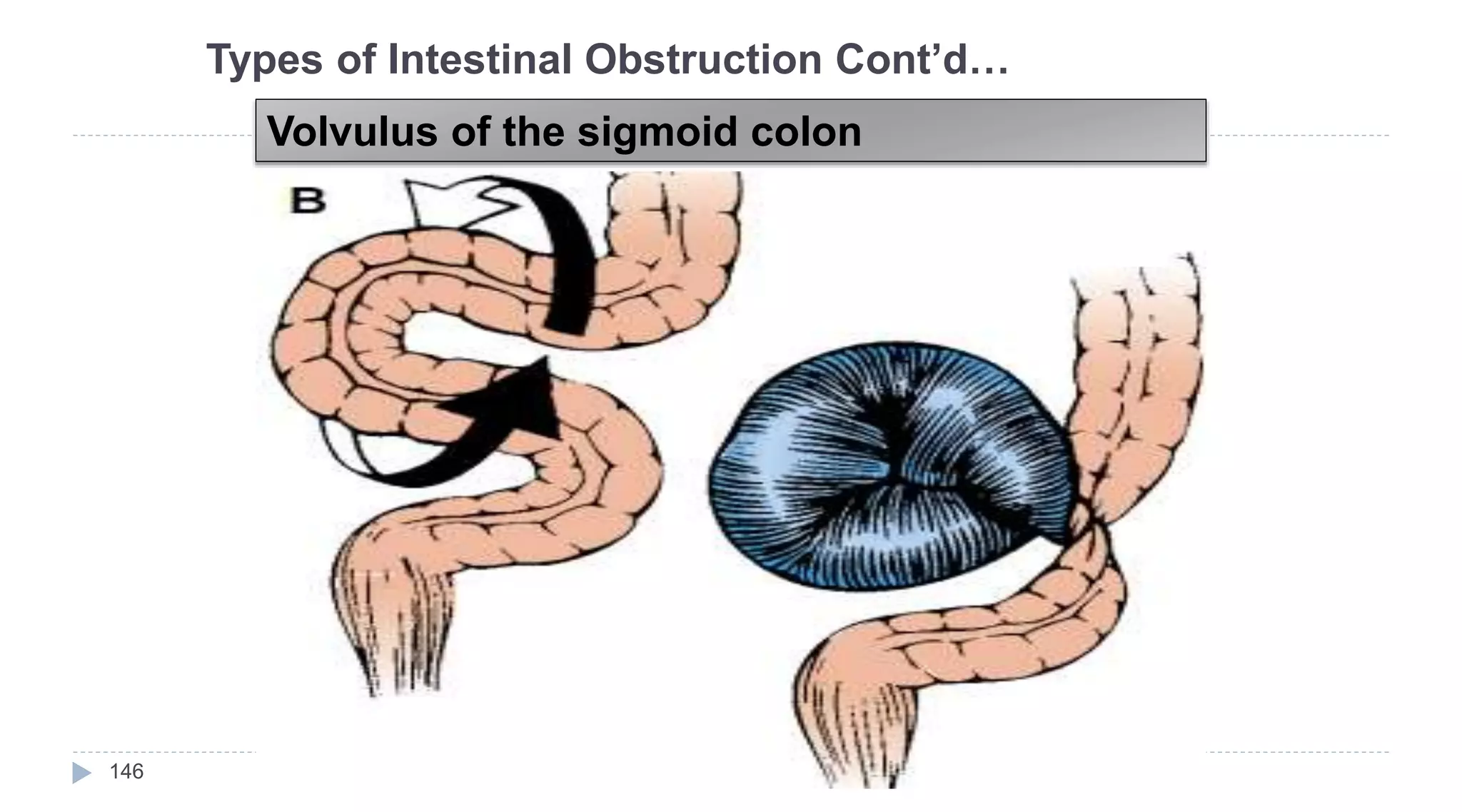
Volvulus of the sigmoid colon
Types of Intestinal Obstruction Cont’d…
146
Types of Intestinal Obstruction Cont’d…
147
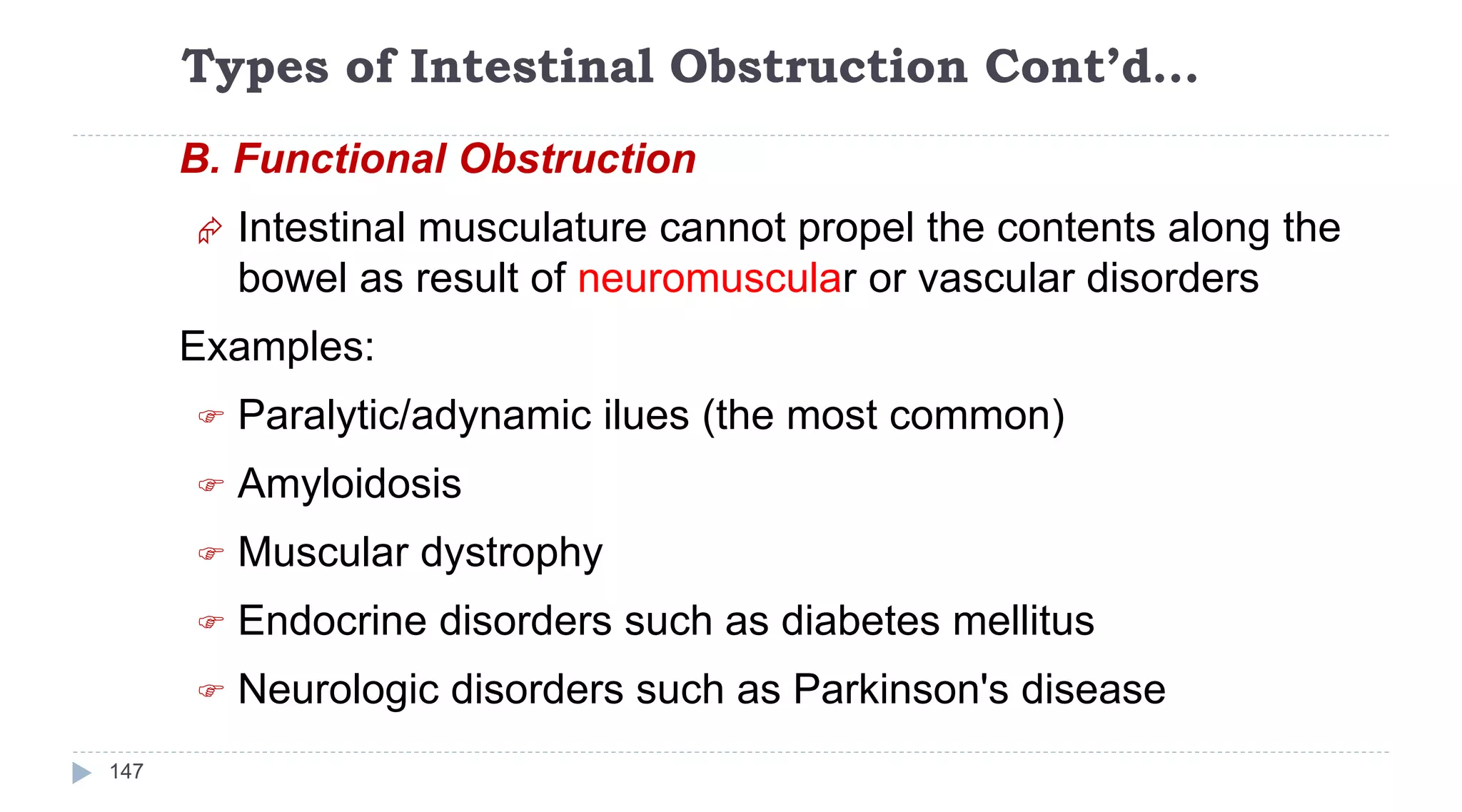
B. Functional Obstruction
 Intestinal musculature cannot propel the contents along the
bowel as result of neuromuscular or vascular disorders
Examples:
 Paralytic/adynamic ilues (the most common)
 Amyloidosis
 Muscular dystrophy
 Endocrine disorders such as diabetes mellitus
 Neurologic disorders such as Parkinson's disease
Small Intestine Obstruction
148
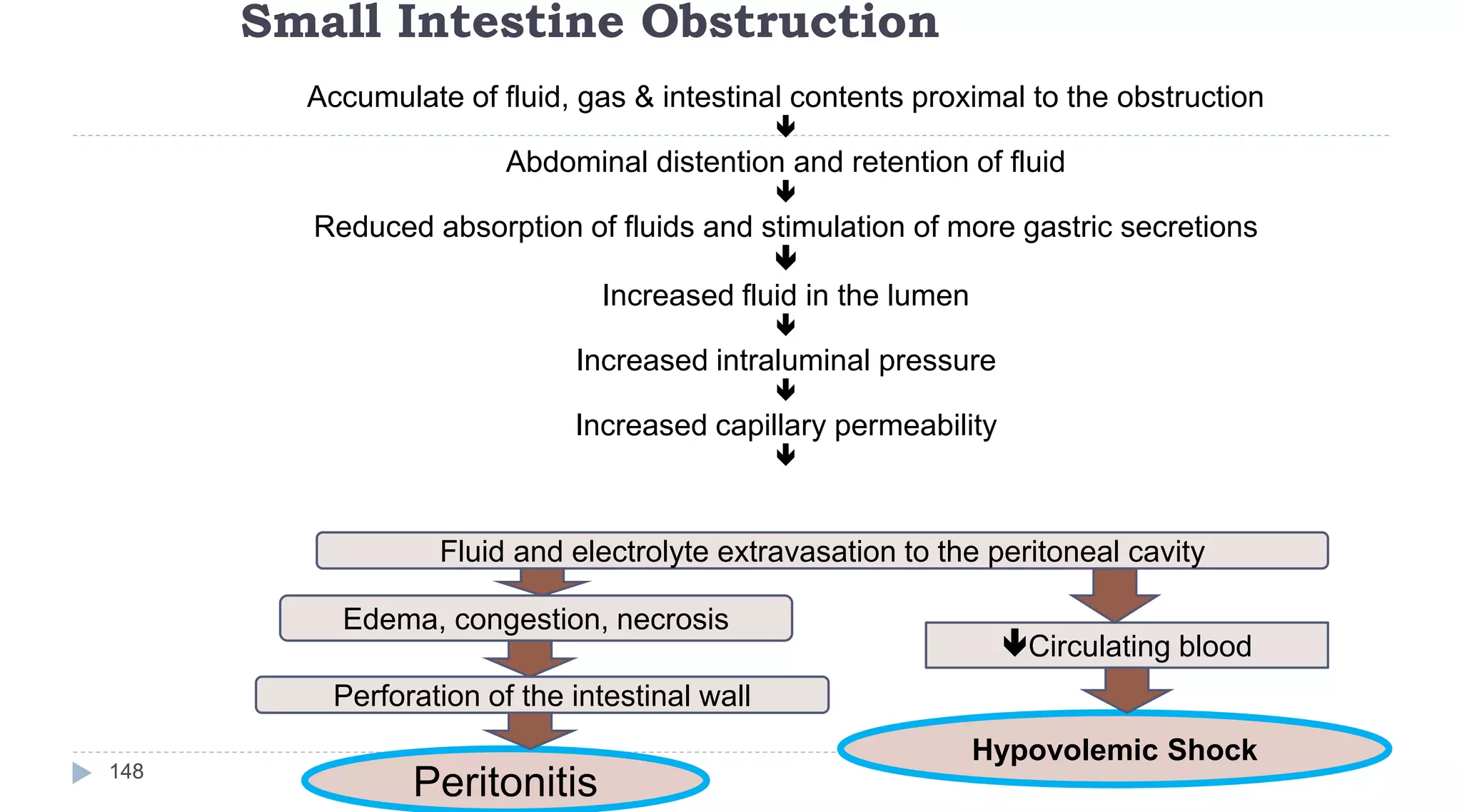
Accumulate of fluid, gas & intestinal contents proximal to the obstruction

Abdominal distention and retention of fluid

Reduced absorption of fluids and stimulation of more gastric secretions

Increased fluid in the lumen

Increased intraluminal pressure

Increased capillary permeability

Circulating blood
Hypovolemic Shock
Edema, congestion, necrosis
Perforation of the intestinal wall
Peritonitis
Fluid and electrolyte extravasation to the peritoneal cavity
Clinical Manifestations
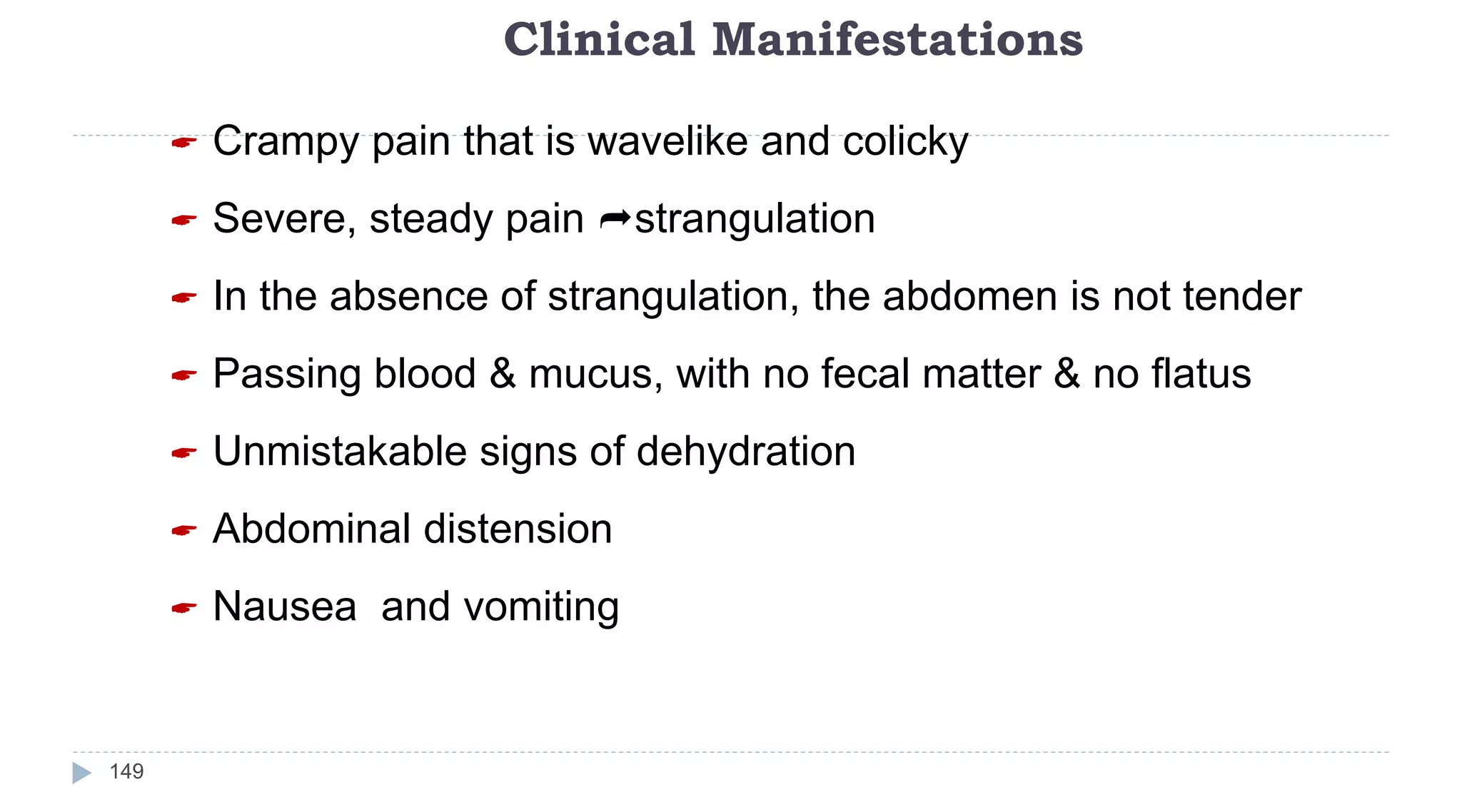
149
 Crampy pain that is wavelike and colicky
 Severe, steady pain strangulation
 In the absence of strangulation, the abdomen is not tender
 Passing blood & mucus, with no fecal matter & no flatus
 Unmistakable signs of dehydration
 Abdominal distension
 Nausea and vomiting
C/Ms Cont’d…
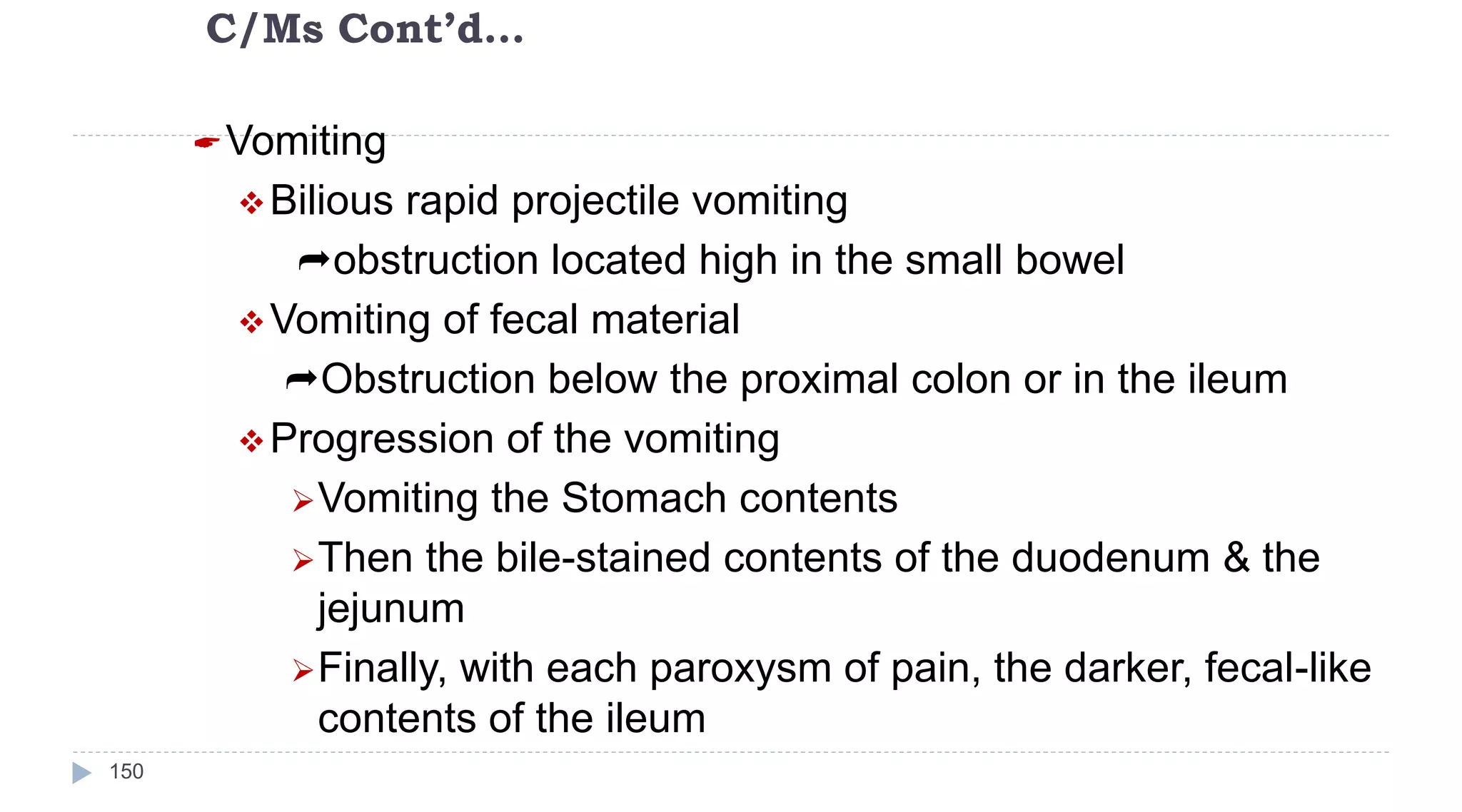
150
Vomiting
Bilious rapid projectile vomiting
obstruction located high in the small bowel
Vomiting of fecal material
Obstruction below the proximal colon or in the ileum
Progression of the vomiting
Vomiting the Stomach contents
Then the bile-stained contents of the duodenum & the
jejunum
Finally, with each paroxysm of pain, the darker, fecal-like
contents of the ileum
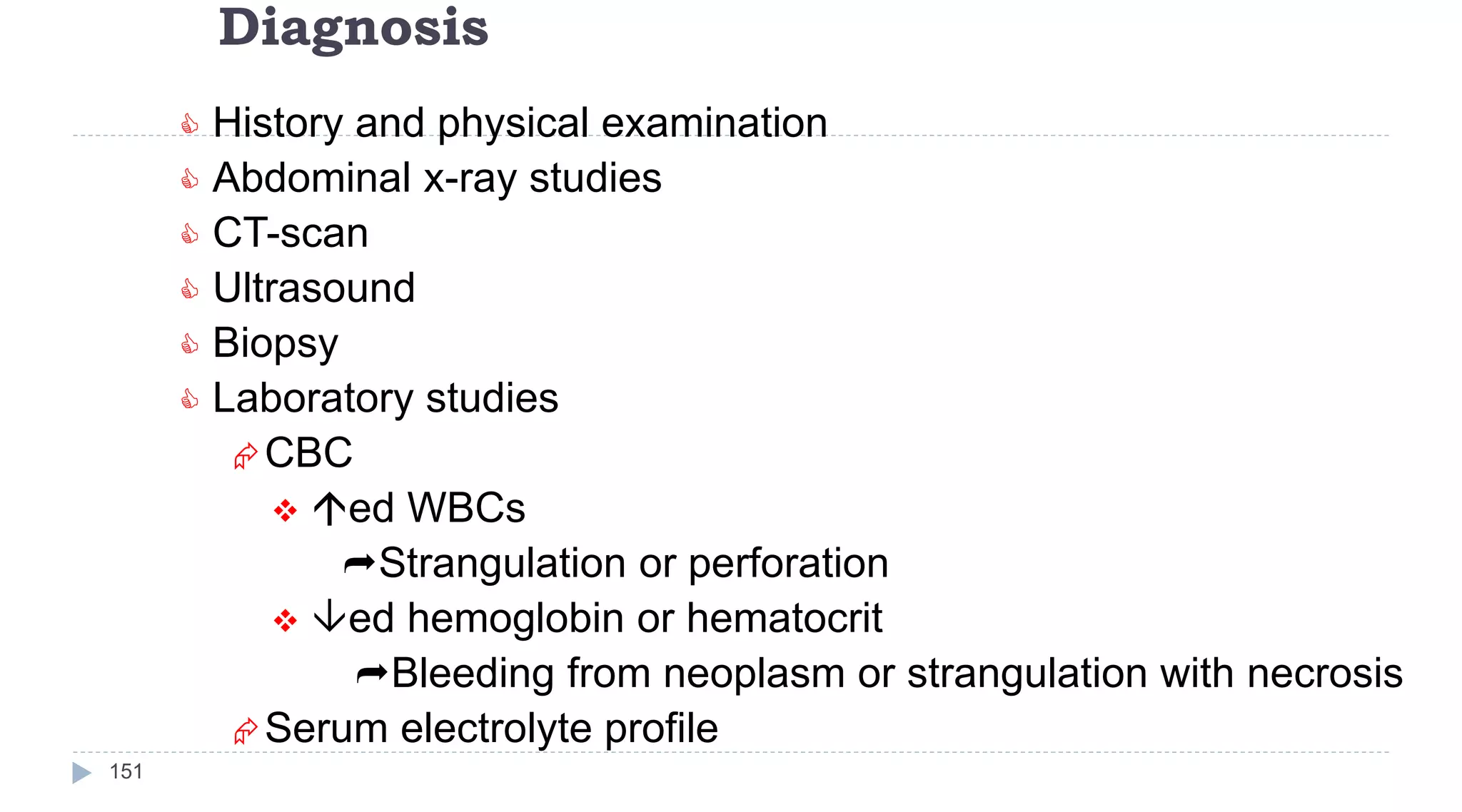
Diagnosis
151
 History and physical examination
 Abdominal x-ray studies
 CT-scan
 Ultrasound
 Biopsy
 Laboratory studies
CBC
 ed WBCs
Strangulation or perforation
 ed hemoglobin or hematocrit
Bleeding from neoplasm or strangulation with necrosis
Serum electrolyte profile
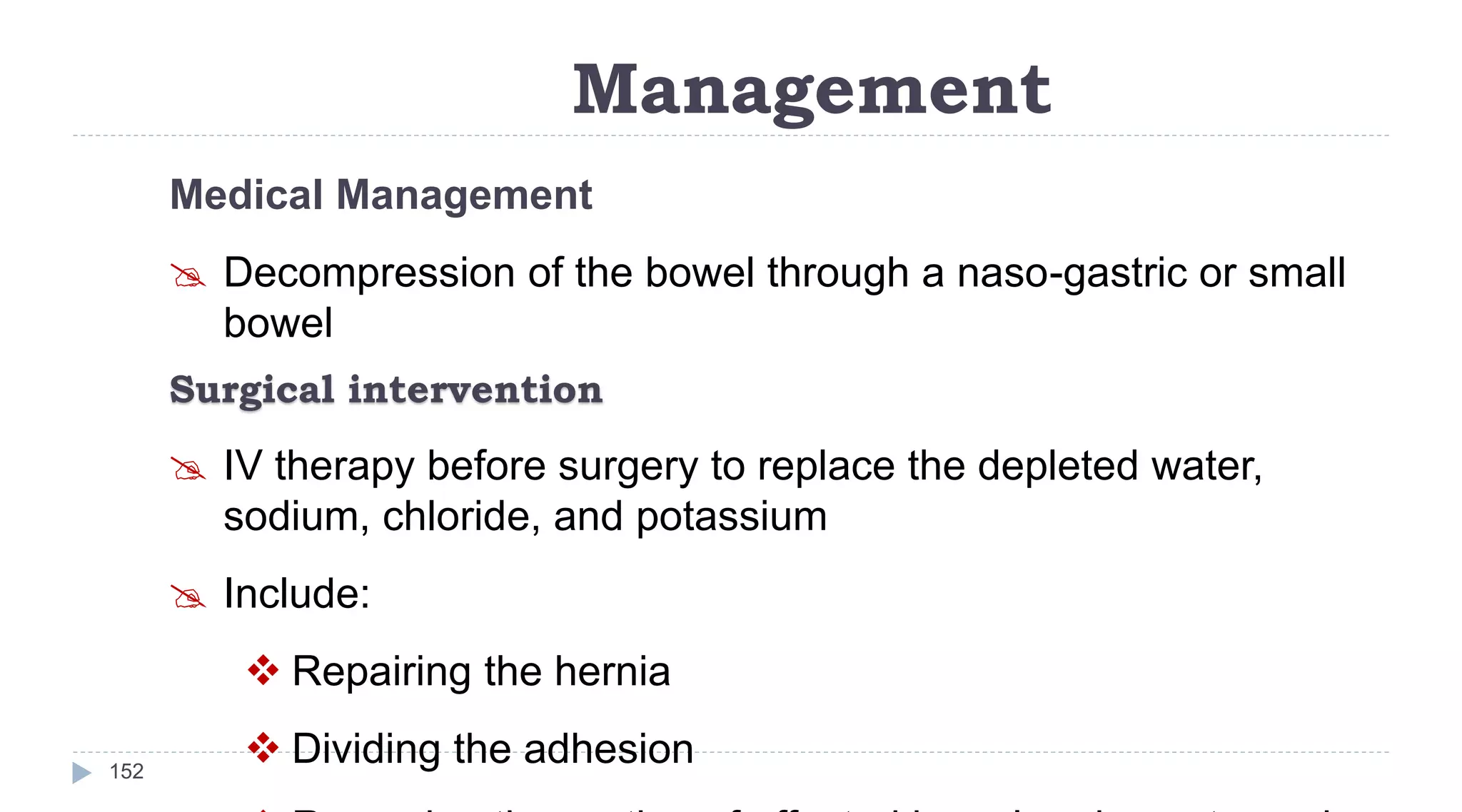
Management
152
Medical Management
 Decompression of the bowel through a naso-gastric or small
bowel
Surgical intervention
 IV therapy before surgery to replace the depleted water,
sodium, chloride, and potassium
 Include:
 Repairing the hernia
 Dividing the adhesion
Nursing Management
153
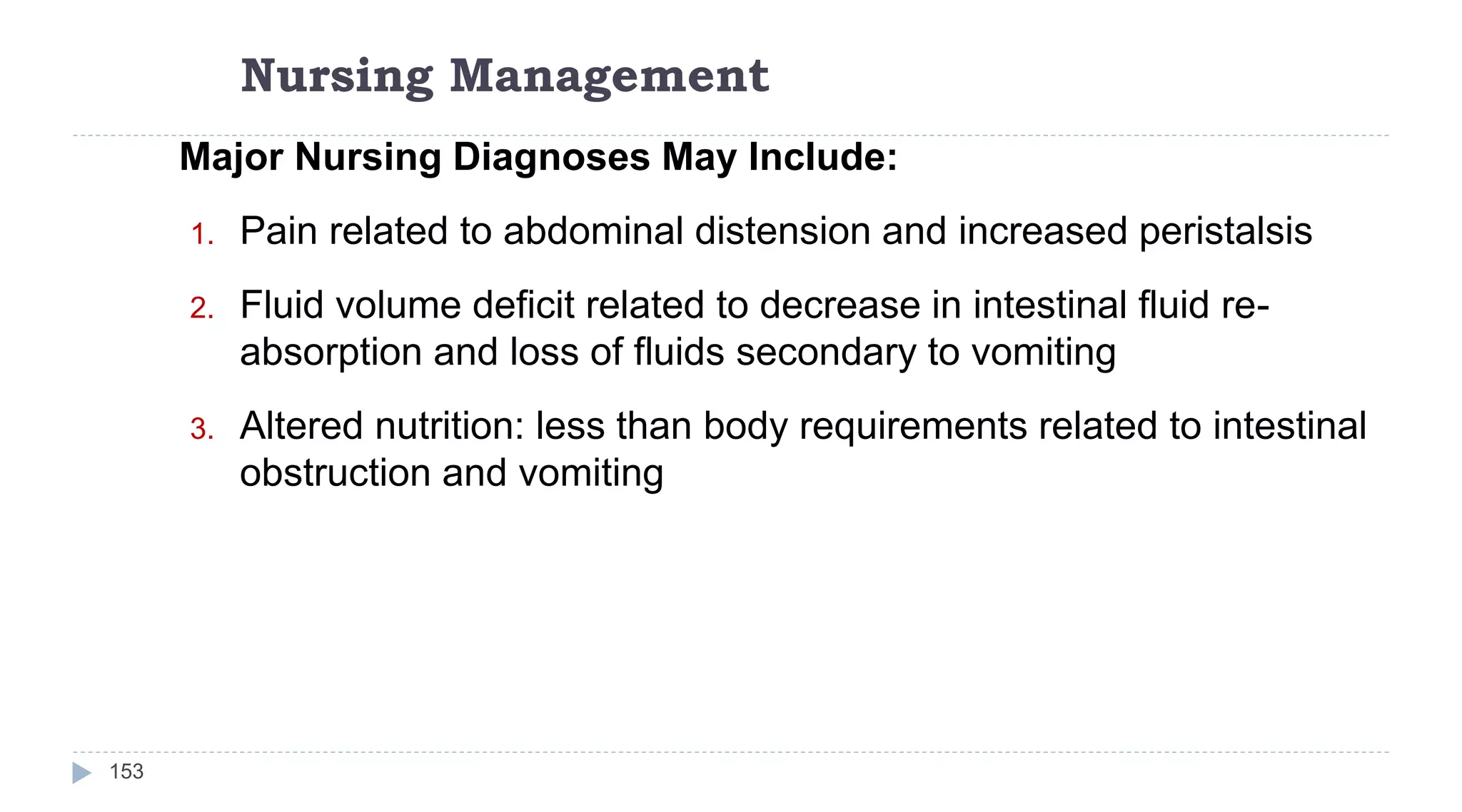
Major Nursing Diagnoses May Include:
1. Pain related to abdominal distension and increased peristalsis
2. Fluid volume deficit related to decrease in intestinal fluid re-
absorption and loss of fluids secondary to vomiting
3. Altered nutrition: less than body requirements related to intestinal
obstruction and vomiting
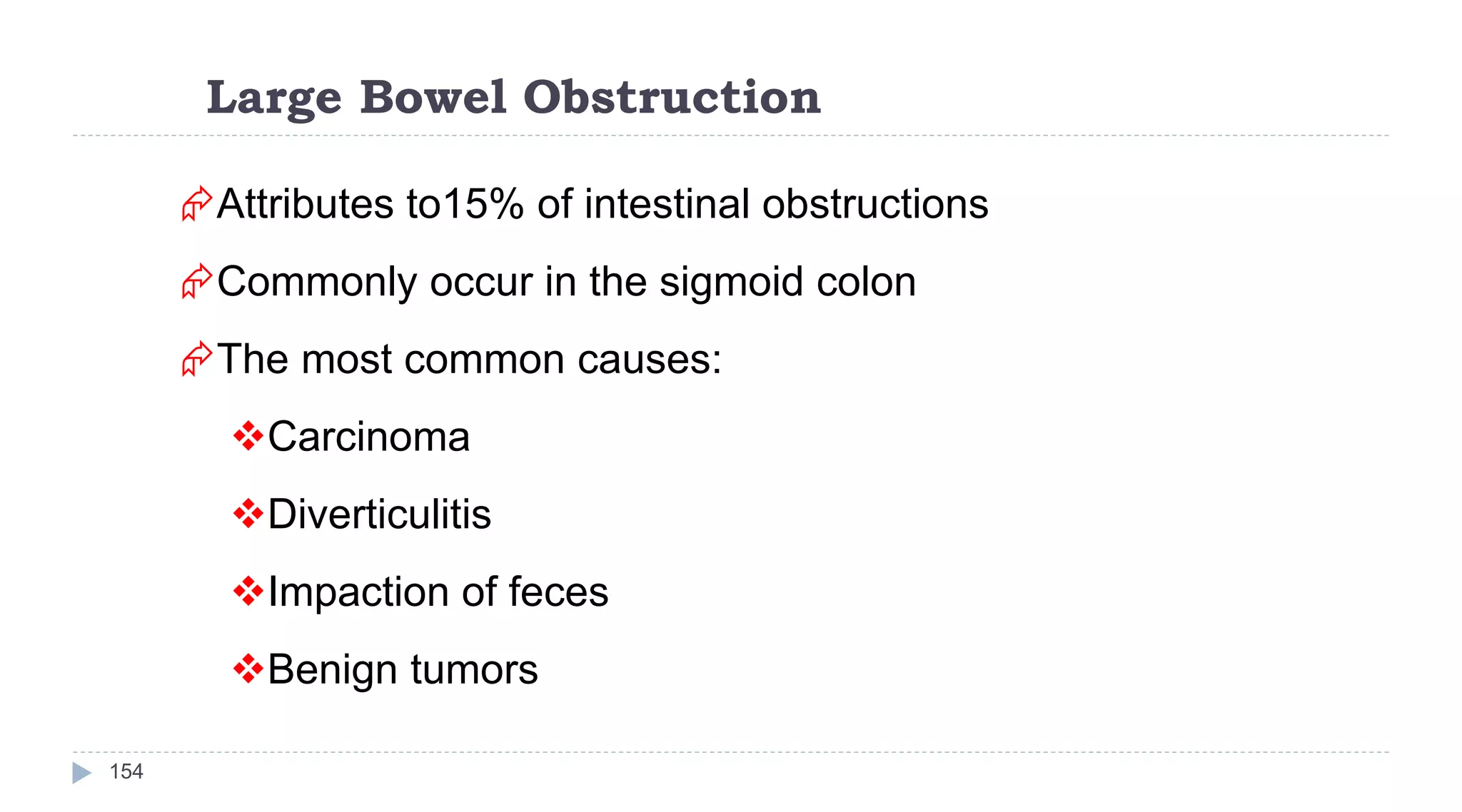
Large Bowel Obstruction
154
Attributes to15% of intestinal obstructions
Commonly occur in the sigmoid colon
The most common causes:
Carcinoma
Diverticulitis
Impaction of feces
Benign tumors
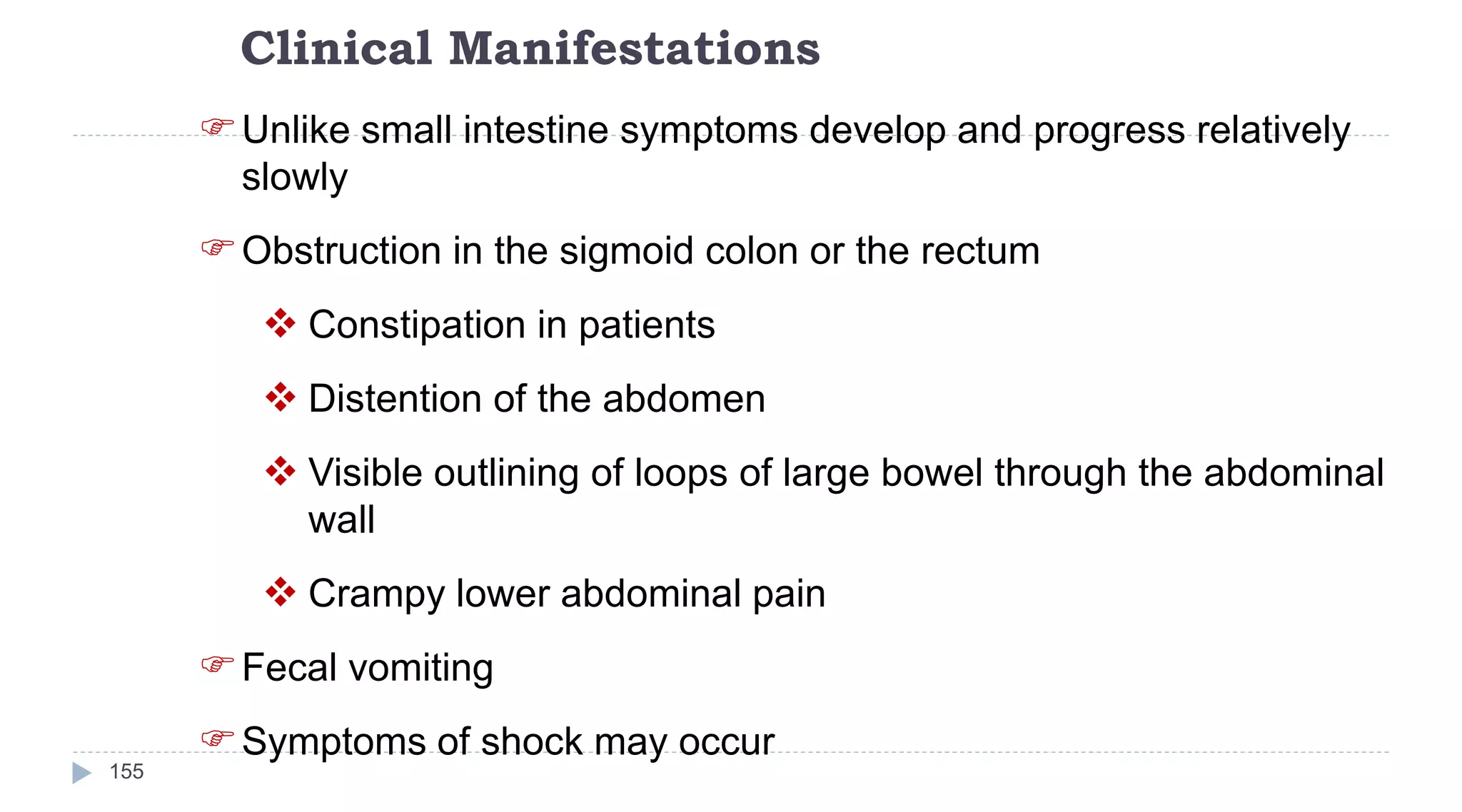
Clinical Manifestations
155
Unlike small intestine symptoms develop and progress relatively
slowly
Obstruction in the sigmoid colon or the rectum
 Constipation in patients
 Distention of the abdomen
 Visible outlining of loops of large bowel through the abdominal
wall
 Crampy lower abdominal pain
Fecal vomiting
Symptoms of shock may occur
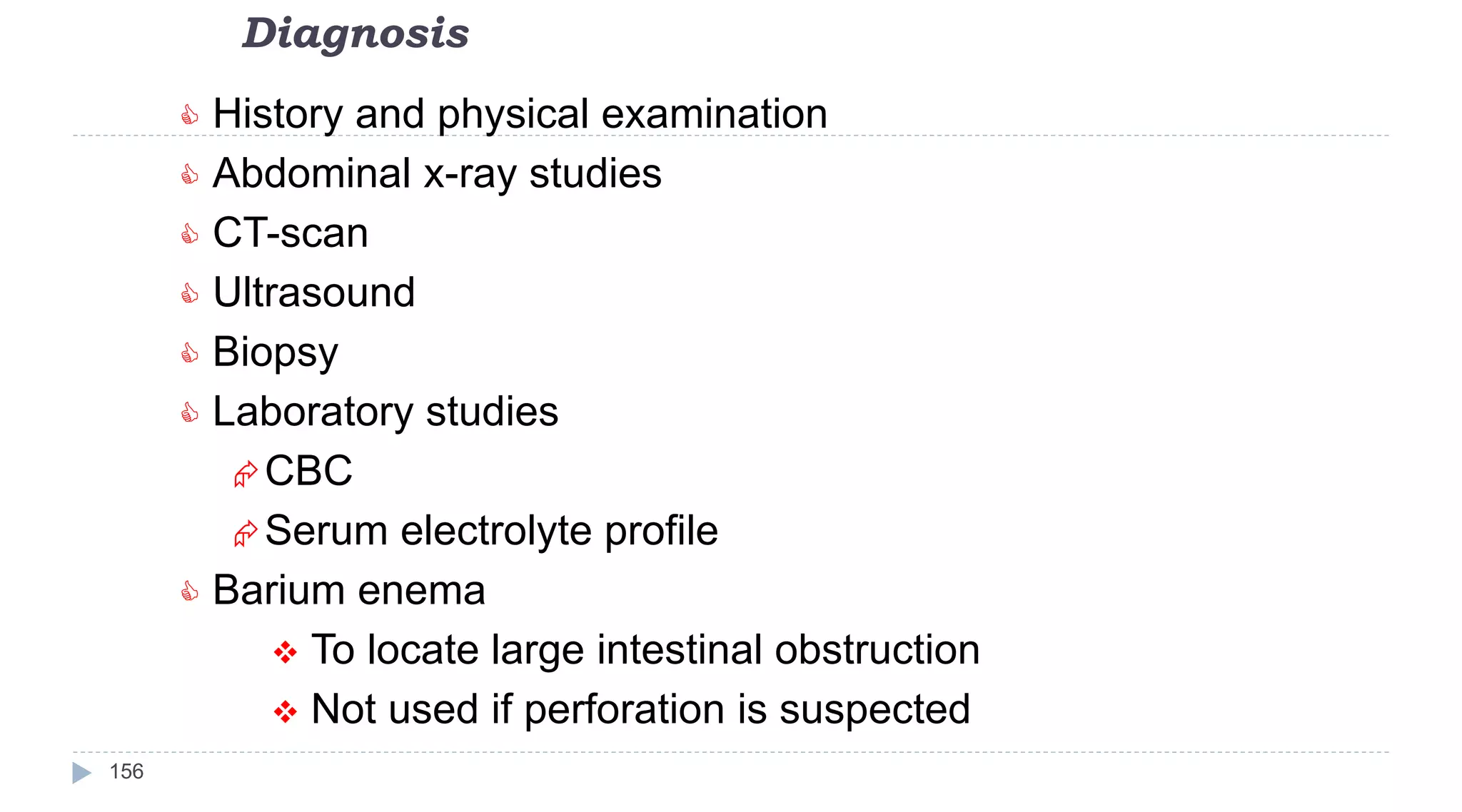
Diagnosis
156
 History and physical examination
 Abdominal x-ray studies
 CT-scan
 Ultrasound
 Biopsy
 Laboratory studies
CBC
Serum electrolyte profile
 Barium enema
 To locate large intestinal obstruction
 Not used if perforation is suspected
Management
157
 Colonoscopy
Inspection of the interior surface of the colon
To untwist and decompress the bowel.
 Cecostomy
To make a surgical opening into the cecum for patients
 Who are poor surgical risks
 In need of urgent relief from the obstruction
 Temporary or permanent colostomy
 Ileoanal anastomosis
To remove the entire large colon
 Rectal tube
To decompress an area that is lower in the bowel
158
Abdominal hernia
Abdominal hernia
159
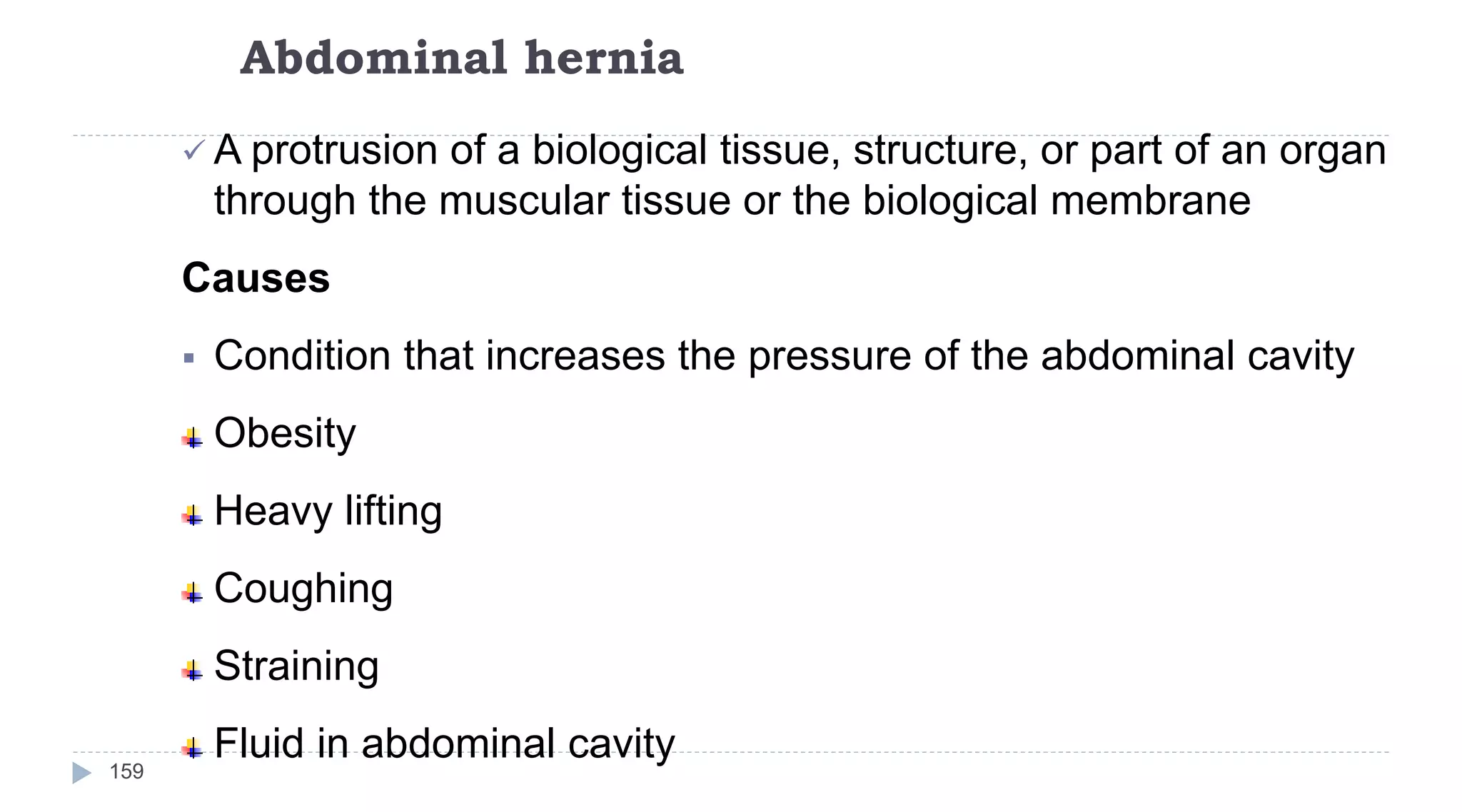
 A protrusion of a biological tissue, structure, or part of an organ
through the muscular tissue or the biological membrane
Causes
 Condition that increases the pressure of the abdominal cavity
Obesity
Heavy lifting
Coughing
Straining
Fluid in abdominal cavity
Types of hernias
160
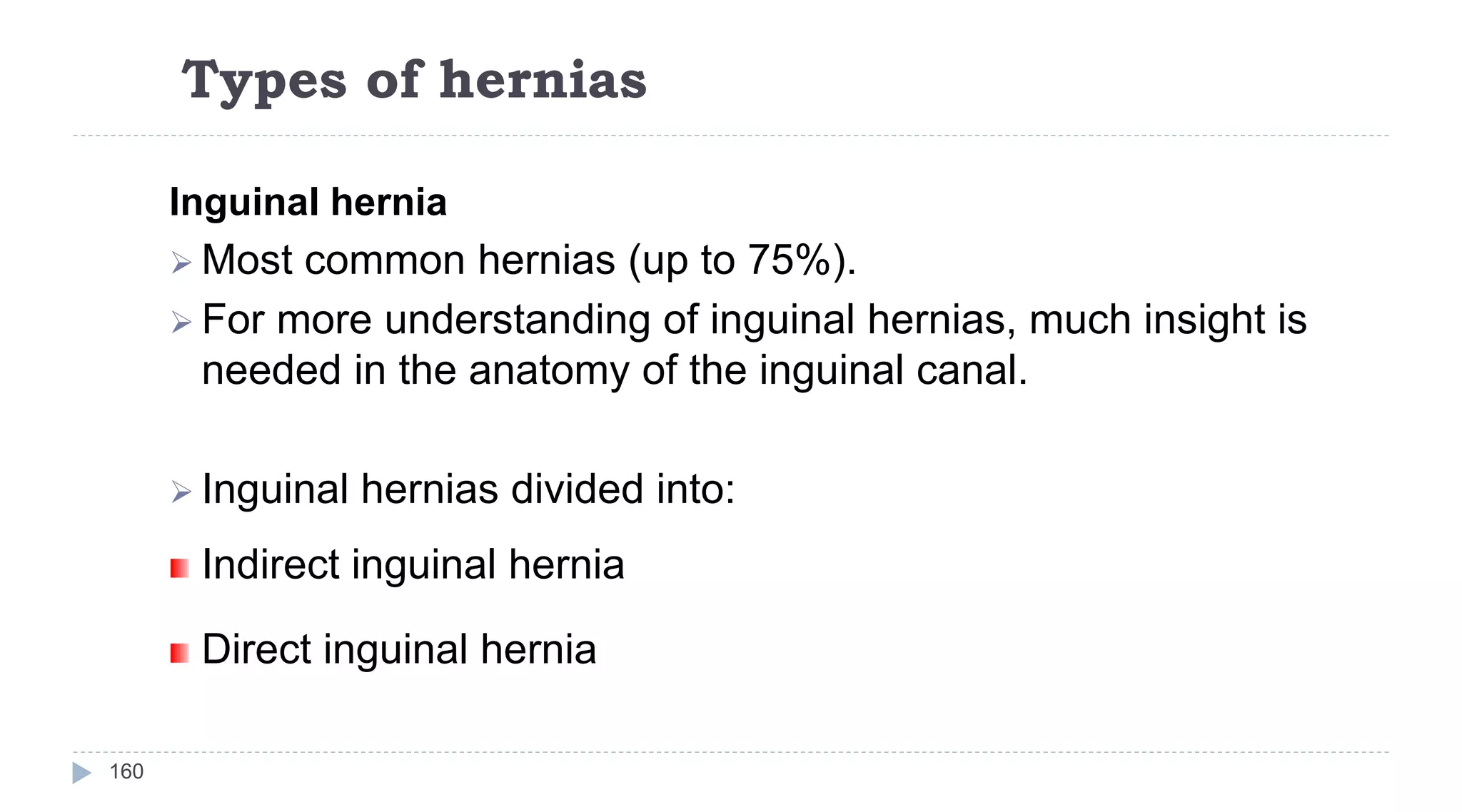
Inguinal hernia
 Most common hernias (up to 75%).
 For more understanding of inguinal hernias, much insight is
needed in the anatomy of the inguinal canal.
 Inguinal hernias divided into:
Indirect inguinal hernia
Direct inguinal hernia
Types of hernias cont’d…
161
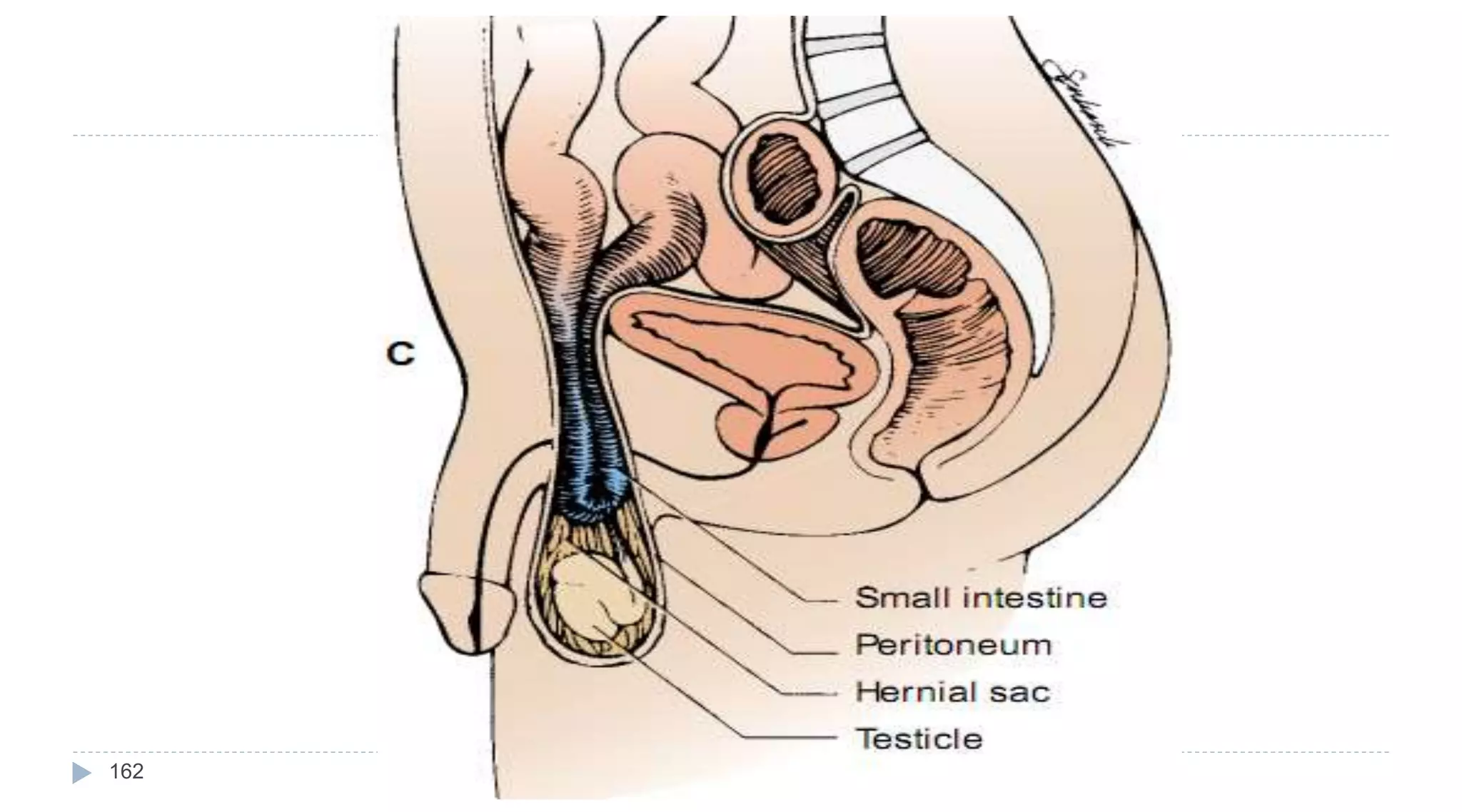
Indirect inguinal hernia
Affects only men.
A loop of intestine passes down the canal from where a testis
descends early in childhood into the scrotum.
Increase progressively in size causing the scrotum to expand
grossly.
Direct inguinal hernia:
 Affects both sexes.
 The intestinal loop forms a swelling in the inner part of the fold of
the groin.
162
Types of hernias cont’d…
163
Femoral hernia:
 Affects both sexes, although most often women.
 An intestinal loop passes down the canal containing the major blood
vessels to and from the leg.
Umbilical hernia
Umbilical hernias are especially common in infants
They involve protrusion of intra abdominal contents through a
weakness at the site of passage of the Umbilical cord.
These hernias often resolve spontaneously.
Types of hernias cont’d…
164
Incisional hernia
 Occurs when the defect is the result of an incompletely healed
surgical wound.
 These can be the most frustrating and difficult to treat, as the
repair utilizes already attenuated tissue.
Clinical manifestations
Pain and swelling
Hernia cont’d…
165
Complications
Inflammation
Bowel obstruction
Strangulation
Management
Repairing the weak abdomen part of abdominal wall.
166
Diseases of the Anorectum
Diseases of the Ano-rectum
167
Patients seek medical care primarily because of
 Pain
 Rectal bleeding
 Change in bowel habits
 Protrusion of hemorrhoids
 Anal discharge
 Perianal itching and swelling
 Anal tenderness, stenosis, or ulceration
Anorectal Abscess
168
 Is undrained collection of perianal pus
 Caused by obstruction of an anal gland
 More prevalent in
 Immuno-compromised patients or
 Clients with inflammatory bowel disease (IBD)
 May occur in and around the rectum
 The most common causes are
 Escherichia coli
 Staphylococci
 Streptococci
 Many of these abscesses result in fistulas
Clinical Manifestations
169
Superficial abscess
 Local pain and swelling
 Redness
 Foul-smelling drainage
 Tenderness
Deeper abscess
 Lower abdominal pain
 Elevated temperature
Treatment
170
 Palliative therapy consisting of sitz baths and analgesics
 Incising and draining the abscess
 Packing the wound with gauze impregnated with petroleum
jell
 The packing should be changed every day
 Moist, hot compress application to the area
 Avoiding soiling the dressing during urination or defecation
 Patient education regarding wound care, sitz baths, thorough
cleaning after bowel movement, and follow up visit
Anal Fistula
171
 Is a tiny, tubular, fibrous tract/tunnel leading out from the anus or
rectum extending to:
 The outside of the skin
 Vagina
 Buttocks
 Usually precedes an anorectal abscess
Causes
172
 Inflammation/infection
 Trauma
 Fissures
Clinical Manifestations
 Leakage of stool or pus, blood stained drainage constantly
from the cutaneous opening
 Passage of flatus or feces from the vagina or bladder,
depending on the fistula tract
 Systemic infection in untreated fistulas
Management
173
 Wearing pad to prevent staining of cloth
 Fistulectomy
 An excision of the entire fistulous tract
 Packing the wound with gauze
Anal Fissure
174
 Is a longitudinal tear or ulceration in the lining of the anal canal
Cause
 Passing a large, firm stool
 Persistent tightening of the anal canal because of stress & anxiety
constipation
 Childbirth
 Trauma
Clinical Manifestations
175
Extremely painful defecation
Burning
Bleeding
Constipation as result fear of pain
Management
176
 Usually heals if treated by conservative measures
 Stool softeners and bulk agents
 An increase in water intake
 Sitz baths
 Emollient suppositories
 Suppository combined of an anesthetic with a corticosteroid
 Anal dilation under anesthesia
 Surgery, if fissures do not respond to conservative treatment
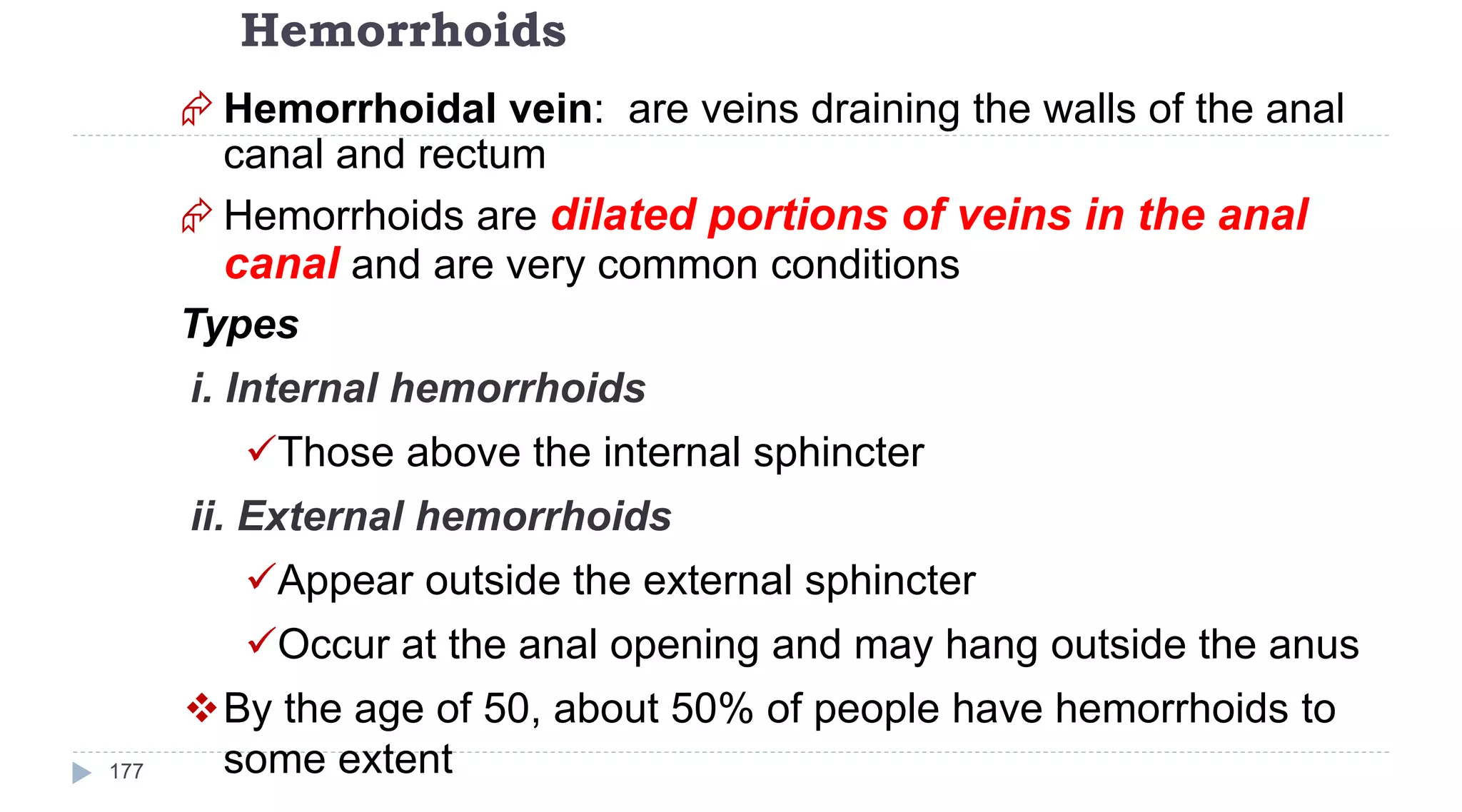
Hemorrhoids
177
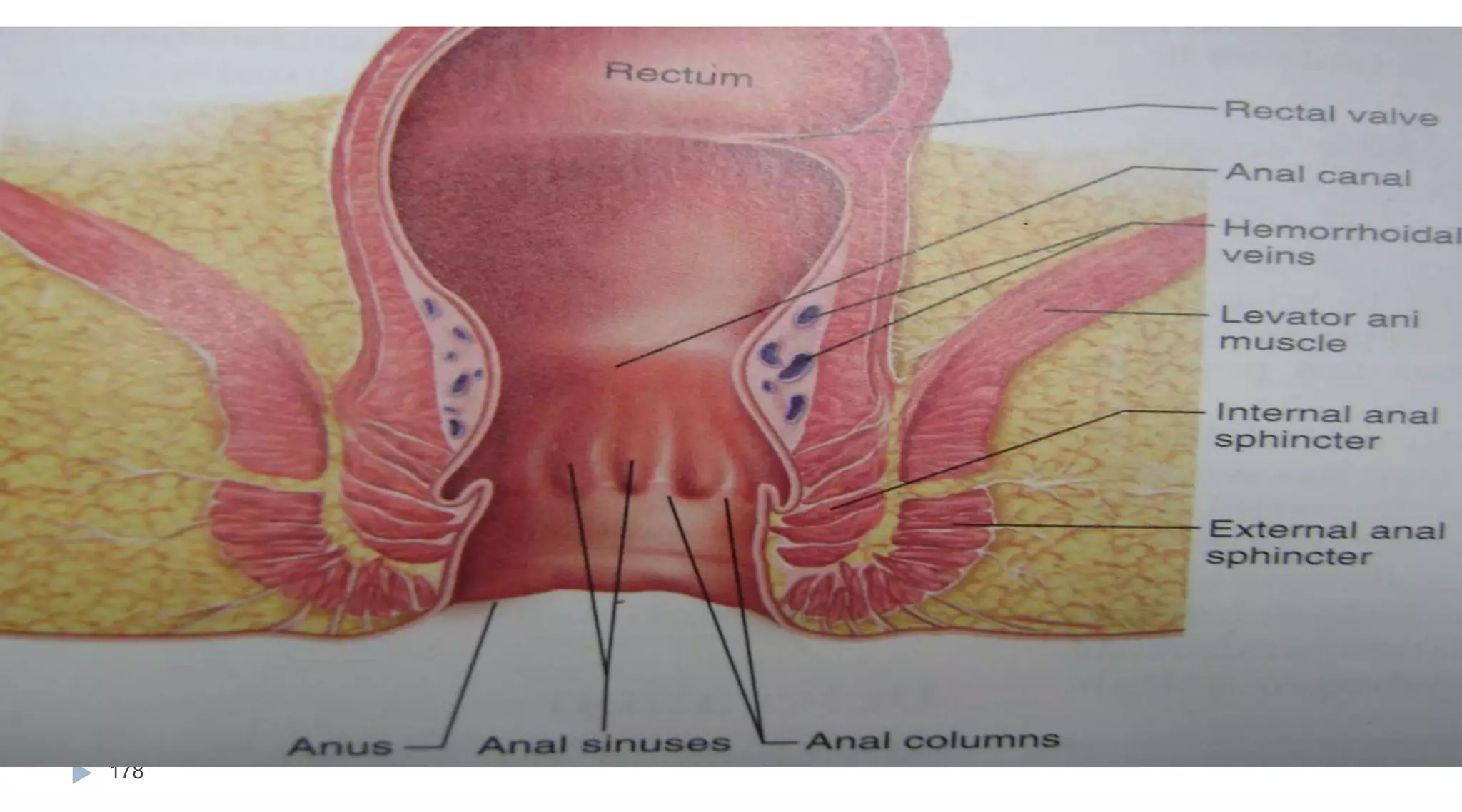
 Hemorrhoidal vein: are veins draining the walls of the anal
canal and rectum
 Hemorrhoids are dilated portions of veins in the anal
canal and are very common conditions
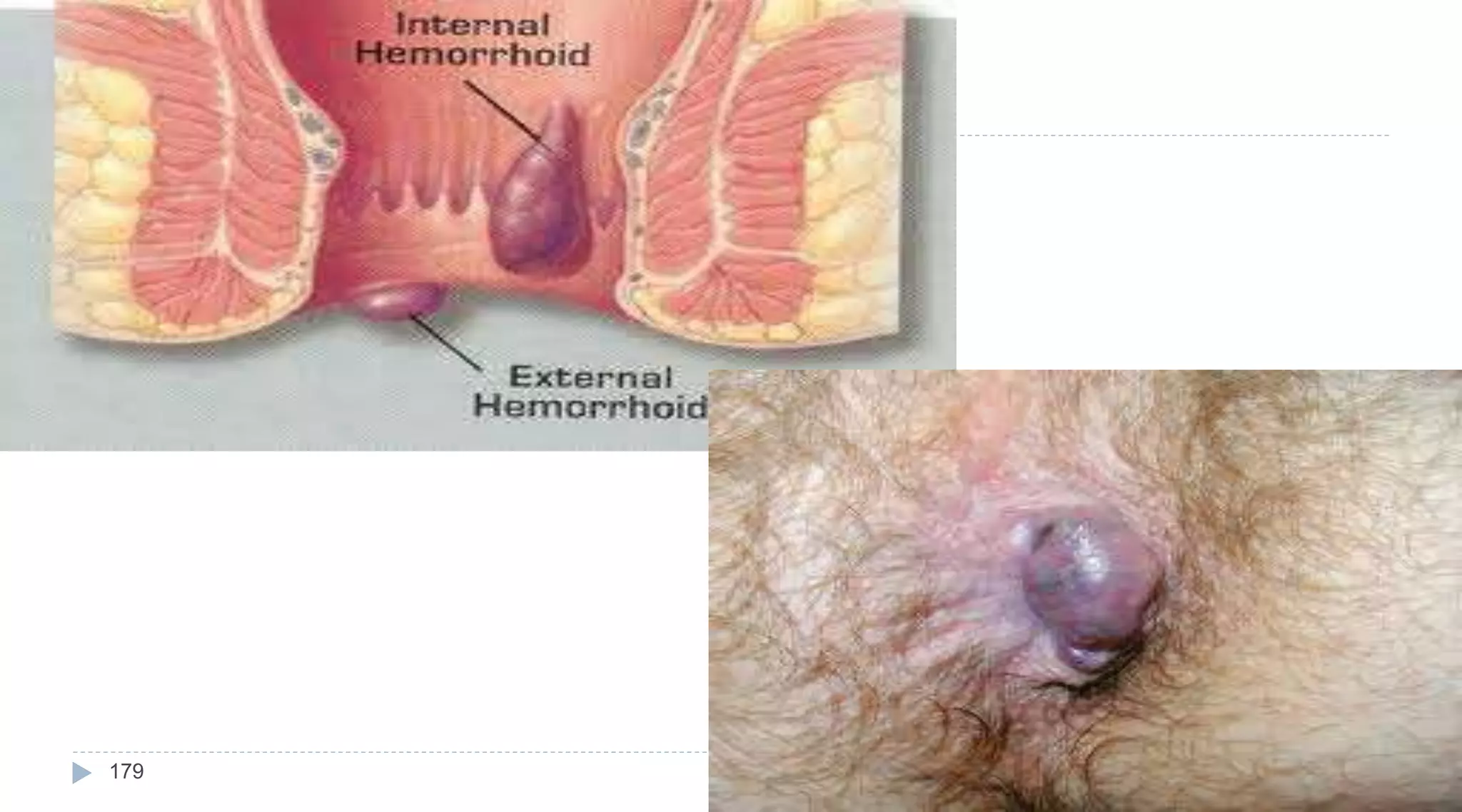
Types
i. Internal hemorrhoids
Those above the internal sphincter
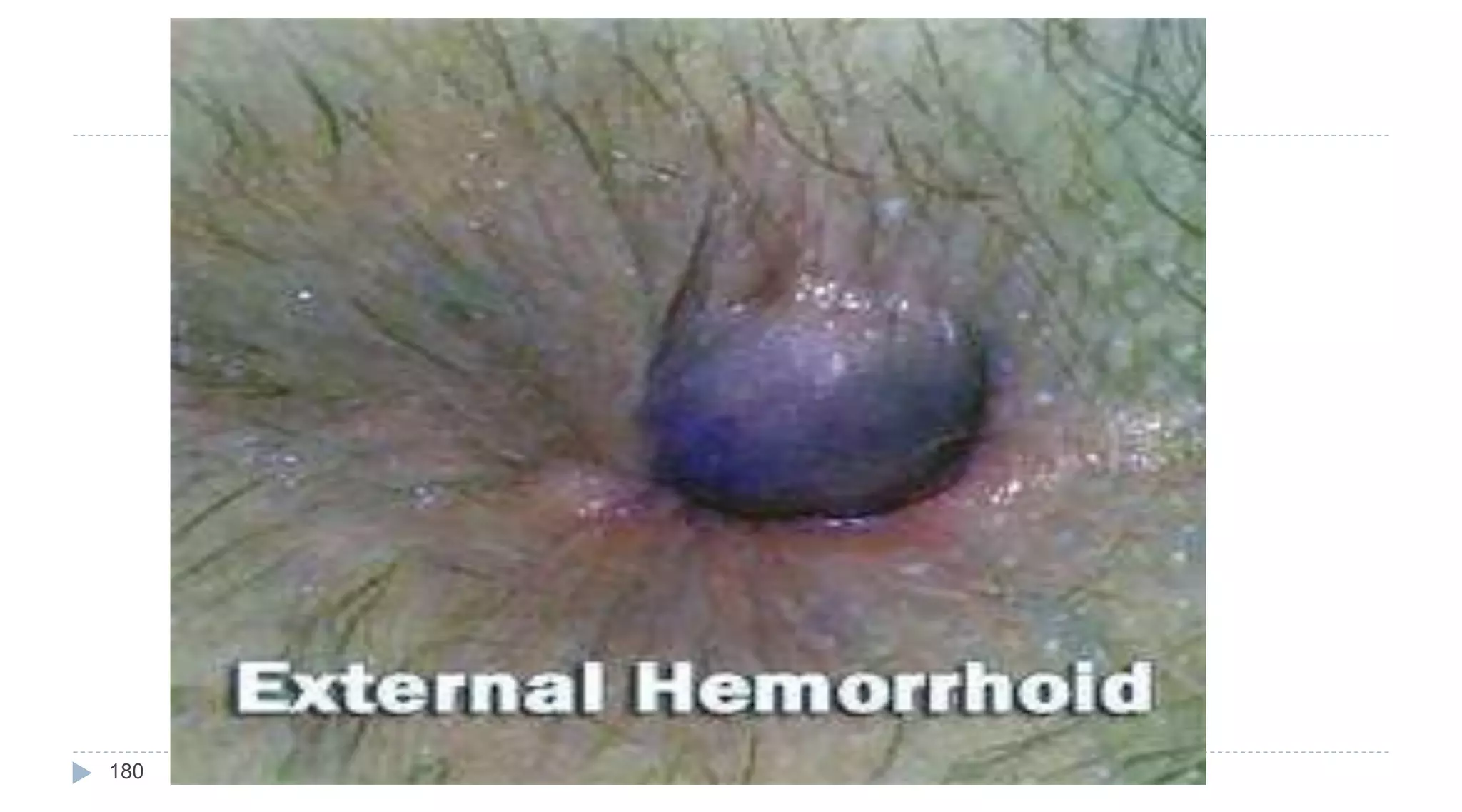
ii. External hemorrhoids
Appear outside the external sphincter
Occur at the anal opening and may hang outside the anus
By the age of 50, about 50% of people have hemorrhoids to
some extent
178
179
180
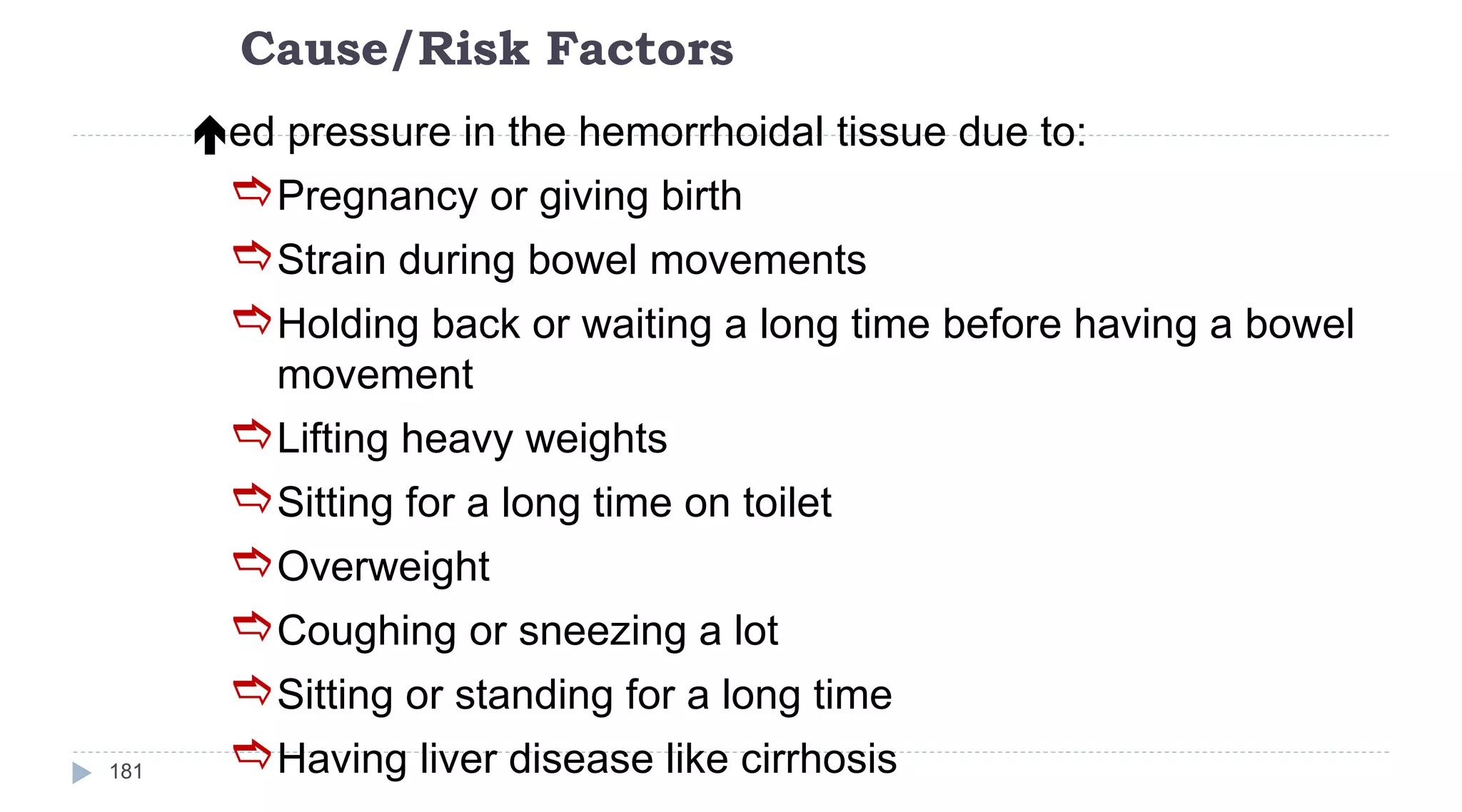
Cause/Risk Factors
181
ed pressure in the hemorrhoidal tissue due to:
Pregnancy or giving birth
Strain during bowel movements
Holding back or waiting a long time before having a bowel
movement
Lifting heavy weights
Sitting for a long time on toilet
Overweight
Coughing or sneezing a lot
Sitting or standing for a long time
Having liver disease like cirrhosis
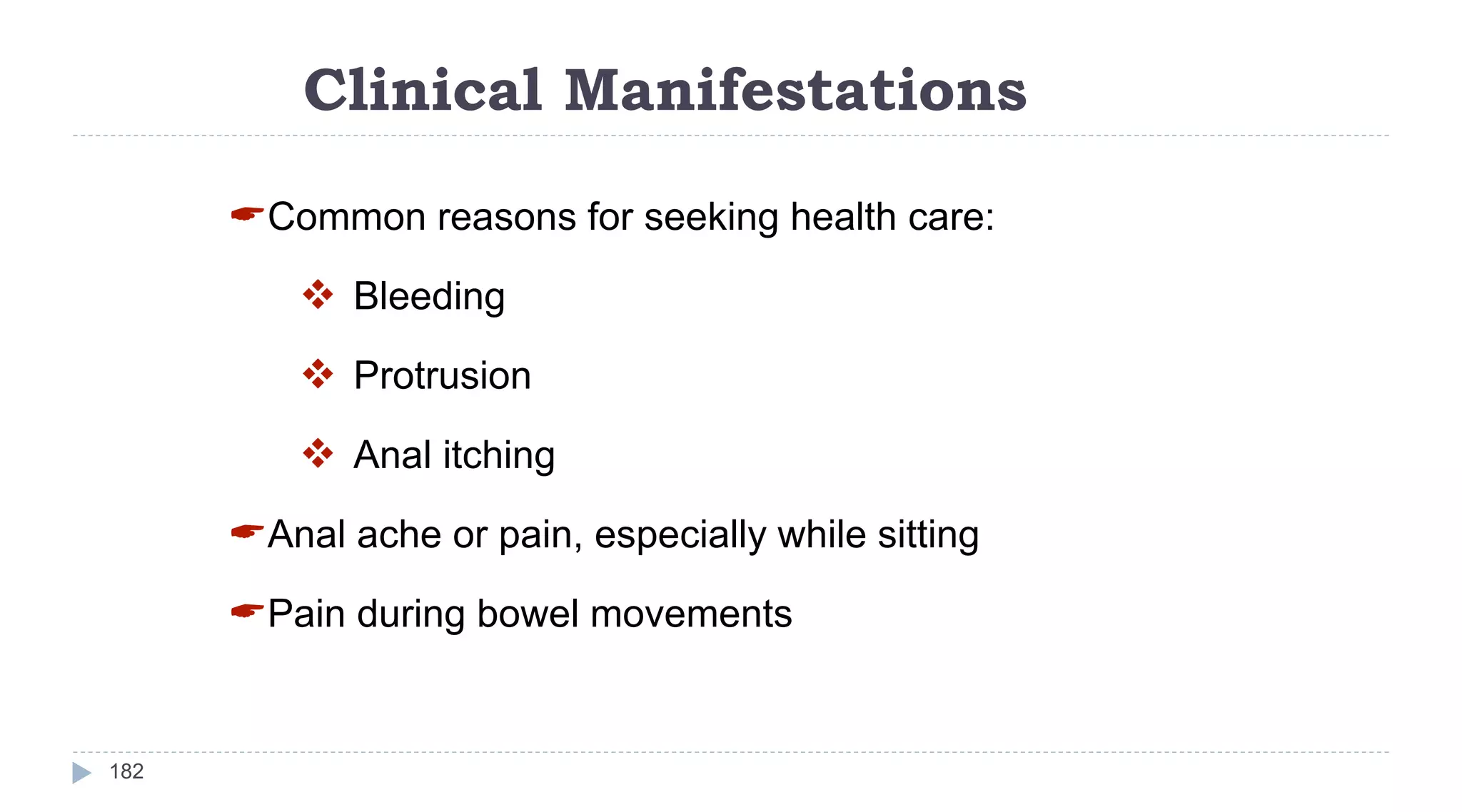
Clinical Manifestations
182
Common reasons for seeking health care:
 Bleeding
 Protrusion
 Anal itching
Anal ache or pain, especially while sitting
Pain during bowel movements
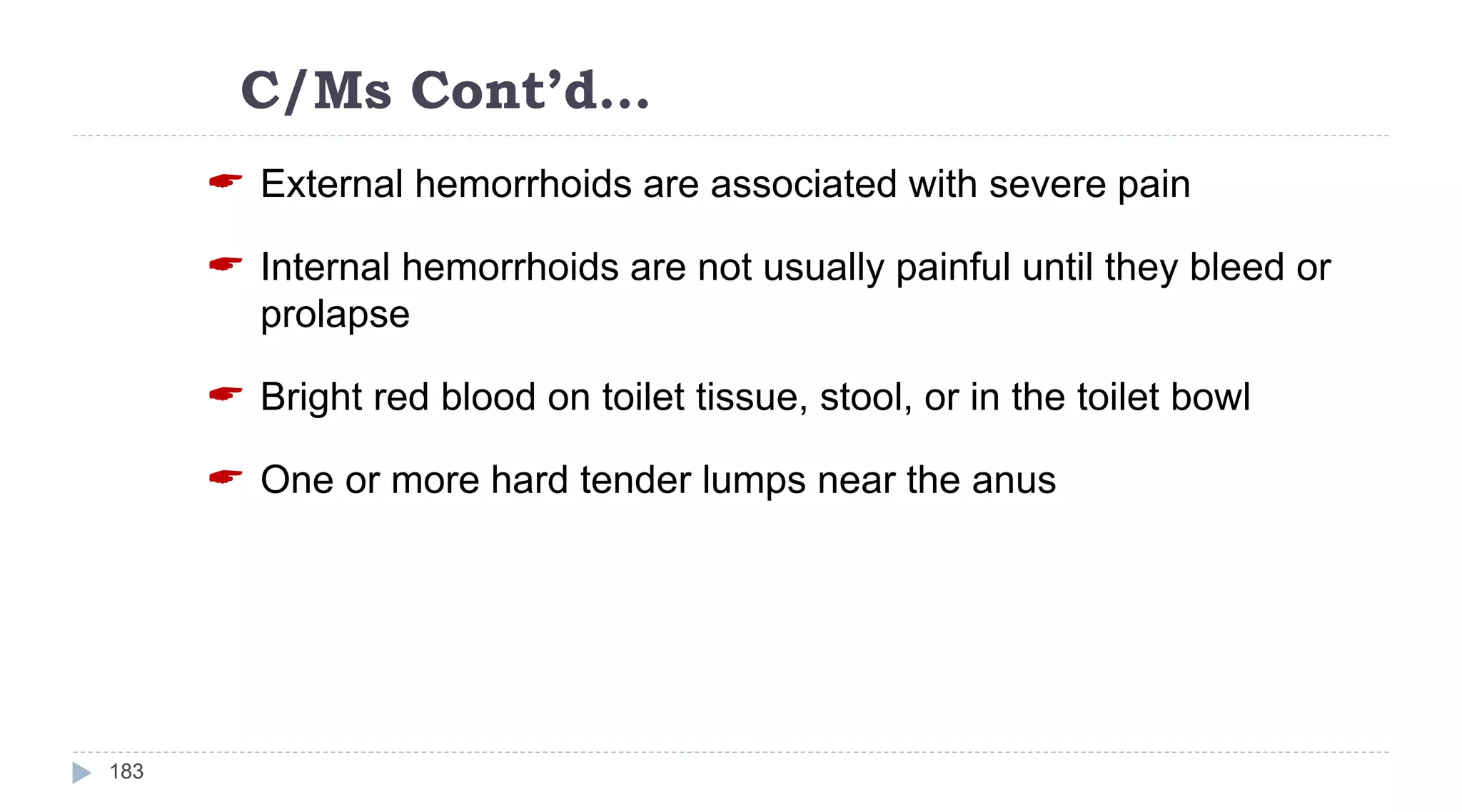
C/Ms Cont’d…
183
 External hemorrhoids are associated with severe pain
 Internal hemorrhoids are not usually painful until they bleed or
prolapse
 Bright red blood on toilet tissue, stool, or in the toilet bowl
 One or more hard tender lumps near the anus
Diagnosis
184
 History
 Physical examination
 Inspection of the perianal region
 Careful digital examination
 Anoscopy
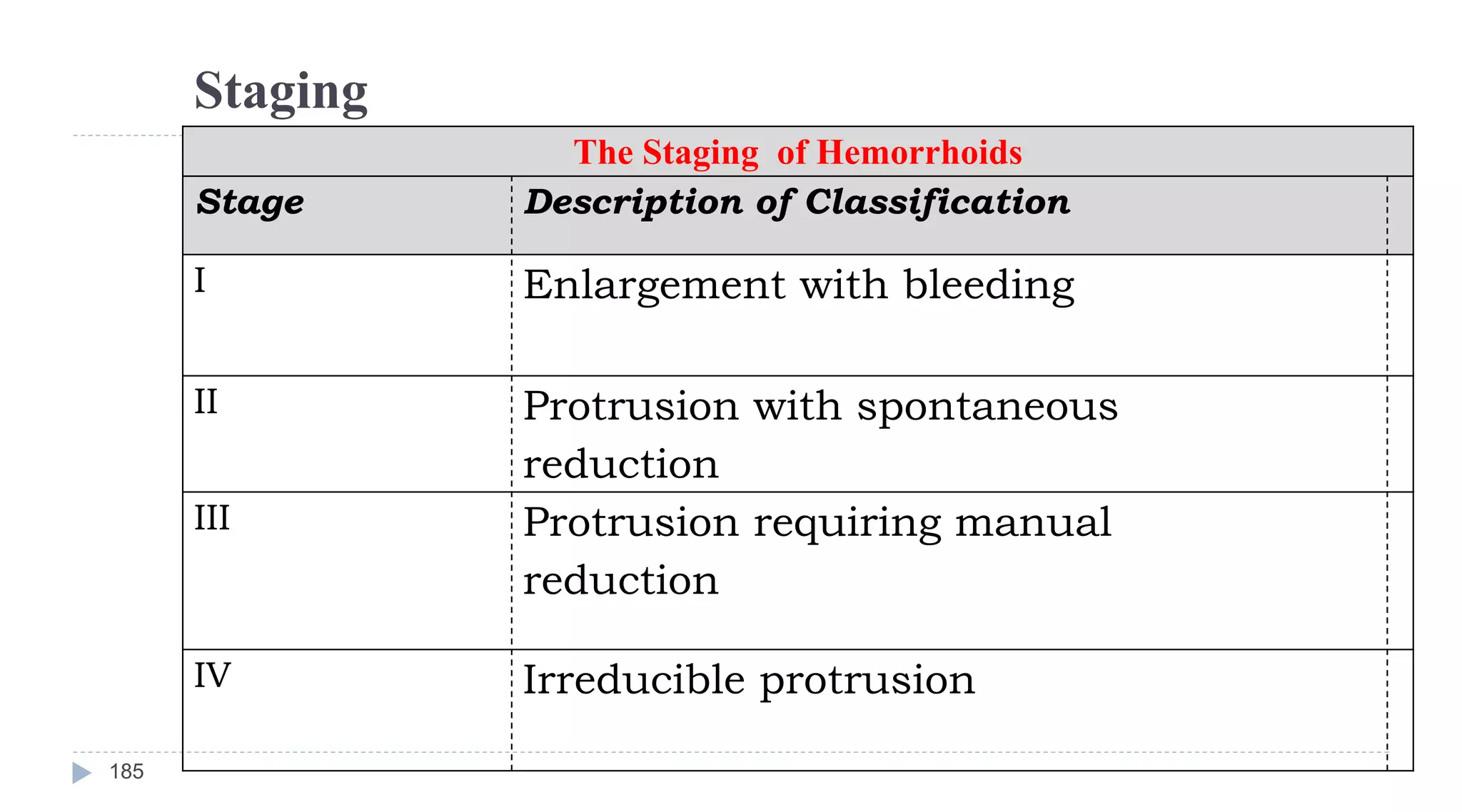
Staging
185
The Staging of Hemorrhoids
Stage Description of Classification
I Enlargement with bleeding
II Protrusion with spontaneous
reduction
III Protrusion requiring manual
reduction
IV Irreducible protrusion
Management
186
 Relieving hemorrhoidal symptoms and discomfort
 Good personal hygiene
 Avoiding excessive straining during defecation
 High-residue diet that contains fruit and bran
 Increased fluid intake to soften stool
 Application of ice packs for a few hours, followed by warm
compresses
 Sitz baths
 Analgesic ointments and suppositories,
Mgt Cont’d…
187
 Bed rest
 T-binder to hold dressing in place
 Bismuth subgallate, insert one suppository in the rectum bid, or
use topical application, bid for five days
 Hemorrhoidectomy
188
Management of Patients with
Hepatic Disorders
Hepatic Dysfunction
189
 Hepatic dysfunction results from damage to the liver’s
parenchymal cells by:
 Directly from primary liver diseases
 Indirectly from obstruction of bile flow or derangements of hepatic
circulation
The most common and significant symptoms of
liver disease
190
1. Jaundice
2. Portal hypertension, ascites, and varices
3. Nutritional deficiencies
4. Hepatic encephalopathy or coma
Jaundice/Icterus
191
Is yellowish-tinged or greenish-yellow discoloration of the body
tissues, including the sclerae, mucosa and the skin as result of
abnormal elevation of bilirubin concentration in the blood.
Is a symptom rather than a disease
Becomes clinically evident when the serum bilirubin level
exceeds 2.5 mg/dL
May result from impairment of:
Hepatic uptake
Conjugation of bilirubin
Excretion of bilirubin into the biliary system
Types of Jaundice
192
1. Hemolytic
2. Hepatocellular
3. Obstructive
I. Hemolytic/ Prehepatic Jaundice
193
 Results from an increased destruction of the red blood cells
 Flood the plasma with unconjugated bilirubin so rapidly
Causes
 Hemolytic transfusion reactions
 Sickle cell crisis
 Hemolytic anemia
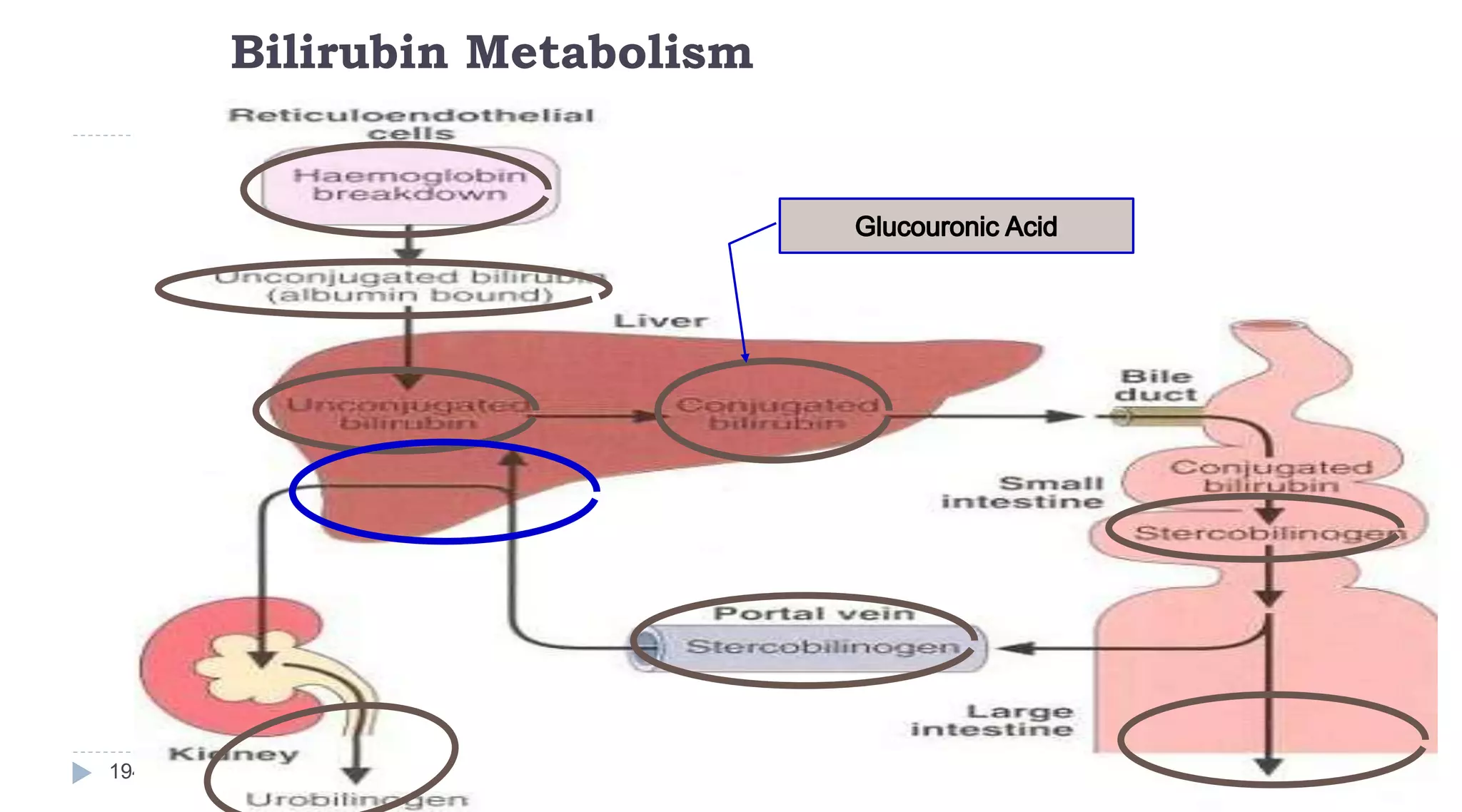
Bilirubin Metabolism
194
Hemolytic Jaundice Cont’d…
195
 If prolonged it may result in:
The formation of pigment stones in the gallbladder
Extremely severe jaundice (>20 to 25 mg/dl) poses a risk
for brain stem damage
Lab Tests
ed fecal and urine urobilinogen
Urine is free of bilirubin
II. Hepatocellular/ hepatic Jaundice
196
 Caused by the inability of damaged liver cells to:
 Take up bilirubin from the blood or
 Conjugate or
 Excrete normal amount of bilirubin from the blood
Cirrhosis
 Patients may be mildly or severely ill
Hepato-cellular Jaundice Cont’d…
197
Causes of cellular damage
Infection by viral hepatitis or other viruses
Medication or chemical toxicity or alcohol
Hepatic carcinoma
Lab Tests:
 ed unconjugated serum bilirubin
 ed AST & ed ALT levels
III. Obstructive / Posthepatic Jaundice
198
 Is due to impended or obstructed flow of bile
A. Intrahepatic obstruction
 May involve obstruction of the small bile ducts within the liver
 Can be caused by
 Pressure on these channels from inflammatory swelling of the
liver
 Inflammatory exudate within the ducts themselves
Obstructive Jaundice Cont’d…
199
B. Extra-hepatic obstruction
 Caused by occlusion of the bile duct by a gallstone, an
inflammatory process, a tumor, or pressure from an enlarged
organ
Obstructive Jaundice Cont’d…
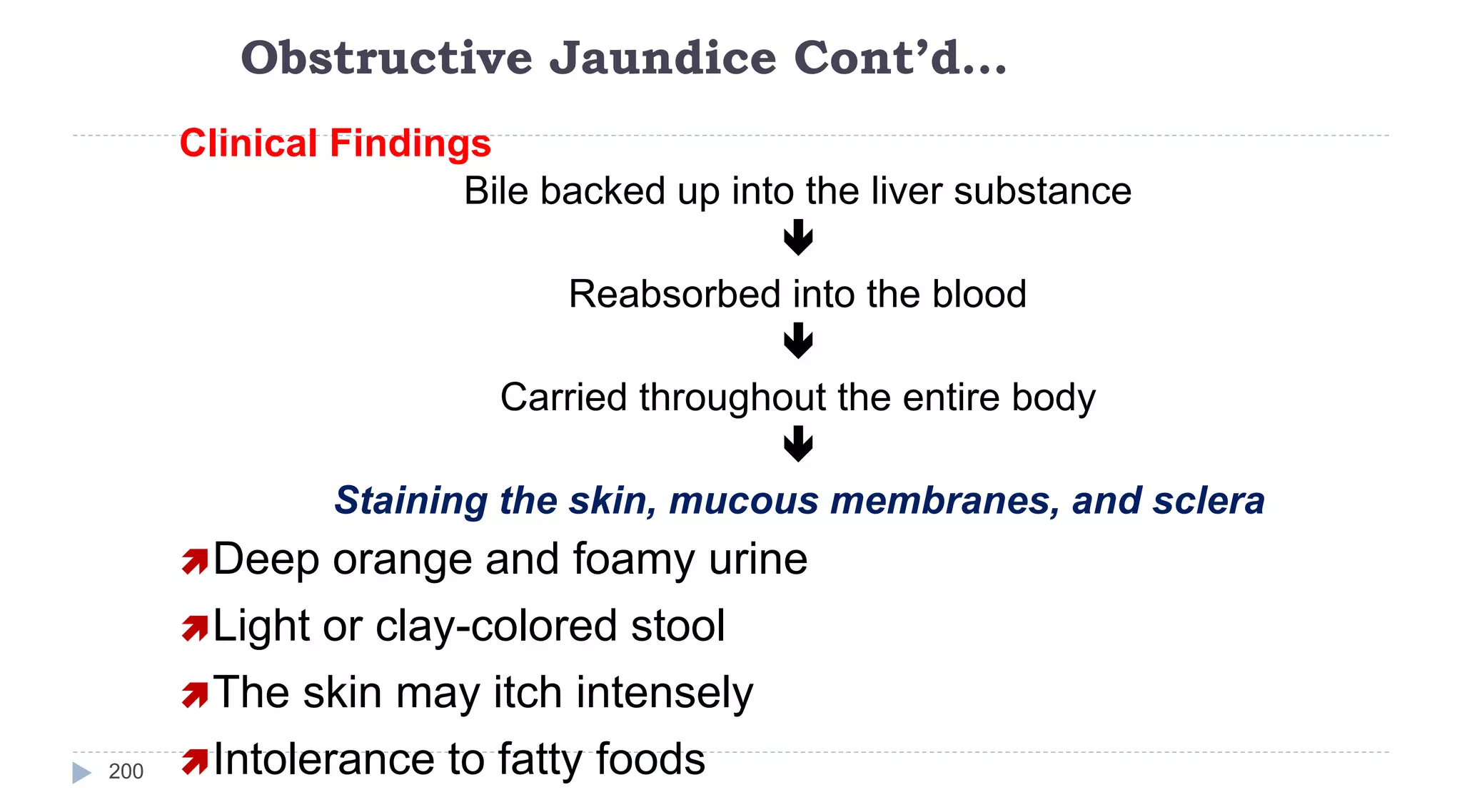
200
Clinical Findings
Bile backed up into the liver substance

Reabsorbed into the blood

Carried throughout the entire body

Staining the skin, mucous membranes, and sclera
Deep orange and foamy urine
Light or clay-colored stool
The skin may itch intensely
Intolerance to fatty foods
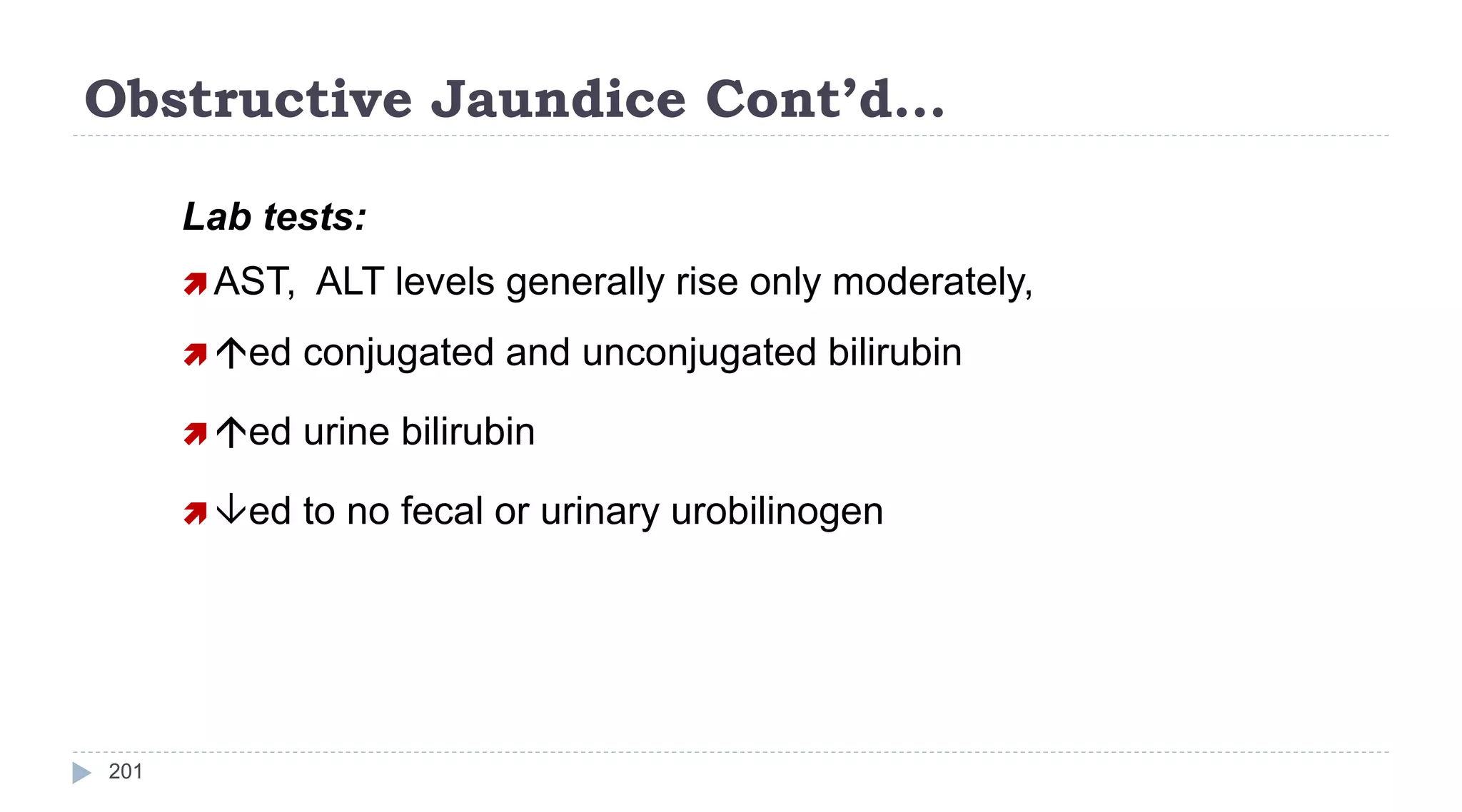
Obstructive Jaundice Cont’d…
201
Lab tests:
 AST, ALT levels generally rise only moderately,
 ed conjugated and unconjugated bilirubin
 ed urine bilirubin
 ed to no fecal or urinary urobilinogen
202
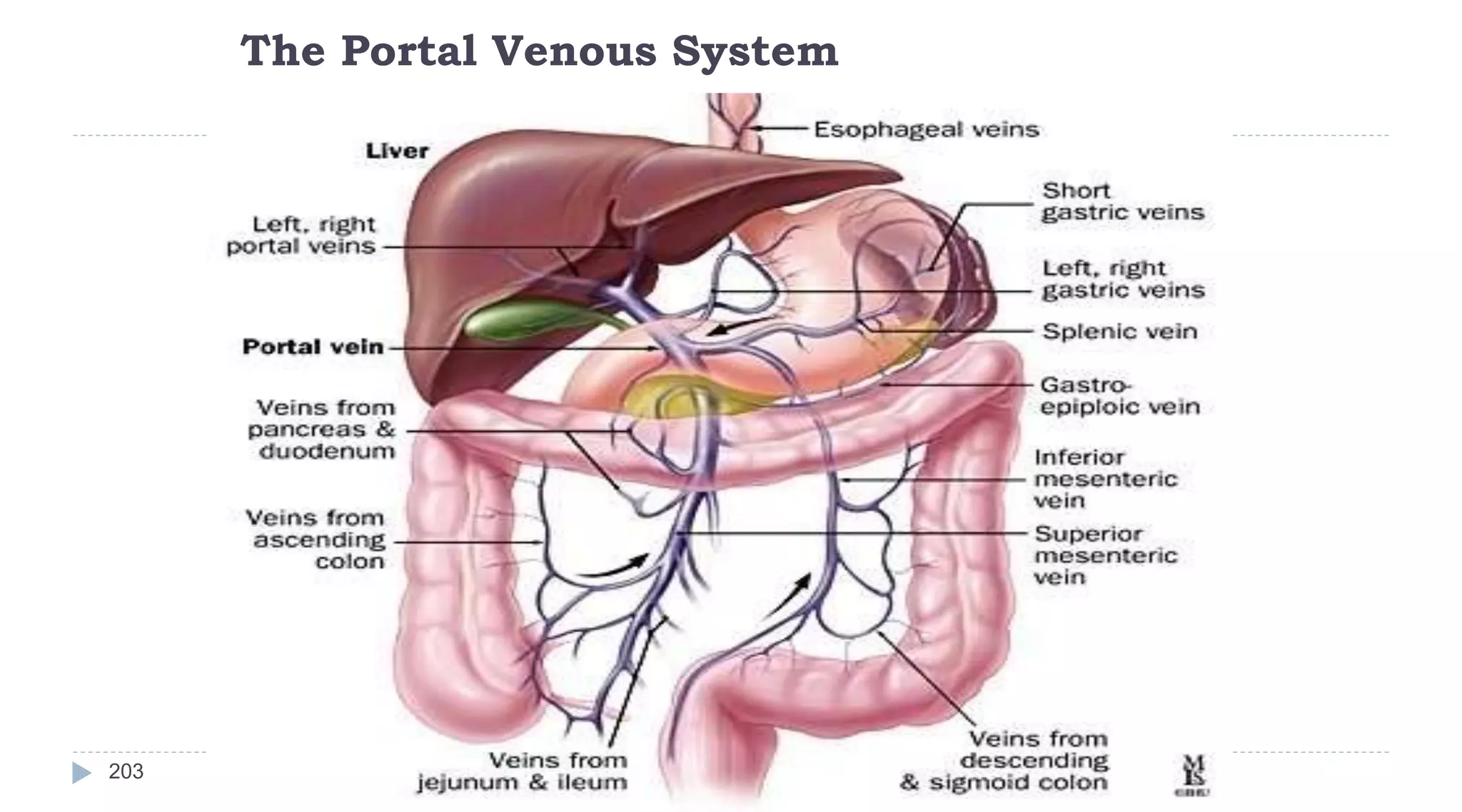
Portal Hypertension
The Portal Venous System
203
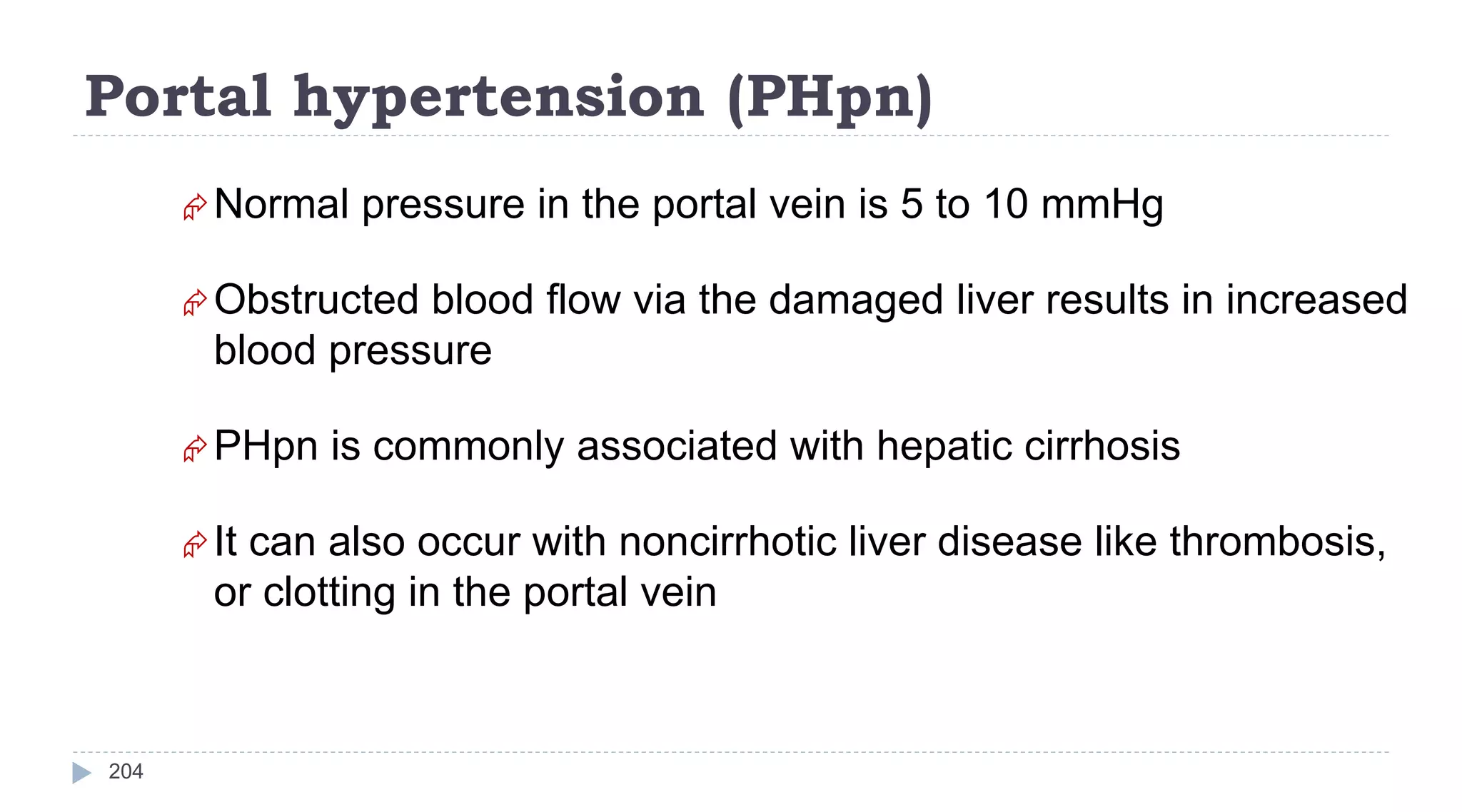
Portal hypertension (PHpn)
204
Normal pressure in the portal vein is 5 to 10 mmHg
Obstructed blood flow via the damaged liver results in increased
blood pressure
PHpn is commonly associated with hepatic cirrhosis
It can also occur with noncirrhotic liver disease like thrombosis,
or clotting in the portal vein
205
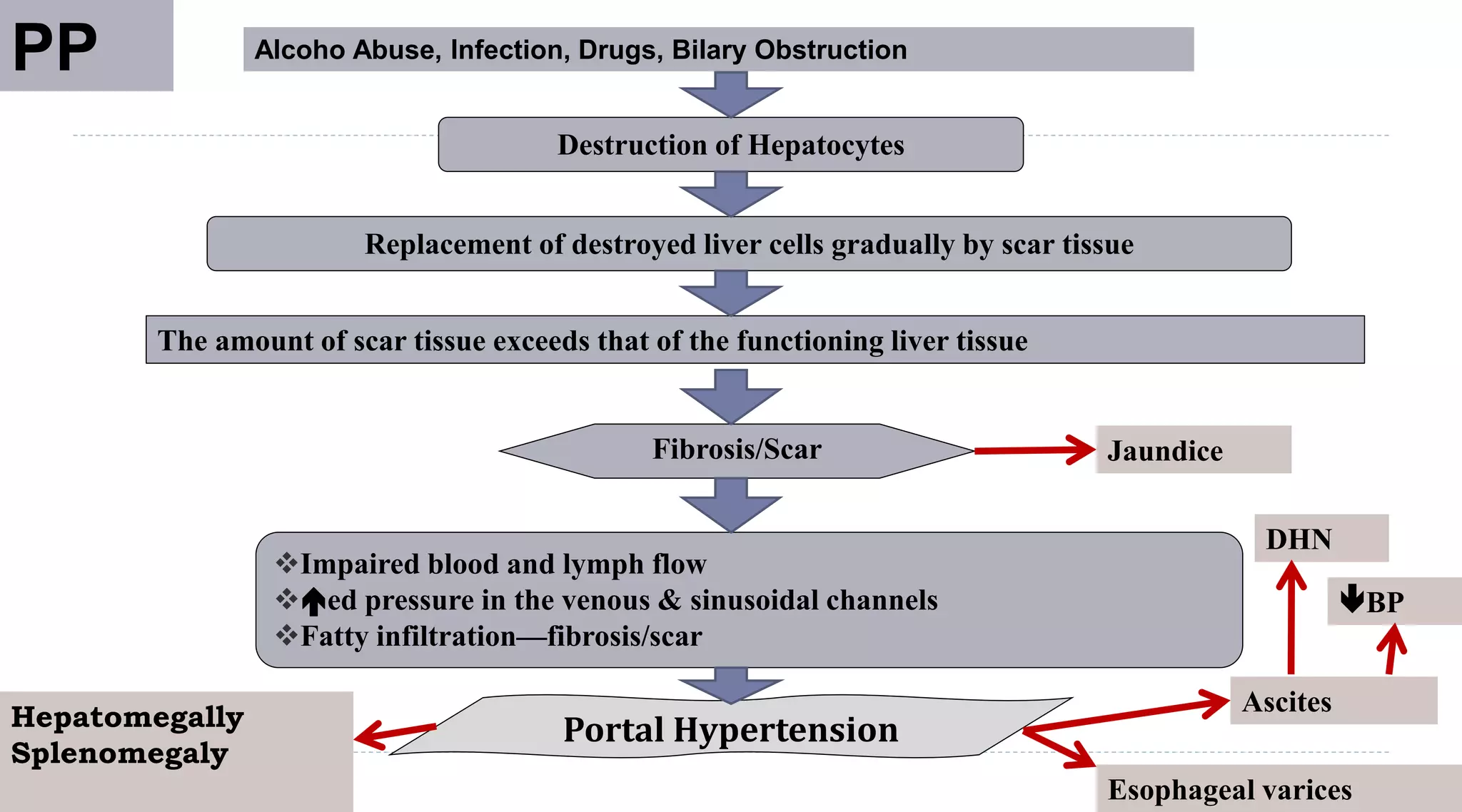
Alcoho Abuse, Infection, Drugs, Bilary Obstruction
Destruction of Hepatocytes
Replacement of destroyed liver cells gradually by scar tissue
The amount of scar tissue exceeds that of the functioning liver tissue
Fibrosis/Scar
Impaired blood and lymph flow
ed pressure in the venous & sinusoidal channels
Fatty infiltration—fibrosis/scar
Portal Hypertension
PP
Hepatomegally
Splenomegaly
Jaundice
Ascites
BP
Esophageal varices
DHN
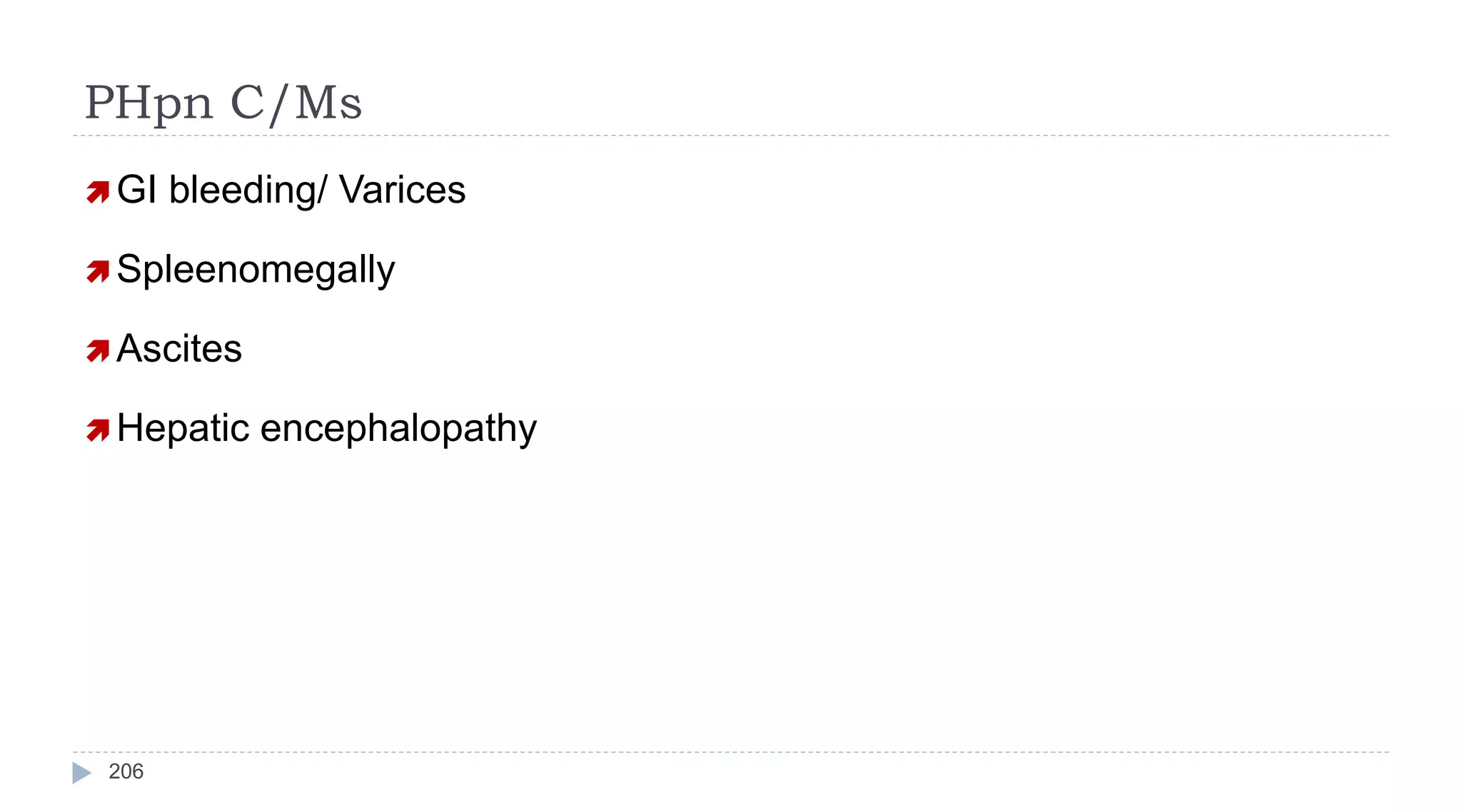
PHpn C/Ms
206
 GI bleeding/ Varices
 Spleenomegally
 Ascites
 Hepatic encephalopathy
Ascites
207
Ascites is the accumulation of fluid in the peritoneal cavity
Risk factors
Cirrhosis—for 80% of cases
Renal factors: stimulation of RAA system
Other conditions like
 Congestive heart failure
 Nephrosis
PP
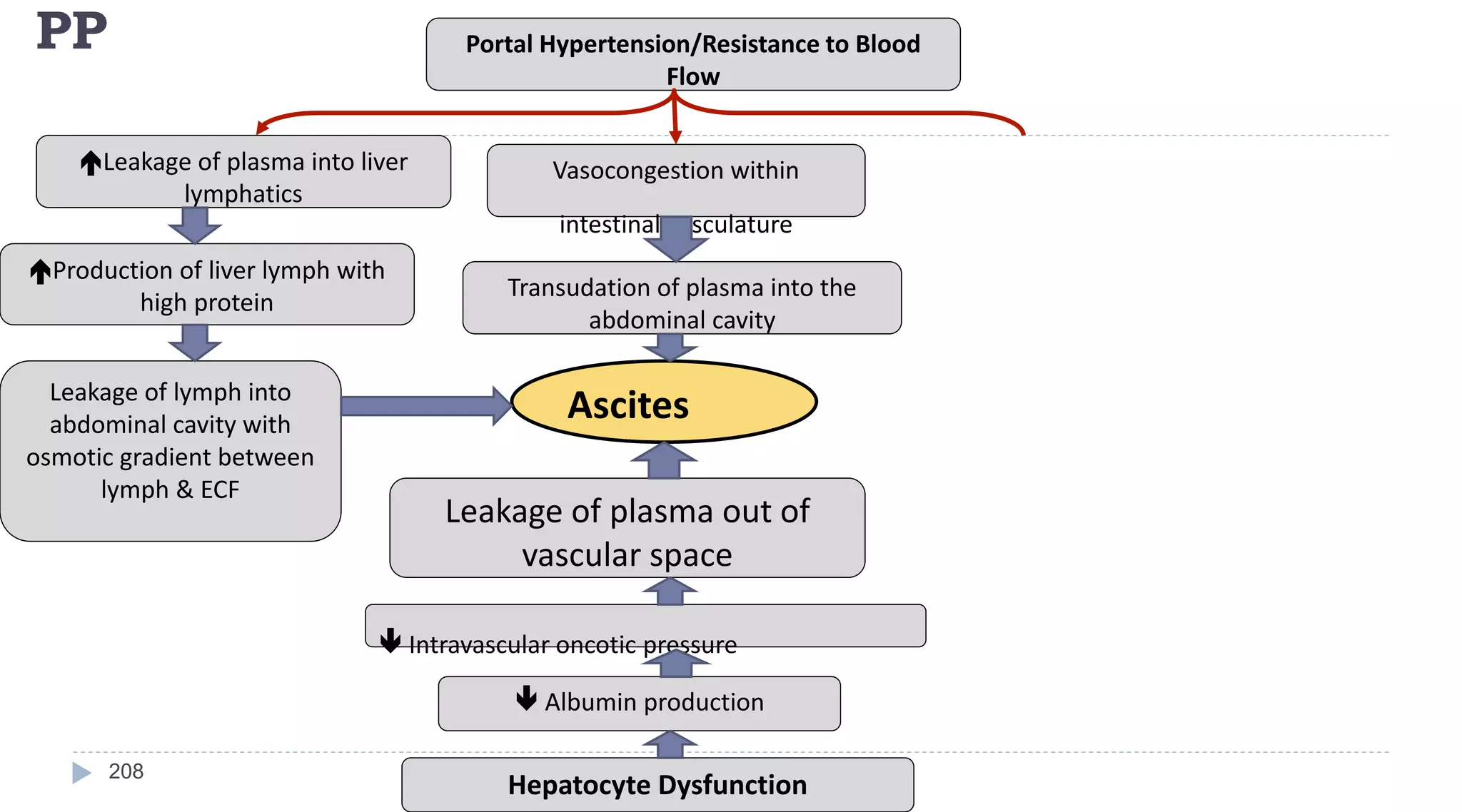
208
Portal Hypertension/Resistance to Blood
Flow
Leakage of plasma into liver
lymphatics
Vasocongestion within
intestinal vasculature
Production of liver lymph with
high protein
Transudation of plasma into the
abdominal cavity
Leakage of lymph into
abdominal cavity with
osmotic gradient between
lymph & ECF
Ascites
Leakage of plasma out of
vascular space
 Intravascular oncotic pressure
 Albumin production
Hepatocyte Dysfunction
Clinical Manifestations
209
 ed abdominal girth
 Bulging of flanks
 Shifting dullness
 Fluid wave/trill
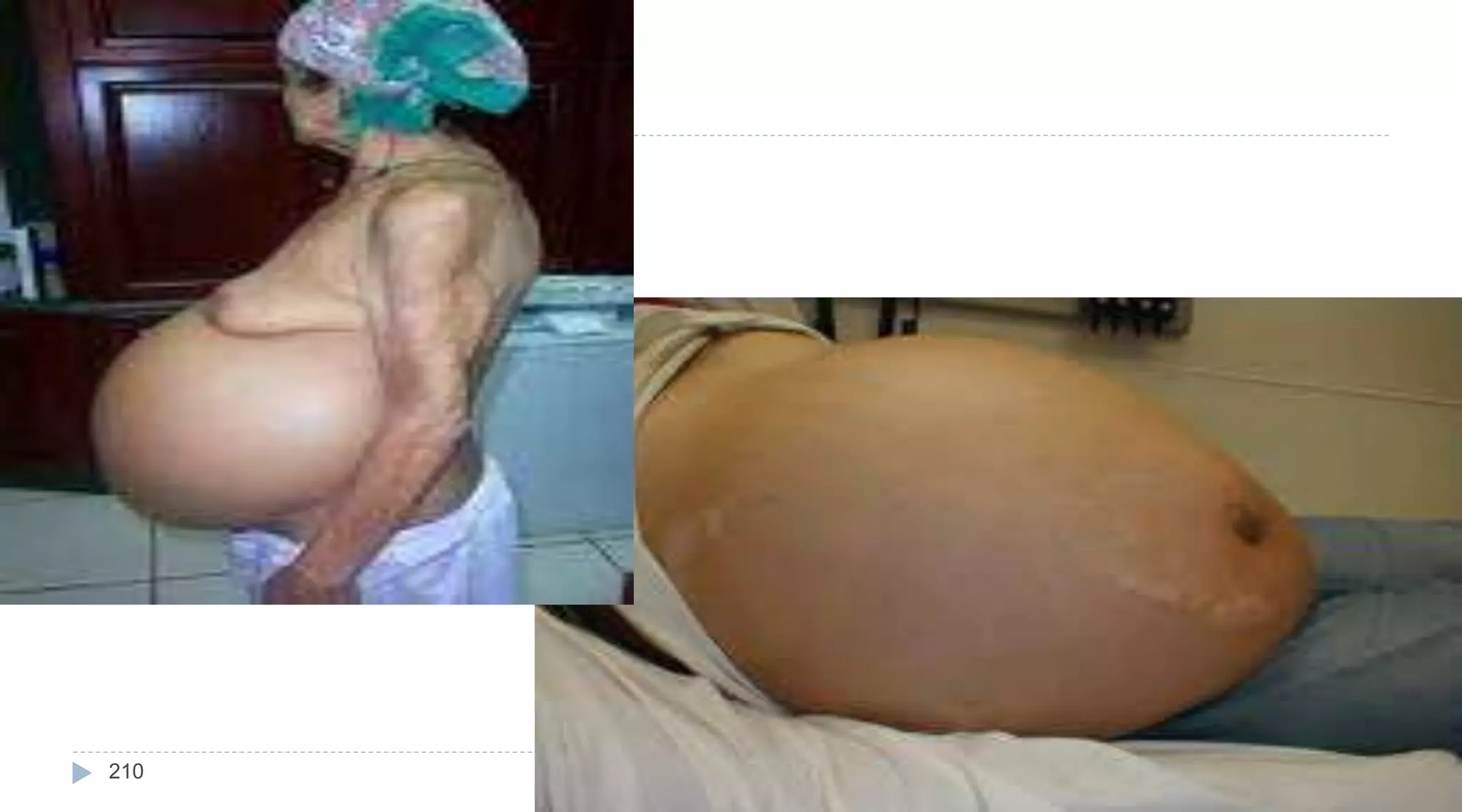
 Everted umbilicus (severe)
 Rapid weight gain
 SOB
 Visible striae and distended veins over the abdominal wall
 Signs of dehydration
 Decreased urine output
210
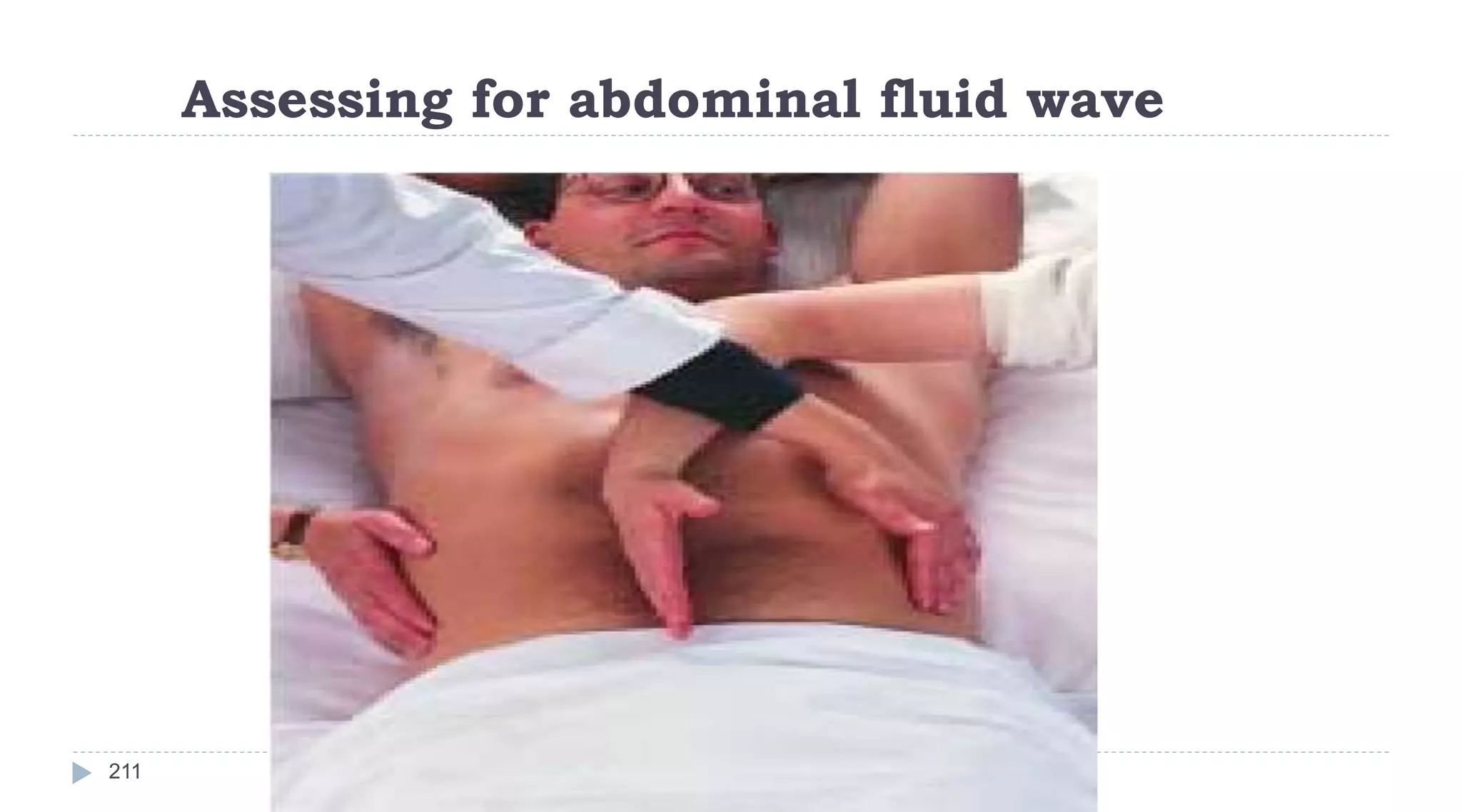
Assessing for abdominal fluid wave
211
Management of Ascites
212
Dietary Modification
Diuretics
Bed rest
Paracentesis
Insertion of a peritoneovenous shunt
Esophageal Varices
213
 A complex of longitudinal tortuous and extremely dilated
sub-mucosal veins at the lower end of the esophagus, enlarged
and swollen as the result of portal hypertension
 The vessels are especially susceptible to hemorrhage.
 Bleeding or hemorrhage from esophageal varices occurs in
approximately one third of patients with cirrhosis and varices
Factors that contribute to hemorrhage
214
Muscular exertion from lifting heavy objects
Straining at stool
Sneezing, coughing, or vomiting
Esophagitis
Irritation of vessels by poorly chewed foods or course foods or
irritating fluids
Reflux of stomach contents (especially alcohol)
Salicylates and any medication that erodes the esophageal
mucosa
Liver cirrhosis
Clinical manifestations
215
 Hematemesis
 Melena
 General deterioration in mental or physical status
 Symptoms of shock (cool clammy skin, hypotension, tachycardia)
Management
216
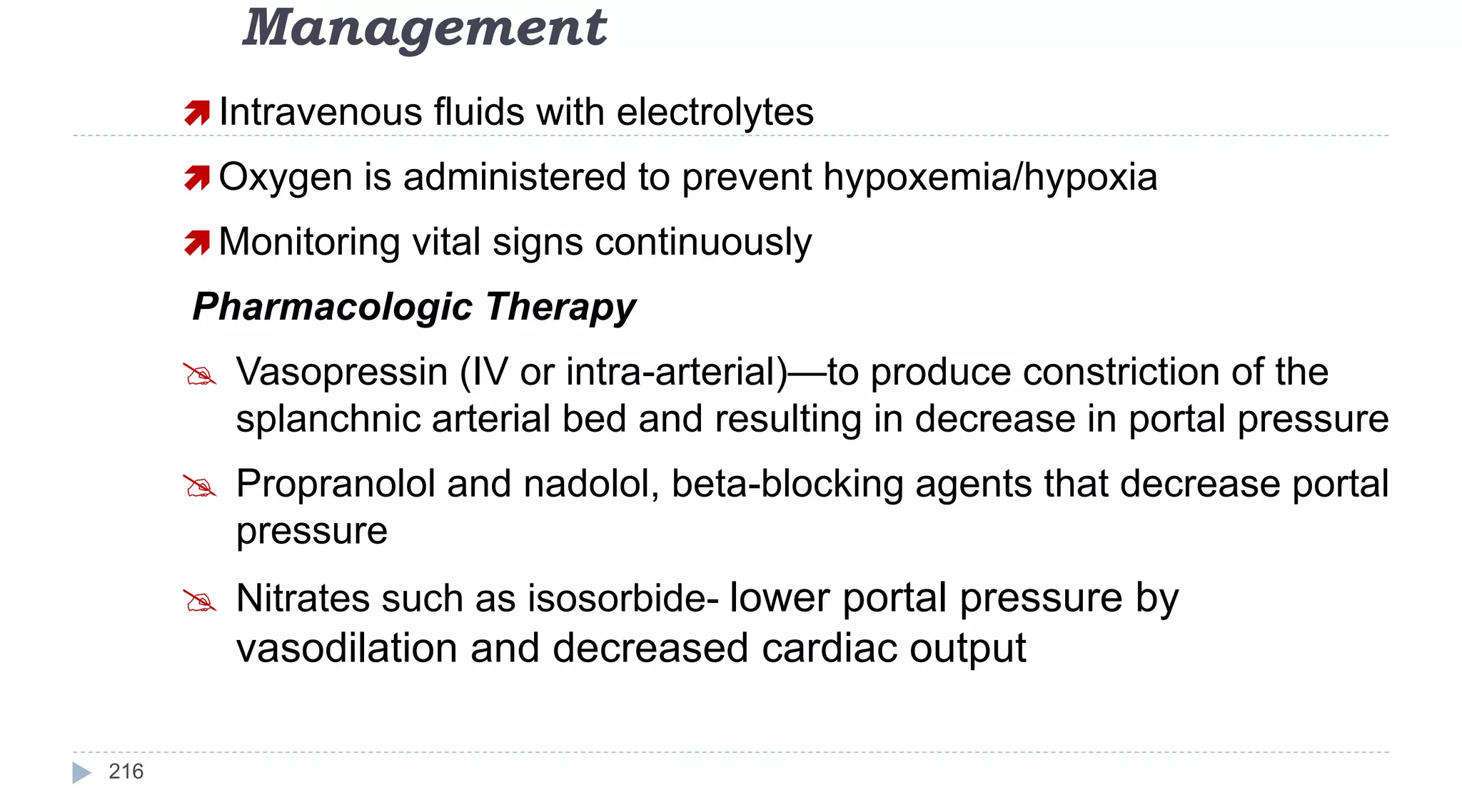
 Intravenous fluids with electrolytes
 Oxygen is administered to prevent hypoxemia/hypoxia
 Monitoring vital signs continuously
Pharmacologic Therapy
 Vasopressin (IV or intra-arterial)—to produce constriction of the
splanchnic arterial bed and resulting in decrease in portal pressure
 Propranolol and nadolol, beta-blocking agents that decrease portal
pressure
 Nitrates such as isosorbide- lower portal pressure by
vasodilation and decreased cardiac output
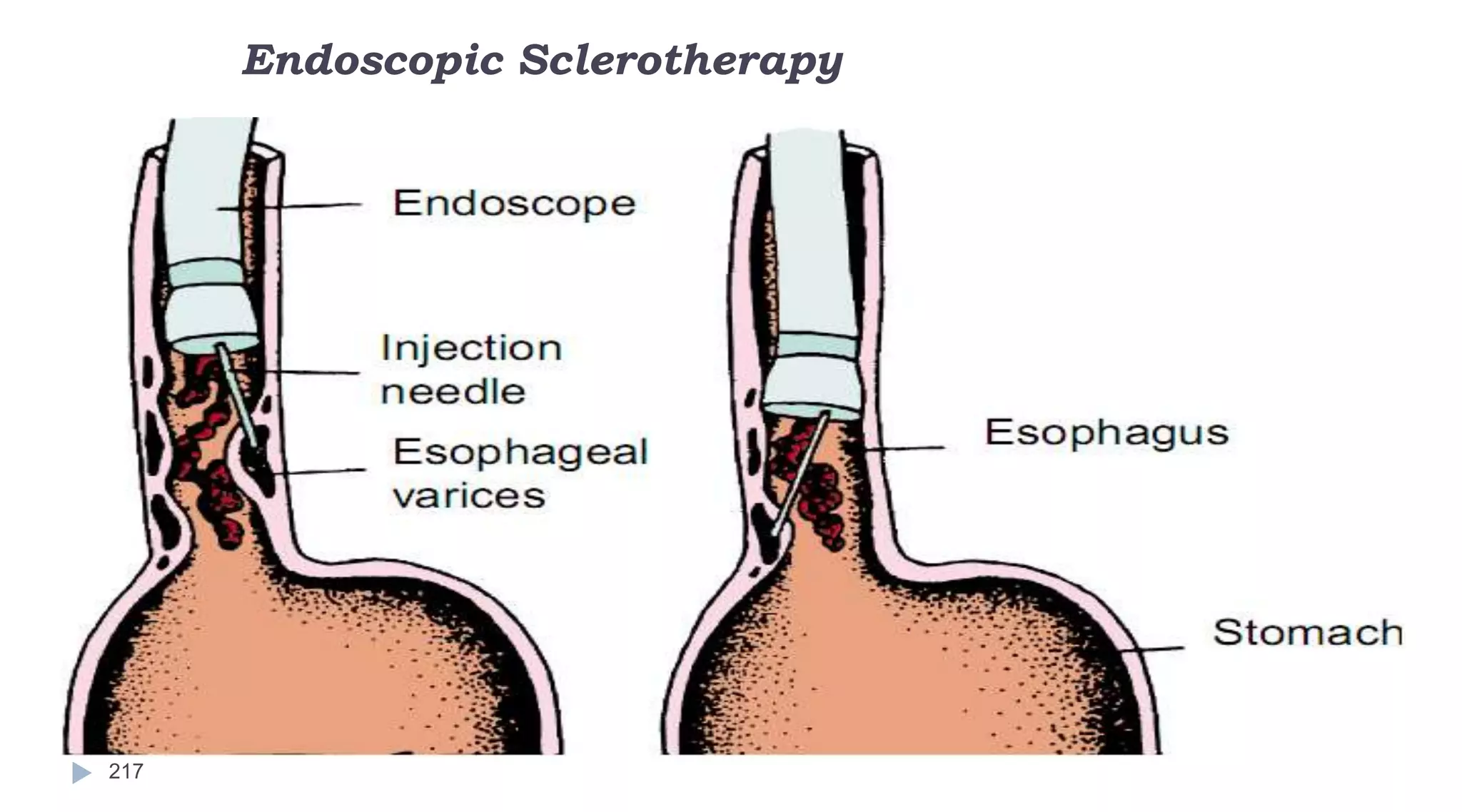
Endoscopic Sclerotherapy
217
Hepatic Cirrhosis
218
 Characterized by irreversible chronic injury of the hepatic
parenchyma
 Extensive degeneration and destruction of the liver parenchyma
cells and by replacement of liver tissue by fibrous scar tissue.
Types of cirrhosis or scarring of the liver:
219
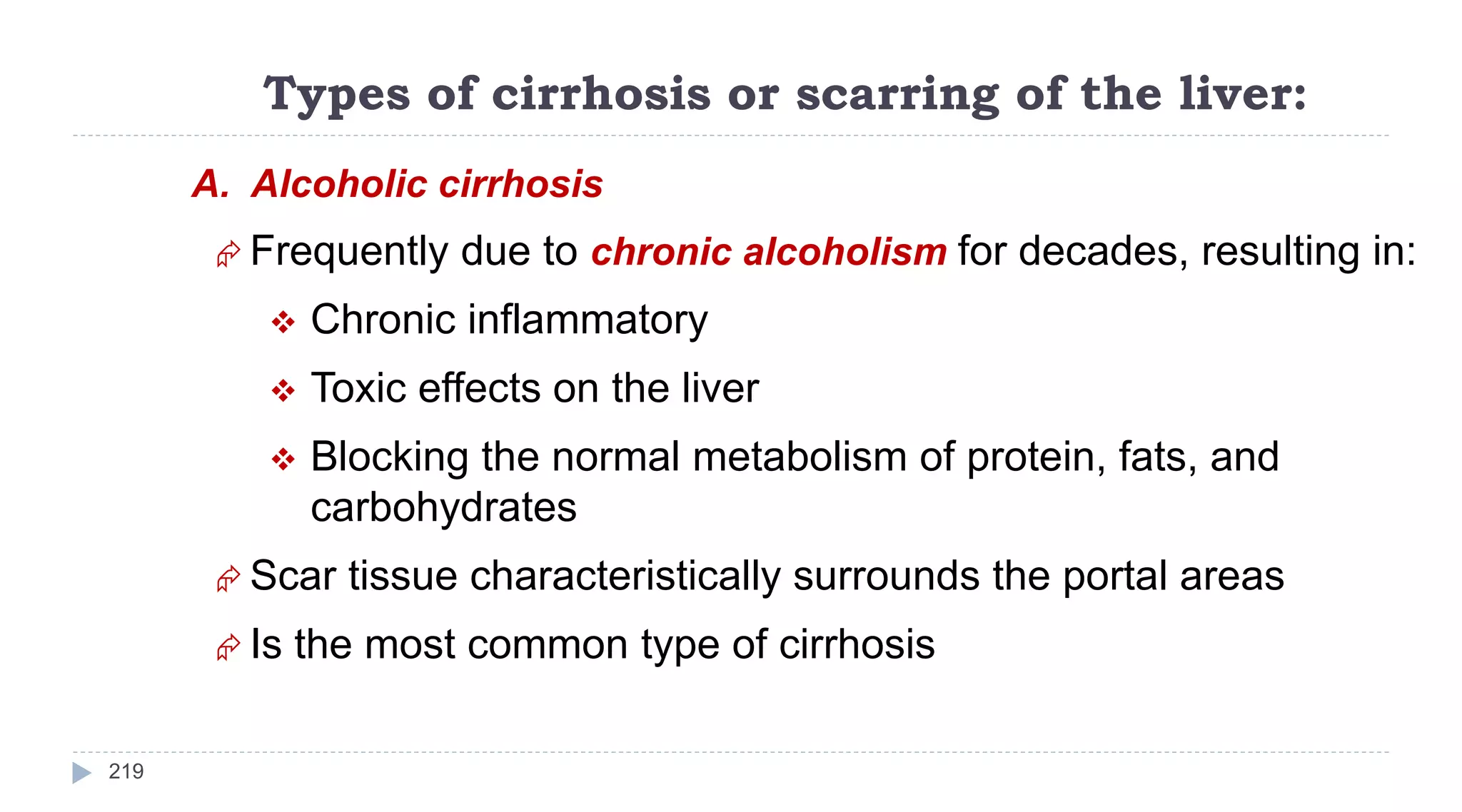
A. Alcoholic cirrhosis
 Frequently due to chronic alcoholism for decades, resulting in:
 Chronic inflammatory
 Toxic effects on the liver
 Blocking the normal metabolism of protein, fats, and
carbohydrates
 Scar tissue characteristically surrounds the portal areas
 Is the most common type of cirrhosis
Types of Cirrhosis Cont’d…
220
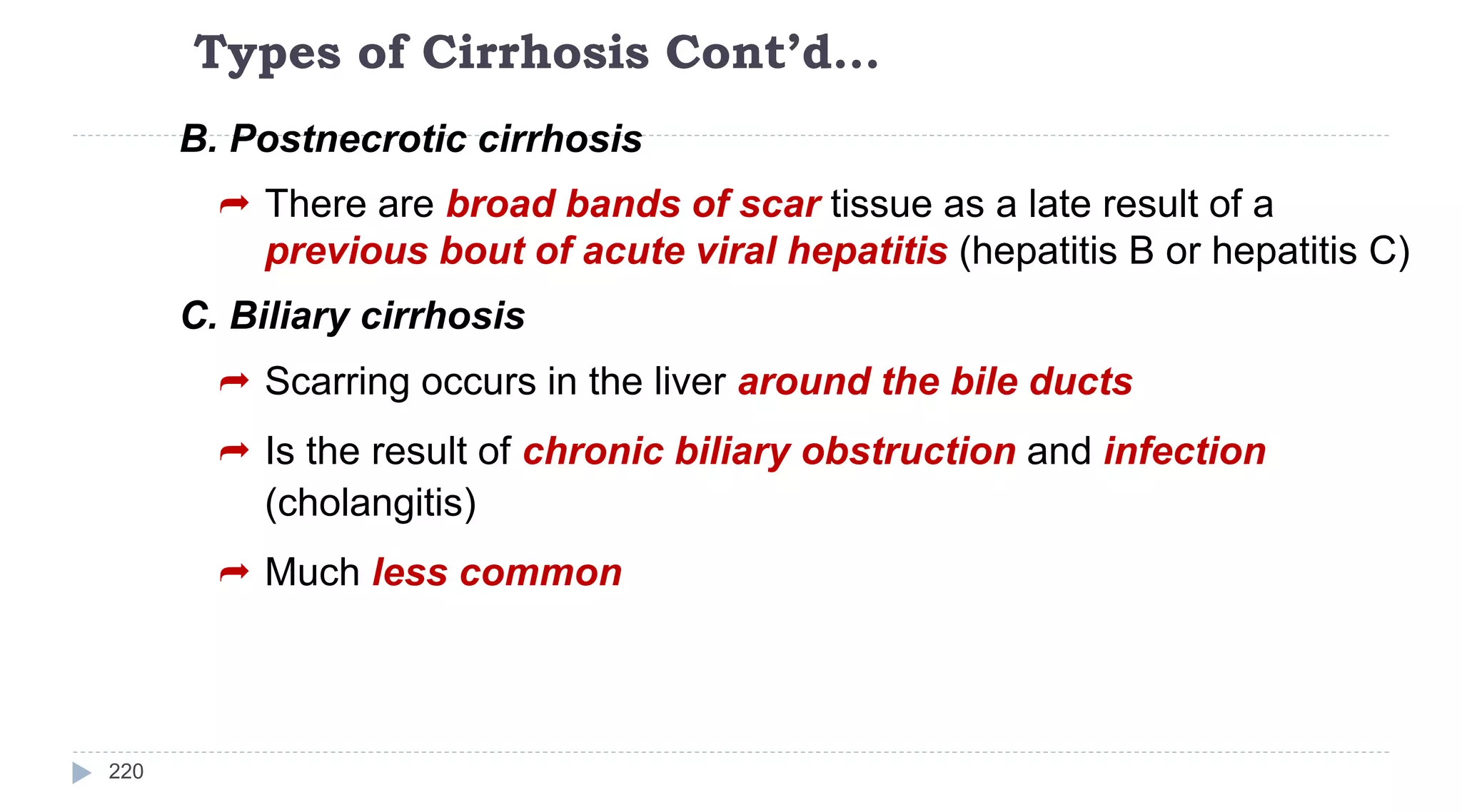
B. Postnecrotic cirrhosis
 There are broad bands of scar tissue as a late result of a
previous bout of acute viral hepatitis (hepatitis B or hepatitis C)
C. Biliary cirrhosis
 Scarring occurs in the liver around the bile ducts
 Is the result of chronic biliary obstruction and infection
(cholangitis)
 Much less common
Clinical manifestation
221
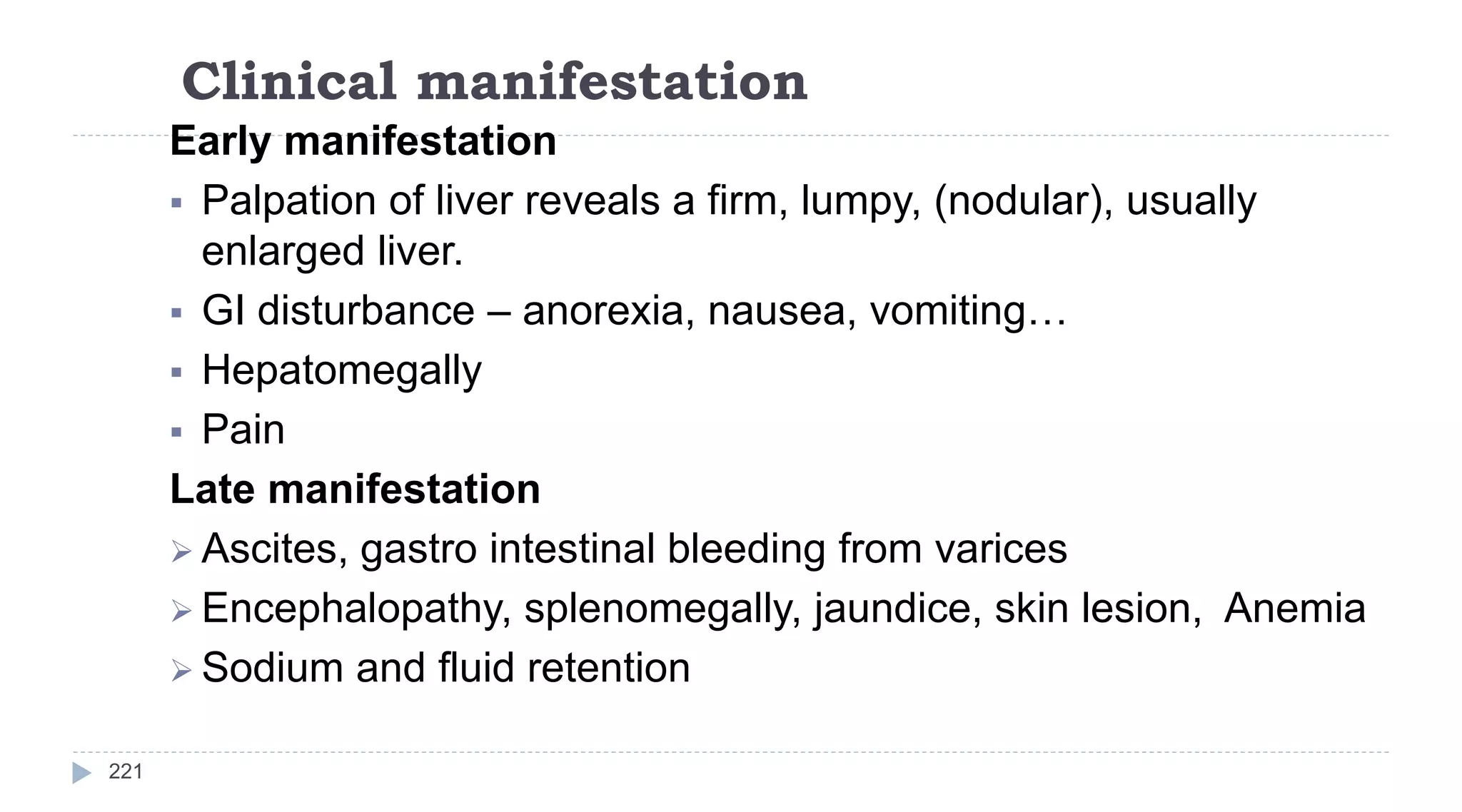
Early manifestation
 Palpation of liver reveals a firm, lumpy, (nodular), usually
enlarged liver.
 GI disturbance – anorexia, nausea, vomiting…
 Hepatomegally
 Pain
Late manifestation
 Ascites, gastro intestinal bleeding from varices
 Encephalopathy, splenomegally, jaundice, skin lesion, Anemia
 Sodium and fluid retention
Diagnosis
222
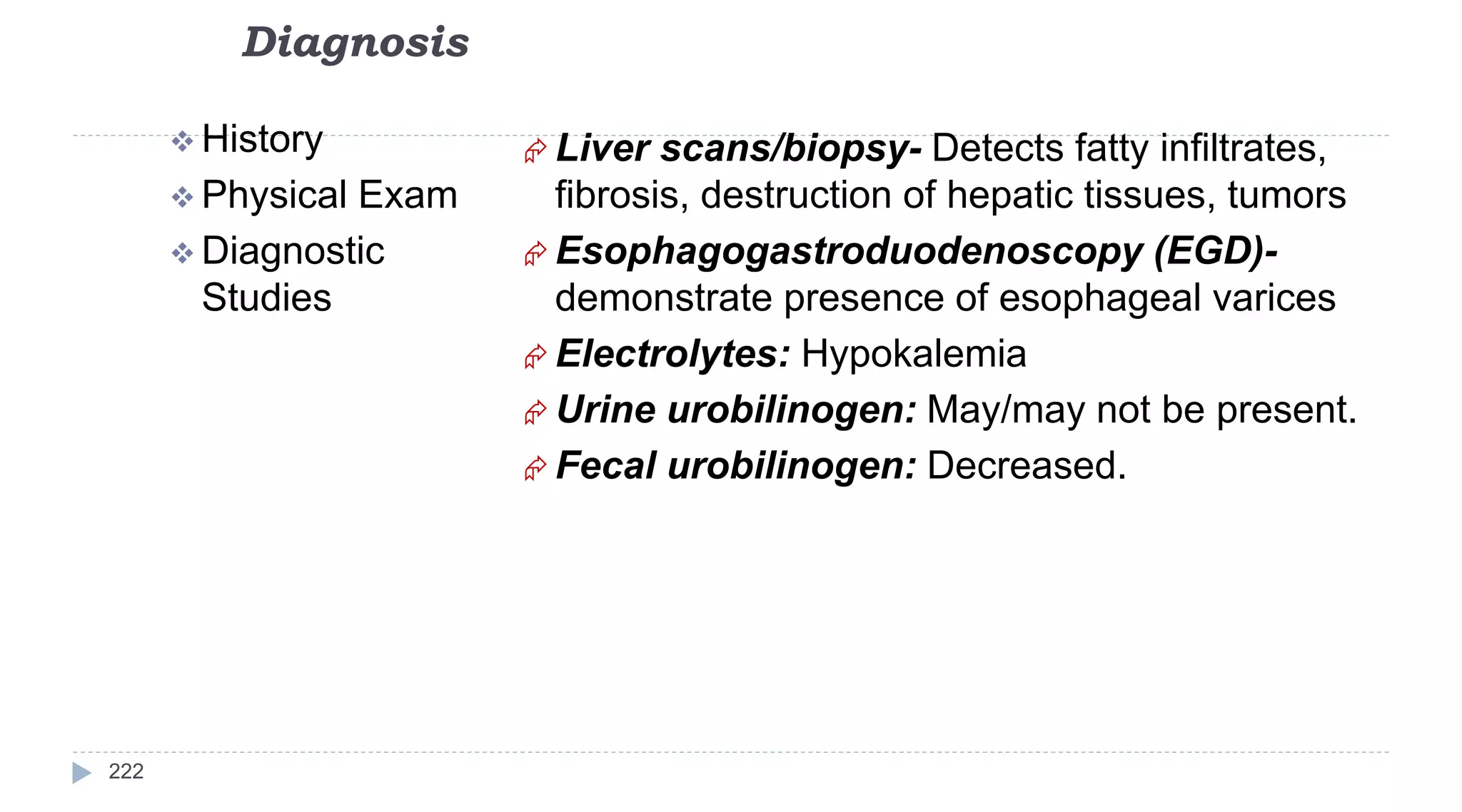
 History
 Physical Exam
 Diagnostic
Studies
 Liver scans/biopsy- Detects fatty infiltrates,
fibrosis, destruction of hepatic tissues, tumors
 Esophagogastroduodenoscopy (EGD)-
demonstrate presence of esophageal varices
 Electrolytes: Hypokalemia
 Urine urobilinogen: May/may not be present.
 Fecal urobilinogen: Decreased.
Dx
223
 Increased Serum bilirubin
 Increased Serum ammonia: because of inability to convert
ammonia to urea.
 Decreased Serum glucose: impaired glycogenesis
 Decreased Serum albumin
 CBC: Hb/Hct and RBCs may be decreased because of bleeding
 Increased BUN: indicates breakdown of blood/protein
 Increased Liver enzymes
Medical Management
224
Symptomatic management
 Antacids—to decrease gastric distress and minimize the possibility
of GI bleeding.
 Vitamins and nutritional supplements
 Potassium-sparing diuretics (spironolactone, triamterene)--to
decrease ascites
 Avoidance of alcohol
Nursing Diagnoses may include:
225
1.Activity intolerance related to fatigue, general debility, muscle
wasting, and discomfort
2.Imbalanced nutrition, less than body requirements, related to
chronic gastritis, decreased GI motility, and anorexia
3.Impaired skin integrity related to compromised immunologic
status, edema, and poor nutrition
4.Fluid Volume excess related to compromised regulatory
mechanism (e.g., syndrome of inappropriate antidiuretic
hormone [SIADH], decreased plasma proteins, malnutrition) or
excess sodium/fluid intake evidenced by edema, anasarca,
weight gain
5.Knowledge, deficient regarding condition, prognosis, treatment,
self-care, and discharge
Hepatic Encephalopathy and Coma
226
Hepatic encephalopathy
Is a life-threatening complication of liver disease occurring with
profound liver failure
May result from the accumulation of ammonia and other toxic
metabolites in the blood
Can occur in any condition in which liver damage causes
ammonia to enter the systemic circulation without liver
detoxification
Hepatic coma represents the most advanced stage of hepatic
encephalopathy
Hepatic Encephalopathy cont’d…
227
 Normally, the liver converts ammonia in to glutamine, which is stored
in the liver and later converted to urea and excreted via the kidneys.
 Blood ammonia rises when the liver cells are unable to perform this
conversion due to liver cell damage and necrosis.
C/m
 From mild mental confusion like, unresponsiveness, forgetfulness,
trouble concentrating, or changes in sleep habits to deep coma.
 Simple tasks, such as handwriting, become difficult
Hepatic Encephalopathy cont’d…
228
 Asterixis or “liver flap”. The patient is asked to hold the arm out
with the hand held upward (dorsiflexed). Within a few seconds,
the hand falls forward involuntarily and then quickly returns to the
dorsiflexed position.
Dx
 Lab-results show elevated blood ammonia
Hepatic Encephalopathy cont’d…
229
Medical Management
 Principles of intervention in hepatic encephalopathy.
Reduce protein in the intestine
Prevent gastro-intestinal bleeding.
Reduce bacterial production of NH3 by neomycin
High cleansing enema to decrease bacteria.
Eliminate infection.
Intravenous administration of glucose to minimize protein breakdown
Cholelithiasis
230
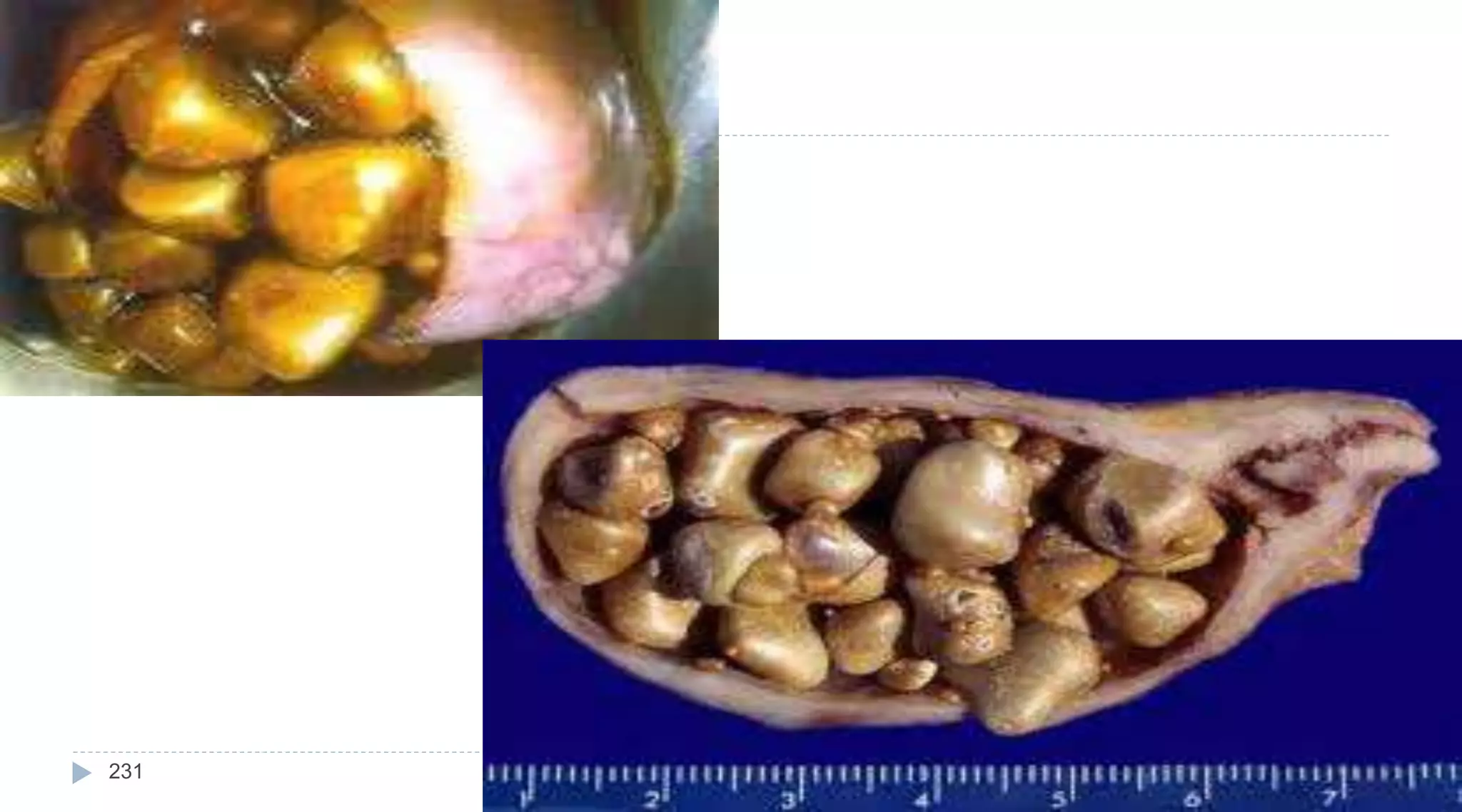
 It is the presence/formation of calculi in the gallbladder
 Usually form in the gallbladder from the solid constituents of
bile:
 Cholesterol
 Bile salts
 Bilirubin
 Calcium
 Protein
 They vary greatly in size, shape, and composition
231
Types: there are two major types
232
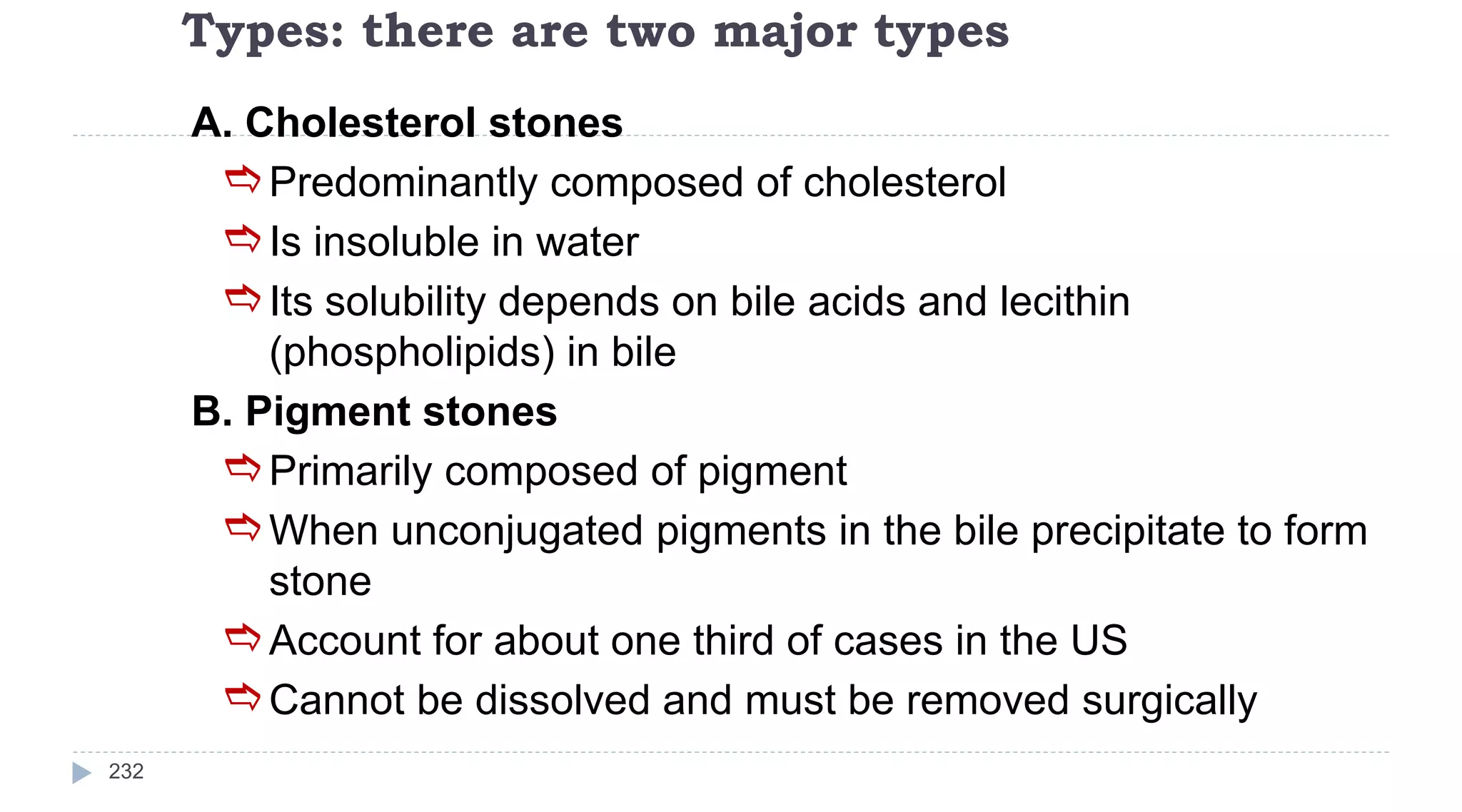
A. Cholesterol stones
Predominantly composed of cholesterol
Is insoluble in water
Its solubility depends on bile acids and lecithin
(phospholipids) in bile
B. Pigment stones
Primarily composed of pigment
When unconjugated pigments in the bile precipitate to form
stone
Account for about one third of cases in the US
Cannot be dissolved and must be removed surgically
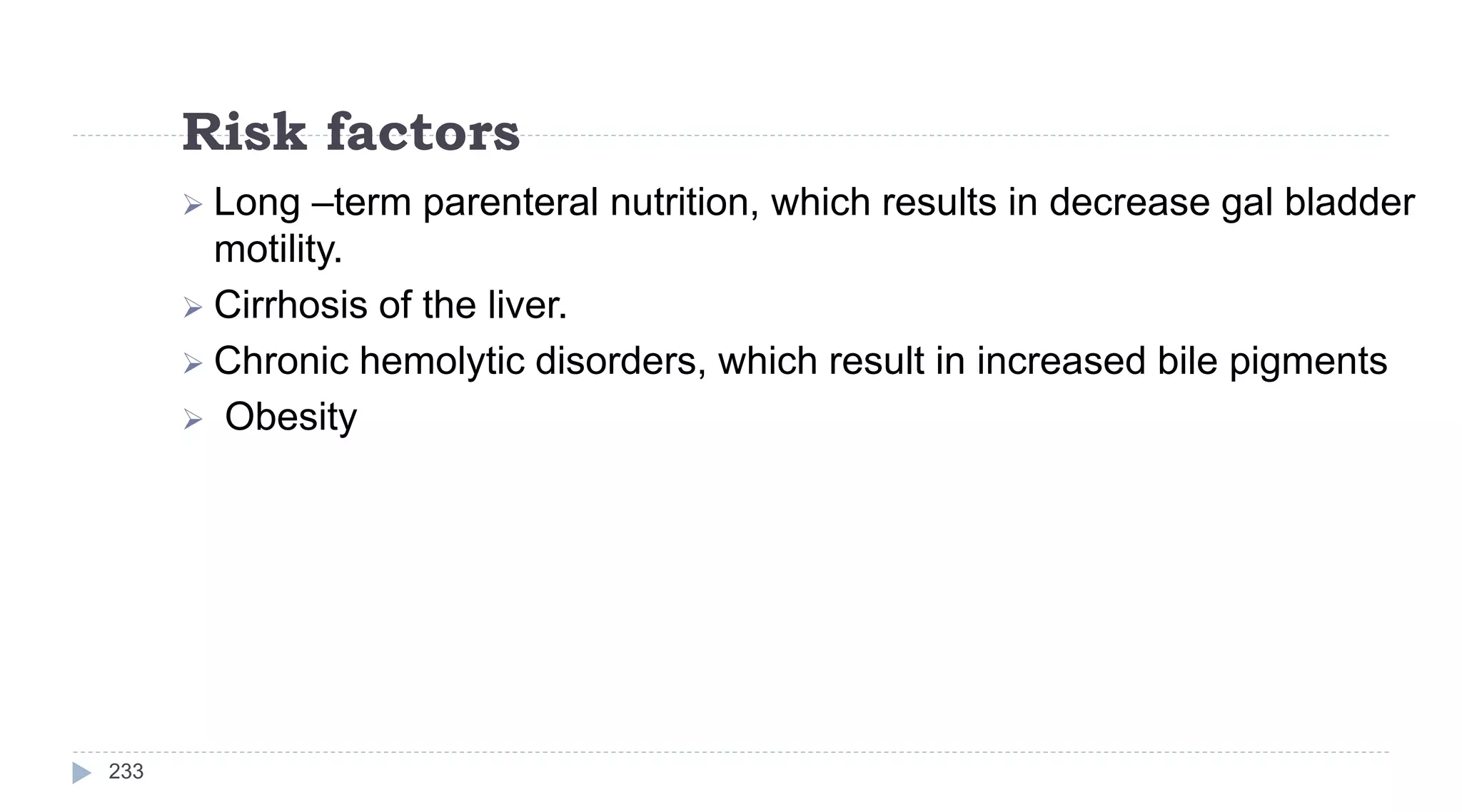
Risk factors
233
 Long –term parenteral nutrition, which results in decrease gal bladder
motility.
 Cirrhosis of the liver.
 Chronic hemolytic disorders, which result in increased bile pigments
 Obesity
Clinical Manifestations
234
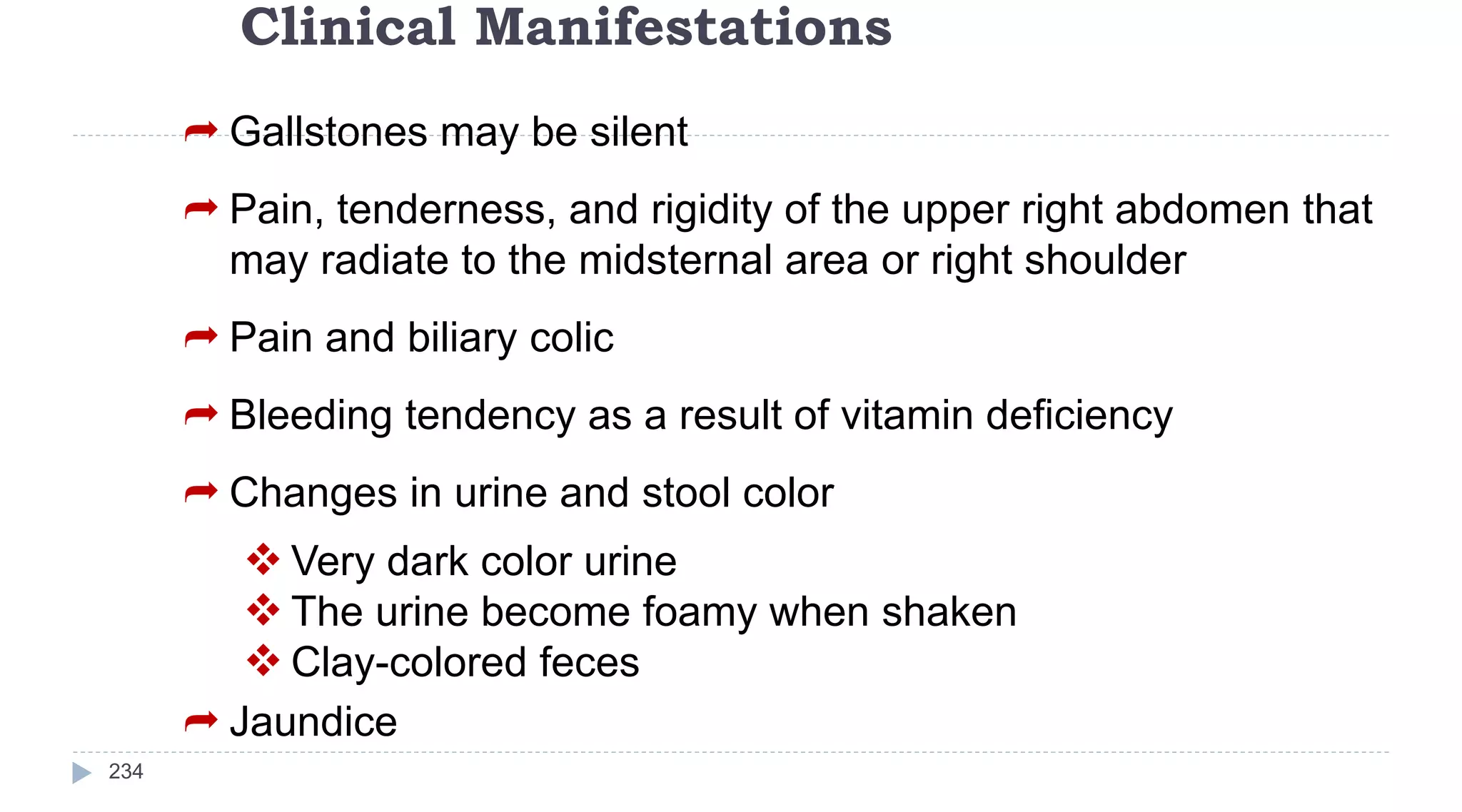
 Gallstones may be silent
 Pain, tenderness, and rigidity of the upper right abdomen that
may radiate to the midsternal area or right shoulder
 Pain and biliary colic
 Bleeding tendency as a result of vitamin deficiency
 Changes in urine and stool color
 Very dark color urine
 The urine become foamy when shaken
 Clay-colored feces
 Jaundice
Management
235
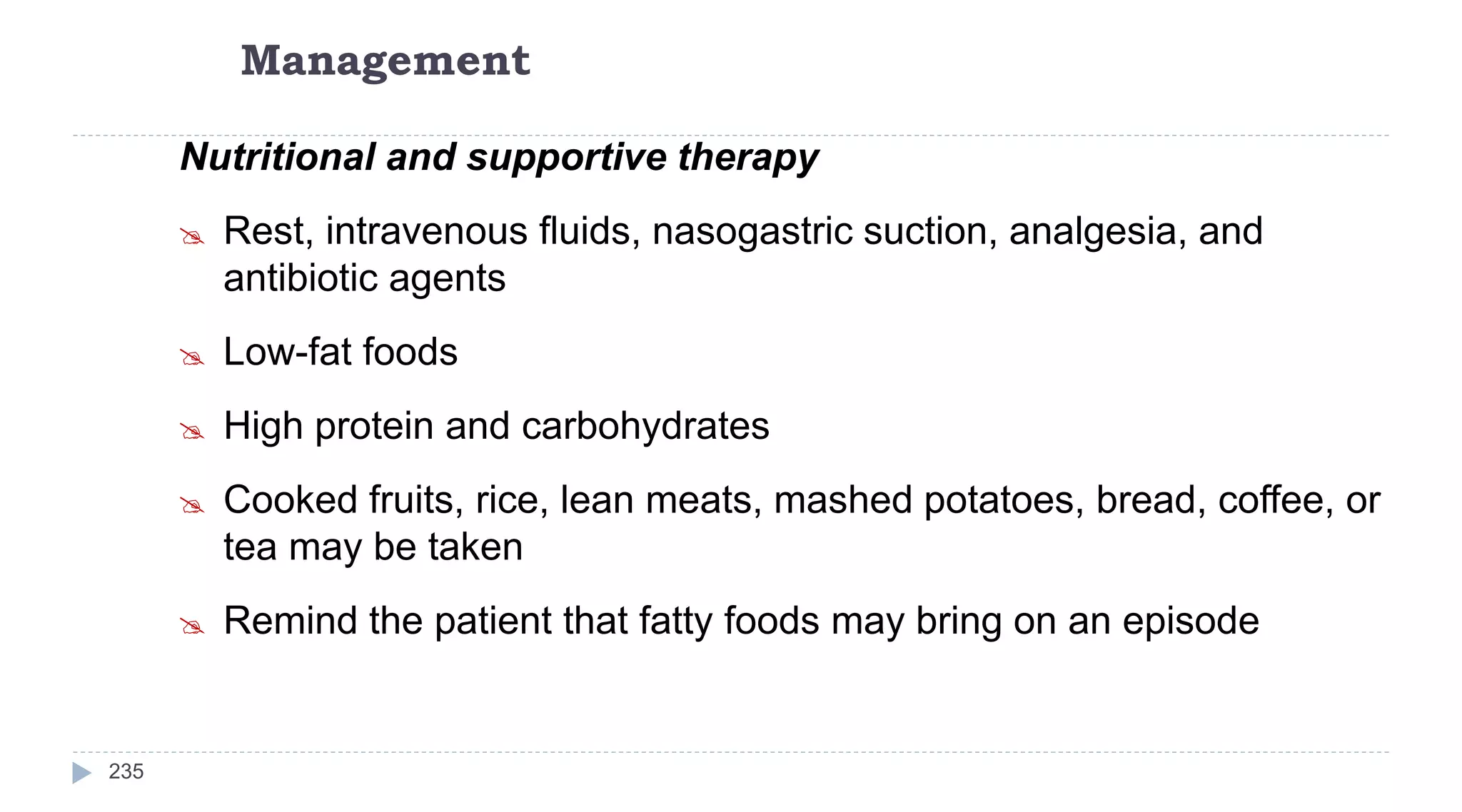
Nutritional and supportive therapy
 Rest, intravenous fluids, nasogastric suction, analgesia, and
antibiotic agents
 Low-fat foods
 High protein and carbohydrates
 Cooked fruits, rice, lean meats, mashed potatoes, bread, coffee, or
tea may be taken
 Remind the patient that fatty foods may bring on an episode
Mgt Cont’d…
236
Pharmacologic therapy
Drugs to dissolve
 Ursodeoxycholic acid (UDCA)
 Chenodeoxycholic acid (chenodiol or CDCA)
Mgt Cont’d…
237
Non-surgical managements
 Dissolving gallstones by infusion of a solvent
 Lithotripsy- uses repeated shock waves directed at the gallstones
in the gallbladder
Surgical interventions
 Cholecystostomy
 Cholecystectomy
 Choledochostomy
Thanks for your
time &attention

Disorders of Upper GIT system ppt (3).ppt

  • 1.
  • 2.
    Dental Plaque andCaries 2  Dental caries is a dietary carbohydrate-modified bacterial infectious disease with saliva as a critical regulator.  A process of demineralization of tooth enamel, leading to destruction of enamel and dentin, with cavitations of the tooth Tooth decay  Is localized progressive disease, whose character consists in the destruction of tooth structures mainly under the influence of metabolic products of the oral microflora;  Is an erosive process begins with the action of bacteria on fermentable carbohydrates in the mouth.  Produces acids and dissolve tooth enamel
  • 3.
    Dental caries---- 3  Dentalcaries and periodontal diseases result from the accumulation of many different species of bacteria that form dental plaque  Bacterial adhesion to surfaces primarily involves two types of reactions: physicochemical and biochemical The microorganisms within bacterial plaque can produce :  Extracellular coatings, such as slime layers which prolong the existence of biofilms ;  A variety of surface fibrils, or appendages, that extend from their cell walls.  These mechanisms mediate attachment of bacteria to a substrate by providing additional attachment structures between the tooth surface and the plaque, thus allowing the formation of adherent matrices
  • 4.
    Bacterial Colonization ofthe Mouth 4  Microorganisms found in the oral cavity are naturally acquired from the environment.  Bacteria are acquired from the atmosphere, food, human contact.  Bacteria form colonies between saliva and hard tissues such as erupted teeth, and exposed root cementum and dentin.
  • 5.
    The extent ofdamage to the teeth depends on the following: 5 The presence of dental plaque The strength of the acids and the ability of the saliva to neutralize them The length of time the acids are in contact with the teeth The susceptibility of the teeth to decay
  • 6.
    Dental plaque 6 Is thesoft tenacious material found on tooth surfaces which is not readily removed by rinsing with water” Gluey, gelatin-like substance consisting of:  Bacteria (lactobacilli and streptococcus mutans)  Saliva, and  Epithelial cells that adheres to the teeth.
  • 7.
    Types of dentalplaque by placement: 7 1. Dentogingival plaque (on the smooth surfaces along the gingival margins) 2. Approximal dental plaque 3. Subgingival plaque 4. Occlusal or fissure plaque
  • 8.
    PP-- Dental caries 8 Dentaldecay begins with small hole/fissure on teeth  Bacteria produce acids from the breakdown of sugars contained in food within 30 minutes after eating  Dental caries penetrate the enamel and extend to the underlying dentin  Cavitation of the enamel  Penetrate to the tooth pulp  Acute pulpitis  Infection of blood vessels, lymph vessels, and nerves  Abscess  Soreness, facial swelling and pulsating pain
  • 9.
  • 10.
  • 11.
  • 12.
    Treatment 12 Common treatments Removal ofthe softened and infected hard tissues Fillings Dental implants Extractions Root canal therapy  The contents of the pulp chamber and root canals are removed, followed by thorough cleaning, antisepsis, and filling with an inert material
  • 13.
    Prevention of DentalCarries 13 A. Mouth Care  Normal mastication (chewing)  Normal flow of saliva  Brushing and flossing every day  Wiping the teeth with a gauze pad  Swishing the mouth with an antiseptic mouthwash several times before expectorating
  • 14.
    Prevention of DentalCarries Cont’d… 14 B. Diet  Decreasing the amount of sugar and starch in the diet  Snacks --less cariogenic alternatives  Fruits  Vegetables  Cheeses
  • 15.
    Prevention of DentalCarries Cont’d… 15 C. Fluoridation  Public water supplies  Applying a concentrated gel or solution to the teeth  Adding fluoride to home water supplies  Using fluoridated toothpaste or mouth rinse  Using sodium fluoride tablets, drops, or lozenges D. Pit and Fissure Sealants  Applying a special coating to fill and seal pits and fissures which last up to 7 years E. Controlling diabetes
  • 16.
    Gingivitis 16  Lat. gingiva= gingie(gum); -itis = inflammation  Gingivitis refers to gingival inflammation induced by bacterial biofilms, also called plaque, adherent to tooth surfaces.  Bacterial plaque accumulates in the spaces between the gums and teeth and in calculus (tartar) that forms on the teeth.  These accumulations may be tiny, even microscopic, but the bacteria contained in them, produces foreign chemicals and toxins that cause inflammation of the gums around teeth.  Inflammation of the gum tissue- term used to describe non- destructive periodontal disease
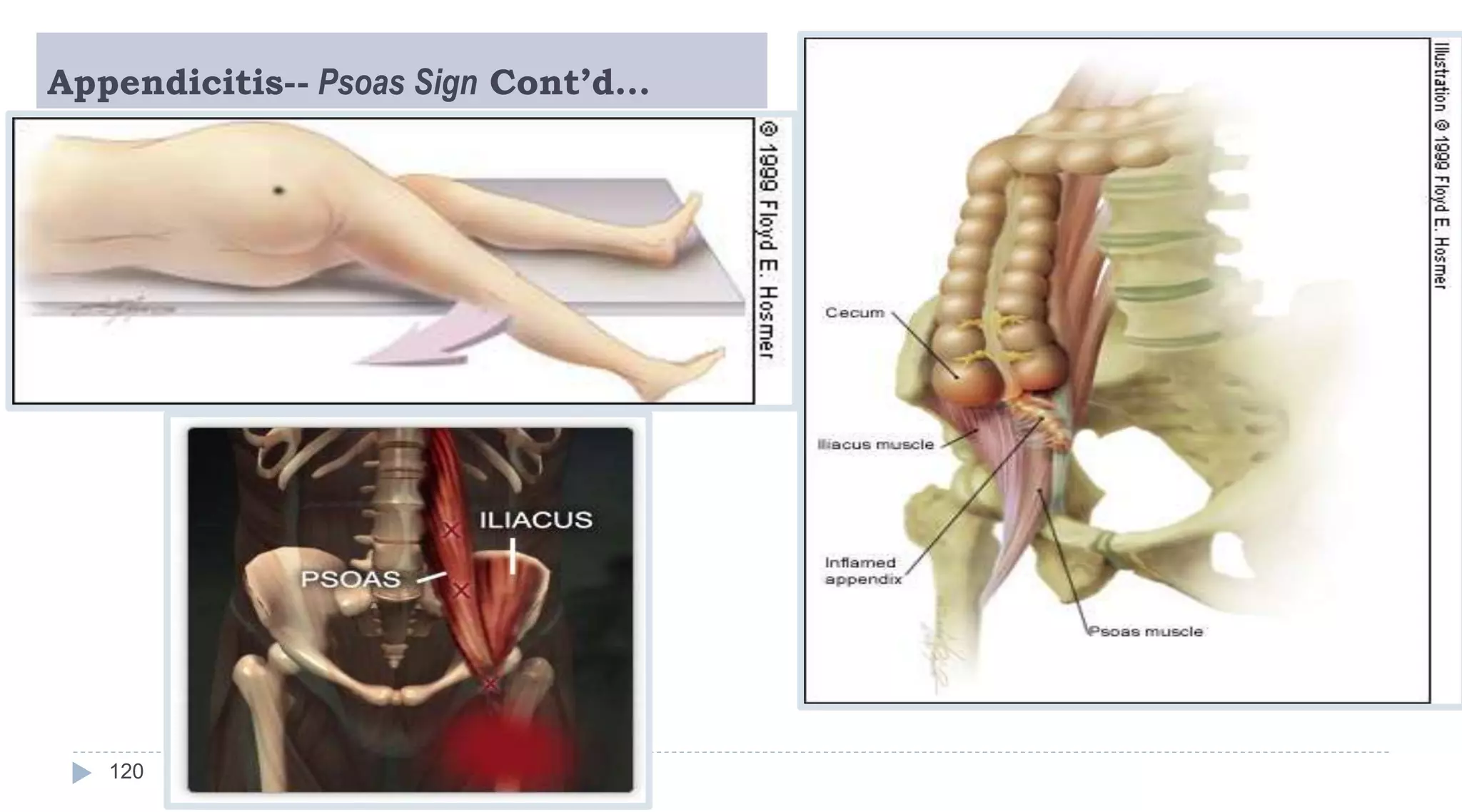
  • 17.
  • 18.
    CLASSIFICATION OF GINGIVITIS 18 Acute gingivitis  Recurrent gingivitis  Chronic gingivitis Acute gingivitis:  It is of sudden onset and short duration and can be painful  A less severe form of acute condition is called sub-acute. Recurrent gingivitis  Reappears after eliminated by a treatment or disappearing spontaneously. Chronic gingivitis:  Slow in onset and long duration  Is painless  Inflammation persists or resolves and normal areas become inflamed
  • 19.
    Cause 19 Poor oral hygieneresulting in food debris, bacterial plaque accumulate Missing or irregular teeth Faulty dentistry Smoking tobacco Breathing through the mouth Local trauma (e.g., an overly aggressive tooth brushing technique) Dry mouth: because of loss of protective effect of saliva Vitamin deficiency, especially of vitamin C
  • 20.
    STAGES OF GINGIVITIS 20 STAGEI : THE INITIAL LESION(2-4 days)  Vascular changes dilated capillaries and increased blood flow.  Initial inflammatory changes due to microbial activation of resident leukocytes and stimulation of endothelial cells. STAGE II : THE EARLY LESION  Clinical signs : ERYTHEMA[proliferation of capillaries and increased formation of capillary loops between rete pegs]. • Evidence of bleeding on probing. • Increase in gingival fluid flow and number of trans migrating leukocytes[also T lymphocytes]. • Amount of collagen destruction increases which is related to Matrix Metalloproteins 
  • 21.
    21 STAGE III :THE ESTABLISHED LESION Predominance of plasma cells and B lymphocyte. Localised gingival anoxmia[impaired venous return](bluish hue on the reddened gingiva). Lesion is moderately to severely inflamed STAGE IV : THE ADVANCED LESION Extension of the lesion into the alveolar bone. Phase of periodontal breakdown[bone loss]. All types of inflammatory cells.
  • 22.
    Gingivitis cont’d… 22 Clinical Manifestations Painful,inflamed, swollen gums Usually the gums bleed in response to light contact or after brushing Development of pus Formation of abscess with losing of teeth (periodontitis)
  • 23.
    Complications of gingivitis 23 Abscessin the gingiva Abscess in the jaw bones Infection in the jaw bone or gingiva Periodontitis - this is a more serious condition that can lead to loss of teeth Recurrent gingivitis Trench mouth - ulceration of the gums caused by bacterial infection
  • 24.
    Gingivitis cont’d… 24 Treatment andPrevention  Regular oral hygiene that includes daily brushing and flossing  Professional cleaning of teeth  Removal of the etiologic (causative) agent, plaque
  • 25.
    Patient Education: PreventiveOral Hygiene 25  Brush teeth using a soft toothbrush at least two times daily.  Use an anti-plaque mouth rinse.  Floss your teeth at least once a day  Regularly rinse your mouth with an antiseptic mouthwash.  Avoid smoking.  Avoid refined sugars between meals  Drink plenty of water  Ensure adequate intake of vitamin C.  Eat a balanced diet (avoid malnutrition)
  • 26.
    Gingivitis cont’d… 26  Visita dentist at least every 6 months, or when you have a chipped (cracked or broken) tooth, a lost filling, an oral sore that persists longer than 2 weeks, or a toothache.  Avoid alcohol and tobacco products.  Maintain adequate nutrition and avoid sweets.  Replace toothbrush at first signs of wear, usually every 2 months.
  • 27.
    Periodontal disease 27  Periodontaldisease is destruction of bone and the structures supporting the teeth.  Periodontitis is irreversible, but you can stop its progression through good oral hygiene and visiting your dental professional
  • 28.
    Warning Signs ofPeriodontal Disease: 28  Gums that bleed when you brush or floss your teeth  Gums that are red, swollen or tender  Gums that have pulled away from teeth  Infection including purulence (pus) between the teeth and gums when the gums are pressed  Permanent teeth that are loose or separating  Any changes in the way your teeth fit together when you bite  Any changes in the fit of your partial denture  Bad breath  Itchy sensation
  • 29.
    EARLY AND MODERATEPERIODONTITIS: 29  Periodontitis occurs when the inflammation of the gums progresses into the deeper underlying structures and bone.  In the most common form of Periodontitis, plaque (and sometimes calculus) is found below the gum line.  The gums may feel irritated, appear bright red, and bleed easily.  The ligaments holding the tooth in its socket break down and the gums pull away from the teeth, resulting in a periodontal pocket or space between the tooth and gum.  The periodontal pocket deepens and fills with more bacteria.  Supportive ligaments and bone start to show damage.
  • 30.
    Stomatitis 30 Is an inflammationof the mucous lining of the mouth , which may involve the cheeks, gums ,tongue ,lips , and roof or floor of the mouth. The word“ stomatitis “ literally means inflammation of the mouth. An inflammation of the mucous lining of any of the structures in the mouth
  • 31.
    Causes 31 Poor oral hygiene Poorlyfitted dentures Mouth burns from hot food or drinks Conditions that affect the entire body, such as medications, allergic reactions, infections Chronic irritation by tobacco—called Nicotine stomatitis Dietary deficiencies of iron Chemotherapy & Radiotherapy  Dehydration •
  • 32.
    Clinical manifestation 32  Redness, Swelling,  Bleeding (Occasional)  Excessive salivation  Halitosis  Sore mouth
  • 33.
    Managements 33 Removal or treatmentof the cause, Oral hygiene with soothing solutions is fundamental. Topical medications Soft bland diet Correcting any vitamin B12, iron, or folate deficiencies
  • 34.
  • 35.
    Parotitis 35  An inflammationof the parotid gland which are large salivary glands located in front of each ear Causative agents  Bacterial infection of Staphylococcus aureus for adults  Virus – epidemic (mump) for pediatrics
  • 36.
    Parotitis cont’d… 36 Sign andsymptoms Pain of the gland and ear, fever The gland swollen and becomes tense and tender Swollen gland interferes swallowing, Swelling increase rapidly and overlying skin soon becomes red and shiny
  • 37.
    Parotitis cont’d… 37 Management Maintaining adequatenutritional and fluid intake, good oral hygiene, and discontinuing medications (e.g., tranquilizers, diuretics) that can diminish salivation Antibiotic therapy Analgesics to control pain If antibiotic therapy is not effective, the gland may need to be drained by a surgical procedure known as parotidectomy.
  • 38.
  • 39.
    Achalasia 39 Absent or ineffectiveperistalsis of the smooth muscle layer of the distal esophagus (the lower 2/3rd)-muscular ability to move food down the esophagus Accompanied by failure of the esophageal sphincter to relax in response to swallowing Also known as  Esophageal achalasia  Achalasia cardiae  Cardiospasm  Esophageal aperistalsis
  • 40.
    40  Cause isunknown Degeneration of nerve cells in muscular layer of esophagus  Characterized by incomplete LES relaxation  Aperistalsis of the esophagus in the absence of other explanations like cancer or fibrosis  People 40 years of age or older
  • 41.
    Clinical Manifestations 41  Difficultyin swallowing both liquids and solids  A sensation of food sticking in the lower portion of the esophagus  Food regurgitation  Complaint of chest pain and heart burn (pyrosis)  Secondary pulmonary complications
  • 42.
    Diagnosis 42  X-ray studies-show esophageal dilation above the narrowing at the GEJ  CT scan  Endoscopy  Barium swallow  Manometry
  • 43.
    Management 43  Eating slowlyand drinking fluids with meals  Calcium channel blockers and nitrates- decrease esophageal pressure and improve swallowing  Injection of botulinum toxin- inhibit the contraction of smooth muscle  Balloon (pneumatic) dilation- stretch the narrowed area of the esophagus  Surgery: esophagomyotomy
  • 44.
  • 45.
    Hiatal Hernia/ hiatushernia 45  Normally, all of the stomach is below the diaphragm completely being in the abdomen  The muscle fibers in the diaphragm around the lower esophagus help the sphincter to keep the esophagus closed to prevent reflux of acid and food.  It is the protrusion (or herniation) of the upper part of the stomach into the thorax through a tear or weakness in the diaphragm.  It is also called diaphragmatic hernia or esophageal hernia.
  • 46.
    Types of hiatalhernia 46 1. Sliding Hernia  The upper stomach and the GEJ are displaced upward and slide in and out of the thorax  Is the most common type (90%)
  • 47.
    2. Paraesophageal Hernia 47 TheGEJ remains fixed in its normal location and a pouch of stomach is herniated (forming a pocket) beside the GEJ through the esophageal hiatus
  • 48.
    Etiology 48  Actual causenot known  Contributing factors  Structural changes like  Weakening of the muscles in the diaphragm around the GEJ  Increased age, trauma  Congenital weakness  ed intrabdominal pressure by:  Obesity  Pregnancy  Ascites  Tumors
  • 49.
    Clinical manifestations 49 At least50% of patients are asymptomatic S/S may be similar to that of:  GER  Peptic ulcer and  Angina Heartburn/ burning pain Regurgitation Dysphagia Reflux-- Sliding hiatal hernia Feeling a sense of fullness after eating --paraesophageal hernia
  • 50.
    Diagnosis 50  Barium swallow Esophagoscopy with biopsy  Ultrasonography  X-ray studies  Bronchoscopy
  • 51.
    Management 51 A. Conservative management Frequent, small feedings  Avoiding to recline for 1 hour after eating  Elevating the head of the bed on 10 to 20cm blocks  Antiacids and antisecretory agents  Elimination of constricting garments  Avoidance of lifting and straining  Elimination of alcohol and smoking  Weight reduction if the patient is obese
  • 52.
    B. Surgical interventions 52 Fundoplication  Involves “wrapping” the fundus of the stomach around the lower portion of the esophagus in varying degrees Importance of the procedures To reduce the hernia  To provide an acceptable LES pressure  To prevent the movement of the GEJ 360-degree wrap
  • 53.
    53 Partial anterior fundoplicationPartial posterior fundoplication
  • 54.
    Gastro-esophageal Reflux Disease(GERD) 54  GERD is not a disease  Is a syndrome produced by conditions that result in reflux (back-flow) of gastric or duodenal secretions in to the esophagus.  The stomach lining protects the stomach from the effects of its own acid but esophagus can’t protect itself producing S/S
  • 55.
    GERD--Predisposing conditions 55  IncompetentLES  Conditions resulting in gastric contents near the GEJ  Bending down  Hiatal hernia  Decreased gastric emptying  Certain drugs that interfere LES function   gastric pressure  Dietary habits Fatty foods Chocolate Caffeinated Carbonated beverages  Ingestion of alcohol  Tobacco smoking  Pyloric stenosis
  • 56.
    Complications 56  Esophageal irritationand inflammation  Corrosion to the esophagus  Scar tissue formation and decreased dispensability of secondary to inflammation and irritation  Aspiration
  • 57.
    Clinical manifestations 57  Pyrosis Dyspepsia (indigestion)  Regurgitation  Dysphagia  Odynophagia  Hypersalivation  Esophagitis
  • 58.
    Diagnosis 58 Barium swallow-determine ifthere is protrusion of the gastric cardia Esophagoscopy- determine the incompetence of the LES and the extent of inflammation, potential scarring, and strictures Biopsy and cytologic analysis pH monitoring Motility (manometry) studies Bilirubin monitoring
  • 59.
    Management 59 A. Patient education Low-fat diet  To avoid caffeine, tobacco, beer, milk, foods containing peppermint or spearmint, and carbonated beverages which increase gastric secretion  Eating or drinking 2 hours before bedtime  To maintain normal body weight  To avoid tight-fitting clothes  To elevate the head of the bed on 15- to 20-cm blocks
  • 60.
    GERD-- Mgt Cont’d… 60 B.Drugs  Antacids- 1 to 2 hrs after meals and at bed time  Histamine receptor blockers  Proton pump inhibitors like omeprazole  Cholinergics (e.g. bethanechol)  Metoclopramide
  • 61.
  • 62.
    Gastritis Definition 62  Isan inflammation of the gastric or stomach mucosa  Is the result of a breakdown in the normal gastric barrier (mucosa), which normally protects the stomach tissue from auto-digestion by acid Types 1. Acute Gastritis 2. Chronic Gastritis
  • 63.
    Etiology --Acute Gastritis 63 Drugs: Steroidal & NSAIDs  Alcohol  Radiation  Helicobacter pylori  Staphylococcus organisms  Bile and pancreatic secretions  Physiology stress: shock, sepsis, burns  Psychologic stress  Spicy, irritating foods  Ingestion of strong acid or alkali  Trauma: naso-gastric suction, large hiatal hernia, endoscopic techniques
  • 64.
    Etiology-- Chronic Gastritis 64 Repeated episodes of acute gastritis  Benign or malignant ulcers of the stomach  Bacteria helicobacter pylori  Autoimmune diseases such as pernicious anemia  Dietary factors such as caffeine  Use of medications, like NSAIDs  Chronic alcohol abuse  Smoking  Reflux of intestinal contents into the stomach
  • 65.
    PP 65 Chronic Inflammation  chronic alterationsin the protective mucosal barrier  Progressive gastric atrophy  Eventual death of chief and parietal cells  Decreased number of acid-secreting parietal cells  Hypochlorhydria Or Achlorhydria
  • 66.
    Clinical Manifestation 66 Acute gastritis Anorexia,nausea and vomiting, hiccupping, Epigastric tenderness Feeling of fullness and abdominal discomfort Hemorrhage associated with alcohol abuse Headache, lassitude Usually self-limited lasting from a few hours to a few days
  • 67.
    C/Ms Cont’d… 67 Chronic gastritis S/Sare similar to that of acute gastritis Anemia because of atrophy of cells producing intrinsic factor
  • 68.
    Diagnosis 68  Endoscopic examinationwith biopsy  Complete blood count (CBC)  Stool exam for occult blood  Serologic test for H. pylori
  • 69.
    Management 69  The gastricmucosa is capable of repairing itself after a bout of gastritis, in about 1 day Acute Gastritis Bed rest Refraining from alcohol and food until symptoms subside Parentral fluid—if symptoms persist Neutralization Antiacids like aluminum hydroxide -- if caused by ingestion of strong acids Diluted lemon juice or diluted vinegar --if caused by strong alkali
  • 70.
    Mgt Acute GastritisCont’d… 70 Antiemetis for nausea and vomiting Antiacids H2 antagonists Blood transfusion and fluid replacement if gastritis is hemorrhage
  • 71.
    Mgt: Chronic Gastritis 71 Dietary& lifestyles modification Reducing stress Promoting rest Initiating pharmacotherapy  Antibiotics -- to treat H. pylori  Proton pump inhibitor  Bismuth salts  Regular injections of VitB12—for patients with pernicious anemia
  • 72.
    Major Nursing Diagnoses 72 Imbalancednutrition, less than body requirements, related to inadequate intake of nutrients Risk for imbalanced fluid volume related to insufficient fluid intake and excessive fluid loss subsequent to vomiting Deficient knowledge about dietary management and disease process Acute pain related to irritated stomach mucosa
  • 73.
    Peptic Ulcer Disease Gastricand Duodenal Ulcers 73
  • 74.
    Definition 74  PUD isan excavation (hollowed-out area) that forms in the mucosal wall of the stomach, in the pylorus, duodenum, or in the esophagus  Results from the digestive action of HCl & pepsin  More common in people b/n 40 & 60 years  Incidence  Is relatively uncommon in women of childbearing age  Is almost equal to that in men after menopause  Can occur without excessive acid secretion  Ulcers are defined as breaks in the mucosal surface >5 mm in size, with depth to the submucosa
  • 75.
    Damage of gastricmucosa from irritants 75
  • 76.
    Types of PUD 76 Dependingon the degree of mucosal involvement i. Acute PUD  Associated with superficial erosion and minimal inflammation ii. Chronic PUD  Is of long duration, eroding through the muscular wall with the formation of fibrous tissue  Present continuously for many months or intermittently throughout the person’s lifetime  Is at least four times as common as acute erosion Depending on the location of erosion a. Gastric ulcer (GU) b. Duodenal ulcer (DU)
  • 77.
  • 78.
    Cause 78  Infection withH. pylori  Excessive secretion of HCl in the stomach because of:  Psychological stress (e.g., anxiety) and physiological stress (like in case of burn, shock, surgery)  Ingestion of milk and caffeinated beverages  Ingestion of hot, rough, or spicy foods  Alcohol  Smoking
  • 79.
    Cause Cont’d… 79 Ulcerogenic drugs Tumors,like in case of Zollinger-Ellison syndrome (ZES)– produce excessive amounts of the hormone gastrin GERD- resulting esophageal ulcer Familial tendency-genetic link– those with blood type O Pregnancy appears to protect women from the developing ulcers
  • 80.
    Pathophysiology 80 Acids, bile salts,aspirin, ischemia, H. pylori Breakdown of gastric mucosal barrier Acid back-diffusion into mucosa Destruction of mucosal cells  Acid & Pepsin release Further mucosal erosion Destruction of B/Vs Bleeding Histamine release from damaged mucosa  Vasodilation  Capillary permeability Loss of plasma proteins into gastric lumen Mucosal edema ULCERATION
  • 81.
    Clinical Manifestations 81 Symptoms maylast for a few days, weeks, or months and may disappear only to reappear, often without an identifiable cause
  • 82.
    C/Ms Cont’d… 82 Pain ofduodenal ulcer origin  Burning” or “cramping”  Often located in the mid- epigastrium region beneath the xyphoid process  Back pain  Usually relieved by eating Pain of gastric ulcer origin  Located high in the epigastrium  Occurs about 1 to 2 hours after meals  Can be burning” or “gaseous” Dull, gnawing pain or a burning sensation in the mid- epigastrium or in the back
  • 83.
    C/Ms Cont’d… 83 Sharply localizedtenderness Around the epigastrium or Slightly to the right of the midline Pyrosis (heartburn) Emesis often containing undigested food eaten many hours earlier Bleeding– melana (tarry stools) Epigastric tenderness Abdominal distention
  • 84.
    Emergency Complications 84 3 majoremergency complications 1. Hemorrhage 2. Perforation 3. Gastric outlet obstruction
  • 85.
    Complications Cont’d… 85 1. Hemorrhage Is the most common observed  Cause  Erosion of the ulcer through a major blood vessels
  • 86.
    Complications Cont’d… 86 2. Perforation The2nd most common complication Commonly seen in large penetrating DUs Occurs with ulcer penetrating the serosal surface, with spillage of either gastric or duodenal contents in to the peritoneal cavity S/S  Sudden, severe upper abdominal pain that quickly spread throughout the abdomen  Shallow and rapid respiration  Usually absent bowel sounds  Nausea and vomiting
  • 87.
    Complications Cont’d… 87 3. Gastricoutlet obstruction  Is the least common ulcer-related complication  Cause  Inflammation and edema in the peripyloric region  S/s  Long history of ulcer pain  Pain  Short duration or completely absent  More generalized upper abdominal discomfort that becomes worse towards the end of the day as the fills and dilates  May be relieved by belching or by self-induced vomiting
  • 88.
    Complications Cont’d… 88 S/s ofGastric outlet obstruction  Vomiting- which is very common and often projectile  Constipation- as result of dehydration  Swelling in the upper abdomen as a result of dilation of stomach  Loud peristalsis may be heard
  • 89.
    Duodenal vs GastricUlcers 89 Duodenal Ulcer Gastric Ulcer Lesion  Superficial; smooth margins; round, oval, or cone shaped  Penetrating Incidence  Age 30–60  Male: female 2–3:1  80% of peptic ulcers  Usually 50 and over  Male: female 1:1  15% of peptic ulcers Risk Factors  H. pylori, alcohol, smoking, stress  H. pylori, gastritis, alcohol, smoking, use of NSAIDs, stress
  • 90.
    GUs Vs DUsCont’d… 90 Signs, Symptoms, and Clinical Findings  Hypersecretion of HCl  May have weight gain  Pain occurs 2-3 hrs after a meal  Often awakened b/n 1-2 AM  Ingestion of food relieves pain  Vomiting is uncommon  Hemorrhage less likely  Melena more common than hematemesis  More likely to perforate  Normal—hyposecretion of HCl  Weight loss may occur  Pain 1⁄2 -1 hr after a meal  Rarely occurs at night  May be relieved by vomiting  Ingestion of food does not help  Vomiting common  Hemorrhage more likely  Hematemesis more common than melena Malignancy Possibility  Rare  Occasionally Duodenal Ulcer Gastric Ulcer
  • 91.
    Diagnosis 91 Fiberoptic endoscopy To visualizeinflammatory changes, ulcers, and lesions To obtain a biopsy of the gastric mucosa Upper GI barium-contrast study Gastric secretory studies CBC – determine anemia secondary to bleeding Liver enzyme studies Stool tests – for the presence of blood Serologic test for antibodies to the H. pylori
  • 92.
    Management 92 Aim of thetreatment 1.To decrease the amount of gastric acidity 2.To enhance mucosal defense mechanisms 3.To minimize the harmful effects on the mucosa
  • 93.
    Mgt Cont’d… 93 Conservative management/minimummedical treatments Adequate rest Dietary interventions Medications Elimination of smoking Long-term follow-up care
  • 94.
    Mgt Cont’d… 94 Lifestyle modifications Adequatephysical and emotional rest A quite, calm environment Elimination of stress Moderate in daily activity
  • 95.
    Mgt Cont’d… 95 Nutritional Management Avoiding irritant foods and beverages Hot, spicy foods and pepper Alcohol Carbonated beverages Tea and coffee  Foods high in roughage, such as raw fruits, salads, and vegetables may irritate an inflamed mucosa Proteins  Best neutralizing food  Stimulates HCl secretion Carbohydrates and fats  The least to stimulate HCl secretion  Don’t neutralize well
  • 96.
    Nutritional Mgt Cont’d… 96 Milk Milk proteins and calcium are stimulant to gastric acid production  Can neutralize gastric acidity  Contains prostaglandins and growth factors which protect the GI mucosa from injury NB i. No specific diet seems totally appropriate in the treatment of ulcer disease ii.Each patient should be instructed to eat and drink foods and fluids that do not cause and distressing or harmful side effects
  • 97.
    Mgt Cont’d… 97 Pharmacologic Therapy 1.Neutralizing agents – Antiacids Are the initial drugs of choice Decrease gastric acidity and the acid content of chyme reaching the duodenum Block the conversion of pepesinogen to pepsin by raising the pH to above 3.5 Some (like Al(OH)3) can bind to bile salts and decrease their effects on the gastric mucosa Examples: Aluminum hydroxide and magnesium trisilcates
  • 98.
    Pharmacologic Mgt Cont’d… 98 II.Antisecretory a. Histamine H2-receptor antagonists Inhibit the action of histamine at histamine H2 receptor cells to reduce the secretion of gastric acid and total pepsin output Ex: cimetidine, famotidine, nizatidine, ranitidine b. Proton pump inhibitors (H+, K+-ATPase inhibitors) Inhibit the H+, K+-ATPase enzyme system Block the last step of acid production Ex: Omeprazole, Lansoprazole, Rabeprazole
  • 99.
    Pharmacologic Mgt Cont’d… 99 III.Cytoprotective Sucralfate Accelerate healing Doesn’t have acid neutralizing effect Should be given at least 30 minutes before or after an antiacid Misoprostol Is a synthetic prostaglandin  Protects the gastric mucosa  s mucus production and bicarbonate levels Bismuth subsalicylate Suppresses H. pylori bacteria
  • 100.
    Pharmacologic Mgt Cont’d… 100 IV.Antibiotics for H. pylori  Tetracycline + proton pump inhibitor + bismuth salts  Amoxicillin + clarithromycin + proton pump inhibitor  Metronidazole + clarithromycin + proton pump inhibitor  Clarithromycin + proton pump inhibitor + amoxicillin
  • 101.
    PUD Rx-- DACA-Ethiopia 101 I.PUD only First Line Ranitidine 150 mg P.O. BID OR 300 mg at bedtime for 4-6 weeks Maintenance therapy: 150 mg at bedtime. Alternatives Cimetidine 400 mg P.O. BID, with breakfast and at night, OR 800 mg at night for 4 - 6 weeks OR Famotidine, 40 mg, P.O. at night for 4-6 weeks OR Omeprazole 20 mg P.O. QD for 4 weeks (DU) or 8 weeks (GU)
  • 102.
    Pharmacologic Mgt Cont’d… 102 II.PUD associated with H. pylori First Line Amoxicillin, 1g, P.O. BID PLUS Clarithromycin, 500mg P.O. BID PLUS Omeprazole, 20mg P.O. BID (OR 40mg QD)  All for 7 - 14 days Alternative Amoxicillin, 1g, P.O. BID PLUS Metronidazole, 500mg, P.O. BID PLUS Omeprazole, 20mg P.O. BID OR 40mg QD for 7-14 days
  • 103.
    Mgt Cont’d… 103 Surgical Management Usuallyrecommended for: Patients with intractable ulcers  Those that fail to heal after 12 to 16 weeks of medical treatment Life-threatening hemorrhage, perforation, or obstruction Those with ZES not responding to medications Types 1. Pyloroplasty- the pylorus, is cut and resutured, to relax the muscle and widen the opening into the intestine. 2. Vagotomy
  • 104.
    Mgt Cont’d… 104 3. Antrectomy-surgical removal, of antrum which is the lower third of the stomach  Antrum produces gastrin, which is a hormone that stimulates the production of stomach acid Removal of the lower portion of the antrum of the stomach as well as a small portion of the duodenum and pylorus. The remaining segment is anastomosed to the duodenum- Gastroduodenostomy (Billroth I) or to the jejunum- Gastrojejunostomy (Billroth II)
  • 105.
  • 106.
    Nursing Management 106 1. Acutepain related to the effect of gastric acid secretion on damaged tissue 2. Imbalanced nutrition, less than body requirement related to changes in diet 3. Deficient knowledge about prevention of symptoms and management of the condition
  • 107.
    Nursing Interventions 107 1. RelievingPain Patient education:  To take the prescribed drugs  To avoid aspirin, foods and beverages that contain caffeine  To eat meals at regularly paced intervals in a relaxed setting  Teaching relaxation techniques to help manage stress and pain  Enhance smoking cessation efforts
  • 108.
    Nsg Interventions Cont’d… 108 2.Maintaining Optimal Nutritional Status  Assesses the patient for malnutrition and weight loss  Advise the patient about the importance of complying with the medication regimen and dietary restrictions
  • 109.
    Nsg Interventions Cont’d… 109 3.Teaching Patients Self-Care  Factors that will help or aggravate the condition  Drug information  Avoiding foods that exacerbate symptoms and potentially acid- producing foods  Eating meals at regular times and in a relaxed setting  Avoiding overeating  Irritant effects of smoking on the ulcer and cessation of smoking
  • 110.
    Nsg Interventions Cont’d… 110 Teachabout the S/S of complications: i. Hemorrhage  cool skin, confusion, ed heart rate, ed BP, labored breathing, blood in stool ii. Penetration and perforation  Severe abdominal pain, rigid and tender abdomen, vomiting, ed temp, ed HR iii. Pyloric obstruction  Nausea and vomiting, distended abdomen, abdominal pain
  • 111.
  • 112.
  • 113.
    Introduction 113 The Appendix  Asmall, finger-like appendage about 10 cm (4 inch) long  Attached to the cecum just below the ileocecal valve  Fills with food and empties regularly into the cecum  Because it empties inefficiently and its lumen is small, the appendix is prone to obstruction and is particularly vulnerable to infection
  • 114.
    Definition 114  Appendicitis- isan inflammation of the vermiform appendix Etiology  Obstruction of the lumen by:  A fecalith (accumulated feces)  Foreign bodies  Worms (e.g., Pinworms, ascaris)  Intramural thickening caused by lymphoid hyperplasia  Tumors of the cecum or appendix
  • 115.
    PP 115 Obstruction  Distension  Venous engorgement  Accumulation ofmucus and bacteria (pus)  Gangrene  Perforation
  • 116.
    Clinical Manifestations 116  Vagueepigastric or periumbilical pain  Progressing to RLQ  May be accompanied by:  A low-grade fever  Nausea and vomiting  Loss of appetite  Local tenderness is elicited at McBurney’s point when pressure is applied  Guarding the abdominal area by lying still with the right leg flexed at the knee
  • 117.
  • 118.
    McBurney’s point andtest of Rovsing’s sign 118
  • 119.
    C/Ms Cont’d… 119 Signs a. Reboundtenderness b. Rovsing’s sign Elicited by palpating the LLQ; this paradoxically causes pain to be felt in the RLQ c. Positive Psoas Sign Feeling pain in the RLQ while applying resistance to the right knee as the patient tries to lift the right thigh while lying down
  • 120.
  • 121.
    C/Ms Cont’d… 121 d. PositiveObturator Sign  Flex the patient’s right thigh at the hip, with the knee bent, and rotate the leg internally at the hip  This maneuver stretches the internal obturator muscle Positive obturator sign  Suggests irritation of the obturator muscle by an inflamed appendix If the appendix has ruptured  The pain becomes more diffuse  Abdominal distention develops  The patient’s condition worsens
  • 122.
    C/Ms Obturator SignCont’d… 122
  • 123.
    C/Ms Cont’d… 123  Theextent of tenderness depends on the location of the inflamed appendix Pain on defecation suggests that the tip of the appendix is resting against the rectum. Pain in urination suggest that the tip is near to the bladder If tip is in the pelvis can be elicited only on rectal examination.
  • 124.
    Acute Complications 124 a. Perforation The most common and generally occurs 24 hours after the onset of pain b. Peritonitis c. Abscess
  • 125.
    Diagnosis 125  History  Completephysical examination  Lab tests CBC—ed WBCs (neutrophils >75%) Serum electrolyte profile  Abdominal x-ray films, ultrasound studies, and CT scans
  • 126.
    Management 126  Surgery isindicated if appendicitis is diagnosed  Antibiotics and intravenous fluids  To correct or prevent fluid and electrolyte imbalance and dehydration, until surgery is performed  Used for 6 to 8 hrs before the appendectomy If the appendix has ruptured and there is evidence of peritonitis or an abscess  Analgesics after diagnosis  Appendectomy
  • 127.
  • 128.
    Nursing Management 128 Patient preparationfor surgery IV infusion to replace fluid loss and promote adequate renal function Antibiotic therapy to prevent infection Enema is not administered Avoid self-treatment like the use of laxatives and enema to prevent perforation Cold compress to the RLQ to decrease blood flow to the area and impend the inflammatory process Heat is never used because it may cause the appendix to rupture
  • 129.
    Nsg Mgt Cont’d… 129 Postoperativecare  Placing the patient in a semi-Fowler position  Opioid, usually morphine sulfate  Oral fluids as tolerated  Food is provided as desired and tolerated on the day of surgery  Ambulation begins the day of surgery or the first postoperative day  Discharge on the first or second postoperative day  Normal activities are resumed 2 to 3 weeks after surgery
  • 130.
    Peritonitis 130 Peritoneum is:  Double-layered,semipermeable sac  Lines the abdominal cavity and covers some of the abdominal organs Peritoneal organs: 1.Liver 2.Stomach 3.Gallbladder 4.Spleen 5.Jejunum, ileum 6.Transverse and sigmoid colon 7.Cecum 8.Appendix
  • 131.
    Definition 131 Is an inflammationof the peritoneum Causes The most common causative organisms: Escherichia coli Klebsiella Proteus Pseudomonas Others organisims: Streptococci spp Staphylococci Pneumococci
  • 132.
    Cause Peritonitis Cont’d… 132 Itcan result from Diseases of the GI tract From the internal reproductive organs (females) External sources  Injury or trauma (e.g. gunshot wound, stab wound) Extension from the inflammation of retroperitoneal organs like the kidneys Appendicitis Perforated ulcer Diverticulitis Bowel perforation
  • 133.
    Clinical Manifestations 133  Symptomsdepend on the location and extent of the inflammation S/S include: Pain  At first diffuse type  Tends to become constant, localized, and more intense near the site of the inflammation.  Usually aggravated by movement
  • 134.
    C/Ms Cont’d… 134  Theaffected area of the abdomen becomes extremely tender and distended, and the muscles become rigid  Ascites is found but virtually always predates infection  Rebound tenderness  Nausea and vomiting  Peristalsis is diminished  Increased temperature and pulse rate  Almost always an elevated leukocyte count
  • 135.
    Diagnosis 135  Lab tests Increased leukocyte count  ed Hemoglobin and hematocrit blood loss  Serum electrolyte studies  Abdominal x-ray- air or fluid level  CT scan of the abdomen- abscess  Peritoneal aspiration and culture
  • 136.
    Complications 136 1. Sepsis-- themajor cause of death 2. Shock bcs of septicemia or hypovolemia 3. Intestinal obstruction with bowel adhesion as a result of the inflammatory process 4. Wound dehiscence and abscess formation S/S  Tender or painful abdomen  Feeling as if something just gave way
  • 137.
    Management 137  Administration ofseveral liters of an isotonic solution  Analgesics  Antiemetics  Intestinal intubation and suction  Oxygen therapy by nasal cannula or mask
  • 138.
    Mgt Cont’d… 138 Large dosesof IV broad-spectrum antibiotic until the specific organism causing the infection is identified Third-generation cephalosporins Cefotaxime (2 g q8h, IV) Ceftriaxone (2 g q24h IV) Patients with primary bacterial peritonitis (PBP) usually respond within 72 hours to appropriate antibiotic therapy Administered for as little as 5 days and can be extended to 2 weeks course
  • 139.
    Mgt Cont’d… 139 Surgery To removethe infected material and correct the cause Includes: Excision (i.e., appendix) Resection with or without anastomosis (i.e., intestine) Repair (i.e. perforation) Drainage (i.e. abscess)
  • 140.
  • 141.
    Intestinal Obstruction 141  Apartial or complete blockage of the bowel that prevents the normal flow of intestinal contents through the intestinal tract.  Two types: Mechanical obstruction Functional obstruction
  • 142.
    Types of IntestinalObstruction Cont’d… 142 A. Mechanical Obstruction Cause: Intra-luminal obstruction or Obstruction from pressure on the intestinal walls Accounts for 90% of intestinal obstructions Examples: 1. Adhesions (50%)  Loops of intestine become adherent to areas that heal slowly or scar after abdominal surgery  May produce a kinking of an intestinal loop
  • 143.
    Types of IntestinalObstruction Cont’d… 143 2. Hernias (15%)  Protrusion of intestine through a weakened area in the abdominal muscle or wall  May result in complete obstruction of intestinal lumen and obstruction of blood flow to the area 3. Intussusception  One part of the intestine slips into another part located below it  Results in narrowing of intestinal lumen
  • 144.
    Hernia (inguinal) Intussusception Types ofIntestinal Obstruction Cont’d… 144
  • 145.
    Types of IntestinalObstruction Cont’d… 145 4. Volvulus  Bowel twists and turns on itself  Results in obstruction to intestinal lumen and accumulation of gas and fluid in the trapped bowel 5. Others include:  Neoplasms (15%)  Stenosis  Strictures  Abscesses
  • 146.
    Volvulus of thesigmoid colon Types of Intestinal Obstruction Cont’d… 146
  • 147.
    Types of IntestinalObstruction Cont’d… 147 B. Functional Obstruction  Intestinal musculature cannot propel the contents along the bowel as result of neuromuscular or vascular disorders Examples:  Paralytic/adynamic ilues (the most common)  Amyloidosis  Muscular dystrophy  Endocrine disorders such as diabetes mellitus  Neurologic disorders such as Parkinson's disease
  • 148.
    Small Intestine Obstruction 148 Accumulateof fluid, gas & intestinal contents proximal to the obstruction  Abdominal distention and retention of fluid  Reduced absorption of fluids and stimulation of more gastric secretions  Increased fluid in the lumen  Increased intraluminal pressure  Increased capillary permeability  Circulating blood Hypovolemic Shock Edema, congestion, necrosis Perforation of the intestinal wall Peritonitis Fluid and electrolyte extravasation to the peritoneal cavity
  • 149.
    Clinical Manifestations 149  Crampypain that is wavelike and colicky  Severe, steady pain strangulation  In the absence of strangulation, the abdomen is not tender  Passing blood & mucus, with no fecal matter & no flatus  Unmistakable signs of dehydration  Abdominal distension  Nausea and vomiting
  • 150.
    C/Ms Cont’d… 150 Vomiting Bilious rapidprojectile vomiting obstruction located high in the small bowel Vomiting of fecal material Obstruction below the proximal colon or in the ileum Progression of the vomiting Vomiting the Stomach contents Then the bile-stained contents of the duodenum & the jejunum Finally, with each paroxysm of pain, the darker, fecal-like contents of the ileum
  • 151.
    Diagnosis 151  History andphysical examination  Abdominal x-ray studies  CT-scan  Ultrasound  Biopsy  Laboratory studies CBC  ed WBCs Strangulation or perforation  ed hemoglobin or hematocrit Bleeding from neoplasm or strangulation with necrosis Serum electrolyte profile
  • 152.
    Management 152 Medical Management  Decompressionof the bowel through a naso-gastric or small bowel Surgical intervention  IV therapy before surgery to replace the depleted water, sodium, chloride, and potassium  Include:  Repairing the hernia  Dividing the adhesion
  • 153.
    Nursing Management 153 Major NursingDiagnoses May Include: 1. Pain related to abdominal distension and increased peristalsis 2. Fluid volume deficit related to decrease in intestinal fluid re- absorption and loss of fluids secondary to vomiting 3. Altered nutrition: less than body requirements related to intestinal obstruction and vomiting
  • 154.
    Large Bowel Obstruction 154 Attributesto15% of intestinal obstructions Commonly occur in the sigmoid colon The most common causes: Carcinoma Diverticulitis Impaction of feces Benign tumors
  • 155.
    Clinical Manifestations 155 Unlike smallintestine symptoms develop and progress relatively slowly Obstruction in the sigmoid colon or the rectum  Constipation in patients  Distention of the abdomen  Visible outlining of loops of large bowel through the abdominal wall  Crampy lower abdominal pain Fecal vomiting Symptoms of shock may occur
  • 156.
    Diagnosis 156  History andphysical examination  Abdominal x-ray studies  CT-scan  Ultrasound  Biopsy  Laboratory studies CBC Serum electrolyte profile  Barium enema  To locate large intestinal obstruction  Not used if perforation is suspected
  • 157.
    Management 157  Colonoscopy Inspection ofthe interior surface of the colon To untwist and decompress the bowel.  Cecostomy To make a surgical opening into the cecum for patients  Who are poor surgical risks  In need of urgent relief from the obstruction  Temporary or permanent colostomy  Ileoanal anastomosis To remove the entire large colon  Rectal tube To decompress an area that is lower in the bowel
  • 158.
  • 159.
    Abdominal hernia 159  Aprotrusion of a biological tissue, structure, or part of an organ through the muscular tissue or the biological membrane Causes  Condition that increases the pressure of the abdominal cavity Obesity Heavy lifting Coughing Straining Fluid in abdominal cavity
  • 160.
    Types of hernias 160 Inguinalhernia  Most common hernias (up to 75%).  For more understanding of inguinal hernias, much insight is needed in the anatomy of the inguinal canal.  Inguinal hernias divided into: Indirect inguinal hernia Direct inguinal hernia
  • 161.
    Types of herniascont’d… 161 Indirect inguinal hernia Affects only men. A loop of intestine passes down the canal from where a testis descends early in childhood into the scrotum. Increase progressively in size causing the scrotum to expand grossly. Direct inguinal hernia:  Affects both sexes.  The intestinal loop forms a swelling in the inner part of the fold of the groin.
  • 162.
  • 163.
    Types of herniascont’d… 163 Femoral hernia:  Affects both sexes, although most often women.  An intestinal loop passes down the canal containing the major blood vessels to and from the leg. Umbilical hernia Umbilical hernias are especially common in infants They involve protrusion of intra abdominal contents through a weakness at the site of passage of the Umbilical cord. These hernias often resolve spontaneously.
  • 164.
    Types of herniascont’d… 164 Incisional hernia  Occurs when the defect is the result of an incompletely healed surgical wound.  These can be the most frustrating and difficult to treat, as the repair utilizes already attenuated tissue. Clinical manifestations Pain and swelling
  • 165.
  • 166.
  • 167.
    Diseases of theAno-rectum 167 Patients seek medical care primarily because of  Pain  Rectal bleeding  Change in bowel habits  Protrusion of hemorrhoids  Anal discharge  Perianal itching and swelling  Anal tenderness, stenosis, or ulceration
  • 168.
    Anorectal Abscess 168  Isundrained collection of perianal pus  Caused by obstruction of an anal gland  More prevalent in  Immuno-compromised patients or  Clients with inflammatory bowel disease (IBD)  May occur in and around the rectum  The most common causes are  Escherichia coli  Staphylococci  Streptococci  Many of these abscesses result in fistulas
  • 169.
    Clinical Manifestations 169 Superficial abscess Local pain and swelling  Redness  Foul-smelling drainage  Tenderness Deeper abscess  Lower abdominal pain  Elevated temperature
  • 170.
    Treatment 170  Palliative therapyconsisting of sitz baths and analgesics  Incising and draining the abscess  Packing the wound with gauze impregnated with petroleum jell  The packing should be changed every day  Moist, hot compress application to the area  Avoiding soiling the dressing during urination or defecation  Patient education regarding wound care, sitz baths, thorough cleaning after bowel movement, and follow up visit
  • 171.
    Anal Fistula 171  Isa tiny, tubular, fibrous tract/tunnel leading out from the anus or rectum extending to:  The outside of the skin  Vagina  Buttocks  Usually precedes an anorectal abscess
  • 172.
    Causes 172  Inflammation/infection  Trauma Fissures Clinical Manifestations  Leakage of stool or pus, blood stained drainage constantly from the cutaneous opening  Passage of flatus or feces from the vagina or bladder, depending on the fistula tract  Systemic infection in untreated fistulas
  • 173.
    Management 173  Wearing padto prevent staining of cloth  Fistulectomy  An excision of the entire fistulous tract  Packing the wound with gauze
  • 174.
    Anal Fissure 174  Isa longitudinal tear or ulceration in the lining of the anal canal Cause  Passing a large, firm stool  Persistent tightening of the anal canal because of stress & anxiety constipation  Childbirth  Trauma
  • 175.
    Clinical Manifestations 175 Extremely painfuldefecation Burning Bleeding Constipation as result fear of pain
  • 176.
    Management 176  Usually healsif treated by conservative measures  Stool softeners and bulk agents  An increase in water intake  Sitz baths  Emollient suppositories  Suppository combined of an anesthetic with a corticosteroid  Anal dilation under anesthesia  Surgery, if fissures do not respond to conservative treatment
  • 177.
    Hemorrhoids 177  Hemorrhoidal vein:are veins draining the walls of the anal canal and rectum  Hemorrhoids are dilated portions of veins in the anal canal and are very common conditions Types i. Internal hemorrhoids Those above the internal sphincter ii. External hemorrhoids Appear outside the external sphincter Occur at the anal opening and may hang outside the anus By the age of 50, about 50% of people have hemorrhoids to some extent
  • 178.
  • 179.
  • 180.
  • 181.
    Cause/Risk Factors 181 ed pressurein the hemorrhoidal tissue due to: Pregnancy or giving birth Strain during bowel movements Holding back or waiting a long time before having a bowel movement Lifting heavy weights Sitting for a long time on toilet Overweight Coughing or sneezing a lot Sitting or standing for a long time Having liver disease like cirrhosis
  • 182.
    Clinical Manifestations 182 Common reasonsfor seeking health care:  Bleeding  Protrusion  Anal itching Anal ache or pain, especially while sitting Pain during bowel movements
  • 183.
    C/Ms Cont’d… 183  Externalhemorrhoids are associated with severe pain  Internal hemorrhoids are not usually painful until they bleed or prolapse  Bright red blood on toilet tissue, stool, or in the toilet bowl  One or more hard tender lumps near the anus
  • 184.
    Diagnosis 184  History  Physicalexamination  Inspection of the perianal region  Careful digital examination  Anoscopy
  • 185.
    Staging 185 The Staging ofHemorrhoids Stage Description of Classification I Enlargement with bleeding II Protrusion with spontaneous reduction III Protrusion requiring manual reduction IV Irreducible protrusion
  • 186.
    Management 186  Relieving hemorrhoidalsymptoms and discomfort  Good personal hygiene  Avoiding excessive straining during defecation  High-residue diet that contains fruit and bran  Increased fluid intake to soften stool  Application of ice packs for a few hours, followed by warm compresses  Sitz baths  Analgesic ointments and suppositories,
  • 187.
    Mgt Cont’d… 187  Bedrest  T-binder to hold dressing in place  Bismuth subgallate, insert one suppository in the rectum bid, or use topical application, bid for five days  Hemorrhoidectomy
  • 188.
    188 Management of Patientswith Hepatic Disorders
  • 189.
    Hepatic Dysfunction 189  Hepaticdysfunction results from damage to the liver’s parenchymal cells by:  Directly from primary liver diseases  Indirectly from obstruction of bile flow or derangements of hepatic circulation
  • 190.
    The most commonand significant symptoms of liver disease 190 1. Jaundice 2. Portal hypertension, ascites, and varices 3. Nutritional deficiencies 4. Hepatic encephalopathy or coma
  • 191.
    Jaundice/Icterus 191 Is yellowish-tinged orgreenish-yellow discoloration of the body tissues, including the sclerae, mucosa and the skin as result of abnormal elevation of bilirubin concentration in the blood. Is a symptom rather than a disease Becomes clinically evident when the serum bilirubin level exceeds 2.5 mg/dL May result from impairment of: Hepatic uptake Conjugation of bilirubin Excretion of bilirubin into the biliary system
  • 192.
    Types of Jaundice 192 1.Hemolytic 2. Hepatocellular 3. Obstructive
  • 193.
    I. Hemolytic/ PrehepaticJaundice 193  Results from an increased destruction of the red blood cells  Flood the plasma with unconjugated bilirubin so rapidly Causes  Hemolytic transfusion reactions  Sickle cell crisis  Hemolytic anemia
  • 194.
  • 195.
    Hemolytic Jaundice Cont’d… 195 If prolonged it may result in: The formation of pigment stones in the gallbladder Extremely severe jaundice (>20 to 25 mg/dl) poses a risk for brain stem damage Lab Tests ed fecal and urine urobilinogen Urine is free of bilirubin
  • 196.
    II. Hepatocellular/ hepaticJaundice 196  Caused by the inability of damaged liver cells to:  Take up bilirubin from the blood or  Conjugate or  Excrete normal amount of bilirubin from the blood Cirrhosis  Patients may be mildly or severely ill
  • 197.
    Hepato-cellular Jaundice Cont’d… 197 Causesof cellular damage Infection by viral hepatitis or other viruses Medication or chemical toxicity or alcohol Hepatic carcinoma Lab Tests:  ed unconjugated serum bilirubin  ed AST & ed ALT levels
  • 198.
    III. Obstructive /Posthepatic Jaundice 198  Is due to impended or obstructed flow of bile A. Intrahepatic obstruction  May involve obstruction of the small bile ducts within the liver  Can be caused by  Pressure on these channels from inflammatory swelling of the liver  Inflammatory exudate within the ducts themselves
  • 199.
    Obstructive Jaundice Cont’d… 199 B.Extra-hepatic obstruction  Caused by occlusion of the bile duct by a gallstone, an inflammatory process, a tumor, or pressure from an enlarged organ
  • 200.
    Obstructive Jaundice Cont’d… 200 ClinicalFindings Bile backed up into the liver substance  Reabsorbed into the blood  Carried throughout the entire body  Staining the skin, mucous membranes, and sclera Deep orange and foamy urine Light or clay-colored stool The skin may itch intensely Intolerance to fatty foods
  • 201.
    Obstructive Jaundice Cont’d… 201 Labtests:  AST, ALT levels generally rise only moderately,  ed conjugated and unconjugated bilirubin  ed urine bilirubin  ed to no fecal or urinary urobilinogen
  • 202.
  • 203.
  • 204.
    Portal hypertension (PHpn) 204 Normalpressure in the portal vein is 5 to 10 mmHg Obstructed blood flow via the damaged liver results in increased blood pressure PHpn is commonly associated with hepatic cirrhosis It can also occur with noncirrhotic liver disease like thrombosis, or clotting in the portal vein
  • 205.
    205 Alcoho Abuse, Infection,Drugs, Bilary Obstruction Destruction of Hepatocytes Replacement of destroyed liver cells gradually by scar tissue The amount of scar tissue exceeds that of the functioning liver tissue Fibrosis/Scar Impaired blood and lymph flow ed pressure in the venous & sinusoidal channels Fatty infiltration—fibrosis/scar Portal Hypertension PP Hepatomegally Splenomegaly Jaundice Ascites BP Esophageal varices DHN
  • 206.
    PHpn C/Ms 206  GIbleeding/ Varices  Spleenomegally  Ascites  Hepatic encephalopathy
  • 207.
    Ascites 207 Ascites is theaccumulation of fluid in the peritoneal cavity Risk factors Cirrhosis—for 80% of cases Renal factors: stimulation of RAA system Other conditions like  Congestive heart failure  Nephrosis
  • 208.
    PP 208 Portal Hypertension/Resistance toBlood Flow Leakage of plasma into liver lymphatics Vasocongestion within intestinal vasculature Production of liver lymph with high protein Transudation of plasma into the abdominal cavity Leakage of lymph into abdominal cavity with osmotic gradient between lymph & ECF Ascites Leakage of plasma out of vascular space  Intravascular oncotic pressure  Albumin production Hepatocyte Dysfunction
  • 209.
    Clinical Manifestations 209  edabdominal girth  Bulging of flanks  Shifting dullness  Fluid wave/trill  Everted umbilicus (severe)  Rapid weight gain  SOB  Visible striae and distended veins over the abdominal wall  Signs of dehydration  Decreased urine output
  • 210.
  • 211.
  • 212.
    Management of Ascites 212 DietaryModification Diuretics Bed rest Paracentesis Insertion of a peritoneovenous shunt
  • 213.
    Esophageal Varices 213  Acomplex of longitudinal tortuous and extremely dilated sub-mucosal veins at the lower end of the esophagus, enlarged and swollen as the result of portal hypertension  The vessels are especially susceptible to hemorrhage.  Bleeding or hemorrhage from esophageal varices occurs in approximately one third of patients with cirrhosis and varices
  • 214.
    Factors that contributeto hemorrhage 214 Muscular exertion from lifting heavy objects Straining at stool Sneezing, coughing, or vomiting Esophagitis Irritation of vessels by poorly chewed foods or course foods or irritating fluids Reflux of stomach contents (especially alcohol) Salicylates and any medication that erodes the esophageal mucosa Liver cirrhosis
  • 215.
    Clinical manifestations 215  Hematemesis Melena  General deterioration in mental or physical status  Symptoms of shock (cool clammy skin, hypotension, tachycardia)
  • 216.
    Management 216  Intravenous fluidswith electrolytes  Oxygen is administered to prevent hypoxemia/hypoxia  Monitoring vital signs continuously Pharmacologic Therapy  Vasopressin (IV or intra-arterial)—to produce constriction of the splanchnic arterial bed and resulting in decrease in portal pressure  Propranolol and nadolol, beta-blocking agents that decrease portal pressure  Nitrates such as isosorbide- lower portal pressure by vasodilation and decreased cardiac output
  • 217.
  • 218.
    Hepatic Cirrhosis 218  Characterizedby irreversible chronic injury of the hepatic parenchyma  Extensive degeneration and destruction of the liver parenchyma cells and by replacement of liver tissue by fibrous scar tissue.
  • 219.
    Types of cirrhosisor scarring of the liver: 219 A. Alcoholic cirrhosis  Frequently due to chronic alcoholism for decades, resulting in:  Chronic inflammatory  Toxic effects on the liver  Blocking the normal metabolism of protein, fats, and carbohydrates  Scar tissue characteristically surrounds the portal areas  Is the most common type of cirrhosis
  • 220.
    Types of CirrhosisCont’d… 220 B. Postnecrotic cirrhosis  There are broad bands of scar tissue as a late result of a previous bout of acute viral hepatitis (hepatitis B or hepatitis C) C. Biliary cirrhosis  Scarring occurs in the liver around the bile ducts  Is the result of chronic biliary obstruction and infection (cholangitis)  Much less common
  • 221.
    Clinical manifestation 221 Early manifestation Palpation of liver reveals a firm, lumpy, (nodular), usually enlarged liver.  GI disturbance – anorexia, nausea, vomiting…  Hepatomegally  Pain Late manifestation  Ascites, gastro intestinal bleeding from varices  Encephalopathy, splenomegally, jaundice, skin lesion, Anemia  Sodium and fluid retention
  • 222.
    Diagnosis 222  History  PhysicalExam  Diagnostic Studies  Liver scans/biopsy- Detects fatty infiltrates, fibrosis, destruction of hepatic tissues, tumors  Esophagogastroduodenoscopy (EGD)- demonstrate presence of esophageal varices  Electrolytes: Hypokalemia  Urine urobilinogen: May/may not be present.  Fecal urobilinogen: Decreased.
  • 223.
    Dx 223  Increased Serumbilirubin  Increased Serum ammonia: because of inability to convert ammonia to urea.  Decreased Serum glucose: impaired glycogenesis  Decreased Serum albumin  CBC: Hb/Hct and RBCs may be decreased because of bleeding  Increased BUN: indicates breakdown of blood/protein  Increased Liver enzymes
  • 224.
    Medical Management 224 Symptomatic management Antacids—to decrease gastric distress and minimize the possibility of GI bleeding.  Vitamins and nutritional supplements  Potassium-sparing diuretics (spironolactone, triamterene)--to decrease ascites  Avoidance of alcohol
  • 225.
    Nursing Diagnoses mayinclude: 225 1.Activity intolerance related to fatigue, general debility, muscle wasting, and discomfort 2.Imbalanced nutrition, less than body requirements, related to chronic gastritis, decreased GI motility, and anorexia 3.Impaired skin integrity related to compromised immunologic status, edema, and poor nutrition 4.Fluid Volume excess related to compromised regulatory mechanism (e.g., syndrome of inappropriate antidiuretic hormone [SIADH], decreased plasma proteins, malnutrition) or excess sodium/fluid intake evidenced by edema, anasarca, weight gain 5.Knowledge, deficient regarding condition, prognosis, treatment, self-care, and discharge
  • 226.
    Hepatic Encephalopathy andComa 226 Hepatic encephalopathy Is a life-threatening complication of liver disease occurring with profound liver failure May result from the accumulation of ammonia and other toxic metabolites in the blood Can occur in any condition in which liver damage causes ammonia to enter the systemic circulation without liver detoxification Hepatic coma represents the most advanced stage of hepatic encephalopathy
  • 227.
    Hepatic Encephalopathy cont’d… 227 Normally, the liver converts ammonia in to glutamine, which is stored in the liver and later converted to urea and excreted via the kidneys.  Blood ammonia rises when the liver cells are unable to perform this conversion due to liver cell damage and necrosis. C/m  From mild mental confusion like, unresponsiveness, forgetfulness, trouble concentrating, or changes in sleep habits to deep coma.  Simple tasks, such as handwriting, become difficult
  • 228.
    Hepatic Encephalopathy cont’d… 228 Asterixis or “liver flap”. The patient is asked to hold the arm out with the hand held upward (dorsiflexed). Within a few seconds, the hand falls forward involuntarily and then quickly returns to the dorsiflexed position. Dx  Lab-results show elevated blood ammonia
  • 229.
    Hepatic Encephalopathy cont’d… 229 MedicalManagement  Principles of intervention in hepatic encephalopathy. Reduce protein in the intestine Prevent gastro-intestinal bleeding. Reduce bacterial production of NH3 by neomycin High cleansing enema to decrease bacteria. Eliminate infection. Intravenous administration of glucose to minimize protein breakdown
  • 230.
    Cholelithiasis 230  It isthe presence/formation of calculi in the gallbladder  Usually form in the gallbladder from the solid constituents of bile:  Cholesterol  Bile salts  Bilirubin  Calcium  Protein  They vary greatly in size, shape, and composition
  • 231.
  • 232.
    Types: there aretwo major types 232 A. Cholesterol stones Predominantly composed of cholesterol Is insoluble in water Its solubility depends on bile acids and lecithin (phospholipids) in bile B. Pigment stones Primarily composed of pigment When unconjugated pigments in the bile precipitate to form stone Account for about one third of cases in the US Cannot be dissolved and must be removed surgically
  • 233.
    Risk factors 233  Long–term parenteral nutrition, which results in decrease gal bladder motility.  Cirrhosis of the liver.  Chronic hemolytic disorders, which result in increased bile pigments  Obesity
  • 234.
    Clinical Manifestations 234  Gallstonesmay be silent  Pain, tenderness, and rigidity of the upper right abdomen that may radiate to the midsternal area or right shoulder  Pain and biliary colic  Bleeding tendency as a result of vitamin deficiency  Changes in urine and stool color  Very dark color urine  The urine become foamy when shaken  Clay-colored feces  Jaundice
  • 235.
    Management 235 Nutritional and supportivetherapy  Rest, intravenous fluids, nasogastric suction, analgesia, and antibiotic agents  Low-fat foods  High protein and carbohydrates  Cooked fruits, rice, lean meats, mashed potatoes, bread, coffee, or tea may be taken  Remind the patient that fatty foods may bring on an episode
  • 236.
    Mgt Cont’d… 236 Pharmacologic therapy Drugsto dissolve  Ursodeoxycholic acid (UDCA)  Chenodeoxycholic acid (chenodiol or CDCA)
  • 237.
    Mgt Cont’d… 237 Non-surgical managements Dissolving gallstones by infusion of a solvent  Lithotripsy- uses repeated shock waves directed at the gallstones in the gallbladder Surgical interventions  Cholecystostomy  Cholecystectomy  Choledochostomy
  • 238.

Editor's Notes

  • #158 Colostomy: a surgical procedure where a portion of the large intestine is brought through the abdominal wall to carry stool out of the body Colonoscopy: inspection of the interior surface of the colon with a flexible endoscope that is equipped to obtain tissue samples and inserted through the rectum Colectomy: surgical removal of the large bowel