Digital Photography
By: Anthony A. Reotan, EAPNHS
• a form of photography that uses cameras
containing arrays of electronic
photodetectors to capture images focused
by a lens, as opposed to an exposure on
photographic film
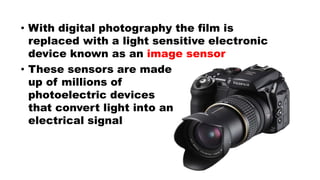
• With digital photography the film is
replaced with a light sensitive electronic
device known as an image sensor
• These sensors are made
up of millions of
photoelectric devices
that convert light into an
electrical signal
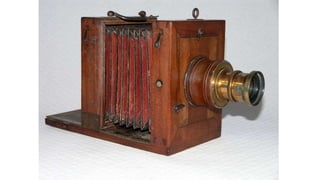
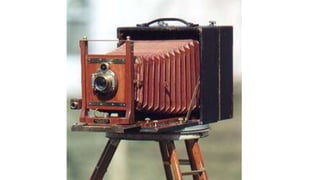
 Prior to the development of digital
photography, cameras were essentially
sealed boxes that would allow a split-
second entry of light to strike a section
of light sensitive film inside it
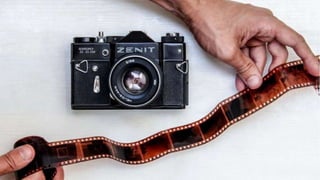
 The result was that whatever was in front
of the camera at the precise instant that
the light entered it would be imprinted on
that exposed section of film as a
photographic image
 The photographer (or a commercial
developing service) would then have to
process the exposed film in a special
enclosed space known as a “dark room”—
and only then would the recorded images
be seen
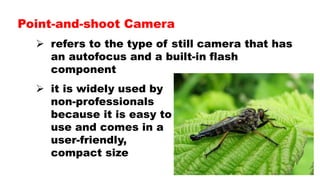
 refers to the type of still camera that has
an autofocus and a built-in flash
component
Point-and-shoot Camera
 it is widely used by
non-professionals
because it is easy to
use and comes in a
user-friendly,
compact size
 automatically makes all the adjustments
in lighting, focus, zoom-in and zoom-out,
even removal of “red eye” with the user
being given some leeway for slight
adjustments
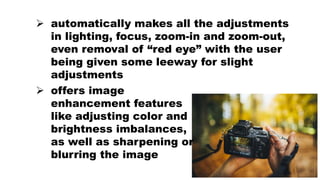
 offers image
enhancement features
like adjusting color and
brightness imbalances,
as well as sharpening or
blurring the image
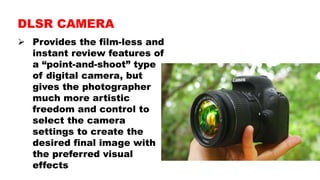
 Provides the film-less and
instant review features of
a “point-and-shoot” type
of digital camera, but
gives the photographer
much more artistic
freedom and control to
select the camera
settings to create the
desired final image with
the preferred visual
effects
DLSR CAMERA
Basic Tips for Taking Good Photographs
1. Choose a good location
2. Check that the available background is
relatively simple and not too cluttered, so that
the focus will be on your chosen subject
3. Natural light in the outdoors or near a window
is usually the most flattering or effective for
any kind of subject. Ideally, the best light for
photos is within the first hour after sunrise
and the last hour before sunset.
4. Avoid taking shots facing the light
5. If you intend to take a posed shot, position
your subject where you want in relation to the
location, background, and source of light
6. If you intend to take a candid shot, position
yourself where you can capture the most
interesting, amusing, touching, or engaging
moment or expression.
7. Take a variety of shots.

Digital photography

  • 1.
  • 6.
    • a formof photography that uses cameras containing arrays of electronic photodetectors to capture images focused by a lens, as opposed to an exposure on photographic film
  • 7.
    • With digitalphotography the film is replaced with a light sensitive electronic device known as an image sensor • These sensors are made up of millions of photoelectric devices that convert light into an electrical signal
  • 8.
     Prior tothe development of digital photography, cameras were essentially sealed boxes that would allow a split- second entry of light to strike a section of light sensitive film inside it  The result was that whatever was in front of the camera at the precise instant that the light entered it would be imprinted on that exposed section of film as a photographic image
  • 9.
     The photographer(or a commercial developing service) would then have to process the exposed film in a special enclosed space known as a “dark room”— and only then would the recorded images be seen
  • 10.
     refers tothe type of still camera that has an autofocus and a built-in flash component Point-and-shoot Camera  it is widely used by non-professionals because it is easy to use and comes in a user-friendly, compact size
  • 11.
     automatically makesall the adjustments in lighting, focus, zoom-in and zoom-out, even removal of “red eye” with the user being given some leeway for slight adjustments  offers image enhancement features like adjusting color and brightness imbalances, as well as sharpening or blurring the image
  • 12.
     Provides thefilm-less and instant review features of a “point-and-shoot” type of digital camera, but gives the photographer much more artistic freedom and control to select the camera settings to create the desired final image with the preferred visual effects DLSR CAMERA
  • 13.
    Basic Tips forTaking Good Photographs 1. Choose a good location 2. Check that the available background is relatively simple and not too cluttered, so that the focus will be on your chosen subject 3. Natural light in the outdoors or near a window is usually the most flattering or effective for any kind of subject. Ideally, the best light for photos is within the first hour after sunrise and the last hour before sunset.
  • 14.
    4. Avoid takingshots facing the light 5. If you intend to take a posed shot, position your subject where you want in relation to the location, background, and source of light 6. If you intend to take a candid shot, position yourself where you can capture the most interesting, amusing, touching, or engaging moment or expression. 7. Take a variety of shots.