Digestion Transport and Excretion
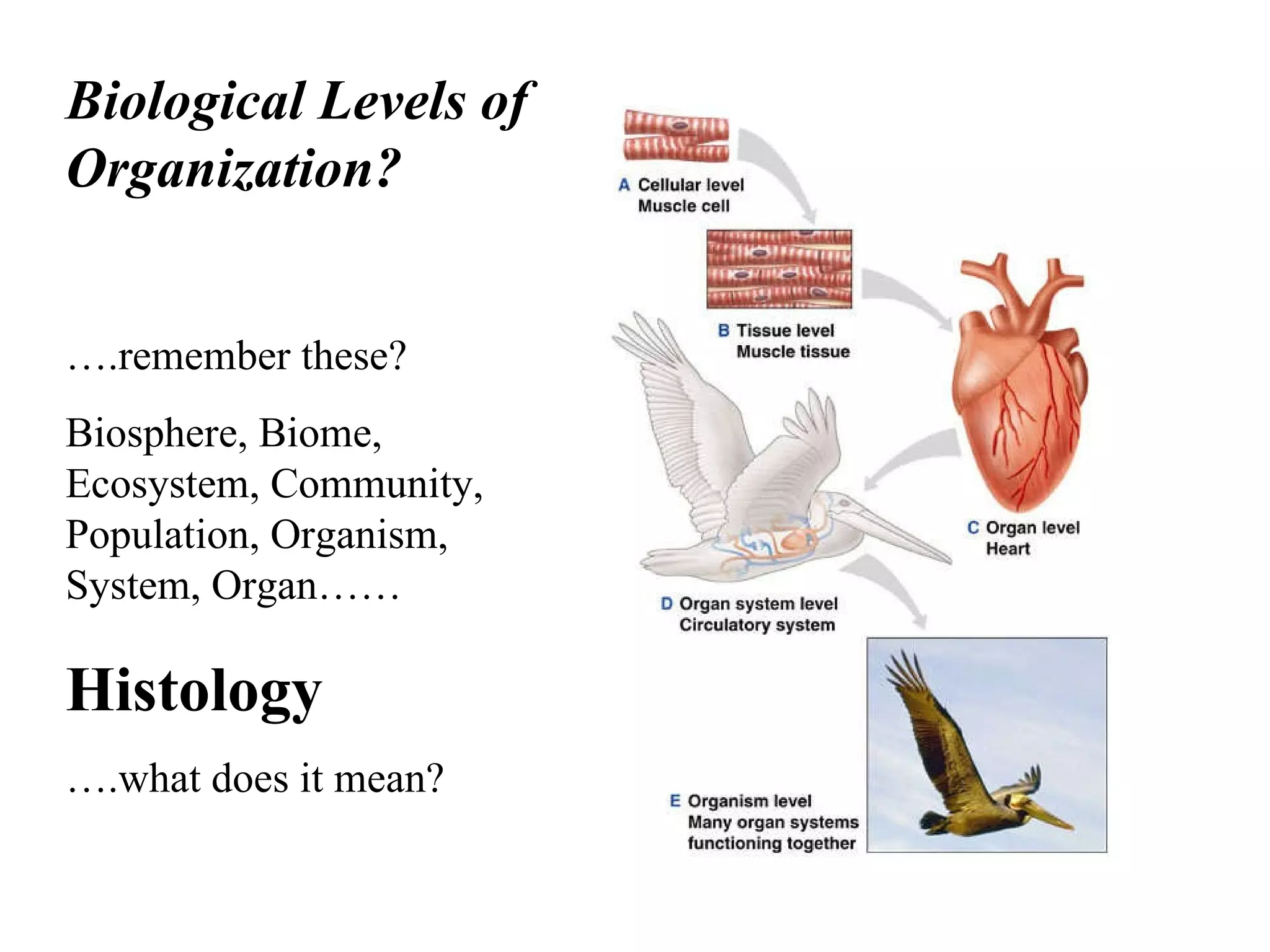
Biological Levels of Organization? … .remember these? Biosphere, Biome, Ecosystem, Community, Population, Organism, System, Organ…… Histology … .what does it mean?
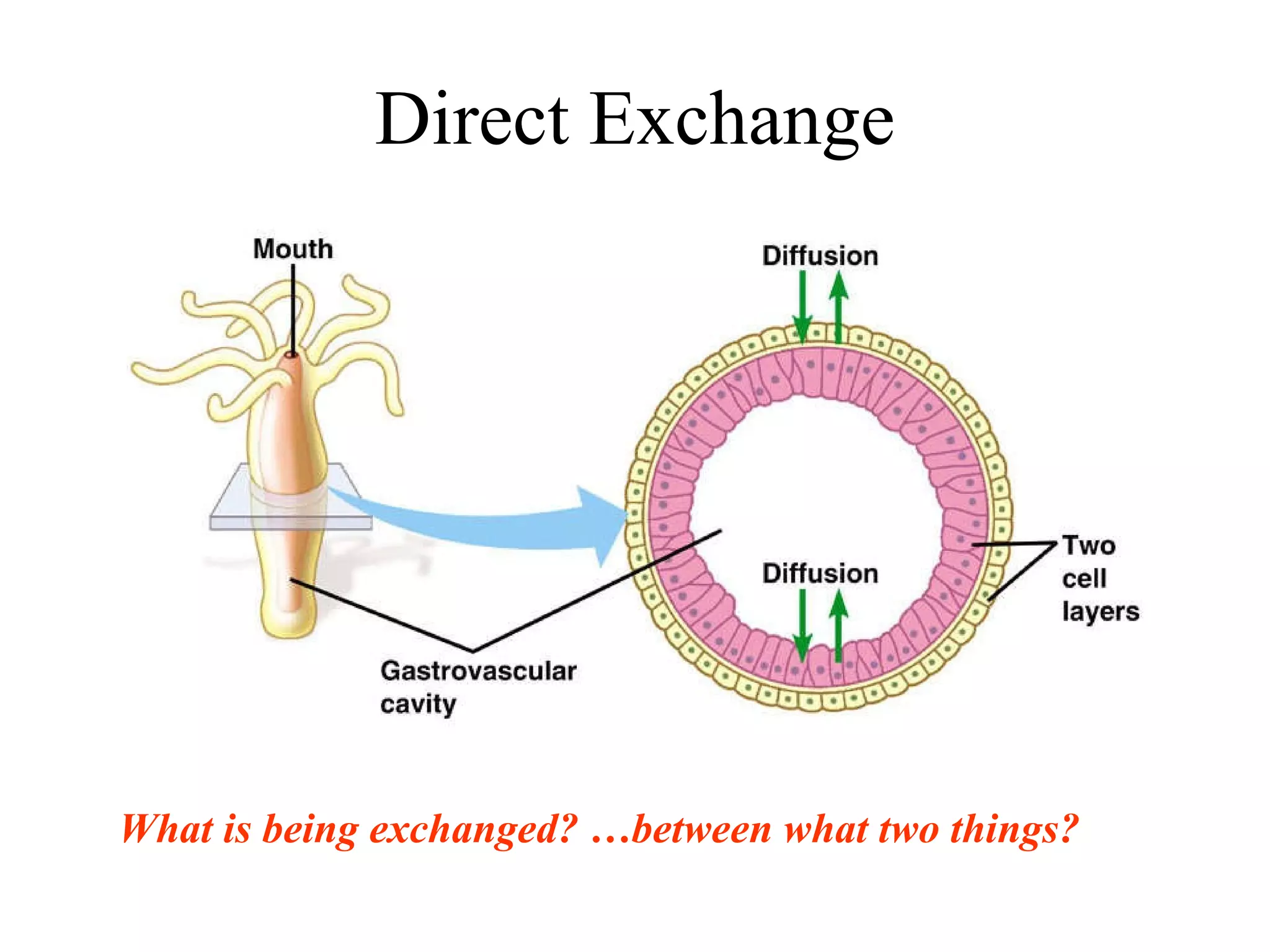
Direct Exchange What is being exchanged? …between what two things?
Indirect Exchange 1. Why is this indirect exchange?   2. How is it different than direct exchange?
How Do Organisms Obtain Food from their Environment? Suspension Feeding, ….(also known as “Filter Feeding”)
Substrate Feeder How is this different than Suspension Feeding?
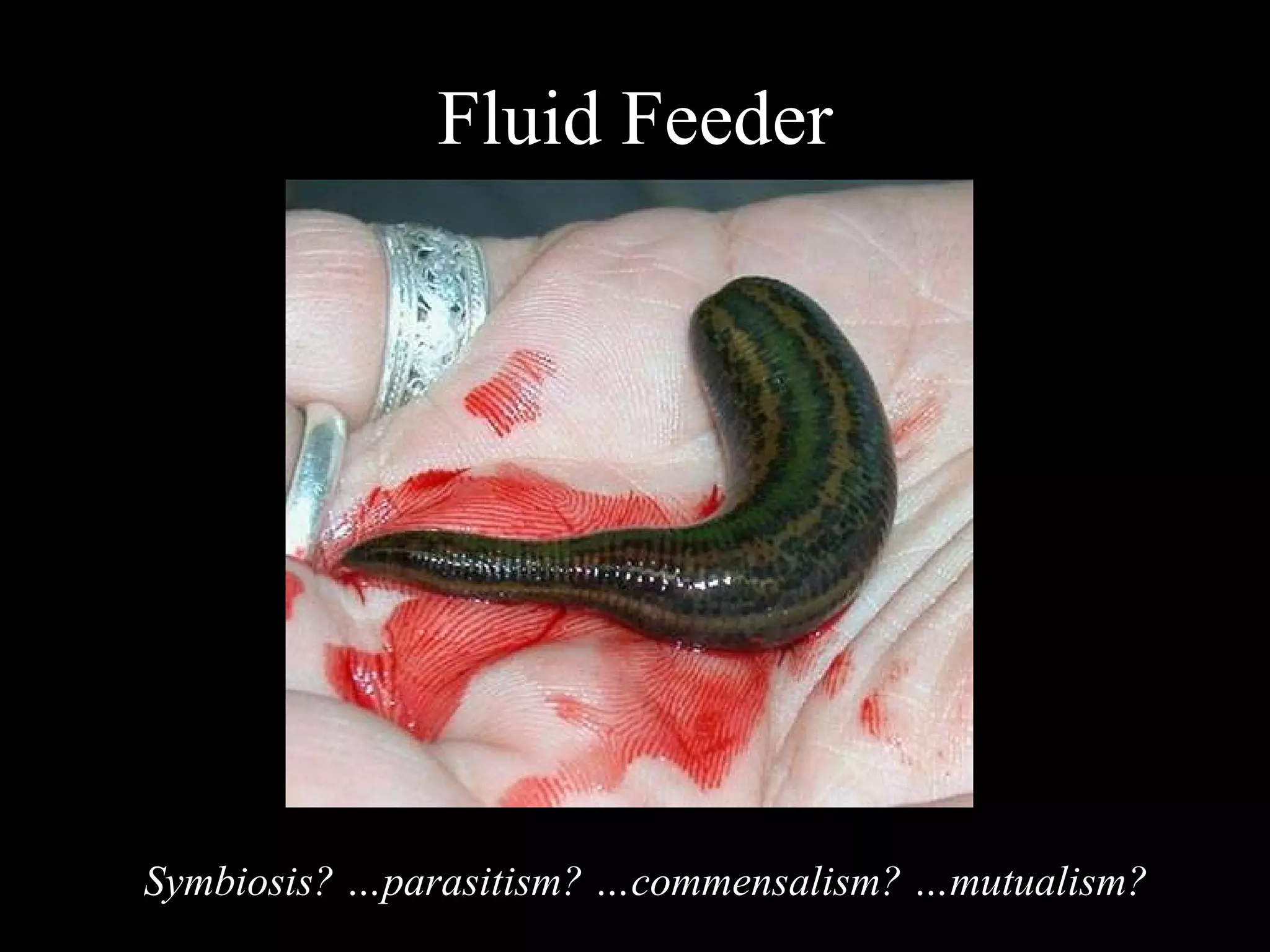
Fluid Feeder Symbiosis? …parasitism? …commensalism? …mutualism?
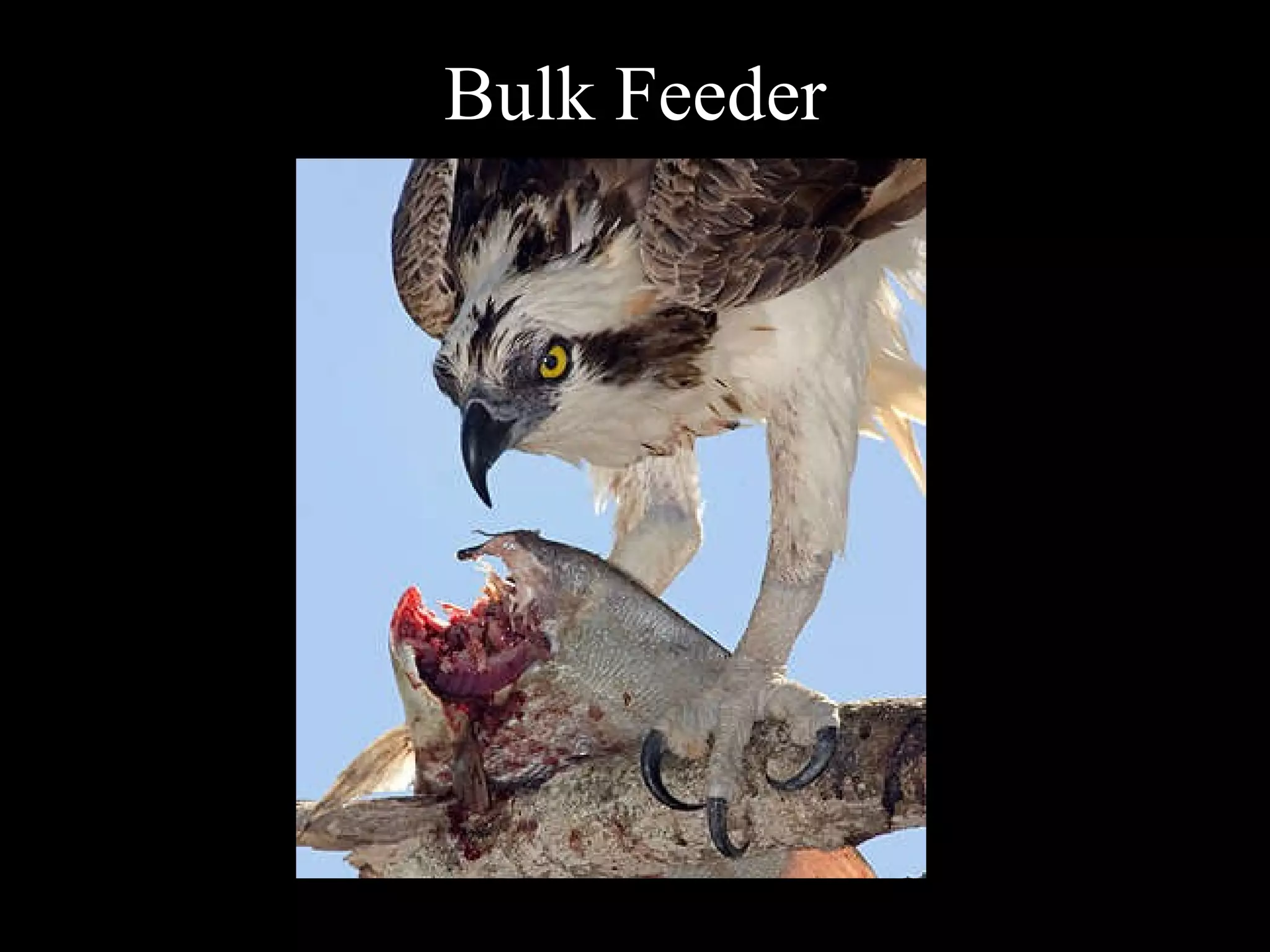
Bulk Feeder
 
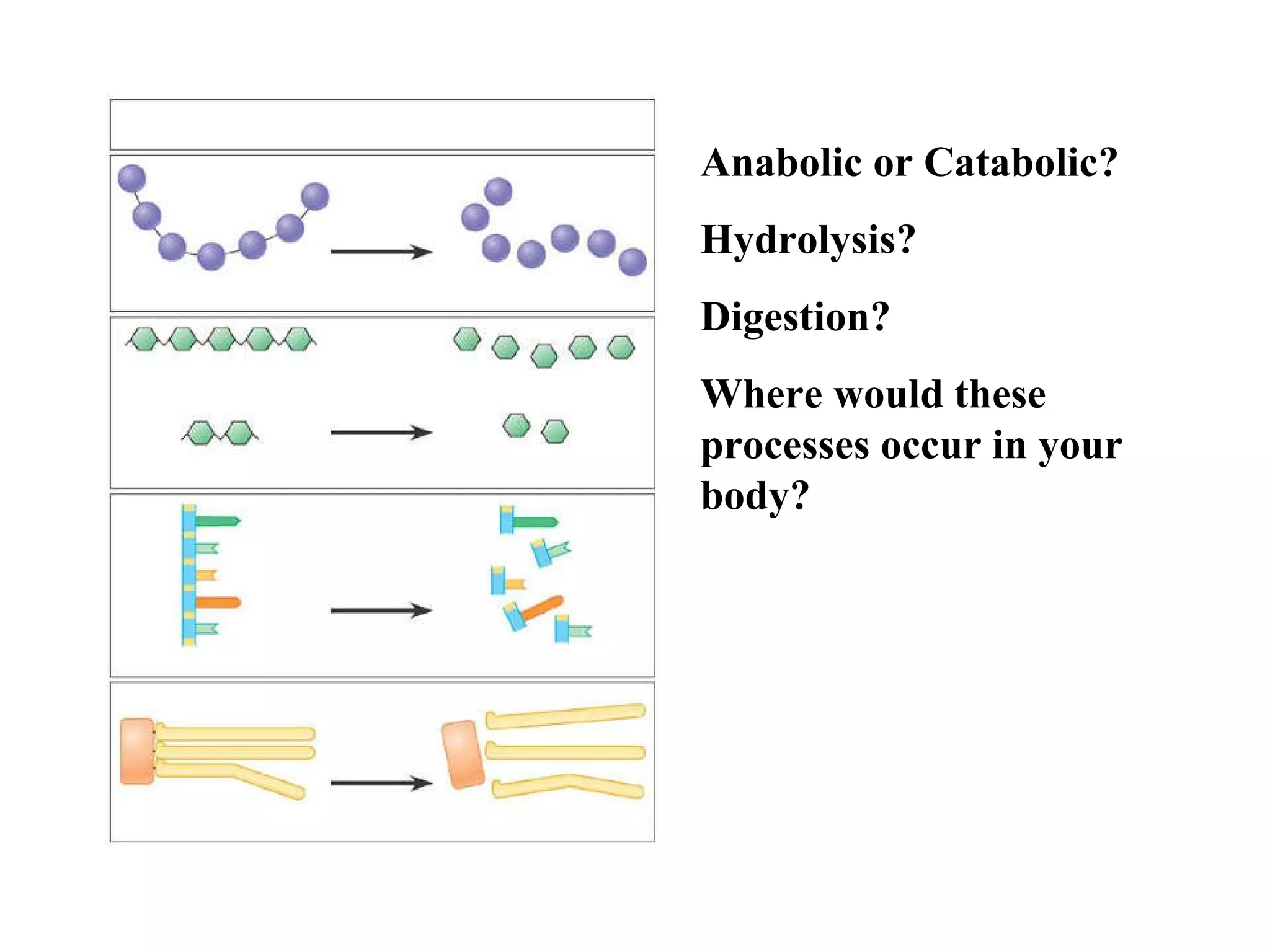
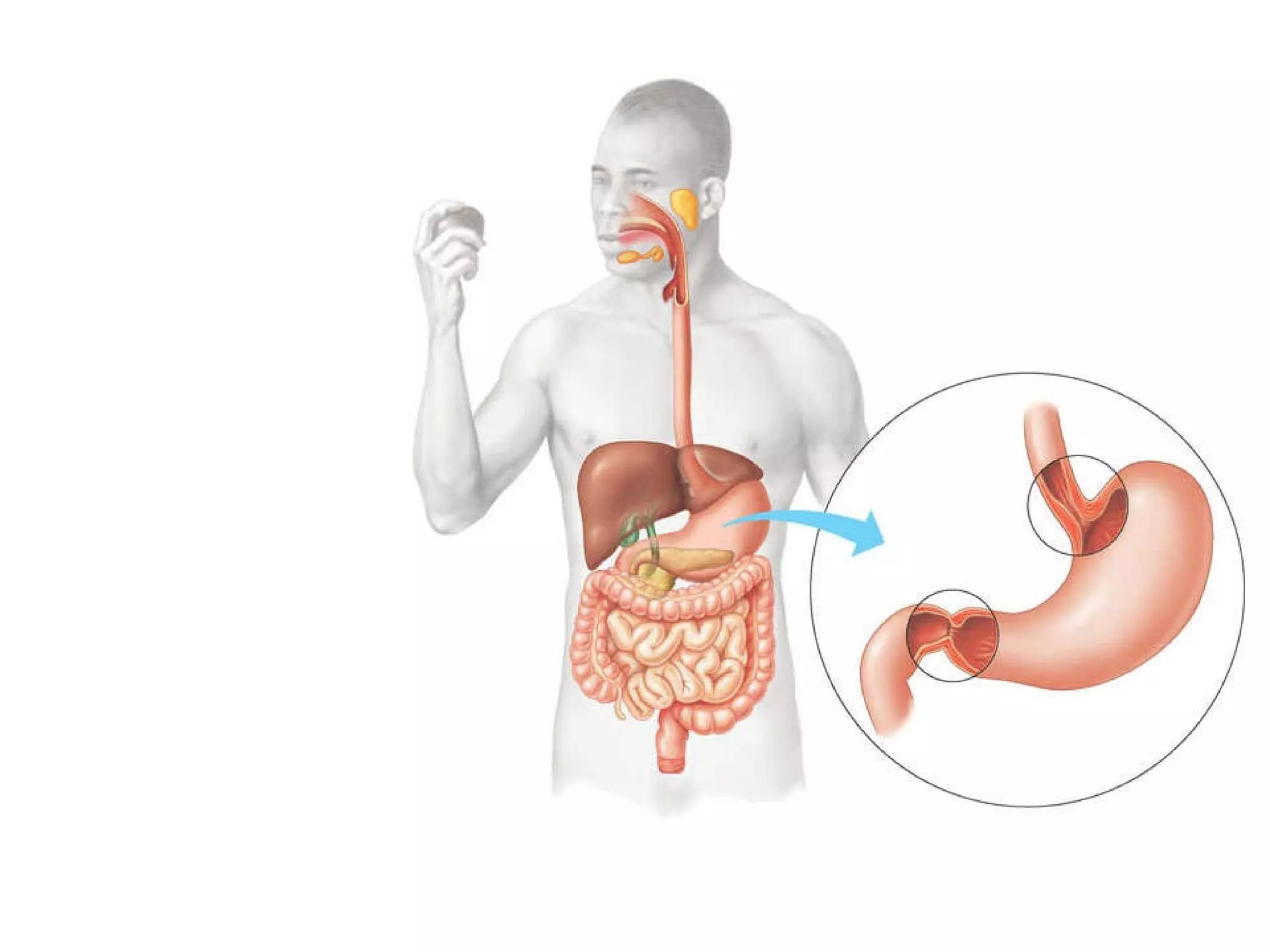
Anabolic or Catabolic? Hydrolysis? Digestion? Where would these processes occur in your body?
 
 
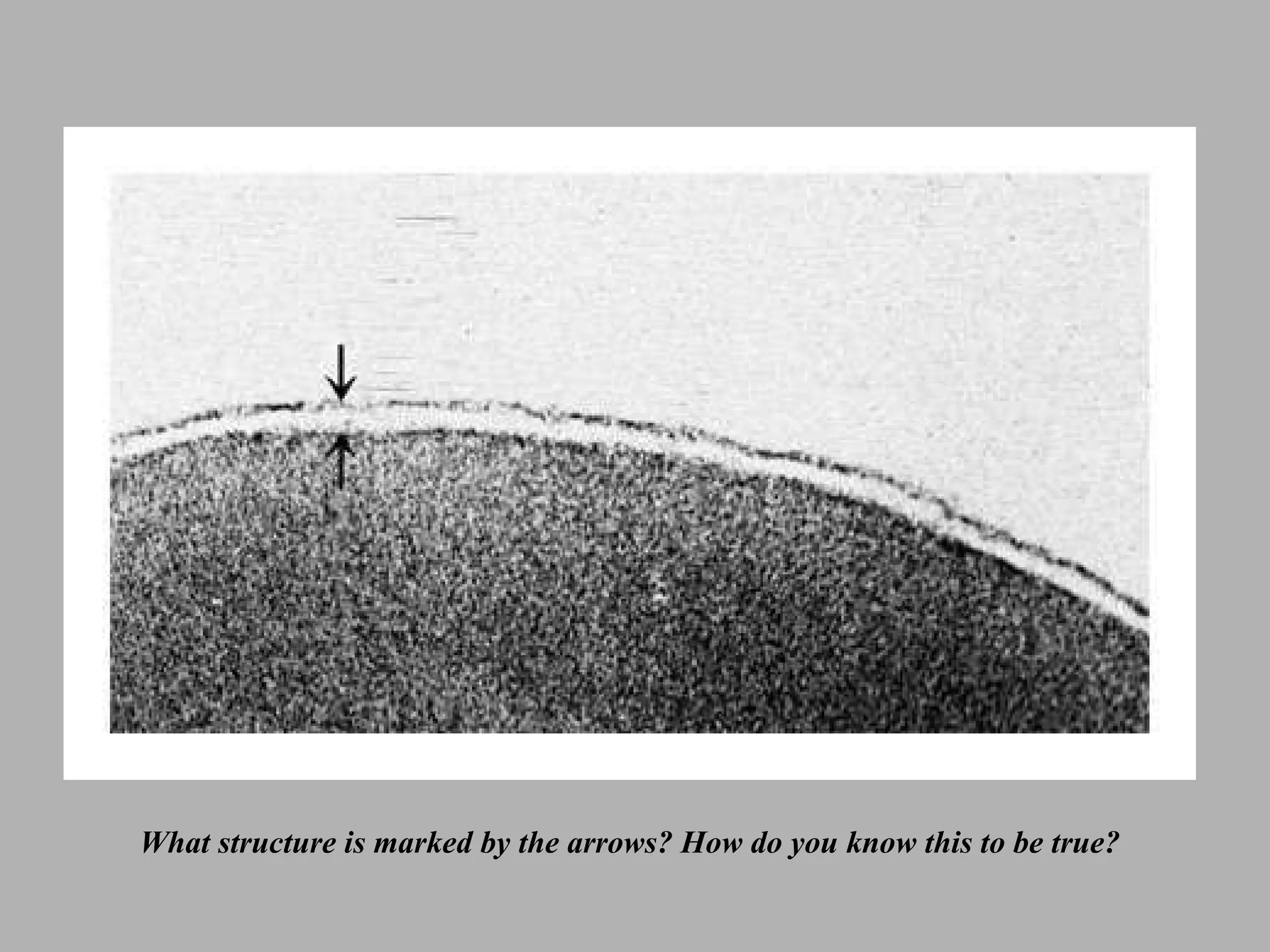
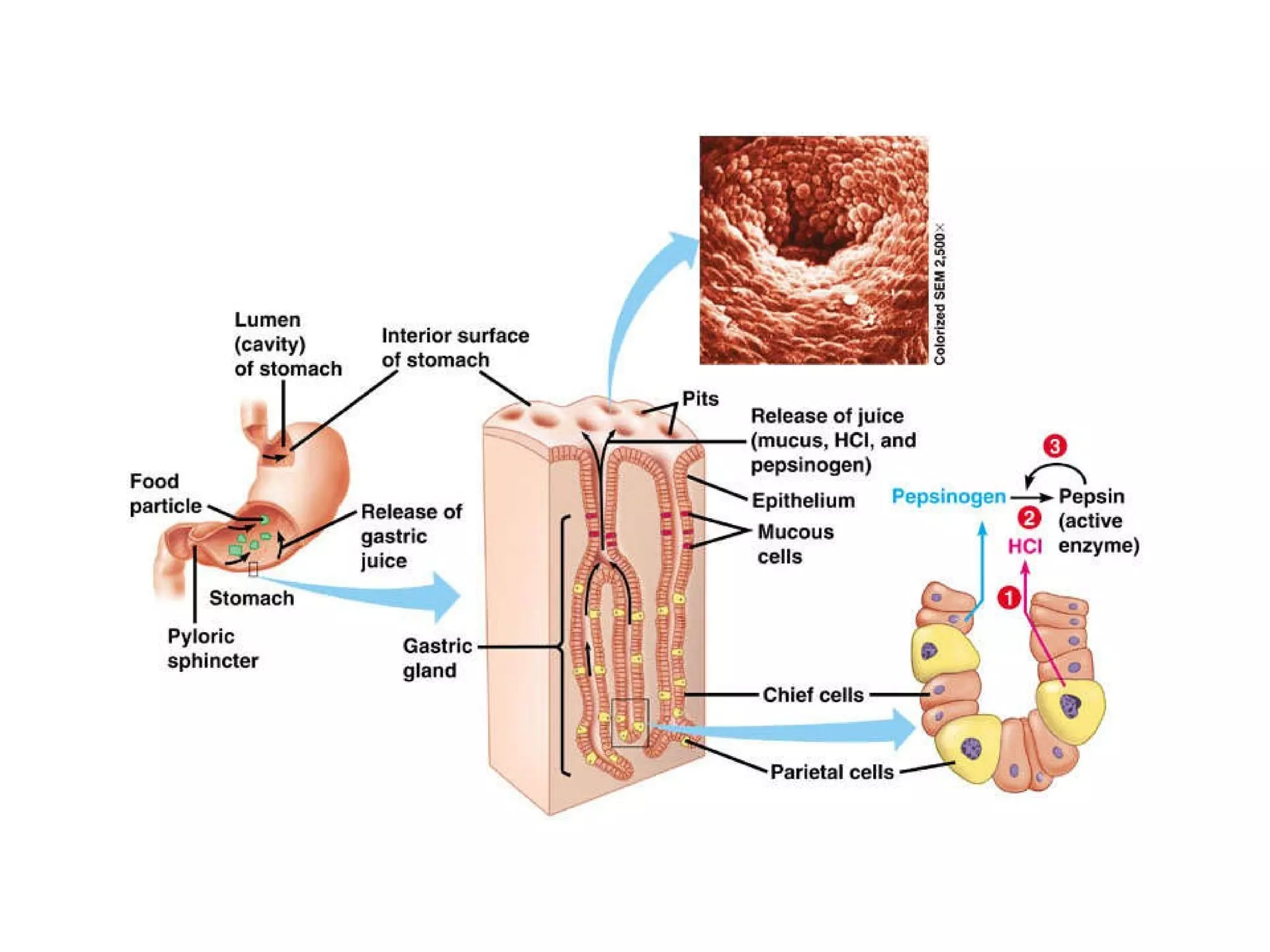
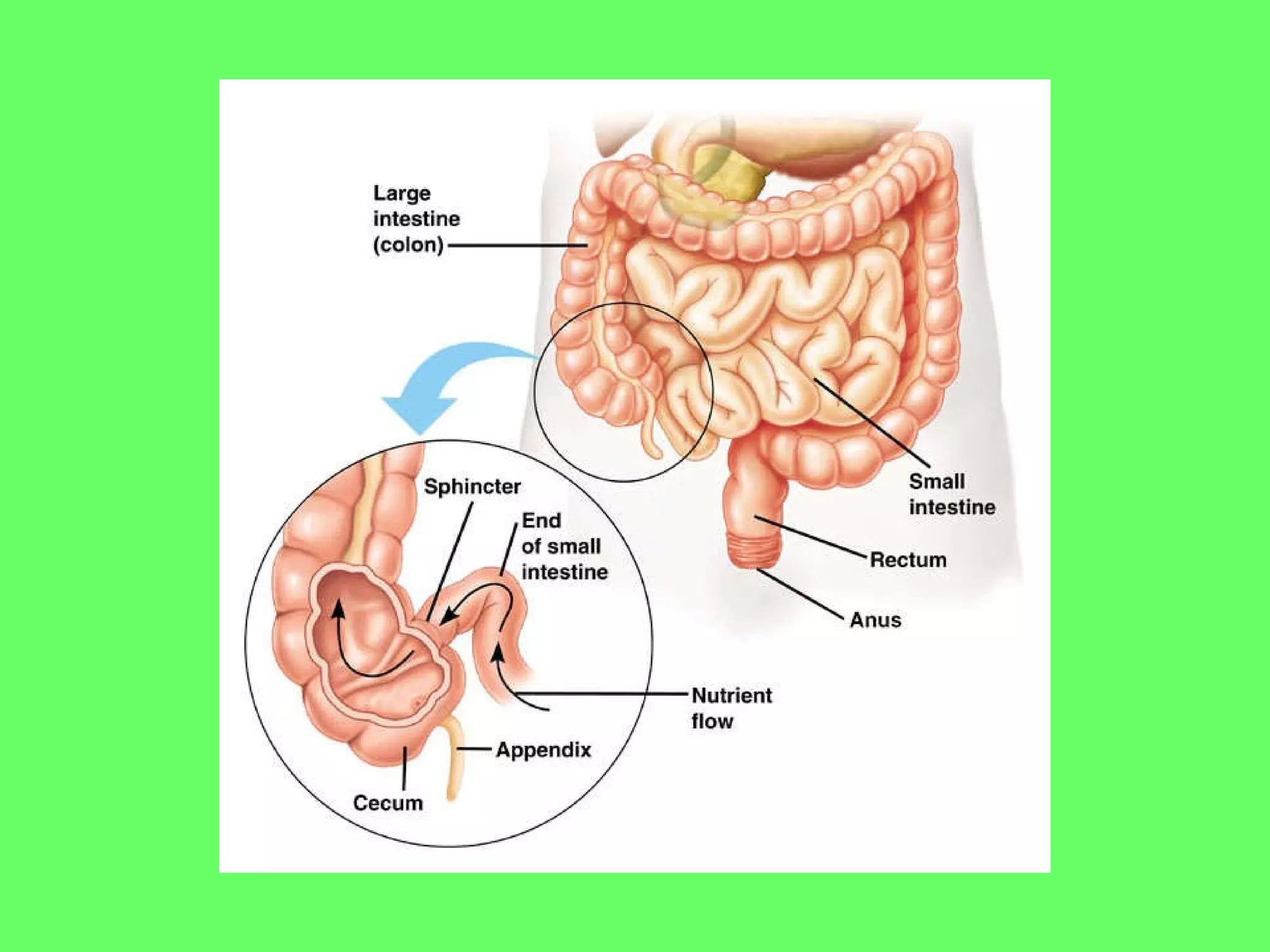
What structure is marked by the arrows? How do you know this to be true?
Concept Check Two molecules that can cross a lipid bilayer without help from membrane proteins are O 2  and CO 2 .  What properties of the O 2  and CO 2  molecules allow them to diffuse across cell membranes? Hint: Are the molecules polar? …non-polar?
The Fluid Mosaic Model… (What ‘s a “Mosaic”?)
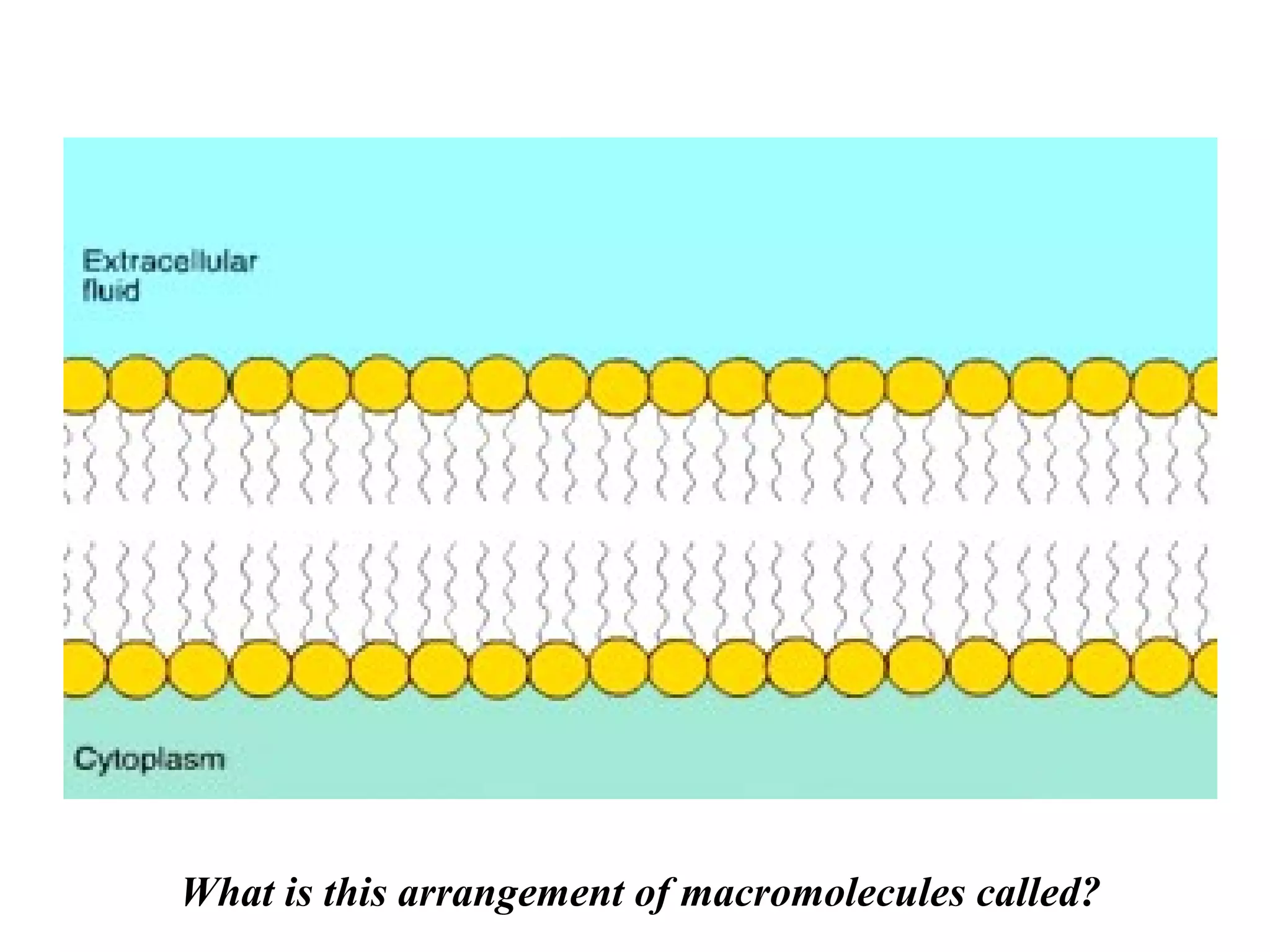
What is this arrangement of macromolecules called?
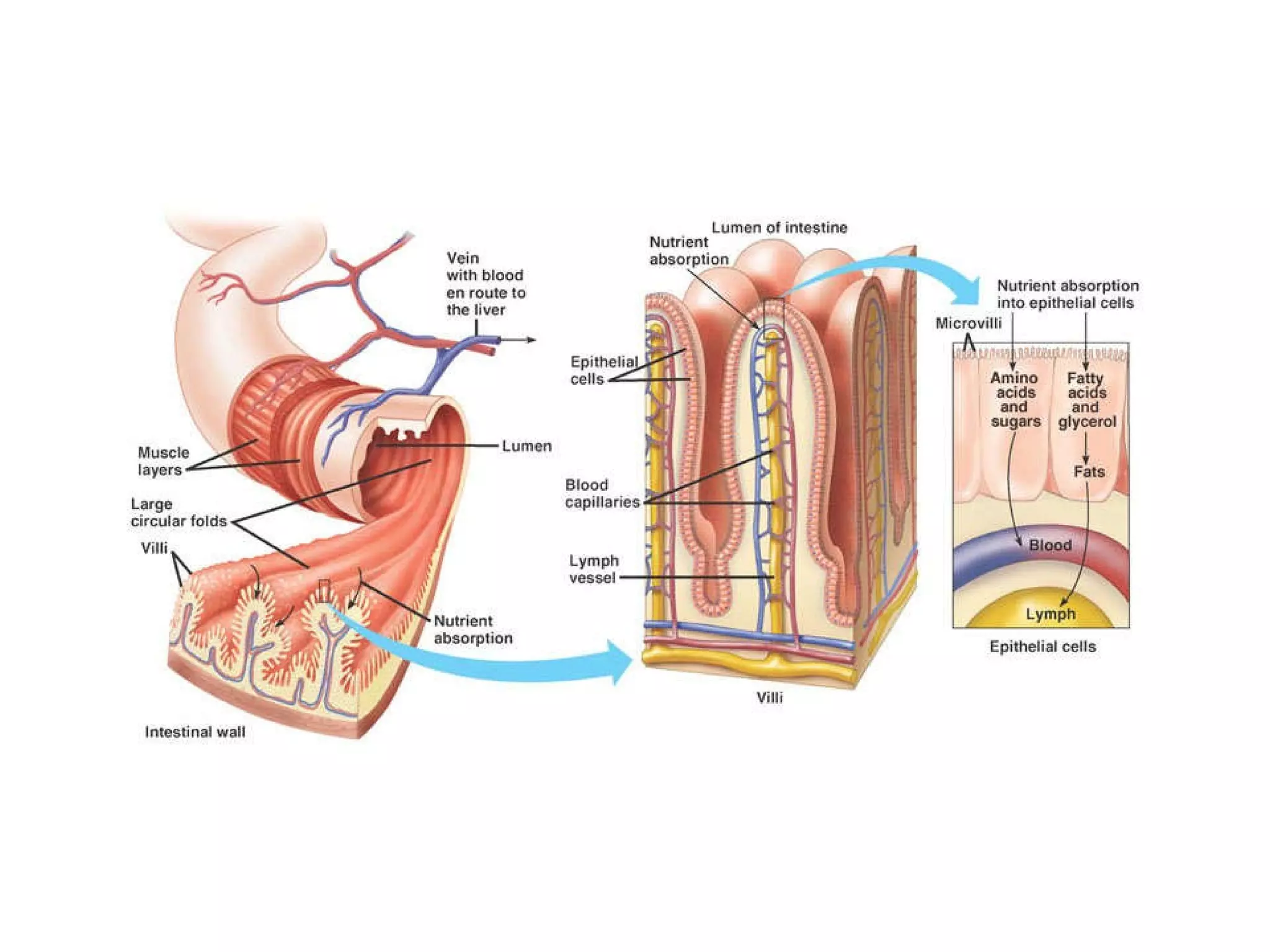
Write captions for a) ….and b)


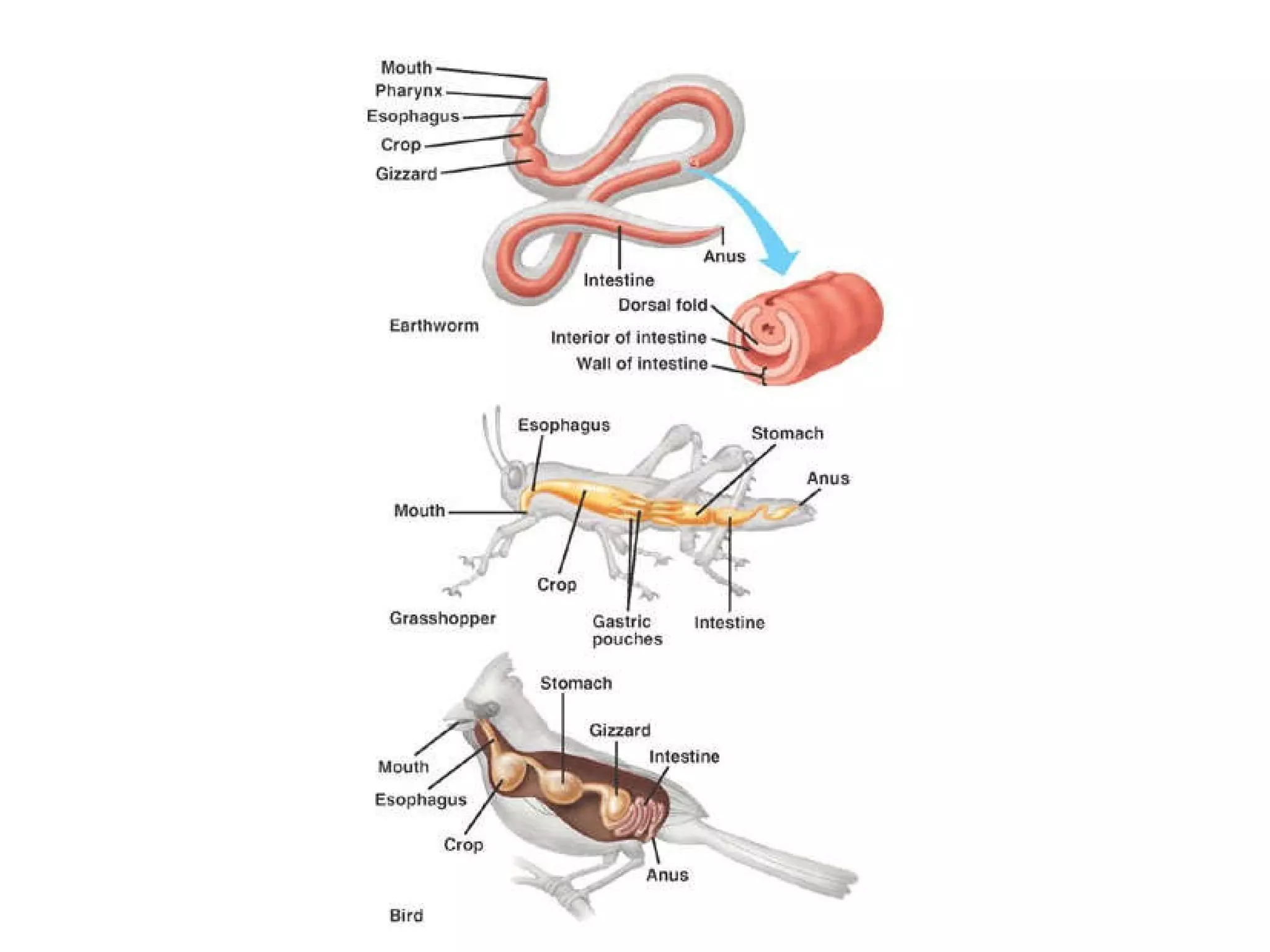
What is “carnivory”? What is herbivory? Explain how each alimentary canal is well adapted to a) carnivory …and b) herbivory
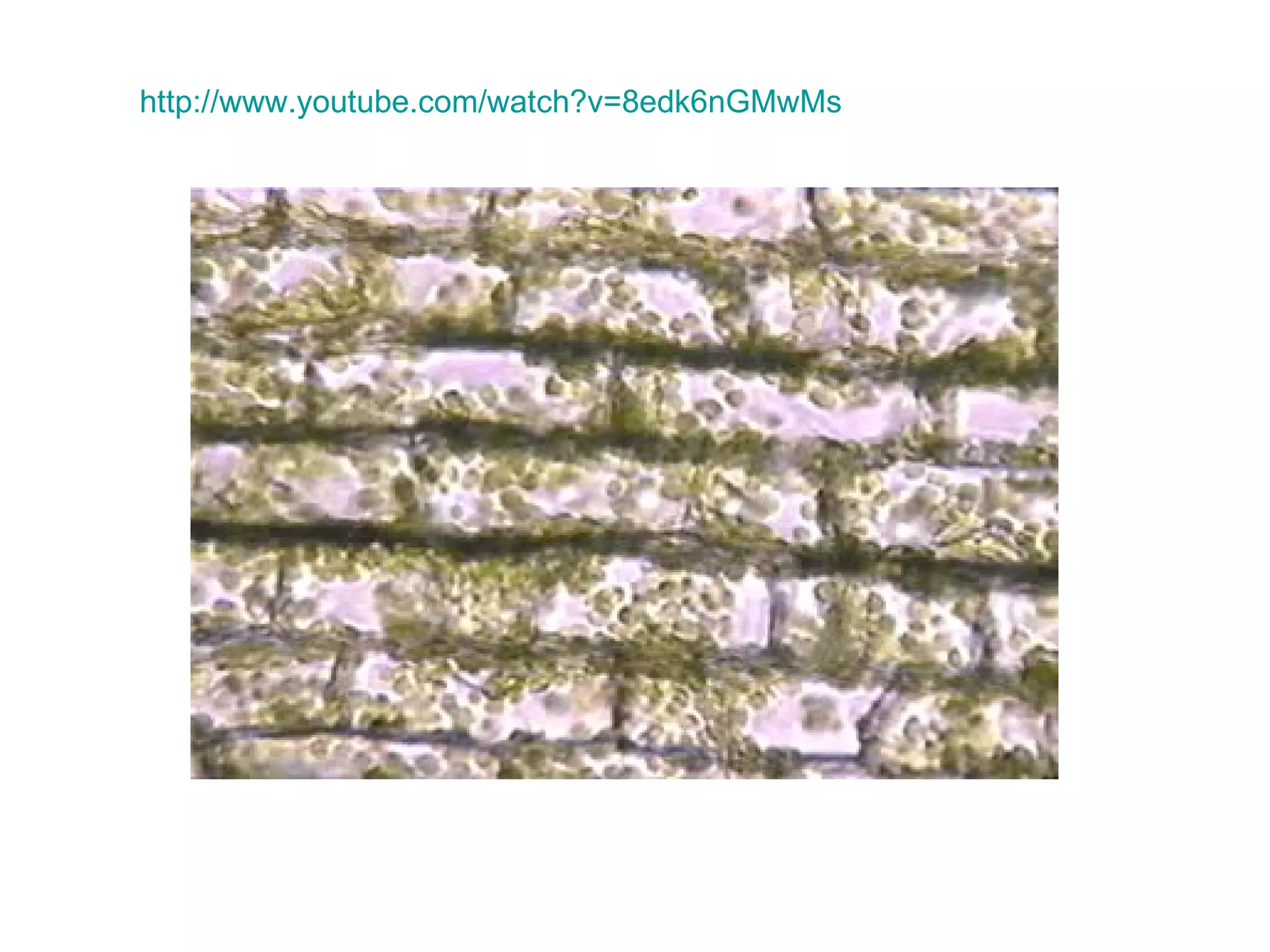
http://www.youtube.com/watch?v=8edk6nGMwMs
Sarcodines… no, it’s not an island in the Mediterranean http://www.youtube.com/watch?v=7pR7TNzJ_pA
Osmosis http://www.youtube.com/watch?v=kkPiRT2ewVA
Concept Check If a Paramecium were to swim from a hypotonic environment to an isotonic one, would the activity of its contractile vacuole increase or decrease?  Why?
Write a caption for diagram…use these terms: Kinetic energy Diffusion Semi-permeable membrane Osmotic balance
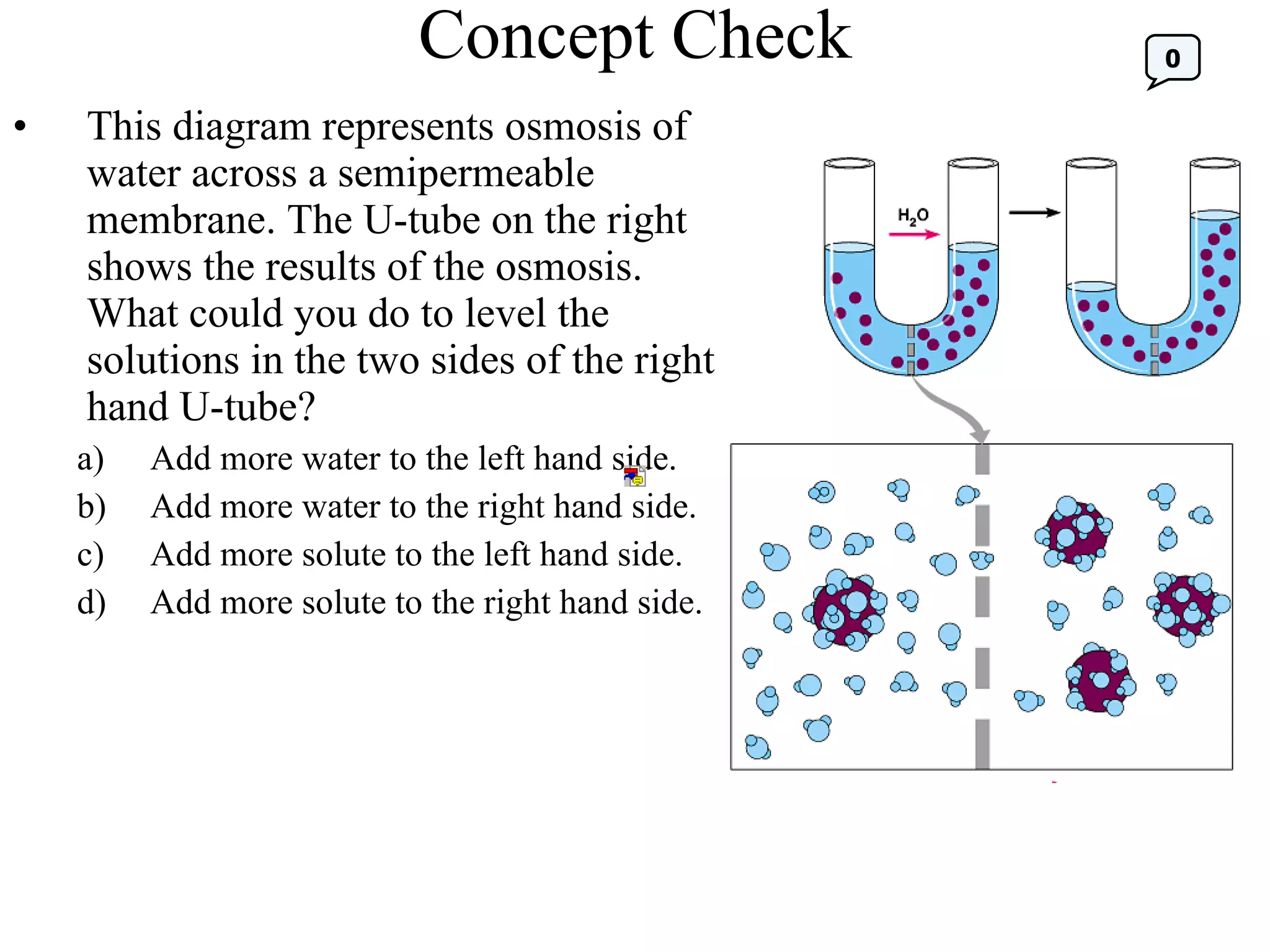
Concept Check This diagram represents osmosis of water across a semipermeable membrane. The U-tube on the right shows the results of the osmosis.  What could you do to level the solutions in the two sides of the right hand U-tube? Add more water to the left hand side. Add more water to the right hand side.  Add more solute to the left hand side.  Add more solute to the right hand side. 0
Answer This diagram represents osmosis of water across a semipermeable membrane. The U-tube on the right shows the results of the osmosis.  What could you do to level the solutions in the two sides of the right hand U-tube? c) Add more solute to the left hand side.  0
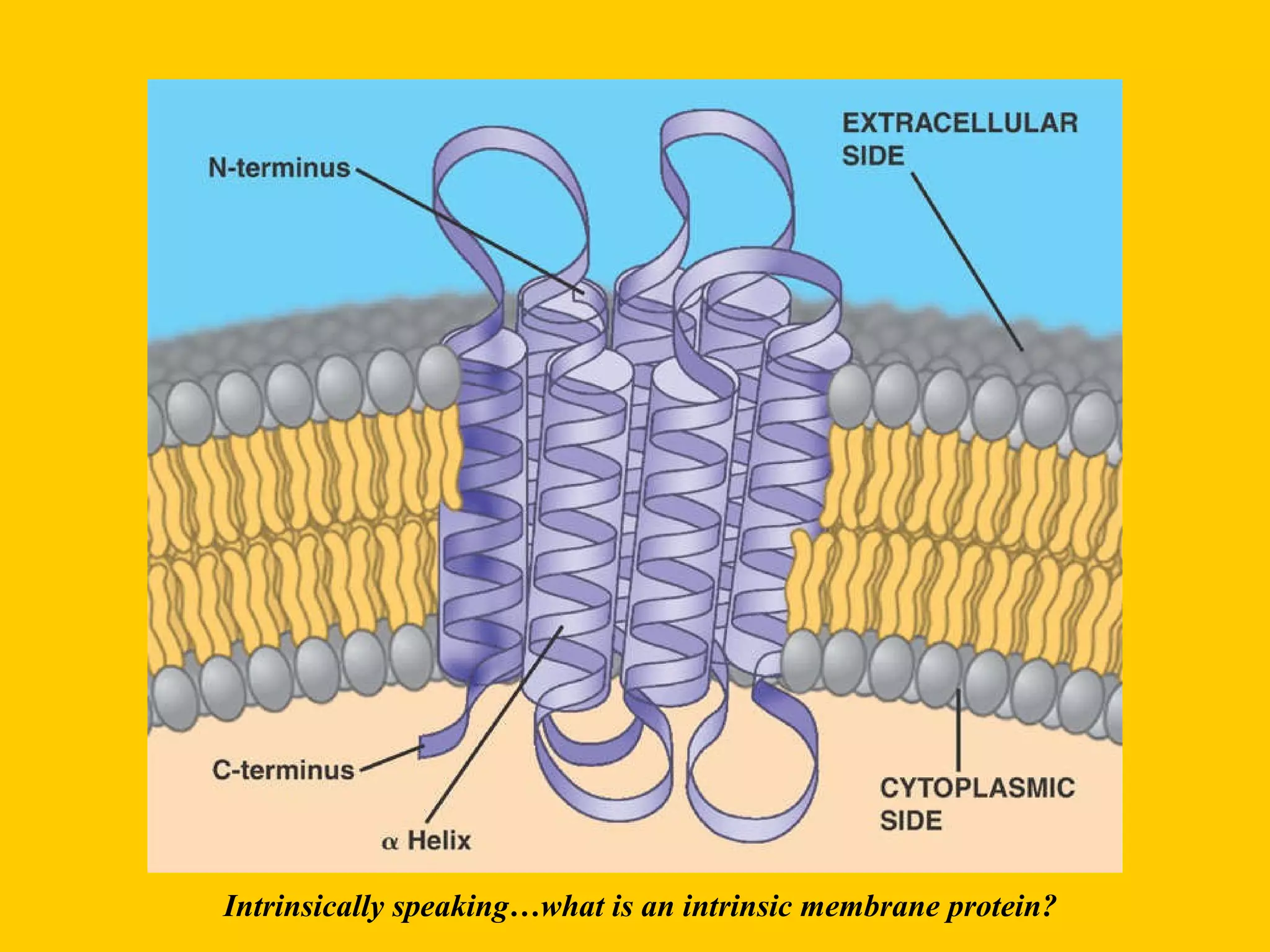
Intrinsically speaking…what is an intrinsic membrane protein?
Concept Check Why would water molecules need a transport protein (aquaporin) to move rapidily and in large quantities across a cell membrane?
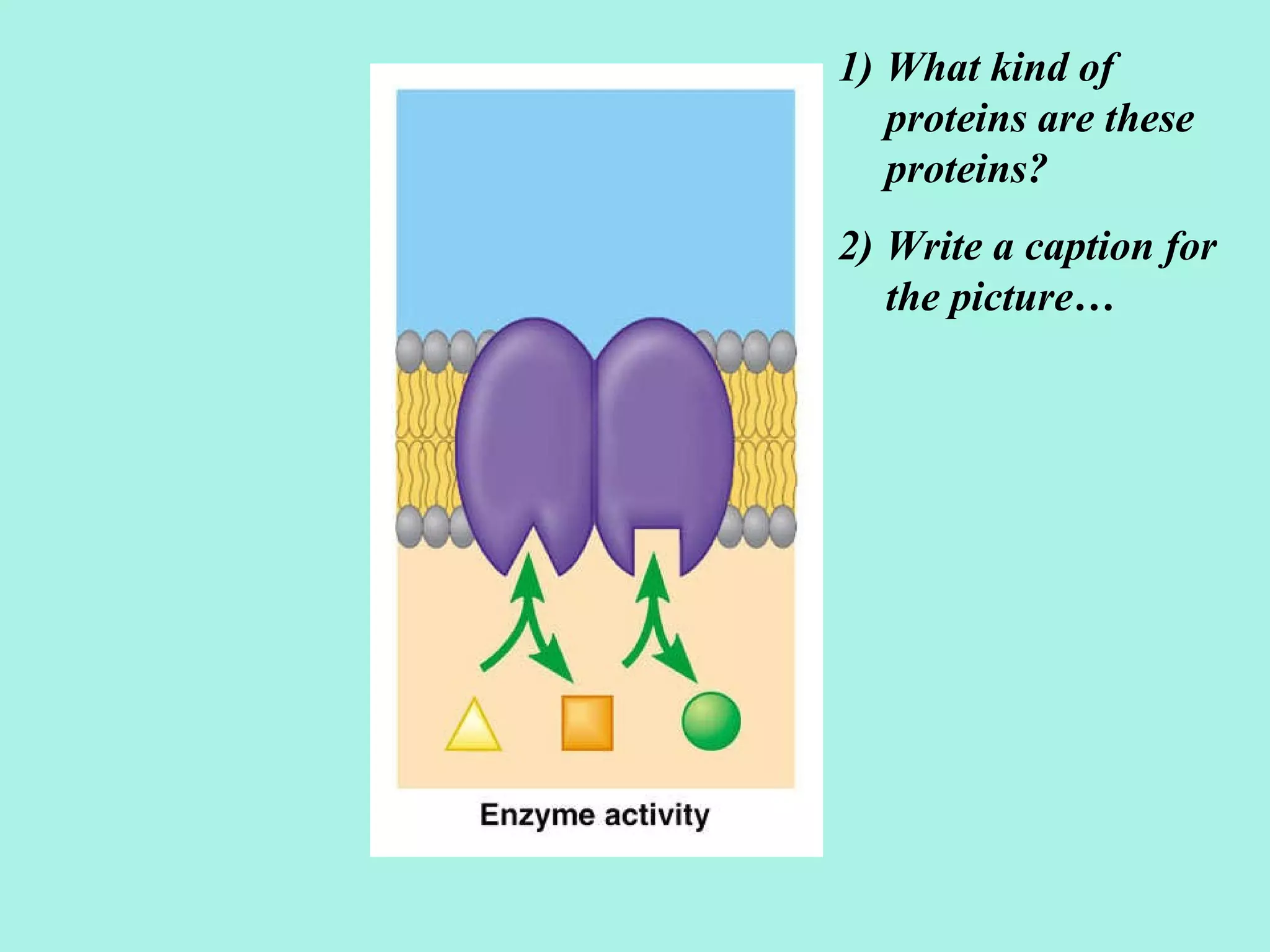
What kind of proteins are these proteins? Write a caption for the picture…
Hmmm…this reminds me of something we have already discussed… … something about the action of a certain hormone/enzyme?
How Insulin Works   Insulin binding to the insulin receptor induces a signal transduction cascade which allows the glucose transporter (GLUT4) to transport glucose into the cell.
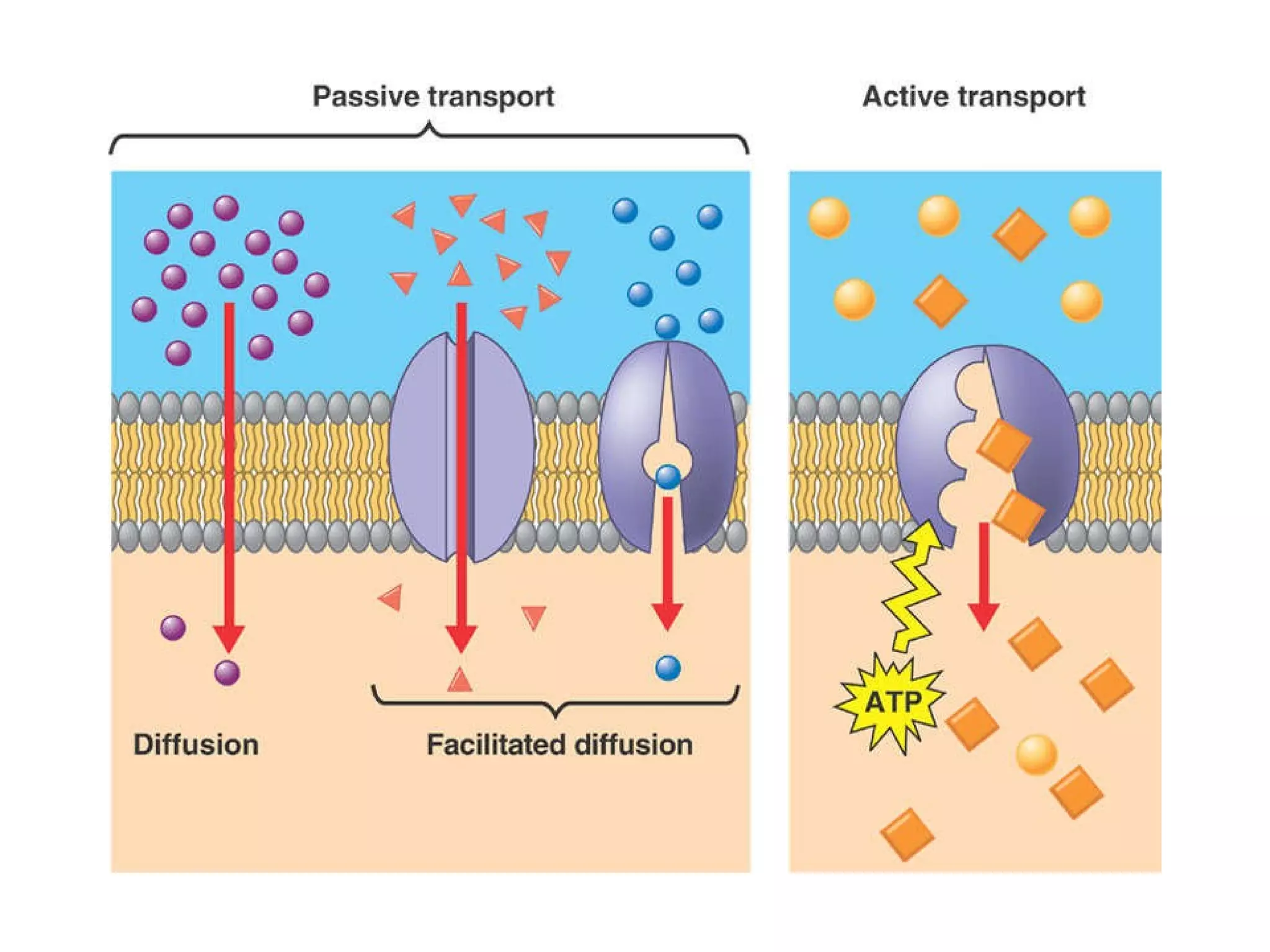
Explain how this diagram shows selective permeability of proteins.
 
 
Thermoregulation
Endothermy
Perch-Freshwater Fish Osmoregulation
Cod: Saltwater Fish
Gill arch Direction of water flow Operculum (gill cover) Gill arch Blood vessels Oxygen-rich blood Oxygen-poor blood Lamella Gill filaments Water flow between lamellae Blood flow through capillaries in lamella Countercurrent exchange Blood flow in simplified capillary, showing % O 2 Diffusion of O 2  from water to blood Water flow, showing % O 2 100 70 40 15 5 30 60 80
Gill arch Direction of water flow Operculum (gill cover) Gill arch Blood vessels Oxygen-rich blood Oxygen-poor blood Lamella Gill filaments Water flow between lamellae Blood flow through capillaries in lamella Countercurrent exchange Blood flow in simplified capillary, showing % O 2 Diffusion of O 2  from water to blood Water flow, showing % O 2 100 70 40 15 5 30 60 80 Gill arch Direction of water flow Operculum (gill cover) Gill arch Blood vessels Gill filaments
Gill arch Blood vessels Oxygen-rich blood Oxygen-poor blood Lamella Gill filaments Water flow between lamellae Blood flow through capillaries in lamella Countercurrent exchange Blood flow in simplified capillary, showing % O 2 Diffusion of O 2  from water to blood Water flow, showing % O 2 100 70 40 15 5 30 60 80
 
 
n/a > 99% 50% (approx.) % NaCl < 0.1% 3.5% 1.0% Total Solute Concentration Fresh Water Ocean Water Salmon Body Fluids
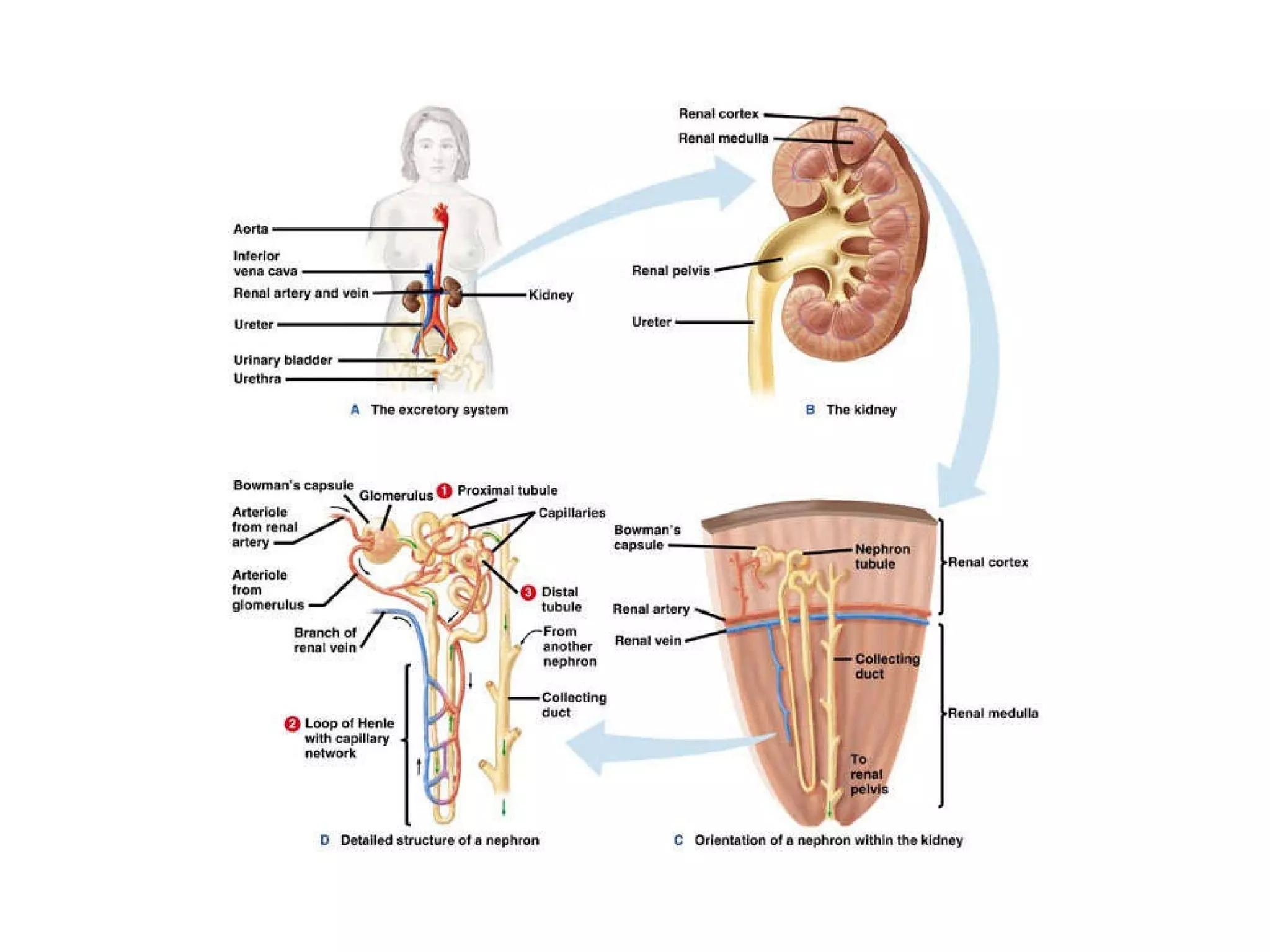
Excretion
 
 
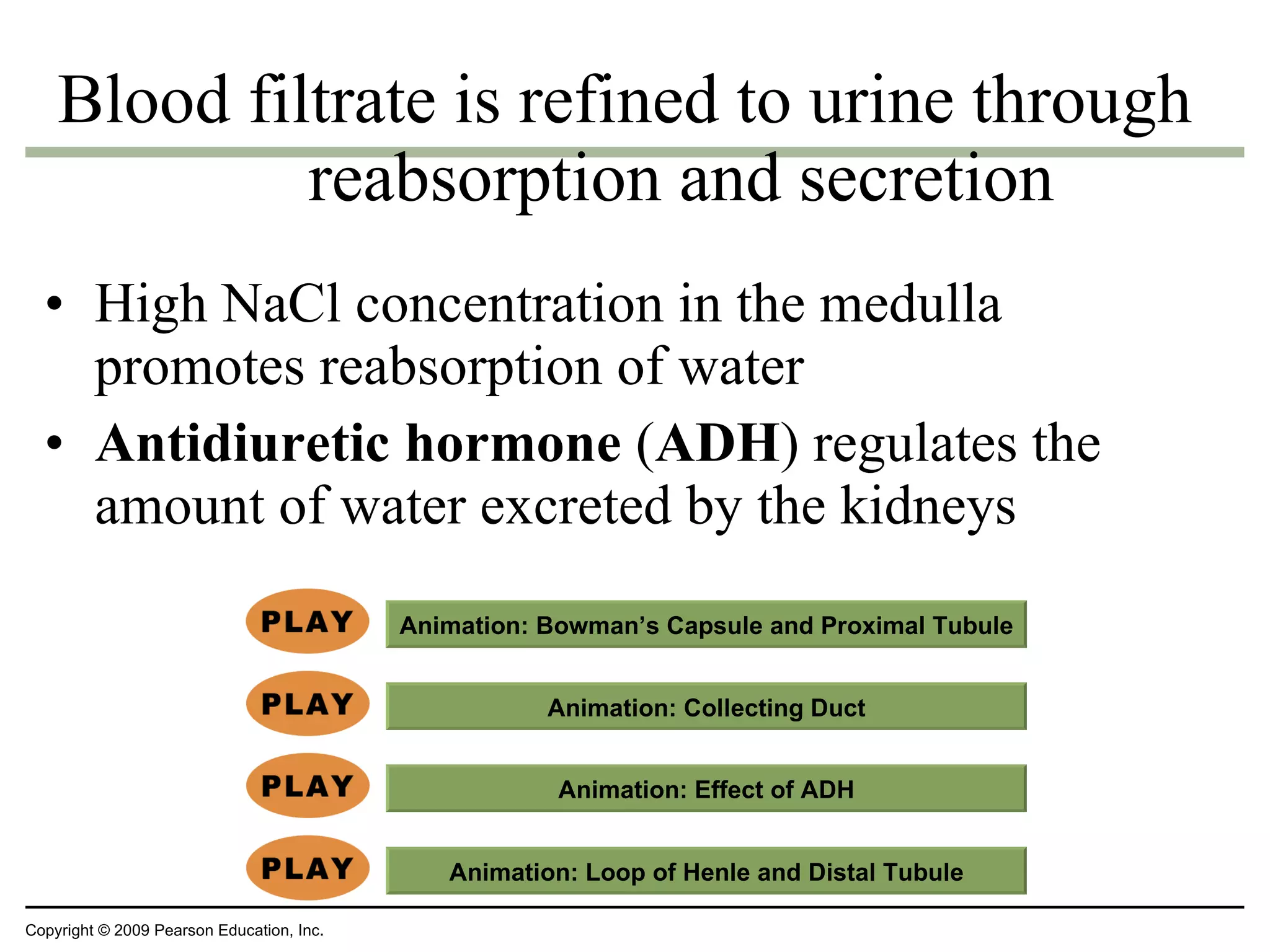
High NaCl concentration in the medulla promotes reabsorption of water Antidiuretic hormone  ( ADH ) regulates the amount of water excreted by the kidneys Blood filtrate is refined to urine through reabsorption and secretion Copyright © 2009 Pearson Education, Inc. Animation:  Bowman’s Capsule and Proximal Tubule Animation:  Collecting Duct Animation:  Effect of ADH Animation:  Loop of Henle and Distal Tubule


Digestion transport and excretion

  • 1.
  • 2.
    Biological Levels ofOrganization? … .remember these? Biosphere, Biome, Ecosystem, Community, Population, Organism, System, Organ…… Histology … .what does it mean?
  • 3.
    Direct Exchange Whatis being exchanged? …between what two things?
  • 4.
    Indirect Exchange 1.Why is this indirect exchange? 2. How is it different than direct exchange?
  • 5.
    How Do OrganismsObtain Food from their Environment? Suspension Feeding, ….(also known as “Filter Feeding”)
  • 6.
    Substrate Feeder Howis this different than Suspension Feeding?
  • 7.
    Fluid Feeder Symbiosis?…parasitism? …commensalism? …mutualism?
  • 8.
  • 9.
  • 10.
    Anabolic or Catabolic?Hydrolysis? Digestion? Where would these processes occur in your body?
  • 11.
  • 12.
  • 13.
    What structure ismarked by the arrows? How do you know this to be true?
  • 14.
    Concept Check Twomolecules that can cross a lipid bilayer without help from membrane proteins are O 2 and CO 2 . What properties of the O 2 and CO 2 molecules allow them to diffuse across cell membranes? Hint: Are the molecules polar? …non-polar?
  • 15.
    The Fluid MosaicModel… (What ‘s a “Mosaic”?)
  • 16.
    What is thisarrangement of macromolecules called?
  • 17.
    Write captions fora) ….and b)
  • 18.
  • 19.
  • 20.
  • 21.
  • 22.
  • 23.
  • 24.
  • 25.
  • 26.
  • 27.
  • 28.
  • 29.
    What is “carnivory”?What is herbivory? Explain how each alimentary canal is well adapted to a) carnivory …and b) herbivory
  • 30.
  • 31.
    Sarcodines… no, it’snot an island in the Mediterranean http://www.youtube.com/watch?v=7pR7TNzJ_pA
  • 32.
  • 33.
    Concept Check Ifa Paramecium were to swim from a hypotonic environment to an isotonic one, would the activity of its contractile vacuole increase or decrease? Why?
  • 34.
    Write a captionfor diagram…use these terms: Kinetic energy Diffusion Semi-permeable membrane Osmotic balance
  • 35.
    Concept Check Thisdiagram represents osmosis of water across a semipermeable membrane. The U-tube on the right shows the results of the osmosis. What could you do to level the solutions in the two sides of the right hand U-tube? Add more water to the left hand side. Add more water to the right hand side. Add more solute to the left hand side. Add more solute to the right hand side. 0
  • 36.
    Answer This diagramrepresents osmosis of water across a semipermeable membrane. The U-tube on the right shows the results of the osmosis. What could you do to level the solutions in the two sides of the right hand U-tube? c) Add more solute to the left hand side. 0
  • 37.
    Intrinsically speaking…what isan intrinsic membrane protein?
  • 38.
    Concept Check Whywould water molecules need a transport protein (aquaporin) to move rapidily and in large quantities across a cell membrane?
  • 39.
    What kind ofproteins are these proteins? Write a caption for the picture…
  • 40.
    Hmmm…this reminds meof something we have already discussed… … something about the action of a certain hormone/enzyme?
  • 41.
    How Insulin Works Insulin binding to the insulin receptor induces a signal transduction cascade which allows the glucose transporter (GLUT4) to transport glucose into the cell.
  • 42.
    Explain how thisdiagram shows selective permeability of proteins.
  • 43.
  • 44.
  • 45.
  • 46.
  • 47.
  • 48.
  • 49.
    Gill arch Directionof water flow Operculum (gill cover) Gill arch Blood vessels Oxygen-rich blood Oxygen-poor blood Lamella Gill filaments Water flow between lamellae Blood flow through capillaries in lamella Countercurrent exchange Blood flow in simplified capillary, showing % O 2 Diffusion of O 2 from water to blood Water flow, showing % O 2 100 70 40 15 5 30 60 80
  • 50.
    Gill arch Directionof water flow Operculum (gill cover) Gill arch Blood vessels Oxygen-rich blood Oxygen-poor blood Lamella Gill filaments Water flow between lamellae Blood flow through capillaries in lamella Countercurrent exchange Blood flow in simplified capillary, showing % O 2 Diffusion of O 2 from water to blood Water flow, showing % O 2 100 70 40 15 5 30 60 80 Gill arch Direction of water flow Operculum (gill cover) Gill arch Blood vessels Gill filaments
  • 51.
    Gill arch Bloodvessels Oxygen-rich blood Oxygen-poor blood Lamella Gill filaments Water flow between lamellae Blood flow through capillaries in lamella Countercurrent exchange Blood flow in simplified capillary, showing % O 2 Diffusion of O 2 from water to blood Water flow, showing % O 2 100 70 40 15 5 30 60 80
  • 52.
  • 53.
  • 54.
    n/a > 99%50% (approx.) % NaCl < 0.1% 3.5% 1.0% Total Solute Concentration Fresh Water Ocean Water Salmon Body Fluids
  • 55.
  • 56.
  • 57.
  • 58.
    High NaCl concentrationin the medulla promotes reabsorption of water Antidiuretic hormone ( ADH ) regulates the amount of water excreted by the kidneys Blood filtrate is refined to urine through reabsorption and secretion Copyright © 2009 Pearson Education, Inc. Animation: Bowman’s Capsule and Proximal Tubule Animation: Collecting Duct Animation: Effect of ADH Animation: Loop of Henle and Distal Tubule
  • 59.
  • 60.
  • 61.

Editor's Notes

  • #50 Figure 22.3 The structure of fish gills.
  • #51 Figure 22.3 The structure of fish gills.
  • #52 Figure 22.3 The structure of fish gills.
  • #59 Student Misconceptions and Concerns 1. The kidney’s role in filtration and selective reabsorption may initially be confusing to many students. The process is a bit like cleaning up a closet by removing all the contents and then selectively returning to it what you wish to store. Teaching Tips 1. Some drugs are excreted in urine. This is the basis of drug testing using samples of a person’s urine. Making this simple connection can help generate interest and improve comprehension in your students. 2. Students may be particularly interested in the diuretic effects of alcohol and caffeine. The text notes that the diuretic effects of alcohol may contribute to some of the symptoms of a hangover. However, the concentration of alcohol and caffeine are important factors. Higher urine output resulting from the high consumption of low-alcohol (1–5%) beer may largely be the consequence of increased water consumption. Drinks with higher alcohol levels, such as shots of hard liquor (gin, vodka, whiskey) or higher caffeine levels (espresso) and low fluid volume would be expected to better reveal the diuretic effects.