Belgium
• 1. Belgium is a small country in Europe
• 2. It has a population of a little of one crore, about half
  the population of Haryana.
• 3. Of Belgium 's total population 59% are Dutch speaking
  people who live in the Flemish region, 40% are French
  speaking who live in the Wallonia region. Remaining 1%
  speak German.
• In the capital city Brussels, 80 per cent people speak
  French while 20 per cent are Dutch-speaking
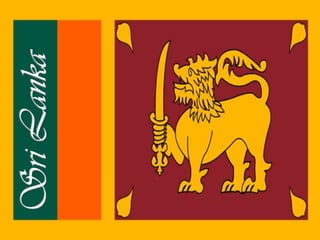
 Whereas, Srilanka is an island nation, just a few
  kilometers off the southern coast of Tamil nadu.
 Sri lanka has a diverse population with about 2 crore
  people, about the same as Haryana.
 Total Srilanka population has 74% Sinhala-
  speakers, 18% Tamil speakers and the rest 13% are
  called ‘Srilanka Tamils '.
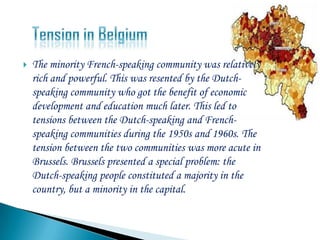
   The minority French-speaking community was relatively
    rich and powerful. This was resented by the Dutch-
    speaking community who got the benefit of economic
    development and education much later. This led to
    tensions between the Dutch-speaking and French-
    speaking communities during the 1950s and 1960s. The
    tension between the two communities was more acute in
    Brussels. Brussels presented a special problem: the
    Dutch-speaking people constituted a majority in the
    country, but a minority in the capital.
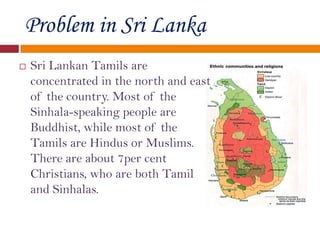
Problem in Sri Lanka
   Sri Lankan Tamils are
    concentrated in the north and east
    of the country. Most of the
    Sinhala-speaking people are
    Buddhist, while most of the
    Tamils are Hindus or Muslims.
    There are about 7per cent
    Christians, who are both Tamil
    and Sinhalas.
    Independence in 1948.
   Leaders of Sinhala community tried to dominate and took
    some ‘majoritarian measures’
   1956-Act was passed-it declared Sinhala as the official
    language.
    Preferential policy-favoring Sinhalas for university
    education and government jobs.
   State shall protect and foster Buddhism.
   These measures created feeling of alienation among
    Srilankan Tamils. They felt that these policies denied them
    equal political rights and opportunities.
Srilankan Tamils launched parties and struggles and demanded—
Recognition of Tamil as an official language
Regional autonomy
Equality of opportunity in education and jobs.

 Though all these demands were denied. In 1980’s several political
organizations started demanding separate state—TAMIL EELAM
Distrust developed and CIVILWAR started……….Its results:
1.Thousands of people got killed
2.Many families were forced to leave the country as refugees.
3.Many more lost their livelihood.
4.Excellent record of Srilanka’s economic development, education   and
   health received a terrible setback.
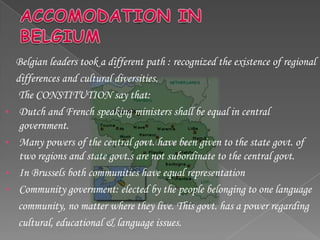
Belgian leaders took a different path : recognized the existence of regional
    differences and cultural diversities.
     The CONSTITUTION say that:
•    Dutch and French speaking ministers shall be equal in central
     government.
•    Many powers of the central govt. have been given to the state govt. of
     two regions and state govt.s are not subordinate to the central govt.
•    In Brussels both communities have equal representation
•    Community government: elected by the people belonging to one language
     community, no matter where they live. This govt. has a power regarding
     cultural, educational & language issues.
 These arrangements have worked very well for
 Belgium so far, as it has helped in:-
 Avoid civic tensions between the communities.
 Avoided possible division of the country on linguistic
 lines.
 When EUROPEAN UNION was formed Brussels
 was chosen as its headquarters.
MD SARWAR AZAD
           X – ‘A’

difference between sri lanka and belgium and power sharing.

  • 4.
    Belgium • 1. Belgiumis a small country in Europe • 2. It has a population of a little of one crore, about half the population of Haryana. • 3. Of Belgium 's total population 59% are Dutch speaking people who live in the Flemish region, 40% are French speaking who live in the Wallonia region. Remaining 1% speak German. • In the capital city Brussels, 80 per cent people speak French while 20 per cent are Dutch-speaking
  • 6.
     Whereas, Srilankais an island nation, just a few kilometers off the southern coast of Tamil nadu.  Sri lanka has a diverse population with about 2 crore people, about the same as Haryana.  Total Srilanka population has 74% Sinhala- speakers, 18% Tamil speakers and the rest 13% are called ‘Srilanka Tamils '.
  • 7.
    The minority French-speaking community was relatively rich and powerful. This was resented by the Dutch- speaking community who got the benefit of economic development and education much later. This led to tensions between the Dutch-speaking and French- speaking communities during the 1950s and 1960s. The tension between the two communities was more acute in Brussels. Brussels presented a special problem: the Dutch-speaking people constituted a majority in the country, but a minority in the capital.
  • 8.
    Problem in SriLanka  Sri Lankan Tamils are concentrated in the north and east of the country. Most of the Sinhala-speaking people are Buddhist, while most of the Tamils are Hindus or Muslims. There are about 7per cent Christians, who are both Tamil and Sinhalas.
  • 9.
    Independence in 1948.  Leaders of Sinhala community tried to dominate and took some ‘majoritarian measures’  1956-Act was passed-it declared Sinhala as the official language. Preferential policy-favoring Sinhalas for university education and government jobs.  State shall protect and foster Buddhism.  These measures created feeling of alienation among Srilankan Tamils. They felt that these policies denied them equal political rights and opportunities.
  • 10.
    Srilankan Tamils launchedparties and struggles and demanded— Recognition of Tamil as an official language Regional autonomy Equality of opportunity in education and jobs. Though all these demands were denied. In 1980’s several political organizations started demanding separate state—TAMIL EELAM Distrust developed and CIVILWAR started……….Its results: 1.Thousands of people got killed 2.Many families were forced to leave the country as refugees. 3.Many more lost their livelihood. 4.Excellent record of Srilanka’s economic development, education and health received a terrible setback.
  • 11.
    Belgian leaders tooka different path : recognized the existence of regional differences and cultural diversities. The CONSTITUTION say that: • Dutch and French speaking ministers shall be equal in central government. • Many powers of the central govt. have been given to the state govt. of two regions and state govt.s are not subordinate to the central govt. • In Brussels both communities have equal representation • Community government: elected by the people belonging to one language community, no matter where they live. This govt. has a power regarding cultural, educational & language issues.
  • 12.
     These arrangementshave worked very well for Belgium so far, as it has helped in:- Avoid civic tensions between the communities. Avoided possible division of the country on linguistic lines. When EUROPEAN UNION was formed Brussels was chosen as its headquarters.
  • 13.
    MD SARWAR AZAD X – ‘A’