


Diagnosing Information Literacy
A Healthcare Lens for the SCONUL Seven Pillars Model
Michelle Dalton, University Hospital Limerick @mishdalton
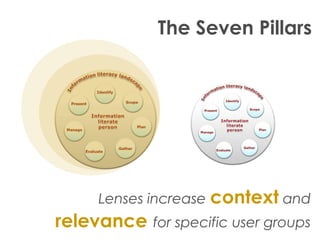
The Seven Pillars
Lenses increase context and
relevance for specific user groups
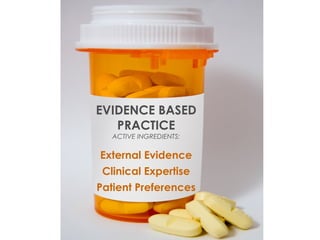
EVIDENCE BASED
PRACTICE
ACTIVE INGREDIENTS:
External Evidence
Clinical Expertise
Patient Preferences
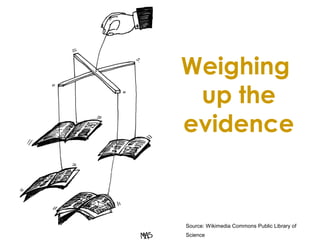
Weighing
up the
evidence
Source: Wikimedia Commons Public Library of
Science
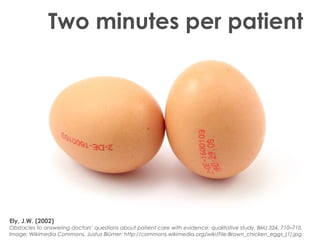
Ely, J.W. (2002)
Obstacles to answering doctors’ questions about patient care with evidence: qualitative study. BMJ 324, 710–710.
Image: Wikimedia Commons, Justus Blümer: http://commons.wikimedia.org/wiki/File:Brown_chicken_eggs_(1).jpg
Two minutes per patient
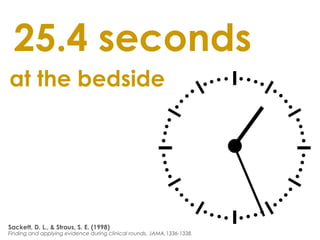
Sackett, D. L., & Straus, S. E. (1998)
Finding and applying evidence during clinical rounds. JAMA,1336-1338.
25.4 seconds
at the bedside
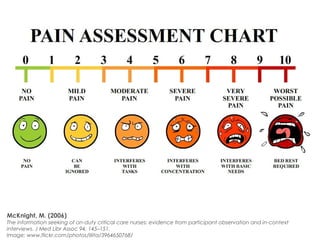
McKnight, M. (2006)
The information seeking of on-duty critical care nurses: evidence from participant observation and in-context
interviews. J Med Libr Assoc 94, 145–151.
Image: www.flickr.com/photos/lilita/3964650768/
Semi-structured interviews
Source: http://pixabay.com/en/black-outline-office-sketch-man-37707/
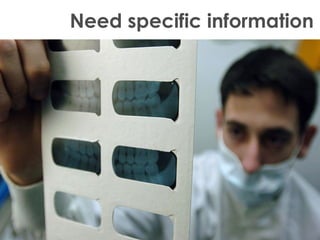
Need specific information
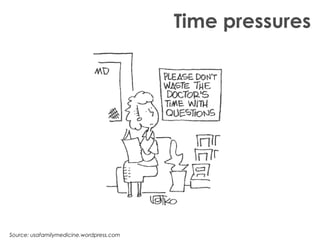
Time pressures
Source: usafamilymedicine.wordpress.com 
Disparate sources
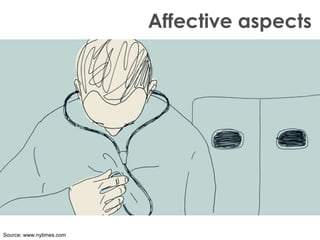
Affective aspects
Source: www.nytimes.com
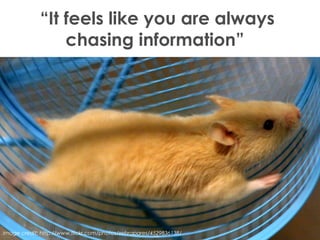
“It feels like you are always
chasing information”
Image credit: http://www.flickr.com/photos/zebrapares/4529836138/
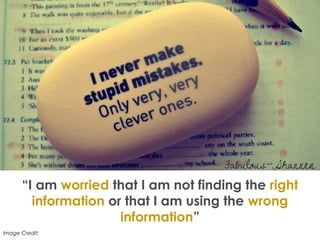
“I am worried that I am not finding the right
information or that I am using the wrong
information”
Image Credit: http://fabulous-shannen.deviantart.com/art/I-never-make-stupid-mistakes-283576253
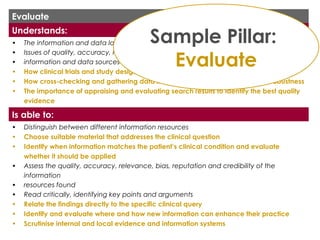
Evaluate
Understands:
• The information and data landscape of their discipline
• Issues of quality, accuracy, relevance, bias, reputation and credibility relating to
• information and data sources
• How clinical trials and study design can influence the quality of evidence
• How cross-checking and gathering data from multiple sources can improve robustness
• The importance of appraising and evaluating search results to identify the best quality
evidence
Is able to:
• Distinguish between different information resources
• Choose suitable material that addresses the clinical question
• Identify when information matches the patient’s clinical condition and evaluate
whether it should be applied
• Assess the quality, accuracy, relevance, bias, reputation and credibility of the
information
• resources found
• Read critically, identifying key points and arguments
• Relate the findings directly to the specific clinical query
• Identify and evaluate where and how new information can enhance their practice
• Scrutinise internal and local evidence and information systems
Sample Pillar:
Evaluate
Evaluate
Understands:
• The information and data landscape of their discipline
• Issues of quality, accuracy, relevance, bias, reputation and credibility relating to
• information and data sources
• How clinical trials and study design can influence the quality of evidence
• How cross-checking and gathering data from multiple sources can improve robustness
• The importance of appraising and evaluating search results to identify the best quality
evidence
Is able to:
• Distinguish between different information resources
• Choose suitable material that addresses the clinical question
• Identify when information matches the patient’s clinical condition and evaluate
whether it should be applied
• Assess the quality, accuracy, relevance, bias, reputation and credibility of the
information
• resources found
• Read critically, identifying key points and arguments
• Relate the findings directly to the specific clinical query
• Identify and evaluate where and how new information can enhance their practice
• Scrutinise internal and local evidence and information systems
Sample Pillar:
Evaluate
Image: http://commons.wikimedia.org/wiki/File:Tortoise_(PSF).png
Greater efficiency of IL support
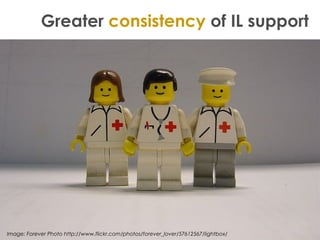
Greater consistency of IL support
Image: Forever Photo http://www.flickr.com/photos/forever_lover/57612567/lightbox/
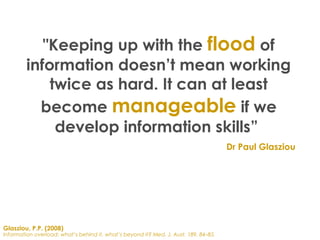
Glasziou, P.P. (2008)
Information overload: what’s behind it, what’s beyond it? Med. J. Aust. 189, 84–85.
"Keeping up with the flood of
information doesn’t mean working
twice as hard. It can at least
become manageable if we
develop information skills”
Dr Paul Glasziou
Read the Paper:
Developing an Evidence Based Practice
Healthcare Lens for the SCONUL Seven
Pillars of Information Literacy Model
Journal of Information Literacy, June 2013
http://dx.doi.org/10.11645/7.1.1813
michelle.dalton@ul.ie @mishdalton

Diagnosing Information Literacy - A Healthcare Lens for the SCONUL Seven Pillars model

  • 1.
    Diagnosing Information Literacy AHealthcare Lens for the SCONUL Seven Pillars Model Michelle Dalton, University Hospital Limerick @mishdalton
  • 2.
    The Seven Pillars Lensesincrease context and relevance for specific user groups
  • 3.
    EVIDENCE BASED PRACTICE ACTIVE INGREDIENTS: ExternalEvidence Clinical Expertise Patient Preferences
  • 4.
    Weighing up the evidence Source: WikimediaCommons Public Library of Science
  • 5.
    Ely, J.W. (2002) Obstaclesto answering doctors’ questions about patient care with evidence: qualitative study. BMJ 324, 710–710. Image: Wikimedia Commons, Justus Blümer: http://commons.wikimedia.org/wiki/File:Brown_chicken_eggs_(1).jpg Two minutes per patient
  • 6.
    Sackett, D. L.,& Straus, S. E. (1998) Finding and applying evidence during clinical rounds. JAMA,1336-1338. 25.4 seconds at the bedside
  • 7.
    McKnight, M. (2006) Theinformation seeking of on-duty critical care nurses: evidence from participant observation and in-context interviews. J Med Libr Assoc 94, 145–151. Image: www.flickr.com/photos/lilita/3964650768/
  • 8.
  • 9.
  • 10.
  • 11.
  • 12.
  • 13.
    “It feels likeyou are always chasing information” Image credit: http://www.flickr.com/photos/zebrapares/4529836138/
  • 14.
    “I am worriedthat I am not finding the right information or that I am using the wrong information” Image Credit: http://fabulous-shannen.deviantart.com/art/I-never-make-stupid-mistakes-283576253
  • 15.
    Evaluate Understands: • The informationand data landscape of their discipline • Issues of quality, accuracy, relevance, bias, reputation and credibility relating to • information and data sources • How clinical trials and study design can influence the quality of evidence • How cross-checking and gathering data from multiple sources can improve robustness • The importance of appraising and evaluating search results to identify the best quality evidence Is able to: • Distinguish between different information resources • Choose suitable material that addresses the clinical question • Identify when information matches the patient’s clinical condition and evaluate whether it should be applied • Assess the quality, accuracy, relevance, bias, reputation and credibility of the information • resources found • Read critically, identifying key points and arguments • Relate the findings directly to the specific clinical query • Identify and evaluate where and how new information can enhance their practice • Scrutinise internal and local evidence and information systems Sample Pillar: Evaluate
  • 16.
    Evaluate Understands: • The informationand data landscape of their discipline • Issues of quality, accuracy, relevance, bias, reputation and credibility relating to • information and data sources • How clinical trials and study design can influence the quality of evidence • How cross-checking and gathering data from multiple sources can improve robustness • The importance of appraising and evaluating search results to identify the best quality evidence Is able to: • Distinguish between different information resources • Choose suitable material that addresses the clinical question • Identify when information matches the patient’s clinical condition and evaluate whether it should be applied • Assess the quality, accuracy, relevance, bias, reputation and credibility of the information • resources found • Read critically, identifying key points and arguments • Relate the findings directly to the specific clinical query • Identify and evaluate where and how new information can enhance their practice • Scrutinise internal and local evidence and information systems Sample Pillar: Evaluate
  • 17.
  • 18.
    Greater consistency ofIL support Image: Forever Photo http://www.flickr.com/photos/forever_lover/57612567/lightbox/
  • 19.
    Glasziou, P.P. (2008) Informationoverload: what’s behind it, what’s beyond it? Med. J. Aust. 189, 84–85. "Keeping up with the flood of information doesn’t mean working twice as hard. It can at least become manageable if we develop information skills” Dr Paul Glasziou
  • 20.
    Read the Paper: Developingan Evidence Based Practice Healthcare Lens for the SCONUL Seven Pillars of Information Literacy Model Journal of Information Literacy, June 2013 http://dx.doi.org/10.11645/7.1.1813 michelle.dalton@ul.ie @mishdalton