

Leveraging MITRE ATT&CK
Travis Smith
Principal Security Researcher
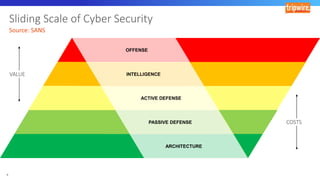
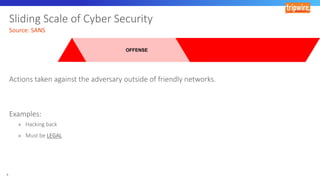
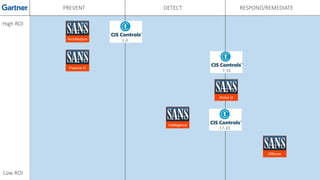
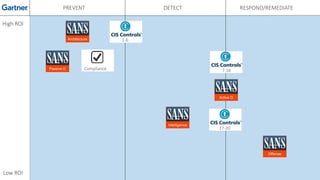
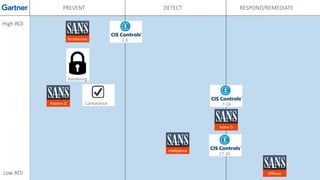
OFFENSE
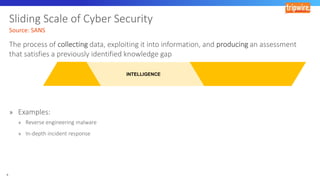
INTELLIGENCE
ACTIVE DEFENSE
PASSIVE DEFENSE
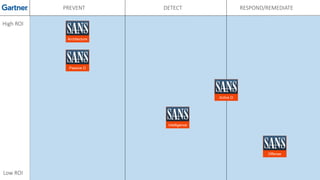
ARCHITECTURE
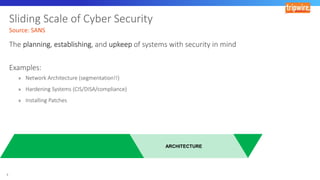
ARCHITECTURE
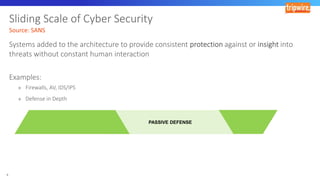
PASSIVE DEFENSE
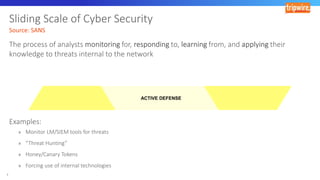
ACTIVE DEFENSE
INTELLIGENCE
OFFENSE
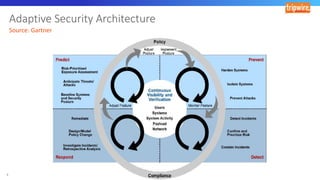
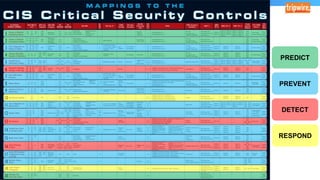
PREDICT
PREVENT
DETECT
RESPOND
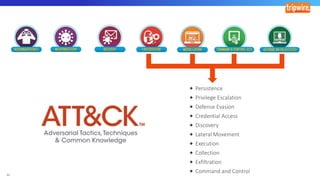
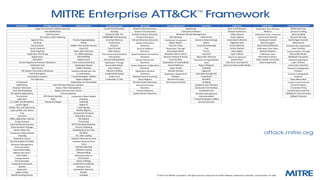
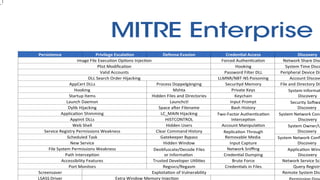
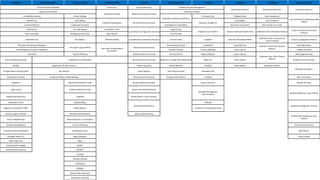
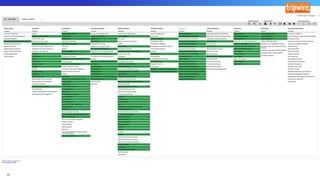
Persistence Privilege Escalation Defense Evasion Credential Access Discovery Lateral Movement Execution Collection Exfiltration Command & Control
DLL Search Order Hijacking Brute Force Account Discovery Windows Remote Management
Automated Collection Automated Exfiltration Commonly Used Port
Legitimate Credentials
Credential Dumping Application Window Discovery
Third-party Software
Accessibility Features Binary Padding
Application Deployment Software
Command-Line Clipboard Data Data Compressed
Communication Through Removable
Media
AppInit DLLs Code Signing
Credential Manipulation File and Directory Discovery Execution through API
Data Staged Data Encrypted
Local Port Monitor Component Firmware Exploitation of Vulnerability Data from Local System Data Transfer Size Limits
New Service DLL Side-Loading Credentials in Files
Local Network Configuration Discovery
Logon Scripts
Graphical User Interface Data from Network Shared Drive Exfiltration Over Alternative Protocol
Custom Command and Control
Protocol
Path Interception Disabling Security Tools Input Capture Pass the Hash
Scheduled Task File Deletion Network Sniffing Local Network Connections Discovery Pass the Ticket InstallUtil Data from Removable Media
Exfiltration Over Command and
Control Channel
Custom Cryptographic Protocol
File System Permissions Weakness
File System Logical Offsets
Two-Factor Authentication
Interception
Network Service Scanning
Remote Desk Protocol PowerShell Email Collection
Exfiltration Over Other Network
Medium
Data Obfuscation
Service Registry Permission Weakness Remote File Copy Process Hollowing Input Capture Fallback Channels
Web Shell Indicator Blocking Peripheral Device Discovery Remote Service Regsvcs/Regasm Screen Capture
Exfiltration Over Other Physical
Medium
Multi-Stage Channels
Basic Input/Output System Exploitation of Vulnerability Permissions Group Discovery Replication Through Removable Media Regscvr32 Audio Capture Multiband Communication
Bootkit Bypass User Account Control Process Discovery Shared Webroot Rundll32 Video Capture Scheduled Transfer
Multilayer Encryption
Change Default File Association DLL Injection Query Registry Taint Shared Content Scheduled Task
Component Firmware Component Object Model Hijacking Remote System Discovery Windows Admin Shares Scripting Peer Connections
Hypervisor Indicator Removal from Tools Security Software Discovery Service Execution Remote File Copy
Logon Scripts Indicator Removal on Host System Information Discovery
Windows Management
Instrumentation
Standard Application Layer Protocol
Modify Existing Service InstallUtil System Owner / User Discovery
Redundant Access Masquerading
System Service Discovery
MSBuild
Standard Cryptographic Protocol
Registry Run Keys/Start Folder Modify Registry Execution Through Module Load
Security Support Provider NTFS Extended Attributes System Time Discovery
Standard Non-Application Layer
Protocol
Shortcut Modification Obfuscated Files or Information
Windows Management Process Hollowing Uncommonly Used Port
Instrument Event Subscription Redundant Access Web Service
Winlogon Helper DLL Regsvcs/Regasm Data Encoding
Netsh Helper DLL Regsvr
Authentication Package Rootkit
External Remote Services Rundll32
Scripting
Software Packing
Timestomp
MSBuild
Network Share Removal
Install Root Certificate
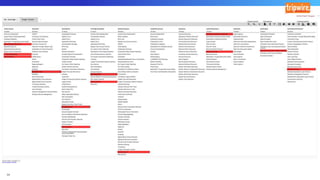
Persistence Privilege Escalation Defense Evasion Credential Access Discovery Lateral Movement Execution Collection Exfiltration Command & Control
DLL Search Order Hijacking Brute Force Account Discovery Windows Remote Management
Automated Collection Automated Exfiltration Commonly Used Port
Legitimate Credentials
Credential Dumping Application Window Discovery
Third-party Software
Accessibility Features Binary Padding
Application Deployment Software
Command-Line Clipboard Data Data Compressed
Communication Through Removable
Media
AppInit DLLs Code Signing
Credential Manipulation File and Directory Discovery Execution through API
Data Staged Data Encrypted
Local Port Monitor Component Firmware Exploitation of Vulnerability Data from Local System Data Transfer Size Limits
New Service DLL Side-Loading Credentials in Files
Local Network Configuration Discovery
Logon Scripts
Graphical User Interface Data from Network Shared Drive Exfiltration Over Alternative Protocol
Custom Command and Control
Protocol
Path Interception Disabling Security Tools Input Capture Pass the Hash
Scheduled Task File Deletion Network Sniffing Local Network Connections Discovery Pass the Ticket InstallUtil Data from Removable Media
Exfiltration Over Command and
Control Channel
Custom Cryptographic Protocol
File System Permissions Weakness
File System Logical Offsets
Two-Factor Authentication
Interception
Network Service Scanning
Remote Desk Protocol PowerShell Email Collection
Exfiltration Over Other Network
Medium
Data Obfuscation
Service Registry Permission Weakness Remote File Copy Process Hollowing Input Capture Fallback Channels
Web Shell Indicator Blocking Peripheral Device Discovery Remote Service Regsvcs/Regasm Screen Capture
Exfiltration Over Other Physical
Medium
Multi-Stage Channels
Basic Input/Output System Exploitation of Vulnerability Permissions Group Discovery Replication Through Removable Media Regscvr32 Audio Capture Multiband Communication
Bootkit Bypass User Account Control Process Discovery Shared Webroot Rundll32 Video Capture Scheduled Transfer
Multilayer Encryption
Change Default File Association DLL Injection Query Registry Taint Shared Content Scheduled Task
Component Firmware Component Object Model Hijacking Remote System Discovery Windows Admin Shares Scripting Peer Connections
Hypervisor Indicator Removal from Tools Security Software Discovery Service Execution Remote File Copy
Logon Scripts Indicator Removal on Host System Information Discovery
Windows Management
Instrumentation
Standard Application Layer Protocol
Modify Existing Service Install Util System Owner / User Discovery
Redundant Access Masquerading
System Service Discovery
MSBuild
Standard Cryptographic Protocol
Registry Run Keys/Start Folder Modify Registry Execution Through Module Load
Security Support Provider NTFS Extended Attributes System Time Discovery
Standard Non-Application Layer
Protocol
Shortcut Modification Obfuscated Files or Information
Windows Management Process Hollowing Uncommonly Used Port
Instrument Event Subscription Redundant Access Web Service
Winlogon Helper DLL Regsvcs/Regasm Data Encoding
Netsh Helper DLL Regsvr
Authentication Package Rootkit
External Remote Services Rundll32
Scripting
Software Packing
Timestomp
MSBuild
Network Share Removal
Install Root Certificate
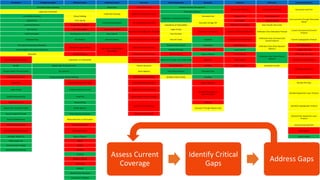
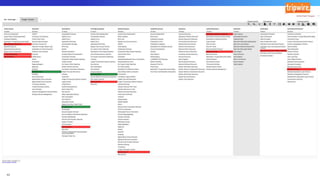
Assess Current
Coverage
Identify Critical
Gaps
Address Gaps
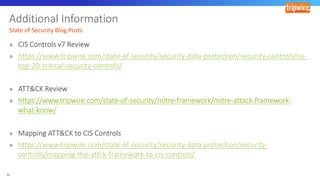
https://www.tripwire.com/state-of-security/security-data-protection/security-controls/cis-
top-20-critical-security-controls/
https://www.tripwire.com/state-of-security/mitre-framework/mitre-attack-framework-
what-know/
https://www.tripwire.com/state-of-security/security-data-protection/security-
controls/mapping-the-attck-framework-to-cis-controls/
tripwire.com | @TripwireInc

Defend Your Data Now with the MITRE ATT&CK Framework

  • 1.
    Leveraging MITRE ATT&CK TravisSmith Principal Security Researcher
  • 4.
  • 5.
  • 6.
  • 7.
  • 8.
  • 9.
  • 16.
  • 32.
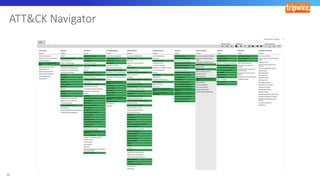
    Persistence Privilege EscalationDefense Evasion Credential Access Discovery Lateral Movement Execution Collection Exfiltration Command & Control DLL Search Order Hijacking Brute Force Account Discovery Windows Remote Management Automated Collection Automated Exfiltration Commonly Used Port Legitimate Credentials Credential Dumping Application Window Discovery Third-party Software Accessibility Features Binary Padding Application Deployment Software Command-Line Clipboard Data Data Compressed Communication Through Removable Media AppInit DLLs Code Signing Credential Manipulation File and Directory Discovery Execution through API Data Staged Data Encrypted Local Port Monitor Component Firmware Exploitation of Vulnerability Data from Local System Data Transfer Size Limits New Service DLL Side-Loading Credentials in Files Local Network Configuration Discovery Logon Scripts Graphical User Interface Data from Network Shared Drive Exfiltration Over Alternative Protocol Custom Command and Control Protocol Path Interception Disabling Security Tools Input Capture Pass the Hash Scheduled Task File Deletion Network Sniffing Local Network Connections Discovery Pass the Ticket InstallUtil Data from Removable Media Exfiltration Over Command and Control Channel Custom Cryptographic Protocol File System Permissions Weakness File System Logical Offsets Two-Factor Authentication Interception Network Service Scanning Remote Desk Protocol PowerShell Email Collection Exfiltration Over Other Network Medium Data Obfuscation Service Registry Permission Weakness Remote File Copy Process Hollowing Input Capture Fallback Channels Web Shell Indicator Blocking Peripheral Device Discovery Remote Service Regsvcs/Regasm Screen Capture Exfiltration Over Other Physical Medium Multi-Stage Channels Basic Input/Output System Exploitation of Vulnerability Permissions Group Discovery Replication Through Removable Media Regscvr32 Audio Capture Multiband Communication Bootkit Bypass User Account Control Process Discovery Shared Webroot Rundll32 Video Capture Scheduled Transfer Multilayer Encryption Change Default File Association DLL Injection Query Registry Taint Shared Content Scheduled Task Component Firmware Component Object Model Hijacking Remote System Discovery Windows Admin Shares Scripting Peer Connections Hypervisor Indicator Removal from Tools Security Software Discovery Service Execution Remote File Copy Logon Scripts Indicator Removal on Host System Information Discovery Windows Management Instrumentation Standard Application Layer Protocol Modify Existing Service InstallUtil System Owner / User Discovery Redundant Access Masquerading System Service Discovery MSBuild Standard Cryptographic Protocol Registry Run Keys/Start Folder Modify Registry Execution Through Module Load Security Support Provider NTFS Extended Attributes System Time Discovery Standard Non-Application Layer Protocol Shortcut Modification Obfuscated Files or Information Windows Management Process Hollowing Uncommonly Used Port Instrument Event Subscription Redundant Access Web Service Winlogon Helper DLL Regsvcs/Regasm Data Encoding Netsh Helper DLL Regsvr Authentication Package Rootkit External Remote Services Rundll32 Scripting Software Packing Timestomp MSBuild Network Share Removal Install Root Certificate
  • 33.
    Persistence Privilege EscalationDefense Evasion Credential Access Discovery Lateral Movement Execution Collection Exfiltration Command & Control DLL Search Order Hijacking Brute Force Account Discovery Windows Remote Management Automated Collection Automated Exfiltration Commonly Used Port Legitimate Credentials Credential Dumping Application Window Discovery Third-party Software Accessibility Features Binary Padding Application Deployment Software Command-Line Clipboard Data Data Compressed Communication Through Removable Media AppInit DLLs Code Signing Credential Manipulation File and Directory Discovery Execution through API Data Staged Data Encrypted Local Port Monitor Component Firmware Exploitation of Vulnerability Data from Local System Data Transfer Size Limits New Service DLL Side-Loading Credentials in Files Local Network Configuration Discovery Logon Scripts Graphical User Interface Data from Network Shared Drive Exfiltration Over Alternative Protocol Custom Command and Control Protocol Path Interception Disabling Security Tools Input Capture Pass the Hash Scheduled Task File Deletion Network Sniffing Local Network Connections Discovery Pass the Ticket InstallUtil Data from Removable Media Exfiltration Over Command and Control Channel Custom Cryptographic Protocol File System Permissions Weakness File System Logical Offsets Two-Factor Authentication Interception Network Service Scanning Remote Desk Protocol PowerShell Email Collection Exfiltration Over Other Network Medium Data Obfuscation Service Registry Permission Weakness Remote File Copy Process Hollowing Input Capture Fallback Channels Web Shell Indicator Blocking Peripheral Device Discovery Remote Service Regsvcs/Regasm Screen Capture Exfiltration Over Other Physical Medium Multi-Stage Channels Basic Input/Output System Exploitation of Vulnerability Permissions Group Discovery Replication Through Removable Media Regscvr32 Audio Capture Multiband Communication Bootkit Bypass User Account Control Process Discovery Shared Webroot Rundll32 Video Capture Scheduled Transfer Multilayer Encryption Change Default File Association DLL Injection Query Registry Taint Shared Content Scheduled Task Component Firmware Component Object Model Hijacking Remote System Discovery Windows Admin Shares Scripting Peer Connections Hypervisor Indicator Removal from Tools Security Software Discovery Service Execution Remote File Copy Logon Scripts Indicator Removal on Host System Information Discovery Windows Management Instrumentation Standard Application Layer Protocol Modify Existing Service Install Util System Owner / User Discovery Redundant Access Masquerading System Service Discovery MSBuild Standard Cryptographic Protocol Registry Run Keys/Start Folder Modify Registry Execution Through Module Load Security Support Provider NTFS Extended Attributes System Time Discovery Standard Non-Application Layer Protocol Shortcut Modification Obfuscated Files or Information Windows Management Process Hollowing Uncommonly Used Port Instrument Event Subscription Redundant Access Web Service Winlogon Helper DLL Regsvcs/Regasm Data Encoding Netsh Helper DLL Regsvr Authentication Package Rootkit External Remote Services Rundll32 Scripting Software Packing Timestomp MSBuild Network Share Removal Install Root Certificate Assess Current Coverage Identify Critical Gaps Address Gaps
  • 44.
  • 45.