Dangers in the
InternetEmpowerment Technology
Reporters: CherryAnn Rin Sindol
Jayvon Campana
?
Email spam
Email spoofing
Phishing
Pharming
Spyware
Computer worm
Trojan horse
Computer virus
Hacker
Email Spam
•Also known as junk email
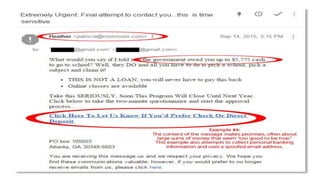
•It is usually unsolicited commercial
email sent from one source with
identical message sent to multiple
recipients.
Spammer - the term used to refer
to a person who creates
electronic spam.
Email Spoofing
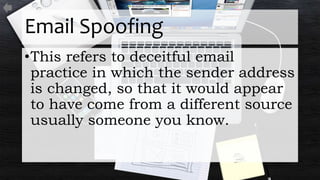
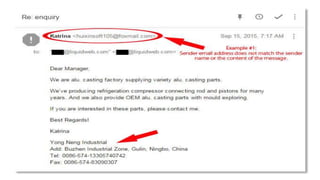
•This refers to deceitful email
practice in which the sender address
is changed, so that it would appear
to have come from a different source
usually someone you know.
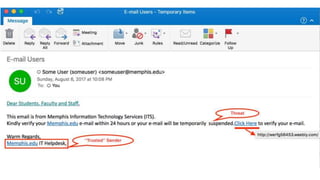
Phishing
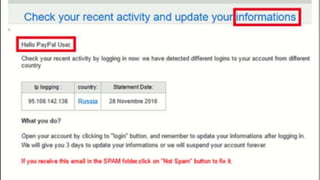
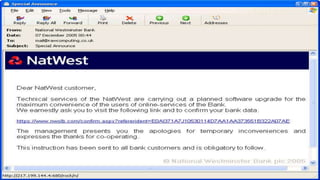
•This is a deceitful practice of trying
to get confidential information such
as passwords and usernames, and
credit card details by making it
appear as if it comes from a
trustworthy source.
Pharming
•This is a dangerous hacker attack
on a website which directs all traffic
to the website to another fictitious
website.
•The main object of pharming is to
obtain username and password, as
well as credit card and financial
information, and use these to steal
their money electronically or use the
credit card of the victim.
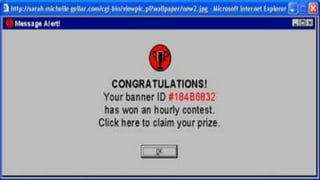
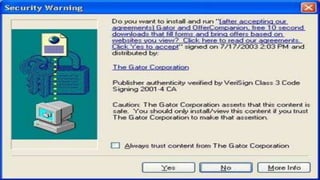
Spyware
•This is a computer program that is
installed covertly on a personal
computer to collect information or
even take control over the computer
without the knowledge of the user.
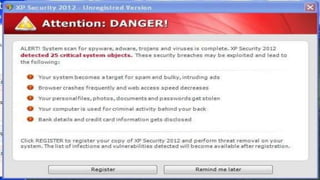
Computer Worm
•This is a dangerous computer
program that replicates itself
through a network.
•They usually spread on their own
without attaching to a program or
file.
Trojan Horse
•This is a form of a malicious
software fronting to perform a good
task, but covertly performs
undesirable function with the
intention of entering the computer
without the user’s consent.
•It can erase data, can allow access
of the victim’s computer, can
corrupt files, and can be used in
Phishing for bank accounts.
Computer virus
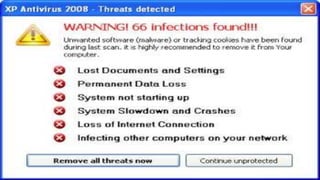
•This is a program that duplicates
itself and then infects the computer.
•It spreads like a biological virus,
wherein it attaches itself to a host
program and infect other computers
if it is received by a computer
through the internet.
•The virus can also be transferred by
the use of removable storage media
such as diskette, CD, flash drives,
memory cards, and others.
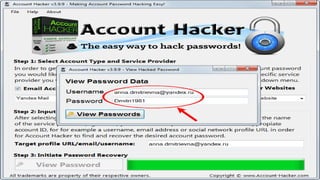
Hacker
•This is a person who is able to enter
and control other people’s computer
without authorization.
•A hacker is able to enter another’s
computer, usually vandalizes the
victim’s website, steals personal
information, obtains intellectual
property, and performs credit card
fraud.
?
Thank you for listening . . .

Dangers in the Internet

  • 1.
    Dangers in the InternetEmpowermentTechnology Reporters: CherryAnn Rin Sindol Jayvon Campana
  • 2.
  • 3.
    Email spam Email spoofing Phishing Pharming Spyware Computerworm Trojan horse Computer virus Hacker
  • 4.
    Email Spam •Also knownas junk email •It is usually unsolicited commercial email sent from one source with identical message sent to multiple recipients.
  • 5.
    Spammer - theterm used to refer to a person who creates electronic spam.
  • 8.
    Email Spoofing •This refersto deceitful email practice in which the sender address is changed, so that it would appear to have come from a different source usually someone you know.
  • 10.
    Phishing •This is adeceitful practice of trying to get confidential information such as passwords and usernames, and credit card details by making it appear as if it comes from a trustworthy source.
  • 12.
    Pharming •This is adangerous hacker attack on a website which directs all traffic to the website to another fictitious website.
  • 13.
    •The main objectof pharming is to obtain username and password, as well as credit card and financial information, and use these to steal their money electronically or use the credit card of the victim.
  • 15.
    Spyware •This is acomputer program that is installed covertly on a personal computer to collect information or even take control over the computer without the knowledge of the user.
  • 18.
    Computer Worm •This isa dangerous computer program that replicates itself through a network. •They usually spread on their own without attaching to a program or file.
  • 20.
    Trojan Horse •This isa form of a malicious software fronting to perform a good task, but covertly performs undesirable function with the intention of entering the computer without the user’s consent.
  • 21.
    •It can erasedata, can allow access of the victim’s computer, can corrupt files, and can be used in Phishing for bank accounts.
  • 23.
    Computer virus •This isa program that duplicates itself and then infects the computer. •It spreads like a biological virus, wherein it attaches itself to a host program and infect other computers if it is received by a computer through the internet.
  • 24.
    •The virus canalso be transferred by the use of removable storage media such as diskette, CD, flash drives, memory cards, and others.
  • 26.
    Hacker •This is aperson who is able to enter and control other people’s computer without authorization.
  • 27.
    •A hacker isable to enter another’s computer, usually vandalizes the victim’s website, steals personal information, obtains intellectual property, and performs credit card fraud.
  • 29.
  • 30.
    Thank you forlistening . . .