Curriculum Night
This evening’s overview
• Personal Introduction
• Communication
• What is inquiry? What is PYP?
• Mathematics: Then and Now
• Literacy
• Your Turn: Ideas about Assessment
• Grade 5 Programme Overview
• Homework
• Questions/Discussion
• Refreshments
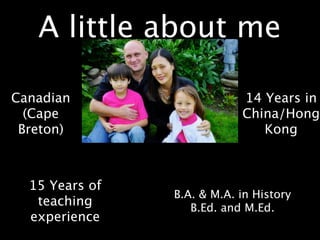
A little about me
A little about me

Canadian                    14 Years in
  (Cape                     China/Hong
 Breton)                       Kong


  15 Years of
                B.A. & M.A. in History
   teaching        B.Ed. and M.Ed.
  experience
Communication
Communication

      Friday updates
           Email
donaldmacpherson@cdnis.edu.h
             k                     Flash

         Spotlight
                               Student Diaries
        Class Blog
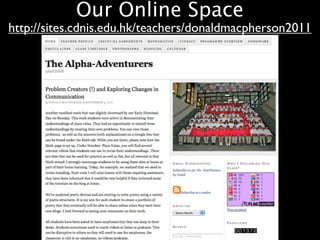
Our Online Space
http://sites.cdnis.edu.hk/teachers/donaldmacpherson2011
Curriculum
Primary Years Programme
          (PYP)
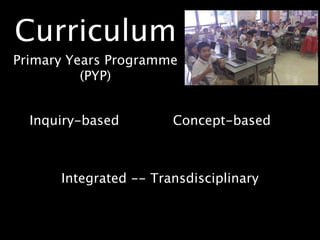
Curriculum
Primary Years Programme
          (PYP)


  Inquiry-based        Concept-based


      Integrated -- Transdisciplinary
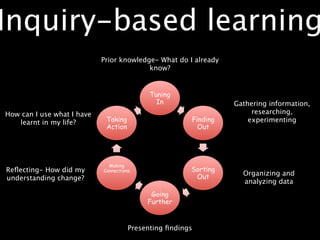
Inquiry-based learning
                            Prior knowledge- What do I already
                                          know?


                                            Tuning
                                              In                 Gathering information,
How can I use what I have                                             researching,
   learnt in my life?        Taking                    Finding       experimenting
                             Action                      Out


                              Making
Reflecting- How did my       Connections                Sorting
                                                        Out
                                                                   Organizing and
understanding change?                                              analyzing data
                                            Going
                                           Further


                                      Presenting findings
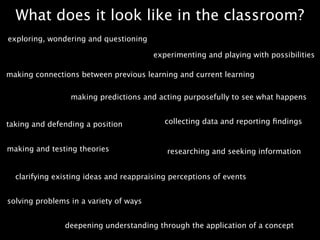
What does it look like in the classroom?
exploring, wondering and questioning

                                        experimenting and playing with possibilities

making connections between previous learning and current learning


                 making predictions and acting purposefully to see what happens


taking and defending a position            collecting data and reporting findings


making and testing theories                 researching and seeking information


  clarifying existing ideas and reappraising perceptions of events


solving problems in a variety of ways


               deepening understanding through the application of a concept
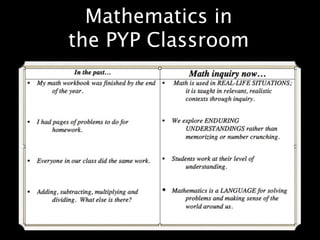
Mathematics in
the PYP Classroom
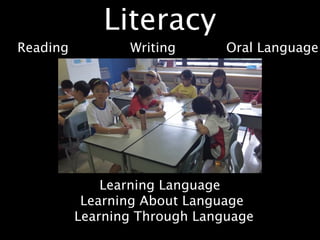
Literacy
Reading          Writing       Oral Language


              Learning Language
           Learning About Language
          Learning Through Language
Assessment
         Learning Intentions
Know what assessment looks like in the Lower
 School

To provide a deeper understanding of our
 achievement descriptors

To discuss and build further understandings about
 criteria-based assessment and how it relates to
 assessment for learning as an ongoing process
Ideas about Assessment:
    What do you think?

             Placemats
               Assessment is …
             Assessment is not …
When I was in school assessment looked like …
  Questions I have about assessment are …


           Gallery Walk
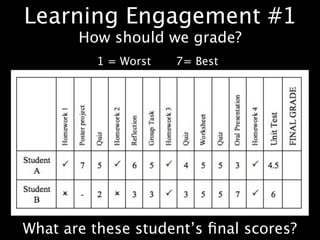
Learning Engagement #1
       How should we grade?
         1 = Worst   7= Best


What are these student’s final scores?
Learning Engagement #2
What is criteria-based assessment?


  So ... you think you can clap?

          4 volunteers
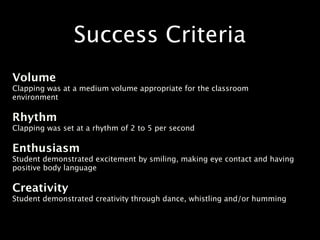
Success Criteria
Volume
Clapping was at a medium volume appropriate for the classroom
environment

Rhythm
Clapping was set at a rhythm of 2 to 5 per second

Enthusiasm
Student demonstrated excitement by smiling, making eye contact and having
positive body language

Creativity
Student demonstrated creativity through dance, whistling and/or humming
Criteria-based assessment is ...

             transparent
   student-focused (the individual)
          student-involved

     intended to foster success
Assessment
Assessment
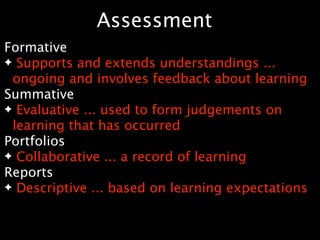
Formative
✦ Supports and extends understandings ...
 ongoing and involves feedback about learning
Summative
✦ Evaluative ... used to form judgements on
 learning that has occurred
Portfolios
✦ Collaborative ... a record of learning
Reports
✦ Descriptive ... based on learning expectations
“Do not confine your children to your own learning for they were born in another time.”Hebrew
Proverb
Education Yesterday =
            Education Today?
“Do not confine your children to your own learning for they were born in another time.”Hebrew
Proverb
Education Yesterday =
            Education Today?
“Do not confine your children to your own learning for they were born in another time.”Hebrew
Proverb


                         Shift Happens
Education Yesterday =
             Education Today?
 “Do not confine your children to your own learning for they were born in another time.”Hebrew
 Proverb


Learning in the New Generation

                          Shift Happens
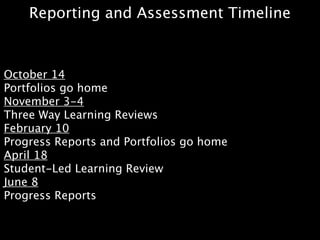
Reporting and Assessment Timeline


October 14
Portfolios go home
November 3-4
Three Way Learning Reviews
February 10
Progress Reports and Portfolios go home
April 18
Student-Led Learning Review
June 8
Progress Reports
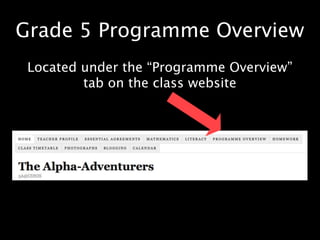
Grade 5 Programme Overview
 Located under the “Programme Overview”
         tab on the class website
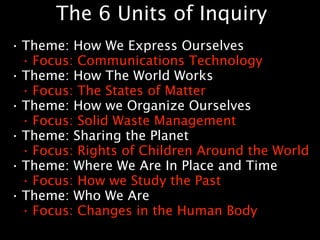
The 6 Units of Inquiry
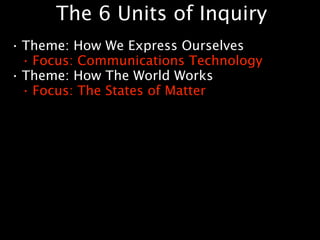
•   Theme: How We Express Ourselves
    • Focus: Communications Technology
The 6 Units of Inquiry
•   Theme: How We Express Ourselves
    • Focus: Communications Technology

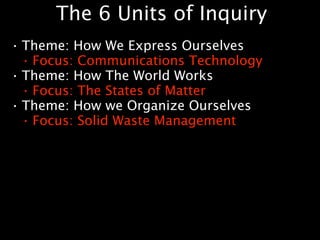
•   Theme: How The World Works
    • Focus: The States of Matter
The 6 Units of Inquiry
•   Theme: How We Express Ourselves
    • Focus: Communications Technology

•   Theme: How The World Works
    • Focus: The States of Matter

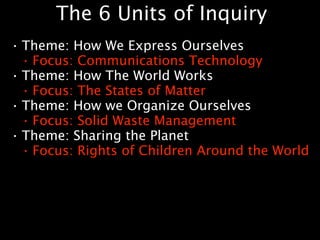
•   Theme: How we Organize Ourselves
    • Focus: Solid Waste Management
The 6 Units of Inquiry
•   Theme: How We Express Ourselves
    • Focus: Communications Technology

•   Theme: How The World Works
    • Focus: The States of Matter

•   Theme: How we Organize Ourselves
    • Focus: Solid Waste Management

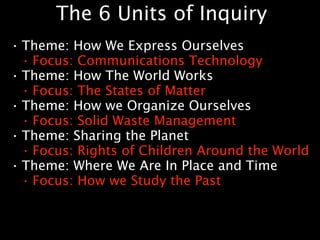
•   Theme: Sharing the Planet
    • Focus: Rights of Children Around the World
The 6 Units of Inquiry
•   Theme: How We Express Ourselves
    • Focus: Communications Technology

•   Theme: How The World Works
    • Focus: The States of Matter

•   Theme: How we Organize Ourselves
    • Focus: Solid Waste Management

•   Theme: Sharing the Planet
    • Focus: Rights of Children Around the World

•   Theme: Where We Are In Place and Time
    • Focus: How we Study the Past
The 6 Units of Inquiry
•   Theme: How We Express Ourselves
    • Focus: Communications Technology

•   Theme: How The World Works
    • Focus: The States of Matter

•   Theme: How we Organize Ourselves
    • Focus: Solid Waste Management

•   Theme: Sharing the Planet
    • Focus: Rights of Children Around the World

•   Theme: Where We Are In Place and Time
    • Focus: How we Study the Past

•   Theme: Who We Are
    • Focus: Changes in the Human Body
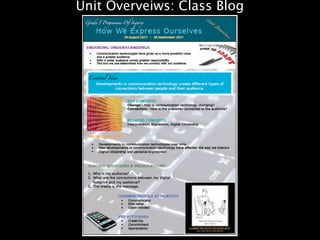
Unit Overveiws: Class Blog
Homework
Homework

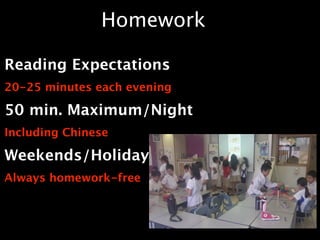
Reading Expectations
20-25 minutes each evening

50 min. Maximum/Night
Including Chinese

Weekends/Holidays
Always homework-free
My Expectations
My Expectations

Completion of work (Effort)
My Expectations

Completion of work (Effort)

Respect (towards teachers, classmates and
themselves)
My Expectations

Completion of work (Effort)

Respect (towards teachers, classmates and
themselves)

Understanding and appreciating differences
My Expectations

Completion of work (Effort)

Respect (towards teachers, classmates and
themselves)

Understanding and appreciating differences

Honesty and Integrity
Questions?
     then
Refreshments!

Curriculum night, 2011

  • 1.
  • 2.
  • 3.
    This evening’s overview •Personal Introduction • Communication • What is inquiry? What is PYP? • Mathematics: Then and Now • Literacy • Your Turn: Ideas about Assessment • Grade 5 Programme Overview • Homework • Questions/Discussion • Refreshments
  • 4.
  • 5.
    A little aboutme Canadian 14 Years in (Cape China/Hong Breton) Kong 15 Years of B.A. & M.A. in History teaching B.Ed. and M.Ed. experience
  • 6.
  • 7.
    Communication Friday updates Email donaldmacpherson@cdnis.edu.h k Flash Spotlight Student Diaries Class Blog
  • 8.
  • 9.
  • 10.
    Curriculum Primary Years Programme (PYP) Inquiry-based Concept-based Integrated -- Transdisciplinary
  • 11.
  • 12.
    Inquiry-based learning Prior knowledge- What do I already know? Tuning In Gathering information, How can I use what I have researching, learnt in my life? Taking Finding experimenting Action Out Making Reflecting- How did my Connections Sorting Out Organizing and understanding change? analyzing data Going Further Presenting findings
  • 13.
    What does itlook like in the classroom?
  • 14.
    What does itlook like in the classroom? exploring, wondering and questioning experimenting and playing with possibilities making connections between previous learning and current learning making predictions and acting purposefully to see what happens taking and defending a position collecting data and reporting findings making and testing theories researching and seeking information clarifying existing ideas and reappraising perceptions of events solving problems in a variety of ways deepening understanding through the application of a concept
  • 15.
  • 16.
    Literacy Reading Writing Oral Language Learning Language Learning About Language Learning Through Language
  • 17.
    Assessment Learning Intentions Know what assessment looks like in the Lower School To provide a deeper understanding of our achievement descriptors To discuss and build further understandings about criteria-based assessment and how it relates to assessment for learning as an ongoing process
  • 18.
    Ideas about Assessment: What do you think? Placemats Assessment is … Assessment is not … When I was in school assessment looked like … Questions I have about assessment are … Gallery Walk
  • 19.
    Learning Engagement #1 How should we grade? 1 = Worst 7= Best What are these student’s final scores?
  • 20.
    Learning Engagement #2 Whatis criteria-based assessment? So ... you think you can clap? 4 volunteers
  • 21.
    Success Criteria Volume Clapping wasat a medium volume appropriate for the classroom environment Rhythm Clapping was set at a rhythm of 2 to 5 per second Enthusiasm Student demonstrated excitement by smiling, making eye contact and having positive body language Creativity Student demonstrated creativity through dance, whistling and/or humming
  • 22.
    Criteria-based assessment is... transparent student-focused (the individual) student-involved intended to foster success
  • 23.
  • 24.
    Assessment Formative ✦ Supports andextends understandings ... ongoing and involves feedback about learning Summative ✦ Evaluative ... used to form judgements on learning that has occurred Portfolios ✦ Collaborative ... a record of learning Reports ✦ Descriptive ... based on learning expectations
  • 25.
    “Do not confineyour children to your own learning for they were born in another time.”Hebrew Proverb
  • 26.
    Education Yesterday = Education Today? “Do not confine your children to your own learning for they were born in another time.”Hebrew Proverb
  • 27.
    Education Yesterday = Education Today? “Do not confine your children to your own learning for they were born in another time.”Hebrew Proverb Shift Happens
  • 28.
    Education Yesterday = Education Today? “Do not confine your children to your own learning for they were born in another time.”Hebrew Proverb Learning in the New Generation Shift Happens
  • 29.
    Reporting and AssessmentTimeline October 14 Portfolios go home November 3-4 Three Way Learning Reviews February 10 Progress Reports and Portfolios go home April 18 Student-Led Learning Review June 8 Progress Reports
  • 30.
    Grade 5 ProgrammeOverview Located under the “Programme Overview” tab on the class website
  • 31.
    The 6 Unitsof Inquiry
  • 32.
    The 6 Unitsof Inquiry • Theme: How We Express Ourselves • Focus: Communications Technology
  • 33.
    The 6 Unitsof Inquiry • Theme: How We Express Ourselves • Focus: Communications Technology • Theme: How The World Works • Focus: The States of Matter
  • 34.
    The 6 Unitsof Inquiry • Theme: How We Express Ourselves • Focus: Communications Technology • Theme: How The World Works • Focus: The States of Matter • Theme: How we Organize Ourselves • Focus: Solid Waste Management
  • 35.
    The 6 Unitsof Inquiry • Theme: How We Express Ourselves • Focus: Communications Technology • Theme: How The World Works • Focus: The States of Matter • Theme: How we Organize Ourselves • Focus: Solid Waste Management • Theme: Sharing the Planet • Focus: Rights of Children Around the World
  • 36.
    The 6 Unitsof Inquiry • Theme: How We Express Ourselves • Focus: Communications Technology • Theme: How The World Works • Focus: The States of Matter • Theme: How we Organize Ourselves • Focus: Solid Waste Management • Theme: Sharing the Planet • Focus: Rights of Children Around the World • Theme: Where We Are In Place and Time • Focus: How we Study the Past
  • 37.
    The 6 Unitsof Inquiry • Theme: How We Express Ourselves • Focus: Communications Technology • Theme: How The World Works • Focus: The States of Matter • Theme: How we Organize Ourselves • Focus: Solid Waste Management • Theme: Sharing the Planet • Focus: Rights of Children Around the World • Theme: Where We Are In Place and Time • Focus: How we Study the Past • Theme: Who We Are • Focus: Changes in the Human Body
  • 38.
  • 39.
  • 40.
    Homework Reading Expectations 20-25 minuteseach evening 50 min. Maximum/Night Including Chinese Weekends/Holidays Always homework-free
  • 41.
  • 42.
  • 43.
    My Expectations Completion ofwork (Effort) Respect (towards teachers, classmates and themselves)
  • 44.
    My Expectations Completion ofwork (Effort) Respect (towards teachers, classmates and themselves) Understanding and appreciating differences
  • 45.
    My Expectations Completion ofwork (Effort) Respect (towards teachers, classmates and themselves) Understanding and appreciating differences Honesty and Integrity
  • 47.
    Questions? then Refreshments!