


This refers to the general principles, pedagogy
and management strategies used for classroom
instruction.
Your choice of teaching method depends on
what fits you, your educational philosophy,
classroom demographic, subject area(s) and
school mission statement. This may be done
through a teacher centered or student
centered approach.
 Discussion
 Questioning
 Demonstration
 Micro Teaching
 Team Teaching
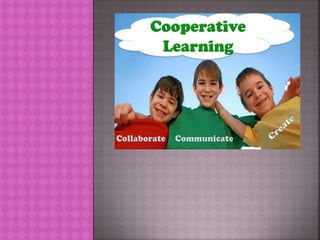
 Cooperative Learning
This is a successful teaching strategy in which
small teams, each with students of different
levels of ability, use a variety of learning
activities to improve their understanding of a
subject. Each team member is responsible not
only for learning what is taught but also for
helping teammates learn, thus creating an
atmosphere of achievement.
Informal cooperative learning groups
 These may be organized as an “on-the-fly” to
aid in direct teaching. These groups are
useful in breaking up lectures into shorter
segments combined with group activities.
 This is useful as it leads to fewer lectures,
while increasing the amount of material
retained by students, which is more
comfortable because they are working with
each other.
Formal cooperative learning
 This form of grouping forms the basis for
routine uses of cooperative learning. Groups
are formed for one class period and will work
together on a project for several weeks. This
is where students learn and are comfortable
with applying the different techniques of
working together cooperatively.
Cooperative based groups
 These types of groups are long-term and may
last for at least a year. These are stable
groups made up of individuals with different
skills and perspectives. This allows students
to support each other in academics and other
aspects of their lives. The group members
will ensure that everyone compliment their
work and hold each other accountable for
their contribution.
 Improves academic performance.
 Improves behaviour and attendance.
 Increases self-confidence and motivation
 Increases liking of school and classmates.
 It is also easy to implement and is
inexpensive.
 Questions are more likely to be asked and
answered in a group setting.
 Produces a level of engagement that other
methods cannot.
 Students may be better able to explain
something to another student than a teacher
to a class.
 They teach one another by explaining in their
own words and reinforce information.
 It’s a burden to make students responsible
for each other’s learning apart from
themselves.
 A child’s success by this method depends on
the child’s interest and motivation in the
subject that the method is being used.
 This creates chances for conflict and
therefore, the need for conflict resolution
skills.
 It is difficult for the teacher to know if the
students are discussing the academic content
other than something else.
 Higher ability students will not experience
the stimulation or challenges they would
with other high ability students.
 Lower ability students may feel demotivated
because the feel as though they are always in
need of help and may not experience the
role of leadership.
Group Investigations are structured to
emphasize higher-order thinking skills such as
analysis and evaluation. Students work to
produce a group project, which they may have
a hand in selecting.
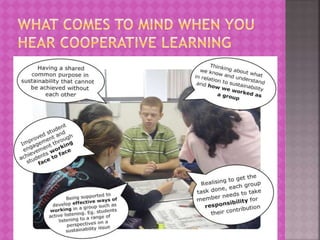
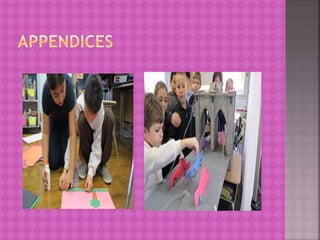
Face-to-Face (Promotive) Interaction
Encourage students to interface with multiple
parts of the project by assigning roles that
require interaction with the rest of the group
as they work, such as checking data, keeping
the group on task, or keeping records.
Interpersonal Skills
Discussion: It may be helpful to explain to your
students why they are working together and
how the group can promote their learning.
Practice: Give students time to learn to work
together before expecting spectacular results
from cooperative learning.
 Get into 4 groups.
 Each group will get a sub topic.
 Use 3 minutes to share in that group what
you understand from that sub topic.
 One person will explain from each group with
the group came up with.
Balkcom, S. (1992, November 1). Office of
research education consumer guide. Retrieved
October 27, 2014
Hurburt, J. (2000, January 4). Teaching
methods. Retrieved October 25, 2014.
Shinder, J. (2002, July 6). Advantages and
disadvantage of cooperative learning.
Retrieved October 25, 2014.
Cooperate to operate
SUBSCRIBE HERE:
https://www.youtube.com/channel/UCJ
GIUBHMmFmj9BqG7N0kUNg?view_as=pu
blic
JOIN US ON FACEBOOK:
https://www.facebook.com/Food-Health-
Edu-109744533798479/

Cooperative learning teaching method

  • 2.
    This refers tothe general principles, pedagogy and management strategies used for classroom instruction. Your choice of teaching method depends on what fits you, your educational philosophy, classroom demographic, subject area(s) and school mission statement. This may be done through a teacher centered or student centered approach.
  • 3.
     Discussion  Questioning Demonstration  Micro Teaching  Team Teaching  Cooperative Learning
  • 5.
    This is asuccessful teaching strategy in which small teams, each with students of different levels of ability, use a variety of learning activities to improve their understanding of a subject. Each team member is responsible not only for learning what is taught but also for helping teammates learn, thus creating an atmosphere of achievement.
  • 6.
    Informal cooperative learninggroups  These may be organized as an “on-the-fly” to aid in direct teaching. These groups are useful in breaking up lectures into shorter segments combined with group activities.  This is useful as it leads to fewer lectures, while increasing the amount of material retained by students, which is more comfortable because they are working with each other.
  • 7.
    Formal cooperative learning This form of grouping forms the basis for routine uses of cooperative learning. Groups are formed for one class period and will work together on a project for several weeks. This is where students learn and are comfortable with applying the different techniques of working together cooperatively.
  • 8.
    Cooperative based groups These types of groups are long-term and may last for at least a year. These are stable groups made up of individuals with different skills and perspectives. This allows students to support each other in academics and other aspects of their lives. The group members will ensure that everyone compliment their work and hold each other accountable for their contribution.
  • 9.
     Improves academicperformance.  Improves behaviour and attendance.  Increases self-confidence and motivation  Increases liking of school and classmates.  It is also easy to implement and is inexpensive.
  • 10.
     Questions aremore likely to be asked and answered in a group setting.  Produces a level of engagement that other methods cannot.  Students may be better able to explain something to another student than a teacher to a class.  They teach one another by explaining in their own words and reinforce information.
  • 11.
     It’s aburden to make students responsible for each other’s learning apart from themselves.  A child’s success by this method depends on the child’s interest and motivation in the subject that the method is being used.  This creates chances for conflict and therefore, the need for conflict resolution skills.
  • 12.
     It isdifficult for the teacher to know if the students are discussing the academic content other than something else.  Higher ability students will not experience the stimulation or challenges they would with other high ability students.  Lower ability students may feel demotivated because the feel as though they are always in need of help and may not experience the role of leadership.
  • 13.
    Group Investigations arestructured to emphasize higher-order thinking skills such as analysis and evaluation. Students work to produce a group project, which they may have a hand in selecting.
  • 14.
    Face-to-Face (Promotive) Interaction Encouragestudents to interface with multiple parts of the project by assigning roles that require interaction with the rest of the group as they work, such as checking data, keeping the group on task, or keeping records.
  • 15.
    Interpersonal Skills Discussion: Itmay be helpful to explain to your students why they are working together and how the group can promote their learning. Practice: Give students time to learn to work together before expecting spectacular results from cooperative learning.
  • 17.
     Get into4 groups.  Each group will get a sub topic.  Use 3 minutes to share in that group what you understand from that sub topic.  One person will explain from each group with the group came up with.
  • 18.
    Balkcom, S. (1992,November 1). Office of research education consumer guide. Retrieved October 27, 2014 Hurburt, J. (2000, January 4). Teaching methods. Retrieved October 25, 2014. Shinder, J. (2002, July 6). Advantages and disadvantage of cooperative learning. Retrieved October 25, 2014.
  • 19.
  • 21.
    SUBSCRIBE HERE: https://www.youtube.com/channel/UCJ GIUBHMmFmj9BqG7N0kUNg?view_as=pu blic JOIN USON FACEBOOK: https://www.facebook.com/Food-Health- Edu-109744533798479/