PAT 202 – PRINCIPLES OF INTEGRATEDPLANT DIEASE MANAGEMENT(1+1 )
CLASSIFICATION OF CONTACT FUNGICIDE
BY
RATHIKA NATARAJAN
2017028067
RVS AGRICULTURAL COLLEGE
THANJAVUR.
Course Teacher:
K. Ramalingam
Assistant professor
(pathology)
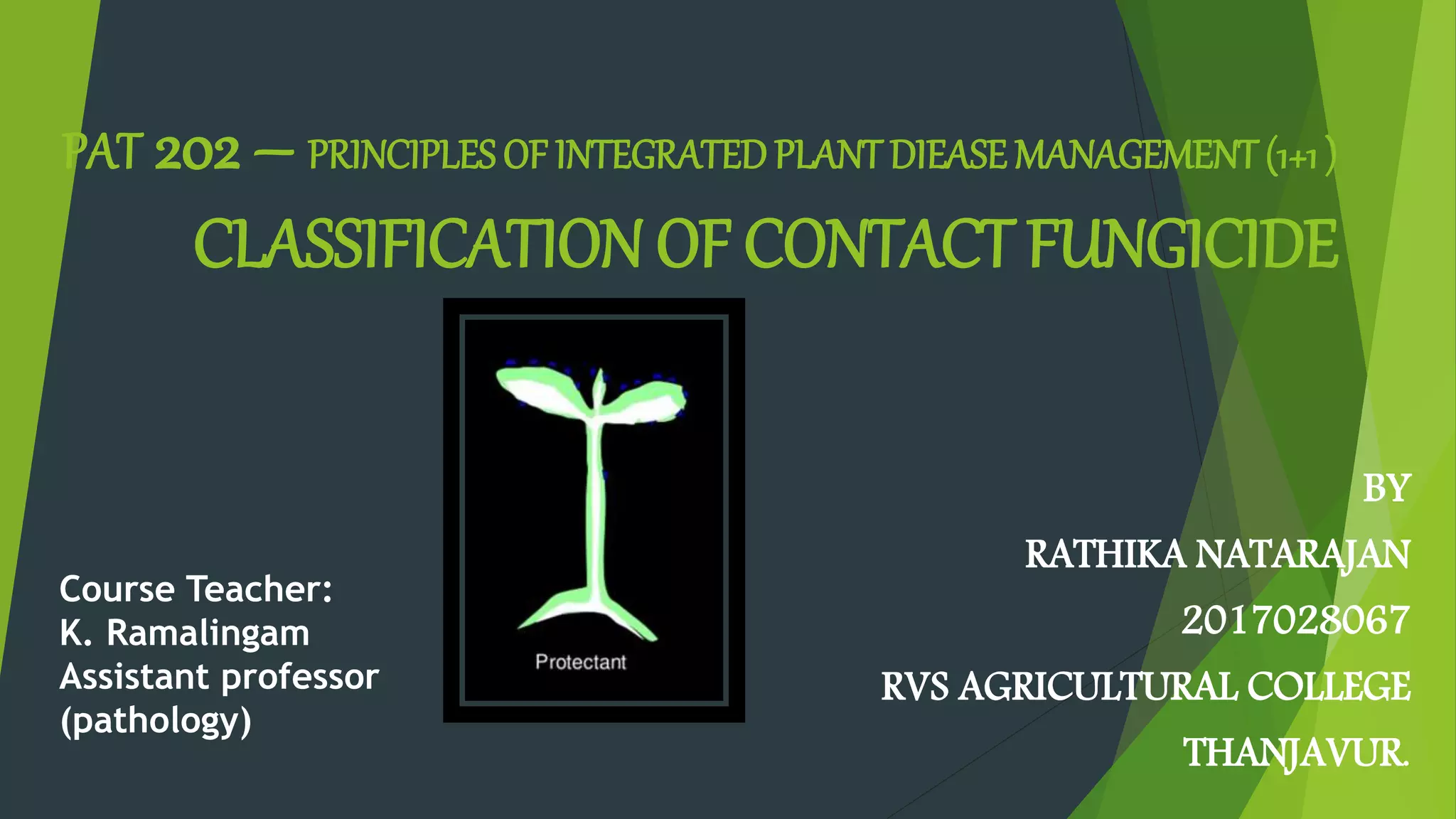
CONTACT FUNGICIDES
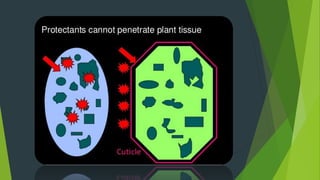
 Contact fungicides are not taken up into the plant
tissue, and protect only the plant where the spray is
deposited ;
 Transminar fungicides redistribute the fungicide from
the upper, sprayed leaf surface to the lower,unsprayed
surface .
 control Foliar disease
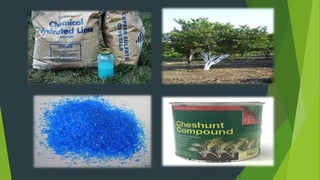
Mode of action and uses-Copper fungicides
 Copper as copper ions is readily accumulated by sensitive
fungi.
 It forms couplexes with enzymes that possess sulphydryl,
hydroxyl, amino or carboxyl groups by inactivating them
and leading to a general disruption of metabolism and
breakdown of cell integrity
Mode of action and uses- Sulphur compounds
1) Elemental Sulphur
a) Oxidised sulphur theory
 So2 accounts for fungicidal activity . Sometimes ‘S’ oxidized
to So3 is responsible for fungicidal activity.
 Some reports indicated that thionic acid, an oxidizes
derivative of sulphur is important for fungitoxic action.
 Hydrogen ion concentration in the fungicide solution in
water is highly toxic to pathogens.
b) Hydrogen sulphide theory
 H2S from elemental sulphur is responsible for fungicidal action
c) Direct action theory
 Sulphur acts as a hydrogen acceptor in metabolic systems and doing
so disturb the normal hydrogenation and hydrogenation reactions in
cell.
 This theory is based on the presumption that sulphur is next to O2
and acts much like O2. Since fungal cells are permeable to O2 and
hence the cells are permeable to sulphur also.
 Some more reports indicates that oxygen and
sulphur forms H2S instead of H2O in fermentation
reaction and S2 mixed up in the compounds of
Koch cycle causing thereby metabolic
disturbance.
 Sulphur fungicides emits sufficient vapour to
prevent the growth of fungus spores at a distance
of several millimeter from deposits on leaves.
2.Organic sulphur
 Interaction of Cu ions and dithio carbamates ions forms two
complexes.
i)Unsaturated positively charged 1:1 complex
ii) Saturated charged 1:2 complex
 Attachment of 1:1 complex of metal and dithiocarbamate ions
to enzymes reduces the fungal growth.
 Dithiocarbamate bearing free hydrogen at the nitrogen can split
the hydrogen sulphide with the formation of Isothiocyanate
groups.
 The Isothiocyanate and hydrogen sulphide formed are more
antifungal and react’s with free sulphidal group.
Mercury fungicides
 Grouped as inorganic and organic mercury compounds.
 Highly fungitoxic and were used as seed treatment chemicals
against seed borne diseases.
 Inorganic compound show bactericidal property also.
 Due to their residual toxicity in soil and plants and their
extreme toxicity nature to animal and human beings, the
use of mercury fungicides is beings discouraged.
Heterocyclic nitrogen compounds
 Mostly used as foliage and fruit protectants.
 Some compounds are very effectively used as seed
dressers.
Benzene compounds
 Many aromatic compounds have important
antimicrobial properties and have been developed
as fungicides
Quinone fungicides
 Quinones are naturally present in plants and
animals and they exhibit anti microbial
activity and some compounds are successfully
developed and used in the plant disease
control.
Organo tin compounds
Several other organic compounds tin, lead
etc have been developed and successfully
used in plant disease control
ORGANO PHOSPOROUS
 Common Name-Edifenphos (organo phosphate)
 Trade Name- Hinosan
 Diseases controlled- Blast
Miscellaneous
 Common Name- Chlorothalonil
 Trade Name- Daconil, Kawach
 Diseases controlled- Leaf spots, early and late leaf spot,
downy mildews, rusts, anthracnoses
 Common Name- Dodine
 Trade Name- Cyprex
 Diseases controlled- Apple scab and Ascomycotina fungi

contact fungicide

  • 1.
    PAT 202 –PRINCIPLES OF INTEGRATEDPLANT DIEASE MANAGEMENT(1+1 ) CLASSIFICATION OF CONTACT FUNGICIDE BY RATHIKA NATARAJAN 2017028067 RVS AGRICULTURAL COLLEGE THANJAVUR. Course Teacher: K. Ramalingam Assistant professor (pathology)
  • 2.
    CONTACT FUNGICIDES  Contactfungicides are not taken up into the plant tissue, and protect only the plant where the spray is deposited ;  Transminar fungicides redistribute the fungicide from the upper, sprayed leaf surface to the lower,unsprayed surface .  control Foliar disease
  • 4.
    Mode of actionand uses-Copper fungicides  Copper as copper ions is readily accumulated by sensitive fungi.  It forms couplexes with enzymes that possess sulphydryl, hydroxyl, amino or carboxyl groups by inactivating them and leading to a general disruption of metabolism and breakdown of cell integrity
  • 6.
    Mode of actionand uses- Sulphur compounds 1) Elemental Sulphur a) Oxidised sulphur theory  So2 accounts for fungicidal activity . Sometimes ‘S’ oxidized to So3 is responsible for fungicidal activity.  Some reports indicated that thionic acid, an oxidizes derivative of sulphur is important for fungitoxic action.  Hydrogen ion concentration in the fungicide solution in water is highly toxic to pathogens.
  • 7.
    b) Hydrogen sulphidetheory  H2S from elemental sulphur is responsible for fungicidal action c) Direct action theory  Sulphur acts as a hydrogen acceptor in metabolic systems and doing so disturb the normal hydrogenation and hydrogenation reactions in cell.  This theory is based on the presumption that sulphur is next to O2 and acts much like O2. Since fungal cells are permeable to O2 and hence the cells are permeable to sulphur also.
  • 8.
     Some morereports indicates that oxygen and sulphur forms H2S instead of H2O in fermentation reaction and S2 mixed up in the compounds of Koch cycle causing thereby metabolic disturbance.  Sulphur fungicides emits sufficient vapour to prevent the growth of fungus spores at a distance of several millimeter from deposits on leaves.
  • 9.
    2.Organic sulphur  Interactionof Cu ions and dithio carbamates ions forms two complexes. i)Unsaturated positively charged 1:1 complex ii) Saturated charged 1:2 complex  Attachment of 1:1 complex of metal and dithiocarbamate ions to enzymes reduces the fungal growth.  Dithiocarbamate bearing free hydrogen at the nitrogen can split the hydrogen sulphide with the formation of Isothiocyanate groups.  The Isothiocyanate and hydrogen sulphide formed are more antifungal and react’s with free sulphidal group.
  • 10.
    Mercury fungicides  Groupedas inorganic and organic mercury compounds.  Highly fungitoxic and were used as seed treatment chemicals against seed borne diseases.  Inorganic compound show bactericidal property also.  Due to their residual toxicity in soil and plants and their extreme toxicity nature to animal and human beings, the use of mercury fungicides is beings discouraged.
  • 11.
    Heterocyclic nitrogen compounds Mostly used as foliage and fruit protectants.  Some compounds are very effectively used as seed dressers. Benzene compounds  Many aromatic compounds have important antimicrobial properties and have been developed as fungicides
  • 12.
    Quinone fungicides  Quinonesare naturally present in plants and animals and they exhibit anti microbial activity and some compounds are successfully developed and used in the plant disease control. Organo tin compounds Several other organic compounds tin, lead etc have been developed and successfully used in plant disease control
  • 13.
    ORGANO PHOSPOROUS  CommonName-Edifenphos (organo phosphate)  Trade Name- Hinosan  Diseases controlled- Blast Miscellaneous  Common Name- Chlorothalonil  Trade Name- Daconil, Kawach  Diseases controlled- Leaf spots, early and late leaf spot, downy mildews, rusts, anthracnoses  Common Name- Dodine  Trade Name- Cyprex  Diseases controlled- Apple scab and Ascomycotina fungi