CONSUMER PERCEPTION
AND
CONSUMER IMAGERY
BY:
RAHUL MEHRA
SHRUTI SAGAR
SHUBHAM
RISHAB
PERCEPTION
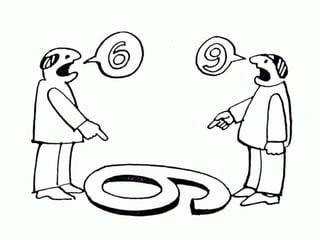
The process by which an individual selects, organizes and interprets
stimuli into a meaningful and coherent picture of the world.
SUBLIMINAL PERCEPTION
Message below the threshold level- below the conscious level.
MRF tires in Indian movies
ELEMENTS OF PERCEPTION
 PERCEPTUAL SELECTION
PERCEPTUAL ORGANIZATION
PERCEPTUAL INTERPRETATION
PERCEPTUAL SELECTION
Stimuli get selected on two factor:-
1. Consumers previous experience affects their expectation.
2. Motives at that times.
Nature of the stimulus
• Nature of the product physical attributes, the package design, brand
name and advertisement. (Includes copy, choice, positioning and size)
• Contrast- difference creates more attention towards the advertisement.
 Expectations
• People see what they want to see, based on previous experience,
familiarity and preconditioned set of expectations.
• Marketers believed that high degree of sexuality creates more
attention.
 Motives
• People perceive the things they need and want –Stronger the
need – Greater tendency to ignore unrelated things.
• People who are obese see ads related to gyms and diet.
PERCEPTUAL ORGANIZATION
 People see everything as a whole.
 Principle of Psychology
• Figure Ground
• Perceptual Grouping
• Constancy
• Context .
PERCEPTUAL INTERPRETATION
 Stimulus are often highly ambiguous or weak.
 Stereotypes
 PhysicalAppearances
 Descriptive terms
 First Impression
 Halo Effect
CONSUMER IMAGERY
 Consumer formulate perceived images
about product, services, prices, product
quality, retail stores and manufacturers.
 People buy product to enhance their self
image( relating themselves to the product)
ISSUES IN CONSUMER
IMAGERY
PRODUCT
POSITIONING AND
REPOSITIONING
PERCEIVED
QUALITY
PERCEIVED RISK
PRICE QUALITY
RELATIONSHIP
PERCEIVED PRICE
PERCEIVED POSITIONING
The marketer creates an image of the product/services or the
brand in the mind of consumer.
Positioning is how consumers perceive a product relative to the
competition.
Companies want to have a distinctive image and offering that
stands out from the competition in the mind of the consumer.
Eg:
• Complan for growing tall
• Boost for stamina.
PERCEPTUAL MAPPING FOR
LAPTOPS
PRODUCT REPOSITIONING
The product/services offering may require a repositioning with change
in the market line, entry of competitor brands, changing customer
preferences etc.
PERCEIVED PRICE
 The manner in which a marketer
prices a product and creates an
image to have an impact on
consumer decision making.
Example: 20% off at store ABC.
Sold elsewhere at Rs.500. Such
slogans tend to communicate
“value” to the customer, through
perceptions of increased saving
and low price.
PERCEIVED QUALITY
Consumer judge the quality of the product offering on the basis of
internal and external cues.
Internal Cues: The physical characteristics internal to the product or
services, like size, color etc.
External Cues: That are external to the product or services, like price
of the product, brand Image, retail store image or the country of origin.
PRICE-QUALITY RELATIONSHIP
The higher the price, the better is
the quality. e.g. Apple
Marketers relate the increased
price to the product/services
attributes, features and the
overall benefits that the offering
provides.
PERCEIVED RISK
It refer to a feeling of uncertainty that arrives within an individual when
he falls to predict the consequences of product choice, usage and
resultant experience.
Reasons:
Lack of information, newness of the product/services offering,
complexity of the offering, high price etc.
Consumer behaviour ppt

Consumer behaviour ppt

  • 1.
    CONSUMER PERCEPTION AND CONSUMER IMAGERY BY: RAHULMEHRA SHRUTI SAGAR SHUBHAM RISHAB
  • 3.
    PERCEPTION The process bywhich an individual selects, organizes and interprets stimuli into a meaningful and coherent picture of the world.
  • 4.
    SUBLIMINAL PERCEPTION Message belowthe threshold level- below the conscious level. MRF tires in Indian movies
  • 5.
    ELEMENTS OF PERCEPTION PERCEPTUAL SELECTION PERCEPTUAL ORGANIZATION PERCEPTUAL INTERPRETATION
  • 6.
    PERCEPTUAL SELECTION Stimuli getselected on two factor:- 1. Consumers previous experience affects their expectation. 2. Motives at that times. Nature of the stimulus • Nature of the product physical attributes, the package design, brand name and advertisement. (Includes copy, choice, positioning and size) • Contrast- difference creates more attention towards the advertisement.
  • 7.
     Expectations • Peoplesee what they want to see, based on previous experience, familiarity and preconditioned set of expectations. • Marketers believed that high degree of sexuality creates more attention.  Motives • People perceive the things they need and want –Stronger the need – Greater tendency to ignore unrelated things. • People who are obese see ads related to gyms and diet.
  • 8.
    PERCEPTUAL ORGANIZATION  Peoplesee everything as a whole.  Principle of Psychology • Figure Ground • Perceptual Grouping • Constancy • Context .
  • 9.
    PERCEPTUAL INTERPRETATION  Stimulusare often highly ambiguous or weak.  Stereotypes  PhysicalAppearances  Descriptive terms  First Impression  Halo Effect
  • 10.
    CONSUMER IMAGERY  Consumerformulate perceived images about product, services, prices, product quality, retail stores and manufacturers.  People buy product to enhance their self image( relating themselves to the product)
  • 11.
    ISSUES IN CONSUMER IMAGERY PRODUCT POSITIONINGAND REPOSITIONING PERCEIVED QUALITY PERCEIVED RISK PRICE QUALITY RELATIONSHIP PERCEIVED PRICE
  • 12.
    PERCEIVED POSITIONING The marketercreates an image of the product/services or the brand in the mind of consumer. Positioning is how consumers perceive a product relative to the competition. Companies want to have a distinctive image and offering that stands out from the competition in the mind of the consumer. Eg: • Complan for growing tall • Boost for stamina.
  • 13.
  • 14.
    PRODUCT REPOSITIONING The product/servicesoffering may require a repositioning with change in the market line, entry of competitor brands, changing customer preferences etc.
  • 15.
    PERCEIVED PRICE  Themanner in which a marketer prices a product and creates an image to have an impact on consumer decision making. Example: 20% off at store ABC. Sold elsewhere at Rs.500. Such slogans tend to communicate “value” to the customer, through perceptions of increased saving and low price.
  • 16.
    PERCEIVED QUALITY Consumer judgethe quality of the product offering on the basis of internal and external cues. Internal Cues: The physical characteristics internal to the product or services, like size, color etc. External Cues: That are external to the product or services, like price of the product, brand Image, retail store image or the country of origin.
  • 17.
    PRICE-QUALITY RELATIONSHIP The higherthe price, the better is the quality. e.g. Apple Marketers relate the increased price to the product/services attributes, features and the overall benefits that the offering provides.
  • 18.
    PERCEIVED RISK It referto a feeling of uncertainty that arrives within an individual when he falls to predict the consequences of product choice, usage and resultant experience. Reasons: Lack of information, newness of the product/services offering, complexity of the offering, high price etc.