



Complementary and Alternative 
Therapies for Lupus 
Swamy Venuturupalli, MD, F.A.C.R 
Attending Physician, Cedars Sinai Medical Center 
Asst. Clinical Professor of Medicine, UCLA. 
8737 Beverly Blvd, Los Angeles, CA. 90048
Definition 
• Complementary and Alternative medicine 
includes all those types of medicine that, 
when mentioned by a patient, elicit a blank 
look from their physicians, and cause the 
physician to leave the room in a hurry.
NCCAM Definition 
• Complementary and alternative medicine, 
as defined by the National Center for 
Complementary and Alternative Medicine 
(NCCAM), is a group of diverse medical 
and health care systems, practices, and 
products that are not presently considered to 
be part of conventional medicine.
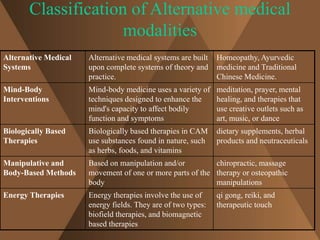
Classification of Alternative medical 
modalities 
Alternative Medical 
Systems 
Alternative medical systems are built 
upon complete systems of theory and 
practice. 
Homeopathy, Ayurvedic 
medicine and Traditional 
Chinese Medicine. 
Mind-Body 
Interventions 
Mind-body medicine uses a variety of 
techniques designed to enhance the 
mind's capacity to affect bodily 
function and symptoms 
meditation, prayer, mental 
healing, and therapies that 
use creative outlets such as 
art, music, or dance 
Biologically Based 
Therapies 
Biologically based therapies in CAM 
use substances found in nature, such 
as herbs, foods, and vitamins 
dietary supplements, herbal 
products and neutraceuticals 
Manipulative and 
Body-Based Methods 
Based on manipulation and/or 
movement of one or more parts of the 
body 
chiropractic, massage 
therapy or osteopathic 
manipulations 
Energy Therapies Energy therapies involve the use of 
energy fields. They are of two types: 
biofield therapies, and biomagnetic 
based therapies 
qi gong, reiki, and 
therapeutic touch
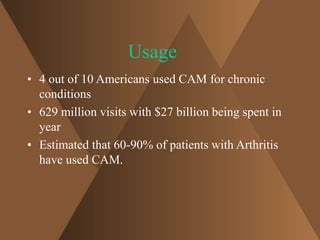
Usage 
• 4 out of 10 Americans used CAM for chronic 
conditions 
• 629 million visits with $27 billion being spent in 
year 
• Estimated that 60-90% of patients with Arthritis 
have used CAM.
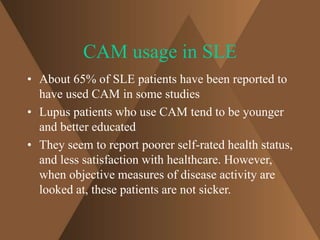
CAM usage in SLE 
• About 65% of SLE patients have been reported to 
have used CAM in some studies 
• Lupus patients who use CAM tend to be younger 
and better educated 
• They seem to report poorer self-rated health status, 
and less satisfaction with healthcare. However, 
when objective measures of disease activity are 
looked at, these patients are not sicker.
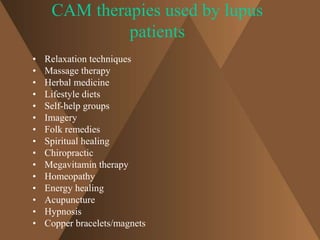
CAM therapies used by lupus 
patients 
• Relaxation techniques 
• Massage therapy 
• Herbal medicine 
• Lifestyle diets 
• Self-help groups 
• Imagery 
• Folk remedies 
• Spiritual healing 
• Chiropractic 
• Megavitamin therapy 
• Homeopathy 
• Energy healing 
• Acupuncture 
• Hypnosis 
• Copper bracelets/magnets
Topics of discussion 
• Appeal of alternative approaches 
• Difference between approaches 
• How does one choose- Role of Science 
• CAM therapies that have some clinical trial data 
for use in lupus patients 
• Other therapies 
• How does one choose- the way forward 
• Resources
Appeal of Alternative therapies 
• Recent research has shown the following 
reasons associated with seeking alternative 
therapies 
– Offer hope 
– Lifestyle choice 
– Psychological distress
Difference between approaches 
• Case 1: Ms. A who has SLE 
• Naturopath’s opinion 
• Traditional Chinese medicine 
• Rheumatologist’s opinion
How does one choose-the role of 
science 
• 1992- establishment of office of alternative 
medicine 
• The Randomized Controlled Trial- Gold standard 
of measurement 
• Criticism of this approach 
– Only western medicine can be tested using this 
approach 
– What about experience gained over thousands of 
years? 
– How do you deal with thousands of therapies out 
there which have no scientific data, but are popular or 
have shown benefit in someone you know?
Evidence Based Medicine 
• Grades of evidence 
– Case reports 
– Case series 
– Case controlled studies 
– Cohort studies 
– Randomized controlled trials
Nutritional studies 
• Protein and caloric restriction has beneficial effects 
– Severe caloric restriction delays the onset of 
glomerulonephritis in rats 
– Protein restriction especially of casein, phenylalanine, 
and tryptophan have a beneficial effect on lupus in rats 
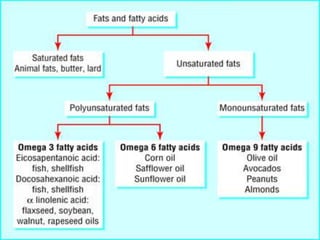
– diets rich in saturated fats and omega-6 fatty acids, and 
L-canavarine (alfalfa) have a deleterious effect on lupus 
in mice 
– Diets deficient in zinc were found to be beneficial in 
lupus rats 
– No human studies to date have confirmed these 
findings
Nutritional studies 
• Vitamin E has been advocated for lupus patients 
since the 1940’s. 
• Several positive studies have been reported 
• A closer look at the literature shows several 
negative studies as well 
• A recent meta-analysis of literature showed that 
high dose vitamin over 400IU per day was 
associated with a higher mortality and higher 
incidence of heart attacks and strokes.
Nutritional studies 
• Vitamin A has been reported to have beneficial 
effects in SLE 
• 3 patients with skin lesions were given vitamin A 
in high doses. In 1 week all lesions cleared up 
• Other researchers have reported an improvement 
in immune function parameters with vitamin A 
supplementation 
• Caution advised to patients using vitamin A from 
animal sources as these are fat soluble and can 
accumulate and cause toxicity
Nutritional studies 
• Selenium supplementation has been 
reported to be beneficial in lupus mice. 
• No human studies 
• Caution advised as excess selenium can 
cause diarrhea, vomiting, hair loss, skin 
lesions and nervous system dysfunction
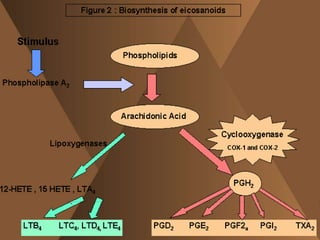
Omega 3 fatty acids
Omega-3 in lupus 
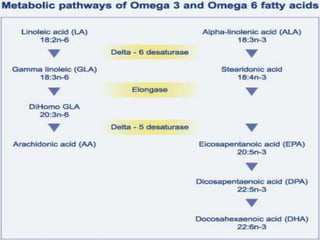
• Majority of mice studies show that fish oils retard the 
development of lupus in mice. 
• Human studies show only modest results 
• In 1 RCT, 8/17 lupus patients given 6-8 grams of fish oil per 
day improved compared with 2/17 given placebo 
• In 2 other uncontrolled studies, patients given large doses of 
fish oil, did not show any improvements in DNA, immune 
complexes, or renal parameters 
• In a double blind study of 26 lupus patients who were 
followed for 2 years, there was no improvement in renal 
parameters or DNA antibodies. However, lipids did improve 
in the treated group. 
• In a small uncontrolled study of 9 patients with lupus, 30 
grams of flax seed oil seem to confer some beneficial effects 
on renal parameters and atherogenesis.
HERBS 
• Considered to be safe because they are 
natural 
• Not regulated- are you getting what your 
supposed to be getting? 
• In traditional systems of medicine, these are 
given as part of a multi-modality treatment
Clinical data 
• Encouraging data in Arthritis (not lupus) was found for: 
– Gamma Linolenic Acid (GLA) 
• Evening primrose 
• Borage seed oil 
• Black currant seeds 
– Devils claw 
– Phytodolor 
– Willow bark extract. 
• Additional data for Trypterigium Wilfordii Hook 
F. (thunder god vine)
Tripterygium Wifordii Hook F 
(TWHf) 
• Herb known as “thunder god vine” 
• Used for over 2000 years in Chinese medicine 
• Thousands of patients have reportedly been successfully 
treated in China. 
• Been used in 5 open trials- total of 249 patients with lupus 
• Improved fever, rash, fatigue, lymphadenopathy and 
laboratory abnormalities 
• Some serious side effects such as gastrointestinal upset, 
infertility, and suppression of lymphocyte proliferation. A 
young man reportedly died from cardiac toxicity, and 
teratogenicity has also been reported.
Herbs- conclusions 
• Phytomedicines are multi-component systems, thus 
defining potential mechanisms of action is not easy. 
• They have weaker pharmacological effects on the 
inflammatory mediator pathway, thus ADR’s are low. 
• They cannot compete with synthetic drugs in severe cases 
of pain, but they have a role in: 
– mild to moderate chronic pain 
– As a replacement for more toxic drugs 
– More data on side effects and interactions needed: from 
pts and PCP’s.
DHEA 
• Naturally occurring adrenal steroid that is 
secreted mainly as DHEA-sulfate 
• Works as a substrate for androgens and 
estrogens. 
• Also has immunomodulatory effects, 
primarily upregulation of IL-2 and 
downregulation of IL- 6
DHEA 
• Van Vollenhoven RF, Engleman EG, McGuire JL. 
Dehydroepiandrosterone in systemic lupus erythematosus. Results of a 
double-blind, placebo-controlled, randomized clinical trial. Arthritis 
Rheum 1995; 38:1826-31. 
• Petri MA, Lahita RG, Van Vollenhoven RF, et al. Effects of prasterone 
on corticosteroid requirements of women with systemic lupus 
erythematosus: a double-blind, randomized, placebo-controlled trial. 
Arthritis Rheum 2002; 46:1820-9. 
• Chang DM, Lan JL, Lin HY, Luo SF. Dehydroepiandrosterone 
treatment of women with mild-to-moderate systemic lupus 
erythematosus: a multicenter randomized, double-blind, placebo-controlled 
trial. Arthritis Rheum 2002; 46:2924-7.
Dehydroepiandrosterone treatment of women with mild-to-moderate 
systemic lupus erythematosus: a multicenter 
randomized, double-blind, placebo-controlled trial. 
• Large RCT, multi-center. 
• 200mg prasterone per day 
• 381 women enrolled 
• 86/147 in the prasterone group v/s 65/146 in placebo group 
had either stabilization or improvement in their disease 
• Muscle aches and oral ulcers were less frequent in the 
prasterone group 
• The lipid profile improved significantly and complement 
levels decreased 
• Acne and hirsutism were the most frequent side effects, but 
these were not severe 
• In my practice I use it for symptoms of severe fatigue and for 
cognitive difficulties 
Arthritis Rheum 2002; 46:2924-7
Stress and Lupus 
• Hard to define- major stress and minor stress. 
• Psychological anxiety, high demand of self and job, poor 
control of life, poor social support- these are surrogates that are 
used to measure stress in scientific studies. 
• There is a connection between stress and hormones- e.g. cortisol 
• Stress has not been shown to cause lupus in multiple studies 
• Stress can exacerbate lupus- shown in multiple studies 
• Stress usually causes a worsening in the quality of life of lupus 
patients 
• Psychosocial factors can affect disease activity and quality of 
life but not cause organ damage 
• Coping with stress is associated with improvement in quality of 
life. 
Neuroimmunomodulation 2006;13:283–293
Psychosocial factors that might 
positively affect adaptation 
• Self-efficacy: A belief that one can perform 
specific behaviors to achieve specific health 
related goals 
• Optimism: A stable tendency to believe that one 
will experience good rather than bad outcomes 
• Acceptance: Acceptance that one has a chronic 
disease that may not completely get better
Psychosocial interventions 
• Patient education 
• Coping skills training 
• Relapse prevention: 
– Identification of early signs of relapse 
– Rehearsal of cognitive and behavioral skills for 
coping 
– Provision of self-rewards for effective 
performance of coping responses
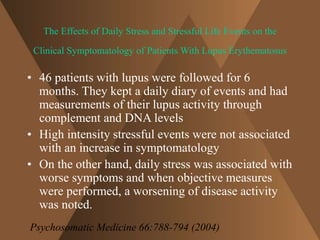
The Effects of Daily Stress and Stressful Life Events on the 
Clinical Symptomatology of Patients With Lupus Erythematosus 
• 46 patients with lupus were followed for 6 
months. They kept a daily diary of events and had 
measurements of their lupus activity through 
complement and DNA levels 
• High intensity stressful events were not associated 
with an increase in symptomatology 
• On the other hand, daily stress was associated with 
worse symptoms and when objective measures 
were performed, a worsening of disease activity 
was noted. 
Psychosomatic Medicine 66:788-794 (2004)
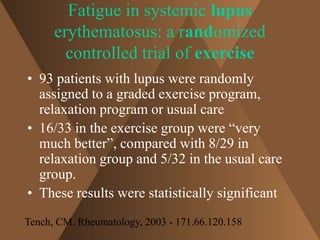
Fatigue in systemic lupus 
erythematosus: a randomized 
controlled trial of exercise 
• 93 patients with lupus were randomly 
assigned to a graded exercise program, 
relaxation program or usual care 
• 16/33 in the exercise group were “very 
much better”, compared with 8/29 in 
relaxation group and 5/32 in the usual care 
group. 
• These results were statistically significant 
Tench, CM. Rheumatology, 2003 - 171.66.120.158
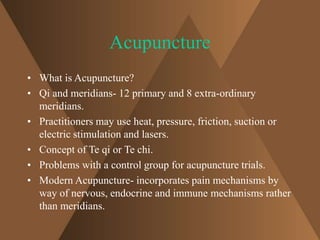
Acupuncture 
• What is Acupuncture? 
• Qi and meridians- 12 primary and 8 extra-ordinary 
meridians. 
• Practitioners may use heat, pressure, friction, suction or 
electric stimulation and lasers. 
• Concept of Te qi or Te chi. 
• Problems with a control group for acupuncture trials. 
• Modern Acupuncture- incorporates pain mechanisms by 
way of nervous, endocrine and immune mechanisms rather 
than meridians.
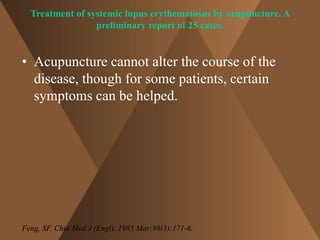
Treatment of systemic lupus erythematosus by acupuncture. A 
preliminary report of 25 cases. 
• Acupuncture cannot alter the course of the 
disease, though for some patients, certain 
symptoms can be helped. 
Feng, SF. Chin Med J (Engl). 1985 Mar;98(3):171-6.
CAM therapies used by lupus 
patients 
• Relaxation techniques 
• Massage therapy 
• Herbal medicine 
• Lifestyle diets 
• Self-help groups 
• Imagery 
• Folk remedies 
• Spiritual healing 
• Chiropractic 
• Megavitamin therapy 
• Homeopathy 
• Energy healing 
• Acupuncture 
• Hypnosis 
• Copper bracelets/magnets
Conclusions- Choosing the right 
practitioner 
– Get an accurate diagnosis 
– Ask your doctor. 
– Get information. 
– Check references. 
– Check qualifications. 
– Consider the cost.
Conclusions- Danger signs 
about a practitioner 
• promises you can be "cured." 
• tells you to stop or decrease prescription medications. 
• advises a severely restricted diet 
• insists you pay in advance for a series of expensive treatments 
• cannot show you a license or a certificate from an approved 
school or organization in his or her specialty 
• advises you to keep the treatment a secret from your doctor, or 
anyone else
Resources for more information 
• Arthritis foundation: www.arthritis.org 
• National Center for Complementary and 
Alternative Medicine: www.nccam.nih.gov 
• The arthritis foundation’s guide to 
alternative therapies 
• Johns Hopkins review of alternative 
therapies for arthritis

Complementary and Alternative Therapies for Lupus

  • 1.
    Complementary and Alternative Therapies for Lupus Swamy Venuturupalli, MD, F.A.C.R Attending Physician, Cedars Sinai Medical Center Asst. Clinical Professor of Medicine, UCLA. 8737 Beverly Blvd, Los Angeles, CA. 90048
  • 2.
    Definition • Complementaryand Alternative medicine includes all those types of medicine that, when mentioned by a patient, elicit a blank look from their physicians, and cause the physician to leave the room in a hurry.
  • 3.
    NCCAM Definition •Complementary and alternative medicine, as defined by the National Center for Complementary and Alternative Medicine (NCCAM), is a group of diverse medical and health care systems, practices, and products that are not presently considered to be part of conventional medicine.
  • 4.
    Classification of Alternativemedical modalities Alternative Medical Systems Alternative medical systems are built upon complete systems of theory and practice. Homeopathy, Ayurvedic medicine and Traditional Chinese Medicine. Mind-Body Interventions Mind-body medicine uses a variety of techniques designed to enhance the mind's capacity to affect bodily function and symptoms meditation, prayer, mental healing, and therapies that use creative outlets such as art, music, or dance Biologically Based Therapies Biologically based therapies in CAM use substances found in nature, such as herbs, foods, and vitamins dietary supplements, herbal products and neutraceuticals Manipulative and Body-Based Methods Based on manipulation and/or movement of one or more parts of the body chiropractic, massage therapy or osteopathic manipulations Energy Therapies Energy therapies involve the use of energy fields. They are of two types: biofield therapies, and biomagnetic based therapies qi gong, reiki, and therapeutic touch
  • 5.
    Usage • 4out of 10 Americans used CAM for chronic conditions • 629 million visits with $27 billion being spent in year • Estimated that 60-90% of patients with Arthritis have used CAM.
  • 6.
    CAM usage inSLE • About 65% of SLE patients have been reported to have used CAM in some studies • Lupus patients who use CAM tend to be younger and better educated • They seem to report poorer self-rated health status, and less satisfaction with healthcare. However, when objective measures of disease activity are looked at, these patients are not sicker.
  • 7.
    CAM therapies usedby lupus patients • Relaxation techniques • Massage therapy • Herbal medicine • Lifestyle diets • Self-help groups • Imagery • Folk remedies • Spiritual healing • Chiropractic • Megavitamin therapy • Homeopathy • Energy healing • Acupuncture • Hypnosis • Copper bracelets/magnets
  • 8.
    Topics of discussion • Appeal of alternative approaches • Difference between approaches • How does one choose- Role of Science • CAM therapies that have some clinical trial data for use in lupus patients • Other therapies • How does one choose- the way forward • Resources
  • 9.
    Appeal of Alternativetherapies • Recent research has shown the following reasons associated with seeking alternative therapies – Offer hope – Lifestyle choice – Psychological distress
  • 10.
    Difference between approaches • Case 1: Ms. A who has SLE • Naturopath’s opinion • Traditional Chinese medicine • Rheumatologist’s opinion
  • 11.
    How does onechoose-the role of science • 1992- establishment of office of alternative medicine • The Randomized Controlled Trial- Gold standard of measurement • Criticism of this approach – Only western medicine can be tested using this approach – What about experience gained over thousands of years? – How do you deal with thousands of therapies out there which have no scientific data, but are popular or have shown benefit in someone you know?
  • 12.
    Evidence Based Medicine • Grades of evidence – Case reports – Case series – Case controlled studies – Cohort studies – Randomized controlled trials
  • 13.
    Nutritional studies •Protein and caloric restriction has beneficial effects – Severe caloric restriction delays the onset of glomerulonephritis in rats – Protein restriction especially of casein, phenylalanine, and tryptophan have a beneficial effect on lupus in rats – diets rich in saturated fats and omega-6 fatty acids, and L-canavarine (alfalfa) have a deleterious effect on lupus in mice – Diets deficient in zinc were found to be beneficial in lupus rats – No human studies to date have confirmed these findings
  • 14.
    Nutritional studies •Vitamin E has been advocated for lupus patients since the 1940’s. • Several positive studies have been reported • A closer look at the literature shows several negative studies as well • A recent meta-analysis of literature showed that high dose vitamin over 400IU per day was associated with a higher mortality and higher incidence of heart attacks and strokes.
  • 15.
    Nutritional studies •Vitamin A has been reported to have beneficial effects in SLE • 3 patients with skin lesions were given vitamin A in high doses. In 1 week all lesions cleared up • Other researchers have reported an improvement in immune function parameters with vitamin A supplementation • Caution advised to patients using vitamin A from animal sources as these are fat soluble and can accumulate and cause toxicity
  • 16.
    Nutritional studies •Selenium supplementation has been reported to be beneficial in lupus mice. • No human studies • Caution advised as excess selenium can cause diarrhea, vomiting, hair loss, skin lesions and nervous system dysfunction
  • 17.
  • 23.
    Omega-3 in lupus • Majority of mice studies show that fish oils retard the development of lupus in mice. • Human studies show only modest results • In 1 RCT, 8/17 lupus patients given 6-8 grams of fish oil per day improved compared with 2/17 given placebo • In 2 other uncontrolled studies, patients given large doses of fish oil, did not show any improvements in DNA, immune complexes, or renal parameters • In a double blind study of 26 lupus patients who were followed for 2 years, there was no improvement in renal parameters or DNA antibodies. However, lipids did improve in the treated group. • In a small uncontrolled study of 9 patients with lupus, 30 grams of flax seed oil seem to confer some beneficial effects on renal parameters and atherogenesis.
  • 25.
    HERBS • Consideredto be safe because they are natural • Not regulated- are you getting what your supposed to be getting? • In traditional systems of medicine, these are given as part of a multi-modality treatment
  • 26.
    Clinical data •Encouraging data in Arthritis (not lupus) was found for: – Gamma Linolenic Acid (GLA) • Evening primrose • Borage seed oil • Black currant seeds – Devils claw – Phytodolor – Willow bark extract. • Additional data for Trypterigium Wilfordii Hook F. (thunder god vine)
  • 27.
    Tripterygium Wifordii HookF (TWHf) • Herb known as “thunder god vine” • Used for over 2000 years in Chinese medicine • Thousands of patients have reportedly been successfully treated in China. • Been used in 5 open trials- total of 249 patients with lupus • Improved fever, rash, fatigue, lymphadenopathy and laboratory abnormalities • Some serious side effects such as gastrointestinal upset, infertility, and suppression of lymphocyte proliferation. A young man reportedly died from cardiac toxicity, and teratogenicity has also been reported.
  • 28.
    Herbs- conclusions •Phytomedicines are multi-component systems, thus defining potential mechanisms of action is not easy. • They have weaker pharmacological effects on the inflammatory mediator pathway, thus ADR’s are low. • They cannot compete with synthetic drugs in severe cases of pain, but they have a role in: – mild to moderate chronic pain – As a replacement for more toxic drugs – More data on side effects and interactions needed: from pts and PCP’s.
  • 29.
    DHEA • Naturallyoccurring adrenal steroid that is secreted mainly as DHEA-sulfate • Works as a substrate for androgens and estrogens. • Also has immunomodulatory effects, primarily upregulation of IL-2 and downregulation of IL- 6
  • 30.
    DHEA • VanVollenhoven RF, Engleman EG, McGuire JL. Dehydroepiandrosterone in systemic lupus erythematosus. Results of a double-blind, placebo-controlled, randomized clinical trial. Arthritis Rheum 1995; 38:1826-31. • Petri MA, Lahita RG, Van Vollenhoven RF, et al. Effects of prasterone on corticosteroid requirements of women with systemic lupus erythematosus: a double-blind, randomized, placebo-controlled trial. Arthritis Rheum 2002; 46:1820-9. • Chang DM, Lan JL, Lin HY, Luo SF. Dehydroepiandrosterone treatment of women with mild-to-moderate systemic lupus erythematosus: a multicenter randomized, double-blind, placebo-controlled trial. Arthritis Rheum 2002; 46:2924-7.
  • 31.
    Dehydroepiandrosterone treatment ofwomen with mild-to-moderate systemic lupus erythematosus: a multicenter randomized, double-blind, placebo-controlled trial. • Large RCT, multi-center. • 200mg prasterone per day • 381 women enrolled • 86/147 in the prasterone group v/s 65/146 in placebo group had either stabilization or improvement in their disease • Muscle aches and oral ulcers were less frequent in the prasterone group • The lipid profile improved significantly and complement levels decreased • Acne and hirsutism were the most frequent side effects, but these were not severe • In my practice I use it for symptoms of severe fatigue and for cognitive difficulties Arthritis Rheum 2002; 46:2924-7
  • 32.
    Stress and Lupus • Hard to define- major stress and minor stress. • Psychological anxiety, high demand of self and job, poor control of life, poor social support- these are surrogates that are used to measure stress in scientific studies. • There is a connection between stress and hormones- e.g. cortisol • Stress has not been shown to cause lupus in multiple studies • Stress can exacerbate lupus- shown in multiple studies • Stress usually causes a worsening in the quality of life of lupus patients • Psychosocial factors can affect disease activity and quality of life but not cause organ damage • Coping with stress is associated with improvement in quality of life. Neuroimmunomodulation 2006;13:283–293
  • 33.
    Psychosocial factors thatmight positively affect adaptation • Self-efficacy: A belief that one can perform specific behaviors to achieve specific health related goals • Optimism: A stable tendency to believe that one will experience good rather than bad outcomes • Acceptance: Acceptance that one has a chronic disease that may not completely get better
  • 34.
    Psychosocial interventions •Patient education • Coping skills training • Relapse prevention: – Identification of early signs of relapse – Rehearsal of cognitive and behavioral skills for coping – Provision of self-rewards for effective performance of coping responses
  • 35.
    The Effects ofDaily Stress and Stressful Life Events on the Clinical Symptomatology of Patients With Lupus Erythematosus • 46 patients with lupus were followed for 6 months. They kept a daily diary of events and had measurements of their lupus activity through complement and DNA levels • High intensity stressful events were not associated with an increase in symptomatology • On the other hand, daily stress was associated with worse symptoms and when objective measures were performed, a worsening of disease activity was noted. Psychosomatic Medicine 66:788-794 (2004)
  • 37.
    Fatigue in systemiclupus erythematosus: a randomized controlled trial of exercise • 93 patients with lupus were randomly assigned to a graded exercise program, relaxation program or usual care • 16/33 in the exercise group were “very much better”, compared with 8/29 in relaxation group and 5/32 in the usual care group. • These results were statistically significant Tench, CM. Rheumatology, 2003 - 171.66.120.158
  • 38.
    Acupuncture • Whatis Acupuncture? • Qi and meridians- 12 primary and 8 extra-ordinary meridians. • Practitioners may use heat, pressure, friction, suction or electric stimulation and lasers. • Concept of Te qi or Te chi. • Problems with a control group for acupuncture trials. • Modern Acupuncture- incorporates pain mechanisms by way of nervous, endocrine and immune mechanisms rather than meridians.
  • 39.
    Treatment of systemiclupus erythematosus by acupuncture. A preliminary report of 25 cases. • Acupuncture cannot alter the course of the disease, though for some patients, certain symptoms can be helped. Feng, SF. Chin Med J (Engl). 1985 Mar;98(3):171-6.
  • 40.
    CAM therapies usedby lupus patients • Relaxation techniques • Massage therapy • Herbal medicine • Lifestyle diets • Self-help groups • Imagery • Folk remedies • Spiritual healing • Chiropractic • Megavitamin therapy • Homeopathy • Energy healing • Acupuncture • Hypnosis • Copper bracelets/magnets
  • 41.
    Conclusions- Choosing theright practitioner – Get an accurate diagnosis – Ask your doctor. – Get information. – Check references. – Check qualifications. – Consider the cost.
  • 42.
    Conclusions- Danger signs about a practitioner • promises you can be "cured." • tells you to stop or decrease prescription medications. • advises a severely restricted diet • insists you pay in advance for a series of expensive treatments • cannot show you a license or a certificate from an approved school or organization in his or her specialty • advises you to keep the treatment a secret from your doctor, or anyone else
  • 43.
    Resources for moreinformation • Arthritis foundation: www.arthritis.org • National Center for Complementary and Alternative Medicine: www.nccam.nih.gov • The arthritis foundation’s guide to alternative therapies • Johns Hopkins review of alternative therapies for arthritis