Commissioning New Facilities
The What, Why and How’s of the Process
FASBO Energy Managers
Central Florida Chapter of AEE
FSPMA Energy & Environment
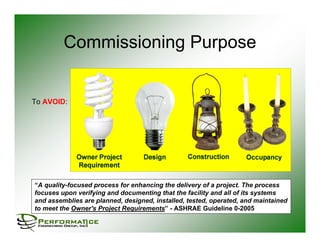
Commissioning Purpose
“A quality-focused process for enhancing the delivery of a project. The process
focuses upon verifying and documenting that the facility and all of its systems
and assemblies are planned, designed, installed, tested, operated, and maintained
to meet the Owner's Project Requirements” - ASHRAE Guideline 0-2005
To AVOID:
Commissioning Process
Who are the “Owners”
• School Board
• Occupants/ Tenants
– Faculty
– Students
• Energy Managers
• Operations Personnel
• Maintenance Personnel
• Facility Managers
• Parents
LEED Commissioning Process
• Review Owner’s Project Requirements (OPR)
• Review Basis of Design (BOD)
• Peer Review Design Documents.
• Create Commissioning Plan.
• Commissioning Specifications.
• Develop Pre-functional Checksheets.
• Review Contractor Submittals.
• Functional Performance Testing.
• Develop Systems Manual.
• Verify Training Requirements.
• 10 Month Warranty Follow-up.
ASHRAE Guideline 0-2005
• Cx Authority Leads Process
• Develop OPR’s with Owner
• Identify Coordination Items
– Prefunctional vs Factory Rep.
Startup
– Spec. Tests vs Functional
• Witness Tests
– Factory Tests
– Field Tests
• Review Record Drawings
• Lessons Learn Workshops
• Document Rev. Management
What are Owner Project
Requirements
• LEED Requirements
• Indoor Environmental Quality
– Temperature
– Humidity
– Air Quality (CO2, Filters)
– Building Pressurization
• System Performance
– Supply Temps (Air, Water)
– Equipment/ System Efficiencies
– Equipment/ Occupancy Schedules
• Security and Safety
• Owner Design Standards
• State Requirements for Educational
Facilities (SREF)
• Establish and DOCUMENT Goals
Indoor Environmental Quality
• ASHRAE Article 10/2006 – “Research
Report of Effects of HVAC on Student
Performance”
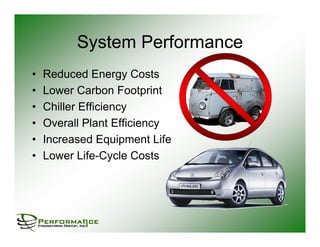
System Performance
• Reduced Energy Costs
• Lower Carbon Footprint
• Chiller Efficiency
• Overall Plant Efficiency
• Increased Equipment Life
• Lower Life-Cycle Costs
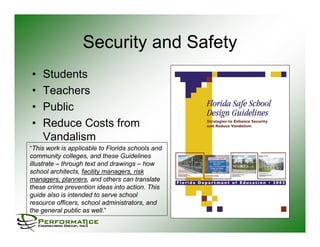
Security and Safety
• Students
• Teachers
• Public
• Reduce Costs from
Vandalism
“This work is applicable to Florida schools and
community colleges, and these Guidelines
illustrate – through text and drawings – how
school architects, facility managers, risk
managers, planners, and others can translate
these crime prevention ideas into action. This
guide also is intended to serve school
resource officers, school administrators, and
the general public as well.”
Commissioning Process Tasks
• Review Owner’s Project Requirements (OPR)
• Review Basis of Design (BOD)
• Peer Review Design Documents.
• Create Commissioning Plan.
• Commissioning Specifications.
• Develop Pre-functional Checksheets.
• Review Contractor Submittals.
• Functional Performance Testing.
• Develop Systems Manual.
• Verify Training Requirements.
• 10 Month Warranty Follow-up.
Commissioning Plan
• Provide Direction to
Project Team
• Mirror Specifications
• Coordinate Scheduling
Information
• Updated Throughout
Project
• Establish Work Flow
Commissioning Specifications
• Task List/ Description
• Commissioned
Systems Lists
• Testing Requirements
• Sample
Documentation
• Per Discipline
• Identify Roles and
Responsibilities
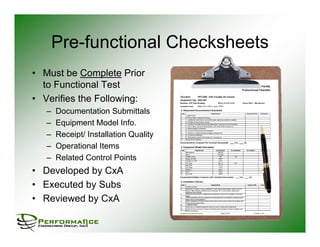
Pre-functional Checksheets
• Must be Complete Prior
to Functional Test
• Verifies the Following:
– Documentation Submittals
– Equipment Model Info.
– Receipt/ Installation Quality
– Operational Items
– Related Control Points
• Developed by CxA
• Executed by Subs
• Reviewed by CxA
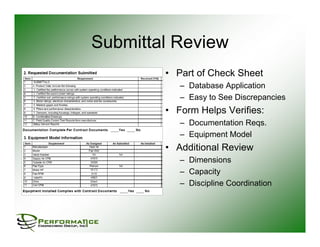
Submittal Review
• Part of Check Sheet
– Database Application
– Easy to See Discrepancies
• Form Helps Verifies:
– Documentation Reqs.
– Equipment Model
• Additional Review
– Dimensions
– Capacity
– Discipline Coordination
Functional/ Performance Tests
• Typically Based on
Sequence of Operations
• Includes Performance Testing
– Efficiencies (kW/ ton)
– Capacities (tons)
– Sound Levels
• Equipment Interlocks
• Inter-System Testing
– Life-Safety/ HVAC
– Emergency Power/ Lighting
• Opportunity to Document:
– Critical Setpoints
– PID Settings
– Operating Schedules
Technology Transfer
• Systems Manual
• Training Verification
• Operations and
Maintenance Manual
• Commissioning Forms
Templates
• Record Drawings
• Master Equipment List
• Begin Transfer Day 1
– O&M Following Submittal
– Involve Operations
Personnel Early
Warranty/ Seasonal Follow-up
• Interview Personnel
– Discuss Operations
– Evaluate Training Needs
• Seasonal Testing
– As Needed
• Check Warranties
– Claim Submissions Req.
• Review Utility Bills
– Compare to EnergyStar
– Compare to OPR
• Review Trend Data
– Identify Issues
– Develop Resolution
– Optimization
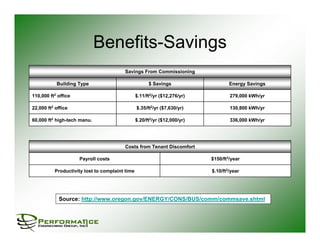
Benefits-Savings
336,000 kWh/yr
$.20/ft2
/yr ($12,000/yr)
60,000 ft2
high-tech manu.
130,800 kWh/yr
$.35/ft2
/yr ($7,630/yr)
22,000 ft2
office
279,000 kWh/yr
$.11/ft2
/yr ($12,276/yr)
110,000 ft2
office
Energy Savings
$ Savings
Building Type
Savings From Commissioning
Source: http://www.oregon.gov/ENERGY/CONS/BUS/comm/commsave.shtml
$.10/ft2
/year
Productivity lost to complaint time
$150/ft2
/year
Payroll costs
Costs from Tenant Discomfort
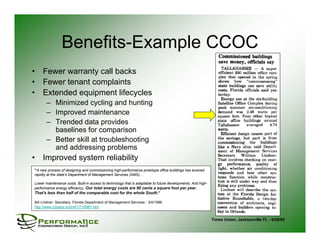
Benefits-Example CCOC
• Fewer warranty call backs
• Fewer tenant complaints
• Extended equipment lifecycles
– Minimized cycling and hunting
– Improved maintenance
– Trended data provides
baselines for comparison
– Better skill at troubleshooting
and addressing problems
• Improved system reliability
Times Union, Jacksonville FL - 9/28/95
“A new process of designing and commissioning high-performance prototype office buildings has evolved
rapidly at the state's Department of Management Services (DMS)…
Lower maintenance costs. Built-in access to technology that is adaptable to future developments. And high-
performance energy efficiency. Our total energy costs are 90 cents a square foot per year.
That's less than half of the comparable cost for the whole South.“
Bill Lindner- Secretary, Florida Department of Management Services - 3/4/1996
http://www.p2pays.org/ref/17/16987.htm
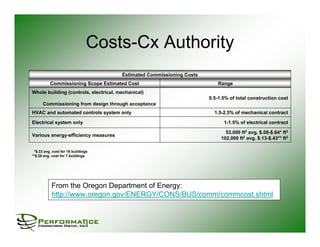
Costs-Cx Authority
53,000 ft2
avg. $.08-$.64* ft2
102,000 ft2
avg. $.13-$.43** ft2
Various energy-efficiency measures
1-1.5% of electrical contract
Electrical system only
1.5-2.5% of mechanical contract
HVAC and automated controls system only
0.5-1.5% of total construction cost
Whole building (controls, electrical, mechanical)
Commissioning from design through acceptance
Range
Commissioning Scope Estimated Cost
Estimated Commissioning Costs
*$.23 avg. cost for 16 buildings
**$.28 avg. cost for 7 buildings
From the Oregon Department of Energy:
http://www.oregon.gov/ENERGY/CONS/BUS/comm/commcost.shtml
Costs-Cx Authority
Portland Energy Conservation, Inc.
“Commissioning of Smaller Green Buildings-Expectations vs. Reality.”
http://www.peci.org/library/PECI_SmallGreenCx1_1002.pdf
Simple = office buildings, classrooms, packaged equipment and controls; common
systems, fewer pieces of equipment.
Moderate = more complex office, classroom with some labs, more control strategies,
fewer packaged equipment; more systems (fire, emergency power, etc.).
Complex = Moderate plus most of floor area in complex systems (hospitals, labs,
operating rooms, clean rooms, fume hoods or other non-HVAC systems are
commissioned such as electrical quality, transformers, security, communications, etc.
Specialty = Very complex facilities
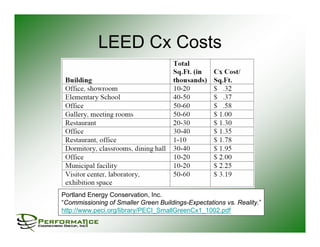
LEED Cx Costs
Portland Energy Conservation, Inc.
“Commissioning of Smaller Green Buildings-Expectations vs. Reality.”
http://www.peci.org/library/PECI_SmallGreenCx1_1002.pdf
Costs - Other
• Sub-contractors
– Labor to Support Cx
– Pre-functional Checksheets
– Additional Documentation
– Functional Testing Support
– Change Order if Not in
Specifications
– Cx Meetings
• Contractor may Claim
– More Scope to Manage
– Extra Effort Same
Schedule
Commissioning Payback
Source: HPAC Magazine
“The Cost-Effectiveness of Commissioning”
http://eetd.lbl.gov/emills/PUBS/PDF/Cx/Cx_HPAC.pdf
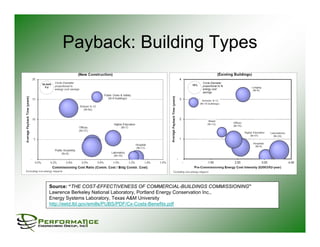
“The most cost-effective results--both in
terms of depth of savings and payback
times--occurred among energy-
intensive facilities, such as hospitals
and laboratories. Less cost-effective
results were most frequent in smaller
buildings. Energy savings tended to
rise with the comprehensiveness of
commissioning.”
Payback: Building Types
Source: “THE COST-EFFECTIVENESS OF COMMERCIAL-BUILDINGS COMMISSIONING”
Lawrence Berkeley National Laboratory, Portland Energy Conservation Inc.,
Energy Systems Laboratory, Texas A&M University
http://eetd.lbl.gov/emills/PUBS/PDF/Cx-Costs-Benefits.pdf
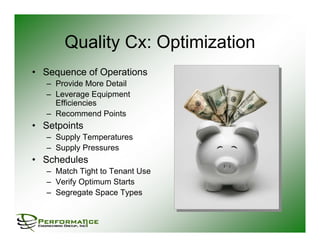
Quality Cx: Optimization
• Sequence of Operations
– Provide More Detail
– Leverage Equipment
Efficiencies
– Recommend Points
• Setpoints
– Supply Temperatures
– Supply Pressures
• Schedules
– Match Tight to Tenant Use
– Verify Optimum Starts
– Segregate Space Types
Quality Cx: Information
Management
• OPR Tracking
• Components
• Drawings
• Specifications
• Functional Tests
• Prefunctional
Checksheets
• Issues
• Revision Mgmt
http://www.pegengineering.com/fasbo.htm

commissioning-PEG Engineering profile.pdf

  • 1.
    Commissioning New Facilities TheWhat, Why and How’s of the Process FASBO Energy Managers Central Florida Chapter of AEE FSPMA Energy & Environment
  • 2.
    Commissioning Purpose “A quality-focusedprocess for enhancing the delivery of a project. The process focuses upon verifying and documenting that the facility and all of its systems and assemblies are planned, designed, installed, tested, operated, and maintained to meet the Owner's Project Requirements” - ASHRAE Guideline 0-2005 To AVOID:
  • 3.
  • 4.
    Who are the“Owners” • School Board • Occupants/ Tenants – Faculty – Students • Energy Managers • Operations Personnel • Maintenance Personnel • Facility Managers • Parents
  • 5.
    LEED Commissioning Process •Review Owner’s Project Requirements (OPR) • Review Basis of Design (BOD) • Peer Review Design Documents. • Create Commissioning Plan. • Commissioning Specifications. • Develop Pre-functional Checksheets. • Review Contractor Submittals. • Functional Performance Testing. • Develop Systems Manual. • Verify Training Requirements. • 10 Month Warranty Follow-up.
  • 6.
    ASHRAE Guideline 0-2005 •Cx Authority Leads Process • Develop OPR’s with Owner • Identify Coordination Items – Prefunctional vs Factory Rep. Startup – Spec. Tests vs Functional • Witness Tests – Factory Tests – Field Tests • Review Record Drawings • Lessons Learn Workshops • Document Rev. Management
  • 7.
    What are OwnerProject Requirements • LEED Requirements • Indoor Environmental Quality – Temperature – Humidity – Air Quality (CO2, Filters) – Building Pressurization • System Performance – Supply Temps (Air, Water) – Equipment/ System Efficiencies – Equipment/ Occupancy Schedules • Security and Safety • Owner Design Standards • State Requirements for Educational Facilities (SREF) • Establish and DOCUMENT Goals
  • 8.
    Indoor Environmental Quality •ASHRAE Article 10/2006 – “Research Report of Effects of HVAC on Student Performance”
  • 9.
    System Performance • ReducedEnergy Costs • Lower Carbon Footprint • Chiller Efficiency • Overall Plant Efficiency • Increased Equipment Life • Lower Life-Cycle Costs
  • 10.
    Security and Safety •Students • Teachers • Public • Reduce Costs from Vandalism “This work is applicable to Florida schools and community colleges, and these Guidelines illustrate – through text and drawings – how school architects, facility managers, risk managers, planners, and others can translate these crime prevention ideas into action. This guide also is intended to serve school resource officers, school administrators, and the general public as well.”
  • 11.
    Commissioning Process Tasks •Review Owner’s Project Requirements (OPR) • Review Basis of Design (BOD) • Peer Review Design Documents. • Create Commissioning Plan. • Commissioning Specifications. • Develop Pre-functional Checksheets. • Review Contractor Submittals. • Functional Performance Testing. • Develop Systems Manual. • Verify Training Requirements. • 10 Month Warranty Follow-up.
  • 12.
    Commissioning Plan • ProvideDirection to Project Team • Mirror Specifications • Coordinate Scheduling Information • Updated Throughout Project • Establish Work Flow
  • 13.
    Commissioning Specifications • TaskList/ Description • Commissioned Systems Lists • Testing Requirements • Sample Documentation • Per Discipline • Identify Roles and Responsibilities
  • 14.
    Pre-functional Checksheets • Mustbe Complete Prior to Functional Test • Verifies the Following: – Documentation Submittals – Equipment Model Info. – Receipt/ Installation Quality – Operational Items – Related Control Points • Developed by CxA • Executed by Subs • Reviewed by CxA
  • 15.
    Submittal Review • Partof Check Sheet – Database Application – Easy to See Discrepancies • Form Helps Verifies: – Documentation Reqs. – Equipment Model • Additional Review – Dimensions – Capacity – Discipline Coordination
  • 16.
    Functional/ Performance Tests •Typically Based on Sequence of Operations • Includes Performance Testing – Efficiencies (kW/ ton) – Capacities (tons) – Sound Levels • Equipment Interlocks • Inter-System Testing – Life-Safety/ HVAC – Emergency Power/ Lighting • Opportunity to Document: – Critical Setpoints – PID Settings – Operating Schedules
  • 17.
    Technology Transfer • SystemsManual • Training Verification • Operations and Maintenance Manual • Commissioning Forms Templates • Record Drawings • Master Equipment List • Begin Transfer Day 1 – O&M Following Submittal – Involve Operations Personnel Early
  • 18.
    Warranty/ Seasonal Follow-up •Interview Personnel – Discuss Operations – Evaluate Training Needs • Seasonal Testing – As Needed • Check Warranties – Claim Submissions Req. • Review Utility Bills – Compare to EnergyStar – Compare to OPR • Review Trend Data – Identify Issues – Develop Resolution – Optimization
  • 19.
    Benefits-Savings 336,000 kWh/yr $.20/ft2 /yr ($12,000/yr) 60,000ft2 high-tech manu. 130,800 kWh/yr $.35/ft2 /yr ($7,630/yr) 22,000 ft2 office 279,000 kWh/yr $.11/ft2 /yr ($12,276/yr) 110,000 ft2 office Energy Savings $ Savings Building Type Savings From Commissioning Source: http://www.oregon.gov/ENERGY/CONS/BUS/comm/commsave.shtml $.10/ft2 /year Productivity lost to complaint time $150/ft2 /year Payroll costs Costs from Tenant Discomfort
  • 20.
    Benefits-Example CCOC • Fewerwarranty call backs • Fewer tenant complaints • Extended equipment lifecycles – Minimized cycling and hunting – Improved maintenance – Trended data provides baselines for comparison – Better skill at troubleshooting and addressing problems • Improved system reliability Times Union, Jacksonville FL - 9/28/95 “A new process of designing and commissioning high-performance prototype office buildings has evolved rapidly at the state's Department of Management Services (DMS)… Lower maintenance costs. Built-in access to technology that is adaptable to future developments. And high- performance energy efficiency. Our total energy costs are 90 cents a square foot per year. That's less than half of the comparable cost for the whole South.“ Bill Lindner- Secretary, Florida Department of Management Services - 3/4/1996 http://www.p2pays.org/ref/17/16987.htm
  • 21.
    Costs-Cx Authority 53,000 ft2 avg.$.08-$.64* ft2 102,000 ft2 avg. $.13-$.43** ft2 Various energy-efficiency measures 1-1.5% of electrical contract Electrical system only 1.5-2.5% of mechanical contract HVAC and automated controls system only 0.5-1.5% of total construction cost Whole building (controls, electrical, mechanical) Commissioning from design through acceptance Range Commissioning Scope Estimated Cost Estimated Commissioning Costs *$.23 avg. cost for 16 buildings **$.28 avg. cost for 7 buildings From the Oregon Department of Energy: http://www.oregon.gov/ENERGY/CONS/BUS/comm/commcost.shtml
  • 22.
    Costs-Cx Authority Portland EnergyConservation, Inc. “Commissioning of Smaller Green Buildings-Expectations vs. Reality.” http://www.peci.org/library/PECI_SmallGreenCx1_1002.pdf Simple = office buildings, classrooms, packaged equipment and controls; common systems, fewer pieces of equipment. Moderate = more complex office, classroom with some labs, more control strategies, fewer packaged equipment; more systems (fire, emergency power, etc.). Complex = Moderate plus most of floor area in complex systems (hospitals, labs, operating rooms, clean rooms, fume hoods or other non-HVAC systems are commissioned such as electrical quality, transformers, security, communications, etc. Specialty = Very complex facilities
  • 23.
    LEED Cx Costs PortlandEnergy Conservation, Inc. “Commissioning of Smaller Green Buildings-Expectations vs. Reality.” http://www.peci.org/library/PECI_SmallGreenCx1_1002.pdf
  • 24.
    Costs - Other •Sub-contractors – Labor to Support Cx – Pre-functional Checksheets – Additional Documentation – Functional Testing Support – Change Order if Not in Specifications – Cx Meetings • Contractor may Claim – More Scope to Manage – Extra Effort Same Schedule
  • 25.
    Commissioning Payback Source: HPACMagazine “The Cost-Effectiveness of Commissioning” http://eetd.lbl.gov/emills/PUBS/PDF/Cx/Cx_HPAC.pdf “The most cost-effective results--both in terms of depth of savings and payback times--occurred among energy- intensive facilities, such as hospitals and laboratories. Less cost-effective results were most frequent in smaller buildings. Energy savings tended to rise with the comprehensiveness of commissioning.”
  • 26.
    Payback: Building Types Source:“THE COST-EFFECTIVENESS OF COMMERCIAL-BUILDINGS COMMISSIONING” Lawrence Berkeley National Laboratory, Portland Energy Conservation Inc., Energy Systems Laboratory, Texas A&M University http://eetd.lbl.gov/emills/PUBS/PDF/Cx-Costs-Benefits.pdf
  • 27.
    Quality Cx: Optimization •Sequence of Operations – Provide More Detail – Leverage Equipment Efficiencies – Recommend Points • Setpoints – Supply Temperatures – Supply Pressures • Schedules – Match Tight to Tenant Use – Verify Optimum Starts – Segregate Space Types
  • 28.
    Quality Cx: Information Management •OPR Tracking • Components • Drawings • Specifications • Functional Tests • Prefunctional Checksheets • Issues • Revision Mgmt
  • 29.