The colonies
Ideal CommunityWhat is your ideal community?  What makes your ideal community different from your actual community?What types of buildings, things to do, and things do you see in your ideal community?Make a list of these items.
Go to page 199.Examine the objects.  How are they different from what you might see today?What do you think Benjamin Franklin means by his statement?Go to page 202.  Study the timeline.
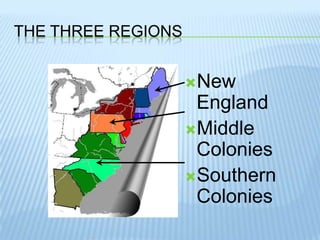
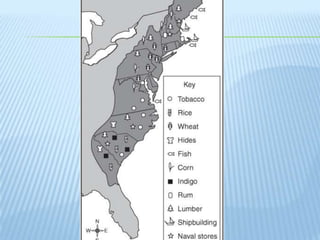
GeographyAll 13 lay between Appalachian Mountains and the Atlantic OceanDivided into 3 regions: the New England Colonies, the Middle Colonies, and the Southern ColoniesSee map pg 177
The Three RegionsNew EnglandMiddle ColoniesSouthern Colonies
New England Colonies
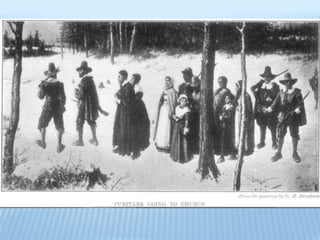
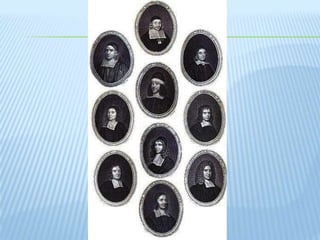
The Big Picture…While Pilgrims are settling in Plymouth, Puritans were growing in EnglandPuritans: group of English Protestants that felt the Church of England followed Roman Catholicism to closelyThrown into jail because of their beliefsSome Puritans decided to leave England to practice religion in peace
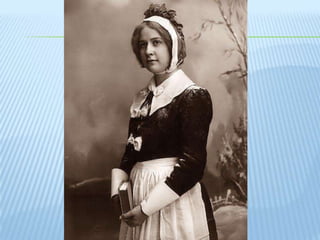
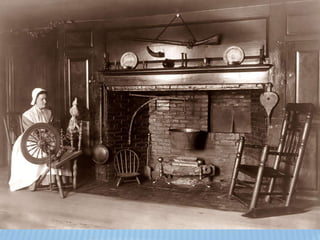
Open books to pg. 204Look at the child in the picture.What does she and her surrounding suggest about Puritan households?
The Big Picture…Group of wealthy Puritans formed Massachusetts Bay CompanyKing Charles I gave them a charter1630:  Set sailSettled in a part of New England, called Massachusetts BayNow known as MassachusettsFOUNDED BY PURITANS LOOKING FOR RELIGIOUS FREEDOM
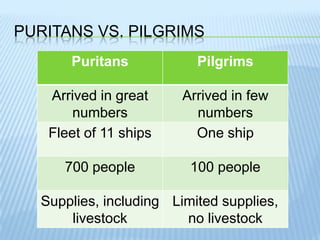
Puritans Vs. Pilgrims
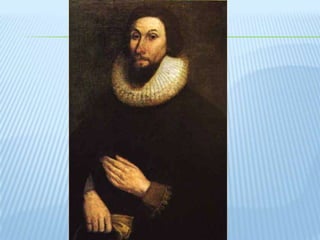
John WinthropLeader of the PuritansSuccessful lawyerLed Puritans to Massachusetts BayFirst settlement named BostonElected first governor by Puritan menLook at the map on page 205.  Find Boston.

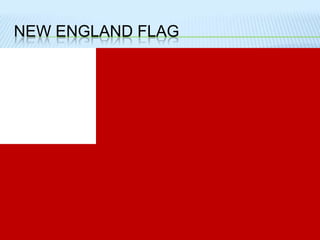
New England Flag
Geography of New EnglandHillyRocky soilMade farming difficultForestsSupplied wood for building homes, fences, toolsRiversProvided fish, transportationOcean Ports
EconomyMade living from forest and seaMost lived in villages where everyone could work together as a community, not on farms
New England CulturePRODUCTSSubsistence Farming Timber and Ship Building Supplies (Rope, Masts, Tar)Dried FishRum and other Manufactured Trade GoodsPEOPLEPuritans and Pilgrims who believed in working hard and following strict rules.Merchants, Manufacturers, and Lawyers.
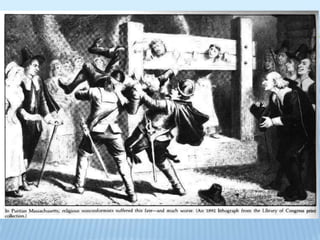
“A City upon a hill”Wanted to be example for all the worldPopulation grew from 700 to 20,000 in 10 yrsMales, “free man” signed a covenantCovenant: special promise or agreementPromised his family would live by the rules of the Puritan churchRemember:  Not freedom of religion, freedom to practice their religion
PuritansBelieved success was a result of their belief of God and the BibleBelieved in hard workRich and poor worked regardlessBuilt villages according to planPage 207 in textbookWhy was education important?  Why not in Europe?
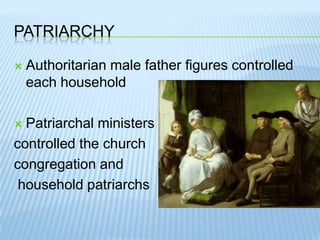
PatriarchyAuthoritarian male father figures controlled each householdPatriarchal ministers controlled the church congregation and household patriarchs
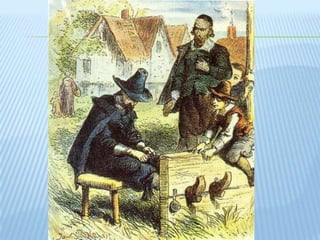
Activities Banned by the Puritans:Horse Racing, cock-fighting and bear baitingAny gathering of people without permissionDrunkenness and swearingTheatre-going, dancing and singingGames and sports on Sundays (including going for a walk)GamblingMany public houses were closed down.
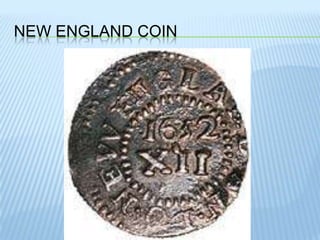
New England Coin
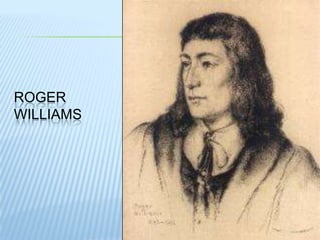
Roger WilliamsNew England is growingSome believed Puritans should tolerate othersTolerate: Allowing people to have beliefs different from your ownBrought to trial for views, wanted him to changeExiled
RogerWilliams
Rhode IslandRoger Williams founded the settlement of Providence in what is now Rhode IslandFirst European colony in the Americas to allow freedom of religion
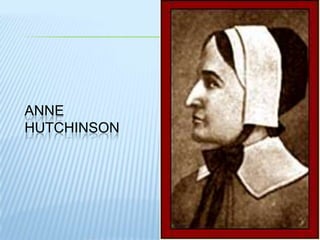
Anne HutchinsonBelieved they should pray directly to GodAlso brought to trial and exiledTraveled South, founded Portsmouth in Rhode IslandRI becomes known as the “Sewer” because it is seen by the Puritans as a dumping ground for unbelievers and religious dissenters  More liberal than any other colony!
AnneHutchinson
Native Americans In New EnglandNew England Colonies continue to growNatives get pushed farther off their landCaused disagreementsMetacomet and King Philips WarN.A. destroyed 16 townsCaptured and killedFamily sold into slaveryEnded N.A. resistance to colonists
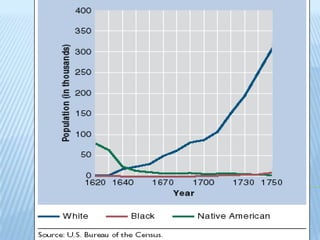
Population of the New England Colonies
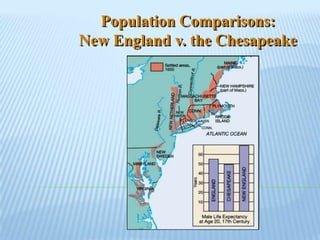
Population Comparisons:New England v. the Chesapeake
Characteristics of New England SettlementsLow mortality  average life expectancy was 70 years of age.Many extended families.Average 6 children per family.Average age at marriage:Women – 22 years old
Men – 27 years old.Summary Questions1.  Why did the Puritans come to North America?2.  Where did they settle?3.  What was the geography of New England like?4.  How did most in New England earn money?5.  Why were Roger Williams and Anne Hutchinson brought to trial?
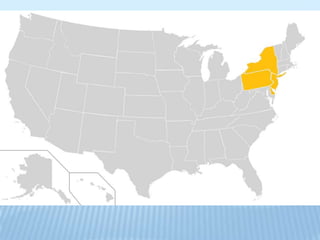
The Middle Colonies
READ ALOUDThe word was out.  All over Europe, people were reading William Penn’s advertisements for a colony called Pennsylvania.  Here was a place were “the Air is sweet and clear,” the ads said.  Who was William Penn?  Could his promise really be believed?
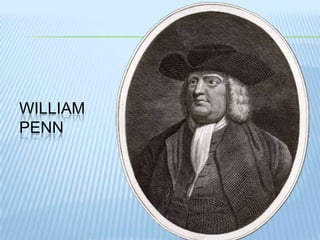
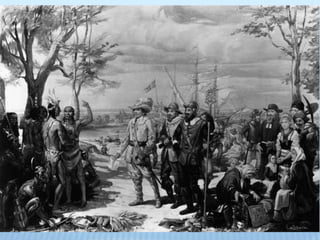
William Penn1681 King Charles II granted land in Middle Colonies to William PennA Quaker hoping to practice his religion in freedomCame to North America with about 100 othersNamed area Pennsylvania (Penn’s Woods) Settlement named Philadelphia (means “city of brotherly love” in Greek)
WilliamPenn
QuakersCalled themselves the ‘Society of Friends’Believed that in order to know God, they had only to listen to His voice in their heartNo need for ministers“Be plain in clothes, furniture, and food”:Believed people should be treated fairlyAgainst slavery, harsh treatment of N.A.Paid N.A.’s for land, causing peace between them that lasted many years
Geography of middle coloniesGo to the map on page 212Rivers and lakesUsed to send lumber, crops, furs to marketsOcean portsRich farmlandMain food growing region in North AmericaPeople called the Middle Colonies the “breadbasket of the colonies”  Why?
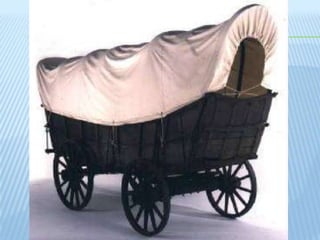
Many different peopleJewishScott – IrishAfricans were not treated equallyMany were enslavedGerman (Pennsylvania Dutch)Built the first Conestoga WagonsBrought a wide variety of skills and tradesBlending of people of different cultures
Middle Colonies CulturePRODUCTSCalled the Bread Basket ColoniesFarmed Wheat, Oat, Barley and Rye.Made homespun products.Traded very little.PEOPLEPeople from: England, the Netherlands, France, Germany and others.Puritans, Quakers, Anglicans, Catholics, and Jews.
Summary questionsWho founded the Pennsylvania Colony?What was the Geography of the area like?How were the Middle Colonies different from the New England Colonies?What were the beliefs of the Quakers?  What effects did they have on Penn’s colony?
Southern Colonies
The Big PictureGo to page 216.Roman Catholics were also treated badly because of their religionKing Charles I of England, gave a charter to start a new colony for CatholicsColony was named Maryland
MarylandControlled by proprietorsProprietors: men who owned all the land and moneyFounded as a place where Catholics could practice their religion
Southern Colonies Grew to Include…North CarolinaSouth Carolina1732: GeorgiaWanted to protect Carolinas from Spanish
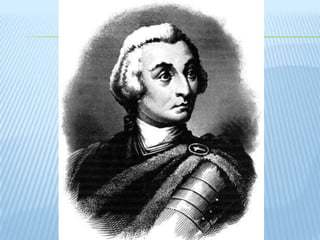
Georgia  &General James OglethorpeGeneral James Oglethorpe: A wealthy English army generalHe Examined England's debtors and was shocked by numbers in prisonDebtor: a person who owes moneyClaimed “England would grow rich with her poor abroad!”
GeorgiaReceived a charter from King George IINamed new colony Georgia, for King George IIKing George supported the plan for Georgia because it could protect the Carolinas from the Spanish and FrenchLook in books at map on page 218
GeographyWarm climateRich farmlandClay along Appalachian foothills good for corn and tobaccoLong growing seasonLasts 7 monthsGrew rice and indigo on large farmsLed to successful growing of cash cropsBays and rivers along the coastHelped to import and export goods
Southern ColoniesEnvironment & CultureENVIRONMENTAtlantic and Gulf Coastal Plains.Long growing season and fertile land.Warm for most of the yearPRODUCTSFarmed Tobacco, Rice, Indigo, and Cotton.Trade “cash crops” farmed on Plantations.Purchase manufactured goods.
The creekArea already provides farming land for manyHad already formed a confederacy to protect their landsFirst colony of Georgia, Savannah, was located next to Creek villageOglethorpe was given a large piece of land
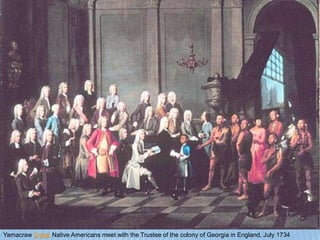
Yamacraw Creek Native Americans meet with the Trustee of the colony of Georgia in England, July 1734
African Americans in GeorgiaOglethorpe did not allow slaveryColonists pretend to “rent” A.A.’s from South Carolina1750: Slavery is well establishedIn 10 years 4x as much slavery1760:  10,000 people living in Georgia, 4,000 were slaves
Summary questions1.  Why was Georgia founded?  By whom?2.  Why was Maryland founded?  3.  What was the role of A.A.’s in the South?4.  Why did King George support the plan for the colony of Georgia?5.  What was the main source of income for the people of the Southern colonies?  Why?
Colonial America 3

Colonial America 3

  • 1.
  • 2.
    Ideal CommunityWhat isyour ideal community? What makes your ideal community different from your actual community?What types of buildings, things to do, and things do you see in your ideal community?Make a list of these items.
  • 3.
    Go to page199.Examine the objects. How are they different from what you might see today?What do you think Benjamin Franklin means by his statement?Go to page 202. Study the timeline.
  • 4.
    GeographyAll 13 laybetween Appalachian Mountains and the Atlantic OceanDivided into 3 regions: the New England Colonies, the Middle Colonies, and the Southern ColoniesSee map pg 177
  • 5.
    The Three RegionsNewEnglandMiddle ColoniesSouthern Colonies
  • 6.
  • 7.
    The Big Picture…WhilePilgrims are settling in Plymouth, Puritans were growing in EnglandPuritans: group of English Protestants that felt the Church of England followed Roman Catholicism to closelyThrown into jail because of their beliefsSome Puritans decided to leave England to practice religion in peace
  • 8.
    Open books topg. 204Look at the child in the picture.What does she and her surrounding suggest about Puritan households?
  • 9.
    The Big Picture…Groupof wealthy Puritans formed Massachusetts Bay CompanyKing Charles I gave them a charter1630: Set sailSettled in a part of New England, called Massachusetts BayNow known as MassachusettsFOUNDED BY PURITANS LOOKING FOR RELIGIOUS FREEDOM
  • 10.
  • 11.
    John WinthropLeader ofthe PuritansSuccessful lawyerLed Puritans to Massachusetts BayFirst settlement named BostonElected first governor by Puritan menLook at the map on page 205. Find Boston.
  • 13.
  • 14.
    Geography of NewEnglandHillyRocky soilMade farming difficultForestsSupplied wood for building homes, fences, toolsRiversProvided fish, transportationOcean Ports
  • 15.
    EconomyMade living fromforest and seaMost lived in villages where everyone could work together as a community, not on farms
  • 16.
    New England CulturePRODUCTSSubsistenceFarming Timber and Ship Building Supplies (Rope, Masts, Tar)Dried FishRum and other Manufactured Trade GoodsPEOPLEPuritans and Pilgrims who believed in working hard and following strict rules.Merchants, Manufacturers, and Lawyers.
  • 17.
    “A City upona hill”Wanted to be example for all the worldPopulation grew from 700 to 20,000 in 10 yrsMales, “free man” signed a covenantCovenant: special promise or agreementPromised his family would live by the rules of the Puritan churchRemember: Not freedom of religion, freedom to practice their religion
  • 20.
    PuritansBelieved success wasa result of their belief of God and the BibleBelieved in hard workRich and poor worked regardlessBuilt villages according to planPage 207 in textbookWhy was education important? Why not in Europe?
  • 21.
    PatriarchyAuthoritarian male fatherfigures controlled each householdPatriarchal ministers controlled the church congregation and household patriarchs
  • 25.
    Activities Banned bythe Puritans:Horse Racing, cock-fighting and bear baitingAny gathering of people without permissionDrunkenness and swearingTheatre-going, dancing and singingGames and sports on Sundays (including going for a walk)GamblingMany public houses were closed down.
  • 27.
  • 28.
    Roger WilliamsNew Englandis growingSome believed Puritans should tolerate othersTolerate: Allowing people to have beliefs different from your ownBrought to trial for views, wanted him to changeExiled
  • 29.
  • 30.
    Rhode IslandRoger Williamsfounded the settlement of Providence in what is now Rhode IslandFirst European colony in the Americas to allow freedom of religion
  • 31.
    Anne HutchinsonBelieved theyshould pray directly to GodAlso brought to trial and exiledTraveled South, founded Portsmouth in Rhode IslandRI becomes known as the “Sewer” because it is seen by the Puritans as a dumping ground for unbelievers and religious dissenters  More liberal than any other colony!
  • 32.
  • 33.
    Native Americans InNew EnglandNew England Colonies continue to growNatives get pushed farther off their landCaused disagreementsMetacomet and King Philips WarN.A. destroyed 16 townsCaptured and killedFamily sold into slaveryEnded N.A. resistance to colonists
  • 34.
    Population of theNew England Colonies
  • 35.
  • 36.
    Characteristics of NewEngland SettlementsLow mortality  average life expectancy was 70 years of age.Many extended families.Average 6 children per family.Average age at marriage:Women – 22 years old
  • 37.
    Men – 27years old.Summary Questions1. Why did the Puritans come to North America?2. Where did they settle?3. What was the geography of New England like?4. How did most in New England earn money?5. Why were Roger Williams and Anne Hutchinson brought to trial?
  • 38.
  • 40.
    READ ALOUDThe wordwas out. All over Europe, people were reading William Penn’s advertisements for a colony called Pennsylvania. Here was a place were “the Air is sweet and clear,” the ads said. Who was William Penn? Could his promise really be believed?
  • 41.
    William Penn1681 KingCharles II granted land in Middle Colonies to William PennA Quaker hoping to practice his religion in freedomCame to North America with about 100 othersNamed area Pennsylvania (Penn’s Woods) Settlement named Philadelphia (means “city of brotherly love” in Greek)
  • 42.
  • 43.
    QuakersCalled themselves the‘Society of Friends’Believed that in order to know God, they had only to listen to His voice in their heartNo need for ministers“Be plain in clothes, furniture, and food”:Believed people should be treated fairlyAgainst slavery, harsh treatment of N.A.Paid N.A.’s for land, causing peace between them that lasted many years
  • 45.
    Geography of middlecoloniesGo to the map on page 212Rivers and lakesUsed to send lumber, crops, furs to marketsOcean portsRich farmlandMain food growing region in North AmericaPeople called the Middle Colonies the “breadbasket of the colonies” Why?
  • 46.
    Many different peopleJewishScott– IrishAfricans were not treated equallyMany were enslavedGerman (Pennsylvania Dutch)Built the first Conestoga WagonsBrought a wide variety of skills and tradesBlending of people of different cultures
  • 48.
    Middle Colonies CulturePRODUCTSCalledthe Bread Basket ColoniesFarmed Wheat, Oat, Barley and Rye.Made homespun products.Traded very little.PEOPLEPeople from: England, the Netherlands, France, Germany and others.Puritans, Quakers, Anglicans, Catholics, and Jews.
  • 49.
    Summary questionsWho foundedthe Pennsylvania Colony?What was the Geography of the area like?How were the Middle Colonies different from the New England Colonies?What were the beliefs of the Quakers? What effects did they have on Penn’s colony?
  • 50.
  • 51.
    The Big PictureGoto page 216.Roman Catholics were also treated badly because of their religionKing Charles I of England, gave a charter to start a new colony for CatholicsColony was named Maryland
  • 52.
    MarylandControlled by proprietorsProprietors:men who owned all the land and moneyFounded as a place where Catholics could practice their religion
  • 53.
    Southern Colonies Grewto Include…North CarolinaSouth Carolina1732: GeorgiaWanted to protect Carolinas from Spanish
  • 54.
    Georgia &GeneralJames OglethorpeGeneral James Oglethorpe: A wealthy English army generalHe Examined England's debtors and was shocked by numbers in prisonDebtor: a person who owes moneyClaimed “England would grow rich with her poor abroad!”
  • 56.
    GeorgiaReceived a charterfrom King George IINamed new colony Georgia, for King George IIKing George supported the plan for Georgia because it could protect the Carolinas from the Spanish and FrenchLook in books at map on page 218
  • 57.
    GeographyWarm climateRich farmlandClayalong Appalachian foothills good for corn and tobaccoLong growing seasonLasts 7 monthsGrew rice and indigo on large farmsLed to successful growing of cash cropsBays and rivers along the coastHelped to import and export goods
  • 58.
    Southern ColoniesEnvironment &CultureENVIRONMENTAtlantic and Gulf Coastal Plains.Long growing season and fertile land.Warm for most of the yearPRODUCTSFarmed Tobacco, Rice, Indigo, and Cotton.Trade “cash crops” farmed on Plantations.Purchase manufactured goods.
  • 59.
    The creekArea alreadyprovides farming land for manyHad already formed a confederacy to protect their landsFirst colony of Georgia, Savannah, was located next to Creek villageOglethorpe was given a large piece of land
  • 60.
    Yamacraw Creek Native Americans meetwith the Trustee of the colony of Georgia in England, July 1734
  • 61.
    African Americans inGeorgiaOglethorpe did not allow slaveryColonists pretend to “rent” A.A.’s from South Carolina1750: Slavery is well establishedIn 10 years 4x as much slavery1760: 10,000 people living in Georgia, 4,000 were slaves
  • 62.
    Summary questions1. Why was Georgia founded? By whom?2. Why was Maryland founded? 3. What was the role of A.A.’s in the South?4. Why did King George support the plan for the colony of Georgia?5. What was the main source of income for the people of the Southern colonies? Why?