

COLD CHAIN
By Shravan kumar sharma
CIFE,Mumbai
DEFINITION OF COLD CHAIN
 Temperature controlled supply chain.
 GOLD CHAIN
 Harvesting to consumers hand.
 To ensure the quality and shelf life of the
product.
NEED OF COLD CHAIN
 Ensure the shelf life of the products.
 Maintain the quality of the products.
(texture, colour, appearance, shape and chemical
composition of the fish)
 Restrict the microbiological growth in the products
by maintaining the water activity of the products under
certain limits
 Attract consumer preference.
CONSTITUENTS OF COLD CHAIN
1. Harvesting site to landing centers
2. Landing site to processing centers or local markets
3. Pre-processing hall
4. Processing hall
5. Freezing
6. Cold storages
7. Packaging hall
8. Refrigerated Carriers
9. Shipment
10. Retail shop to consumer’s hand
HARVESTING SITE TO LANDING CENTERS
 Different onboard handling methods are used.
(Bulking, shelving and boxing)
 Storage of fishes. (use of insulated
boxes, refrigerated fish rooms)
 Ratio of fish to ice.
 Use of RSW and CSW.
 How you handle the fishes are also covered.
 Type of ice
 On-board ice making units in factory ships.
Note - According to Food and Agricultural Organization
(FAO), fishes are best preserved in chill room by boxing
and shelving methods for this the ice to fish ration is 1:1.
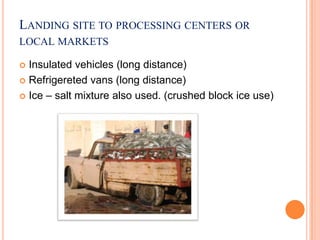
LANDING SITE TO PROCESSING CENTERS OR
LOCAL MARKETS
 Insulated vehicles (long distance)
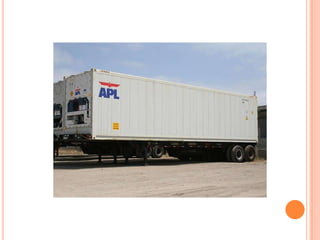
 Refrigereted vans (long distance)
 Ice – salt mixture also used. (crushed block ice use)
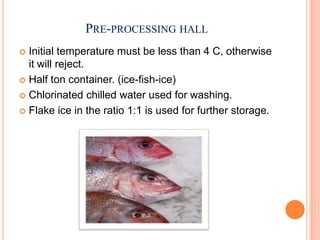
PRE-PROCESSING HALL
 Initial temperature must be less than 4 C, otherwise
it will reject.
 Half ton container. (ice-fish-ice)
 Chlorinated chilled water used for washing.
 Flake ice in the ratio 1:1 is used for further storage.
PROCESSING HALL
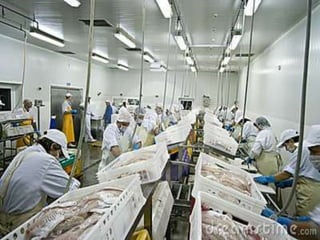
 Temp maintained preferably below 10 C.
 For any washing chlorinated chilled water is used.
 Air curtain is also used.
FREEZING
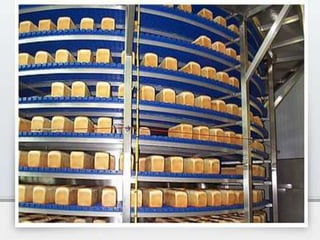
 Here, products are kept for freezing at particular
temperature most preferably -40 C
 Time-temperature is very important.
 Different types of freezer are used as per products.
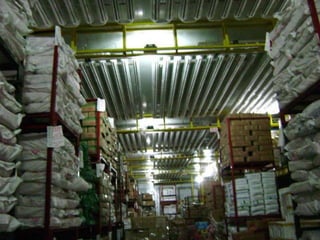
COLD STORAGE
 Temperature maintained below – 18 C
 Products do not touch the side walls of the hall, to
circulate the free flow of cool air.
 Door should not be open for longer duration.
 Thermograph is also used to check any fluctuation
in the temperature.
 In between cold storage and processing
hall, anteroom is there to restrict the air mixing
between these two.
PACKAGING HALL
 Finished products are packaged in cool
temperature.
 Temperature of packaging hall should be below 5 C
(FAO)
 Here, thermograph is also used to check any
fluctuation in the temp.
 Here also products should not touch the wall.
REFRIGERATED CARRIERS
 Finished products are carried in refrigerated
vehicles from processing centers to landing
centers.
 Temperature of this is below -18 C.
 Mainly ammonia is used as refrigerant in these.
SHIPMENT
 In ships, fishes are kept in bigger refrigerated
rooms, where temperature is below – 18 C.
 Note – during loading and un-loading the products
the temperature should not exceed 5 C.
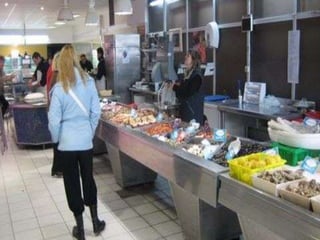
RETAIL FISH MARKET
 Always maintained air-conditioned rooms.
 Products are kept there in chilled conditions as
cold-drinks in other malls.
 Products should not kept for longer duration.
 First in – first out should be followed.
DO’S AND DON’TS’ FOR BOTH THE CHILLED
AND FROZEN FOOD PRODUCTS
 Maintain high levels of hygiene at all stages of the
product’s life.
 Rigidly maintain chill (<5oC) or frozen (<-18oC)
temperatures, wherever possible, during storage and
distribution.
 Rigidly maintain chill (<5oC) and frozen (<-18oC)
temperatures in holding stores and display cabinets.
 Ensure that chilled or frozen products are transferred in
a continuous operation (no stopping or delays) between
temperature-controlled areas, e.g. delivery trucks to
holding stores; storage areas to retail display units.
 Conduct frequent and systematic temperature checks
on chilled and frozen food product temperatures
 Do not overload chilled or frozen retail cabinets with
product..
STATUS OF COLD CHAIN IN INDIA
 Status is not good as recommended.
 Protocols are available by FAO and MPEDA but not
much followed due to financial problems and lack of
trained personnel.
Cold chain
Cold chain

Cold chain

  • 1.
    COLD CHAIN By Shravankumar sharma CIFE,Mumbai
  • 2.
    DEFINITION OF COLDCHAIN  Temperature controlled supply chain.  GOLD CHAIN  Harvesting to consumers hand.  To ensure the quality and shelf life of the product.
  • 3.
    NEED OF COLDCHAIN  Ensure the shelf life of the products.  Maintain the quality of the products. (texture, colour, appearance, shape and chemical composition of the fish)  Restrict the microbiological growth in the products by maintaining the water activity of the products under certain limits  Attract consumer preference.
  • 4.
    CONSTITUENTS OF COLDCHAIN 1. Harvesting site to landing centers 2. Landing site to processing centers or local markets 3. Pre-processing hall 4. Processing hall 5. Freezing 6. Cold storages 7. Packaging hall 8. Refrigerated Carriers 9. Shipment 10. Retail shop to consumer’s hand
  • 5.
    HARVESTING SITE TOLANDING CENTERS  Different onboard handling methods are used. (Bulking, shelving and boxing)  Storage of fishes. (use of insulated boxes, refrigerated fish rooms)  Ratio of fish to ice.  Use of RSW and CSW.  How you handle the fishes are also covered.  Type of ice  On-board ice making units in factory ships. Note - According to Food and Agricultural Organization (FAO), fishes are best preserved in chill room by boxing and shelving methods for this the ice to fish ration is 1:1.
  • 6.
    LANDING SITE TOPROCESSING CENTERS OR LOCAL MARKETS  Insulated vehicles (long distance)  Refrigereted vans (long distance)  Ice – salt mixture also used. (crushed block ice use)
  • 8.
    PRE-PROCESSING HALL  Initialtemperature must be less than 4 C, otherwise it will reject.  Half ton container. (ice-fish-ice)  Chlorinated chilled water used for washing.  Flake ice in the ratio 1:1 is used for further storage.
  • 9.
    PROCESSING HALL  Tempmaintained preferably below 10 C.  For any washing chlorinated chilled water is used.  Air curtain is also used.
  • 11.
    FREEZING  Here, productsare kept for freezing at particular temperature most preferably -40 C  Time-temperature is very important.  Different types of freezer are used as per products.
  • 13.
    COLD STORAGE  Temperaturemaintained below – 18 C  Products do not touch the side walls of the hall, to circulate the free flow of cool air.  Door should not be open for longer duration.  Thermograph is also used to check any fluctuation in the temperature.  In between cold storage and processing hall, anteroom is there to restrict the air mixing between these two.
  • 15.
    PACKAGING HALL  Finishedproducts are packaged in cool temperature.  Temperature of packaging hall should be below 5 C (FAO)  Here, thermograph is also used to check any fluctuation in the temp.  Here also products should not touch the wall.
  • 16.
    REFRIGERATED CARRIERS  Finishedproducts are carried in refrigerated vehicles from processing centers to landing centers.  Temperature of this is below -18 C.  Mainly ammonia is used as refrigerant in these.
  • 17.
    SHIPMENT  In ships,fishes are kept in bigger refrigerated rooms, where temperature is below – 18 C.  Note – during loading and un-loading the products the temperature should not exceed 5 C.
  • 18.
    RETAIL FISH MARKET Always maintained air-conditioned rooms.  Products are kept there in chilled conditions as cold-drinks in other malls.  Products should not kept for longer duration.  First in – first out should be followed.
  • 20.
    DO’S AND DON’TS’FOR BOTH THE CHILLED AND FROZEN FOOD PRODUCTS  Maintain high levels of hygiene at all stages of the product’s life.  Rigidly maintain chill (<5oC) or frozen (<-18oC) temperatures, wherever possible, during storage and distribution.  Rigidly maintain chill (<5oC) and frozen (<-18oC) temperatures in holding stores and display cabinets.  Ensure that chilled or frozen products are transferred in a continuous operation (no stopping or delays) between temperature-controlled areas, e.g. delivery trucks to holding stores; storage areas to retail display units.  Conduct frequent and systematic temperature checks on chilled and frozen food product temperatures  Do not overload chilled or frozen retail cabinets with product..
  • 21.
    STATUS OF COLDCHAIN IN INDIA  Status is not good as recommended.  Protocols are available by FAO and MPEDA but not much followed due to financial problems and lack of trained personnel.