By Shravan kumar sharma
CIFE,Mumbai
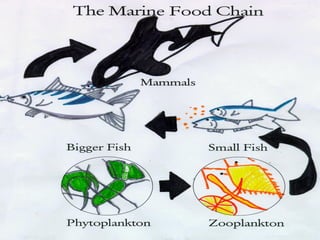
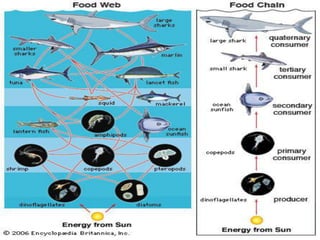
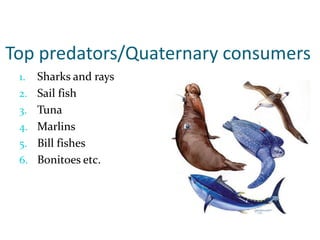
Top predators/Quaternary consumers
1. Sharks and rays
2. Sail fish
3. Tuna
4. Marlins
5. Bill fishes
6. Bonitoes etc.
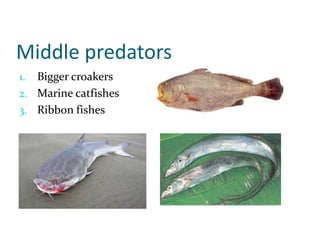
Middle predators
1. Bigger croakers
2. Marine catfishes
3. Ribbon fishes
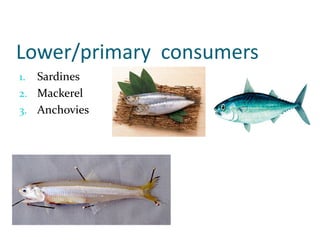
Lower/primary consumers
1. Sardines
2. Mackerel
3. Anchovies
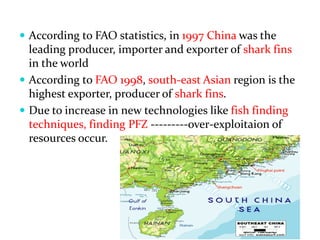
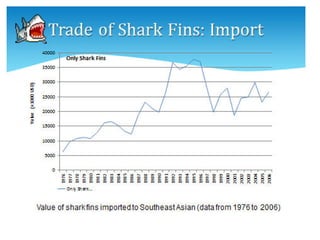
 According to FAO statistics, in 1997 China was the
leading producer, importer and exporter of shark fins
in the world
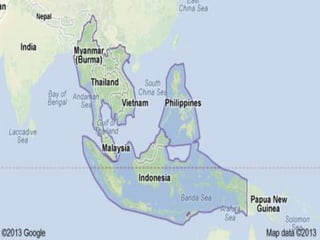
 According to FAO 1998, south-east Asian region is the
highest exporter, producer of shark fins.
 Due to increase in new technologies like fish finding
techniques, finding PFZ ---------over-exploitaion of
resources occur.
 Most of the world s fisheries are being fished at levels
above their maximum sustainable yield and many
regions are severely overfished.
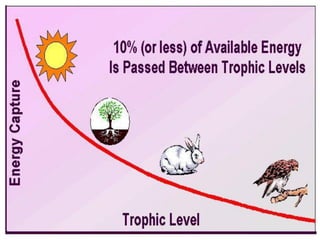
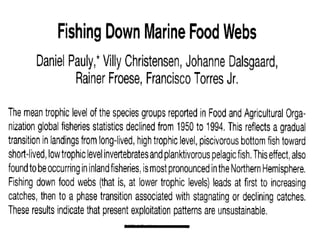
 In the late 1990s it was demonstrated that the mean
trophic level of fisheries is declining, i.e. that global
fisheries catches increasingly consist of smaller fish
and invertebrates lower in the food web
 This process, now known as fishing down marine food
webs has become a major concern, as it means that
fish stocks especially of large bodied fish are being
overexploited and fisheries are not being sustainably
managed. This severely threatens marine biodiversity.
 The Marine Trophic Index (MTI) ------ investigate the
impacts of fisheries on the world s marine ecosystems.
 Fishing down effect has been demonstrated in various
parts of the world such as Thailand, Canada, Greece,
Iceland, etc.
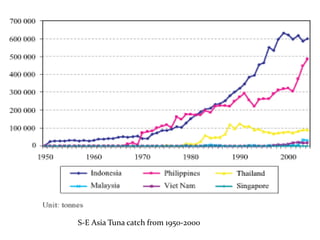
S-E Asia Tuna catch from 1950-2000
Importance of top predators in a healthy ecosystems
 As apex predators, sharks feed on the animals below
them in the food web, helping to regulate and
maintain the balance of marine ecosystems.
 Apex predators not only affect population dynamics by
consuming prey, but they also can control the spatial
distribution of potential prey.
 By preventing one species from monopolizing a
limited resource, predators increase the species
diversity of the ecosystem
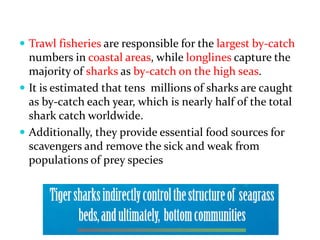
 Trawl fisheries are responsible for the largest by-catch
numbers in coastal areas, while longlines capture the
majority of sharks as by-catch on the high seas.
 It is estimated that tens millions of sharks are caught
as by-catch each year, which is nearly half of the total
shark catch worldwide.
 Additionally, they provide essential food sources for
scavengers and remove the sick and weak from
populations of prey species
1. Ghost fishing
2. By-catch
3. Overfishing
4. Oilspill
References
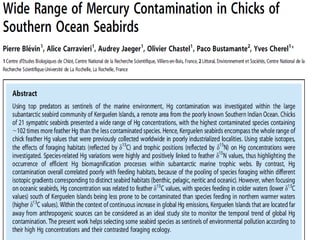
 Blévin, P., Carravieri, A., Jaeger, A., Chastel, O., Bustamante, P. & Cherel, Y.
2013, "Wide Range of Mercury Contamination in Chicks of Southern Ocean
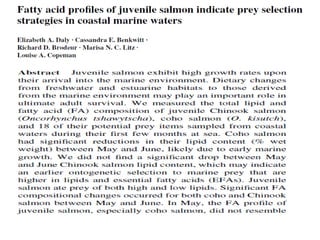
Seabirds", PLoS One, vol. 8, no. 1.Daly, E.A., Benkwitt, C.E., Brodeur, R.D., Litz,
M.N.C. & Copeman, L.A. 2010, "Fatty acid profiles of juvenile salmon indicate
prey selection strategies in coastal marine waters", Marine Biology, vol. 157, no.
9, pp. 1975-1987.
 Daly, E.A., Benkwitt, C.E., Brodeur, R.D., Litz, M.N.C. & Copeman, L.A. 2010,
"Fatty acid profiles of juvenile salmon indicate prey selection strategies in
coastal marine waters", Marine Biology, vol. 157, no. 9, pp. 1975-1987.
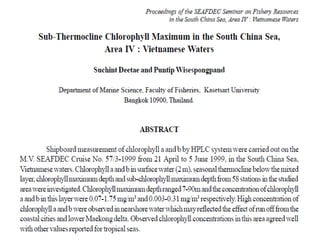
 Deetae, S. & Wisespongpand, P. 2001, Sub-thermocline chlorophyll maximum in
the South China Sea, area 4: Vietnamese waters, SEAFDEC, Bangkok
(Thailand).
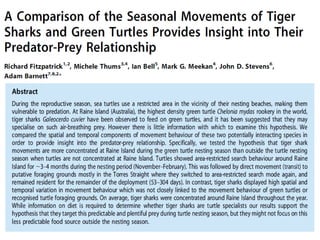
 Fitzpatrick, R., Thums, M., Bell, I., Meekan, M.G., Stevens, J.D. & Barnett, A.
2012, "A Comparison of the Seasonal Movements of Tiger Sharks and Green
Turtles Provides Insight into Their Predator-Prey Relationship", PLoS One, vol.
7, no. 12.
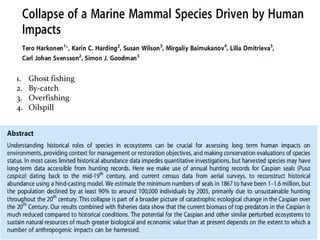
 Harkonen, T., Harding, K.C., Wilson, S., Baimukanov, M., Dmitrieva, L.,
Svensson, C.J. & Goodman, S.J. 2012, "Collapse of a Marine Mammal Species
Driven by Human Impacts", PLoS One, vol. 7, no. 9.
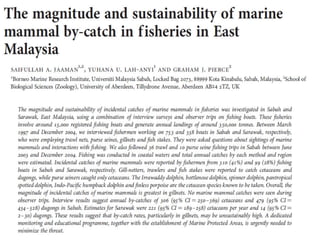
 Jaaman, S.A., Lah-Anyi, Y. & Pierce, G.J. 2009, "The magnitude and
sustainability of marine mammal by-catch in fisheries in East
Malaysia", Marine Biological Association of the United
Kingdom.Journal of the Marine Biological Association of the United
Kingdom, vol. 89, no. 5, pp. 907-920.
 Pauly, D., Christensen, V., Dalsgaard, J., Froese, R. & Torres, F. 1998,
"Fishing down marine food webs", Science, vol. 279, no. 5352, pp. 860-
863.
 Pauly,Daniel,1979. Theory and management of tropical multispecies
stocks: A review with emphasis on the southeast Asian demersal
fisheries. ICLARM studies and reveiws No 1 . 35p. International Centre
of Laving Aquatic Resource Management, Manilla
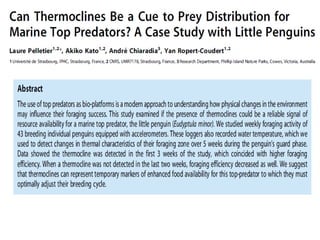
 Pelletier, L., Kato, A., Chiaradia, A. & Ropert-Coudert, Y. 2012, "Can
Thermoclines Be a Cue to Prey Distribution for Marine Top Predators?
A Case Study with Little Penguins", PLoS One, vol. 7, no. 4.
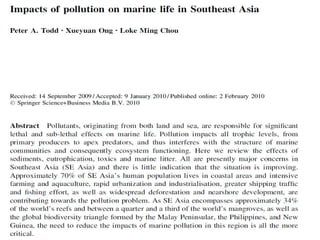
 Todd, P.A., Ong, X. & Chou, L.M. 2010, "Impacts of pollution on marine
life in Southeast Asia", Biodiversity & Conservation,vol. 19, no. 4, pp.
1063-1082.
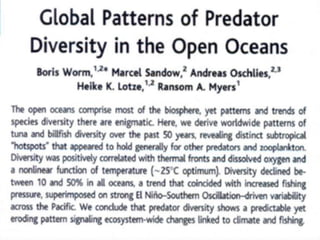
 Worm, B., Sandow, M., Oschlies, A., Lotze, H.K. & Myers, R.A. 2005,
"Global Patterns of Predator Diversity in the Open
Oceans",Science, vol. 309, no. 5739, pp. 1365-9.
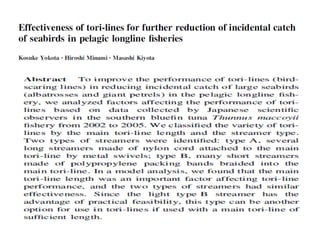
 Yokota, K., Minami, H. & Kiyota, M. 2011, "Effectiveness of tori-lines for
further reduction of incidental catch of seabirds in pelagic longline
fisheries", Fisheries Science, vol. 77, no. 4, pp. 479-485.
 www.fao.org
Prey predator in se indian cean

Prey predator in se indian cean

  • 1.
    By Shravan kumarsharma CIFE,Mumbai
  • 6.
    Top predators/Quaternary consumers 1.Sharks and rays 2. Sail fish 3. Tuna 4. Marlins 5. Bill fishes 6. Bonitoes etc.
  • 7.
    Middle predators 1. Biggercroakers 2. Marine catfishes 3. Ribbon fishes
  • 8.
  • 9.
     According toFAO statistics, in 1997 China was the leading producer, importer and exporter of shark fins in the world  According to FAO 1998, south-east Asian region is the highest exporter, producer of shark fins.  Due to increase in new technologies like fish finding techniques, finding PFZ ---------over-exploitaion of resources occur.
  • 10.
     Most ofthe world s fisheries are being fished at levels above their maximum sustainable yield and many regions are severely overfished.  In the late 1990s it was demonstrated that the mean trophic level of fisheries is declining, i.e. that global fisheries catches increasingly consist of smaller fish and invertebrates lower in the food web  This process, now known as fishing down marine food webs has become a major concern, as it means that fish stocks especially of large bodied fish are being overexploited and fisheries are not being sustainably managed. This severely threatens marine biodiversity.
  • 11.
     The MarineTrophic Index (MTI) ------ investigate the impacts of fisheries on the world s marine ecosystems.  Fishing down effect has been demonstrated in various parts of the world such as Thailand, Canada, Greece, Iceland, etc.
  • 13.
    S-E Asia Tunacatch from 1950-2000
  • 14.
    Importance of toppredators in a healthy ecosystems  As apex predators, sharks feed on the animals below them in the food web, helping to regulate and maintain the balance of marine ecosystems.  Apex predators not only affect population dynamics by consuming prey, but they also can control the spatial distribution of potential prey.  By preventing one species from monopolizing a limited resource, predators increase the species diversity of the ecosystem
  • 15.
     Trawl fisheriesare responsible for the largest by-catch numbers in coastal areas, while longlines capture the majority of sharks as by-catch on the high seas.  It is estimated that tens millions of sharks are caught as by-catch each year, which is nearly half of the total shark catch worldwide.  Additionally, they provide essential food sources for scavengers and remove the sick and weak from populations of prey species
  • 17.
    1. Ghost fishing 2.By-catch 3. Overfishing 4. Oilspill
  • 27.
    References  Blévin, P.,Carravieri, A., Jaeger, A., Chastel, O., Bustamante, P. & Cherel, Y. 2013, "Wide Range of Mercury Contamination in Chicks of Southern Ocean Seabirds", PLoS One, vol. 8, no. 1.Daly, E.A., Benkwitt, C.E., Brodeur, R.D., Litz, M.N.C. & Copeman, L.A. 2010, "Fatty acid profiles of juvenile salmon indicate prey selection strategies in coastal marine waters", Marine Biology, vol. 157, no. 9, pp. 1975-1987.  Daly, E.A., Benkwitt, C.E., Brodeur, R.D., Litz, M.N.C. & Copeman, L.A. 2010, "Fatty acid profiles of juvenile salmon indicate prey selection strategies in coastal marine waters", Marine Biology, vol. 157, no. 9, pp. 1975-1987.  Deetae, S. & Wisespongpand, P. 2001, Sub-thermocline chlorophyll maximum in the South China Sea, area 4: Vietnamese waters, SEAFDEC, Bangkok (Thailand).  Fitzpatrick, R., Thums, M., Bell, I., Meekan, M.G., Stevens, J.D. & Barnett, A. 2012, "A Comparison of the Seasonal Movements of Tiger Sharks and Green Turtles Provides Insight into Their Predator-Prey Relationship", PLoS One, vol. 7, no. 12.  Harkonen, T., Harding, K.C., Wilson, S., Baimukanov, M., Dmitrieva, L., Svensson, C.J. & Goodman, S.J. 2012, "Collapse of a Marine Mammal Species Driven by Human Impacts", PLoS One, vol. 7, no. 9.
  • 28.
     Jaaman, S.A.,Lah-Anyi, Y. & Pierce, G.J. 2009, "The magnitude and sustainability of marine mammal by-catch in fisheries in East Malaysia", Marine Biological Association of the United Kingdom.Journal of the Marine Biological Association of the United Kingdom, vol. 89, no. 5, pp. 907-920.  Pauly, D., Christensen, V., Dalsgaard, J., Froese, R. & Torres, F. 1998, "Fishing down marine food webs", Science, vol. 279, no. 5352, pp. 860- 863.  Pauly,Daniel,1979. Theory and management of tropical multispecies stocks: A review with emphasis on the southeast Asian demersal fisheries. ICLARM studies and reveiws No 1 . 35p. International Centre of Laving Aquatic Resource Management, Manilla  Pelletier, L., Kato, A., Chiaradia, A. & Ropert-Coudert, Y. 2012, "Can Thermoclines Be a Cue to Prey Distribution for Marine Top Predators? A Case Study with Little Penguins", PLoS One, vol. 7, no. 4.  Todd, P.A., Ong, X. & Chou, L.M. 2010, "Impacts of pollution on marine life in Southeast Asia", Biodiversity & Conservation,vol. 19, no. 4, pp. 1063-1082.
  • 29.
     Worm, B.,Sandow, M., Oschlies, A., Lotze, H.K. & Myers, R.A. 2005, "Global Patterns of Predator Diversity in the Open Oceans",Science, vol. 309, no. 5739, pp. 1365-9.  Yokota, K., Minami, H. & Kiyota, M. 2011, "Effectiveness of tori-lines for further reduction of incidental catch of seabirds in pelagic longline fisheries", Fisheries Science, vol. 77, no. 4, pp. 479-485.  www.fao.org