Ravish Yadav
CNS Stimulants Drugs
Nervous System
• The nervous system can be classified into
• The Central Nervous System (CNS) Brain and spinal cord
• The Peripheral Nervous System (PNS (The nervous system outside of
the brain and spinal cord
Peripheral Nervous System PNS
Can be divided into-
1- Sensory division(affrent)
Conducts impulses from receptors to the CNS and Informs the CNS of
the state of the body
2- Motor division(effrent)
Conducts impulses from CNS to effectors organs.
Motor Neurons
•The motor division is also divided into
•1- The somatic nervous system :
•VOLUNTARY (generally) Somatic nerve fibers that
conduct impulses from the CNS to skeletal muscles
•2. The autonomic nervous system:
INVOLUNTARY (generally) Conducts impulses from
the CNS to smooth muscle, cardiac muscle, and
glands
Neurons
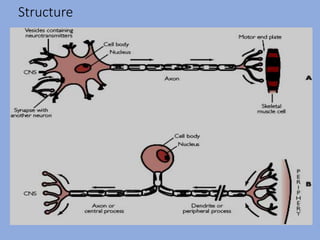
• They are the basic functional unit of the nervous system.
• They contain three major parts:
• 1.cell body.
• 2. dendrites.
• 3. axon.
Structure
Neurotransmitters CNS
• They can be classified into :
• 1. Exitatory:
• - Ach, glutamate, aspartate , serotonin and NE.
• 2. Inhibitory:-
• - GABA , glycin .
CNS Stimulants
• Defination
“Stimulants are a substance which
tends to increase behavioral activity
when administered”
Signs and symptoms:
• 1- Elevate Mood
• 2- Increase Motor Activity
• 3- Increase Alertness
• 4- Decrease need for Sleep
• In case of overdose lead to convulsion and death.
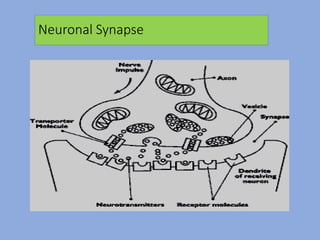
Neuronal Synapse
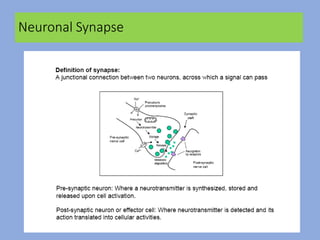
Neuronal Synapse
CNS Stimulants
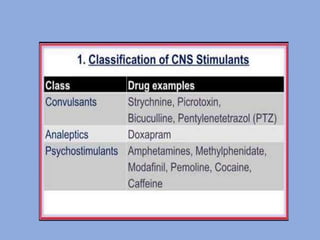
• - They can be divided based on their site of action:
• 1.Cerebral stimulants (amphetamines)
• 2.Medullary stimulants (picrotoxin)
• 3.Spinal stimulants (strychnine)
MOA of CNS Stimulants
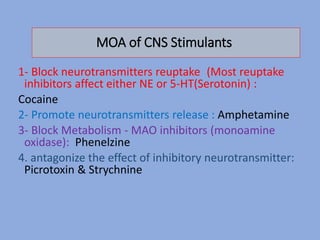
1- Block neurotransmitters reuptake (Most reuptake
inhibitors affect either NE or 5-HT(Serotonin) :
Cocaine
2- Promote neurotransmitters release : Amphetamine
3- Block Metabolism - MAO inhibitors (monoamine
oxidase): Phenelzine
4. antagonize the effect of inhibitory neurotransmitter:
Picrotoxin & Strychnine
Amphetamine
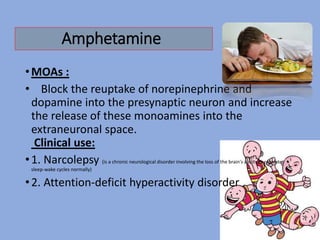
•MOAs :
• Block the reuptake of norepinephrine and
dopamine into the presynaptic neuron and increase
the release of these monoamines into the
extraneuronal space.
Clinical use:
•1. Narcolepsy (is a chronic neurological disorder involving the loss of the brain's ability to regulate
sleep-wake cycles normally)
•2. Attention-deficit hyperactivity disorder
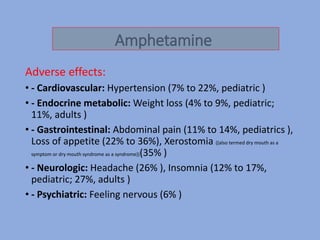
Adverse effects:
• - Cardiovascular: Hypertension (7% to 22%, pediatric )
• - Endocrine metabolic: Weight loss (4% to 9%, pediatric;
11%, adults )
• - Gastrointestinal: Abdominal pain (11% to 14%, pediatrics ),
Loss of appetite (22% to 36%), Xerostomia ((also termed dry mouth as a
symptom or dry mouth syndrome as a syndrome))(35% )
• - Neurologic: Headache (26% ), Insomnia (12% to 17%,
pediatric; 27%, adults )
• - Psychiatric: Feeling nervous (6% )
Amphetamine
• After injecting, the mice with amphetamine you will notice:
- Hair erection
• - Licking, gnawing (persistently worrying or distressing.).
• - Stereotype (a stereotype is a thought that can be adopted about specific types of individuals or certain ways of
doing things.)
• - Sniffing
Amphetamine
Picrotoxin
•MOA:
• Non-competitive antagonist of GABA receptors.
•After injecting the mice with picrotoxin you
will notice:
- Clonic convulsion characterized by :
•1. Asymmetric
•2. Intermittent
•3. Spontaneous
•4. Coordinated
Strychinine
•MOA:
•Competitive antagonist of the glycin receptors.
•After injecting the mice with Strychinine you will
•notice:
- Tonic convulsion characterized by :
•1. Symmetric
•2. Reflex in origin
•3. Continuous
•4. Uncoordinated.
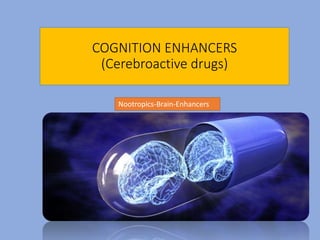
COGNITION ENHANCERS
(Cerebroactive drugs)
Nootropics-Brain-Enhancers
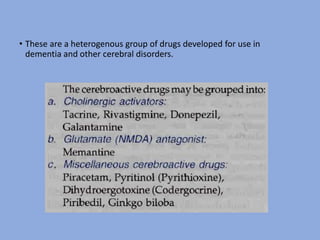
• These are a heterogenous group of drugs developed for use in
dementia and other cerebral disorders.
HALLUCINOGENS
(Psychotomimetics, Psychedelics,
Psychodysleptics, Psychotogens)
• These are drugs which alter mood, behaviour, thought and perception in
a manner similar to that seen in psychosis. Many natural products
having hallucinogenic property have been discovered and used by man
since prehistoric times.
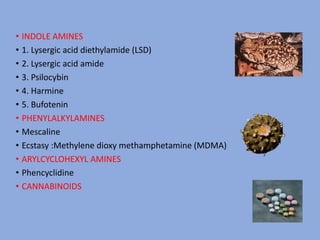
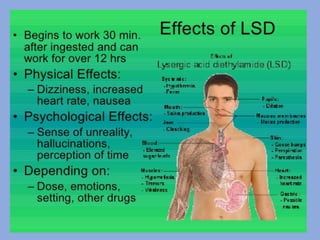
• INDOLE AMINES
• 1. Lysergic acid diethylamide (LSD)
• 2. Lysergic acid amide
• 3. Psilocybin
• 4. Harmine
• 5. Bufotenin
• PHENYLALKYLAMINES
• Mescaline
• Ecstasy :Methylene dioxy methamphetamine (MDMA)
• ARYLCYCLOHEXYL AMINES
• Phencyclidine
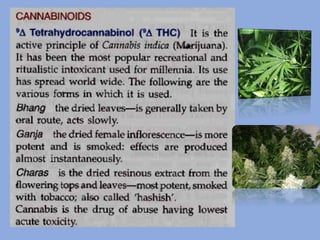
• CANNABINOIDS
CNS stimulants drugs

CNS stimulants drugs

  • 1.
  • 2.
    Nervous System • Thenervous system can be classified into • The Central Nervous System (CNS) Brain and spinal cord • The Peripheral Nervous System (PNS (The nervous system outside of the brain and spinal cord
  • 3.
    Peripheral Nervous SystemPNS Can be divided into- 1- Sensory division(affrent) Conducts impulses from receptors to the CNS and Informs the CNS of the state of the body 2- Motor division(effrent) Conducts impulses from CNS to effectors organs.
  • 4.
    Motor Neurons •The motordivision is also divided into •1- The somatic nervous system : •VOLUNTARY (generally) Somatic nerve fibers that conduct impulses from the CNS to skeletal muscles •2. The autonomic nervous system: INVOLUNTARY (generally) Conducts impulses from the CNS to smooth muscle, cardiac muscle, and glands
  • 5.
    Neurons • They arethe basic functional unit of the nervous system. • They contain three major parts: • 1.cell body. • 2. dendrites. • 3. axon.
  • 6.
  • 7.
    Neurotransmitters CNS • Theycan be classified into : • 1. Exitatory: • - Ach, glutamate, aspartate , serotonin and NE. • 2. Inhibitory:- • - GABA , glycin .
  • 8.
    CNS Stimulants • Defination “Stimulantsare a substance which tends to increase behavioral activity when administered”
  • 9.
    Signs and symptoms: •1- Elevate Mood • 2- Increase Motor Activity • 3- Increase Alertness • 4- Decrease need for Sleep • In case of overdose lead to convulsion and death.
  • 10.
  • 11.
  • 12.
    CNS Stimulants • -They can be divided based on their site of action: • 1.Cerebral stimulants (amphetamines) • 2.Medullary stimulants (picrotoxin) • 3.Spinal stimulants (strychnine)
  • 14.
    MOA of CNSStimulants 1- Block neurotransmitters reuptake (Most reuptake inhibitors affect either NE or 5-HT(Serotonin) : Cocaine 2- Promote neurotransmitters release : Amphetamine 3- Block Metabolism - MAO inhibitors (monoamine oxidase): Phenelzine 4. antagonize the effect of inhibitory neurotransmitter: Picrotoxin & Strychnine
  • 15.
    Amphetamine •MOAs : • Blockthe reuptake of norepinephrine and dopamine into the presynaptic neuron and increase the release of these monoamines into the extraneuronal space. Clinical use: •1. Narcolepsy (is a chronic neurological disorder involving the loss of the brain's ability to regulate sleep-wake cycles normally) •2. Attention-deficit hyperactivity disorder
  • 16.
    Adverse effects: • -Cardiovascular: Hypertension (7% to 22%, pediatric ) • - Endocrine metabolic: Weight loss (4% to 9%, pediatric; 11%, adults ) • - Gastrointestinal: Abdominal pain (11% to 14%, pediatrics ), Loss of appetite (22% to 36%), Xerostomia ((also termed dry mouth as a symptom or dry mouth syndrome as a syndrome))(35% ) • - Neurologic: Headache (26% ), Insomnia (12% to 17%, pediatric; 27%, adults ) • - Psychiatric: Feeling nervous (6% ) Amphetamine
  • 17.
    • After injecting,the mice with amphetamine you will notice: - Hair erection • - Licking, gnawing (persistently worrying or distressing.). • - Stereotype (a stereotype is a thought that can be adopted about specific types of individuals or certain ways of doing things.) • - Sniffing Amphetamine
  • 18.
    Picrotoxin •MOA: • Non-competitive antagonistof GABA receptors. •After injecting the mice with picrotoxin you will notice: - Clonic convulsion characterized by : •1. Asymmetric •2. Intermittent •3. Spontaneous •4. Coordinated
  • 19.
    Strychinine •MOA: •Competitive antagonist ofthe glycin receptors. •After injecting the mice with Strychinine you will •notice: - Tonic convulsion characterized by : •1. Symmetric •2. Reflex in origin •3. Continuous •4. Uncoordinated.
  • 20.
  • 21.
    • These area heterogenous group of drugs developed for use in dementia and other cerebral disorders.
  • 22.
  • 23.
    • These aredrugs which alter mood, behaviour, thought and perception in a manner similar to that seen in psychosis. Many natural products having hallucinogenic property have been discovered and used by man since prehistoric times.
  • 24.
    • INDOLE AMINES •1. Lysergic acid diethylamide (LSD) • 2. Lysergic acid amide • 3. Psilocybin • 4. Harmine • 5. Bufotenin • PHENYLALKYLAMINES • Mescaline • Ecstasy :Methylene dioxy methamphetamine (MDMA) • ARYLCYCLOHEXYL AMINES • Phencyclidine • CANNABINOIDS