SEMINAR 1
CHRONIC LIVER
DISEASE
BS6
01 03
02
04
TABLE OF CONTENTS
INTRODUCTION PATHOPHYSIOLOGY
AETIOLOGY
CLINICAL
MANIFESTATION
06
05
INVESTIGATIONS
COMPLICATION
& PROGNOSIS
07
MANAGEMENT
INTRODUCTION
01
1. INTRODUCTION
Chronic liver disease (CLD) is a progressive deterioration of liver functions for more
than 6 months, which includes synthesis of clotting factors other proteins,
detoxification of harmful products of metabolism, and excretion of bile.
CLD is a continuous process of inflammation, destruction, and regeneration of liver
parenchyma, → fibrosis and cirrhosis.
Cirrhosis is a final stage of chronic liver disease that results in disruption of liver architecture,
the formation of widespread nodules, vascular reorganization, neo-angiogenesis, and
deposition of an extracellular matrix.
AETIOLOGY
02
2. AETIOLOGY (1)
1 Alcoholic Liver
Disease
➔ A spectrum of disease which includes alcoholic fatty liver with/ without hepatitis, alcohol
hepatitis → cirrhosis.
➔ Alcohol use disorder is the most frequent cause of CLD
2 Non-alcoholic Fatty
Liver Disease
(NAFLD/NASH)
➔ NAFLD has an association with metabolic syndrome (obesity, hyperlipidemia, DM)
➔ Some of these patients develop non-alcoholic steatohepatitis → liver fibrosis
3 Chronic Viral
Hepatitis
➔ Chronic hepatitis B,C and D infections are the most common causes of chronic liver
disease in East Asia and Sub-Saharan Africa
4 Genetic causes Alpha-1 antitrypsin
deficiency
➔ The most common genetic cause of CLD among children
Hereditary
hemochromatosis
➔ Autosomal recessive disorder of iron absorption
➔ Mutation involving HFE gene that regulates the iron absorption
from the intestine → excessive iron is absorbed from the GI
tract → pathological increase in ferritin and hemosiderin →
generation of hydroxyl free radicals → organ fibrosis
Wilson disease ➔ Autosomal recessive disorder leading to copper accumulation
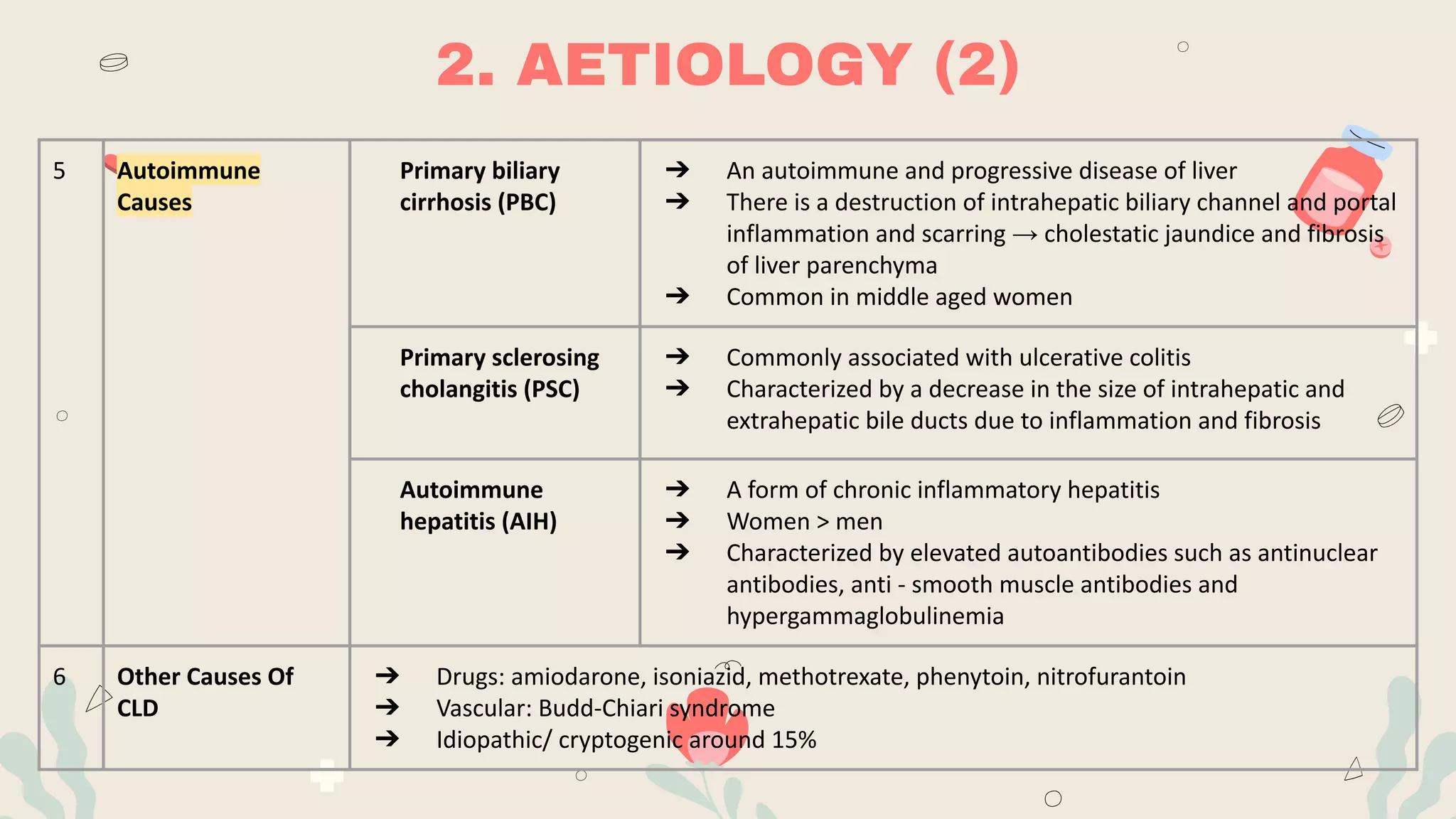
2. AETIOLOGY (2)
5 Autoimmune
Causes
Primary biliary
cirrhosis (PBC)
➔ An autoimmune and progressive disease of liver
➔ There is a destruction of intrahepatic biliary channel and portal
inflammation and scarring → cholestatic jaundice and fibrosis
of liver parenchyma
➔ Common in middle aged women
Primary sclerosing
cholangitis (PSC)
➔ Commonly associated with ulcerative colitis
➔ Characterized by a decrease in the size of intrahepatic and
extrahepatic bile ducts due to inflammation and fibrosis
Autoimmune
hepatitis (AIH)
➔ A form of chronic inflammatory hepatitis
➔ Women > men
➔ Characterized by elevated autoantibodies such as antinuclear
antibodies, anti - smooth muscle antibodies and
hypergammaglobulinemia
6 Other Causes Of
CLD
➔ Drugs: amiodarone, isoniazid, methotrexate, phenytoin, nitrofurantoin
➔ Vascular: Budd-Chiari syndrome
➔ Idiopathic/ cryptogenic around 15%
03
PATHOPHYSIOLOGY
Kumar and Clark Clinical Medicine 8th ed.
LET’S GET TO KNOW..
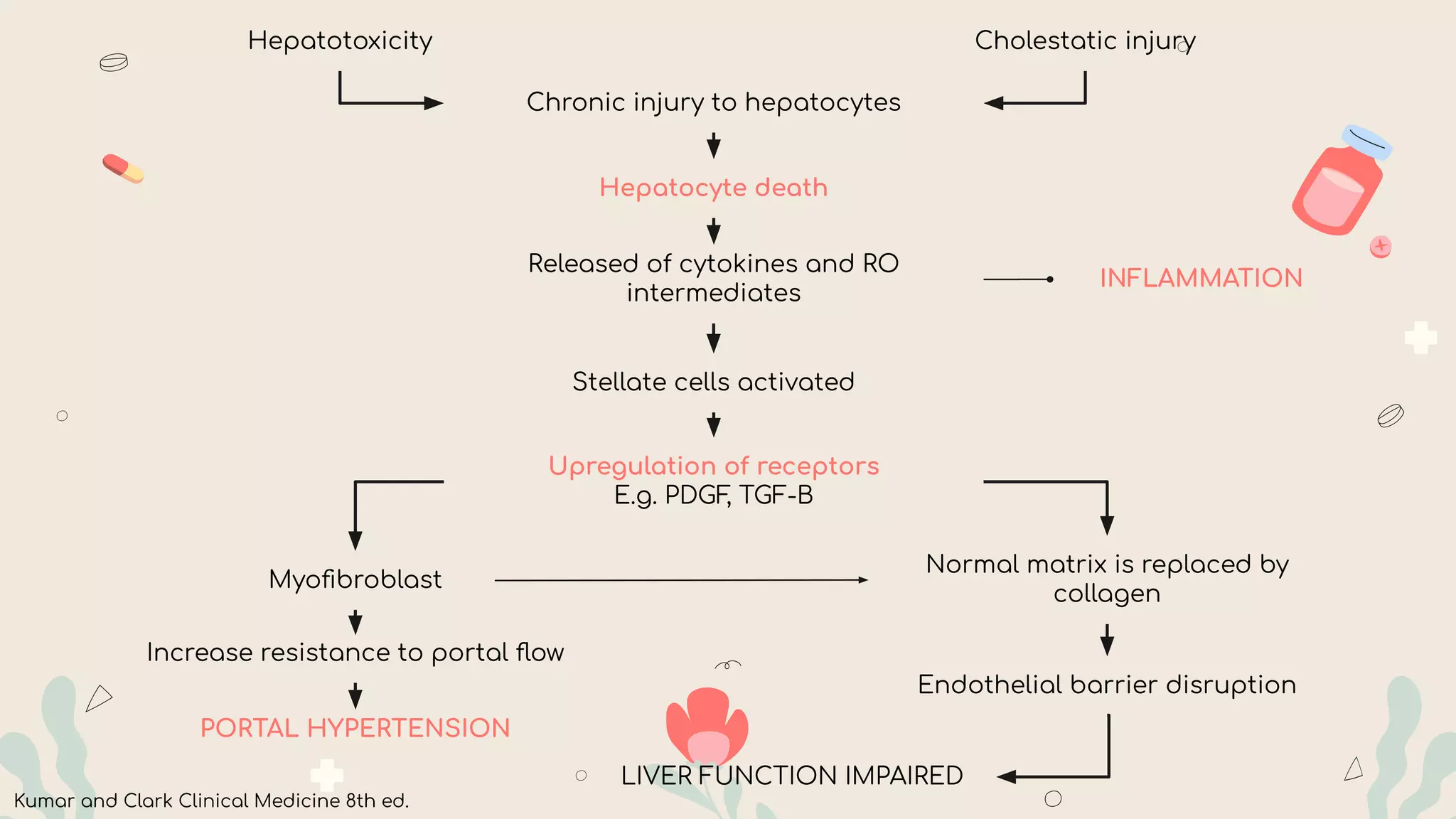
Hepatotoxicity Cholestatic injury
Chronic injury to hepatocytes
Released of cytokines and RO
intermediates
INFLAMMATION
Stellate cells activated
Upregulation of receptors
E.g. PDGF
, TGF-B
Hepatocyte death
Myofibroblast
Normal matrix is replaced by
collagen
Increase resistance to portal flow
PORTAL HYPERTENSION
Endothelial barrier disruption
LIVER FUNCTION IMPAIRED
Kumar and Clark Clinical Medicine 8th ed.
Pellicoro, A., Ramachandran, P., Iredale, J. et al. Liver fibrosis and repair: immune regulation of
wound healing in a solid organ. Nat Rev Immunol 14, 181–194 (2014).
https://doi.org/10.1038/nri3623
CLINICAL MANIFESTATIONS
04
History taking
SPECIFIC SYMPTOMS
● Right hypochondrial pain: liver distension
● Abdominal distension: ascites
● Ankle swelling: fluid retention
● Haematemesis and melaena: GI hemorrhage
● Pruritus: cholestasis
● Gynaecomastia, loss of libido, amenorrhea:
endocrine dysfunction
● Confusion and drowsiness: portosystemic
encephalopathy
May be asymptomatic
Non-specific : Fatigue
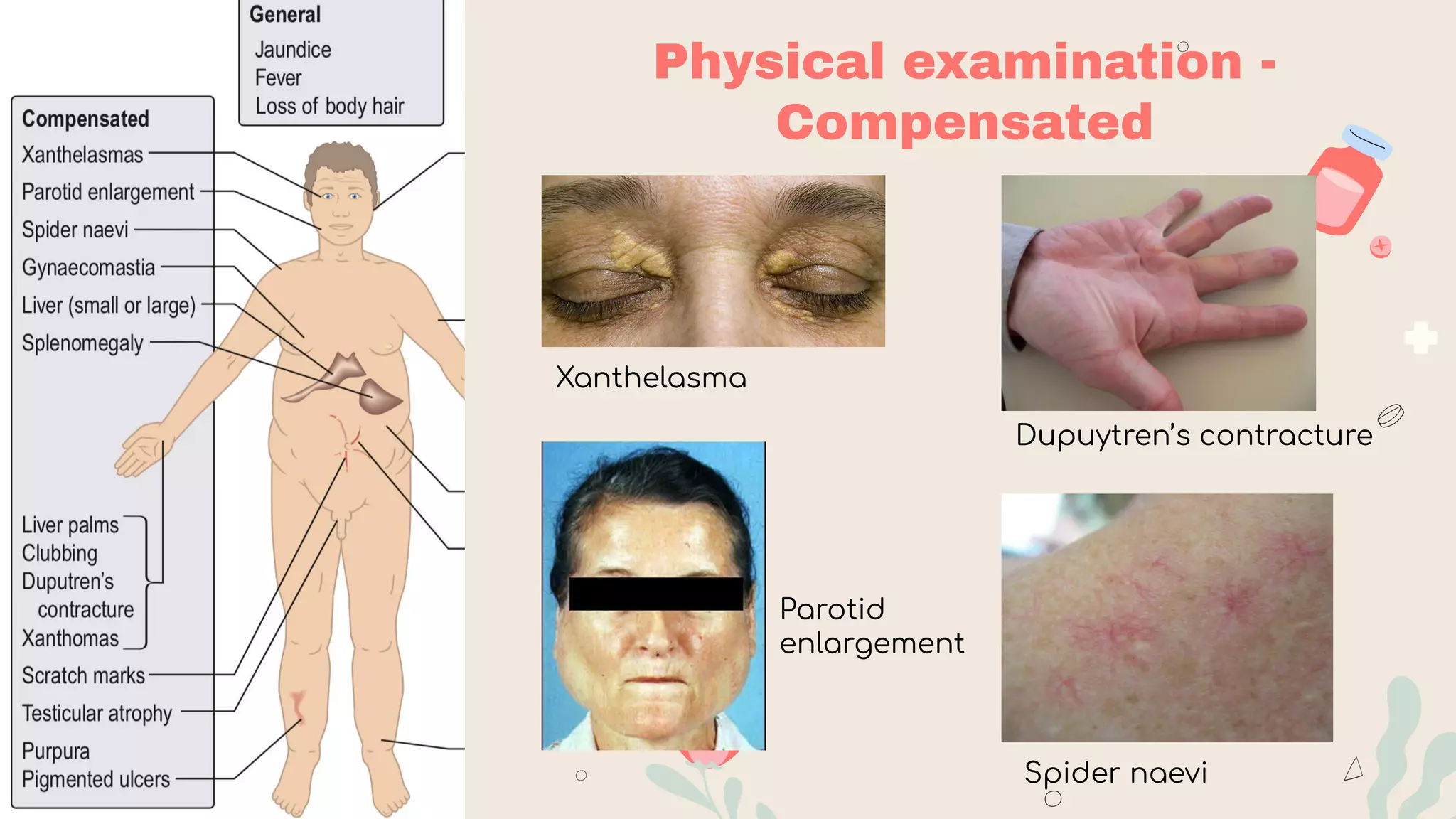
Physical examination -
Compensated
Xanthelasma
Parotid
enlargement
Dupuytren’s contracture
Spider naevi
Physical examination -
Decompensated
Hepatic flap
Caput medusa
Ascites
COMPLICATIONS
05
Portal hypertension ● Elevated pressure in the portal venous system
● Increased resistance of blood flow
● Gastrointestinal bleeding, splenomegaly and
ascites. Often asymptomatic
Variceal bleed ● dilated veins in distal esophagus or proximal
stomach cause by elevated pressure in the
portal venous system.
● Sudden, painless, upper GI bleeding,
Hematemesis,melena, or hematochezia.
Ascites ● Cause: portal hypertension
● Clinical features: abdominal distension, loss of appetite,
shortness of breath and weight gain
● Examination: shifting dullness and fluid thrills can be elicited
Spontaneous bacterial
peritonitis
● Infection of abdominal fluid
● Clinical features: fever, malaise, and symptoms of ascites and
worsening hepatic failure. Present of peritoneal sign (eg.
abdominal tenderness and rebound tenderness).
● Diagnose by: diagnostic paracentesis
Hepatic encephalopathy ● Reversible brain dysfunction caused by liver
insufficiency and portosystemic shunts.
● Clinical features: wide spectrum of neurological
and psychiatric abnormalities.
● Precipitants: gastrointestinal bleeding,
constipation, infection, dehydration and
portosystemic shunts
Hepatorenal syndrome ● Occurs in advanced liver disease and is a
diagnosis of exclusion
● Pathophysiology: vasoconstriction of a renal
vessels from RAAS activation leading to renal
hypoperfusion
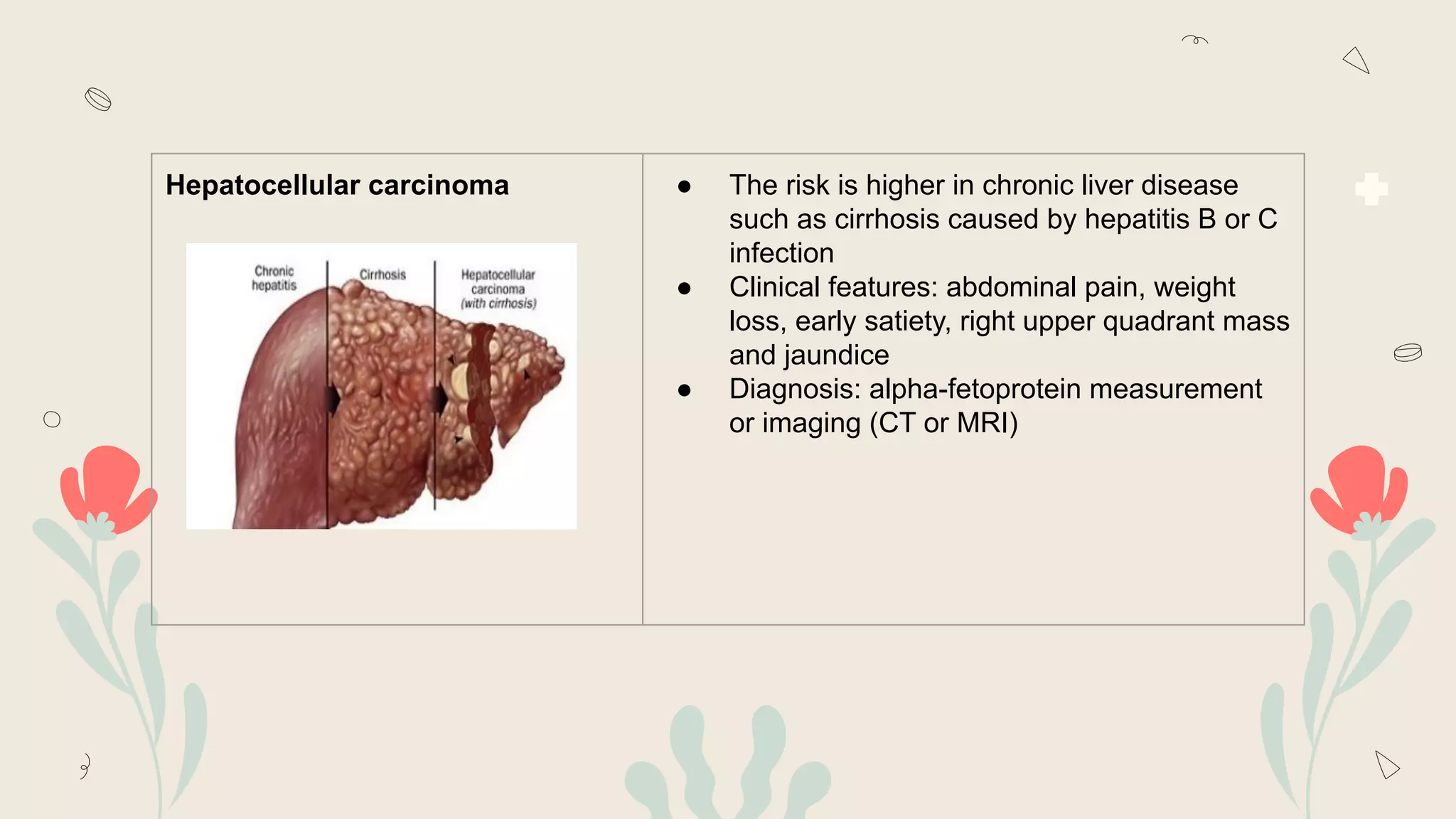
Hepatocellular carcinoma ● The risk is higher in chronic liver disease
such as cirrhosis caused by hepatitis B or C
infection
● Clinical features: abdominal pain, weight
loss, early satiety, right upper quadrant mass
and jaundice
● Diagnosis: alpha-fetoprotein measurement
or imaging (CT or MRI)
Overall, the 5-year survival rate is approximately 50%.
This is variable and depends on the aetiology and presence of complications.
The severity and prognosis of liver disease can be graded according to the
- modified Child–Pugh classification
Or
- MELD score (modification of end-stage liver disease)
PROGNOSIS
MODIFIED CHILD-PUGH CLASSIFICATION
MELD SCORE (MODIFICATION OF
END STAGE LIVER DISEASE)
To convert:
• bilirubin from umol/L to mg/dL divide by 17
• creatinine from umol/L to mg/dL divide by 88.4
[ 3.8 x LN (bilirubin in mg/dL)] + [ 9.6 x LN
(creatinine in mg/dL) ] + [ 11.2 x LN (INR) ] + 6.4
INVESTIGATIONS
06
LAB FINDINGS
1.FULL BLOOD COUNT
● Anaemia
● Leukopenia
● Thrombocytopenia
● Prolonged prothrombin
time (PT) and partial
thromboplastin time
(aPTT)
● Elevated internalized
normalized ratio (INR)
● Liver enzymes elevated
(AST, ALT, ALP, GGT)
● Hyperbilirubinemia
● Hypoalbuminemia
● Hyponatremia (Na+)
● Elevated Urea
● Elevated creatinine
2. LIVER FUNCTION
TEST
3. COAGULATION
PROFILE
4. RENAL PROFILE
5. BIOMARKERS
● Serum
alpha-fetoprotein
> 200mg/ml
● Enhanced liver
fibrosis test
- < 7.7: None to mild
- 7.7 - 9.8: Moderate
- > 9.8: Severe
6. LIVER BIOPSY
Performed percutaneously with a Trucut or Menghini needle, usually through an
intercostal space under local anaesthesia or radiologically using a transjugular
approach. Wisely not done if coagulation profile is deranged due to risk of
bleeding.
7. SPECIFIC INVESTIGATIONS
Chronic Hepatitis B & C ❖ Hepatitis B surface antigen (HBsAg)
❖ Hepatitis C antibody (HCV)
Haemochromatosis ❖ Ferritin
❖ Total iron-binding capacity
❖ Transferrin saturation
Autoimmune hepatitis ❖ Immunoglobulins
❖ Autoantibodies (antinuclear antibody, smooth muscle
antibody, anti-mitochondrial antibody)
Wilson’s disease ❖ Reduced caeruloplasmin
❖ Raised urinary copper
❖ Low serum copper
𝛂1- antitrypsin deficiency ❖ 𝛂1- antitrypsin level
Primary biliary cirrhosis ❖ Anti-mitochondrial antibody
Coeliac disease ❖ Endomysial antibody
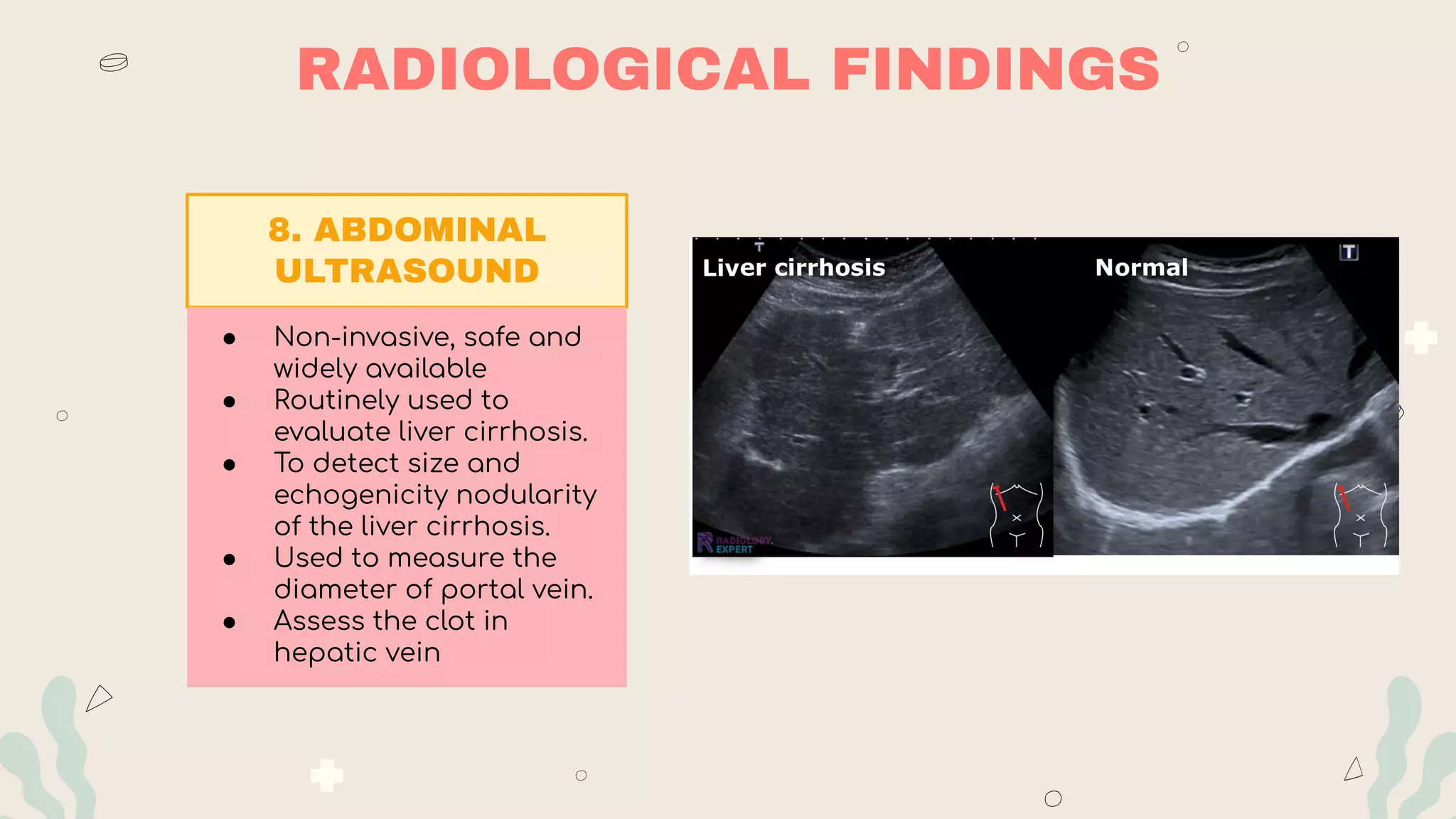
RADIOLOGICAL FINDINGS
8. ABDOMINAL
ULTRASOUND
● Non-invasive, safe and
widely available
● Routinely used to
evaluate liver cirrhosis.
● To detect size and
echogenicity nodularity
of the liver cirrhosis.
● Used to measure the
diameter of portal vein.
● Assess the clot in
hepatic vein
RADIOLOGICAL FINDINGS
9. CT SCAN
● Not routinely used to
evaluate liver cirrhosis
● CT findings shows
hepatic nodularity,
atrophy of the right
lobe, hypertrophy of
caudate/left lobe,
ascites or varices.
● CT portal phase
imaging can
demonstrate the
patency of portal vein
and assess the
obstruction of biliary
channel.
MANAGEMENT
07
Major goals of managing patients with CLD
31
● Prevent superimposed insults
to the liver
- Vaccinations
● To slow progression of
liver disease
● Avoid any complications
- Antiviral treatments for
hep C
- Alcohol abstinence
GENERAL MANAGEMENT
● Diet control
- reduce intake of red meat, eggs, cheese
- Sodium restriction
● Weight loss, control metabolic risk factors
- Glucose
- Blood pressure
- Cholesterol
● Avoid hepatotoxins
- Alcohol
- Hepatotoxic meds eg acetaminophen, azathioprine
- Herbal remedies
● Vaccinations
- Hep A & B vaccines
- Pneumococcal vaccines
- Influenza vaccines
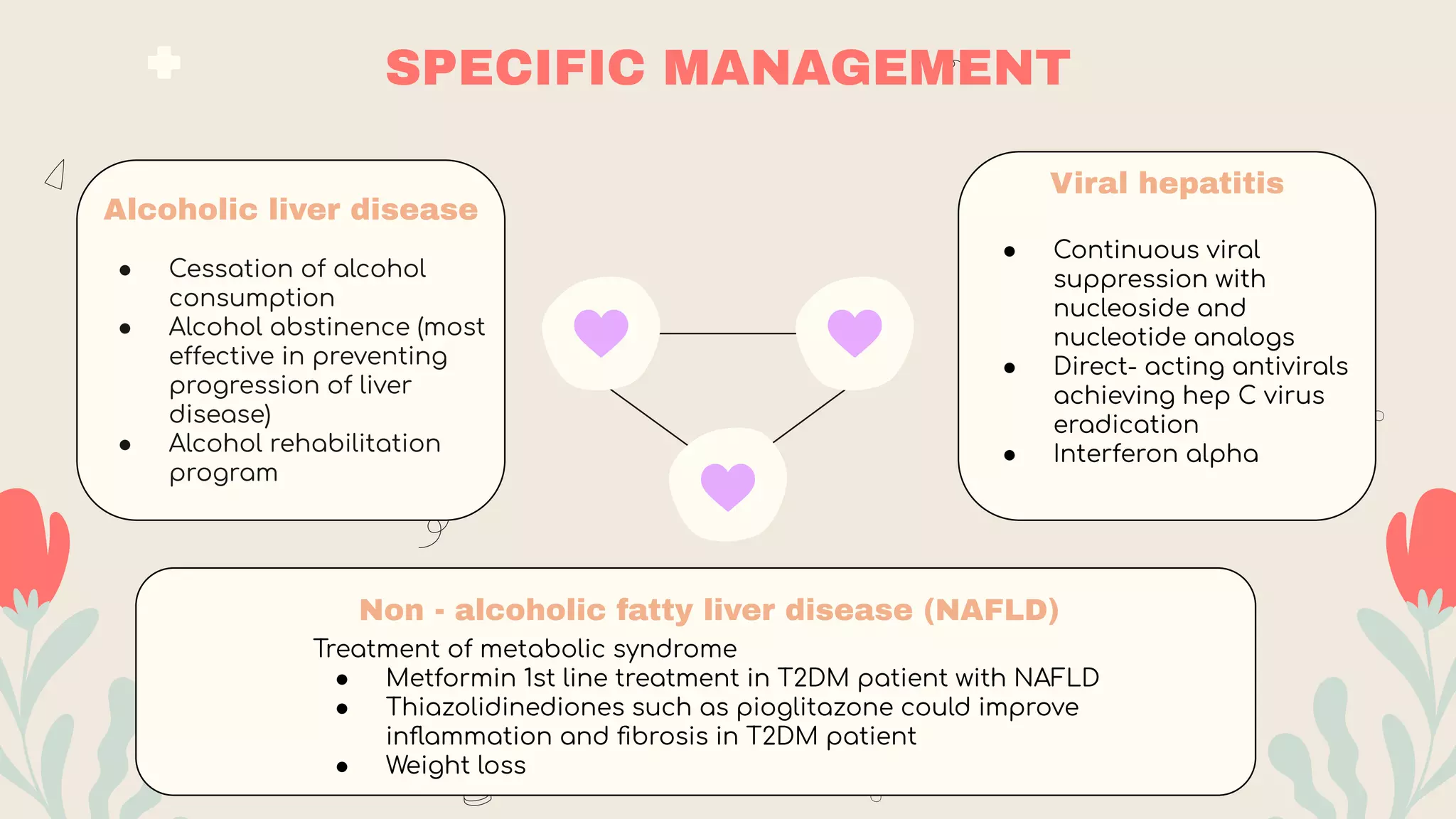
SPECIFIC MANAGEMENT
Alcoholic liver disease
● Cessation of alcohol
consumption
● Alcohol abstinence (most
effective in preventing
progression of liver
disease)
● Alcohol rehabilitation
program
Non - alcoholic fatty liver disease (NAFLD)
Treatment of metabolic syndrome
● Metformin 1st line treatment in T2DM patient with NAFLD
● Thiazolidinediones such as pioglitazone could improve
inflammation and fibrosis in T2DM patient
● Weight loss
Viral hepatitis
● Continuous viral
suppression with
nucleoside and
nucleotide analogs
● Direct- acting antivirals
achieving hep C virus
eradication
● Interferon alpha
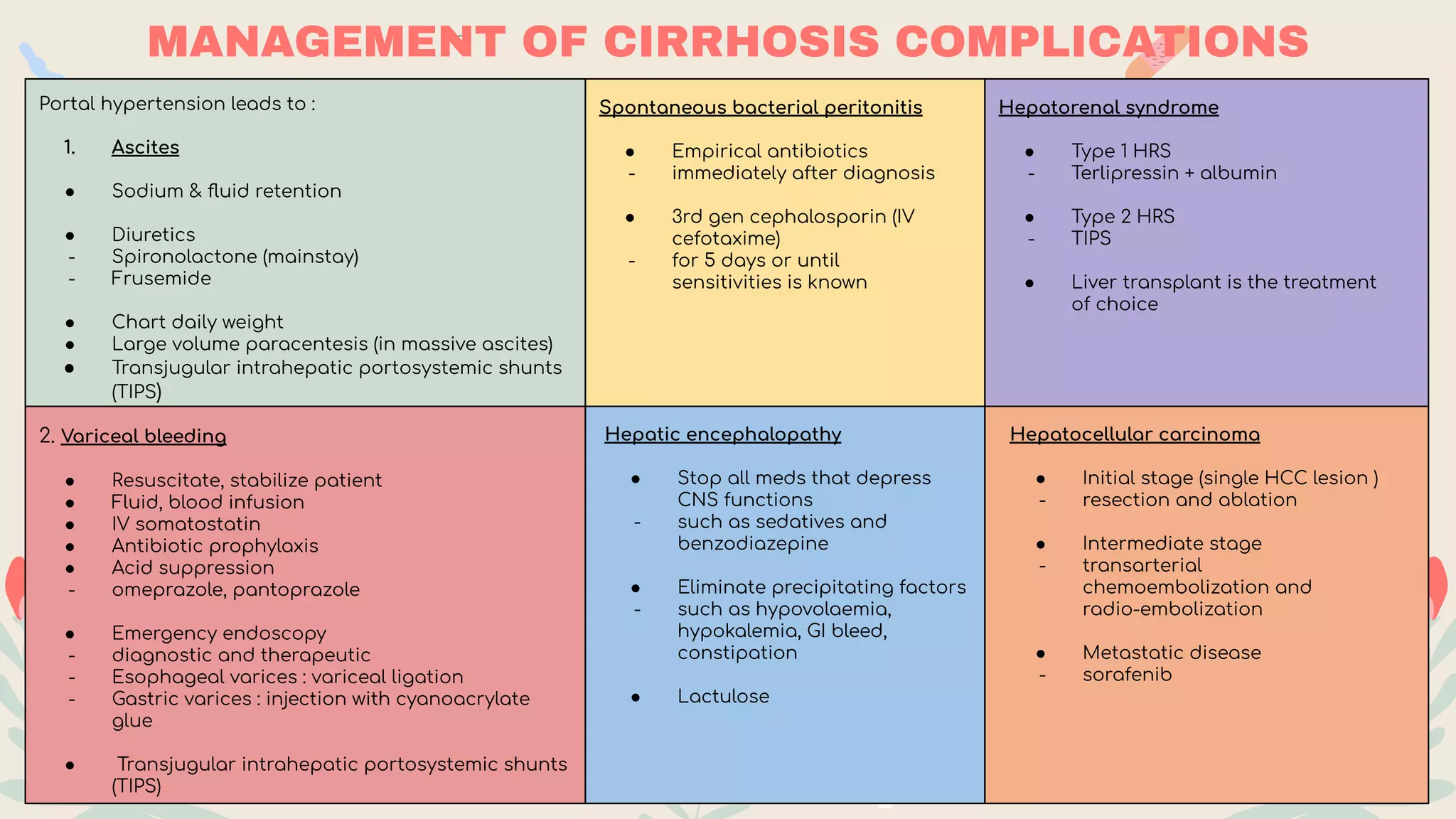
MANAGEMENT OF CIRRHOSIS COMPLICATIONS
Portal hypertension leads to :
1. Ascites
● Sodium & fluid retention
● Diuretics
- Spironolactone (mainstay)
- Frusemide
● Chart daily weight
● Large volume paracentesis (in massive ascites)
● Transjugular intrahepatic portosystemic shunts
(TIPS)
2. Variceal bleeding
● Resuscitate, stabilize patient
● Fluid, blood infusion
● IV somatostatin
● Antibiotic prophylaxis
● Acid suppression
- omeprazole, pantoprazole
● Emergency endoscopy
- diagnostic and therapeutic
- Esophageal varices : variceal ligation
- Gastric varices : injection with cyanoacrylate
glue
● Transjugular intrahepatic portosystemic shunts
(TIPS)
Spontaneous bacterial peritonitis
● Empirical antibiotics
- immediately after diagnosis
● 3rd gen cephalosporin (IV
cefotaxime)
- for 5 days or until
sensitivities is known
Hepatic encephalopathy
● Stop all meds that depress
CNS functions
- such as sedatives and
benzodiazepine
● Eliminate precipitating factors
- such as hypovolaemia,
hypokalemia, GI bleed,
constipation
● Lactulose
Hepatorenal syndrome
● Type 1 HRS
- Terlipressin + albumin
● Type 2 HRS
- TIPS
● Liver transplant is the treatment
of choice
Hepatocellular carcinoma
● Initial stage (single HCC lesion )
- resection and ablation
● Intermediate stage
- transarterial
chemoembolization and
radio-embolization
● Metastatic disease
- sorafenib
THANK YOU

Chronic Liver Disease (1).pdf

  • 1.
  • 2.
    01 03 02 04 TABLE OFCONTENTS INTRODUCTION PATHOPHYSIOLOGY AETIOLOGY CLINICAL MANIFESTATION 06 05 INVESTIGATIONS COMPLICATION & PROGNOSIS 07 MANAGEMENT
  • 3.
  • 4.
    1. INTRODUCTION Chronic liverdisease (CLD) is a progressive deterioration of liver functions for more than 6 months, which includes synthesis of clotting factors other proteins, detoxification of harmful products of metabolism, and excretion of bile. CLD is a continuous process of inflammation, destruction, and regeneration of liver parenchyma, → fibrosis and cirrhosis. Cirrhosis is a final stage of chronic liver disease that results in disruption of liver architecture, the formation of widespread nodules, vascular reorganization, neo-angiogenesis, and deposition of an extracellular matrix.
  • 5.
  • 6.
    2. AETIOLOGY (1) 1Alcoholic Liver Disease ➔ A spectrum of disease which includes alcoholic fatty liver with/ without hepatitis, alcohol hepatitis → cirrhosis. ➔ Alcohol use disorder is the most frequent cause of CLD 2 Non-alcoholic Fatty Liver Disease (NAFLD/NASH) ➔ NAFLD has an association with metabolic syndrome (obesity, hyperlipidemia, DM) ➔ Some of these patients develop non-alcoholic steatohepatitis → liver fibrosis 3 Chronic Viral Hepatitis ➔ Chronic hepatitis B,C and D infections are the most common causes of chronic liver disease in East Asia and Sub-Saharan Africa 4 Genetic causes Alpha-1 antitrypsin deficiency ➔ The most common genetic cause of CLD among children Hereditary hemochromatosis ➔ Autosomal recessive disorder of iron absorption ➔ Mutation involving HFE gene that regulates the iron absorption from the intestine → excessive iron is absorbed from the GI tract → pathological increase in ferritin and hemosiderin → generation of hydroxyl free radicals → organ fibrosis Wilson disease ➔ Autosomal recessive disorder leading to copper accumulation
  • 7.
    2. AETIOLOGY (2) 5Autoimmune Causes Primary biliary cirrhosis (PBC) ➔ An autoimmune and progressive disease of liver ➔ There is a destruction of intrahepatic biliary channel and portal inflammation and scarring → cholestatic jaundice and fibrosis of liver parenchyma ➔ Common in middle aged women Primary sclerosing cholangitis (PSC) ➔ Commonly associated with ulcerative colitis ➔ Characterized by a decrease in the size of intrahepatic and extrahepatic bile ducts due to inflammation and fibrosis Autoimmune hepatitis (AIH) ➔ A form of chronic inflammatory hepatitis ➔ Women > men ➔ Characterized by elevated autoantibodies such as antinuclear antibodies, anti - smooth muscle antibodies and hypergammaglobulinemia 6 Other Causes Of CLD ➔ Drugs: amiodarone, isoniazid, methotrexate, phenytoin, nitrofurantoin ➔ Vascular: Budd-Chiari syndrome ➔ Idiopathic/ cryptogenic around 15%
  • 8.
  • 9.
    Kumar and ClarkClinical Medicine 8th ed. LET’S GET TO KNOW..
  • 10.
    Hepatotoxicity Cholestatic injury Chronicinjury to hepatocytes Released of cytokines and RO intermediates INFLAMMATION Stellate cells activated Upregulation of receptors E.g. PDGF , TGF-B Hepatocyte death Myofibroblast Normal matrix is replaced by collagen Increase resistance to portal flow PORTAL HYPERTENSION Endothelial barrier disruption LIVER FUNCTION IMPAIRED Kumar and Clark Clinical Medicine 8th ed.
  • 11.
    Pellicoro, A., Ramachandran,P., Iredale, J. et al. Liver fibrosis and repair: immune regulation of wound healing in a solid organ. Nat Rev Immunol 14, 181–194 (2014). https://doi.org/10.1038/nri3623
  • 12.
  • 13.
    History taking SPECIFIC SYMPTOMS ●Right hypochondrial pain: liver distension ● Abdominal distension: ascites ● Ankle swelling: fluid retention ● Haematemesis and melaena: GI hemorrhage ● Pruritus: cholestasis ● Gynaecomastia, loss of libido, amenorrhea: endocrine dysfunction ● Confusion and drowsiness: portosystemic encephalopathy May be asymptomatic Non-specific : Fatigue
  • 14.
  • 15.
  • 16.
  • 17.
    Portal hypertension ●Elevated pressure in the portal venous system ● Increased resistance of blood flow ● Gastrointestinal bleeding, splenomegaly and ascites. Often asymptomatic Variceal bleed ● dilated veins in distal esophagus or proximal stomach cause by elevated pressure in the portal venous system. ● Sudden, painless, upper GI bleeding, Hematemesis,melena, or hematochezia.
  • 18.
    Ascites ● Cause:portal hypertension ● Clinical features: abdominal distension, loss of appetite, shortness of breath and weight gain ● Examination: shifting dullness and fluid thrills can be elicited Spontaneous bacterial peritonitis ● Infection of abdominal fluid ● Clinical features: fever, malaise, and symptoms of ascites and worsening hepatic failure. Present of peritoneal sign (eg. abdominal tenderness and rebound tenderness). ● Diagnose by: diagnostic paracentesis
  • 19.
    Hepatic encephalopathy ●Reversible brain dysfunction caused by liver insufficiency and portosystemic shunts. ● Clinical features: wide spectrum of neurological and psychiatric abnormalities. ● Precipitants: gastrointestinal bleeding, constipation, infection, dehydration and portosystemic shunts Hepatorenal syndrome ● Occurs in advanced liver disease and is a diagnosis of exclusion ● Pathophysiology: vasoconstriction of a renal vessels from RAAS activation leading to renal hypoperfusion
  • 20.
    Hepatocellular carcinoma ●The risk is higher in chronic liver disease such as cirrhosis caused by hepatitis B or C infection ● Clinical features: abdominal pain, weight loss, early satiety, right upper quadrant mass and jaundice ● Diagnosis: alpha-fetoprotein measurement or imaging (CT or MRI)
  • 21.
    Overall, the 5-yearsurvival rate is approximately 50%. This is variable and depends on the aetiology and presence of complications. The severity and prognosis of liver disease can be graded according to the - modified Child–Pugh classification Or - MELD score (modification of end-stage liver disease) PROGNOSIS
  • 22.
  • 23.
    MELD SCORE (MODIFICATIONOF END STAGE LIVER DISEASE) To convert: • bilirubin from umol/L to mg/dL divide by 17 • creatinine from umol/L to mg/dL divide by 88.4 [ 3.8 x LN (bilirubin in mg/dL)] + [ 9.6 x LN (creatinine in mg/dL) ] + [ 11.2 x LN (INR) ] + 6.4
  • 24.
  • 25.
    LAB FINDINGS 1.FULL BLOODCOUNT ● Anaemia ● Leukopenia ● Thrombocytopenia ● Prolonged prothrombin time (PT) and partial thromboplastin time (aPTT) ● Elevated internalized normalized ratio (INR) ● Liver enzymes elevated (AST, ALT, ALP, GGT) ● Hyperbilirubinemia ● Hypoalbuminemia ● Hyponatremia (Na+) ● Elevated Urea ● Elevated creatinine 2. LIVER FUNCTION TEST 3. COAGULATION PROFILE 4. RENAL PROFILE 5. BIOMARKERS ● Serum alpha-fetoprotein > 200mg/ml ● Enhanced liver fibrosis test - < 7.7: None to mild - 7.7 - 9.8: Moderate - > 9.8: Severe
  • 26.
    6. LIVER BIOPSY Performedpercutaneously with a Trucut or Menghini needle, usually through an intercostal space under local anaesthesia or radiologically using a transjugular approach. Wisely not done if coagulation profile is deranged due to risk of bleeding.
  • 27.
    7. SPECIFIC INVESTIGATIONS ChronicHepatitis B & C ❖ Hepatitis B surface antigen (HBsAg) ❖ Hepatitis C antibody (HCV) Haemochromatosis ❖ Ferritin ❖ Total iron-binding capacity ❖ Transferrin saturation Autoimmune hepatitis ❖ Immunoglobulins ❖ Autoantibodies (antinuclear antibody, smooth muscle antibody, anti-mitochondrial antibody) Wilson’s disease ❖ Reduced caeruloplasmin ❖ Raised urinary copper ❖ Low serum copper 𝛂1- antitrypsin deficiency ❖ 𝛂1- antitrypsin level Primary biliary cirrhosis ❖ Anti-mitochondrial antibody Coeliac disease ❖ Endomysial antibody
  • 28.
    RADIOLOGICAL FINDINGS 8. ABDOMINAL ULTRASOUND ●Non-invasive, safe and widely available ● Routinely used to evaluate liver cirrhosis. ● To detect size and echogenicity nodularity of the liver cirrhosis. ● Used to measure the diameter of portal vein. ● Assess the clot in hepatic vein
  • 29.
    RADIOLOGICAL FINDINGS 9. CTSCAN ● Not routinely used to evaluate liver cirrhosis ● CT findings shows hepatic nodularity, atrophy of the right lobe, hypertrophy of caudate/left lobe, ascites or varices. ● CT portal phase imaging can demonstrate the patency of portal vein and assess the obstruction of biliary channel.
  • 30.
  • 31.
    Major goals ofmanaging patients with CLD 31 ● Prevent superimposed insults to the liver - Vaccinations ● To slow progression of liver disease ● Avoid any complications - Antiviral treatments for hep C - Alcohol abstinence
  • 32.
    GENERAL MANAGEMENT ● Dietcontrol - reduce intake of red meat, eggs, cheese - Sodium restriction ● Weight loss, control metabolic risk factors - Glucose - Blood pressure - Cholesterol ● Avoid hepatotoxins - Alcohol - Hepatotoxic meds eg acetaminophen, azathioprine - Herbal remedies ● Vaccinations - Hep A & B vaccines - Pneumococcal vaccines - Influenza vaccines
  • 33.
    SPECIFIC MANAGEMENT Alcoholic liverdisease ● Cessation of alcohol consumption ● Alcohol abstinence (most effective in preventing progression of liver disease) ● Alcohol rehabilitation program Non - alcoholic fatty liver disease (NAFLD) Treatment of metabolic syndrome ● Metformin 1st line treatment in T2DM patient with NAFLD ● Thiazolidinediones such as pioglitazone could improve inflammation and fibrosis in T2DM patient ● Weight loss Viral hepatitis ● Continuous viral suppression with nucleoside and nucleotide analogs ● Direct- acting antivirals achieving hep C virus eradication ● Interferon alpha
  • 34.
    MANAGEMENT OF CIRRHOSISCOMPLICATIONS Portal hypertension leads to : 1. Ascites ● Sodium & fluid retention ● Diuretics - Spironolactone (mainstay) - Frusemide ● Chart daily weight ● Large volume paracentesis (in massive ascites) ● Transjugular intrahepatic portosystemic shunts (TIPS) 2. Variceal bleeding ● Resuscitate, stabilize patient ● Fluid, blood infusion ● IV somatostatin ● Antibiotic prophylaxis ● Acid suppression - omeprazole, pantoprazole ● Emergency endoscopy - diagnostic and therapeutic - Esophageal varices : variceal ligation - Gastric varices : injection with cyanoacrylate glue ● Transjugular intrahepatic portosystemic shunts (TIPS) Spontaneous bacterial peritonitis ● Empirical antibiotics - immediately after diagnosis ● 3rd gen cephalosporin (IV cefotaxime) - for 5 days or until sensitivities is known Hepatic encephalopathy ● Stop all meds that depress CNS functions - such as sedatives and benzodiazepine ● Eliminate precipitating factors - such as hypovolaemia, hypokalemia, GI bleed, constipation ● Lactulose Hepatorenal syndrome ● Type 1 HRS - Terlipressin + albumin ● Type 2 HRS - TIPS ● Liver transplant is the treatment of choice Hepatocellular carcinoma ● Initial stage (single HCC lesion ) - resection and ablation ● Intermediate stage - transarterial chemoembolization and radio-embolization ● Metastatic disease - sorafenib
  • 35.