Human Anatomy,  Second Edition McKinley & O'Loughlin   Chapter 20 Lecture Outline: Endocrine System
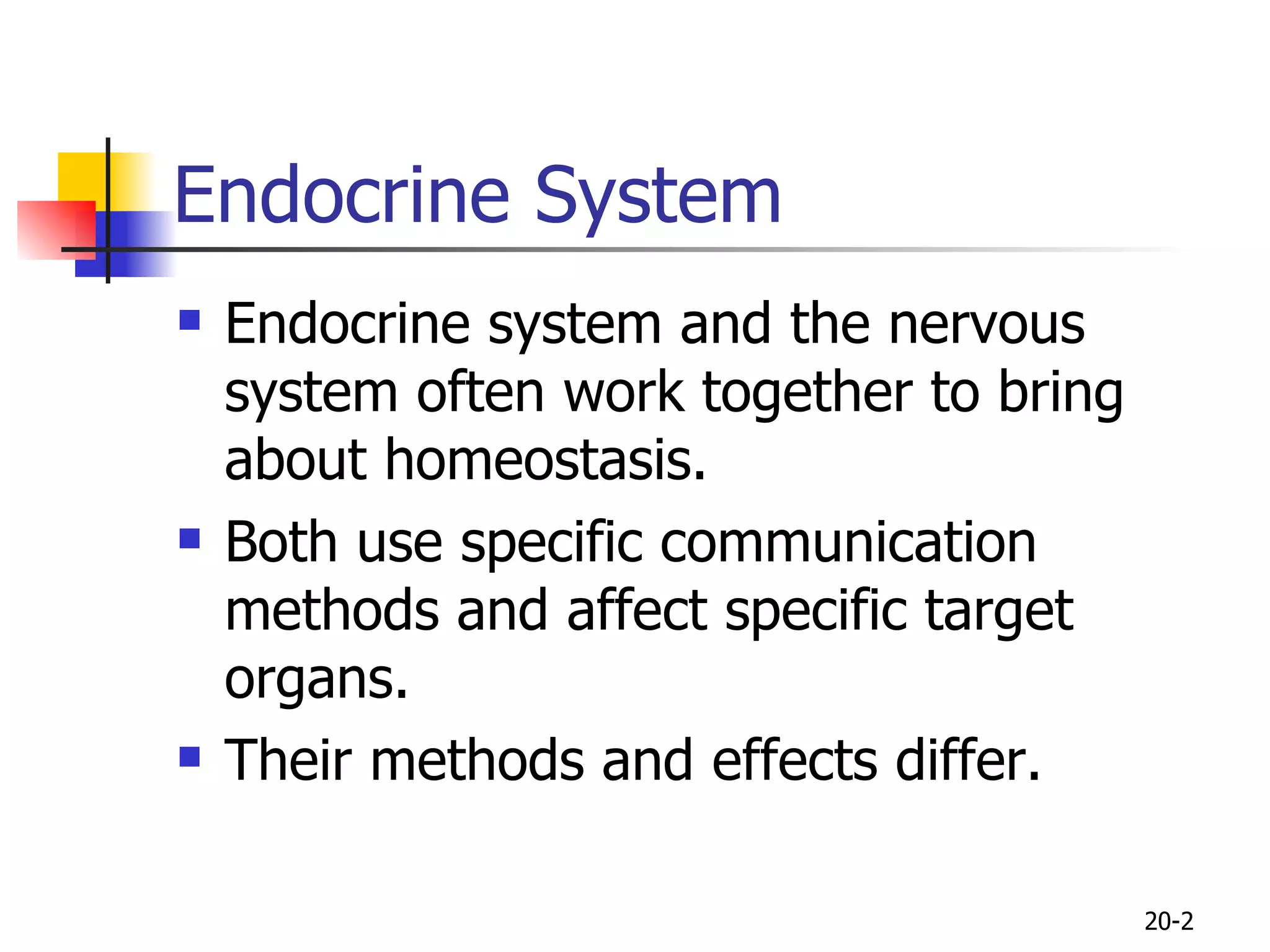
Endocrine System Endocrine system and the nervous system often work together to bring about homeostasis.  Both use specific communication methods and affect specific target organs.  Their methods and effects differ. 20-
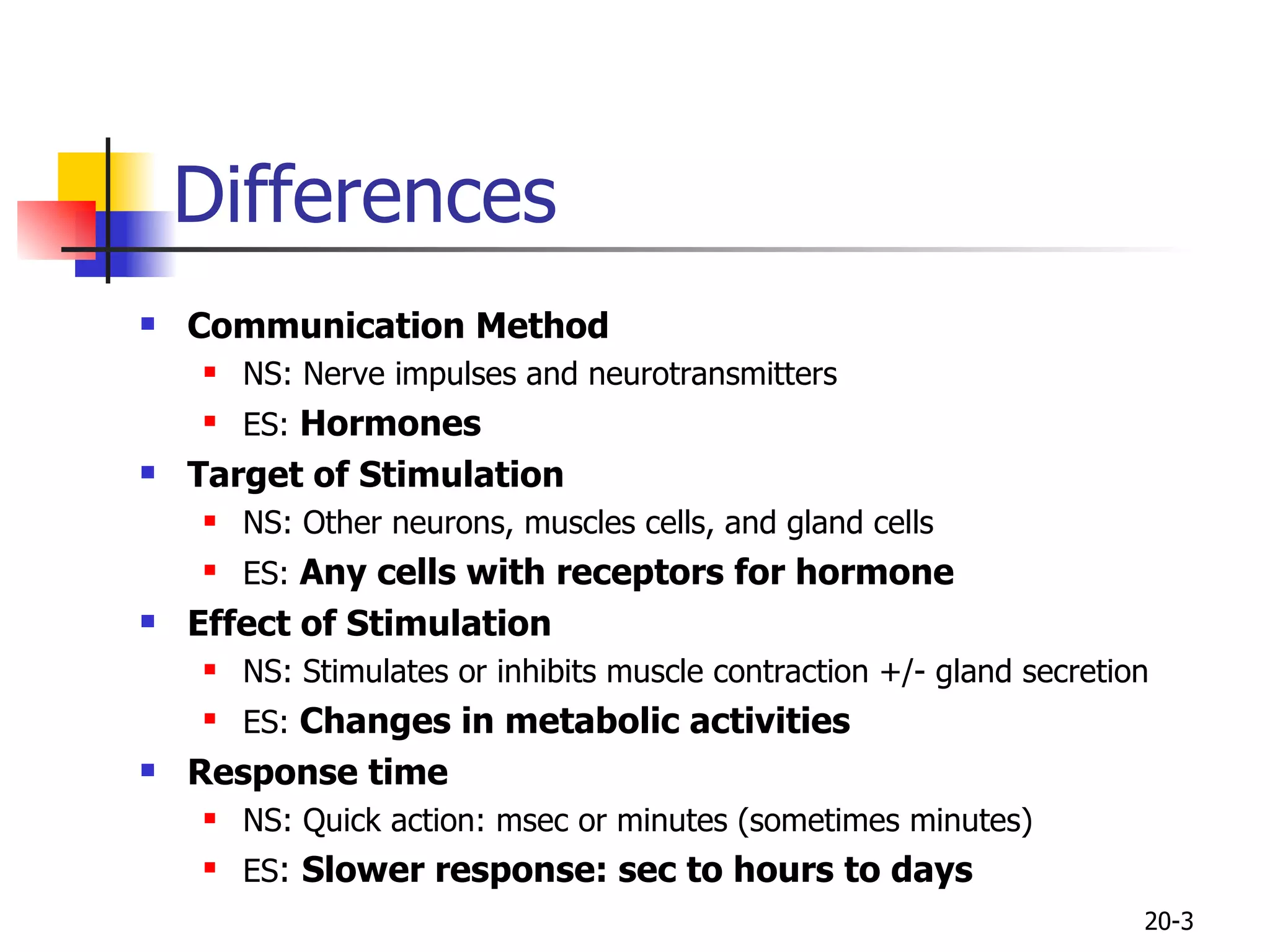
Differences Communication Method NS: Nerve impulses and neurotransmitters ES:  Hormones Target of Stimulation NS: Other neurons, muscles cells, and gland cells ES:  Any cells with receptors for hormone Effect of Stimulation NS: Stimulates or inhibits muscle contraction +/- gland secretion ES:  Changes in metabolic activities Response time NS: Quick action: msec or minutes (sometimes minutes) ES :  Slower response: sec to hours to days 20-
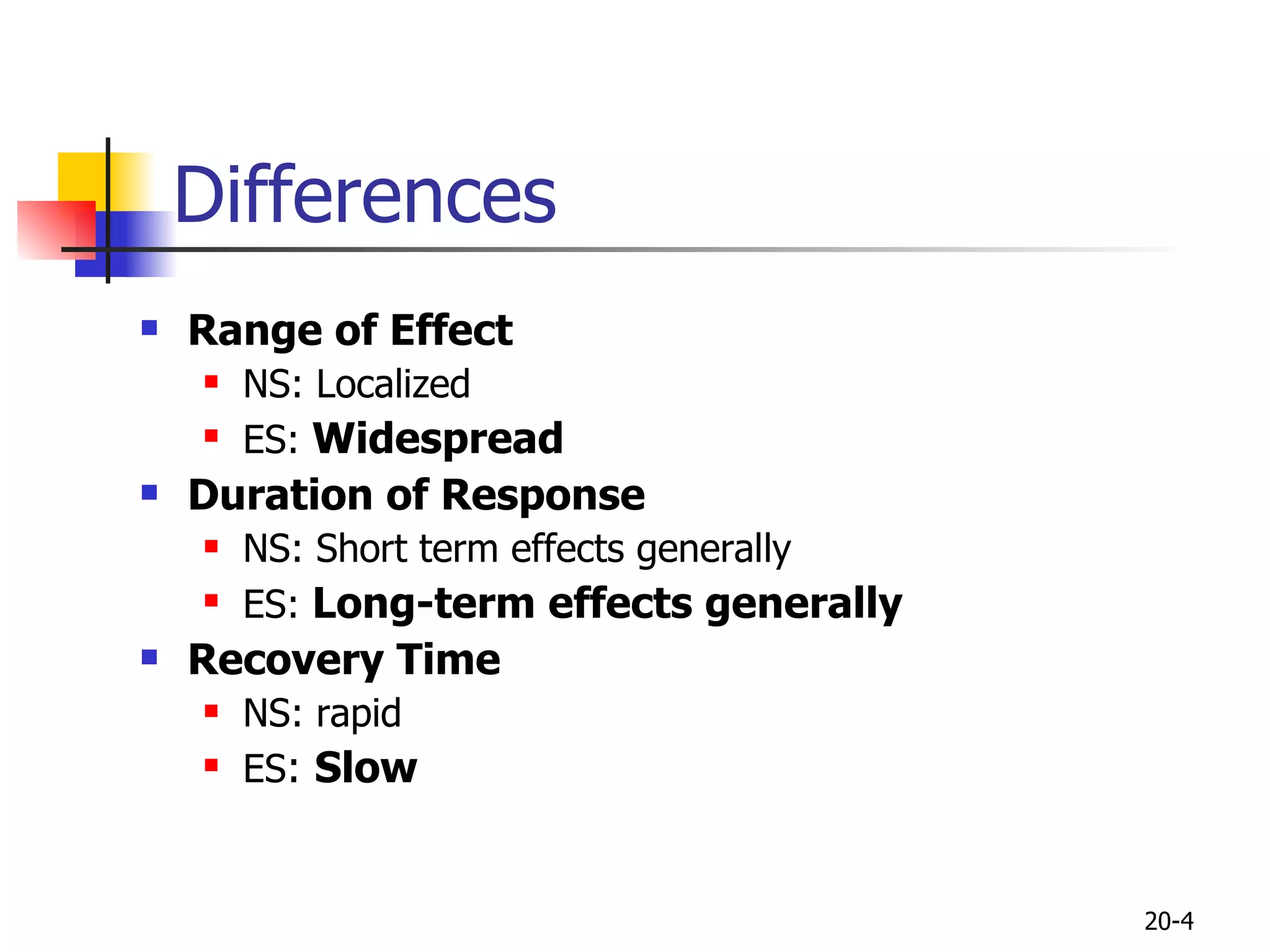
Differences Range of Effect NS: Localized ES:  Widespread Duration of Response NS: Short term effects generally ES:  Long-term effects generally Recovery Time NS: rapid ES :  Slow 20-
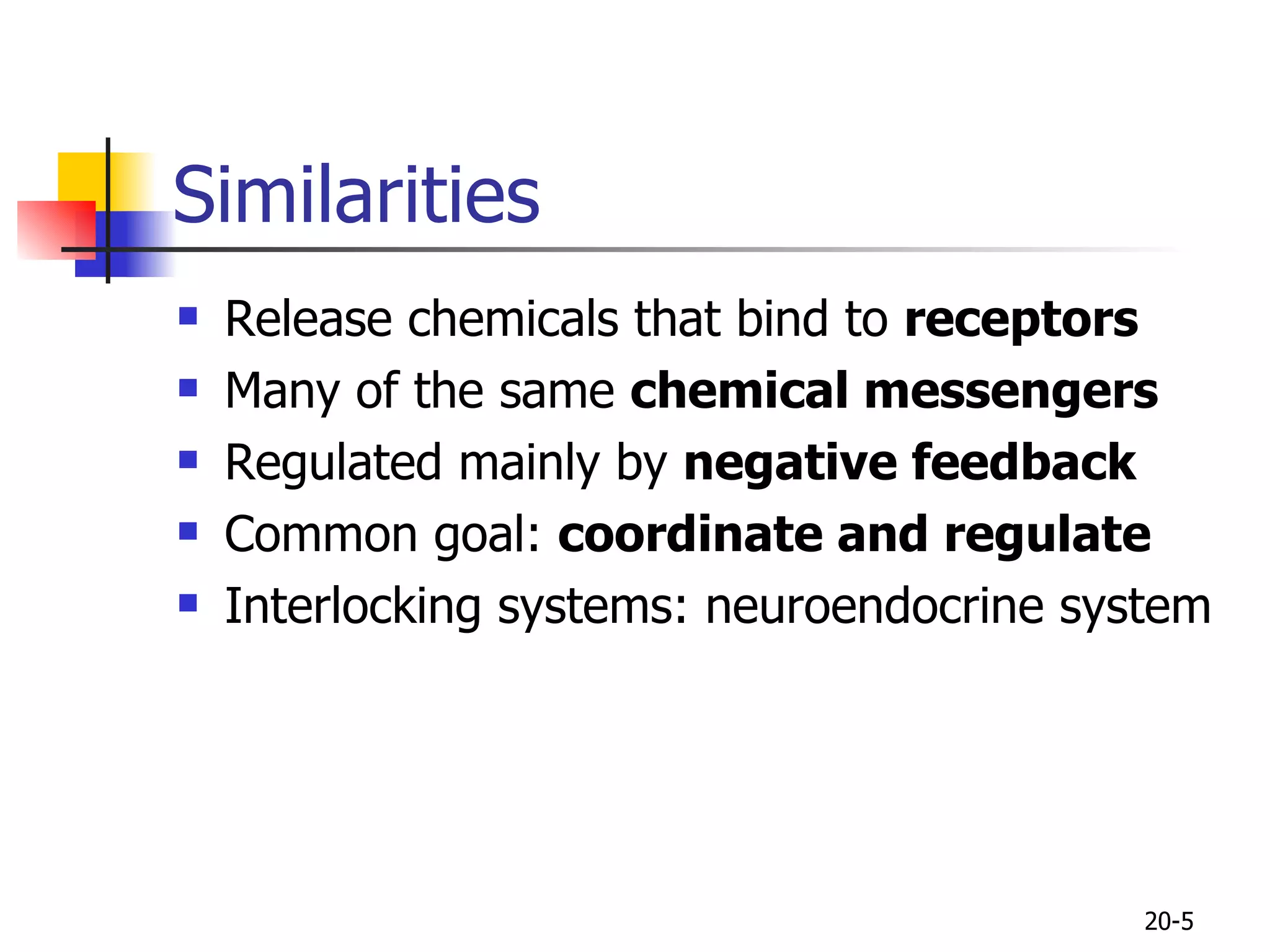
Similarities Release chemicals that bind to  receptors Many of the same  chemical messengers Regulated mainly by  negative feedback Common goal:  coordinate and regulate Interlocking systems: neuroendocrine system 20-
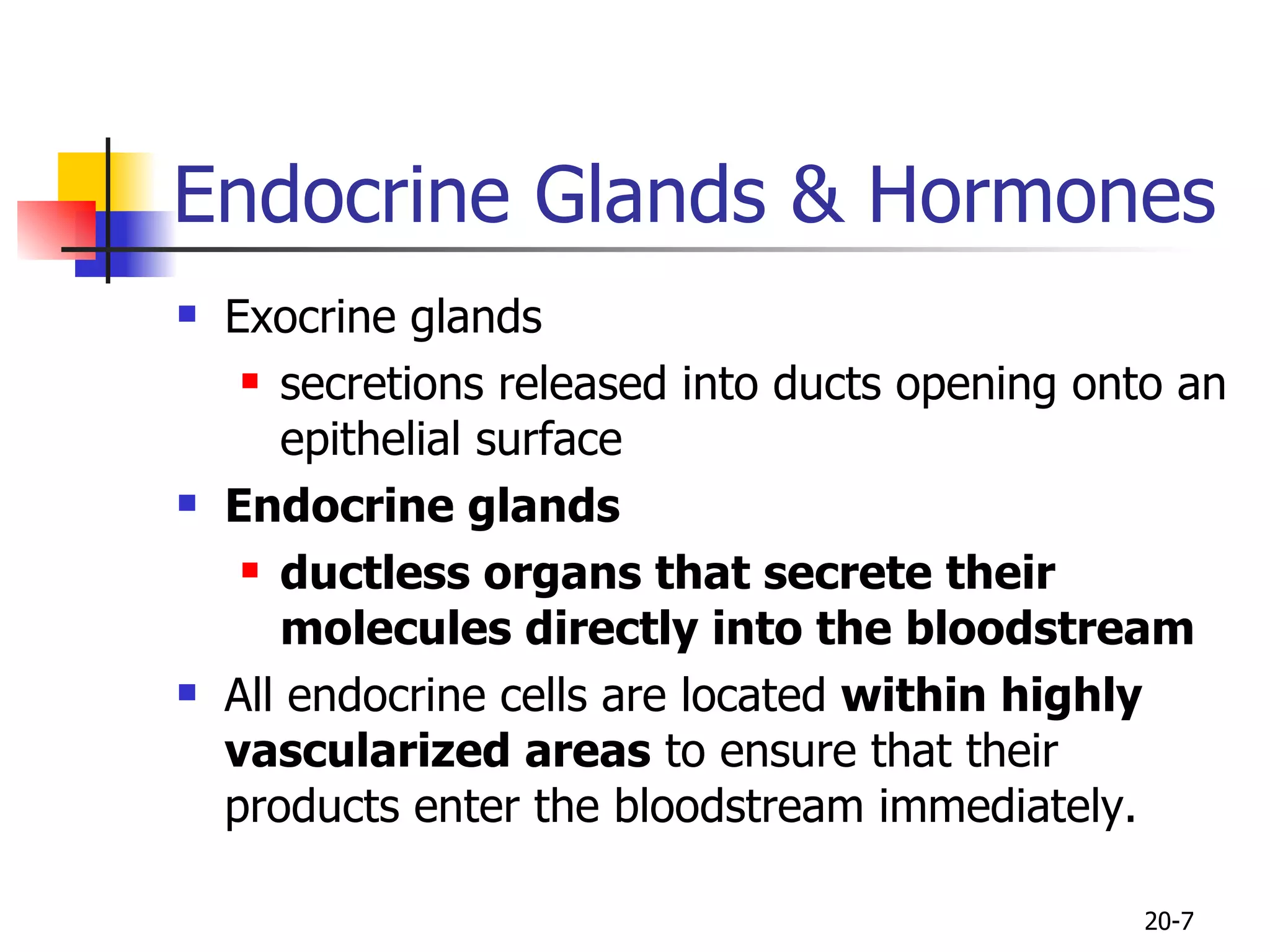
Endocrine Glands & Hormones  Exocrine glands  secretions released into ducts opening onto an epithelial surface Endocrine glands  ductless organs that secrete their molecules directly into the bloodstream All endocrine cells are located  within highly vascularized areas  to ensure that their products enter the bloodstream immediately.  20-
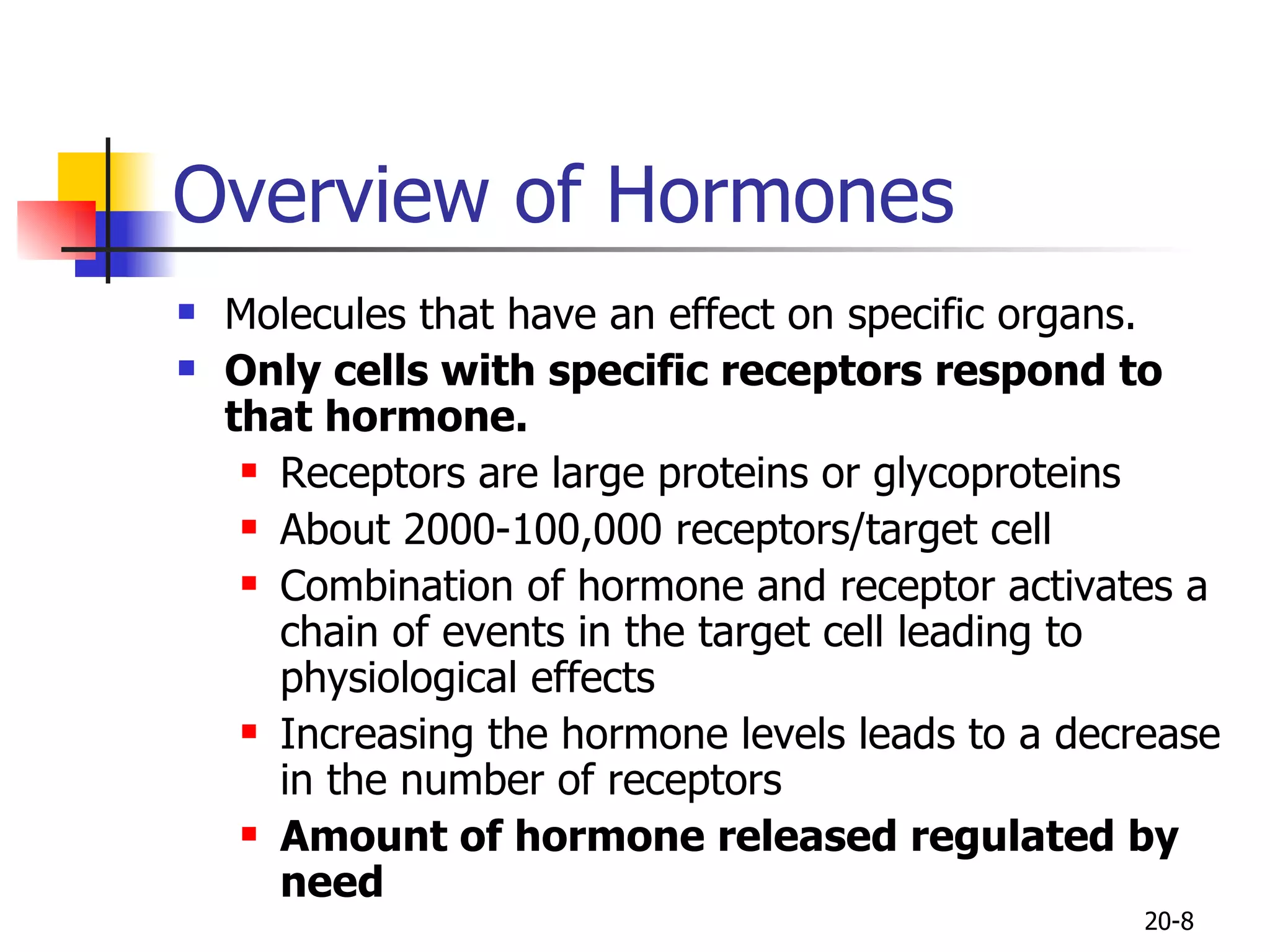
Overview of Hormones  Molecules that have an effect on specific organs.  Only cells with specific receptors respond to that hormone. Receptors are large proteins or glycoproteins  About 2000-100,000 receptors/target cell Combination of hormone and receptor activates a chain of events in the target cell leading to physiological effects Increasing the hormone levels leads to a decrease in the number of receptors Amount of hormone released regulated by need 20-
Overview of Hormones  Cell with receptors are called  target cells , and the organs that contain them are called  target organs . The response to a hormone depends on both the hormone and the target cell Various target cells respond differently to the same hormone  Organs, tissues, or cells lacking the specific receptor do not  respond to its stimulating effects.   20-
Blocking Hormone Receptors RU-486 blocks the receptor for progesterone and, thereby, blocks the effects of progesterone in maintaining the uterine lining and abortion of the embryo 20-
Classification of Hormones Peptide hormones (water soluble) formed from chains of amino acids  most of our body’s hormones are peptide hormones  longer chains are called protein hormones  Examples: all hormones of the hypothalamus and the anterior pituitary Biogenic amines (water soluble)  small molecules produced by altering the structure of a specific amino acid Examples: thyroid hormone, catecholamines Steroid hormones (lipid soluble)  derived from cholesterol Examples: hormones of the reproductive organs and adrenal cortex 20-
Classification of Hormones Circulating hormones Act on distant target cells Inactivated by liver in time Most common Local hormones Act on nearby target cells or same cell Inactivated quickly 20-
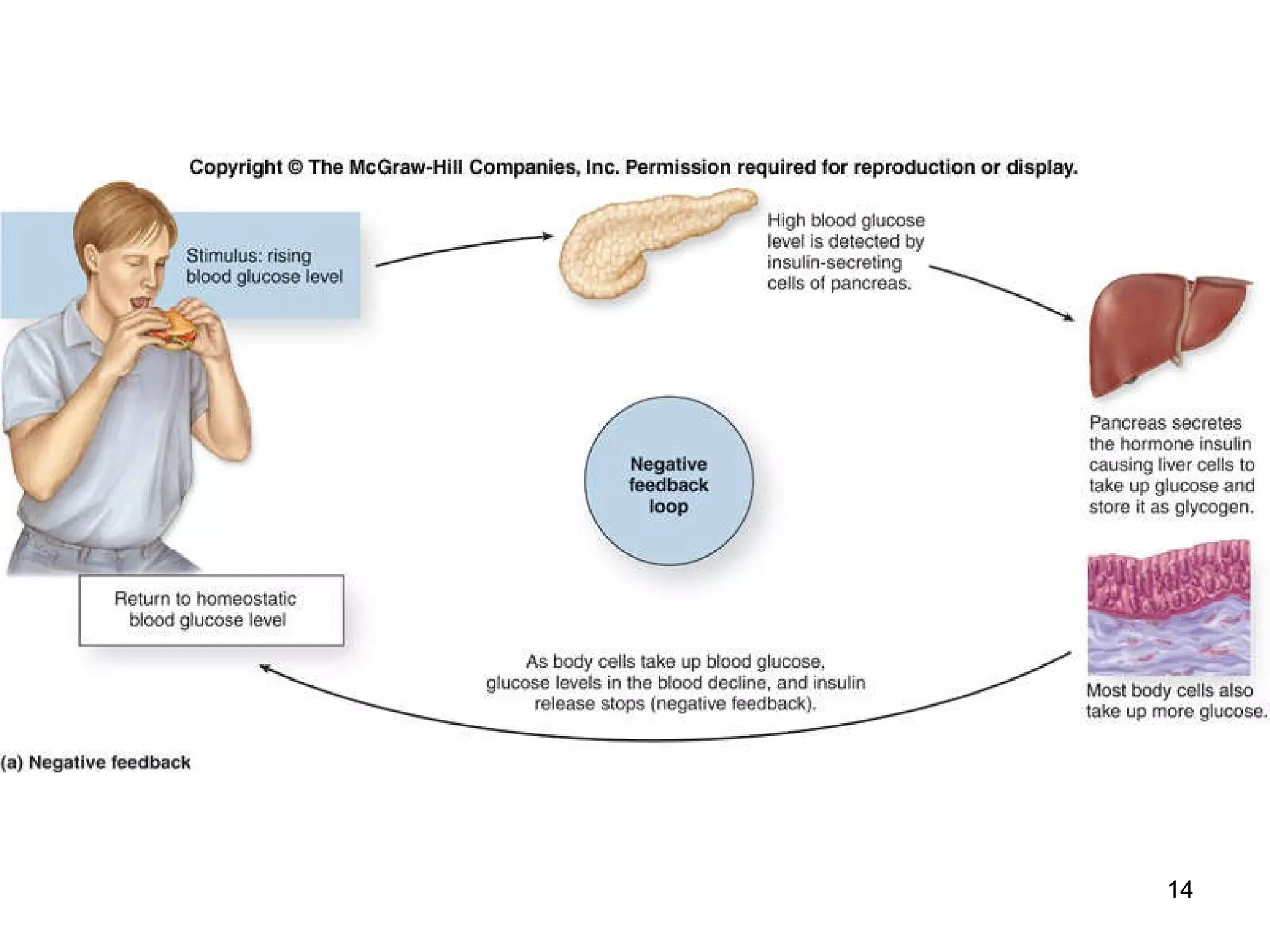
Negative Feedback Loop A stimulus starts a process, and eventually either the hormone that is secreted or a product of its effects causes the process to slow down or turn off.  Many hormonal systems work by negative feedback mechanisms.   20-
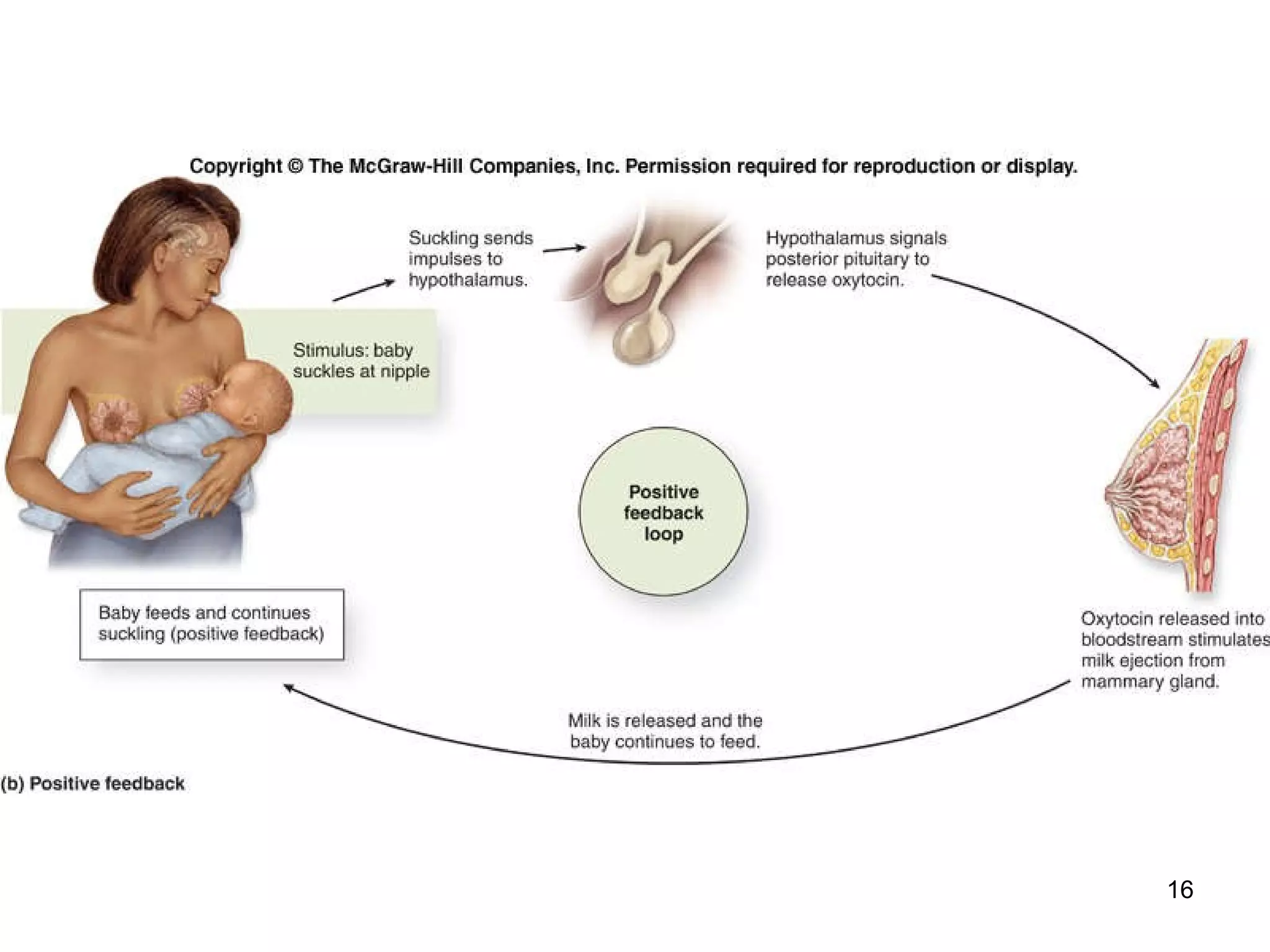
Positive Feedback Loop Accelerates the original process, either to ensure that the pathway continues to run or to speed up its activities.  Only a few positive feedback loops occur in the human endocrine system.   one example is the process of milk release from  the mammary glands  20-
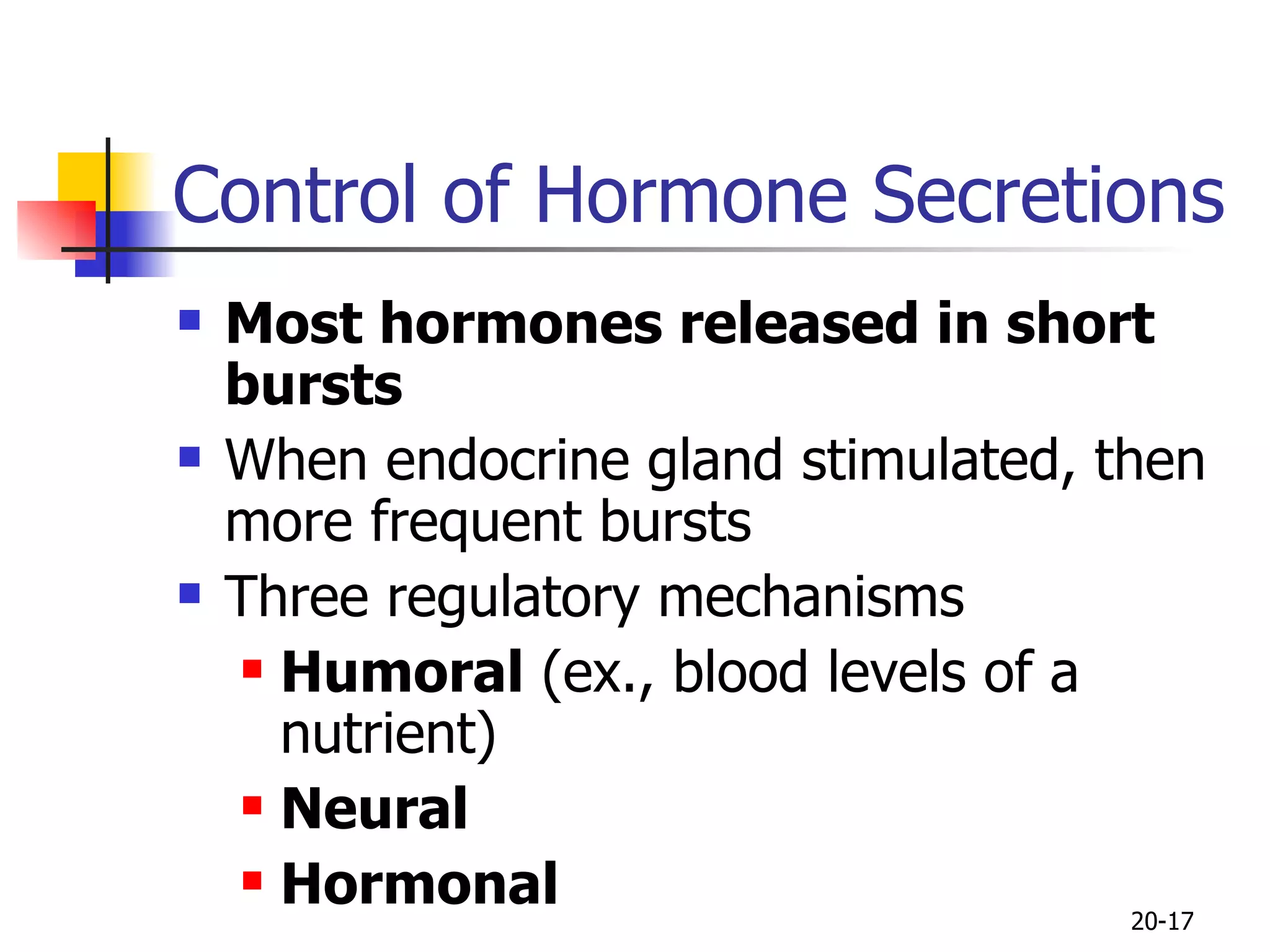
Control of Hormone Secretions Most hormones released in short bursts When endocrine gland stimulated, then more frequent bursts Three regulatory mechanisms Humoral  (ex., blood levels of a nutrient) Neural Hormonal 20-
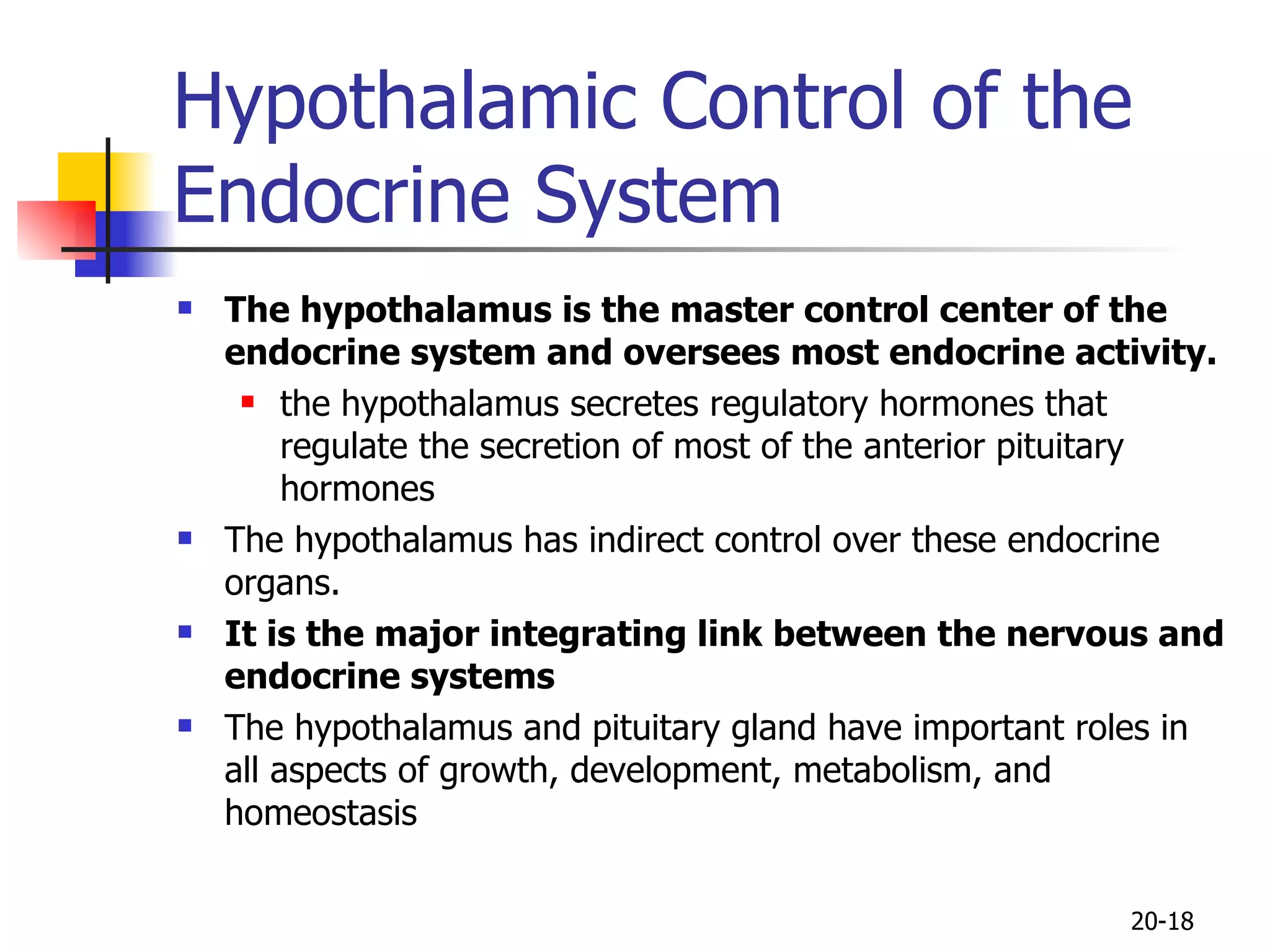
Hypothalamic Control of the Endocrine System The hypothalamus is the master control center of the endocrine system and oversees most endocrine activity. the hypothalamus secretes regulatory hormones that regulate the secretion of most of the anterior pituitary hormones The hypothalamus has indirect control over these endocrine organs. It is the major integrating link between the nervous and endocrine systems The hypothalamus and pituitary gland have important roles in all aspects of growth, development, metabolism, and homeostasis 20-
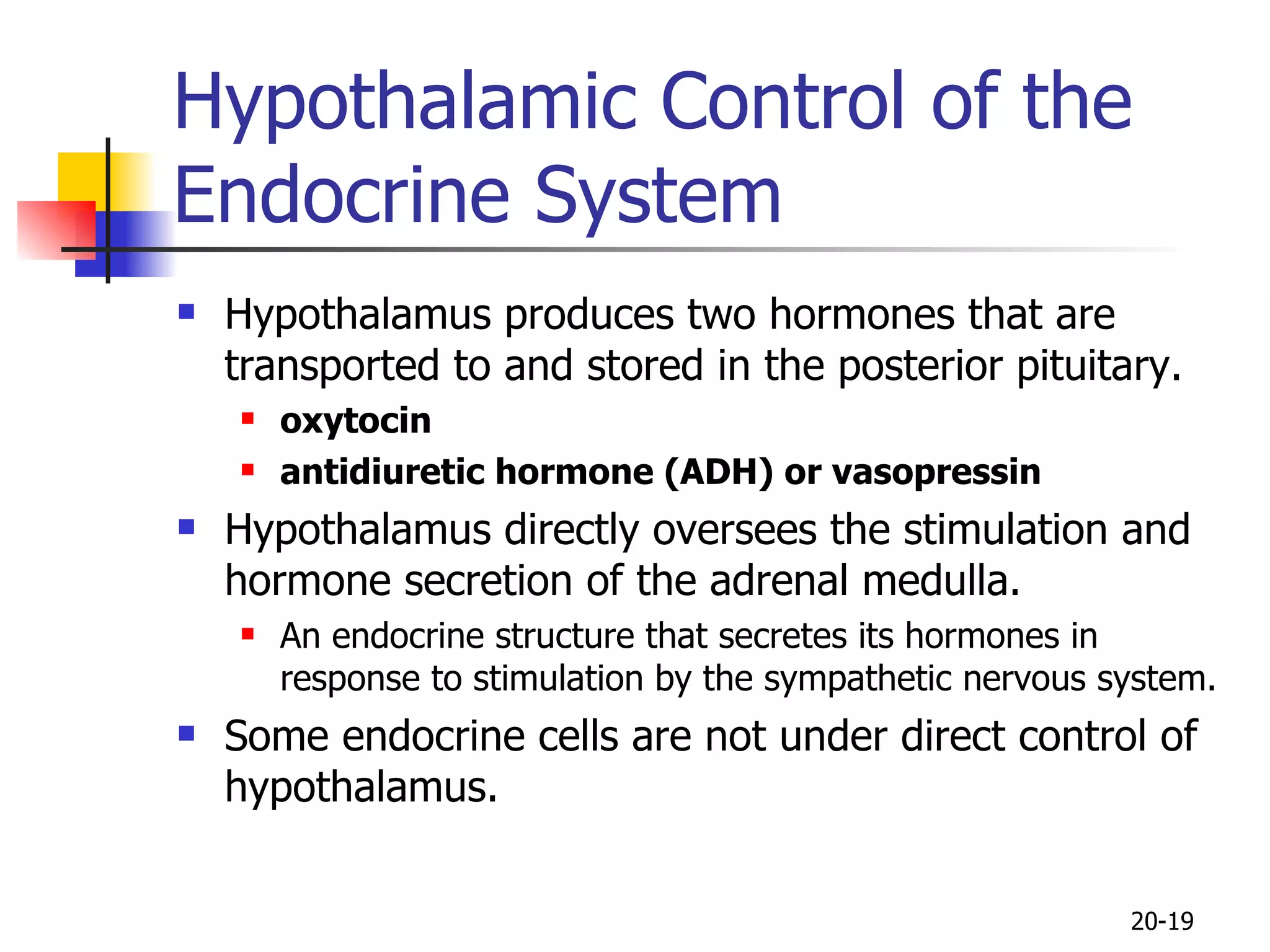
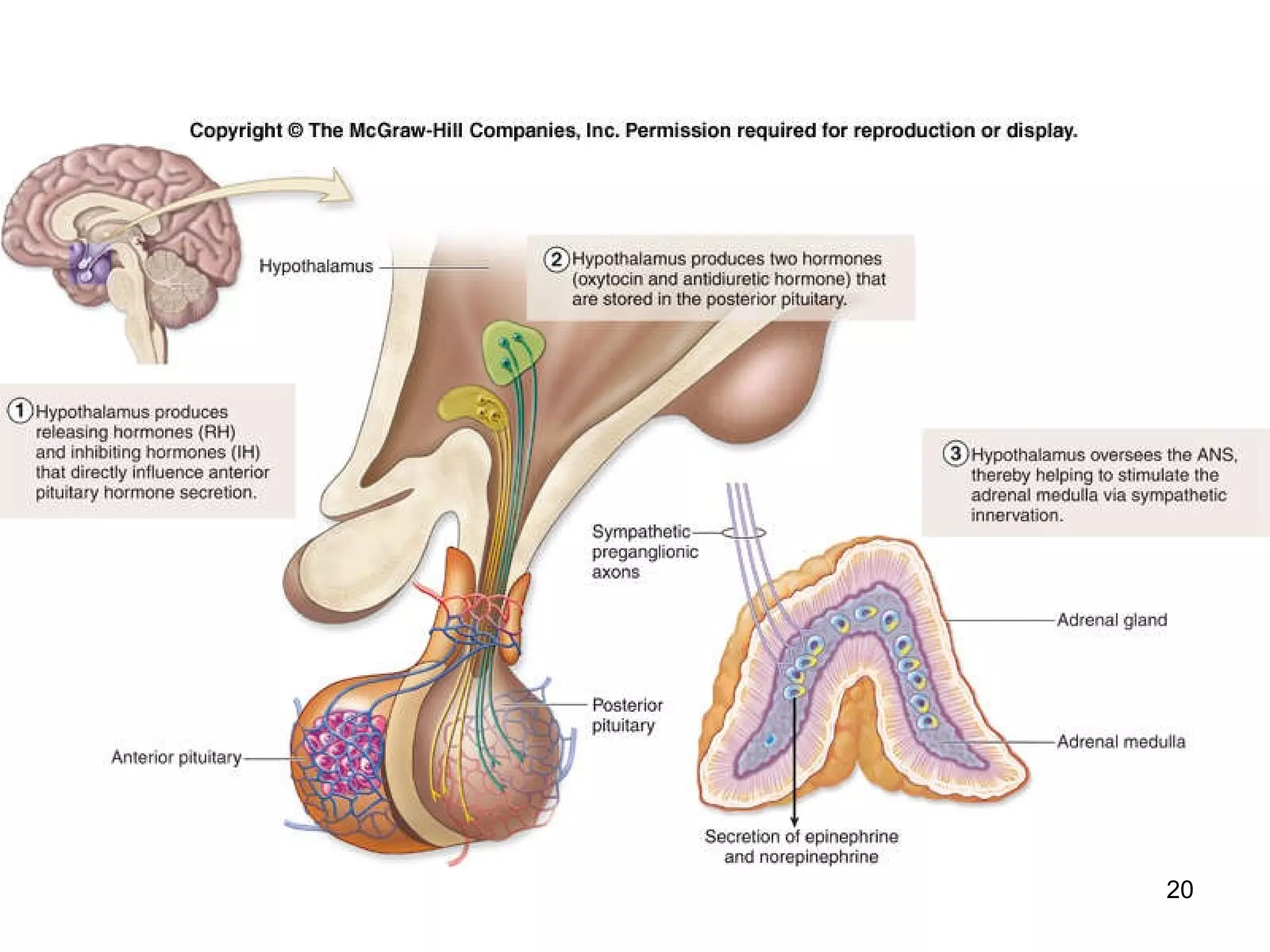
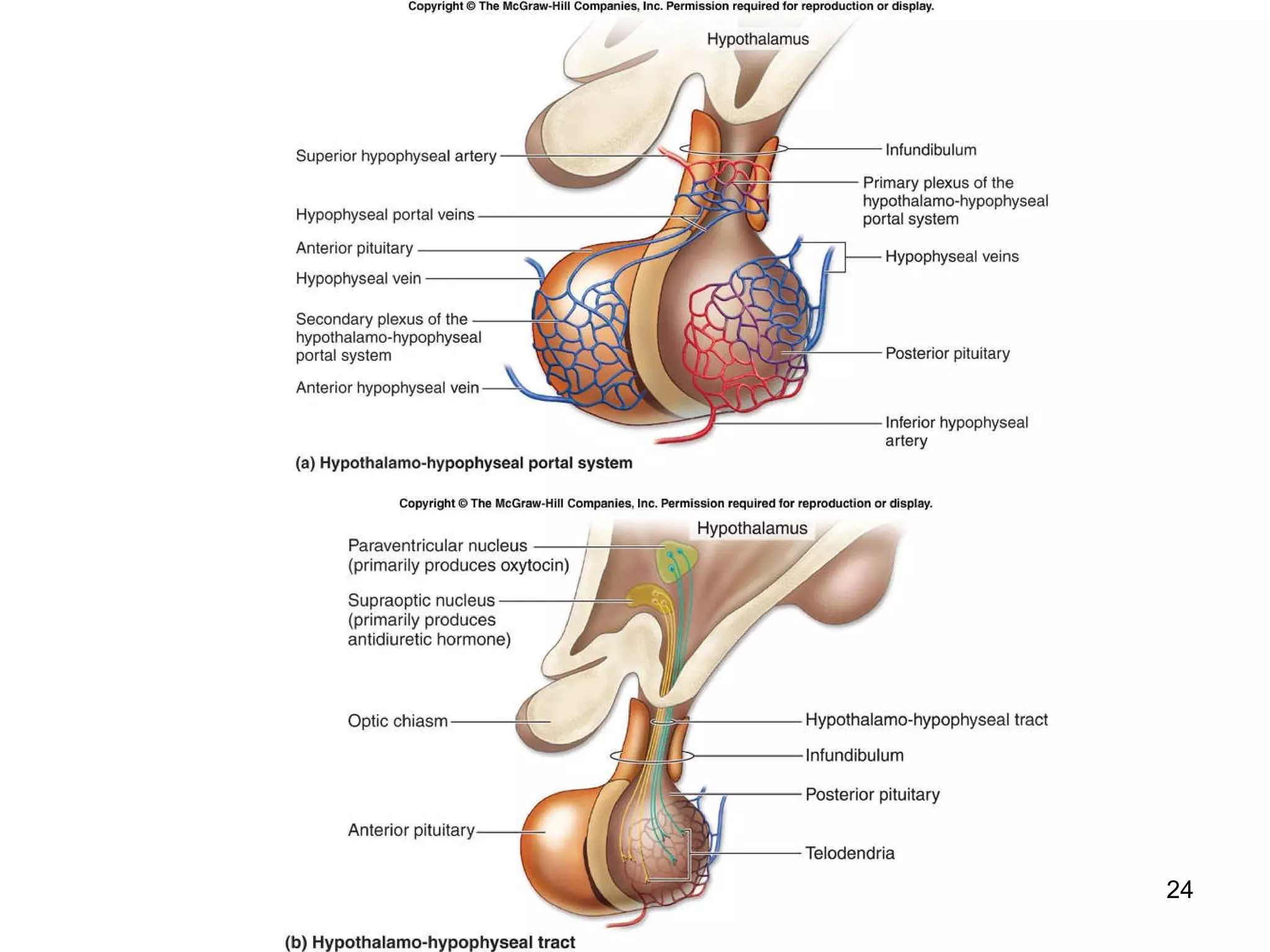
Hypothalamic Control of the Endocrine System Hypothalamus produces two hormones that are transported to and stored in the posterior pituitary. oxytocin  antidiuretic hormone (ADH) or vasopressin Hypothalamus directly oversees the stimulation and hormone secretion of the adrenal medulla.  An endocrine structure that secretes its hormones in response to stimulation by the sympathetic nervous system.  Some endocrine cells are not under direct control of hypothalamus.  20-
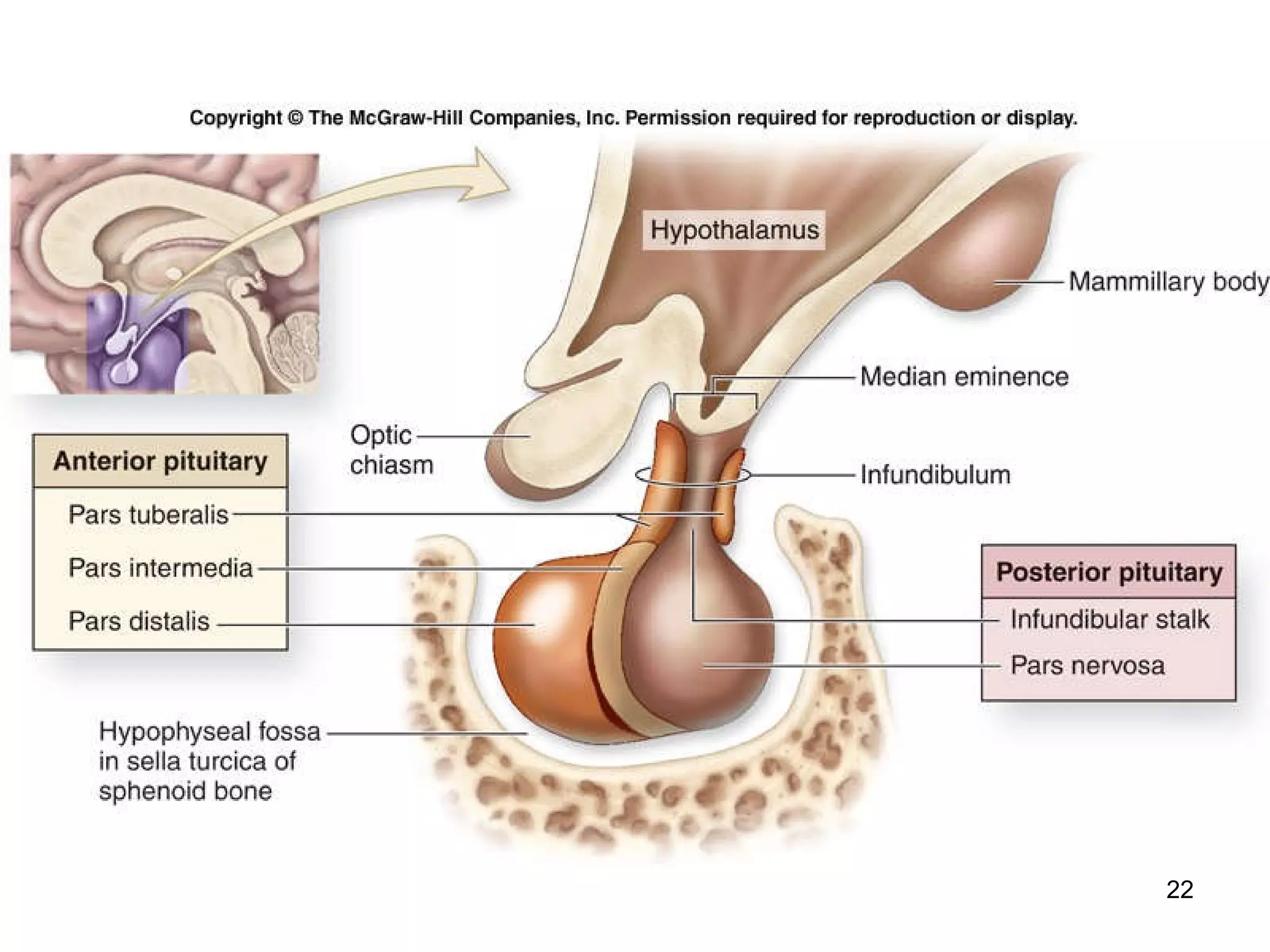
Pituitary Gland (Hypophysis) Called the “master gland” but it is controlled in two ways by the hypothalamus Partitioned both structurally and functionally into an anterior pituitary and a posterior pituitary.  Anterior pituitary (adenohypophysis) is glandular tissue that produces hormones Posterior pituitary (neurohypophysis) is neural tissue   20-
Control of Anterior Pituitary Gland Secretions Anterior pituitary gland is controlled by regulatory hormones secreted by the hypothalamus. Releasing hormones Inhibiting hormones   Hormones reach the anterior pituitary via  hypothalamo- hypophyseal  portal system . a “shunt” that takes venous blood carrying regulatory hormones from the hypothalamus directly to the anterior pituitary before the blood  returns to the heart  20-
Tropic Hormones Most hormones from the anterior pituitary are tropic hormones or tropins and  activate other endocrine glands 20-
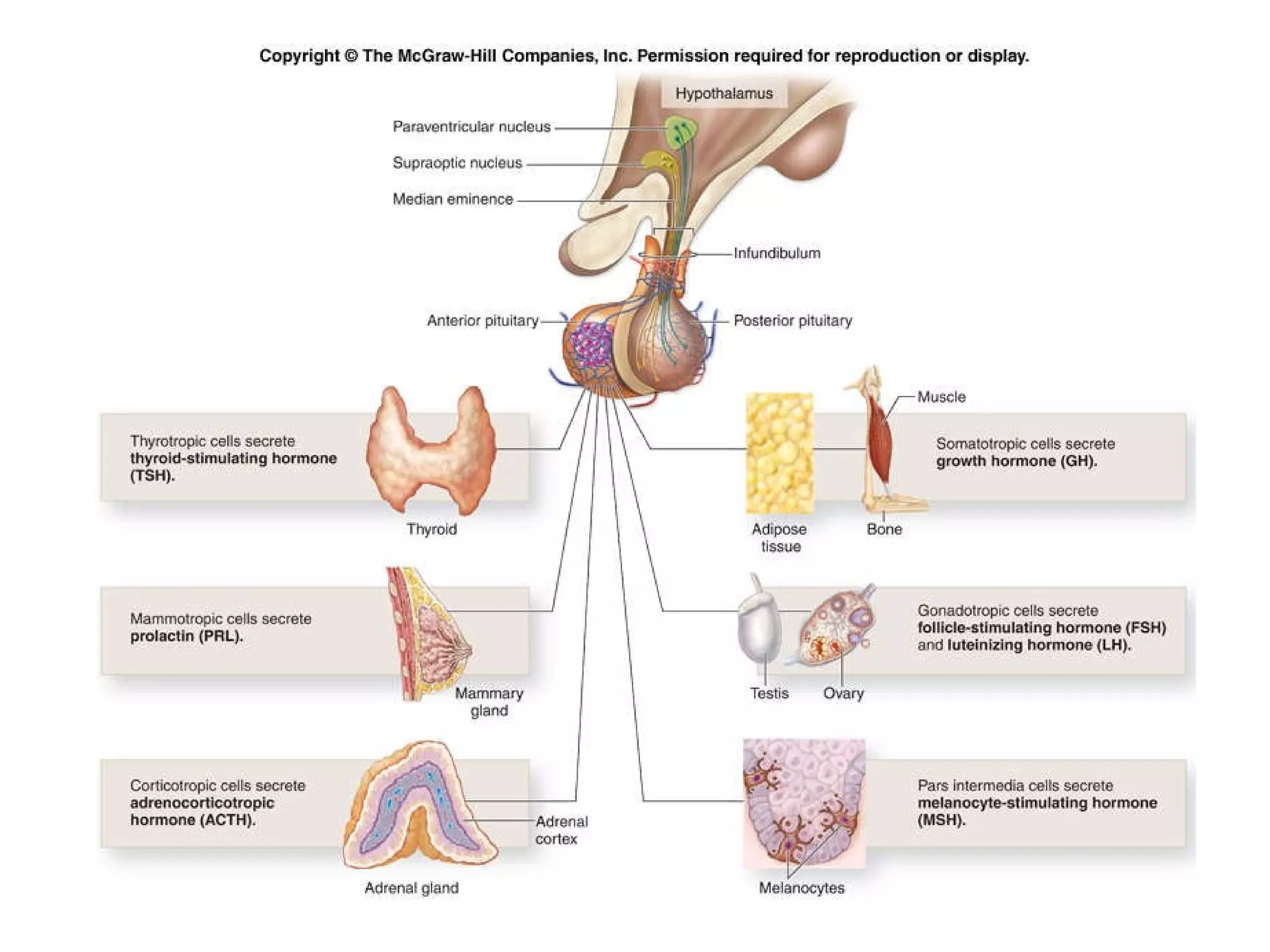
Anterior Pituitary Hormones TSH - thyroid stimulating hormone PRL - prolactin  develops the breast and milk production in pregnant women ACTH - adrenocorticotropic hormone Gonadotropins: FSH and LH  - regulate hormone synthesis by gonads and production and maturation of gametes MSH - melanocyte stimulating hormone  has little effect on humans and production ceases prior to adulthood except in specific diseases  GH - growth hormone (somatotropin)  stimulates growth of the entire body by increasing protein production and growth of the epiphyseal plates 20-
Disorders of Growth Hormone Secretion Pituitary dwarfism Lack of GH in a child Very short and often have periodic low blood sugar Injections of GH helps Pituitary gigantism Excess GH in a child Very tall and leads to increased levels of blood sugar (untreated can lead to diabetes and heart failure) and large internal organs Acromegaly Excess GH in an adult Bones of hands, feet and face increase in size Diabetes and large internal organs Cause: lack of feedback or pituitary tumor 20-
Hypophysectomy Historically, used to treat advanced breast and prostate cancer to remove the hormone stimulation for their growth. Medications used now. Currently, used to treat pituitary tumors. Radiation may also be used. 20-
Posterior Pituitary Hormones Made by the hypothalamus, stored in the posterior pituitary Oxytocin (OT)   stimulates contraction of smooth muscle of the uterus and ejection of milk in females leads to prostate gland secretion in males regulated by positive feedback! makes us want to cuddle, groom, and pair bond Antidiuretic hormone (ADH) or vasopressin stimulates water reabsorption by the kidneys and arteriole constriction secretion inhibited by alcohol Lack: diabetes insipidus (normal urine output of 1-2 liters/day increases to about 20 liters/day) 20-
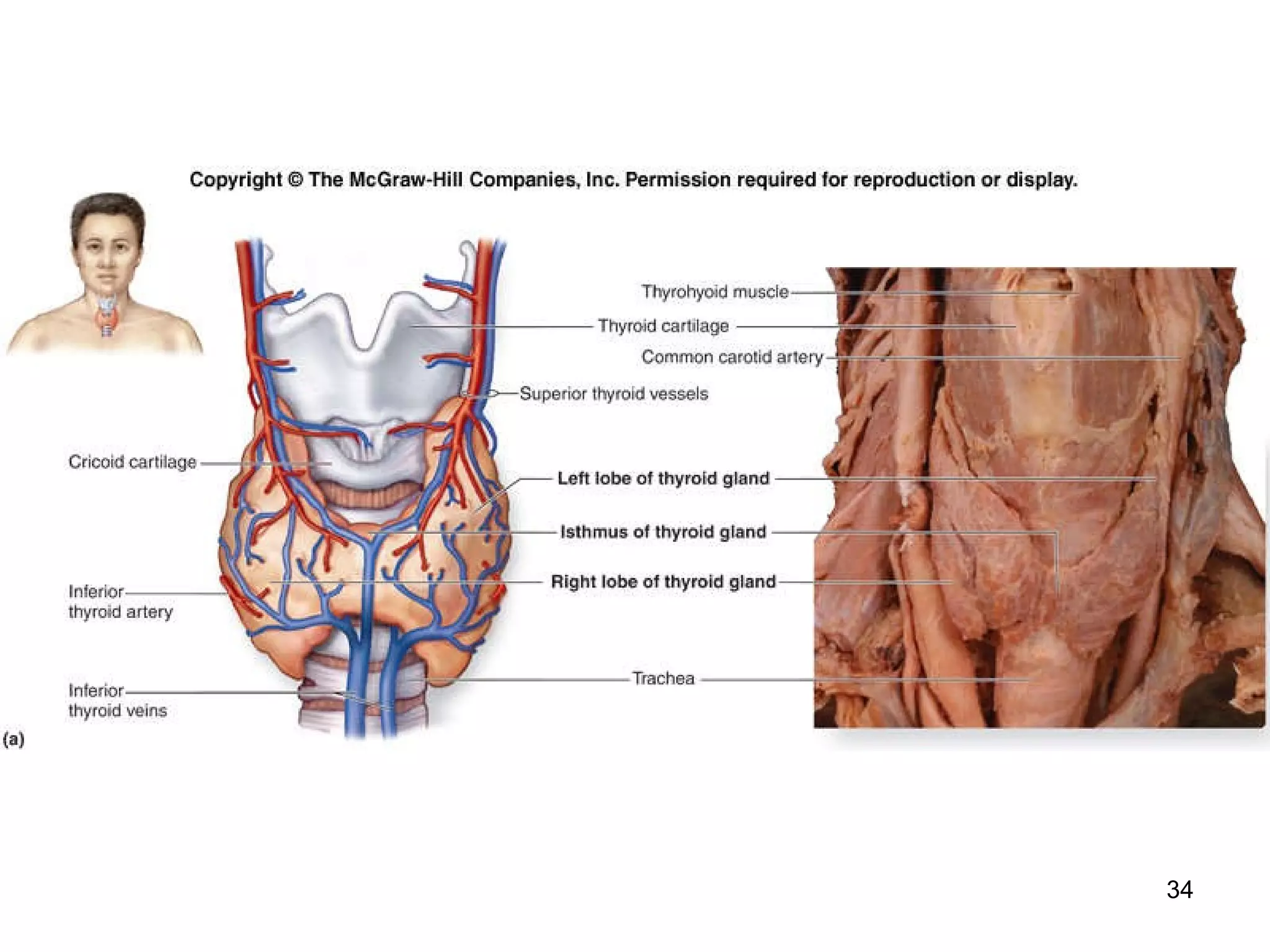
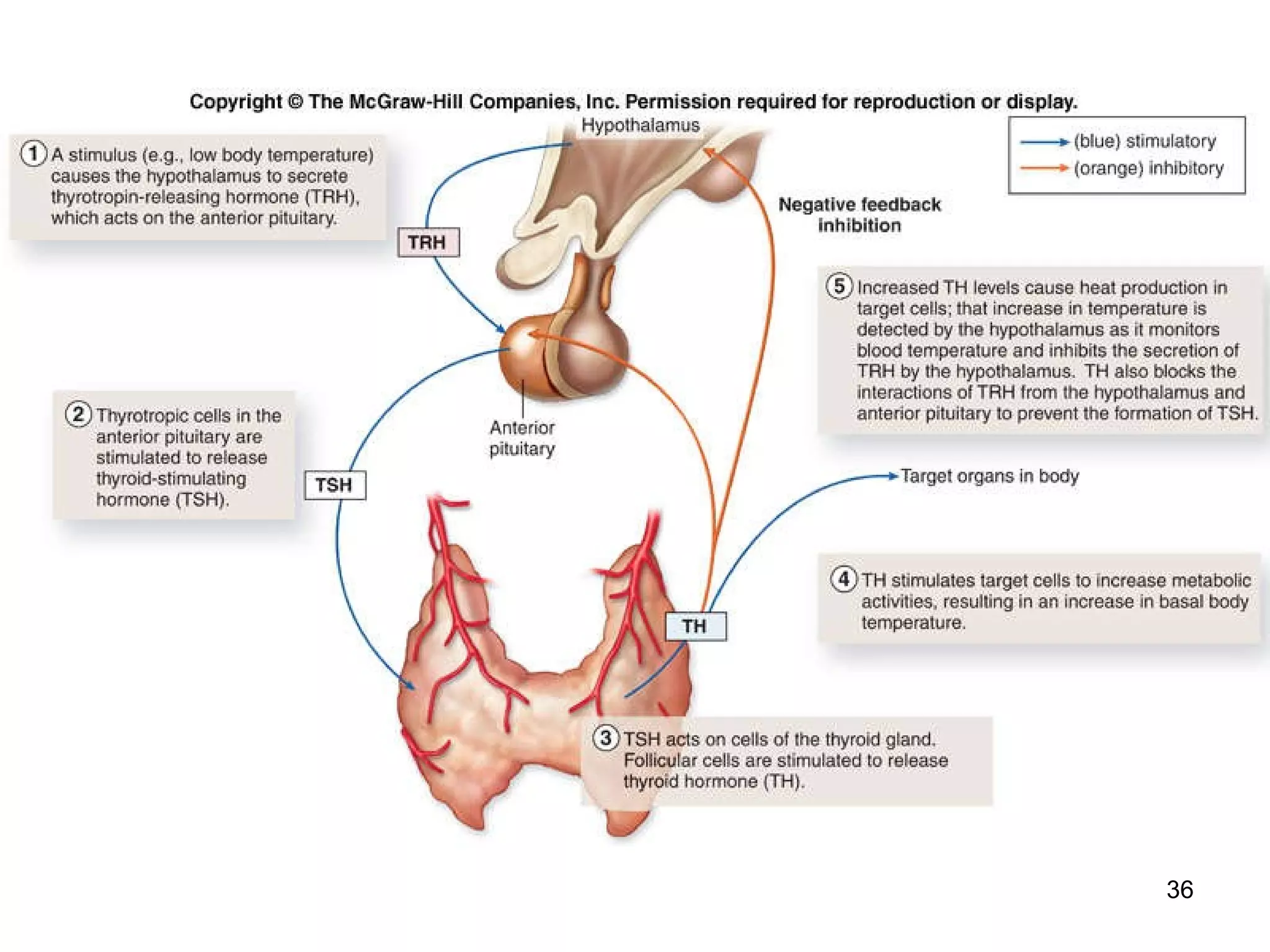
Thyroid Gland  Inferior to the thyroid cartilage of the larynx and anterior to the trachea. “ Butterfly” shape due to its left and right lobes connected by a narrow isthmus.  The thyroid gland is highly vascularized, giving it an intense reddish coloration. Regulation of thyroid hormone secretion depends upon a complex  thyroid gland–pituitary gland  negative  feedback process. 20-
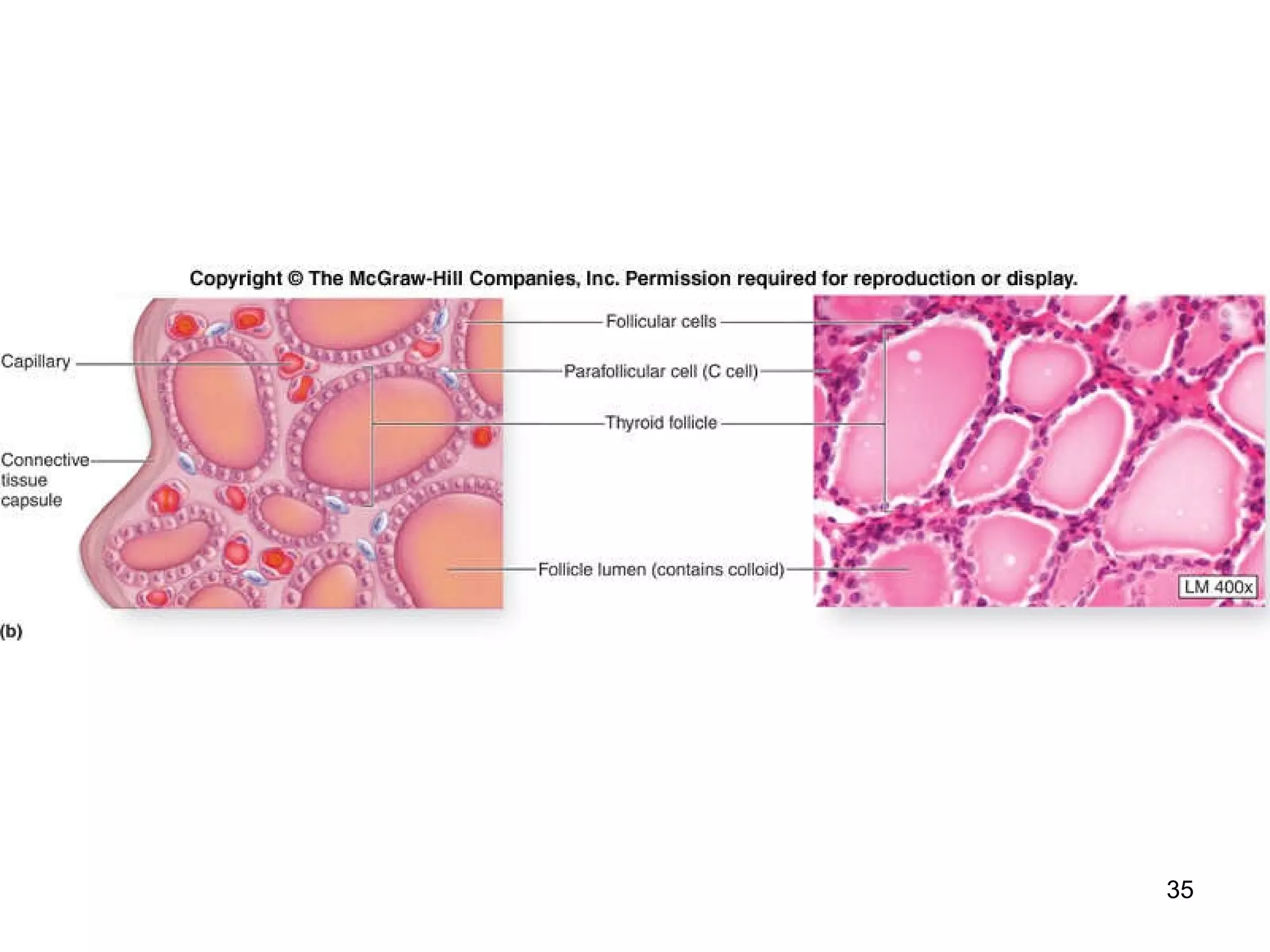
Thyroid Gland Hormones  Follicular cells produce thyroxine (T4) and triiodothyronine (T3) Regulate the rate of metabolism Most cells are targets Needed for normal growth and development (including the brain) Iodide is oxidized to iodine and then combines with tyrosine to produce these hormones - occurs within a large glycoprotein molecule, thyroglobulin, which is secreted into follicle Scalloping of edges of thyroglobulin indicates active secretion 20-
Thyroid Gland Hormones  Parafollicular cells (Clear or C cells) produce calcitonin  which reduces blood calcium levels in children and deposits calcium in the bones. Opposes actions of parathyroid hormone. 20-
Disorders of Thyroid Gland Secretion Hyperthyroidism Increased metabolic rate, weight loss, hyperactivity and heat intolerance Causes: ingestion of T4, excessive stimulation by the pituitary, loss of feedback control by the thyroid (Graves disease) Graves disease Autoimmune Exophthalmos Goiter Treatment: removal or radioactive iodine 20-
Disorders of Thyroid Gland Secretion Hypothyroidism Lack of thyroid hormone Low metabolic rate, lethargy, feel cold, weight gain some times, photophobia Causes: decreased iodine intake, loss of pituitary stimulation, post-therapeutic hypothyroidism, autoimmune Treatment: oral replacement Cretinism  - severe form Myxedema  - adult form Goiter Enlargement of the thyroid Endemic from lack of iodine Surgical removal to decrease size may be required 20-
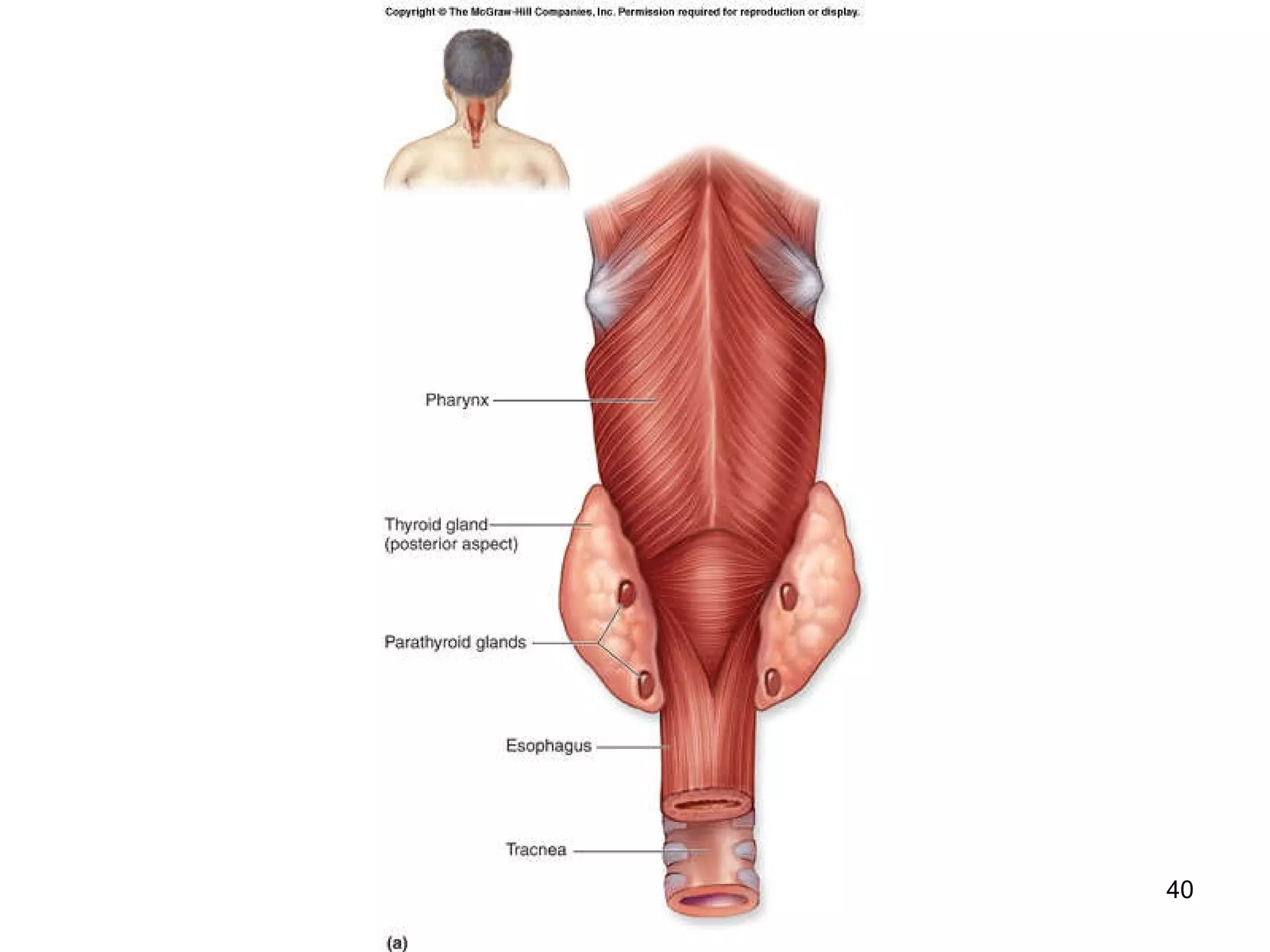
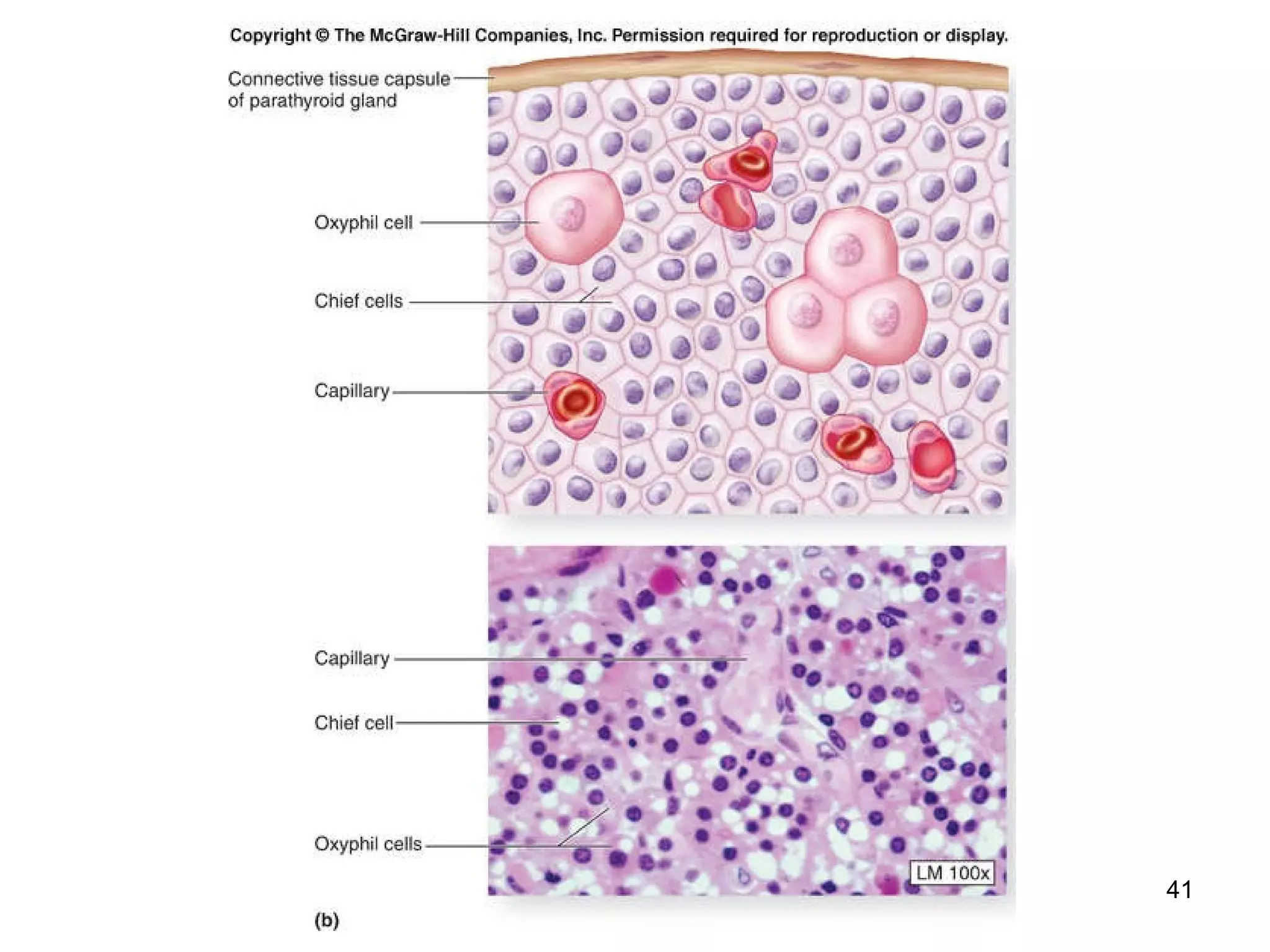
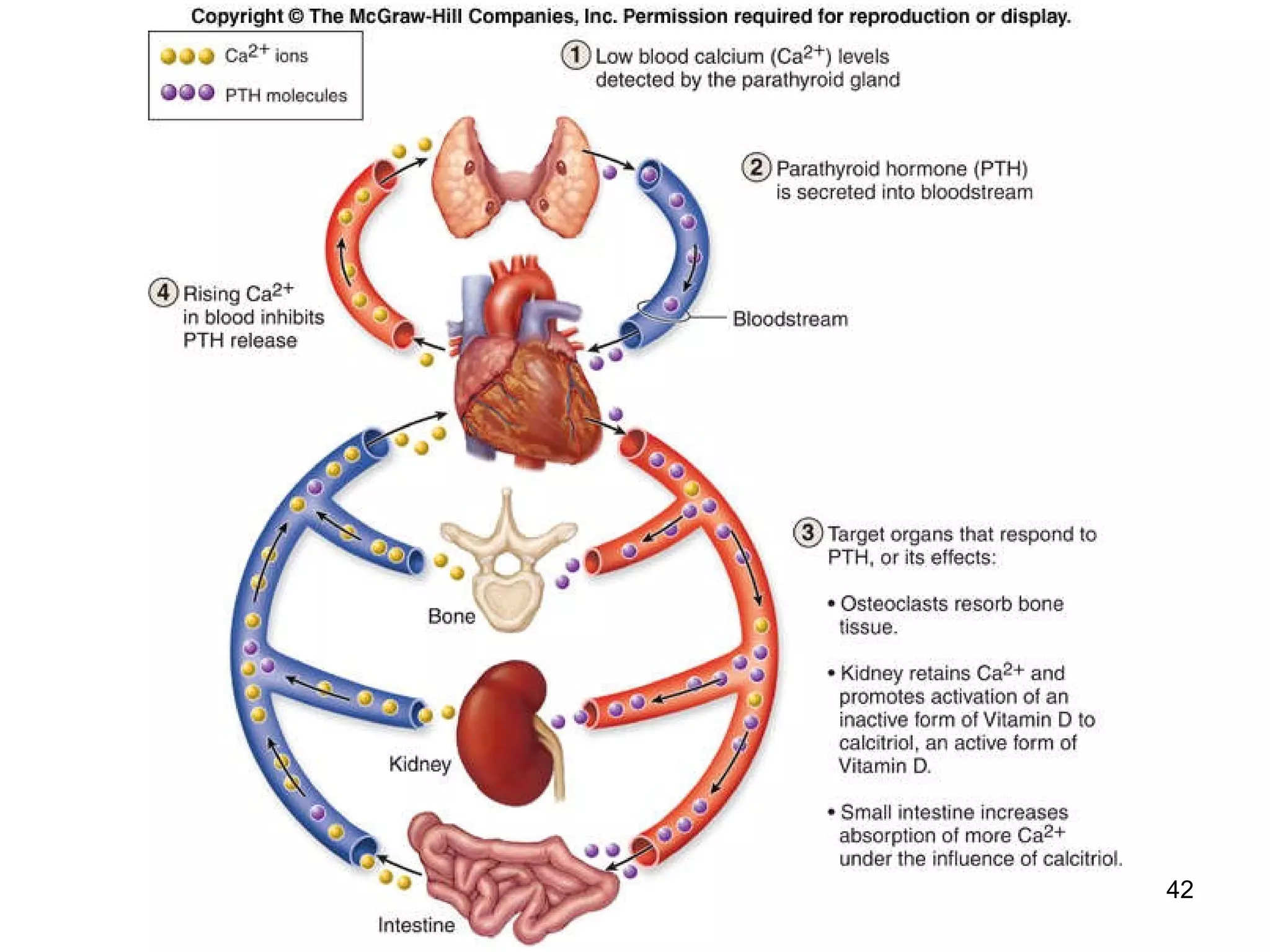
Parathyroid Glands  Small, brownish-red glands on the posterior surface of the thyroid gland.   Usually four small nodules, but some may have as few as two or as many as six.  The chief cells are the source of parathyroid hormone (PTH).  stimulates osteoclasts to resorb bone and release calcium ions from bone matrix into the bloodstream  stimulates calcitriol hormone synthesis in the kidney promotes calcium absorption in the small intestine   prevents the loss of calcium ions during the formation of urine  The function of oxyphil cells is not known.   20-
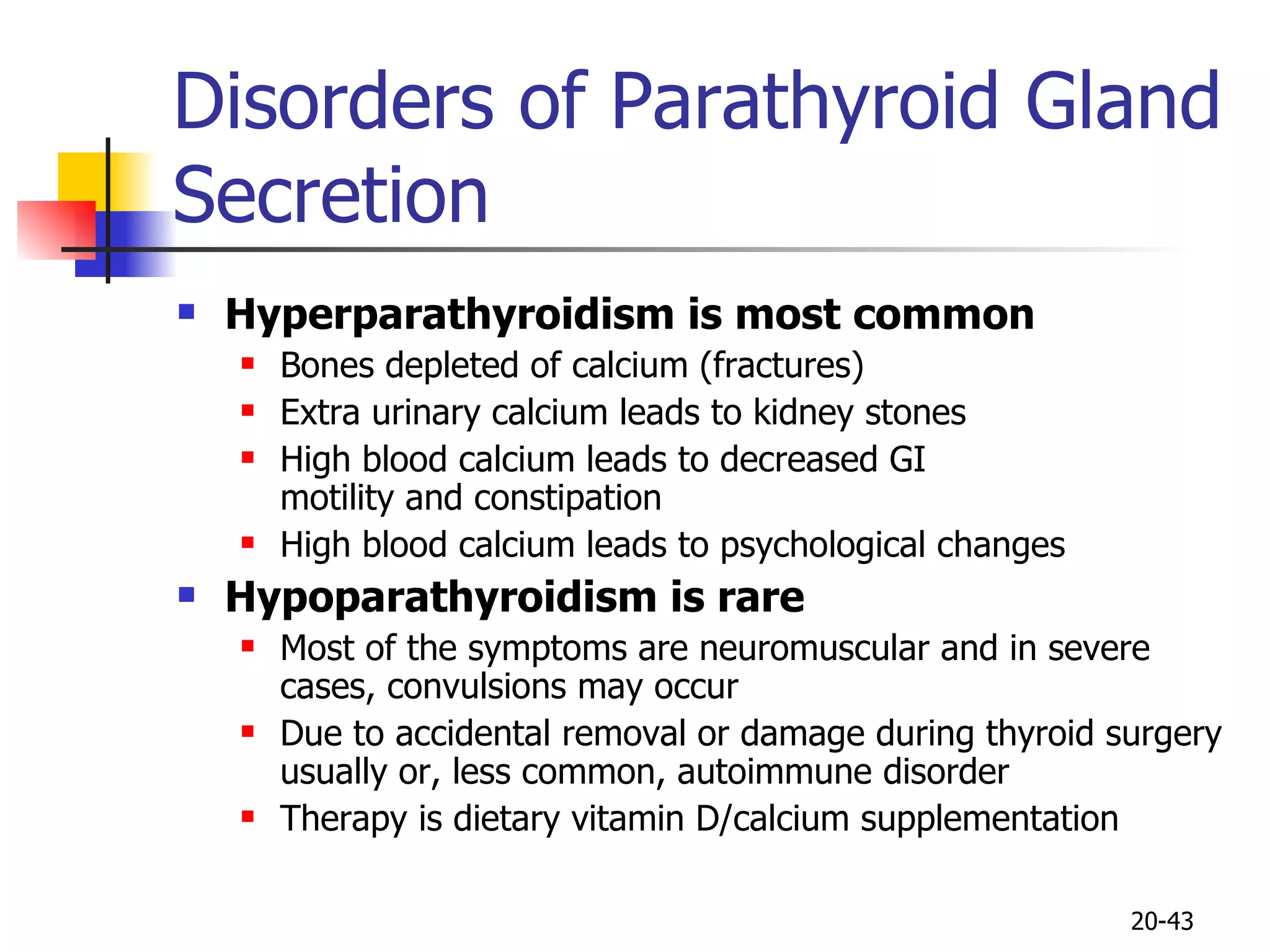
Disorders of Parathyroid Gland Secretion Hyperparathyroidism is most common Bones depleted of calcium (fractures) Extra urinary calcium leads to kidney stones High blood calcium leads to decreased GI motility and constipation High blood calcium leads to psychological changes Hypoparathyroidism is rare Most of the symptoms are neuromuscular and in severe cases, convulsions may occur Due to accidental removal or damage during thyroid surgery usually or, less common, autoimmune disorder Therapy is dietary vitamin D/calcium supplementation 20-
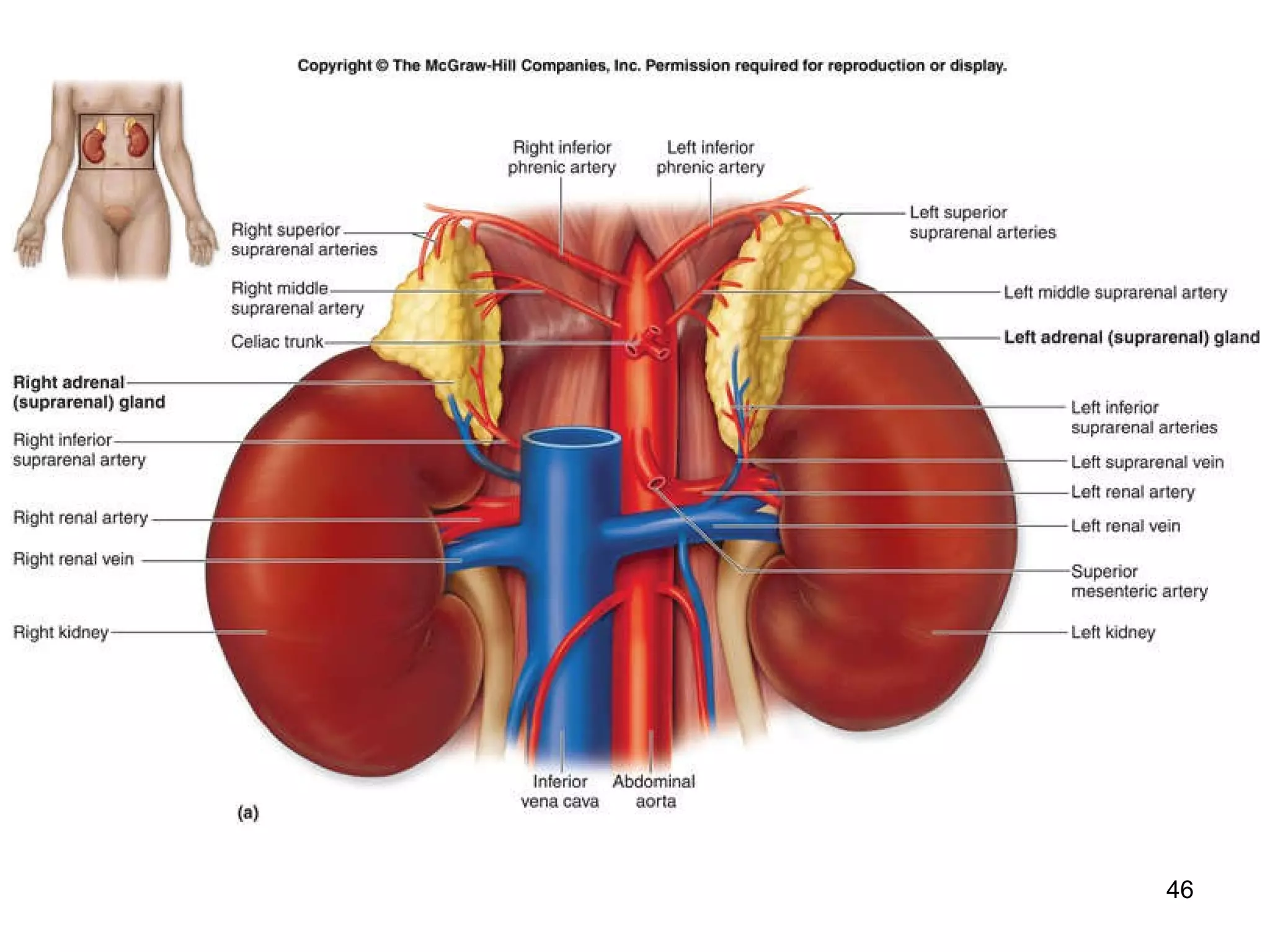
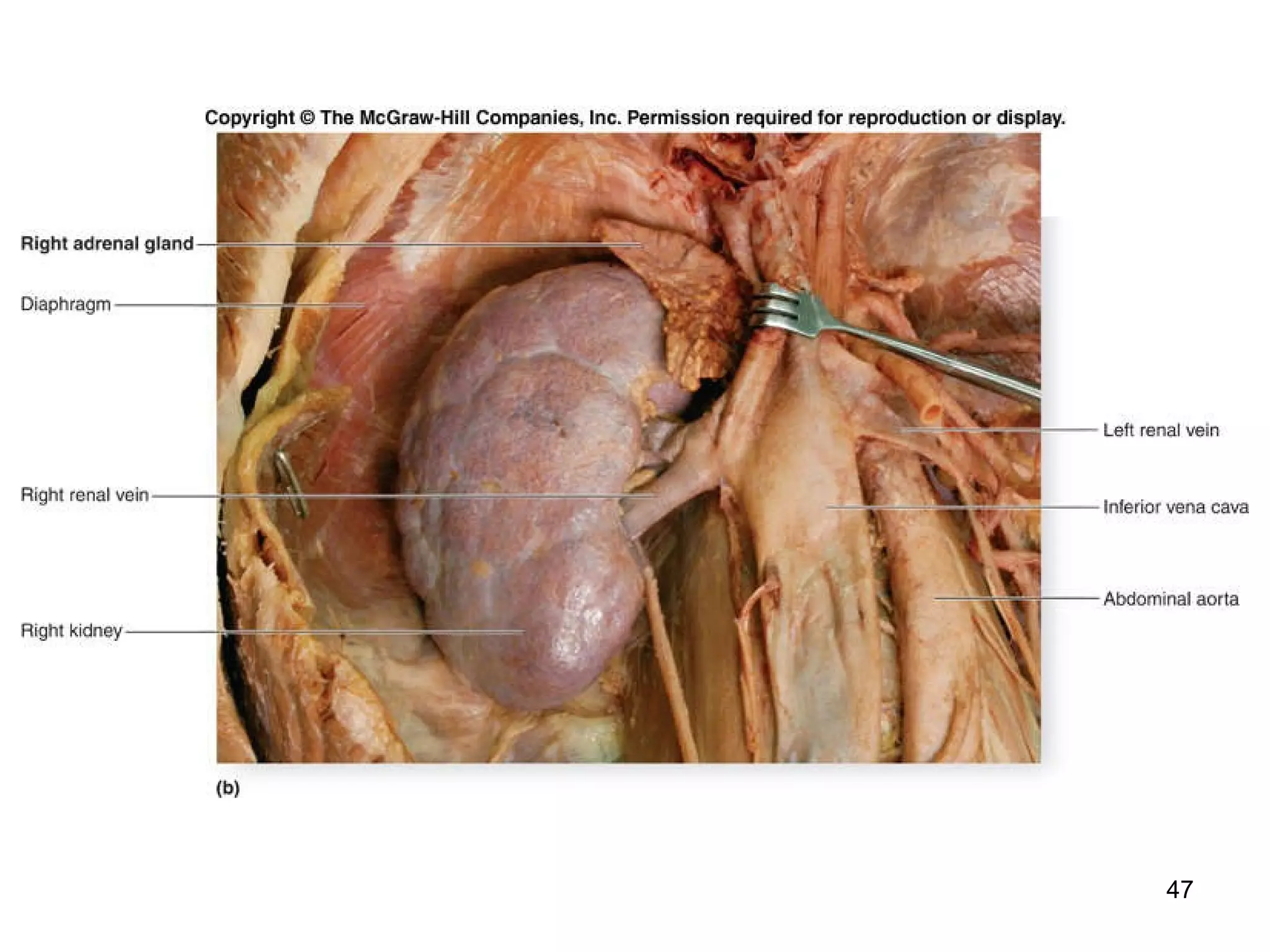
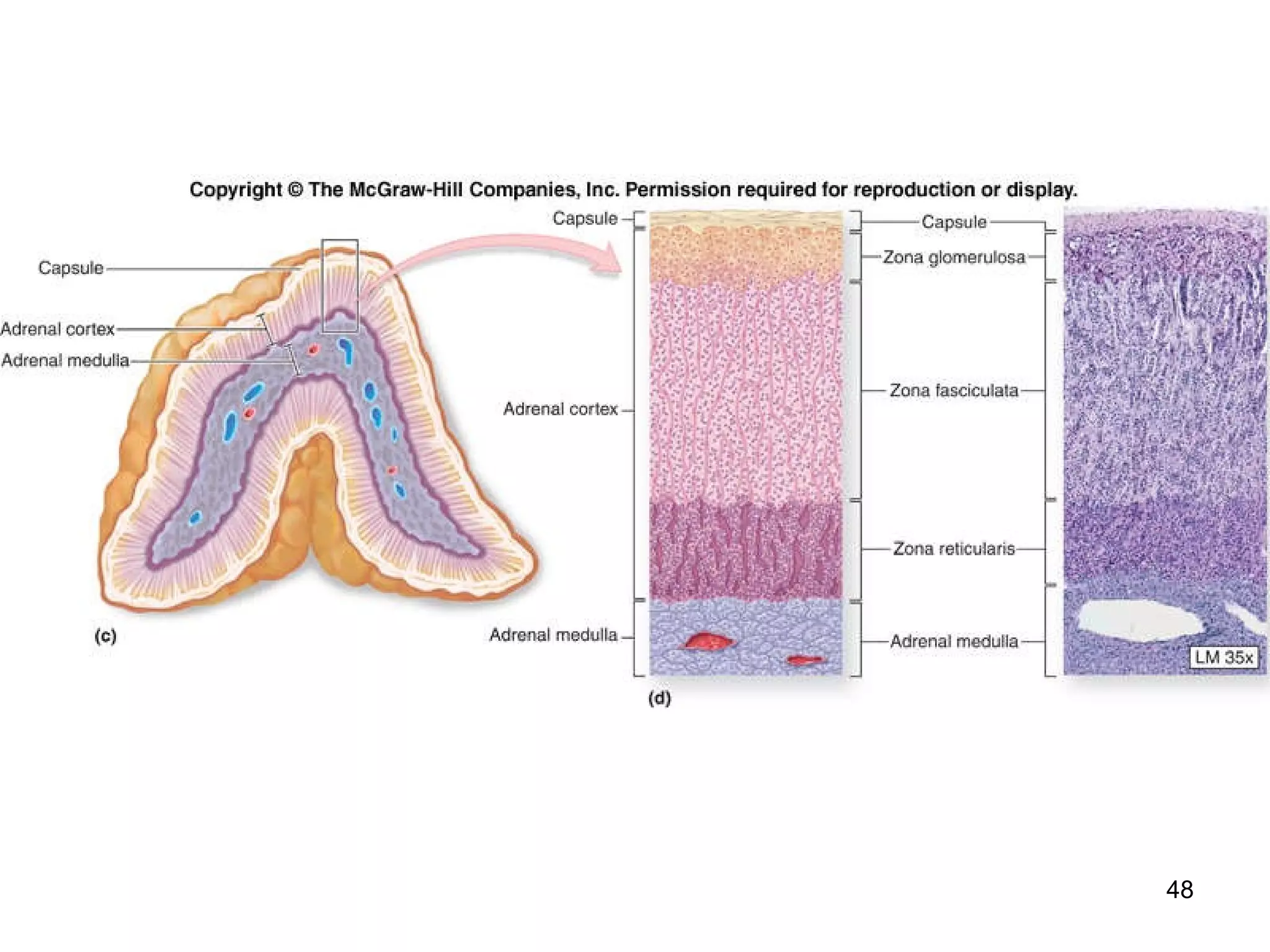
Adrenal Glands (suprarenal)  Paired, pyramid-shaped endocrine glands anchored on the superior surface of each kidney. Retroperitoneal and embedded in fat and  fascia to minimize their movement. Outer adrenal cortex and an inner adrenal medulla secrete  different types of hormones  20-
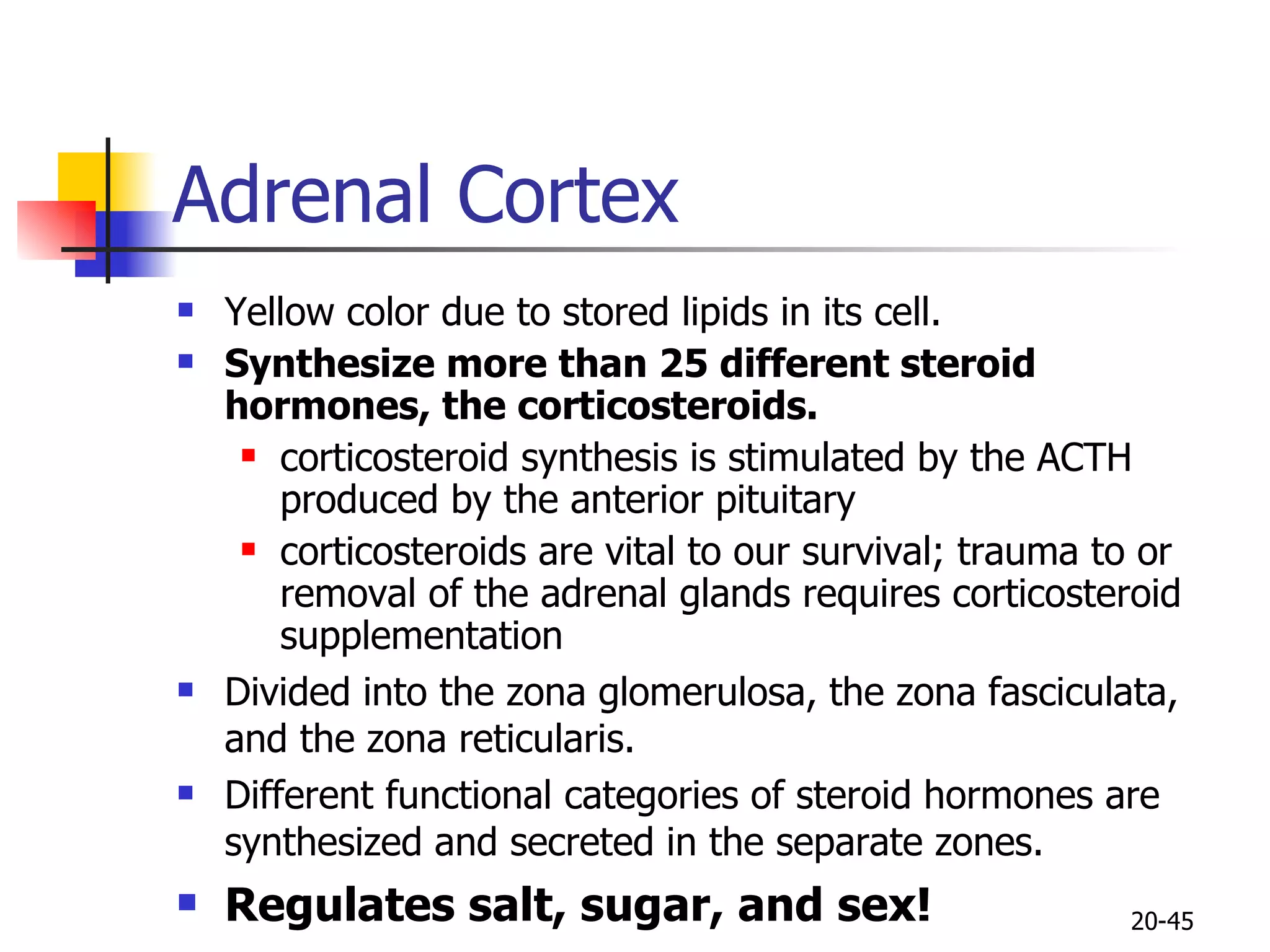
Adrenal Cortex Yellow color due to stored lipids in its cell.  Synthesize more than 25 different steroid hormones, the corticosteroids.   corticosteroid synthesis is stimulated by the ACTH produced by the anterior pituitary  corticosteroids are vital to our survival; trauma to or removal of the adrenal glands requires corticosteroid supplementation  Divided into the zona glomerulosa, the zona fasciculata, and the zona reticularis.  Different functional categories of steroid hormones are synthesized and secreted in the separate zones. Regulates salt, sugar, and sex!   20-
Mnemonic device for adrenal cortical hormones: Salt Sugar Sex
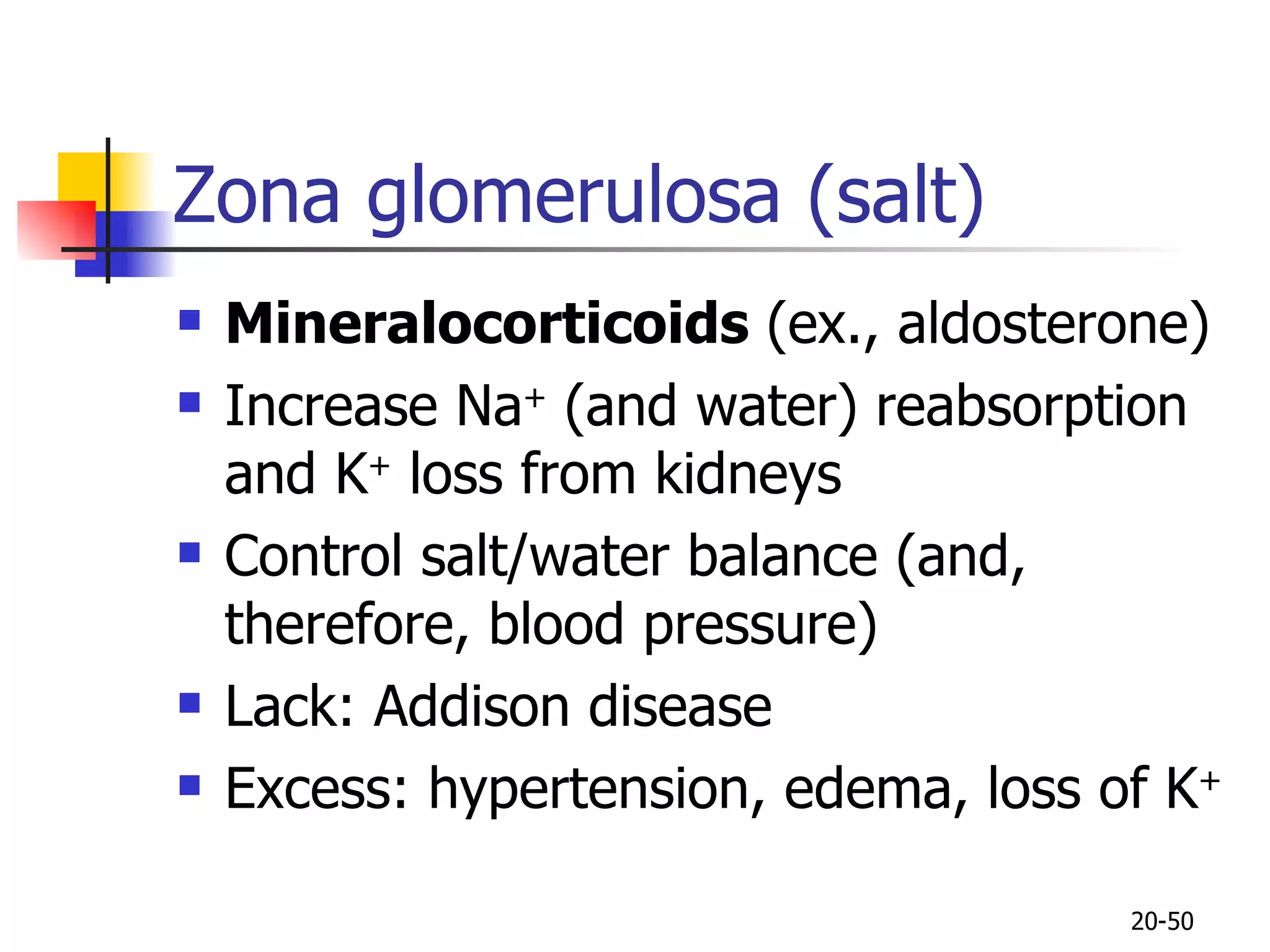
Zona glomerulosa (salt) Mineralocorticoids  (ex., aldosterone) Increase Na +  (and water) reabsorption and K +  loss from kidneys Control salt/water balance (and, therefore, blood pressure) Lack: Addison disease Excess: hypertension, edema, loss of K + 20-
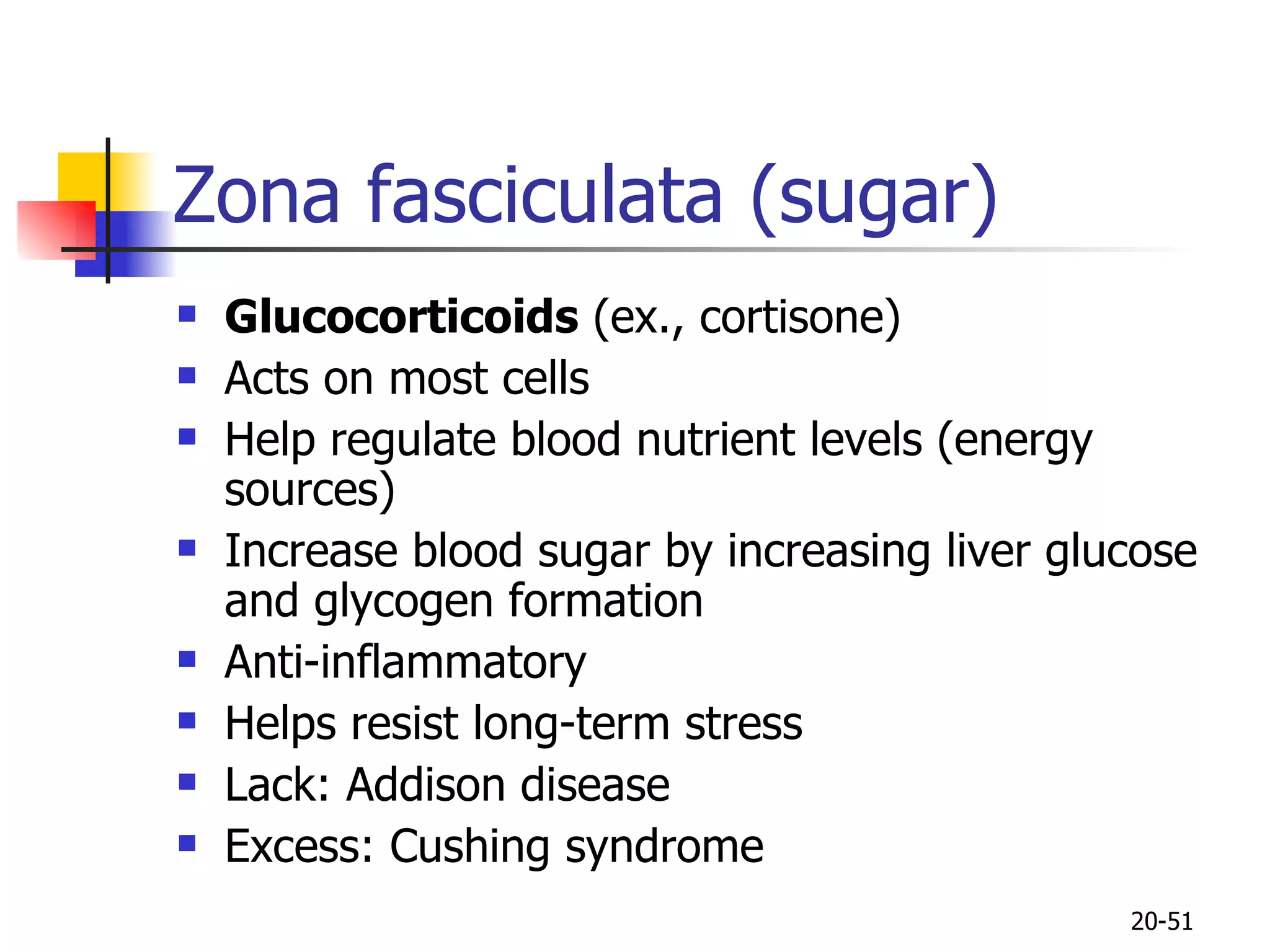
Zona fasciculata (sugar) Glucocorticoids  (ex., cortisone) Acts on most cells Help regulate blood nutrient levels (energy sources) Increase blood sugar by increasing liver glucose and glycogen formation Anti-inflammatory Helps resist long-term stress Lack: Addison disease Excess: Cushing syndrome 20-
Zona reticularis (sex) Gonadocorticoids or sex hormones Most androgens from testes in adult males 20-
Disorders in Adrenal Cortex Hormone Secretion Cushing syndrome Excessive glucocorticoids (usually from taking corticosteroids but may be from too much production) Immunosuppressant, but have side effects: osteoporosis, muscle weakness, redistribution of body fat and salt retention Symptoms: body obesity (“moon face” and “buffalo hump”), hypertension, excess hair growth, kidney stones, and menstrual irregularities 20-
Disorders in Adrenal Cortex Hormone Secretion Addison disease Chronic shortage of glucocorticoids and sometimes mineralocorticoids Symptoms: weight loss, general weakening, hypotension (can be deadly), and darkening (“bronzing”) of the skin Treat with oral corticosteroids President Kennedy had it 20-
Disorders in Adrenal Cortex Hormone Secretion Adrenogenital syndrome  (androgen insensitivity syndrome or congenital adrenal hyperplasia) Starts in embryo and fetus Inability to synthesize corticosteroids so body releases massive amounts of ACTH Results in hyperplasia of the adrenal cortex and causes release of intermediary hormones that have a testosterone-like effect, virilization in newborn girls and enlarged penis and premature puberty in males. Most have salt-losing problem. Treat with oral corticosteroids to inhibit release of ACTH 20-
Adrenal Medulla  Red-brown color due to its extensive vascularization. Primarily clusters of large, spherical cells called chromaffin  cells. When innervated by the sympathetic division of the ANS, one population of cells secretes the hormone epinephrine and the other population secretes the hormone norepinephrine.  Hormones work with the sympathetic nervous system to prepare the body for an emergency or fight-or-flight situation. 20-
Disorder in Adrenal Medulla Hormone Secretion Pheochromocytoma Benign tumor of chromaffin cells Episodic secretion of large amounts of epinephrine and norepinephrine Marked swings in blood pressure Prolonged fight or flight symptoms Metabolic problems: hyperglycemia and glycosuria Untreated: fatal brain hemorrhage or heart failure Treatment: surgery to remove tumor  20-
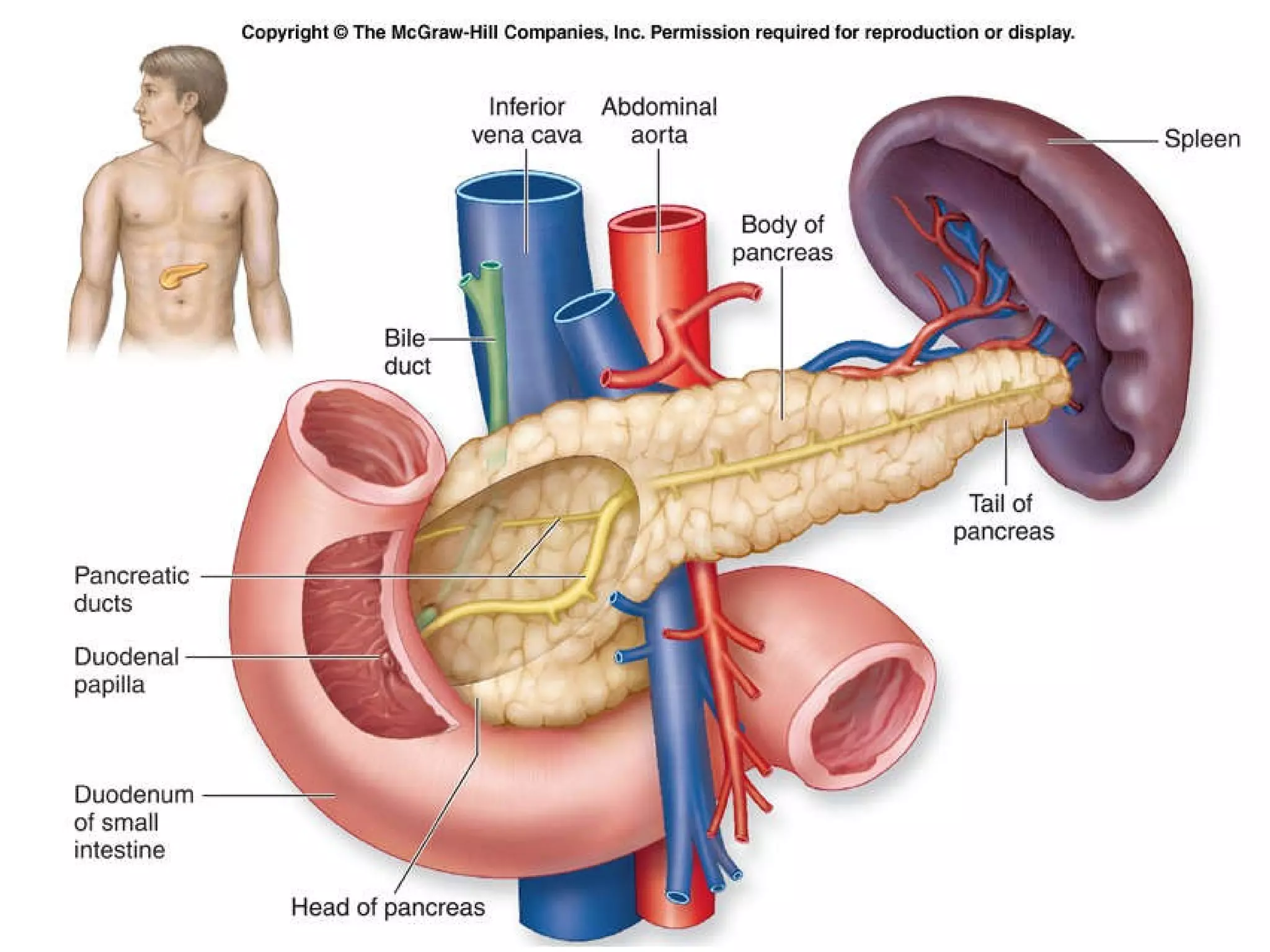
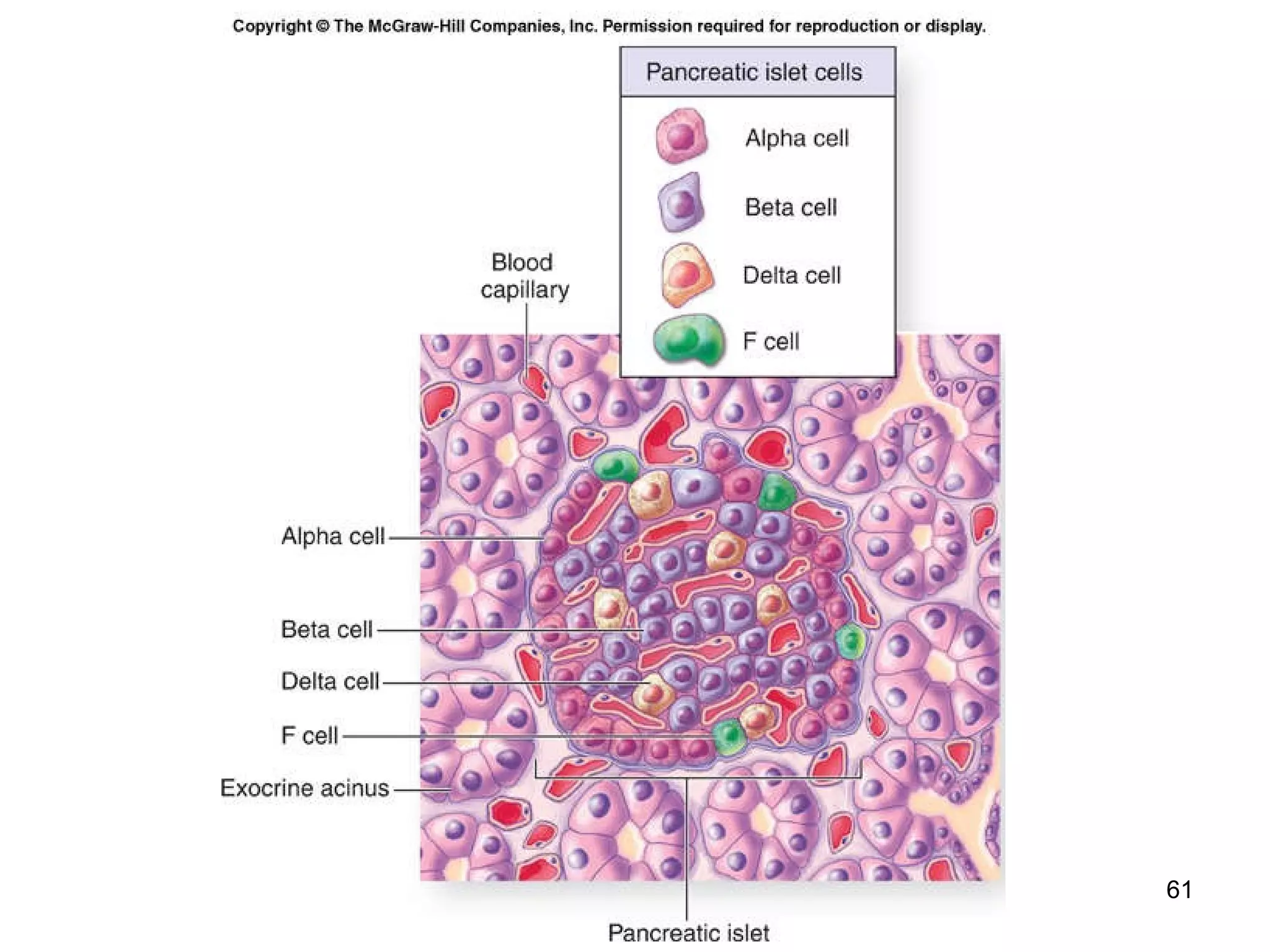
Pancreas  Elongated, spongy, nodular organ between the duodenum of the small intestine and the spleen and posterior to the stomach.  Both exocrine and endocrine activities. Mostly composed of cells called  pancreatic acini that produce an alkaline pancreatic juice   that aids in digestion Scattered among the acini are small clusters of endocrine cells called  pancreatic islets (islets of Langerhans)  composed of four types of cells 20-
Pancreas Alpha cells secrete glucagon when blood glucose levels drop.  Beta cells secrete insulin when blood glucose levels are elevated.  Delta cells  are stimulated by high levels of nutrients in the bloodstream.  synthesize somatostatin, also described as growth hormone-inhibiting hormone, or GHIH, which slows the release of insulin and glucagon  and slows the rate of nutrient entry into the bloodstream  F cells  are stimulated by protein digestion. secrete pancreatic polypeptide to suppress and regulate somatostatin secretion from delta cells  Pancreatic hormones provide for orderly uptake and processing of nutrients.   20-
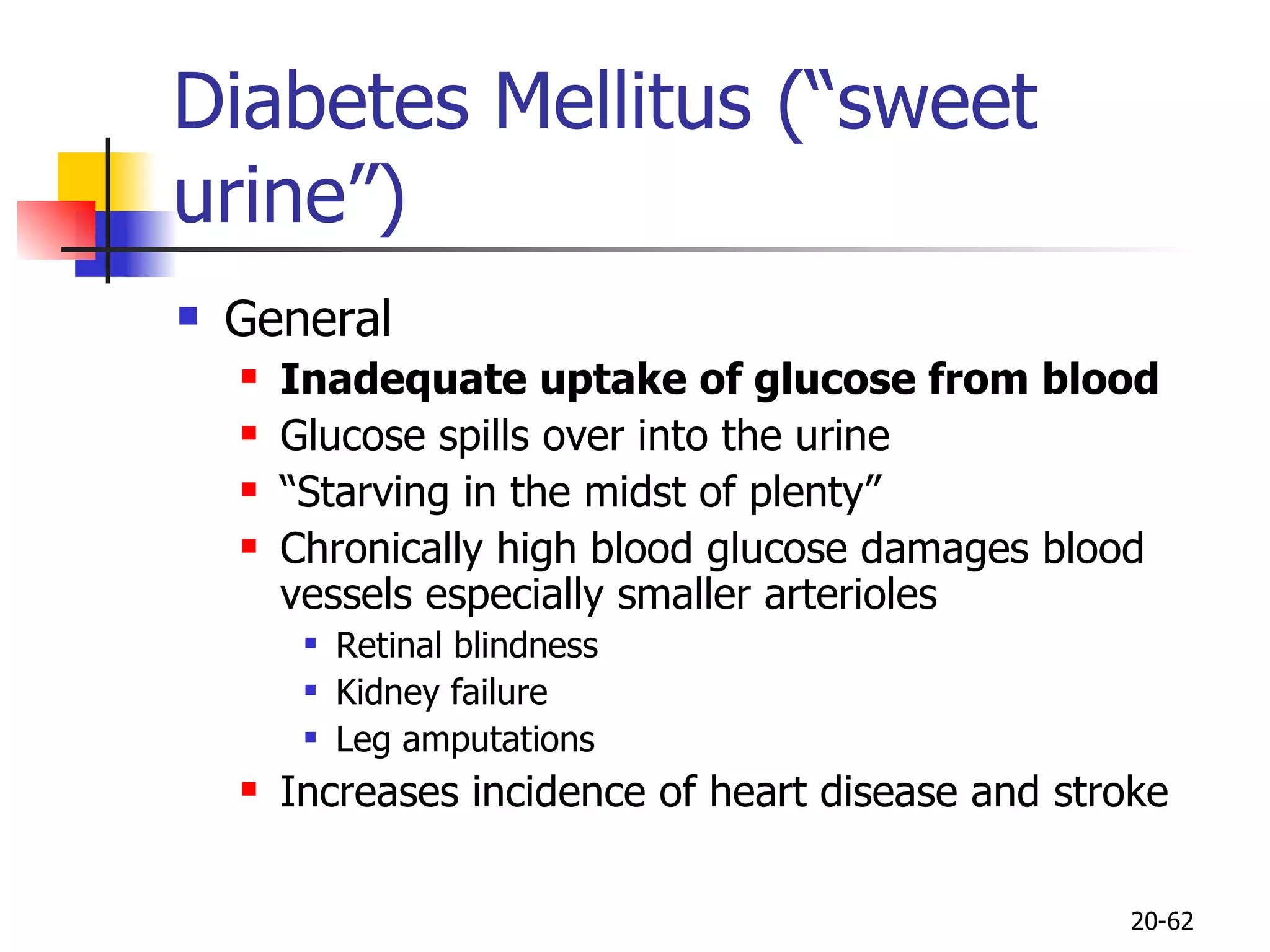
Diabetes Mellitus (“sweet urine”) General Inadequate uptake of glucose from blood Glucose spills over into the urine “ Starving in the midst of plenty” Chronically high blood glucose damages blood vessels especially smaller arterioles Retinal blindness Kidney failure Leg amputations Increases incidence of heart disease and stroke 20-
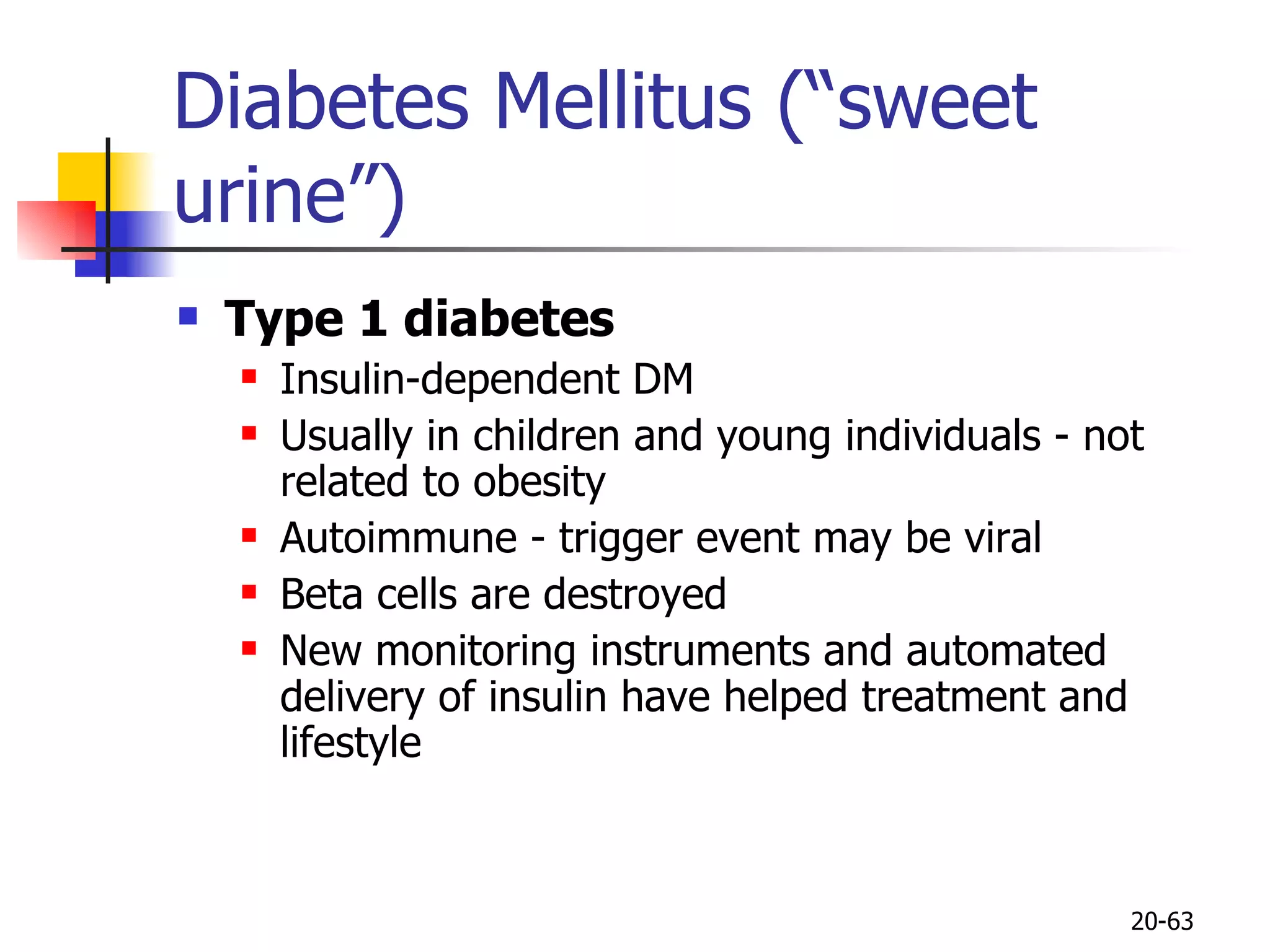
Diabetes Mellitus (“sweet urine”) Type 1 diabetes Insulin-dependent DM Usually in children and young individuals - not related to obesity Autoimmune - trigger event may be viral Beta cells are destroyed New monitoring instruments and automated delivery of insulin have helped treatment and lifestyle 20-
Diabetes Mellitus (“sweet urine”) Type 2 diabetes Insulin-independent DM Decreased insulin release or decreased insulin effectiveness at peripheral tissues Formerly, adult-onset DM but it is being seen in the young increasingly Obesity plays a major role in its development Treatment: For most, diet, exercise, and medications that enhance insulin release or increase its sensitivity at the tissue level. More severe cases, insulin injections.   20-
Diabetes Mellitus (“sweet urine”) Gestational diabetes Occurs in some pregnant women esp. towards end of pregnancy Untreated: risk to fetus and increases complications of delivery Risk: overweight, African American, Native American, or Hispanic, or those with a family history Usually resolves after birth, but 20-50% chance of type 2 DM within 10 years 20-
Pancreas transplants have many risks  Islet cell transplants less invasive but still many complications New Treatments for Severe DM 20-
May result from too much insulin Quickly leads to insulin shock If not sure if diabetic coma or insulin shock, treat for insulin shock Hypoglycemia Danger 20-
Metabolic Syndrome According to the American Heart  Association, almost 25% of Americans have metabolic syndrome. 20-
Metabolic Syndrome Metabolic syndrome increases the risk of: Coronary artery disease Stroke  Diabetes 20-
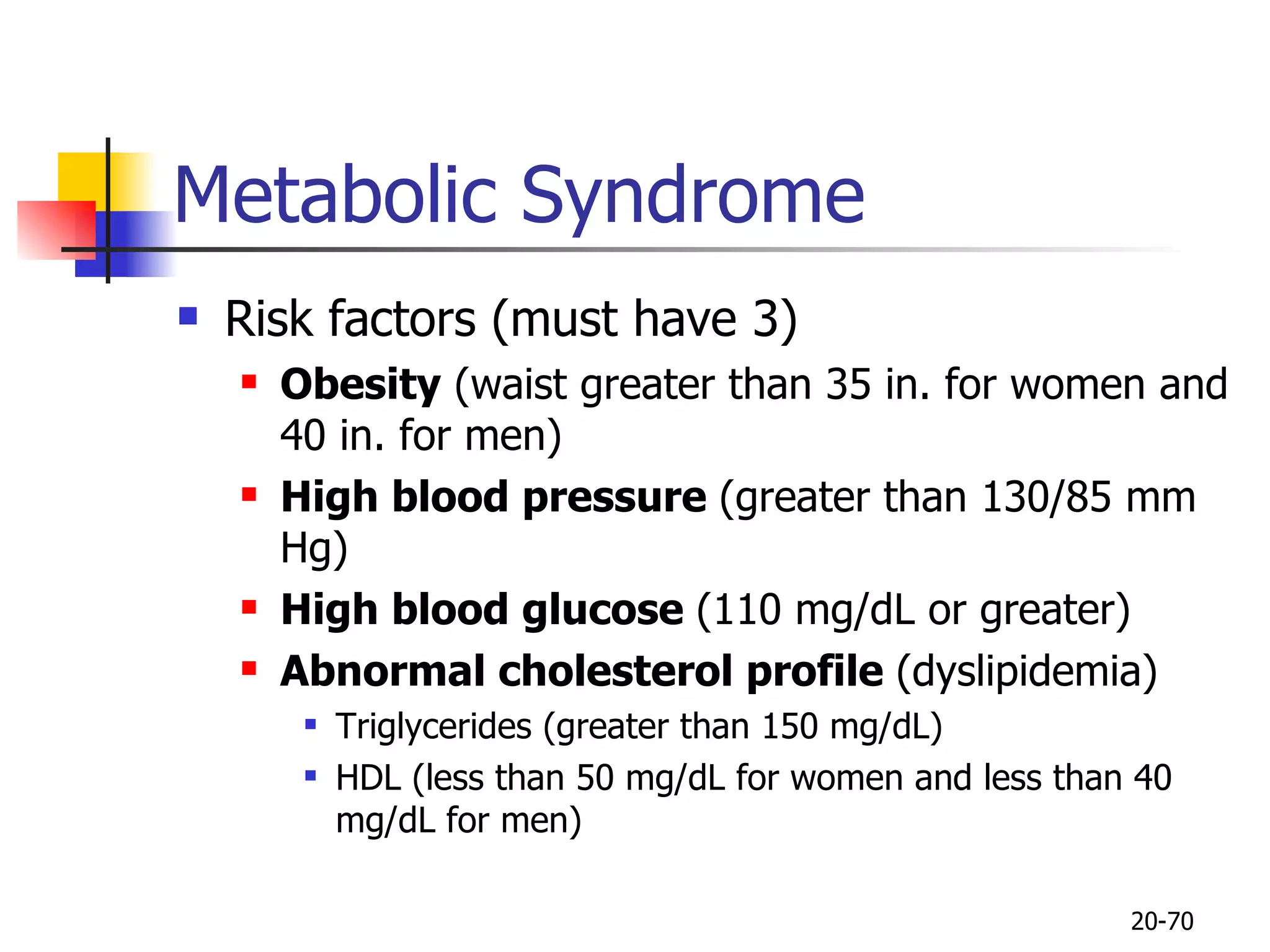
Metabolic Syndrome Risk factors (must have 3) Obesity  (waist greater than 35 in. for women and 40 in. for men) High blood pressure  (greater than 130/85 mm Hg) High blood glucose  (110 mg/dL or greater) Abnormal cholesterol profile  (dyslipidemia) Triglycerides (greater than 150 mg/dL) HDL (less than 50 mg/dL for women and less than 40 mg/dL for men) 20-
Metabolic Syndrome Treatment requires long-term management of the risk factors Lose weight Exercise Eat a heart healthy diet 20-
Pineal Gland (body) A small, cone-shaped structure attached to the posterior region of the epithalamus.  Secretes melatonin.  helps regulate a circadian rhythm (24-hour body clock)  also appears to affect the synthesis of the hypothalamic regulatory hormone responsible for FSH and LH synthesis role in sexual maturation is not well understood  20-
Thymus Bilobed - within the mediastinum superior to the heart and posterior to the sternum.  Size varies  always relatively  large in infants and children   as with the pineal gland, the thymus decreases in size and activity with age, especially after puberty Functions principally in association with the lymphatic system to regulate and maintain body immunity.  Produces complementary hormones thymopoietin and thymosins. act by stimulating and promoting the differentiation, growth, and maturation of T-lymphocytes (thymus-derived lymphocytes)  20-
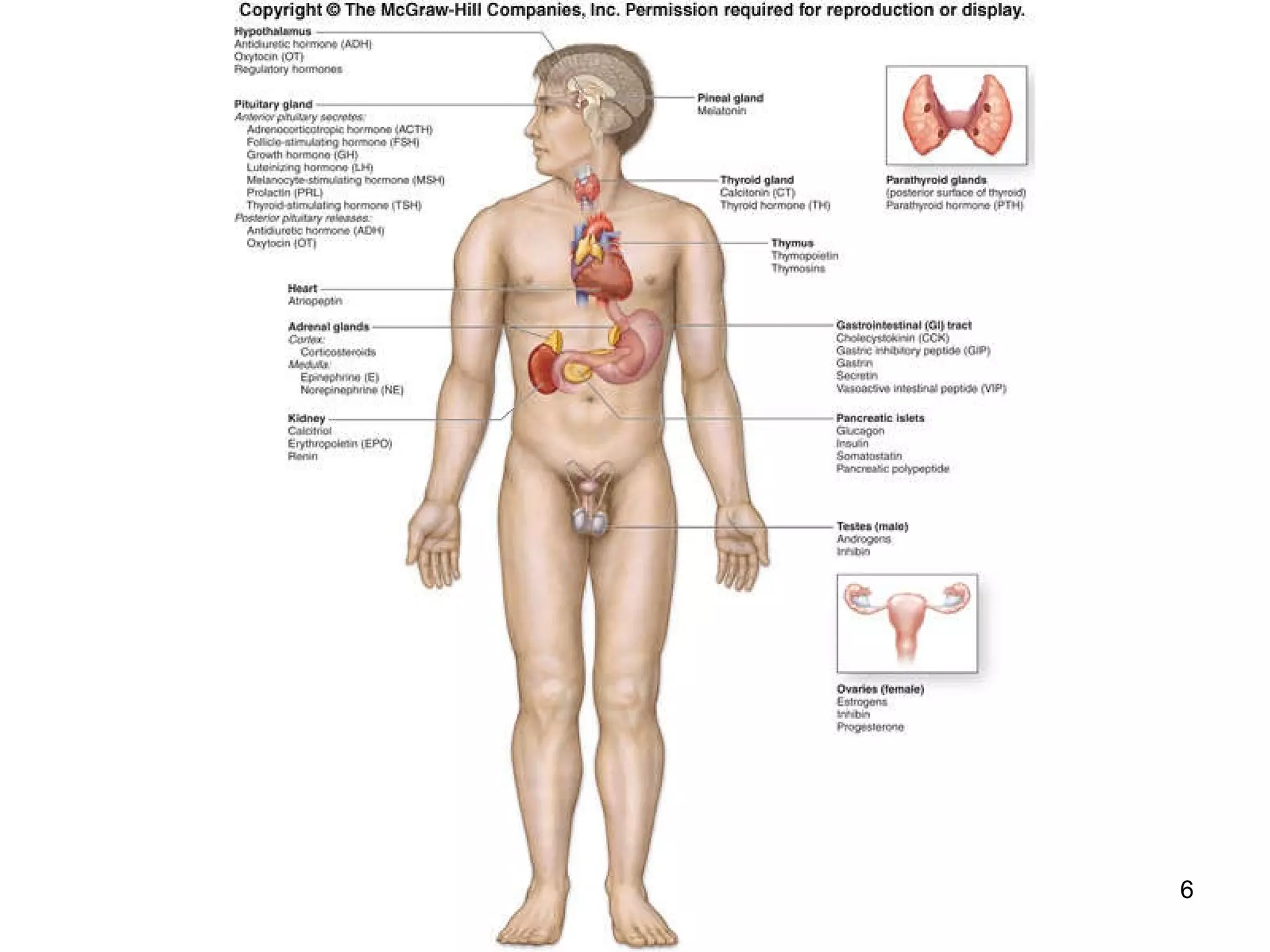
Endocrine Functions of the Kidneys, Heart, GI Tract, and Gonads   Organs of the urinary, cardiovascular, digestive, and reproductive systems contain their own endocrine cells, which secrete their own hormones.  help regulate electrolyte levels in the blood red blood cell production, blood volume, and blood pressure digestive system activities  sexual maturation  and activity   20-
Aging and the Endocrine System  Secretory activity of endocrine glands decreases, especially secretion of growth hormone and sex hormones.  Reduction in GH levels leads to loss of weight and body mass.  Testosterone or estrogen levels decline  20-

Chapter 20, sp 10

  • 1.
    Human Anatomy, Second Edition McKinley & O'Loughlin Chapter 20 Lecture Outline: Endocrine System
  • 2.
    Endocrine System Endocrinesystem and the nervous system often work together to bring about homeostasis. Both use specific communication methods and affect specific target organs. Their methods and effects differ. 20-
  • 3.
    Differences Communication MethodNS: Nerve impulses and neurotransmitters ES: Hormones Target of Stimulation NS: Other neurons, muscles cells, and gland cells ES: Any cells with receptors for hormone Effect of Stimulation NS: Stimulates or inhibits muscle contraction +/- gland secretion ES: Changes in metabolic activities Response time NS: Quick action: msec or minutes (sometimes minutes) ES : Slower response: sec to hours to days 20-
  • 4.
    Differences Range ofEffect NS: Localized ES: Widespread Duration of Response NS: Short term effects generally ES: Long-term effects generally Recovery Time NS: rapid ES : Slow 20-
  • 5.
    Similarities Release chemicalsthat bind to receptors Many of the same chemical messengers Regulated mainly by negative feedback Common goal: coordinate and regulate Interlocking systems: neuroendocrine system 20-
  • 7.
    Endocrine Glands &Hormones Exocrine glands secretions released into ducts opening onto an epithelial surface Endocrine glands ductless organs that secrete their molecules directly into the bloodstream All endocrine cells are located within highly vascularized areas to ensure that their products enter the bloodstream immediately. 20-
  • 8.
    Overview of Hormones Molecules that have an effect on specific organs. Only cells with specific receptors respond to that hormone. Receptors are large proteins or glycoproteins About 2000-100,000 receptors/target cell Combination of hormone and receptor activates a chain of events in the target cell leading to physiological effects Increasing the hormone levels leads to a decrease in the number of receptors Amount of hormone released regulated by need 20-
  • 9.
    Overview of Hormones Cell with receptors are called target cells , and the organs that contain them are called target organs . The response to a hormone depends on both the hormone and the target cell Various target cells respond differently to the same hormone Organs, tissues, or cells lacking the specific receptor do not respond to its stimulating effects. 20-
  • 10.
    Blocking Hormone ReceptorsRU-486 blocks the receptor for progesterone and, thereby, blocks the effects of progesterone in maintaining the uterine lining and abortion of the embryo 20-
  • 11.
    Classification of HormonesPeptide hormones (water soluble) formed from chains of amino acids most of our body’s hormones are peptide hormones longer chains are called protein hormones Examples: all hormones of the hypothalamus and the anterior pituitary Biogenic amines (water soluble) small molecules produced by altering the structure of a specific amino acid Examples: thyroid hormone, catecholamines Steroid hormones (lipid soluble) derived from cholesterol Examples: hormones of the reproductive organs and adrenal cortex 20-
  • 12.
    Classification of HormonesCirculating hormones Act on distant target cells Inactivated by liver in time Most common Local hormones Act on nearby target cells or same cell Inactivated quickly 20-
  • 13.
    Negative Feedback LoopA stimulus starts a process, and eventually either the hormone that is secreted or a product of its effects causes the process to slow down or turn off. Many hormonal systems work by negative feedback mechanisms. 20-
  • 15.
    Positive Feedback LoopAccelerates the original process, either to ensure that the pathway continues to run or to speed up its activities. Only a few positive feedback loops occur in the human endocrine system. one example is the process of milk release from the mammary glands 20-
  • 17.
    Control of HormoneSecretions Most hormones released in short bursts When endocrine gland stimulated, then more frequent bursts Three regulatory mechanisms Humoral (ex., blood levels of a nutrient) Neural Hormonal 20-
  • 18.
    Hypothalamic Control ofthe Endocrine System The hypothalamus is the master control center of the endocrine system and oversees most endocrine activity. the hypothalamus secretes regulatory hormones that regulate the secretion of most of the anterior pituitary hormones The hypothalamus has indirect control over these endocrine organs. It is the major integrating link between the nervous and endocrine systems The hypothalamus and pituitary gland have important roles in all aspects of growth, development, metabolism, and homeostasis 20-
  • 19.
    Hypothalamic Control ofthe Endocrine System Hypothalamus produces two hormones that are transported to and stored in the posterior pituitary. oxytocin antidiuretic hormone (ADH) or vasopressin Hypothalamus directly oversees the stimulation and hormone secretion of the adrenal medulla. An endocrine structure that secretes its hormones in response to stimulation by the sympathetic nervous system. Some endocrine cells are not under direct control of hypothalamus. 20-
  • 21.
    Pituitary Gland (Hypophysis)Called the “master gland” but it is controlled in two ways by the hypothalamus Partitioned both structurally and functionally into an anterior pituitary and a posterior pituitary. Anterior pituitary (adenohypophysis) is glandular tissue that produces hormones Posterior pituitary (neurohypophysis) is neural tissue 20-
  • 23.
    Control of AnteriorPituitary Gland Secretions Anterior pituitary gland is controlled by regulatory hormones secreted by the hypothalamus. Releasing hormones Inhibiting hormones Hormones reach the anterior pituitary via hypothalamo- hypophyseal portal system . a “shunt” that takes venous blood carrying regulatory hormones from the hypothalamus directly to the anterior pituitary before the blood returns to the heart 20-
  • 25.
    Tropic Hormones Mosthormones from the anterior pituitary are tropic hormones or tropins and activate other endocrine glands 20-
  • 27.
    Anterior Pituitary HormonesTSH - thyroid stimulating hormone PRL - prolactin develops the breast and milk production in pregnant women ACTH - adrenocorticotropic hormone Gonadotropins: FSH and LH - regulate hormone synthesis by gonads and production and maturation of gametes MSH - melanocyte stimulating hormone has little effect on humans and production ceases prior to adulthood except in specific diseases GH - growth hormone (somatotropin) stimulates growth of the entire body by increasing protein production and growth of the epiphyseal plates 20-
  • 28.
    Disorders of GrowthHormone Secretion Pituitary dwarfism Lack of GH in a child Very short and often have periodic low blood sugar Injections of GH helps Pituitary gigantism Excess GH in a child Very tall and leads to increased levels of blood sugar (untreated can lead to diabetes and heart failure) and large internal organs Acromegaly Excess GH in an adult Bones of hands, feet and face increase in size Diabetes and large internal organs Cause: lack of feedback or pituitary tumor 20-
  • 29.
    Hypophysectomy Historically, usedto treat advanced breast and prostate cancer to remove the hormone stimulation for their growth. Medications used now. Currently, used to treat pituitary tumors. Radiation may also be used. 20-
  • 30.
    Posterior Pituitary HormonesMade by the hypothalamus, stored in the posterior pituitary Oxytocin (OT) stimulates contraction of smooth muscle of the uterus and ejection of milk in females leads to prostate gland secretion in males regulated by positive feedback! makes us want to cuddle, groom, and pair bond Antidiuretic hormone (ADH) or vasopressin stimulates water reabsorption by the kidneys and arteriole constriction secretion inhibited by alcohol Lack: diabetes insipidus (normal urine output of 1-2 liters/day increases to about 20 liters/day) 20-
  • 31.
    Thyroid Gland Inferior to the thyroid cartilage of the larynx and anterior to the trachea. “ Butterfly” shape due to its left and right lobes connected by a narrow isthmus. The thyroid gland is highly vascularized, giving it an intense reddish coloration. Regulation of thyroid hormone secretion depends upon a complex thyroid gland–pituitary gland negative feedback process. 20-
  • 32.
    Thyroid Gland Hormones Follicular cells produce thyroxine (T4) and triiodothyronine (T3) Regulate the rate of metabolism Most cells are targets Needed for normal growth and development (including the brain) Iodide is oxidized to iodine and then combines with tyrosine to produce these hormones - occurs within a large glycoprotein molecule, thyroglobulin, which is secreted into follicle Scalloping of edges of thyroglobulin indicates active secretion 20-
  • 33.
    Thyroid Gland Hormones Parafollicular cells (Clear or C cells) produce calcitonin which reduces blood calcium levels in children and deposits calcium in the bones. Opposes actions of parathyroid hormone. 20-
  • 37.
    Disorders of ThyroidGland Secretion Hyperthyroidism Increased metabolic rate, weight loss, hyperactivity and heat intolerance Causes: ingestion of T4, excessive stimulation by the pituitary, loss of feedback control by the thyroid (Graves disease) Graves disease Autoimmune Exophthalmos Goiter Treatment: removal or radioactive iodine 20-
  • 38.
    Disorders of ThyroidGland Secretion Hypothyroidism Lack of thyroid hormone Low metabolic rate, lethargy, feel cold, weight gain some times, photophobia Causes: decreased iodine intake, loss of pituitary stimulation, post-therapeutic hypothyroidism, autoimmune Treatment: oral replacement Cretinism - severe form Myxedema - adult form Goiter Enlargement of the thyroid Endemic from lack of iodine Surgical removal to decrease size may be required 20-
  • 39.
    Parathyroid Glands Small, brownish-red glands on the posterior surface of the thyroid gland. Usually four small nodules, but some may have as few as two or as many as six. The chief cells are the source of parathyroid hormone (PTH). stimulates osteoclasts to resorb bone and release calcium ions from bone matrix into the bloodstream stimulates calcitriol hormone synthesis in the kidney promotes calcium absorption in the small intestine prevents the loss of calcium ions during the formation of urine The function of oxyphil cells is not known. 20-
  • 43.
    Disorders of ParathyroidGland Secretion Hyperparathyroidism is most common Bones depleted of calcium (fractures) Extra urinary calcium leads to kidney stones High blood calcium leads to decreased GI motility and constipation High blood calcium leads to psychological changes Hypoparathyroidism is rare Most of the symptoms are neuromuscular and in severe cases, convulsions may occur Due to accidental removal or damage during thyroid surgery usually or, less common, autoimmune disorder Therapy is dietary vitamin D/calcium supplementation 20-
  • 44.
    Adrenal Glands (suprarenal) Paired, pyramid-shaped endocrine glands anchored on the superior surface of each kidney. Retroperitoneal and embedded in fat and fascia to minimize their movement. Outer adrenal cortex and an inner adrenal medulla secrete different types of hormones 20-
  • 45.
    Adrenal Cortex Yellowcolor due to stored lipids in its cell. Synthesize more than 25 different steroid hormones, the corticosteroids. corticosteroid synthesis is stimulated by the ACTH produced by the anterior pituitary corticosteroids are vital to our survival; trauma to or removal of the adrenal glands requires corticosteroid supplementation Divided into the zona glomerulosa, the zona fasciculata, and the zona reticularis. Different functional categories of steroid hormones are synthesized and secreted in the separate zones. Regulates salt, sugar, and sex! 20-
  • 49.
    Mnemonic device foradrenal cortical hormones: Salt Sugar Sex
  • 50.
    Zona glomerulosa (salt)Mineralocorticoids (ex., aldosterone) Increase Na + (and water) reabsorption and K + loss from kidneys Control salt/water balance (and, therefore, blood pressure) Lack: Addison disease Excess: hypertension, edema, loss of K + 20-
  • 51.
    Zona fasciculata (sugar)Glucocorticoids (ex., cortisone) Acts on most cells Help regulate blood nutrient levels (energy sources) Increase blood sugar by increasing liver glucose and glycogen formation Anti-inflammatory Helps resist long-term stress Lack: Addison disease Excess: Cushing syndrome 20-
  • 52.
    Zona reticularis (sex)Gonadocorticoids or sex hormones Most androgens from testes in adult males 20-
  • 53.
    Disorders in AdrenalCortex Hormone Secretion Cushing syndrome Excessive glucocorticoids (usually from taking corticosteroids but may be from too much production) Immunosuppressant, but have side effects: osteoporosis, muscle weakness, redistribution of body fat and salt retention Symptoms: body obesity (“moon face” and “buffalo hump”), hypertension, excess hair growth, kidney stones, and menstrual irregularities 20-
  • 54.
    Disorders in AdrenalCortex Hormone Secretion Addison disease Chronic shortage of glucocorticoids and sometimes mineralocorticoids Symptoms: weight loss, general weakening, hypotension (can be deadly), and darkening (“bronzing”) of the skin Treat with oral corticosteroids President Kennedy had it 20-
  • 55.
    Disorders in AdrenalCortex Hormone Secretion Adrenogenital syndrome (androgen insensitivity syndrome or congenital adrenal hyperplasia) Starts in embryo and fetus Inability to synthesize corticosteroids so body releases massive amounts of ACTH Results in hyperplasia of the adrenal cortex and causes release of intermediary hormones that have a testosterone-like effect, virilization in newborn girls and enlarged penis and premature puberty in males. Most have salt-losing problem. Treat with oral corticosteroids to inhibit release of ACTH 20-
  • 56.
    Adrenal Medulla Red-brown color due to its extensive vascularization. Primarily clusters of large, spherical cells called chromaffin cells. When innervated by the sympathetic division of the ANS, one population of cells secretes the hormone epinephrine and the other population secretes the hormone norepinephrine. Hormones work with the sympathetic nervous system to prepare the body for an emergency or fight-or-flight situation. 20-
  • 57.
    Disorder in AdrenalMedulla Hormone Secretion Pheochromocytoma Benign tumor of chromaffin cells Episodic secretion of large amounts of epinephrine and norepinephrine Marked swings in blood pressure Prolonged fight or flight symptoms Metabolic problems: hyperglycemia and glycosuria Untreated: fatal brain hemorrhage or heart failure Treatment: surgery to remove tumor 20-
  • 58.
    Pancreas Elongated,spongy, nodular organ between the duodenum of the small intestine and the spleen and posterior to the stomach. Both exocrine and endocrine activities. Mostly composed of cells called pancreatic acini that produce an alkaline pancreatic juice that aids in digestion Scattered among the acini are small clusters of endocrine cells called pancreatic islets (islets of Langerhans) composed of four types of cells 20-
  • 59.
    Pancreas Alpha cellssecrete glucagon when blood glucose levels drop. Beta cells secrete insulin when blood glucose levels are elevated. Delta cells are stimulated by high levels of nutrients in the bloodstream. synthesize somatostatin, also described as growth hormone-inhibiting hormone, or GHIH, which slows the release of insulin and glucagon and slows the rate of nutrient entry into the bloodstream F cells are stimulated by protein digestion. secrete pancreatic polypeptide to suppress and regulate somatostatin secretion from delta cells Pancreatic hormones provide for orderly uptake and processing of nutrients. 20-
  • 62.
    Diabetes Mellitus (“sweeturine”) General Inadequate uptake of glucose from blood Glucose spills over into the urine “ Starving in the midst of plenty” Chronically high blood glucose damages blood vessels especially smaller arterioles Retinal blindness Kidney failure Leg amputations Increases incidence of heart disease and stroke 20-
  • 63.
    Diabetes Mellitus (“sweeturine”) Type 1 diabetes Insulin-dependent DM Usually in children and young individuals - not related to obesity Autoimmune - trigger event may be viral Beta cells are destroyed New monitoring instruments and automated delivery of insulin have helped treatment and lifestyle 20-
  • 64.
    Diabetes Mellitus (“sweeturine”) Type 2 diabetes Insulin-independent DM Decreased insulin release or decreased insulin effectiveness at peripheral tissues Formerly, adult-onset DM but it is being seen in the young increasingly Obesity plays a major role in its development Treatment: For most, diet, exercise, and medications that enhance insulin release or increase its sensitivity at the tissue level. More severe cases, insulin injections. 20-
  • 65.
    Diabetes Mellitus (“sweeturine”) Gestational diabetes Occurs in some pregnant women esp. towards end of pregnancy Untreated: risk to fetus and increases complications of delivery Risk: overweight, African American, Native American, or Hispanic, or those with a family history Usually resolves after birth, but 20-50% chance of type 2 DM within 10 years 20-
  • 66.
    Pancreas transplants havemany risks Islet cell transplants less invasive but still many complications New Treatments for Severe DM 20-
  • 67.
    May result fromtoo much insulin Quickly leads to insulin shock If not sure if diabetic coma or insulin shock, treat for insulin shock Hypoglycemia Danger 20-
  • 68.
    Metabolic Syndrome Accordingto the American Heart Association, almost 25% of Americans have metabolic syndrome. 20-
  • 69.
    Metabolic Syndrome Metabolicsyndrome increases the risk of: Coronary artery disease Stroke Diabetes 20-
  • 70.
    Metabolic Syndrome Riskfactors (must have 3) Obesity (waist greater than 35 in. for women and 40 in. for men) High blood pressure (greater than 130/85 mm Hg) High blood glucose (110 mg/dL or greater) Abnormal cholesterol profile (dyslipidemia) Triglycerides (greater than 150 mg/dL) HDL (less than 50 mg/dL for women and less than 40 mg/dL for men) 20-
  • 71.
    Metabolic Syndrome Treatmentrequires long-term management of the risk factors Lose weight Exercise Eat a heart healthy diet 20-
  • 72.
    Pineal Gland (body)A small, cone-shaped structure attached to the posterior region of the epithalamus. Secretes melatonin. helps regulate a circadian rhythm (24-hour body clock) also appears to affect the synthesis of the hypothalamic regulatory hormone responsible for FSH and LH synthesis role in sexual maturation is not well understood 20-
  • 73.
    Thymus Bilobed -within the mediastinum superior to the heart and posterior to the sternum. Size varies always relatively large in infants and children as with the pineal gland, the thymus decreases in size and activity with age, especially after puberty Functions principally in association with the lymphatic system to regulate and maintain body immunity. Produces complementary hormones thymopoietin and thymosins. act by stimulating and promoting the differentiation, growth, and maturation of T-lymphocytes (thymus-derived lymphocytes) 20-
  • 74.
    Endocrine Functions ofthe Kidneys, Heart, GI Tract, and Gonads Organs of the urinary, cardiovascular, digestive, and reproductive systems contain their own endocrine cells, which secrete their own hormones. help regulate electrolyte levels in the blood red blood cell production, blood volume, and blood pressure digestive system activities sexual maturation and activity 20-
  • 75.
    Aging and theEndocrine System Secretory activity of endocrine glands decreases, especially secretion of growth hormone and sex hormones. Reduction in GH levels leads to loss of weight and body mass. Testosterone or estrogen levels decline 20-