the art of being artless

ART111
Alfred Stieglitz
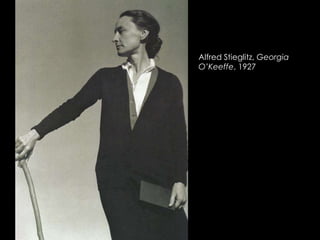
Alfred Stieglitz, Georgia
O’Keeffe, 1927
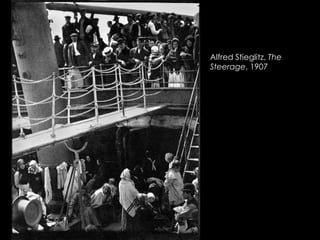
Alfred Stieglitz, The
Steerage, 1907
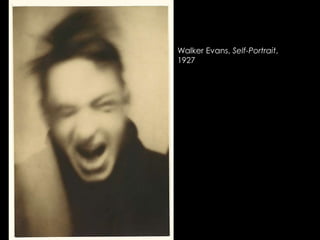
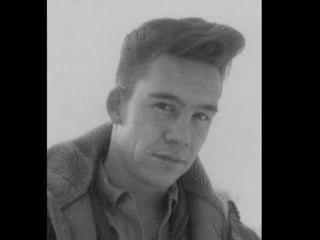
Walker Evans, Self-Portrait,
1927
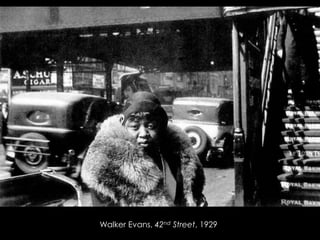
Walker Evans, 42nd Street, 1929
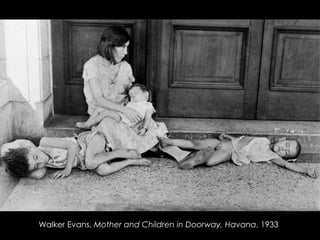
Walker Evans, Mother and Children in Doorway, Havana, 1933
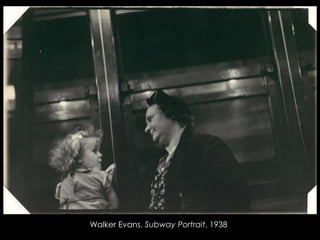
Walker Evans, Subway Portrait, 1938
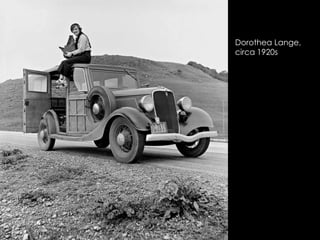
Dorothea Lange,
circa 1920s
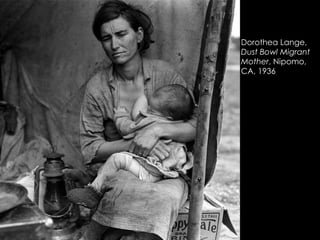
Dorothea Lange,
Dust Bowl Migrant
Mother, Nipomo,
CA, 1936
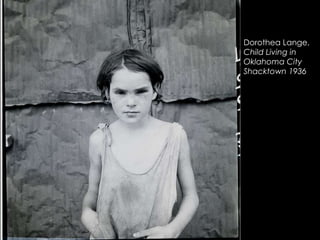
Dorothea Lange,
Child Living in
Oklahoma City
Shacktown 1936
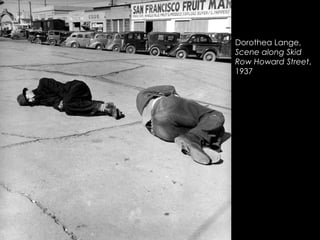
Dorothea Lange,
Scene along Skid
Row Howard Street,
1937
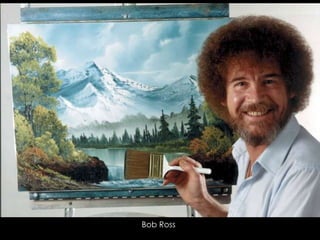
Bob Ross
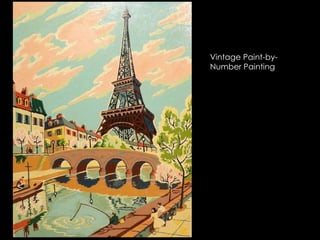
Vintage Paint-byNumber Painting
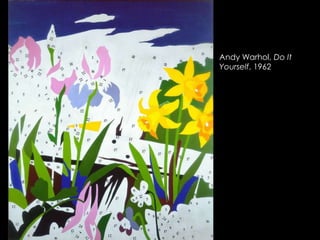
Andy Warhol, Do It
Yourself, 1962
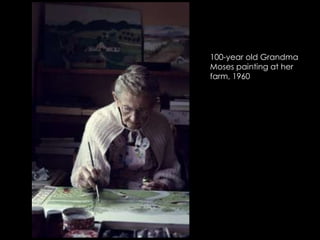
100-year old Grandma
Moses painting at her
farm, 1960
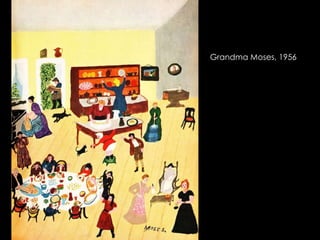
Grandma Moses, 1956
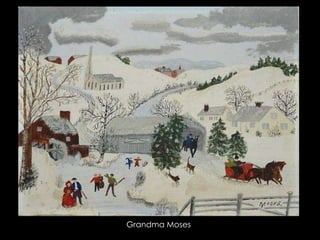
Grandma Moses
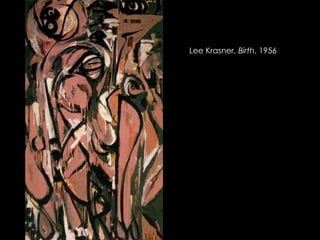
Lee Krasner, Birth, 1956
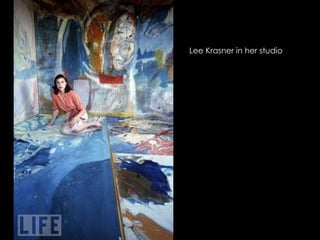
Lee Krasner in her studio
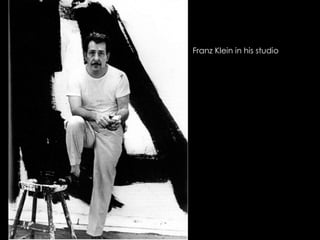
Franz Klein in his studio
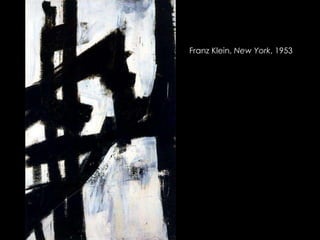
Franz Klein, New York, 1953
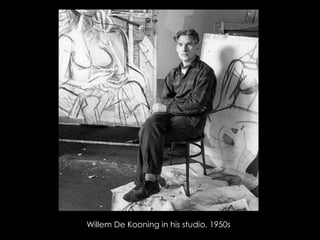
Willem De Kooning in his studio, 1950s
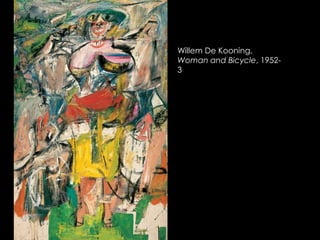
Willem De Kooning,
Woman and Bicycle, 19523
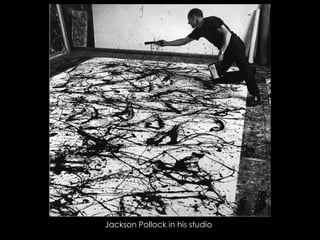
Jackson Pollock in his studio
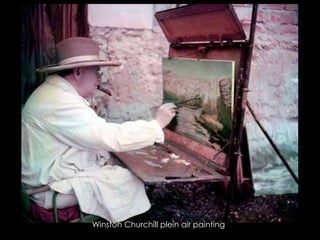
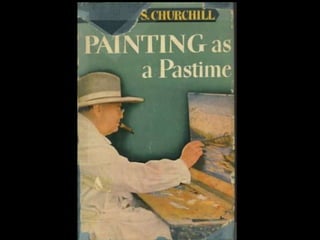
Winston Churchill plein air painting
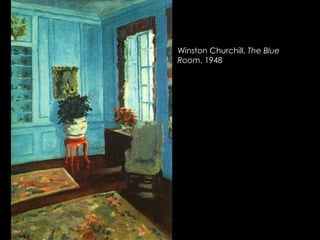
Winston Churchill, The Blue
Room, 1948
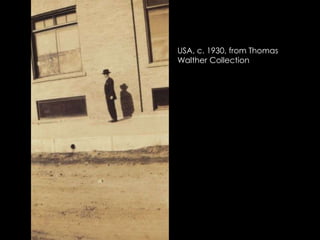
USA, c. 1930, from Thomas
Walther Collection
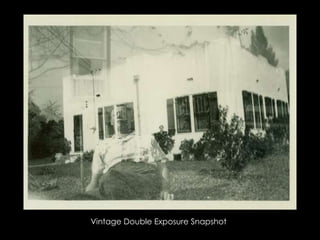
Vintage Double Exposure Snapshot
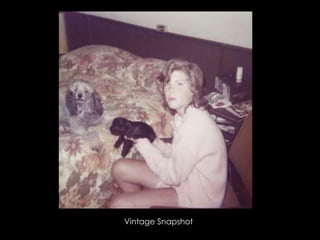
Vintage Snapshot
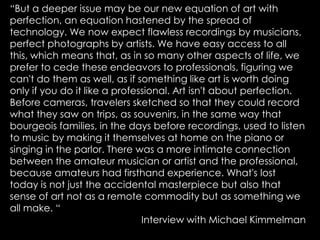
“But a deeper issue may be our new equation of art with
perfection, an equation hastened by the spread of
technology. We now expect flawless recordings by musicians,
perfect photographs by artists. We have easy access to all
this, which means that, as in so many other aspects of life, we
prefer to cede these endeavors to professionals, figuring we
can't do them as well, as if something like art is worth doing
only if you do it like a professional. Art isn't about perfection.
Before cameras, travelers sketched so that they could record
what they saw on trips, as souvenirs, in the same way that
bourgeois families, in the days before recordings, used to listen
to music by making it themselves at home on the piano or
singing in the parlor. There was a more intimate connection
between the amateur musician or artist and the professional,
because amateurs had firsthand experience. What's lost
today is not just the accidental masterpiece but also that
sense of art not as a remote commodity but as something we
all make. “
Interview with Michael Kimmelman
Read:
• Chapter 2, “The Art of Being Artless”
Respond on Verso:
• Reflect on the reading.
Respond on Flipgrid:
• Find a photograph that is deeply meaningful to
you. Share the photo & describe its importance.
Bring the photo to class next week to share.
Respond on Instagram: #art111happyaccidents
• Take 10 photographs this week of moments
that you wanted to remember…for their
beauty, importance, etc.
• DO NOT edit them! Be content with “happy
accidents”

Chapter 2