Download to read offline




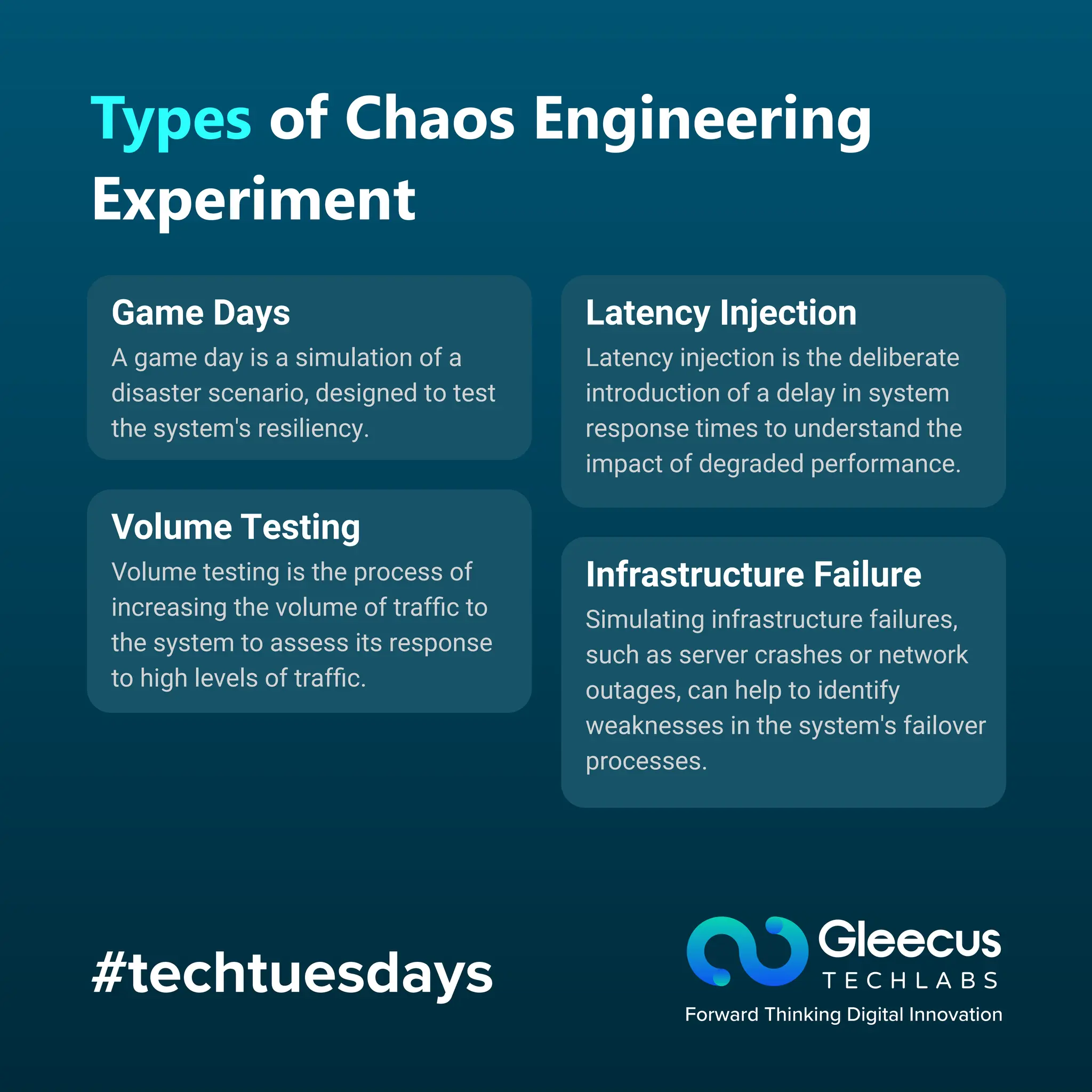





Chaos engineering is a practice that intentionally introduces controlled failures into software systems to enhance resilience and confidence in handling unexpected conditions. Key principles include building hypotheses, running experiments in production, and minimizing blast radius, while common implementations focus on monitoring blind spots and identifying performance bottlenecks. The benefits of chaos engineering include improved system resilience, increased customer confidence, and enhanced team collaboration.


![Coded Agents – with UiPath SDK + LangGraph [Virtual Hands-on Workshop]](https://cdn.slidesharecdn.com/ss_thumbnails/codedagentsdeck-251215155422-5497c599-thumbnail.jpg?width=640&height=640&fit=bounds)


