CERVICAL INCOMPETENCE (CERVICAL
INSUFFICIENCY)
Ms. Parijat S
Masters in OBG Nursing
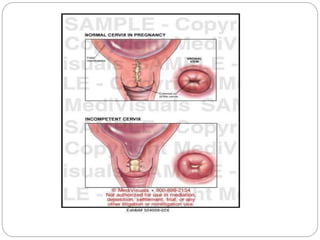
 Cervical incompetence or cervical insufficiency
or cervical weakness, is a medical condition
of pregnancy in which the cervix begins
to dilate (widen) and efface (thin) before the
pregnancy has reached term.
 Cervical weakness may cause miscarriage or preterm
birth during the second and third trimesters.
 It has been estimated that cervical insufficiency
complicates about 1% of pregnancies, and that it is a
cause in about 8% of women with second
trimester recurrent miscarriages.
Causes
The retentive power of the cervix (internal os) may
be impaired due to the following conditions:
Congenital Uterine anomalies
Acquired (iatrogenic)—common, following
Others—multiple gestations, prior preterm birth
Acquired (iatrogenic)—common, following:
 D and C operation
 Induced abortion by D and E (10%)
 Vaginal operative delivery through an undilated
cervix
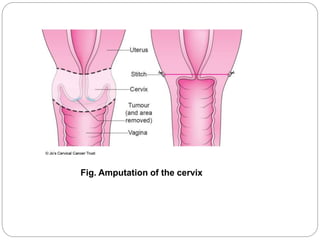
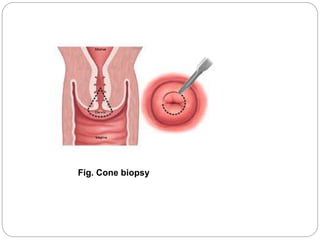
 Amputation of the cervix or cone biopsy
Fig. Amputation of the cervix
Fig. Cone biopsy
Clinical features
 In cases of cervical weakness, dilation and
effacement of the cervix may occur without pain
or uterine contractions.
 Cervical weakness becomes a problem if rupture
of the membranes occurs leading to birth of a
premature baby.
DIAGNOSIS
History
Repeated mid trimester painless cervical
dilatation (without apparent cause) and escape of
liquor amnii followed by painless expulsion of the
products of conception are very much suggestive.
Internal examination
 Interconceptional period—Bimanual examination
reveals presence of unilateral or bilateral tear
and/or gaping of the cervix up to the internal os.
 Speculum examination: Detection of dilatation of
internal os with herniation of the membranes
USG
 Assessment of cervical length in second trimester
to identify cervical shortening( <25mm),
Funneling of the internal os > 1 cm
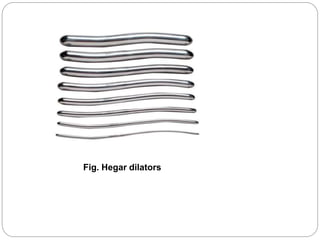
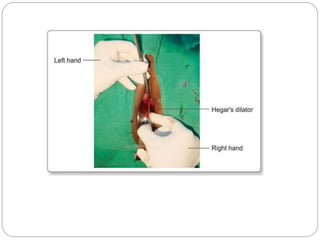
Assessment of the patulous cervix with Hegar
or Pratt dilators.
 Passage number 6–8 Hegar dilator beyond the
internal os without any resistance and pain
indicate incompetence
Fig. Hegar dilators
MANAGEMENT
Surgical
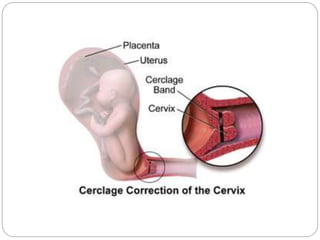
 Cervical weakness can be treated using cervical
cerclage, a surgical technique that reinforces the
cervical muscle by placing sutures above the
opening of the cervix to narrow the cervical canal.
POSTOPERATIVE CARE
 The patient should be in bed for at least 2–3
days.
 Weekly injections of 17α-hydroxyprogesterone
caproate 500 mg IM are given in women with
history of prior preterm delivery.
 Isoxsuprine (tocolytics) 10 mg tablet may be
given thrice daily to avoid uterine irritability.
ADVICE ON DISCHARGE
 Usual antenatal advice.
 To avoid intercourse.
 To avoid rough journey.
 To report if there is vaginal bleeding or abdominal
pain.
 Periodic ultrasonographic monitoring of the fetus
and the cervix.
 Removal of stitch: The stitch should be removed
at 37th week or earlier if labor pain starts or
features of abortion appear.
 If the stitch is not cut in time, uterine rupture or
cervical tear may occur.

Cervical incompetence

  • 1.
  • 2.
     Cervical incompetenceor cervical insufficiency or cervical weakness, is a medical condition of pregnancy in which the cervix begins to dilate (widen) and efface (thin) before the pregnancy has reached term.
  • 3.
     Cervical weaknessmay cause miscarriage or preterm birth during the second and third trimesters.  It has been estimated that cervical insufficiency complicates about 1% of pregnancies, and that it is a cause in about 8% of women with second trimester recurrent miscarriages.
  • 4.
    Causes The retentive powerof the cervix (internal os) may be impaired due to the following conditions: Congenital Uterine anomalies Acquired (iatrogenic)—common, following Others—multiple gestations, prior preterm birth
  • 5.
    Acquired (iatrogenic)—common, following: D and C operation  Induced abortion by D and E (10%)  Vaginal operative delivery through an undilated cervix  Amputation of the cervix or cone biopsy
  • 6.
  • 7.
  • 8.
    Clinical features  Incases of cervical weakness, dilation and effacement of the cervix may occur without pain or uterine contractions.  Cervical weakness becomes a problem if rupture of the membranes occurs leading to birth of a premature baby.
  • 9.
    DIAGNOSIS History Repeated mid trimesterpainless cervical dilatation (without apparent cause) and escape of liquor amnii followed by painless expulsion of the products of conception are very much suggestive.
  • 10.
    Internal examination  Interconceptionalperiod—Bimanual examination reveals presence of unilateral or bilateral tear and/or gaping of the cervix up to the internal os.  Speculum examination: Detection of dilatation of internal os with herniation of the membranes
  • 11.
    USG  Assessment ofcervical length in second trimester to identify cervical shortening( <25mm), Funneling of the internal os > 1 cm
  • 13.
    Assessment of thepatulous cervix with Hegar or Pratt dilators.  Passage number 6–8 Hegar dilator beyond the internal os without any resistance and pain indicate incompetence
  • 14.
  • 16.
    MANAGEMENT Surgical  Cervical weaknesscan be treated using cervical cerclage, a surgical technique that reinforces the cervical muscle by placing sutures above the opening of the cervix to narrow the cervical canal.
  • 18.
    POSTOPERATIVE CARE  Thepatient should be in bed for at least 2–3 days.  Weekly injections of 17α-hydroxyprogesterone caproate 500 mg IM are given in women with history of prior preterm delivery.  Isoxsuprine (tocolytics) 10 mg tablet may be given thrice daily to avoid uterine irritability.
  • 19.
    ADVICE ON DISCHARGE Usual antenatal advice.  To avoid intercourse.  To avoid rough journey.  To report if there is vaginal bleeding or abdominal pain.  Periodic ultrasonographic monitoring of the fetus and the cervix.
  • 20.
     Removal ofstitch: The stitch should be removed at 37th week or earlier if labor pain starts or features of abortion appear.  If the stitch is not cut in time, uterine rupture or cervical tear may occur.