Mann Rentoy
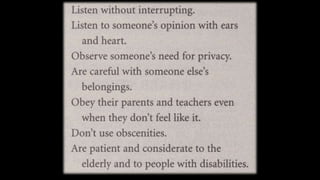
Showing you value
others by treating
them in a courteous
and considerate way.
The Crisis of
Disrespect
6 Factors
1. The impact of
treating kids
disrespectfully
2. The decline of
civility
3. The price of
fear and
suspicion
4. The decrease
of prominent role
models
5. The increase in
obscene
language
6. Crudeness,
rudeness and
raunchiness
flaunted by media
Signs of
Respect
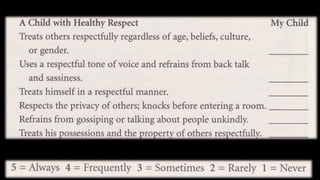
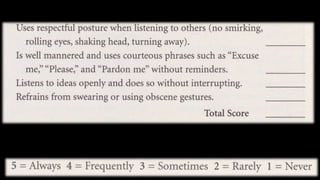
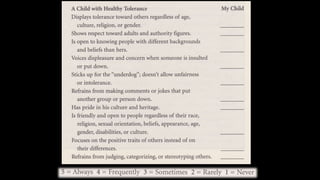
How respectful
is your student?
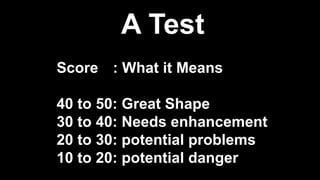
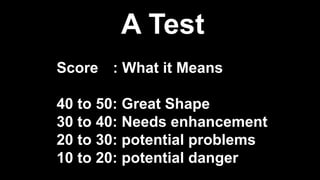
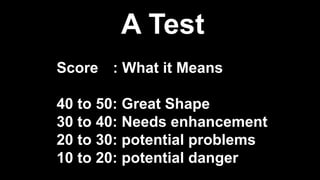
A Test
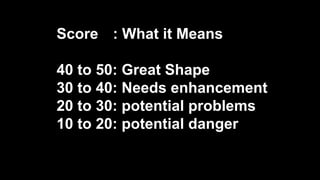
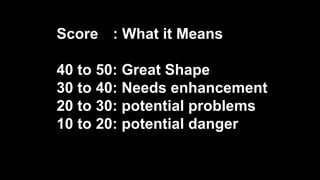
Score : What it Means
40 to 50: Great Shape
30 to 40: Needs enhancement
20 to 30: potential problems
10 to 20: potential danger
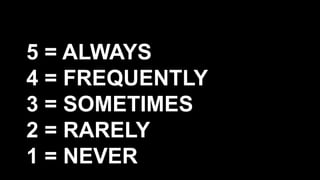
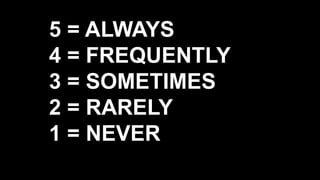
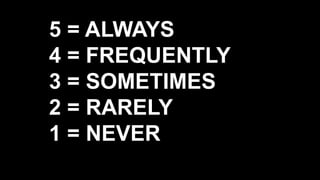
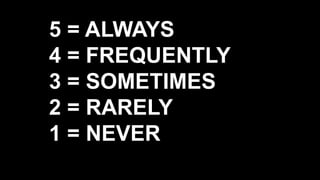
5 = ALWAYS
4 = FREQUENTLY
3 = SOMETIMES
2 = RARELY
1 = NEVER
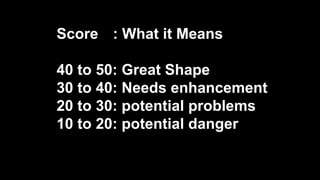
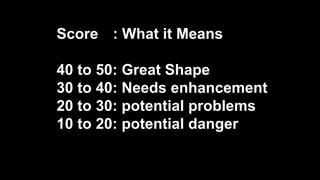
Score : What it Means
40 to 50: Great Shape
30 to 40: Needs enhancement
20 to 30: potential problems
10 to 20: potential danger
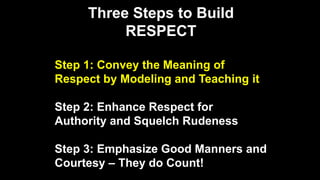
Three Steps to Build
RESPECT
Step 1: Convey the Meaning of
Respect by Modeling and Teaching it
Step 2: Enhance Respect for
Authority and Squelch Rudeness
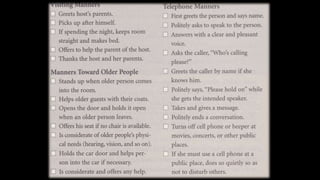
Step 3: Emphasize Good Manners and
Courtesy – They do Count!
Three Steps to Build
RESPECT
Step 1: Convey the
Meaning of Respect
by Modeling and
Teaching it
7 Practices
that
Nurture
Respect
and Love
1. Treat your student
as the most important
person in the world.
2. Give love with no
strings attached
3. Listen attentively
and respectfully.
4. Communicate
respect with your
whole body, not just
with your words.
5. Build positive self-
concepts.
6. Tell them often why
you love and cherish
them.
7. Enjoy being
together.
Lucky Me Pregnant
Three Ways to
Teach Kids the
Meaning of
RESPECT
1
Define

RESPECT
2
Ask the
Golden
Rule
Question
3
Instill
RESPECTFUL
Rules
Three Steps to Build
RESPECT
Step 1: Convey the Meaning of
Respect by Modeling and Teaching it
Step 2: Enhance Respect for
Authority and Squelch Rudeness
Step 3: Emphasize Good Manners and
Courtesy – They do Count!
Three Steps to Build
RESPECT
Step 2: Enhance
Respect for
Authority and
Squelch Rudeness
How to get rid of
Disrespectful Behavior
Step 1: Call out
the rude
behavior on the
spot.
Step 2: Refuse
to engage when
treated
disrespectfully.
Step 3: If
rudeness
continues, set a
consequence.
Step 4: Teach
new behaviors
to replace
inappropriate
ones.
Step 5:
Encourage
respectful
behavior.
Three Steps to Build
RESPECT
Step 1: Convey the Meaning of
Respect by Modeling and Teaching it
Step 2: Enhance Respect for
Authority and Squelch Rudeness
Step 3: Emphasize Good Manners and
Courtesy – They do Count!
Three Steps to Build
RESPECT
Step 3: Emphasize
Good Manners and
Courtesy – They do
Count!
Five Steps to
Help Kids Learn
New Manners
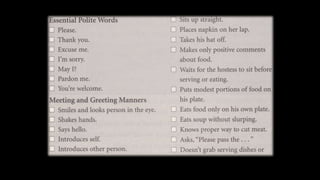
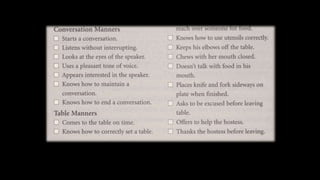
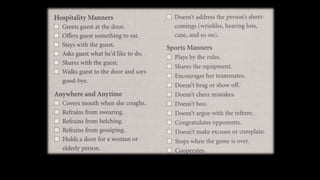
Step 1: Identify the
student’s “Manner
Needs”
Step 2: Model the new
courtesy skill to your
student.
Step 3: Provide
opportunities to
practice the skill.
Step 4: Encourage
your students’ efforts.
Step 4: Encourage
your students’ efforts.
Demonstrating
concern about the
welfare and
feelings of others
Crisis of
UNKINDNESS
4 Factors
1. Lack of Modeling
by Parents and
Other Adults
2. Not Enough
Encouragement for
KINDNESS
3. Influence of
UNKIND
Peers
4. Desensitization to
UNKINDNESS
Signs of KINDNESS
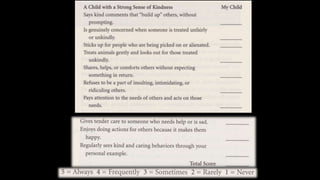
How kind is your student?
A Test
Score : What it Means
40 to 50: Great Shape
30 to 40: Needs enhancement
20 to 30: potential problems
10 to 20: potential danger
5 = ALWAYS
4 = FREQUENTLY
3 = SOMETIMES
2 = RARELY
1 = NEVER
Score : What it Means
40 to 50: Great Shape
30 to 40: Needs enhancement
20 to 30: potential problems
10 to 20: potential danger
Three Steps
to Build
Kindness
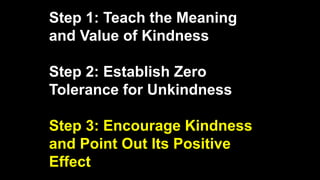
Step 1: Teach the Meaning
and Value of Kindness
Step 2: Establish Zero
Tolerance for Unkindness
Step 3: Encourage Kindness
and Point Out Its Positive
Effect
Step 1: Teach the Meaning
and Value of Kindness
4 Ways to Help
Kids Understand
KINDNESS
1
Consciously
Model
KINDNESS
2
Expect and
Demand
KINDNESS
3
Teach the
Meaning of
KINDNESS
4
Show what
KINDNESS
looks like
Heartwarmer
Statements to
Teach Kids
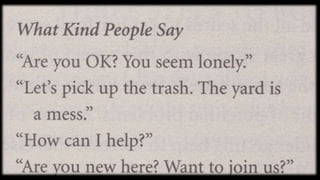
“Is everything all right?”
“I appreciate your help.”
“Can I get something for you?”
“I’m here for you.”
“Congratulations!”
“Call me when you need me.”
“What can I do?”
“I hope you feel better.”
“I hope you do well.”
“I know you can do it!”
“Get well soon!”
“I’m sorry.”
“Thank you.”
“Are you okay?”
“Good luck!”
“I’m thinking about you.”
A TIP for pointing out the
Impact of Kindness to Kids
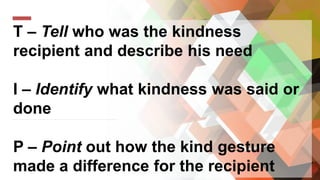
T – Tell who was the kindness
recipient and describe his need
I – Identify what kindness was said or
done

P – Point out how the kind gesture

made a difference for the recipient
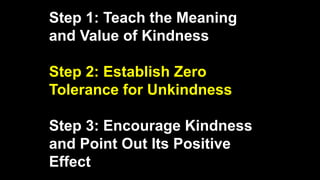
Step 1: Teach the Meaning
and Value of Kindness
Step 2: Establish Zero
Tolerance for Unkindness
Step 3: Encourage Kindness
and Point Out Its Positive
Effect
Step 2: Establish Zero
Tolerance for Unkindness
If we want our kids to be
kind and do what is right,
it’s imperative that they
recognize that unkind
words and deeds are
hurtful.
Four Ways to Reduce
Unkind Behaviors
1. Target the unkind
behavior, not the child.
2. Help the child empathize
with his victim’s feelings.
3. Decide on a new behavior
with which to replace the
unkind actions.
4. Give the child the
opportunity to make amends.
10 Reasons Why
Kids are Mean
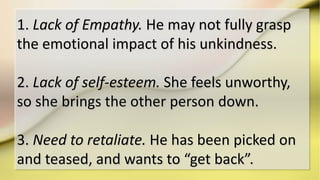
1. Lack of Empathy. He may not fully grasp
the emotional impact of his unkindness.
2. Lack of self-esteem. She feels unworthy,
so she brings the other person down.
3. Need to retaliate. He has been picked on
and teased, and wants to “get back”.
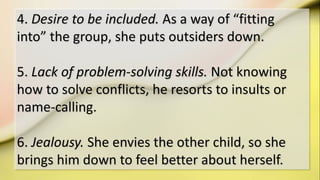
4. Desire to be included. As a way of “fitting
into” the group, she puts outsiders down.
5. Lack of problem-solving skills. Not knowing
how to solve conflicts, he resorts to insults or
name-calling.
6. Jealousy. She envies the other child, so she
brings him down to feel better about herself.
7. How’s he treated. He is treated unkindly, so
he mimics the same behaviors.
8. Desire for power over someone else. Teasing
makes her feel superior.
9. No expectations requiring kindness. No one is
telling him that unkindness is not allowed.
10. Poor social skills. She doesn’t know the skills
for getting along – cooperating, negotiating,
compromising, encouraging, listening – so she
resorts to bringing the other child down.
5 Ways Schools and Families
are Fighting Unkindness
1
Make
“No Put Down”
Posters
2
Create a
“No Put Down”
Pledge
3
Hold a
“Put Down”
Burial
4
Make a
Turnaround
Rule
5
Penalize
“Put Downs”
Step 1: Teach the Meaning
and Value of Kindness
Step 2: Establish Zero
Tolerance for Unkindness
Step 3: Encourage Kindness
and Point Out Its Positive
Effect
Step 3: Encourage
Kindness and Point Out
Its Positive Effect
Three Ideas for Helping Kids
Practice Doing Kind Deeds
1
Create a Kindheart
Centerpiece
2
Assign Secret
Kindness Pals
3
Make a
Giving Tree
Respecting the dignity
and rights of all persons,
even those whose beliefs
and behaviors differ from
our own
Crisis in the
Development of
TOLERANCE
6 Factors
1. Lack of Moral Monitoring
2. Decline of Meaningful
Community Support
3. Accessibility of Internet Hate
Sites “Culture of Bashing”
4. Racially Charged Video
Entertainment Aimed at Youth
5. Hate Music/Grunge
6. Prejudice and Stereotypes
Displayed on TV
Signs of
TOLERANCE
How
TOLERANT
is your
student?
A Test
Score : What it Means
40 to 50: Great Shape
30 to 40: Needs enhancement
20 to 30: potential problems
10 to 20: potential danger
5 = ALWAYS
4 = FREQUENTLY
3 = SOMETIMES
2 = RARELY
1 = NEVER
Score : What it Means
40 to 50: Great Shape
30 to 40: Needs enhancement
20 to 30: potential problems
10 to 20: potential danger
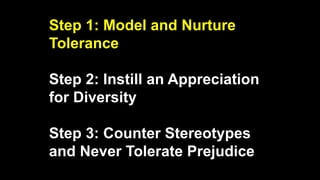
Step 1: Model and Nurture
Tolerance
Step 2: Instill an Appreciation
for Diversity
Step 3: Counter Stereotypes
and Never Tolerate Prejudice
Step 1: Model and Nurture
Tolerance
6 Practices that Help
Raise Tolerant Kids
1
Confront your
own prejudices
2
Commit yourself to
raising tolerant kids
3
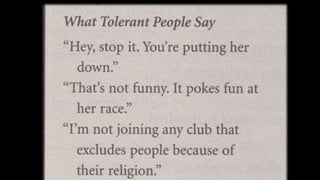
Refuse to allow
discriminatory
comments in your
presence
4
Provide Positive
Images of all Ethnic
Groups
5
Encourage
Involvement with a
wide range of
diversities
6
Live Your Life as an
Example of
Tolerance
Step 1: Model and Nurture
Tolerance
Step 2: Instill an Appreciation
for Diversity
Step 3: Counter Stereotypes
and Never Tolerate Prejudice
Step 2: Instill an
Appreciation for
Diversity
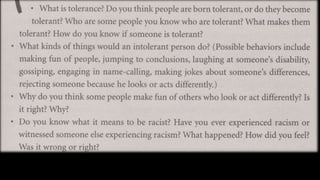
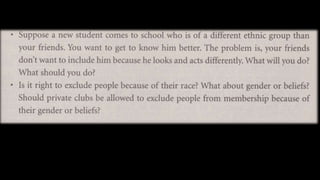
THINK
ABOUT
IT!
4 Ways to
Develop
Positive
Attitudes
About
Diversity
1
Celebrate
Differences
Early On
2
Expose the
Young to
Diversity
3
Give
Straightforward
Answers to
Questions
About
Differences
4
Help them
Look for
Similarities
Step 1: Model and Nurture
Tolerance
Step 2: Instill an Appreciation
for Diversity
Step 3: Counter Stereotypes
and Never Tolerate Prejudice
Step 3: Counter Stereotypes
and Never Tolerate Prejudice
4 Ways to Curtail
Prejudice by
Teaching Kids to
Counter
Stereotypes
1
Point Out Biases and
Stereotypes
2
Encourage “Talk Checks” to
Squelch Stereotypical
Messages
3
Counter Your Students’
Discriminatory Beliefs
4
Set a rule:
“No Discriminatory
Comments”
Choosing to be
open minded
and to act in a
just and fair
way
Choosing to be open
minded and to act in a
just and fair way
Crisis of
UNFAIRNESS
4 Factors
1. Early
Attachment
Problems
2. Breakdown in
Role Models
3. Emphasis on
Competition
4. Reduction of
Unstructured
Play
Signs of a Strong
Sense of
FAIRNESS
How strong is
your student’s
Sense of
FAIRNESS?
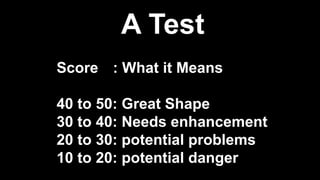
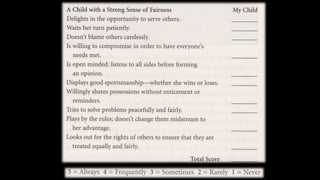
A Test
Score : What it Means
40 to 50: Great Shape
30 to 40: Needs enhancement
20 to 30: potential problems
10 to 20: potential danger
5 = ALWAYS
4 = FREQUENTLY
3 = SOMETIMES
2 = RARELY
1 = NEVER
Score : What it Means
40 to 50: Great Shape
30 to 40: Needs enhancement
20 to 30: potential problems
10 to 20: potential danger
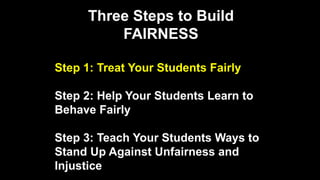
Three Steps to Build
FAIRNESS
Step 1: Treat Your Students Fairly
Step 2: Help Your Students Learn to
Behave Fairly
Step 3: Teach Your Students Ways to
Stand Up Against Unfairness and
Injustice
Step 1: Treat Your
Students Fairly
5 Adult
Behaviors that
Boost Fairness
in Kids
1
Be a strong
Example of
FAIRNESS
2
Expect and
Demand
FAIRNESS
3
Share Your
Beliefs About
FAIRNESS
4
Listen
FAIRLY
and Openly
5
Set
FAIR
and Realistic
Expectations
Three Steps to Build
FAIRNESS
Step 1: Treat Your Students Fairly
Step 2: Help Your Students Learn to
Behave Fairly
Step 3: Teach Your Students Ways to
Stand Up Against Unfairness and
Injustice
Step 2: Help Your Students
Learn to Behave Fairly
Three ways to Foster
Sharing in Kids
1
Create
Sharing
Boundaries
2
Encourage
Sharing
Behavior
3
Emphasize
the Effect
Sharing has
on Others
Three Steps to Build
FAIRNESS
Step 1: Treat Your Students Fairly
Step 2: Help Your Students Learn to
Behave Fairly
Step 3: Teach Your Students Ways to
Stand Up Against Unfairness and
Injustice
Step 3: Teach Your Students Ways
to Stand Up Against Unfairness
and Injustice
7 Tips to Get Kids Started on
Doing Social Justice Projects
1
Choose a Project Based
on the Kids’ Interests
and Talents
2
Research the Topic
3
Think of all Possible
Solutions
4
Enlist Others in
the Cause
5
Plan for Success
6
Implement the
Solutions and
Evaluate Progress
7
Celebrate
Efforts
Mann Rentoy
mannrentoy@gmail.com

Building Moral Intelligence (Part 2)