v
SYSTEMS CHANGE IN TIMES OF CRISIS
Seth Reynolds
PRINCIPAL CONSULTANT, SYSTEMS CHANGE: NPC
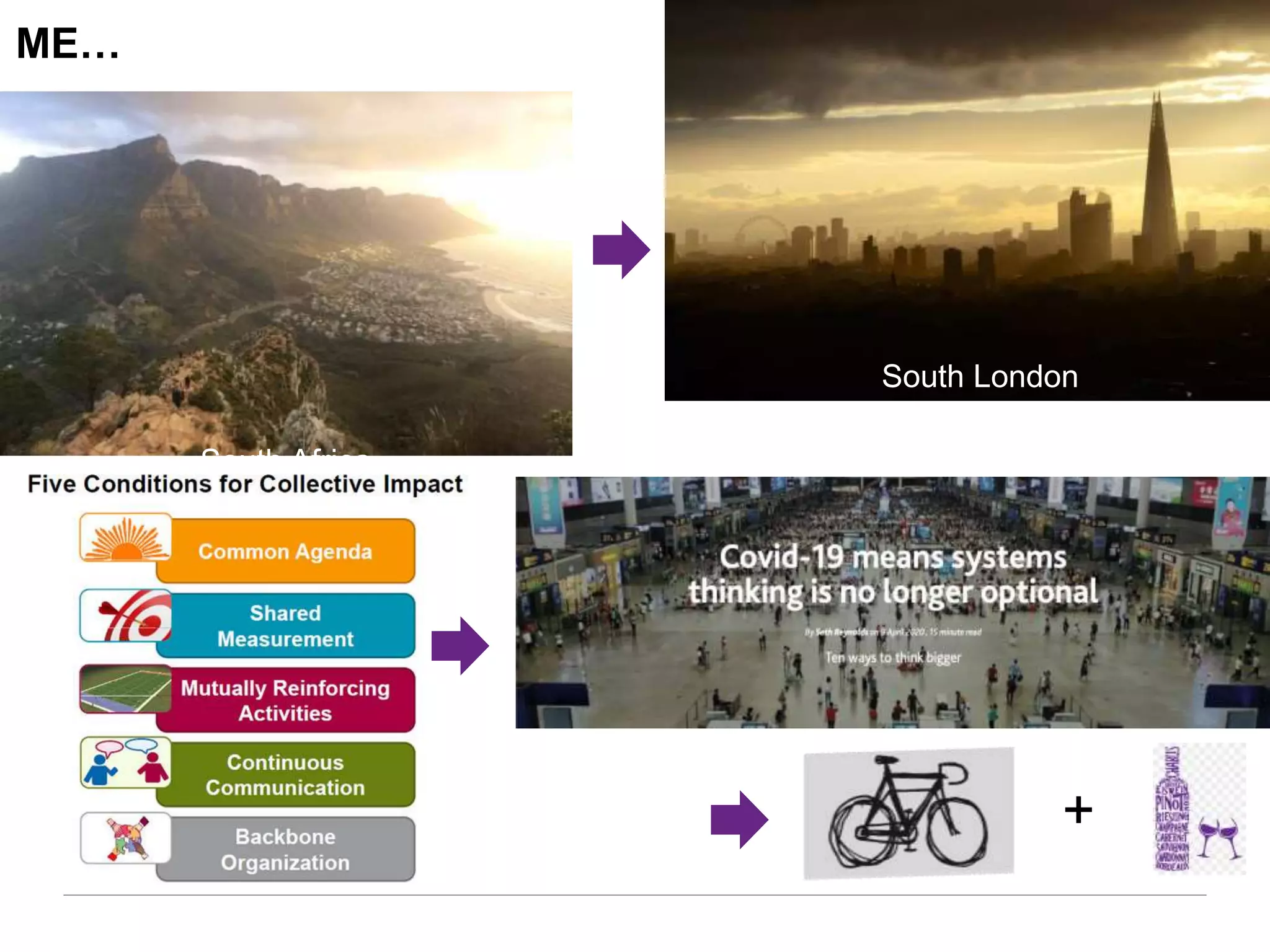
ME…
South Africa
South London
+
1. CRISIS.. OR OPPORTUNITY?
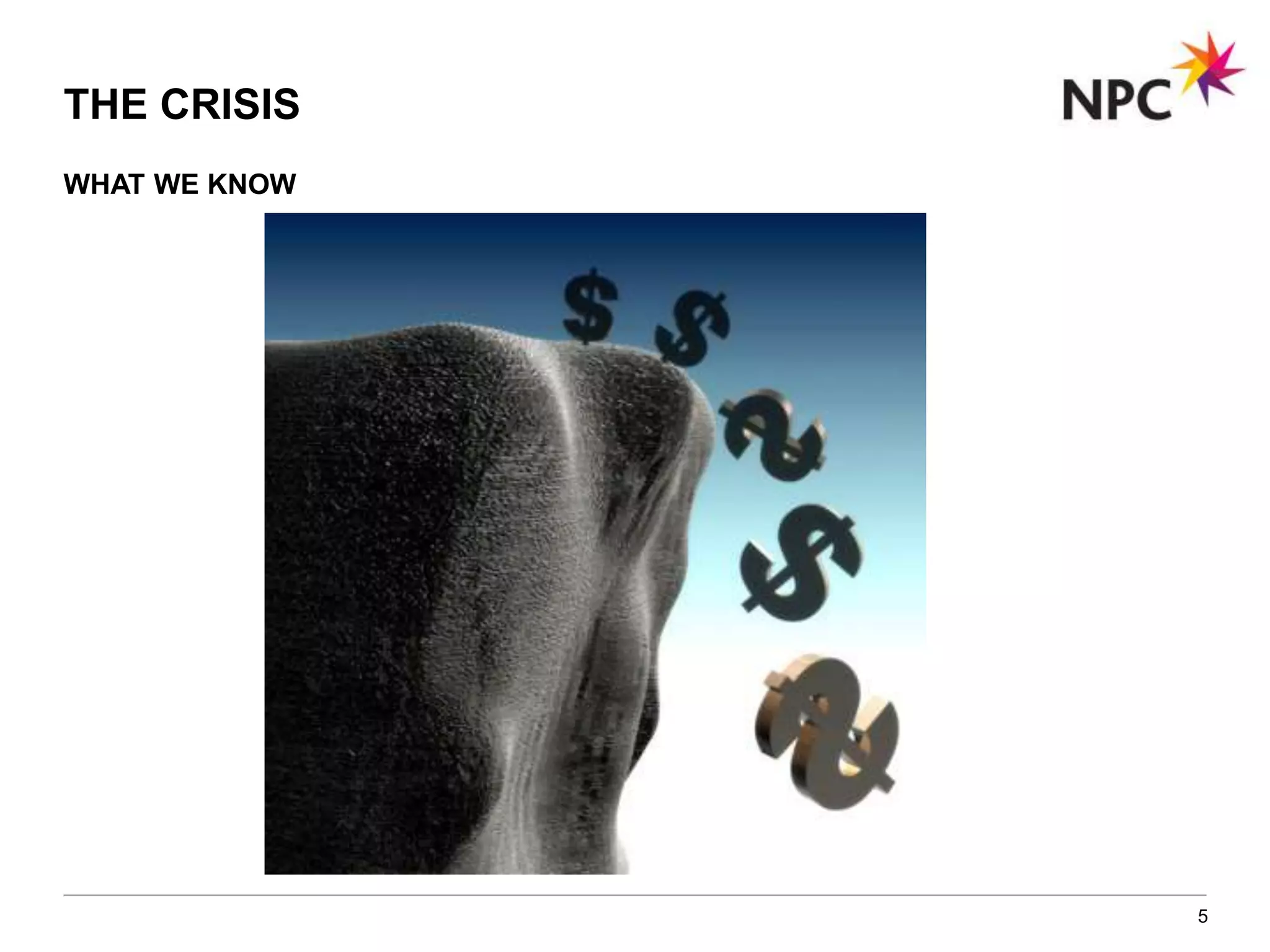
THE CRISIS
WHAT WE KNOW
5
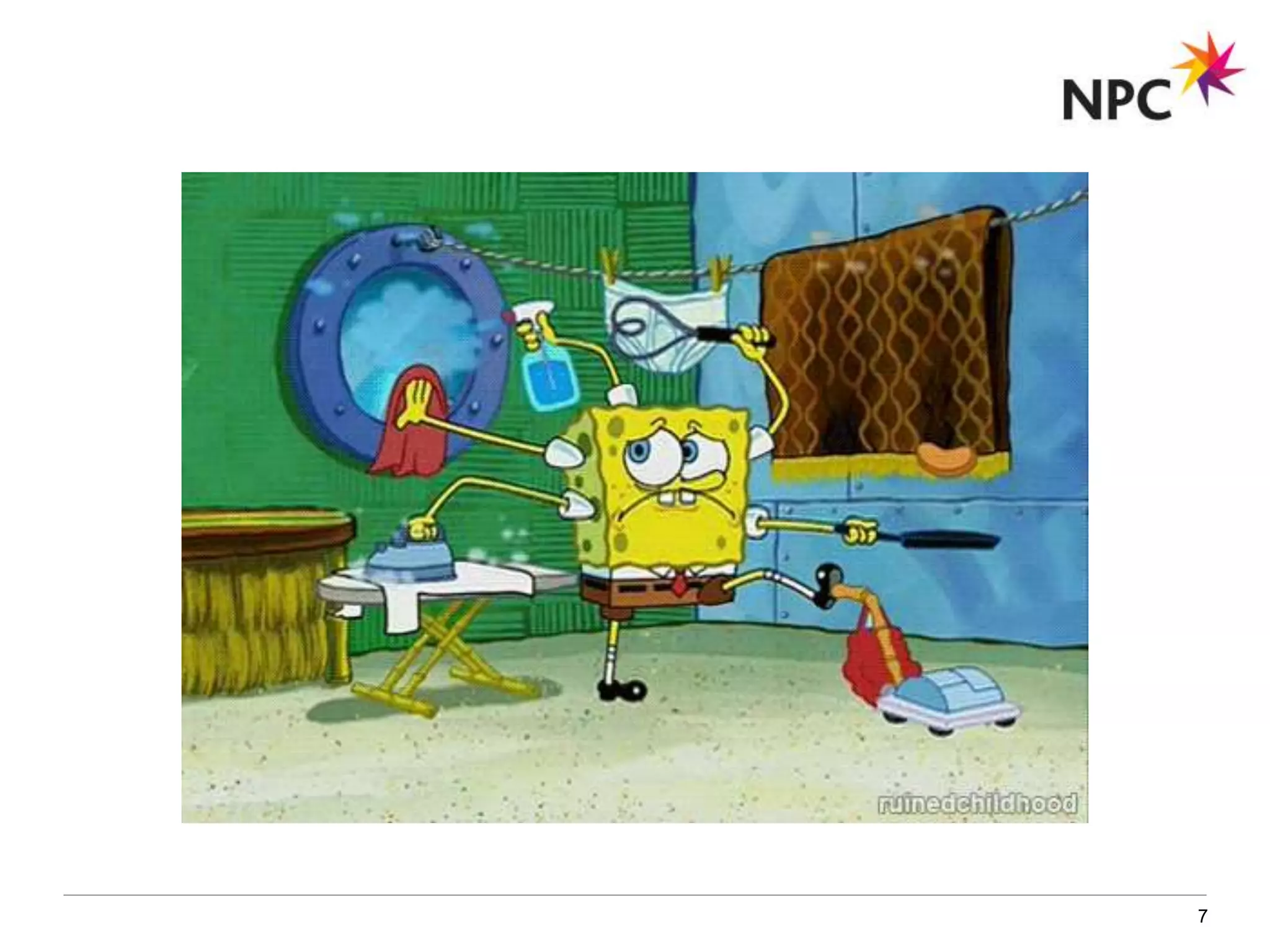
BEYOND FINANCIAL HEALTH…
• Waves of need, spikes in demand
• Services, already shifted and reshaped, further squeezed
• Managers managing major changes to workforce..
• .. Which is stressed, strained, separated
• Continued – and ever changing – restrictions
• Emotional / psychological strain
• Etc…
6
THE CRISIS
7
8
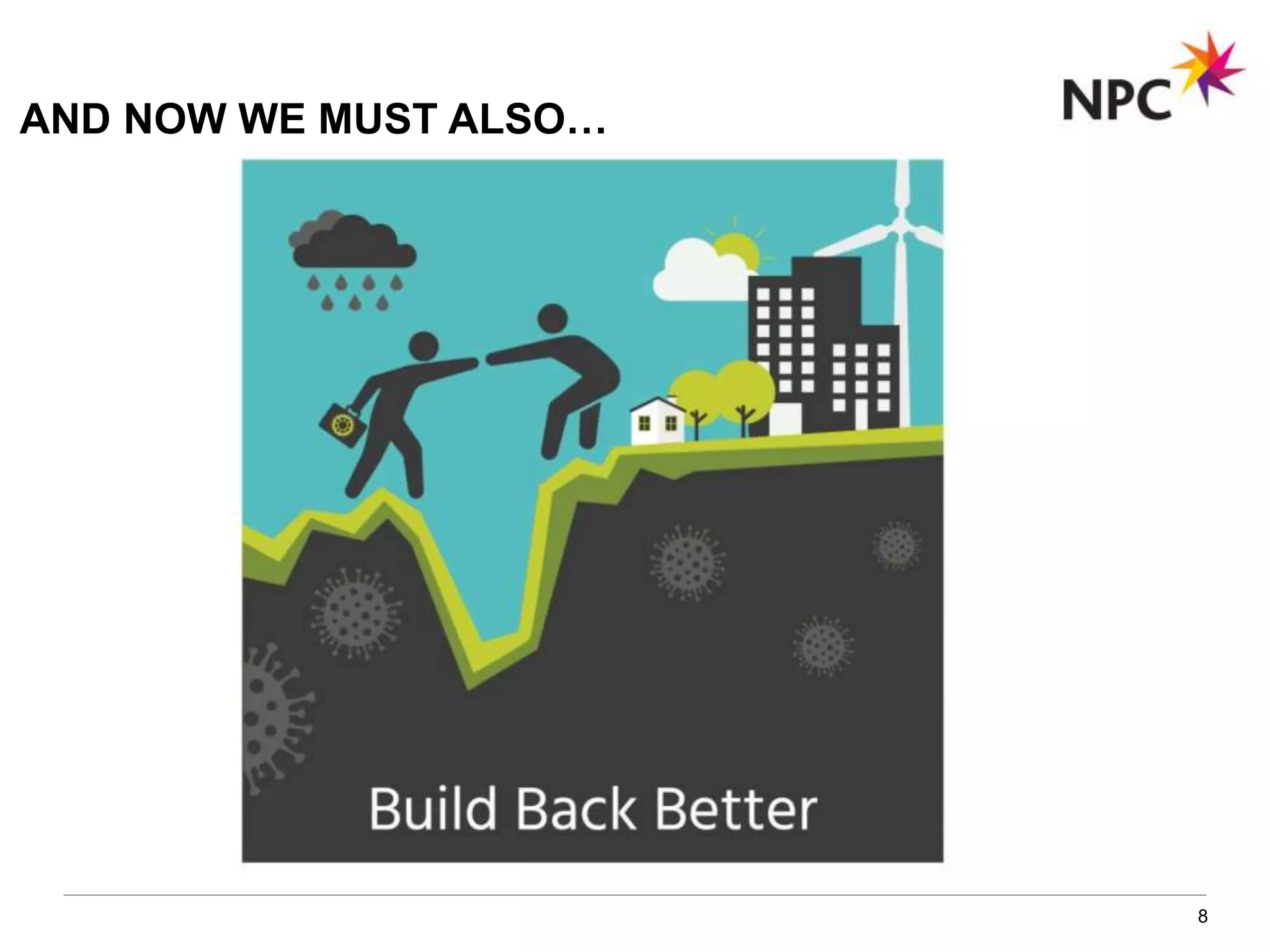
AND NOW WE MUST ALSO…
9
AND THEN…
10
11
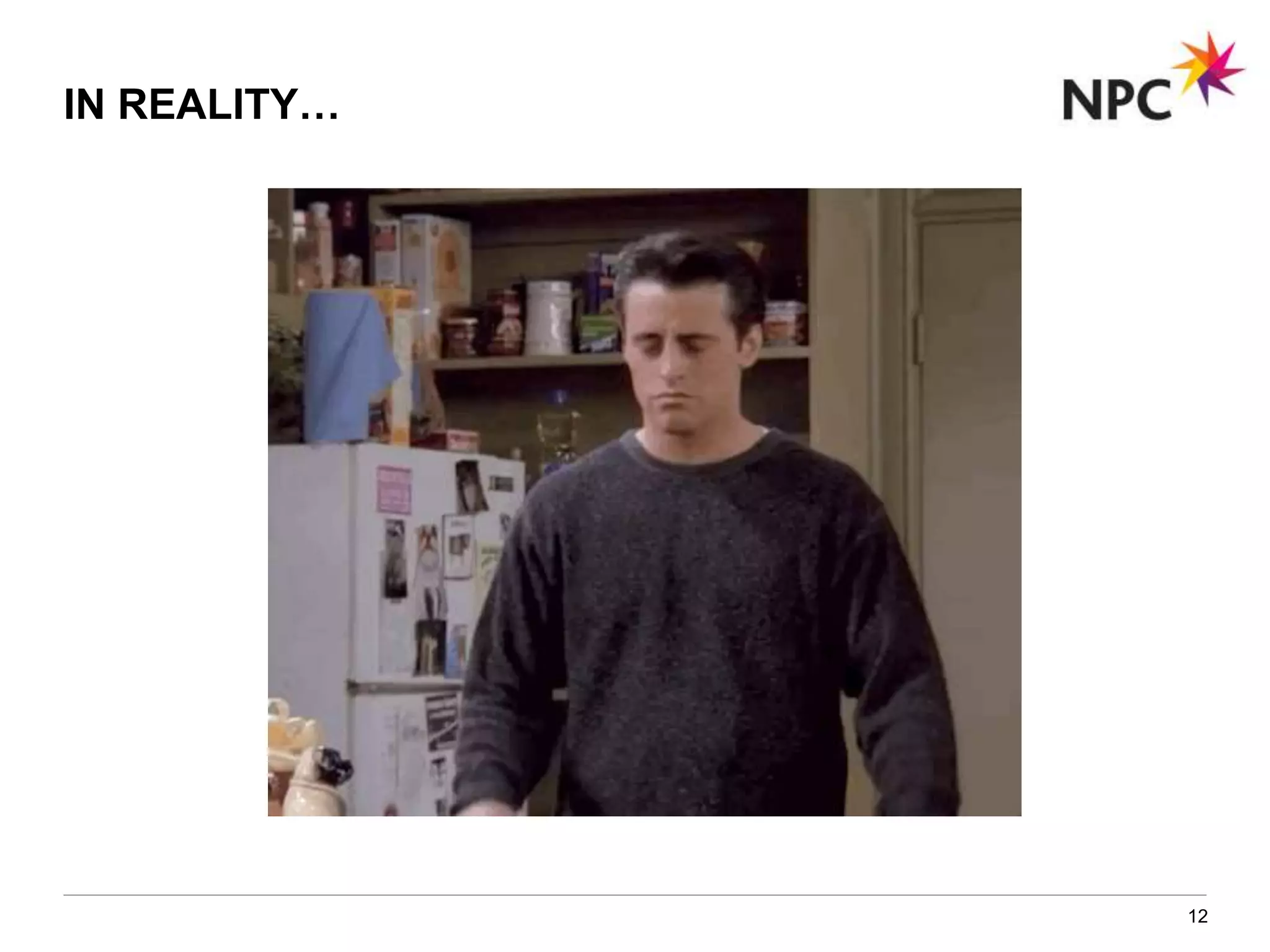
IN REALITY…
12
13
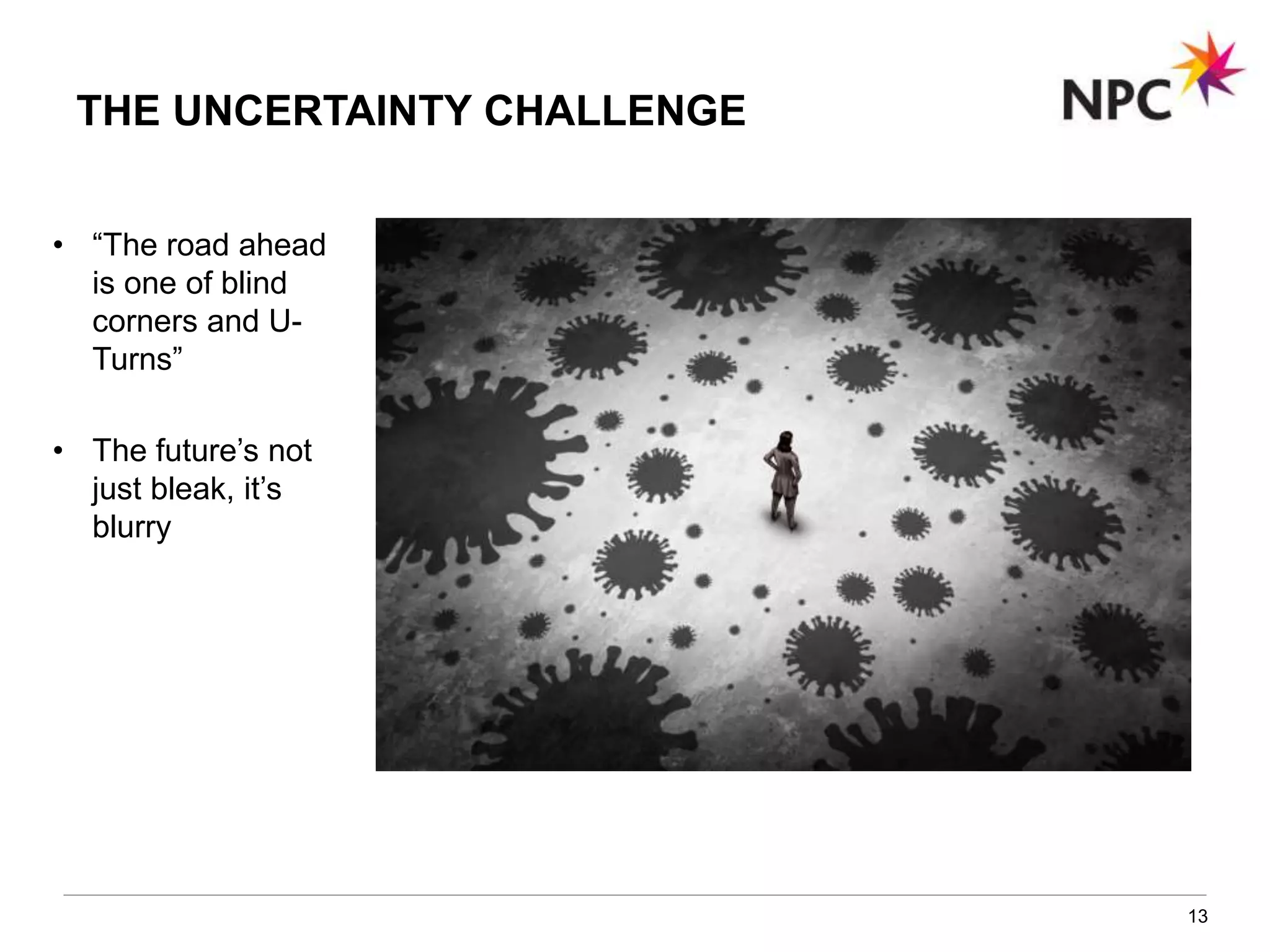
THE UNCERTAINTY CHALLENGE
• “The road ahead
is one of blind
corners and U-
Turns”
• The future’s not
just bleak, it’s
blurry
• Many charities shown great adaptability, agility, innovation and resilience
• Even funders - expansion of flexibility and unrestricted grants
• Rapid digitisation
• Move to more flexible and agile working
• New forms of volunteerism and civic participation
• Increased collaboration
• Proliferation of spaces for sharing learning and knowledge
• More empathy, more humanity?
14
AND YET… LOOK AT WHAT WE’VE DONE
SYSTEMS SHIFT TO SYSTEMS
CHANGE?
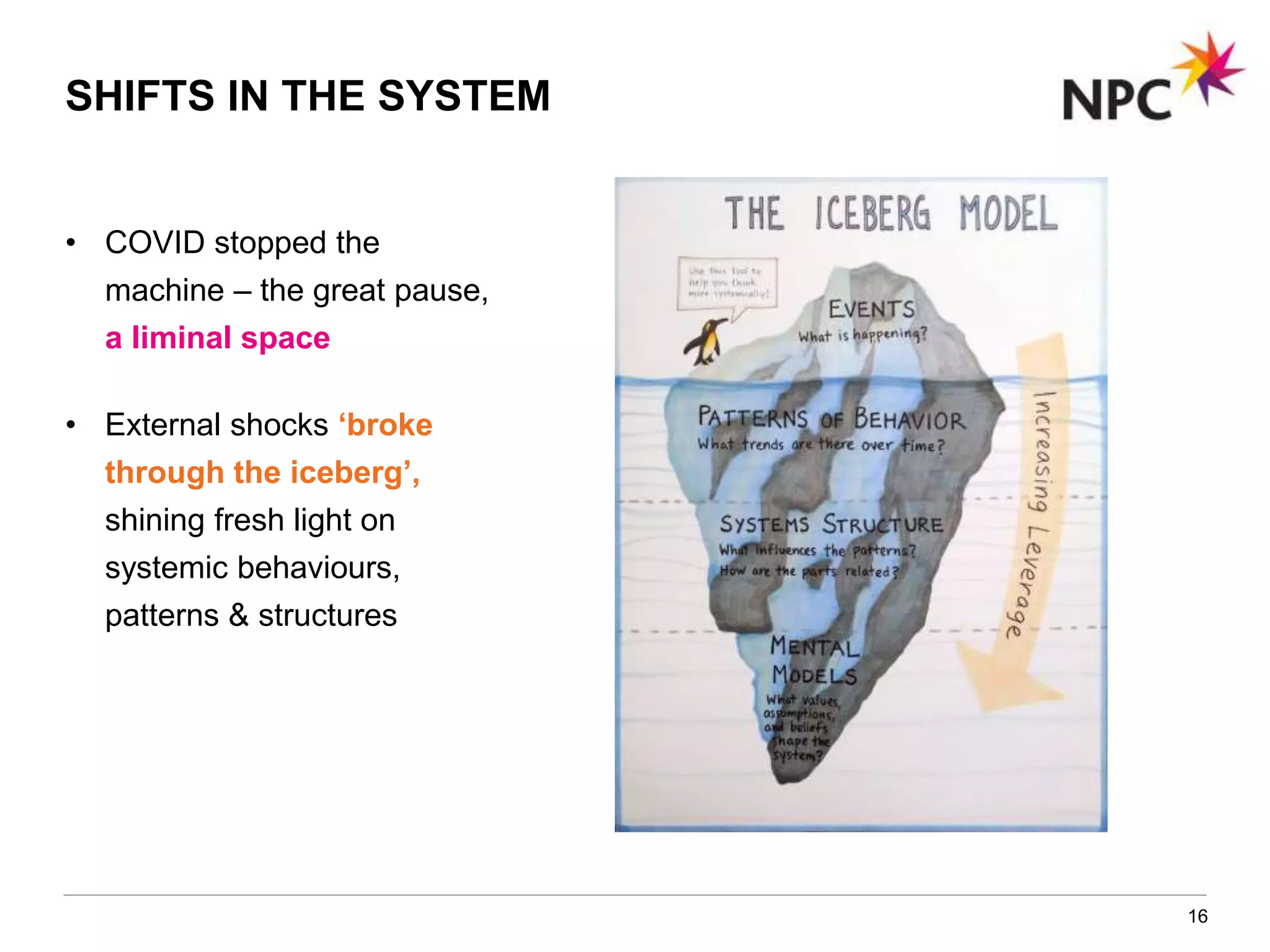
• COVID stopped the
machine – the great pause,
a liminal space
• External shocks ‘broke
through the iceberg’,
shining fresh light on
systemic behaviours,
patterns & structures
16
SHIFTS IN THE SYSTEM
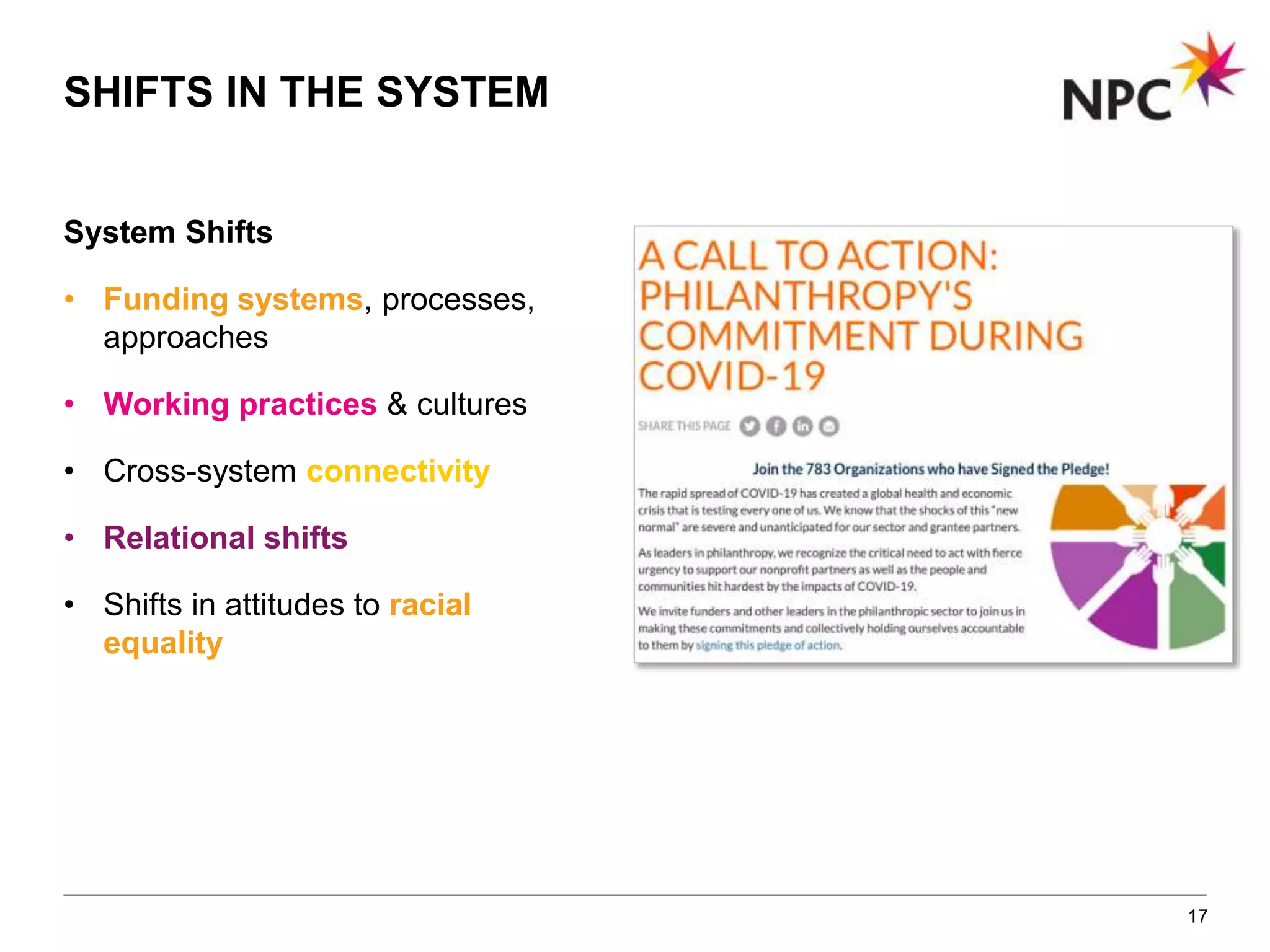
System Shifts
• Funding systems, processes,
approaches
• Working practices & cultures
• Cross-system connectivity
• Relational shifts
• Shifts in attitudes to racial
equality
17
SHIFTS IN THE SYSTEM
• Systems shift in crises… But then they revert
• Collaboration – from ‘let’s work together to fix this’ to ’whose budget
line is this coming from’? (Jon Clemo)
• Coordination – from ‘self-organising’ to ‘too busy trying to survive’
• Systems ping back because we do
18
THE PING-BACK
19
• 1) Self (Mind-shift) 2) Organisational
(operational) shift; 3) System shift
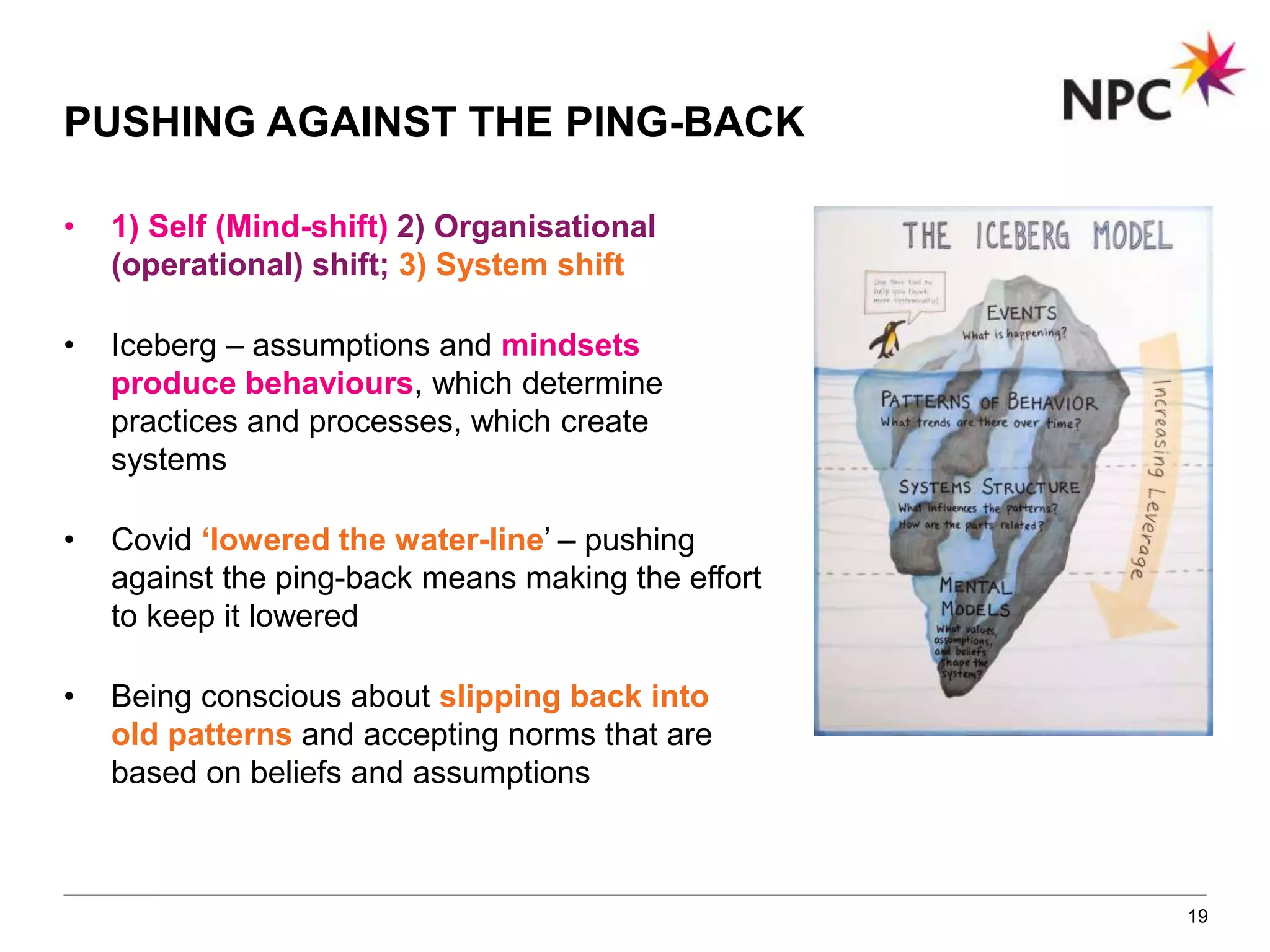
• Iceberg – assumptions and mindsets
produce behaviours, which determine
practices and processes, which create
systems
• Covid ‘lowered the water-line’ – pushing
against the ping-back means making the effort
to keep it lowered
• Being conscious about slipping back into
old patterns and accepting norms that are
based on beliefs and assumptions
PUSHING AGAINST THE PING-BACK
20
PUSHING AGAINST THE PING-BACK
Self
• Fight our own ping-back, by challenging our assumptions/ mental
models:
• Collaboration example.. why can’t we collaborate in the same way?
• ‘Both-and’ thinking - both a crisis and an opportunity
• Collective sensing / sense-making – not assuming
21
PUSHING AGAINST THE PING BACK
Self
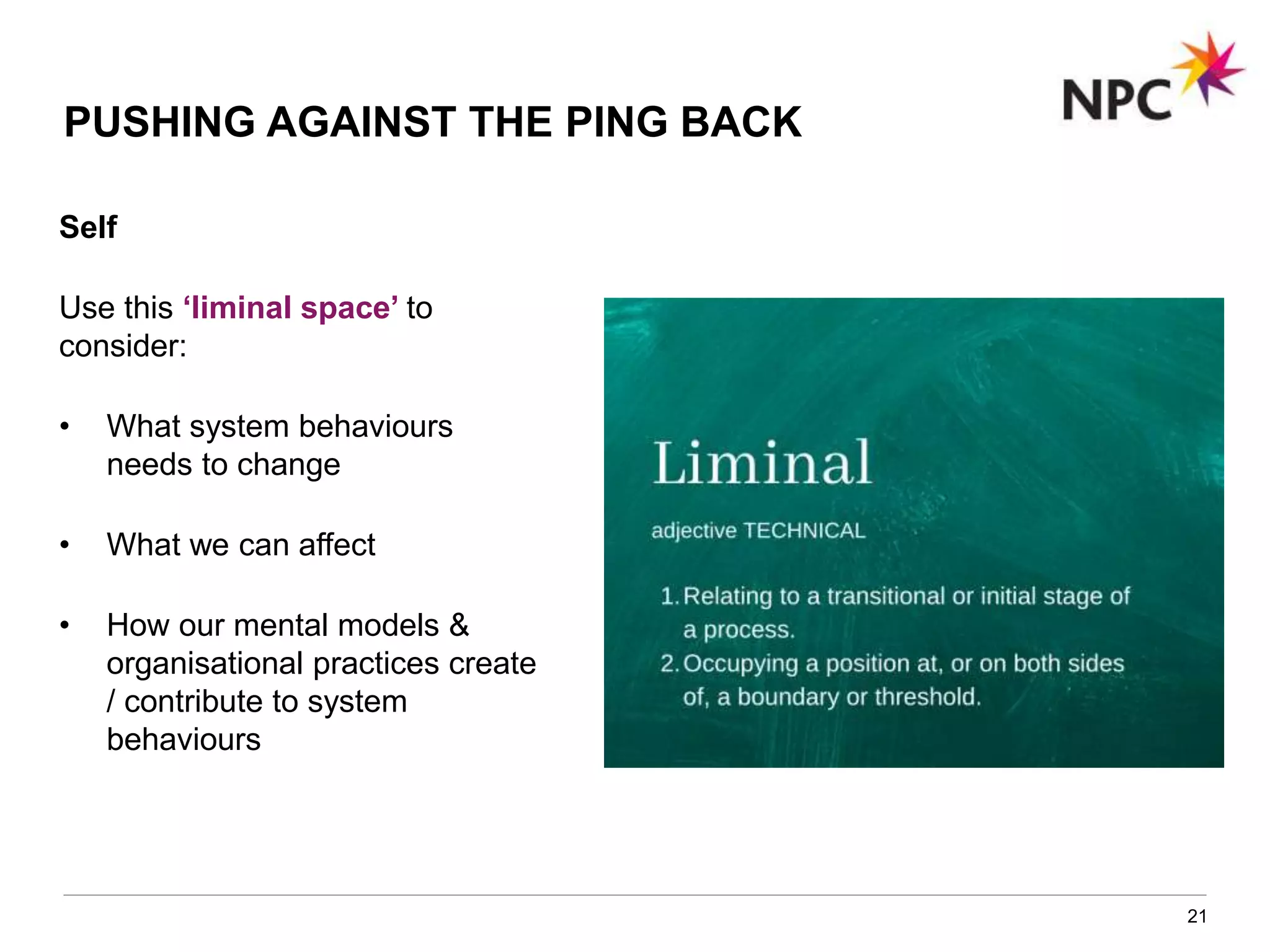
Use this ‘liminal space’ to
consider:
• What system behaviours
needs to change
• What we can affect
• How our mental models &
organisational practices create
/ contribute to system
behaviours
22
System
• What does BBB mean for how we work as a
sector? What Covid shifts should we make
changes?
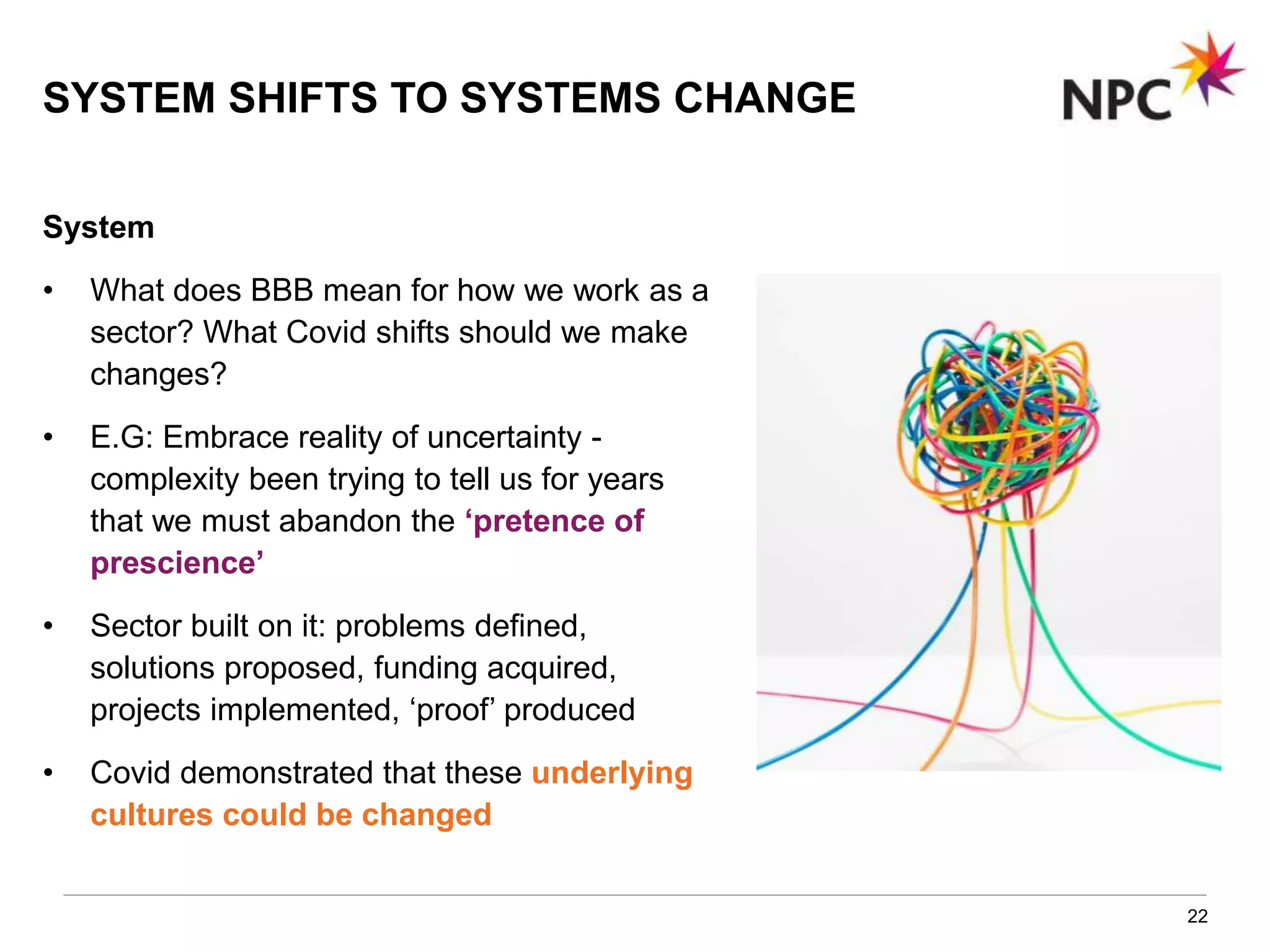
• E.G: Embrace reality of uncertainty -
complexity been trying to tell us for years
that we must abandon the ‘pretence of
prescience’
• Sector built on it: problems defined,
solutions proposed, funding acquired,
projects implemented, ‘proof’ produced
• Covid demonstrated that these underlying
cultures could be changed
SYSTEM SHIFTS TO SYSTEMS CHANGE
23
Organisation/ operation
• Covid forcing us to work differently– to work with uncertainty & complexity
• How should our working practices adapt?
• Logframes and 5-year plans vs flexible cycles of planning, action,
review?
• Reflected in funding agreements?
• Working with complexity means preparing for different scenarios – are we
reactive or proactive?
• Are we sufficiently connected/ networked?
SYSTEM SHIFTS TO SYSTEMS CHANGE
24
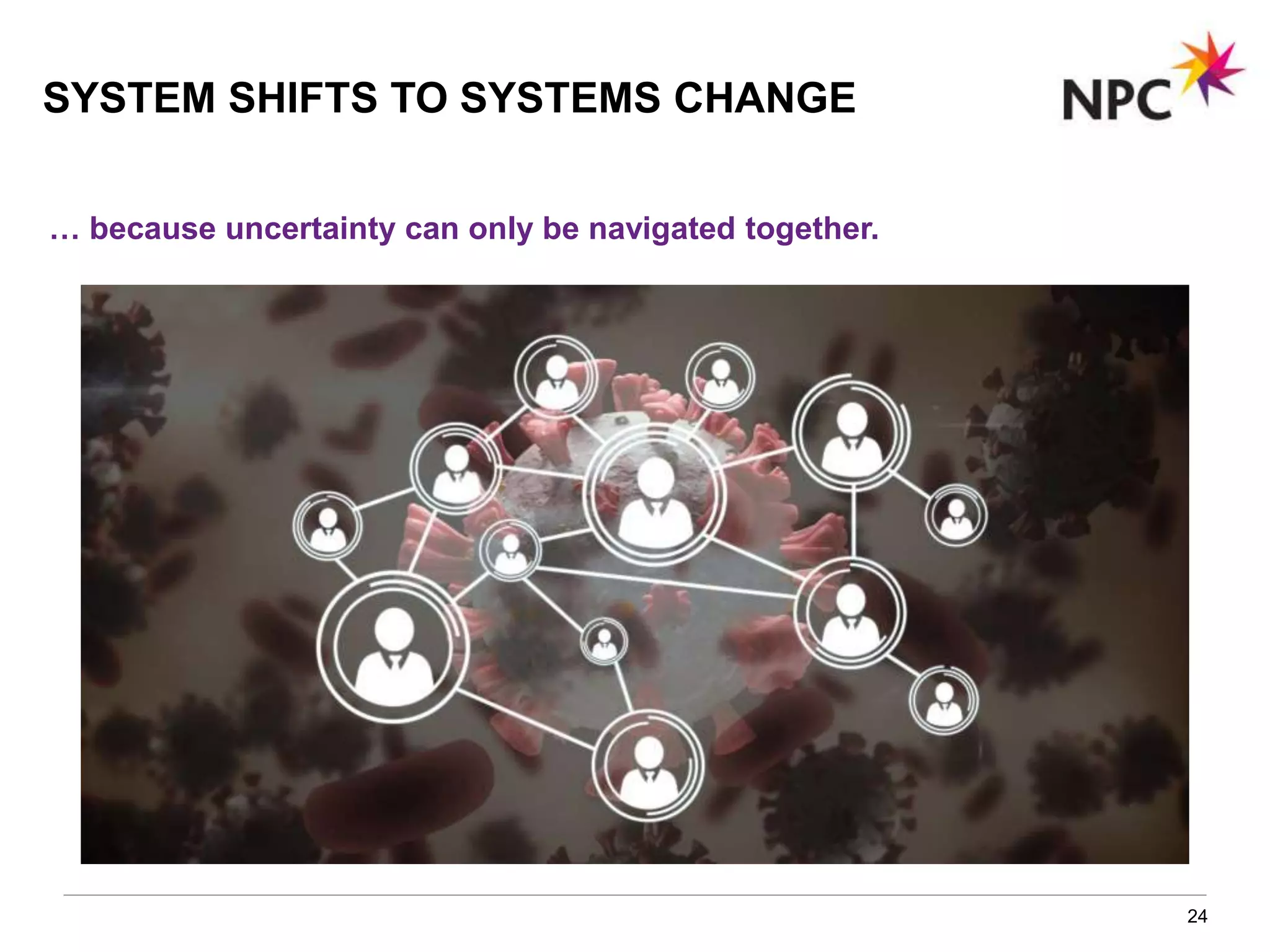
… because uncertainty can only be navigated together.
SYSTEM SHIFTS TO SYSTEMS CHANGE
25
seth.reynolds@thinknpc.org
seth_alex

Building and shaping a better future

  • 1.
    v SYSTEMS CHANGE INTIMES OF CRISIS Seth Reynolds PRINCIPAL CONSULTANT, SYSTEMS CHANGE: NPC
  • 3.
  • 4.
    1. CRISIS.. OROPPORTUNITY?
  • 5.
  • 6.
    BEYOND FINANCIAL HEALTH… •Waves of need, spikes in demand • Services, already shifted and reshaped, further squeezed • Managers managing major changes to workforce.. • .. Which is stressed, strained, separated • Continued – and ever changing – restrictions • Emotional / psychological strain • Etc… 6 THE CRISIS
  • 7.
  • 8.
    8 AND NOW WEMUST ALSO…
  • 9.
  • 10.
  • 11.
  • 12.
  • 13.
    13 THE UNCERTAINTY CHALLENGE •“The road ahead is one of blind corners and U- Turns” • The future’s not just bleak, it’s blurry
  • 14.
    • Many charitiesshown great adaptability, agility, innovation and resilience • Even funders - expansion of flexibility and unrestricted grants • Rapid digitisation • Move to more flexible and agile working • New forms of volunteerism and civic participation • Increased collaboration • Proliferation of spaces for sharing learning and knowledge • More empathy, more humanity? 14 AND YET… LOOK AT WHAT WE’VE DONE
  • 15.
    SYSTEMS SHIFT TOSYSTEMS CHANGE?
  • 16.
    • COVID stoppedthe machine – the great pause, a liminal space • External shocks ‘broke through the iceberg’, shining fresh light on systemic behaviours, patterns & structures 16 SHIFTS IN THE SYSTEM
  • 17.
    System Shifts • Fundingsystems, processes, approaches • Working practices & cultures • Cross-system connectivity • Relational shifts • Shifts in attitudes to racial equality 17 SHIFTS IN THE SYSTEM
  • 18.
    • Systems shiftin crises… But then they revert • Collaboration – from ‘let’s work together to fix this’ to ’whose budget line is this coming from’? (Jon Clemo) • Coordination – from ‘self-organising’ to ‘too busy trying to survive’ • Systems ping back because we do 18 THE PING-BACK
  • 19.
    19 • 1) Self(Mind-shift) 2) Organisational (operational) shift; 3) System shift • Iceberg – assumptions and mindsets produce behaviours, which determine practices and processes, which create systems • Covid ‘lowered the water-line’ – pushing against the ping-back means making the effort to keep it lowered • Being conscious about slipping back into old patterns and accepting norms that are based on beliefs and assumptions PUSHING AGAINST THE PING-BACK
  • 20.
    20 PUSHING AGAINST THEPING-BACK Self • Fight our own ping-back, by challenging our assumptions/ mental models: • Collaboration example.. why can’t we collaborate in the same way? • ‘Both-and’ thinking - both a crisis and an opportunity • Collective sensing / sense-making – not assuming
  • 21.
    21 PUSHING AGAINST THEPING BACK Self Use this ‘liminal space’ to consider: • What system behaviours needs to change • What we can affect • How our mental models & organisational practices create / contribute to system behaviours
  • 22.
    22 System • What doesBBB mean for how we work as a sector? What Covid shifts should we make changes? • E.G: Embrace reality of uncertainty - complexity been trying to tell us for years that we must abandon the ‘pretence of prescience’ • Sector built on it: problems defined, solutions proposed, funding acquired, projects implemented, ‘proof’ produced • Covid demonstrated that these underlying cultures could be changed SYSTEM SHIFTS TO SYSTEMS CHANGE
  • 23.
    23 Organisation/ operation • Covidforcing us to work differently– to work with uncertainty & complexity • How should our working practices adapt? • Logframes and 5-year plans vs flexible cycles of planning, action, review? • Reflected in funding agreements? • Working with complexity means preparing for different scenarios – are we reactive or proactive? • Are we sufficiently connected/ networked? SYSTEM SHIFTS TO SYSTEMS CHANGE
  • 24.
    24 … because uncertaintycan only be navigated together. SYSTEM SHIFTS TO SYSTEMS CHANGE
  • 25.

Editor's Notes

  • #10 BBB Joe says
  • #11 BBB says charity retail conference (bit premature!) Politicians not the only ones propagating unrealistic ideas through now devalued slogans
  • #12 BBB says Boris Unfortunate hand gesture – I think he’s just signalling a strong and clear forward mortion
  • #13 In reality it looks a bit more like this
  • #14 Because the road ahead is one of.. Many u-tuns to come We are standing in a sea of covid-confusion The future’s bleak not just bleak it’s blurry - that’s sometimes worse, iunless you can figurte out how to work with that
  • #15 Bc it has been bleak and it has ben blurry, and yet.. Been able to do things not in spite of but because of the uncertainty Because those kidn of circumstances force us to. When Covid first broke and things like this started happening people started talking about systems change. This is of course premature. But some of these may be examples or illustrations of shifts in the system.. The question is how do we turn systems shift into systems change
  • #17 Covid stopped the machine – pause, liminal, opportunity for people to stop and see.. Observe.. Question.. There’ s a metaphor used in systems thinking that I quite like- the iceberg .. Iceberg– top are the events, the things we see, underneath are the patterns that build up over time which create those events, underneath are th system structures that create the patterms and underneath that are our beliefs and mindset – referred to here as mental models Covid ‘lowered the waterline – brought to the surface what we don’t normally see, or aren’t aware of example of funding systems – Covid provided a sudden shock to the system that revealed patterns and structures that were inhibiting system effectiveness – in this case, how charities are unable to use resource and the constraints current system behaviour put on their ability to use them efficiently and effectively – and crucially, in a way that allows them to adapt and respond to the complexity of the situation around them The sudden shift to flexible funding models during Covid instantly showed that it is perfectly possible to change entire systems based on how we see things and what we decide. This is true at all times, not just in covid times. It’s just hard to access when we’re not in crisis Crisis breaks open that parameters – suddenly the norms and patterns have gone or been widened. That makes things possible that were previously constrained by those norms and patterns. But remember that the norms and patterns have been created by our beliefs and mental models
  • #18  Some examples of shifts that Covid has caused – many others that won’t be clear to me, or perhaps to anyone yet Cross system connectivity - collaboration – many charities I’ve spoken to have talked of an increase in collaborative, cross-system working – new alliances based on need.
  • #19 Systems shift in crises - but then there’s the pingback Systems are stubborn –they have built up over time and we all have a lot invested in them. So they tend to revert – we tend to revert Coming back to this collaboration example – Quote here from your NCAN CEO – conversation last week and he also mentioned collaboration as an example of the challenges we’re facing – during Covid it’s ‘work together’ then it’s ‘whose budget line..’ We all say we want it to continue but then do we do the same things as before – look at my budget line - do we also revert?
  • #20 So how do we prevent the ping back? IF we Invert the iceberg - we can think about three layers.. Mind-shift; 2) Operational / organisational shift; 3) System shift – start with the mindshifts..
  • #21 THREE LEVELS– Self, Org, System Pushing against the ping back means Challenging  ourselves and our thinking- our assumpotions and mental models that help produce our systems Collaboration example - why can’t we collab in the same way? What is blocking it? (ie capacity/ funding for it/ clear roles?) What can we do about that? Maybe can, maybe can’t but often what we do is based on our assumptions, so we should check them Both and thinking… questions ourselves.. It’s a crisis – I can’t innovate / can’t BBB.. Could it be both? Rethink Rebuild example Culturally, we are quite wedded to singular narratives – we are good or bad, the outlook is positive or negative; we must look to the present or the future. This artificial polarity doesn't reflect our complex and often contradictory reality. Covid is both a crisis and an opportunity, we need to both survive the crisis and rethink fundamental system failures; we need to both recover and rebuild.
  • #22  Question how we are responding.. Make use of moment to question & consider – Still in this liminal space
  • #23 We should be identifying the thigns that Covid has shifted that we want to turn into changes.. For example.. Covid has shown us what complexity has been trying to tell us for years – that our way of working across the whole sector is based on the fallacy of predictability It also showed us they could be changed – by changing the assumptions that lead to these practices and then systems behaviour – most importantly, it showed us (and funders!) that it’s perfectly possible to do things differently Covid reinforced that what charities can do is constrained by can only do what funders let them do .. When funders loosened the restricted funding reins.. Charities were able to adapt
  • #24 It has also shown us how to work better with that complexity – be more adaptive, more resposnive By building our adaptive capacity it has strengthened our resilience Built our capacity for agile working It’s centralised the importance of agile strategy / culture It has potentially sounded the death knell of the lograme? Showed need for shorter cycles of planning / action – something we;’ve known for a long time but perhaps not embedded Prepare for different scenarios – reactive or proactive? Increase ‘cross-system connectivity’…