Developing a Brand Name
• Brand Name - a name, symbol, or other
feature that distinguishes a seller's goods
or services in the marketplace
• major differentiator of the entrepreneur
against the competitors. It is the
marketing element that sticks to the mind
of the target customers and the public.
BRAND
• A brand refers to the identity of a
company, of a product, of service, or an
entrepreneur himself or herself.
• The brand sets the image of the business
to the public.
• A good brand not just entices customers to
try the product but makes them loyal too.
Brand management
• the supervision of the tangible and
intangible elements of a brand.
• Tangible Elements include the product itself,
its packaging, its price, and its location.
• Intangible Elements, on the other hand,
include the perception and relationship of the
customers with the brand.
Branding
• Powerful and sustainable high-level marketing strategy
used to create or influence a brand. Branding as a
strategy to distinguish products and companies and to
build economic value to both customers and to brand
owners
• The process of creating a strong, positive perception of a
company, its products or services in the customer's mind
by combining such elements as logo, design, mission
statement, and a consistent theme throughout all
marketing communications.
• Branding doesn't just consist of a logo, design,
etc. More than anything, it's an opportunity for
you to tell your customers your story and how you
are different.
• Your brand should create feelings in your
customers. It builds trust and a connection with
them.
Branding
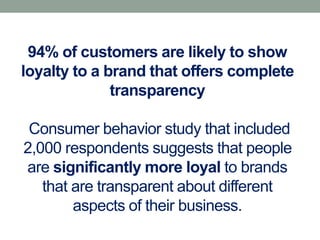
94% of customers are likely to show
loyalty to a brand that offers complete
transparency
Consumer behavior study that included
2,000 respondents suggests that people
are significantly more loyal to brands
that are transparent about different
aspects of their business.
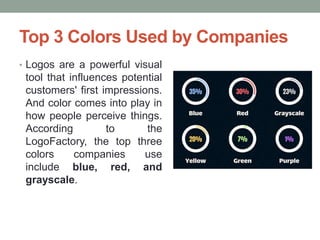
Top 3 Colors Used by Companies
• Logos are a powerful visual
tool that influences potential
customers' first impressions.
And color comes into play in
how people perceive things.
According to the
LogoFactory, the top three
colors companies use
include blue, red, and
grayscale.
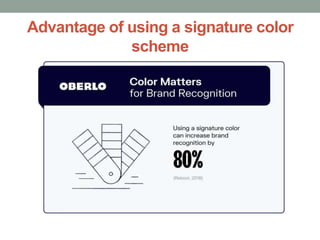
Advantage of using a signature color
scheme
Characteristics of an Ideal Brand Name
1. Short and simple.
2. Easy to Spell, Pronounce, and
Remember.
3. Pronounceable in only one way.
4. Indicative of the benefits of the product or
service.
5. Easy to adapt to packaging and labeling
requirements to any form of advertising.
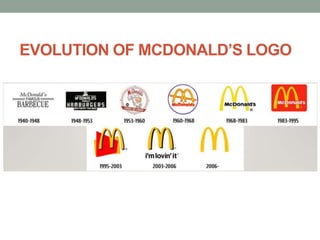
EVOLUTION OF MCDONALD’S LOGO
DIFFERENT BRANDING
STRATEGY APPROACH
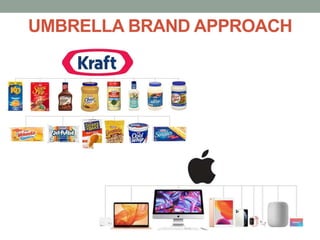
1. UMBRELLA BRAND APPROACH
a marketing practice that
involves selling numerous
associated products under the
name of a single brand.
UMBRELLA BRAND APPROACH
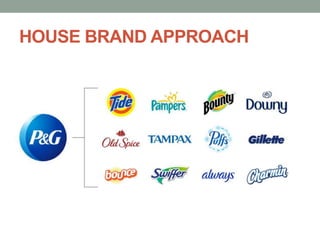
2. HOUSE BRAND APPROACH
an approach wherein every
product of the same
company has individual
branding that distinguishes
itself from others.
HOUSE BRAND APPROACH
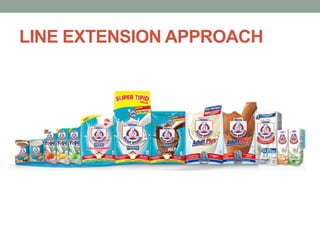
3. LINE EXTENSION APPROACH
making new products for your
customers or for prospects who do
not currently buy from you. This
involves adding new features to
existing products, rather than
developing completely new.
LINE EXTENSION APPROACH
The Power of Branding
branding influences all aspects
of your business. It is both the
body and soul of your
company. You need to consider
how you choose to present your
brand to the world.
My Imaginary Product
•Draw your product and give it a
name.
•Draw it in a letter size bond paper.
•Write a short explanation by
describing the product and why
you come up with its name.

BRANDING.pptx

  • 2.
    Developing a BrandName • Brand Name - a name, symbol, or other feature that distinguishes a seller's goods or services in the marketplace • major differentiator of the entrepreneur against the competitors. It is the marketing element that sticks to the mind of the target customers and the public.
  • 3.
    BRAND • A brandrefers to the identity of a company, of a product, of service, or an entrepreneur himself or herself. • The brand sets the image of the business to the public. • A good brand not just entices customers to try the product but makes them loyal too.
  • 4.
    Brand management • thesupervision of the tangible and intangible elements of a brand. • Tangible Elements include the product itself, its packaging, its price, and its location. • Intangible Elements, on the other hand, include the perception and relationship of the customers with the brand.
  • 5.
    Branding • Powerful andsustainable high-level marketing strategy used to create or influence a brand. Branding as a strategy to distinguish products and companies and to build economic value to both customers and to brand owners • The process of creating a strong, positive perception of a company, its products or services in the customer's mind by combining such elements as logo, design, mission statement, and a consistent theme throughout all marketing communications.
  • 6.
    • Branding doesn'tjust consist of a logo, design, etc. More than anything, it's an opportunity for you to tell your customers your story and how you are different. • Your brand should create feelings in your customers. It builds trust and a connection with them. Branding
  • 7.
    94% of customersare likely to show loyalty to a brand that offers complete transparency Consumer behavior study that included 2,000 respondents suggests that people are significantly more loyal to brands that are transparent about different aspects of their business.
  • 8.
    Top 3 ColorsUsed by Companies • Logos are a powerful visual tool that influences potential customers' first impressions. And color comes into play in how people perceive things. According to the LogoFactory, the top three colors companies use include blue, red, and grayscale.
  • 9.
    Advantage of usinga signature color scheme
  • 10.
    Characteristics of anIdeal Brand Name 1. Short and simple. 2. Easy to Spell, Pronounce, and Remember. 3. Pronounceable in only one way. 4. Indicative of the benefits of the product or service. 5. Easy to adapt to packaging and labeling requirements to any form of advertising.
  • 11.
  • 12.
  • 13.
    1. UMBRELLA BRANDAPPROACH a marketing practice that involves selling numerous associated products under the name of a single brand.
  • 14.
  • 15.
    2. HOUSE BRANDAPPROACH an approach wherein every product of the same company has individual branding that distinguishes itself from others.
  • 16.
  • 17.
    3. LINE EXTENSIONAPPROACH making new products for your customers or for prospects who do not currently buy from you. This involves adding new features to existing products, rather than developing completely new.
  • 18.
  • 19.
    The Power ofBranding branding influences all aspects of your business. It is both the body and soul of your company. You need to consider how you choose to present your brand to the world.
  • 21.
    My Imaginary Product •Drawyour product and give it a name. •Draw it in a letter size bond paper. •Write a short explanation by describing the product and why you come up with its name.