Downloaded 18 times
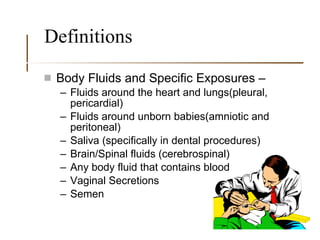
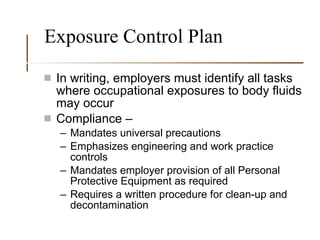
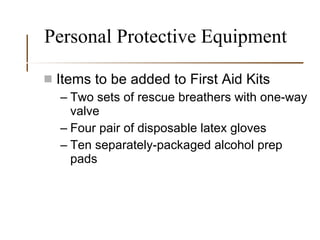
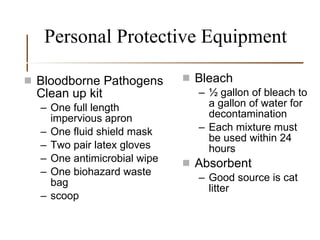

This document summarizes OSHA regulations and best practices for handling bloodborne pathogens. It outlines the two most common bloodborne pathogens, hepatitis B and HIV, and notes that a vaccine exists to prevent hepatitis B. The standard requires employers to create an exposure control plan, provide personal protective equipment like gloves and masks, and maintain training and medical records. Following universal precautions like good hand hygiene and properly disposing of contaminated waste is essential to preventing the spread of bloodborne diseases.


![CASE_PRESENTATION_ON_subdural_hematoma(SDH)[1 FINAL PPT]-1.pptx](https://cdn.slidesharecdn.com/ss_thumbnails/casepresentationonsubduralhematomasdh1finalppt-1-260129172522-d405d375-thumbnail.jpg?width=640&height=640&fit=bounds)


