








COOK® Incorporated
WHY ARE WE HERE?
• OSHA BB Pathogen standard
– anyone whose job requires exposure to BB
pathogens is required to complete training
– employees who are trained in CPR and first aid
• The more you know, the better you will
perform in real situations!
What is a BB Pathogen?
Microorganisms that are carried
in the blood that can cause
disease in humans
Common BB Pathogen Diseases
• Malaria
• Brucellosis
• Syphilis
• Hepatitis B(HBV)
• Hepatitis C(HCV)
• Human
Immunodeficiency
Virus (HIV)
• HIV is the virus that leads to AIDS
• HIV depletes the immune system
• HIV does not survive well outside the body
• No threat on contracting HIV through
casual contact
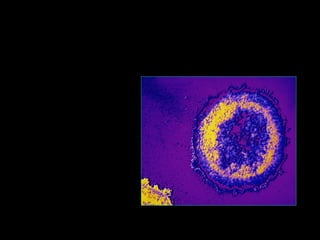
Human Immunodeficiency Virus
(HIV)
Hepatitis B (HBV)
• 1—1.25 million
Americans are
chronically infected
• Symptoms include:
jaundice, fatigue,
abdominal pain, loss
of appetite,
intermittent nausea,
vomiting
• May lead to chronic
liver disease, liver
cancer, and death
• Vaccination available
since 1982
• HBV can survive for
at least one week in
dried blood
• Symptoms can occurr
1-9 months after
exposure
Hepatitis C (HCV)
• Hepatitis C is the most common chronic
bloodborne infection in the United States
• Symptoms include: jaundice, fatigue,
abdominal pain, loss of appetite,
intermittent nausea, vomiting
• May lead to chronic liver disease and death
Potentially Infectious Bodily
Fluids
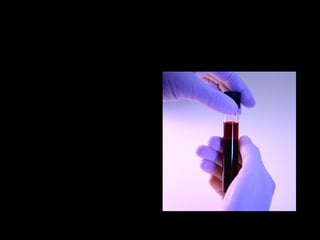
• Blood
• Saliva
• Vomit
• Urine
• Semen or vaginal
secretions
• Skin tissue, cell
cultures
• Chewing tobacco juice
• Any other bodily fluid
Transmission Potential
• Contact with another
person’s blood or
bodily fluid that may
contain blood
• Mucous membranes:
eyes, mouth, nose
• Non-intact skin
• Contaminated
sharps/needles
Your Exposure Potential
• Industrial accident
• Administering first aid
• Post-accident cleanup
• Handling of returned
product
• Janitorial or
maintenance work
• Handling of any waste
products
Universal Precautions
• Use of proper PPE
• Treat all blood and
bodily fluids as if
they are contaminated
• Proper cleanup and
decontamination
• Disposal of all
contaminated material
in the proper manner
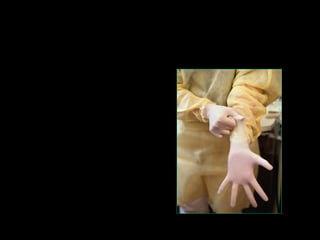
Personal Protective Equipment
(PPE)
• Anything that is used
to protect a person
from exposure
• Latex or Nitrile
gloves, goggles, CPR
mouth barriers,
aprons, respirators
PPE Rules to Remember
• Always check PPE for defects or tears
before using
• If PPE becomes torn or defective remove
and get new
• Remove PPE before leaving a contaminated
area
• Do not reuse disposable equipment
Decontamination
• When cleaning up surfaces use Hepacide
Quat®
• Do an initial wipe up
• Spray and allow it to stand for ten minutes
then wipe up
• Dispose of all wipes in biohazard containers
• PPE should be removed and disposed of in
biohazard containers
Hand Washing
• Wash hands
immediately after
removing PPE
• Use a soft antibacterial
soap
• A hand sanitizer can
be used but wash with
soap and water as soon
as possible therafter
Regulated Medical Waste
• Liquid or semi-liquid blood or other
potentially infectious material(OPIM)
• Contaminated items that would release
blood or OPIM when compressed
• Contaminated sharps
• Pathological and microbiological waste
containing blood or OPIM
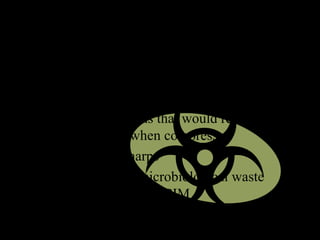
Signs & Labels
• Labels must include
the universal
biohazard symbol, and
the term “Biohazard”
must be attached to:
– containers of regulated
biohazard waste
– refrigerators or freezers
containing blood or
OPIM
– containers used to
store,
transport, or ship blood
Exposure Incident
• A specific incident of contact with potentially
infectious bodily fluid
• If there are no infiltrations of mucous
membranes
or open skin surfaces, it is not considered an
occupational exposure
• Report all accidents involving blood or
bodily fluids
• Post-exposure medical evaluations are
offered
Post-exposure Evaluation
• Confidential medical
evaluation
• Document route of
exposure
• Identify source
individual
• Test source
individuals blood
(with individuals
consent)
• Provide results to
exposed employee
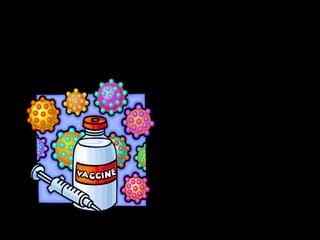
Hepatitis B Vaccination
• Strongly endorsed by
medical communities
• Offered to all
potentially exposed
employees
• Provided at no cost to
employees
• Declination form
Recordkeeping
Medical records include:
• Hepatitis B vaccination status
• Post-exposure evaluation and follow-up
results
Training records include:
• Training dates
• Contents of the training
• Signature of trainer and trainee
In Conclusion
BB pathogen rules are in place for
your health and safety
Failure to follow them is a risk that
does not need to be taken
Jason Spriggs X 3523
Chuck Sater X 3521
Safety Mailbox X 8600

Blood born pathogene

  • 1.
  • 2.
    WHY ARE WEHERE? • OSHA BB Pathogen standard – anyone whose job requires exposure to BB pathogens is required to complete training – employees who are trained in CPR and first aid • The more you know, the better you will perform in real situations!
  • 3.
    What is aBB Pathogen? Microorganisms that are carried in the blood that can cause disease in humans
  • 4.
    Common BB PathogenDiseases • Malaria • Brucellosis • Syphilis • Hepatitis B(HBV) • Hepatitis C(HCV) • Human Immunodeficiency Virus (HIV)
  • 5.
    • HIV isthe virus that leads to AIDS • HIV depletes the immune system • HIV does not survive well outside the body • No threat on contracting HIV through casual contact Human Immunodeficiency Virus (HIV)
  • 6.
    Hepatitis B (HBV) •1—1.25 million Americans are chronically infected • Symptoms include: jaundice, fatigue, abdominal pain, loss of appetite, intermittent nausea, vomiting • May lead to chronic liver disease, liver cancer, and death • Vaccination available since 1982 • HBV can survive for at least one week in dried blood • Symptoms can occurr 1-9 months after exposure
  • 7.
    Hepatitis C (HCV) •Hepatitis C is the most common chronic bloodborne infection in the United States • Symptoms include: jaundice, fatigue, abdominal pain, loss of appetite, intermittent nausea, vomiting • May lead to chronic liver disease and death
  • 8.
    Potentially Infectious Bodily Fluids •Blood • Saliva • Vomit • Urine • Semen or vaginal secretions • Skin tissue, cell cultures • Chewing tobacco juice • Any other bodily fluid
  • 9.
    Transmission Potential • Contactwith another person’s blood or bodily fluid that may contain blood • Mucous membranes: eyes, mouth, nose • Non-intact skin • Contaminated sharps/needles
  • 10.
    Your Exposure Potential •Industrial accident • Administering first aid • Post-accident cleanup • Handling of returned product • Janitorial or maintenance work • Handling of any waste products
  • 11.
    Universal Precautions • Useof proper PPE • Treat all blood and bodily fluids as if they are contaminated • Proper cleanup and decontamination • Disposal of all contaminated material in the proper manner
  • 12.
    Personal Protective Equipment (PPE) •Anything that is used to protect a person from exposure • Latex or Nitrile gloves, goggles, CPR mouth barriers, aprons, respirators
  • 13.
    PPE Rules toRemember • Always check PPE for defects or tears before using • If PPE becomes torn or defective remove and get new • Remove PPE before leaving a contaminated area • Do not reuse disposable equipment
  • 14.
    Decontamination • When cleaningup surfaces use Hepacide Quat® • Do an initial wipe up • Spray and allow it to stand for ten minutes then wipe up • Dispose of all wipes in biohazard containers • PPE should be removed and disposed of in biohazard containers
  • 15.
    Hand Washing • Washhands immediately after removing PPE • Use a soft antibacterial soap • A hand sanitizer can be used but wash with soap and water as soon as possible therafter
  • 16.
    Regulated Medical Waste •Liquid or semi-liquid blood or other potentially infectious material(OPIM) • Contaminated items that would release blood or OPIM when compressed • Contaminated sharps • Pathological and microbiological waste containing blood or OPIM
  • 17.
    Signs & Labels •Labels must include the universal biohazard symbol, and the term “Biohazard” must be attached to: – containers of regulated biohazard waste – refrigerators or freezers containing blood or OPIM – containers used to store, transport, or ship blood
  • 18.
    Exposure Incident • Aspecific incident of contact with potentially infectious bodily fluid • If there are no infiltrations of mucous membranes or open skin surfaces, it is not considered an occupational exposure • Report all accidents involving blood or bodily fluids • Post-exposure medical evaluations are offered
  • 19.
    Post-exposure Evaluation • Confidentialmedical evaluation • Document route of exposure • Identify source individual • Test source individuals blood (with individuals consent) • Provide results to exposed employee
  • 20.
    Hepatitis B Vaccination •Strongly endorsed by medical communities • Offered to all potentially exposed employees • Provided at no cost to employees • Declination form
  • 21.
    Recordkeeping Medical records include: •Hepatitis B vaccination status • Post-exposure evaluation and follow-up results Training records include: • Training dates • Contents of the training • Signature of trainer and trainee
  • 22.
    In Conclusion BB pathogenrules are in place for your health and safety Failure to follow them is a risk that does not need to be taken
  • 23.
    Jason Spriggs X3523 Chuck Sater X 3521 Safety Mailbox X 8600