Diary of A Teenage Bipolar
Jane Bryantz
What is bipolar disorder?
Previously known as manic-depressive
disorder.This disorder consists of mood swings.
Generally consists of two poles of emotions
that are opposite of one another.
What causes this disorder?
●
●
●
●
●

Genetics
Childhood experiences
Other life events
Neural processing
Melatonin activity
What are the symptoms?
Most common symptoms include…
●
●
●
●
●

depression
excessive happiness
anxiety
inability to make decisions
suicidal thoughts
What are a few warning signs?
● In some cases patients do not follow regular bipolar
disorder symptoms or they go unnoticed.
● Commonly overpowering negative emotions result in
self injury, or cutting.
● In manic or depressive episodes some people may
attempt suicide.
What are the risk factors?
Genetic factors - Most individuals have
relatives that suffer from depression or bipolar
disorder.
Neurological diseases & thyroid disease - these
carry similar symptoms that may be mistaken
for bipolar disorder
What are typical “phases” of a
bipolar individual ?
1. Mania - elevated mood and increased self-esteem
2. Depression-

may also consider suicide

3. A Mixed Episode-

mania and depression can be experienced at the same

time

4. Rapid Cycling -

4 or more different types of episodes in one year

5. Seasonal patterns -

moods triggered by a certain time of year
What are the treatment options?
Mood Stabilizers - such as lithium or antipsychotic drugs

Atypical Antipsychotics - provide greater symptoms relief

Psychotherapy - Seeing a therapist to help stabilize oneself
and prevent relapse or excessive episodes
How does a person cope ?
Firsthand, many individuals deny diagnosis.
But with the help of psychotherapy and the
correct medical treatments anyone with this
disorder can be pretty normal.
What are the demographics?
About 5.7 million adults, 18 and older, have bipolar
disorder in America.
That is

3 in every 100 adults.

70% of people with bipolar disorder will be misdiagnosed
at least once.
Interesting Facts
3 times or more a day a bipolar individual
experiences symptoms of depression.
Suicide rates are higher for those with bipolar
disorder.
The average set of onset for bipolar disorder is
25.
When I am feeling angry ...
I want to lash out at everyone.
When I am going through a manic
episode ...

Life is GREAT.
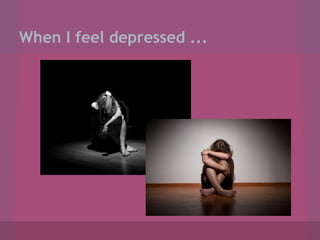
When I feel depressed ...
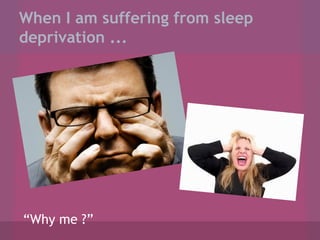
When I am suffering from sleep
deprivation ...

“Why me ?”
When I forget to take my medicine
...

or I think I won’t need it.
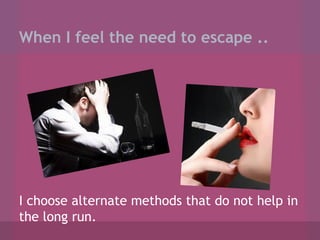
When I feel the need to escape ..

I choose alternate methods that do not help in
the long run.
But ... I have learned

Walking can help me positively find relief.
and keeping a journal helps me feel in
control of my thoughts.
Talk therapy helps me ...
recognize my triggers

My therapist has helped me learn meditation
techniques.
This is a project for a high school AP Psychology course. This is a fictionalized
account of having psychological ailment.

Bipolar Disorder

  • 1.
    Diary of ATeenage Bipolar Jane Bryantz
  • 2.
    What is bipolardisorder? Previously known as manic-depressive disorder.This disorder consists of mood swings. Generally consists of two poles of emotions that are opposite of one another.
  • 3.
    What causes thisdisorder? ● ● ● ● ● Genetics Childhood experiences Other life events Neural processing Melatonin activity
  • 4.
    What are thesymptoms? Most common symptoms include… ● ● ● ● ● depression excessive happiness anxiety inability to make decisions suicidal thoughts
  • 5.
    What are afew warning signs? ● In some cases patients do not follow regular bipolar disorder symptoms or they go unnoticed. ● Commonly overpowering negative emotions result in self injury, or cutting. ● In manic or depressive episodes some people may attempt suicide.
  • 6.
    What are therisk factors? Genetic factors - Most individuals have relatives that suffer from depression or bipolar disorder. Neurological diseases & thyroid disease - these carry similar symptoms that may be mistaken for bipolar disorder
  • 7.
    What are typical“phases” of a bipolar individual ? 1. Mania - elevated mood and increased self-esteem 2. Depression- may also consider suicide 3. A Mixed Episode- mania and depression can be experienced at the same time 4. Rapid Cycling - 4 or more different types of episodes in one year 5. Seasonal patterns - moods triggered by a certain time of year
  • 8.
    What are thetreatment options? Mood Stabilizers - such as lithium or antipsychotic drugs Atypical Antipsychotics - provide greater symptoms relief Psychotherapy - Seeing a therapist to help stabilize oneself and prevent relapse or excessive episodes
  • 9.
    How does aperson cope ? Firsthand, many individuals deny diagnosis. But with the help of psychotherapy and the correct medical treatments anyone with this disorder can be pretty normal.
  • 10.
    What are thedemographics? About 5.7 million adults, 18 and older, have bipolar disorder in America. That is 3 in every 100 adults. 70% of people with bipolar disorder will be misdiagnosed at least once.
  • 11.
    Interesting Facts 3 timesor more a day a bipolar individual experiences symptoms of depression. Suicide rates are higher for those with bipolar disorder. The average set of onset for bipolar disorder is 25.
  • 12.
    When I amfeeling angry ... I want to lash out at everyone.
  • 13.
    When I amgoing through a manic episode ... Life is GREAT.
  • 14.
    When I feeldepressed ...
  • 15.
    When I amsuffering from sleep deprivation ... “Why me ?”
  • 16.
    When I forgetto take my medicine ... or I think I won’t need it.
  • 17.
    When I feelthe need to escape .. I choose alternate methods that do not help in the long run.
  • 18.
    But ... Ihave learned Walking can help me positively find relief.
  • 19.
    and keeping ajournal helps me feel in control of my thoughts.
  • 20.
    Talk therapy helpsme ... recognize my triggers My therapist has helped me learn meditation techniques.
  • 21.
    This is aproject for a high school AP Psychology course. This is a fictionalized account of having psychological ailment.