Taxonomy
⚫ The termis derived from the Greek word - taxis
(“arrangement”) and nomos (“law”).
⚫ Taxonomy is the methodology and principles of
systematic botany and zoology and sets up
arrangements of the kinds of plants and animals in
hierarchies of superior and subordinate groups.
(Tapan and Dutta, 2017)
3.
Biochemical Taxonomy
⚫ Thismethod extensively studied in plants than in animals.
de Candolle (1813) first initiated the use of such characters
in taxonomy in 1813 to differentiate close1y related species
of plants.
⚫ Even Lankester (1871) speculated that The chemical
differences of different species and genera of animals and
plants are certainly as significant for the history of their
origin as the differences of form.
4.
⚫ The animalcontains a large number of complex compounds
like hormones. enzymes and other proteins with peptides,
nucleic acids, amino acids and sugars.
⚫ The biochemical taxonomic techniques are probably less
subject to direct environmental influences and thus are
more likely to reflect genetic divergence than many of the
classic morphological analyses.
5.
⚫ The principalwork of a biochemical taxonomist concerns
the comparison and contrasting of compounds of the same
class and performing the same function in different animal
species, with regard to their properties as well as to their
distribution in different organs of the body.
⚫ The species can be differentiated based on the amino acid
sequences in the proteins of an organism and on differences
between these as found in different species. Crick (1958)
called it 'Protein Taxonomy'.
6.
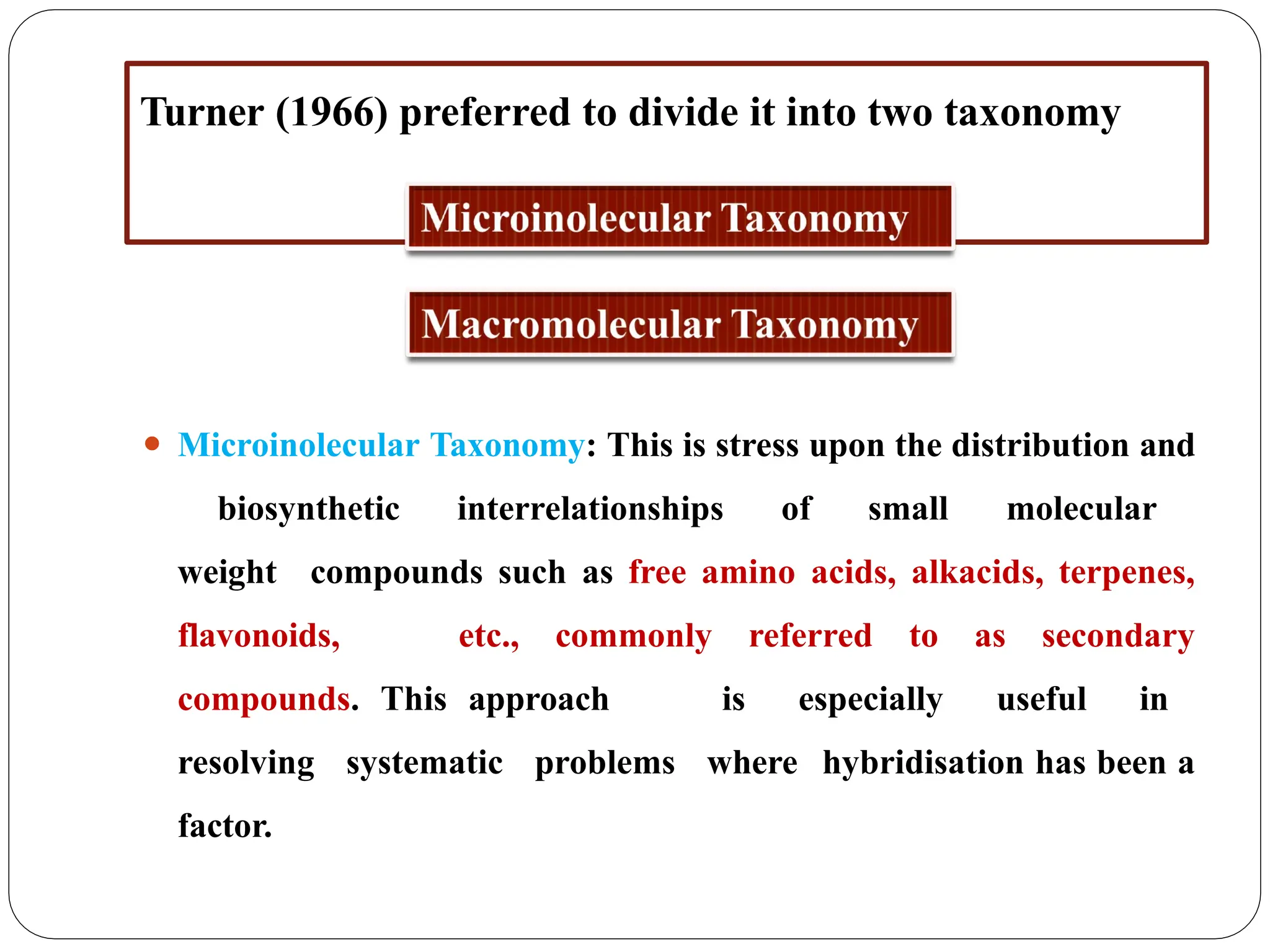
Turner (1966) preferredto divide it into two taxonomy
⚫ Microinolecular Taxonomy: This is stress upon the distribution and
biosynthetic interrelationships of small molecular
weight compounds such as free amino acids, alkacids, terpenes,
flavonoids, etc., commonly referred to as secondary
compounds. This approach is especially useful in
resolving systematic problems where hybridisation has been a
factor.
7.
⚫Macromolecular Taxonomy:
⚫ Thisis concerned with the polymeric molecules like DNA,
RNA, polysaccharides and proteins. This approach is useful
in resolving some of the more intractable systematic
problems especially those involving relationships among
higher categories.
8.
Kinds of Approachesof Chemical Taxonomy
⚫ These studies are taken up in five ways
⚫ a) Immunological
⚫ b) Chromatographic
⚫ c) Electrophoresis
⚫ d) Infrared spectrophotometry
⚫ e) Histochemical
9.
Immunological Approach
⚫ Immunological:This approach is based on the precipitin reaction
preferred for the study of soluble antigens, such as those
contained in animal sera or tissue extracts from plants or
animals. It was first discovered by Rudolph Krauss (1897) in
respect or microorganisms.
⚫ Nuttal (1901) was the first its use in animal systematics. Its
application is based on the fact that "the proteins of one
organism will show a stronger antibody reaction to the proteins
of a closely related organism than they will to those of a more
distantly related organism".
10.
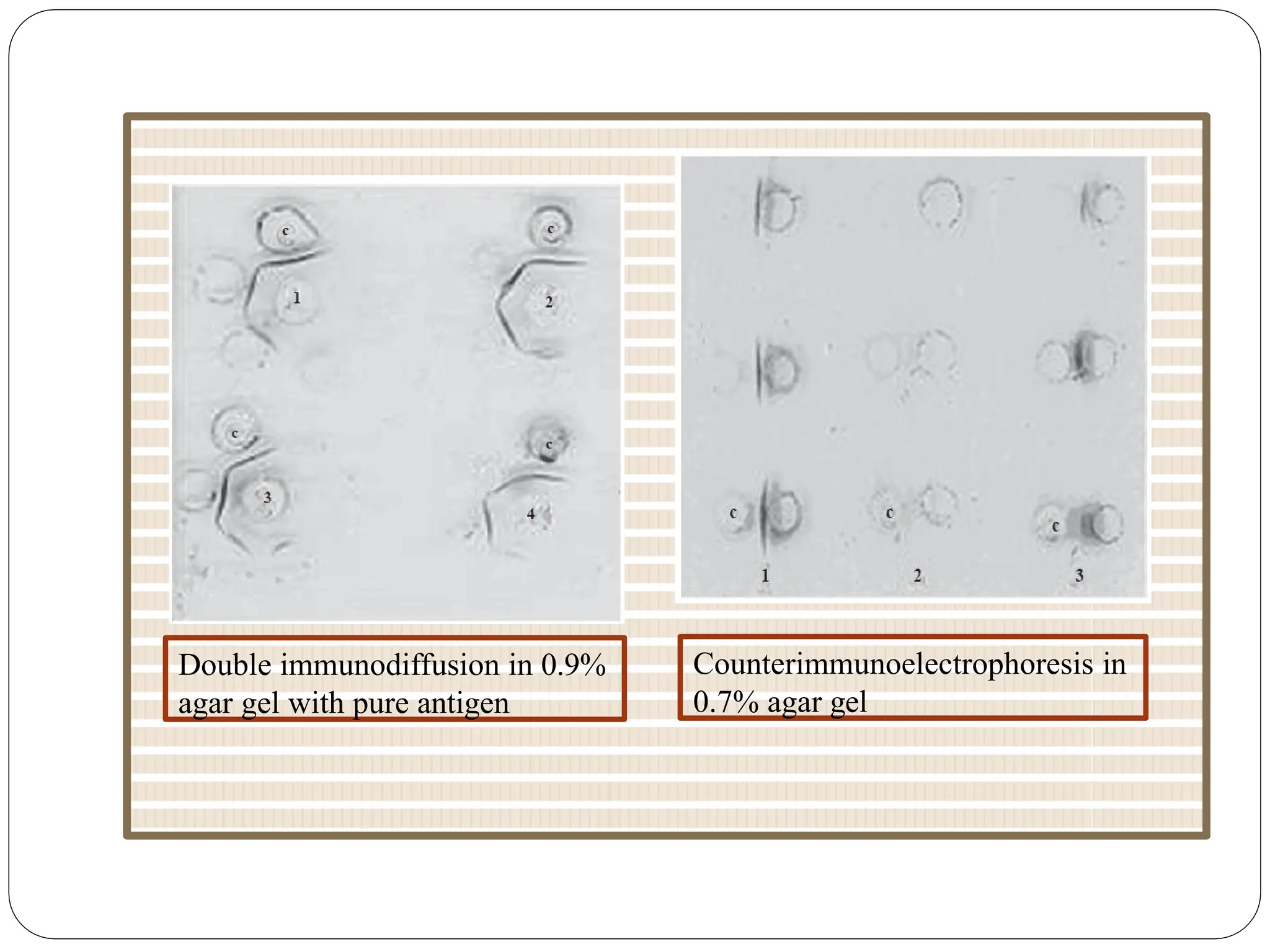
⚫ Identifying predators,antibodies against S. frugiperda eggs were
generated by inoculating rabbits with macerated S. frugiperda eggs,
and the production of antibodies against S. frugiperda egg
proteins was verified by double immunodiffusion (DID). These
antibodies were then utilized in another serological technique,
counterimmunoeletrophoresis (CIE), to identify insects that could
have ingested S. frugiperda eggs.
⚫ This study shows that the CIE technique is efficient in the identifi
cation of insects that fed on eggs of S. frugiperda.
⚫ Dorus luteipes
⚫ Lagria villosa
Use of Serological Techniques for Determination of
Spodoptera frugiperda (J E Smith) Predators (Lepidoptera:
Noctuidae)-Joaquim et al. (2010).
Chromatographic Approach
⚫Chromatography: Itis a technique by which the
constituents of a complex mixture can be separated
and subsequently identified. It depends on the
"different rates at which the compounds in a
double mixture move along a porous medium,
i.e., a piece of paper (paper chromatography)
or a column of powdered chalk (column
chromatography).”
13.
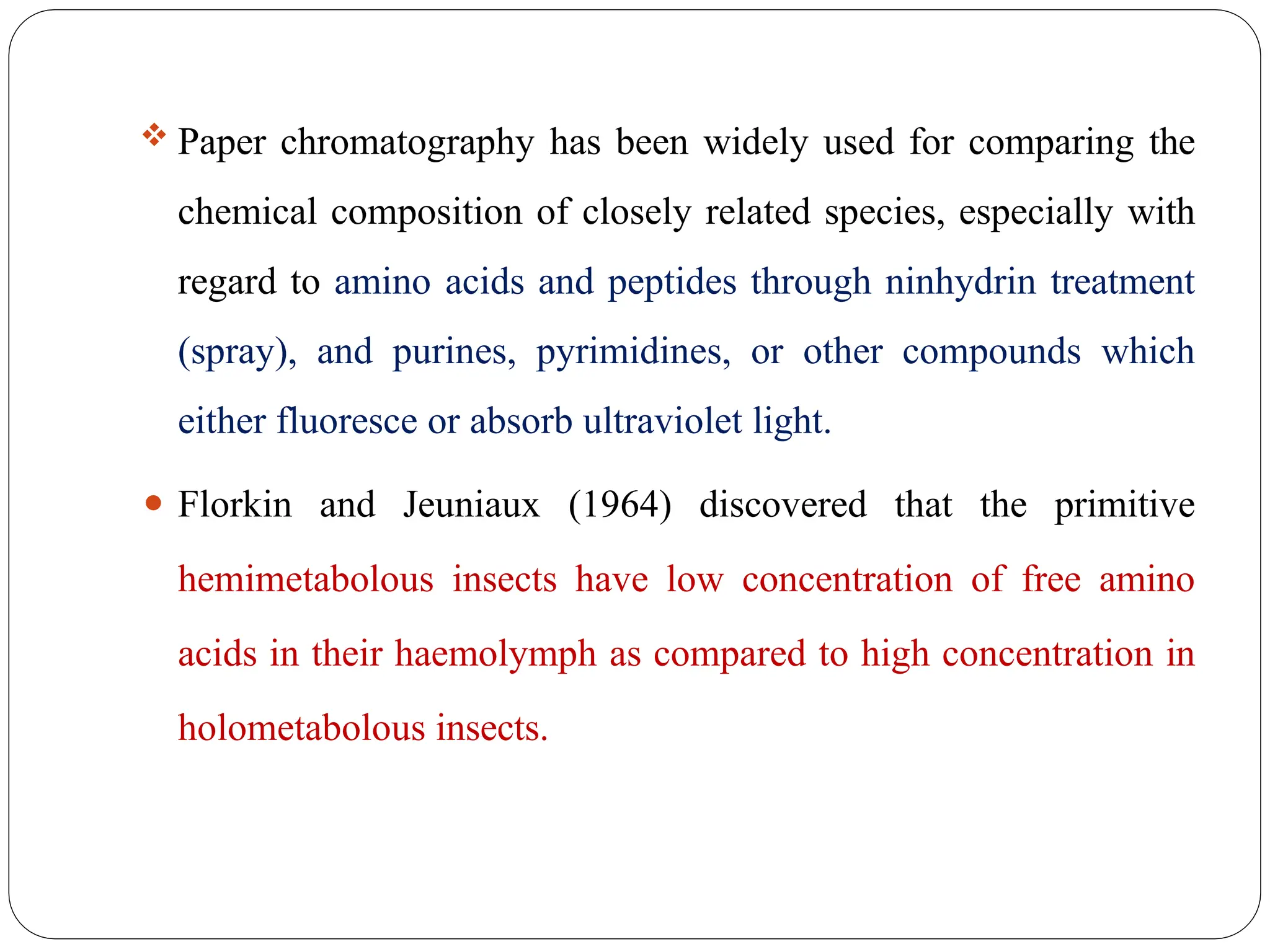
Paper chromatographyhas been widely used for comparing the
chemical composition of closely related species, especially with
regard to amino acids and peptides through ninhydrin treatment
(spray), and purines, pyrimidines, or other compounds which
either fluoresce or absorb ultraviolet light.
⚫ Florkin and Jeuniaux (1964) discovered that the primitive
hemimetabolous insects have low concentration of free amino
acids in their haemolymph as compared to high concentration in
holometabolous insects.
14.
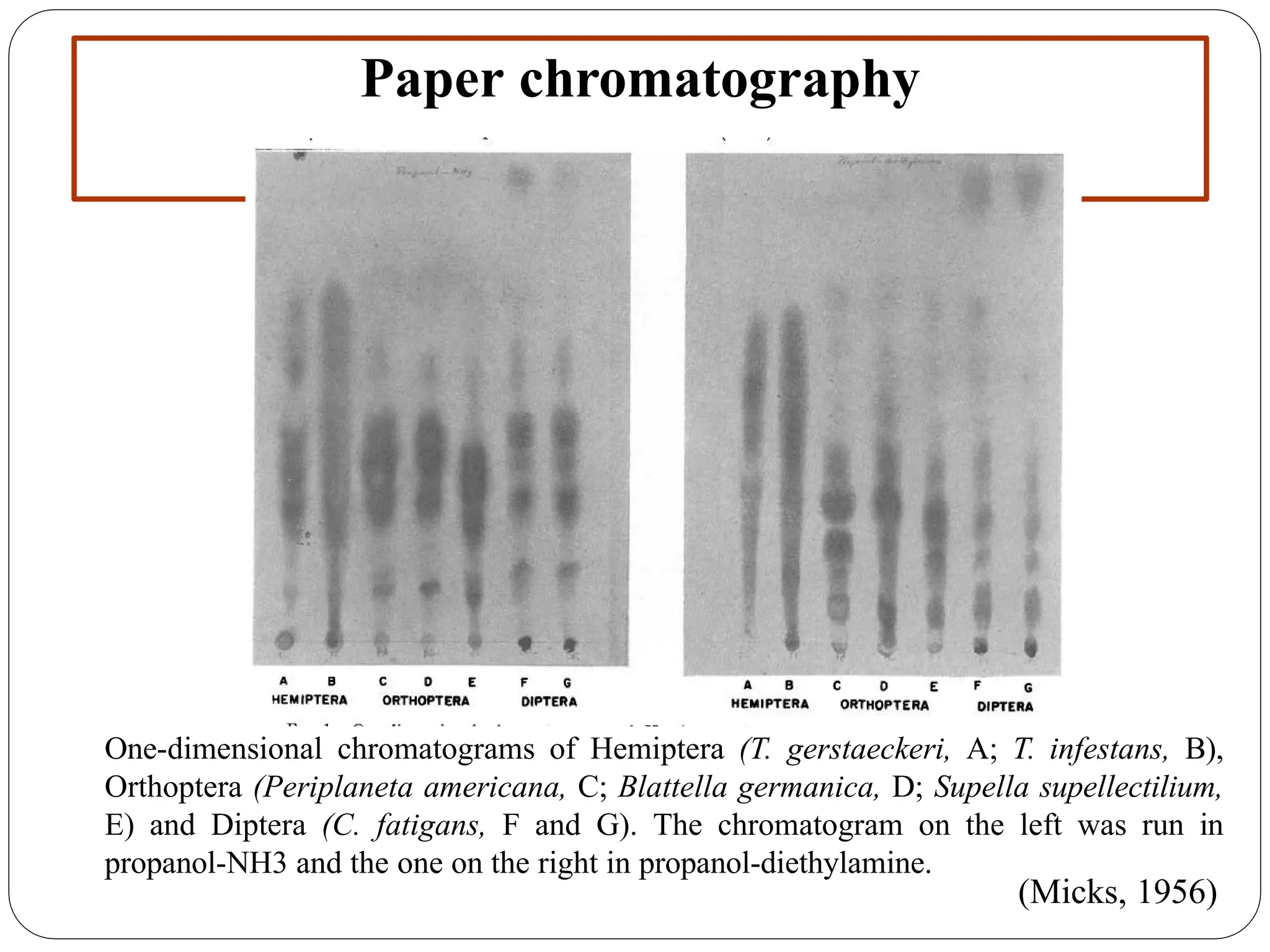
Paper chromatography
One-dimensional chromatogramsof Hemiptera (T. gerstaeckeri, A; T. infestans, B),
Orthoptera (Periplaneta americana, C; Blattella germanica, D; Supella supellectilium,
E) and Diptera (C. fatigans, F and G). The chromatogram on the left was run in
propanol-NH3 and the one on the right in propanol-diethylamine.
(Micks, 1956)
15.
Gas chromatography
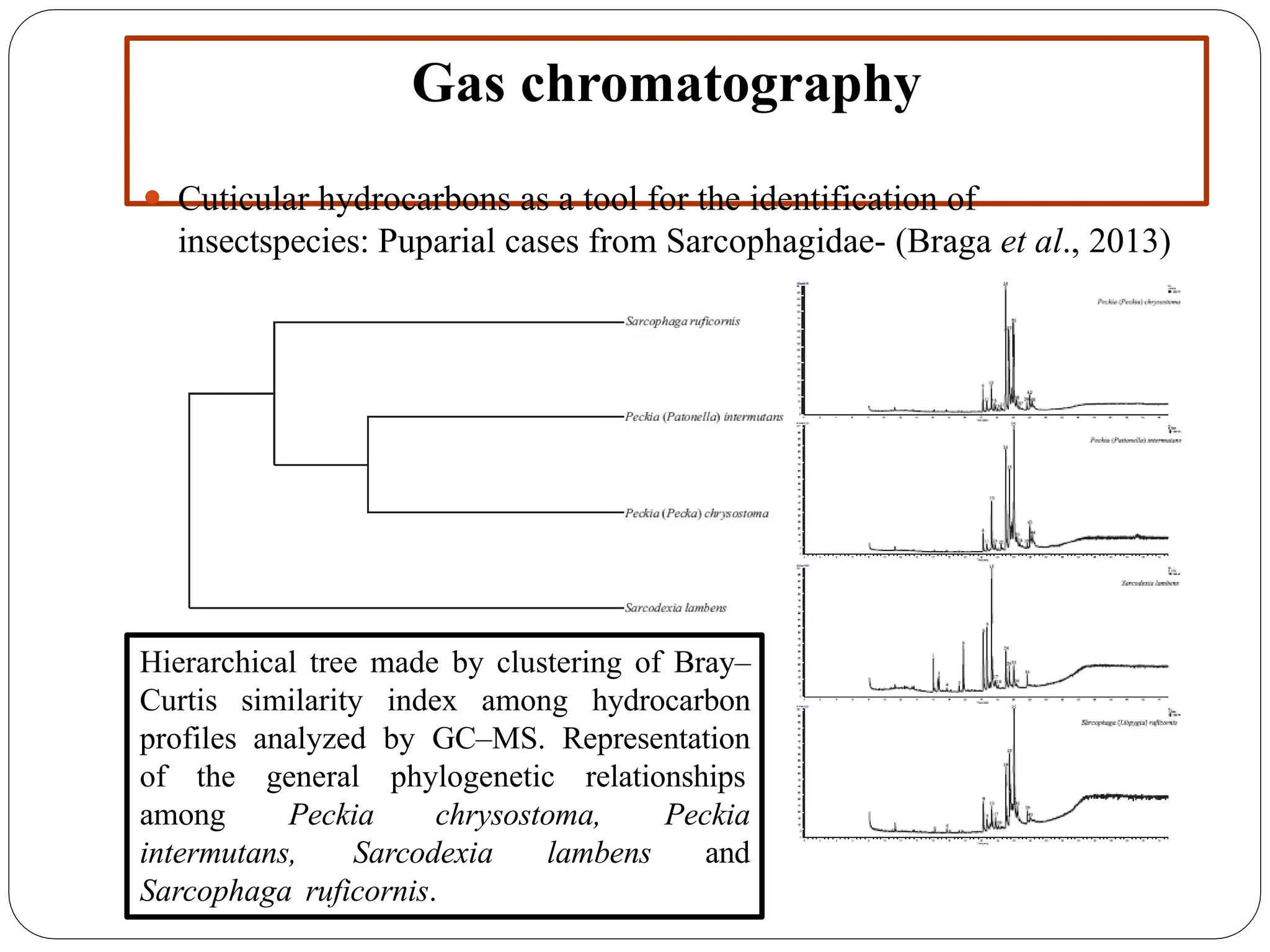
⚫ Cuticularhydrocarbons as a tool for the identification of
insectspecies: Puparial cases from Sarcophagidae- (Braga et al., 2013)
Hierarchical tree made by clustering of Bray–
Curtis similarity index among hydrocarbon
profiles analyzed by GC–MS. Representation
of the general phylogenetic relationships
Peckia
and
among Peckia chrysostoma,
intermutans, Sarcodexia lambens
Sarcophaga ruficornis.
16.
Electrophoresis Approach
⚫ Electrophoresis:involving a similar movement of dissolved
substances through a fixed medium, but here the movement
is brought about by electrical potential differences.
⚫ It is based on the fact that the "components of mixtures
carry electric charges of varying amounts and so will
move at different rates in salt solution through which a
current is passed".
17.
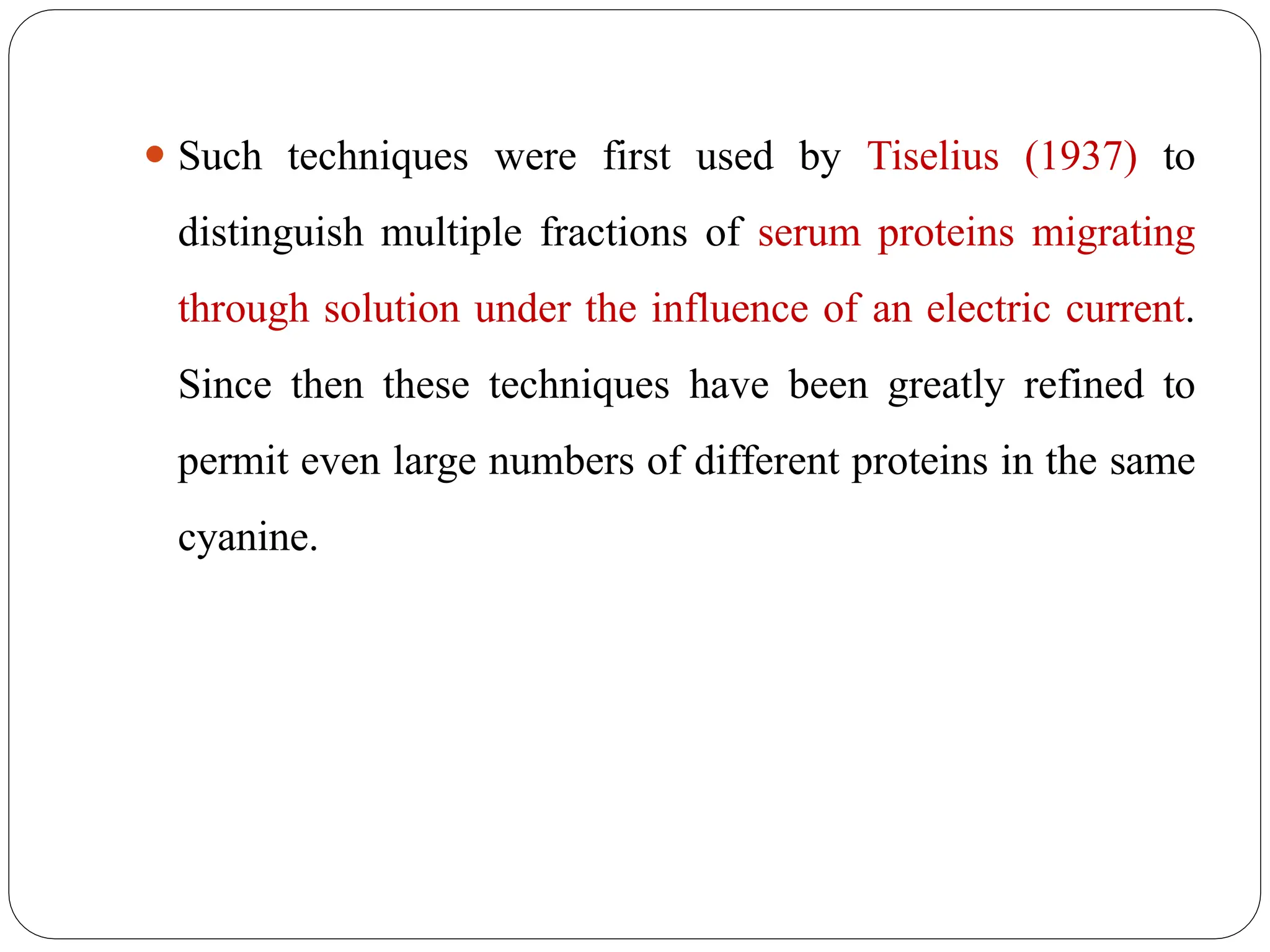
⚫ Such techniqueswere first used by Tiselius (1937) to
distinguish multiple fractions of serum proteins migrating
through solution under the influence of an electric current.
Since then these techniques have been greatly refined to
permit even large numbers of different proteins in the same
cyanine.
18.
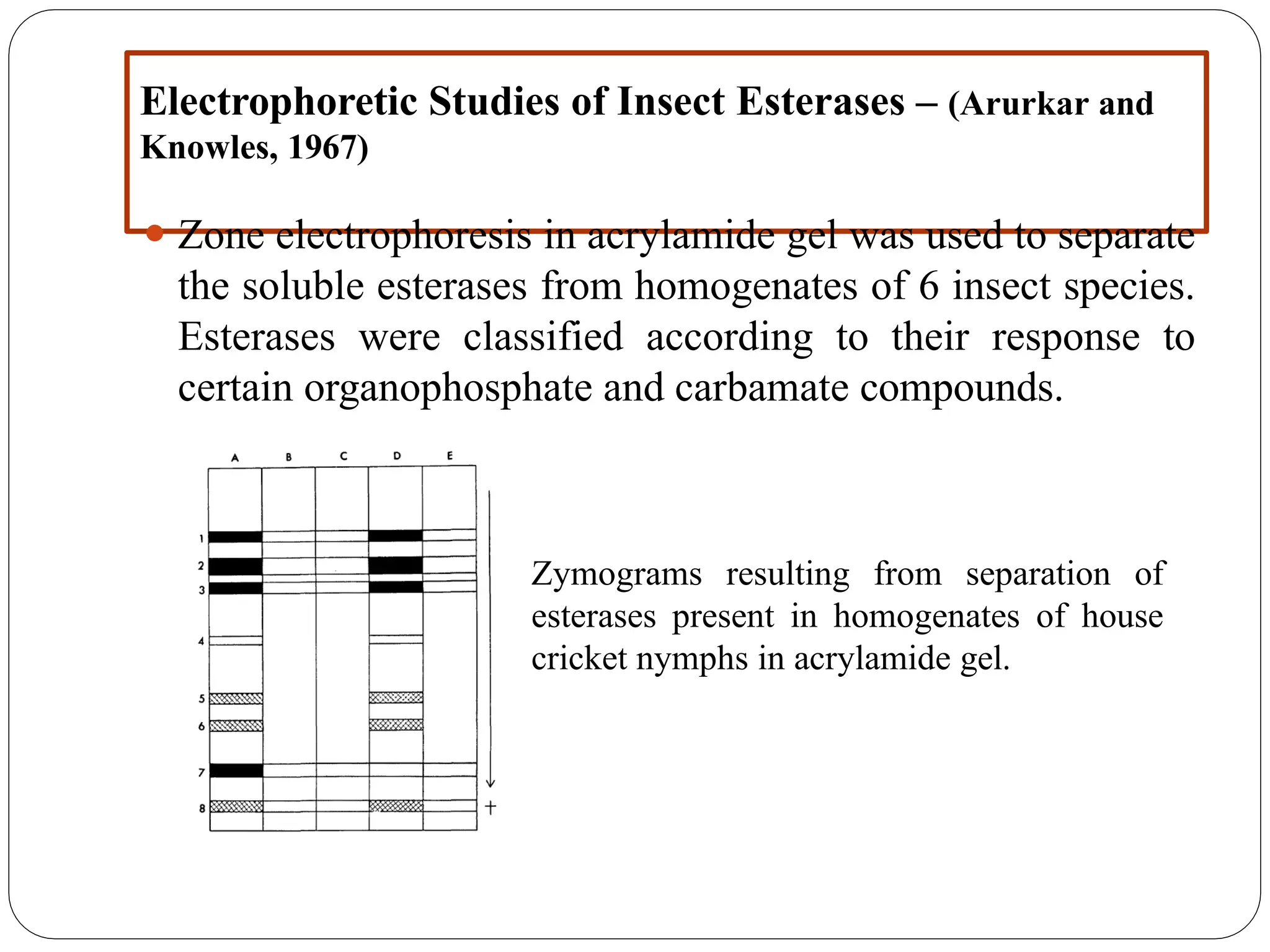
Electrophoretic Studies ofInsect Esterases – (Arurkar and
Knowles, 1967)
⚫ Zone electrophoresis in acrylamide gel was used to separate
the soluble esterases from homogenates of 6 insect species.
Esterases were classified according to their response to
certain organophosphate and carbamate compounds.
Zymograms resulting from separation of
esterases present in homogenates of house
cricket nymphs in acrylamide gel.
19.
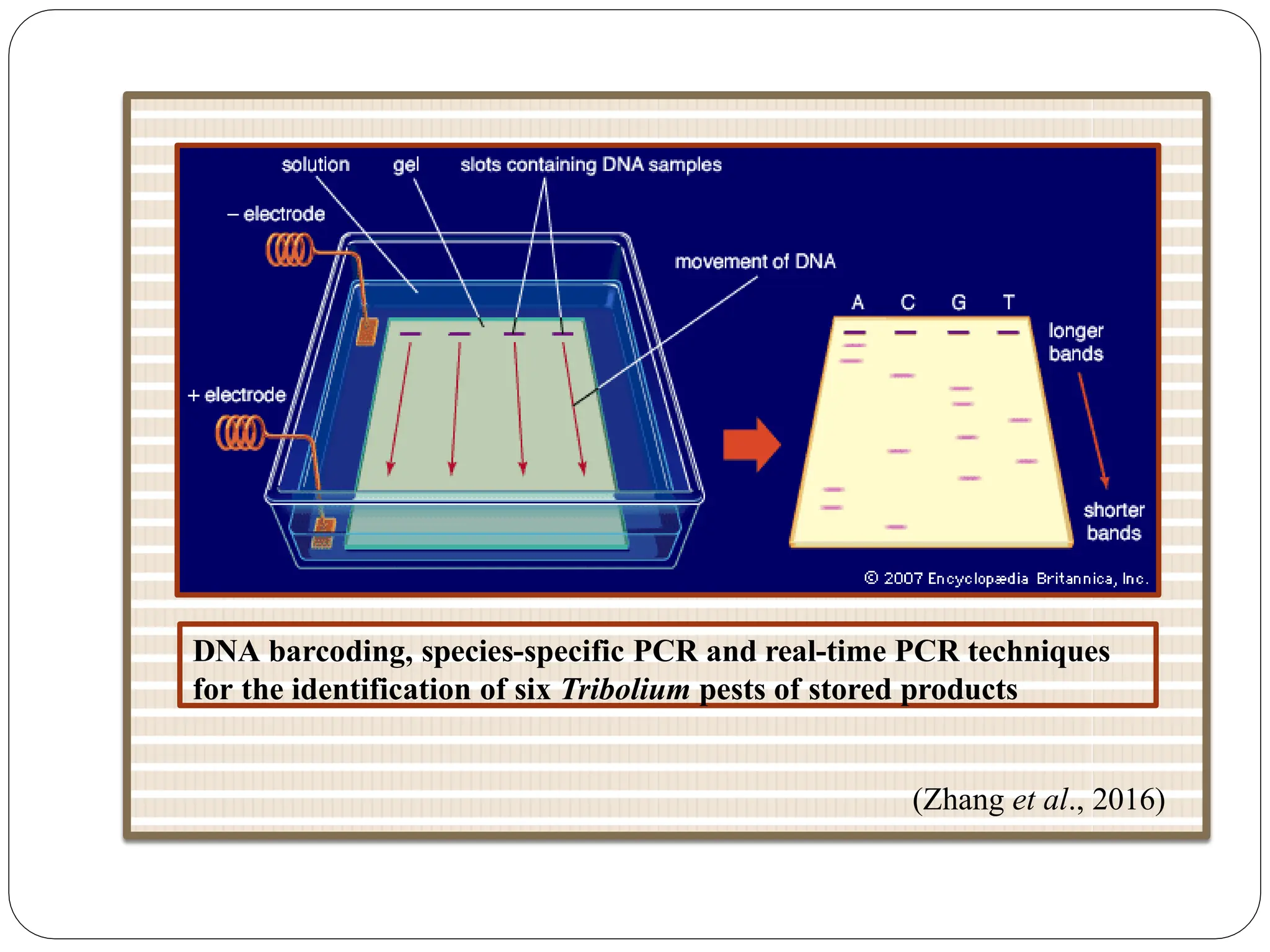
DNA barcoding, species-specificPCR and real-time PCR techniques
for the identification of six Tribolium pests of stored products
(Zhang et al., 2016)
20.
Infrared spectrophotometry Approach
⚫It is based on the principle of absorption of infrared light by
biological materials. The patterns thus formed depend upon
their chemical composition and bring to light many features
of taxonomic importance. So far, this approach is mainly
applied to microorganisms (Norris, 1959).
⚫ Micks and Benedict (1953) for the first time applied this
technique in the identification of mosquitoes.
21.
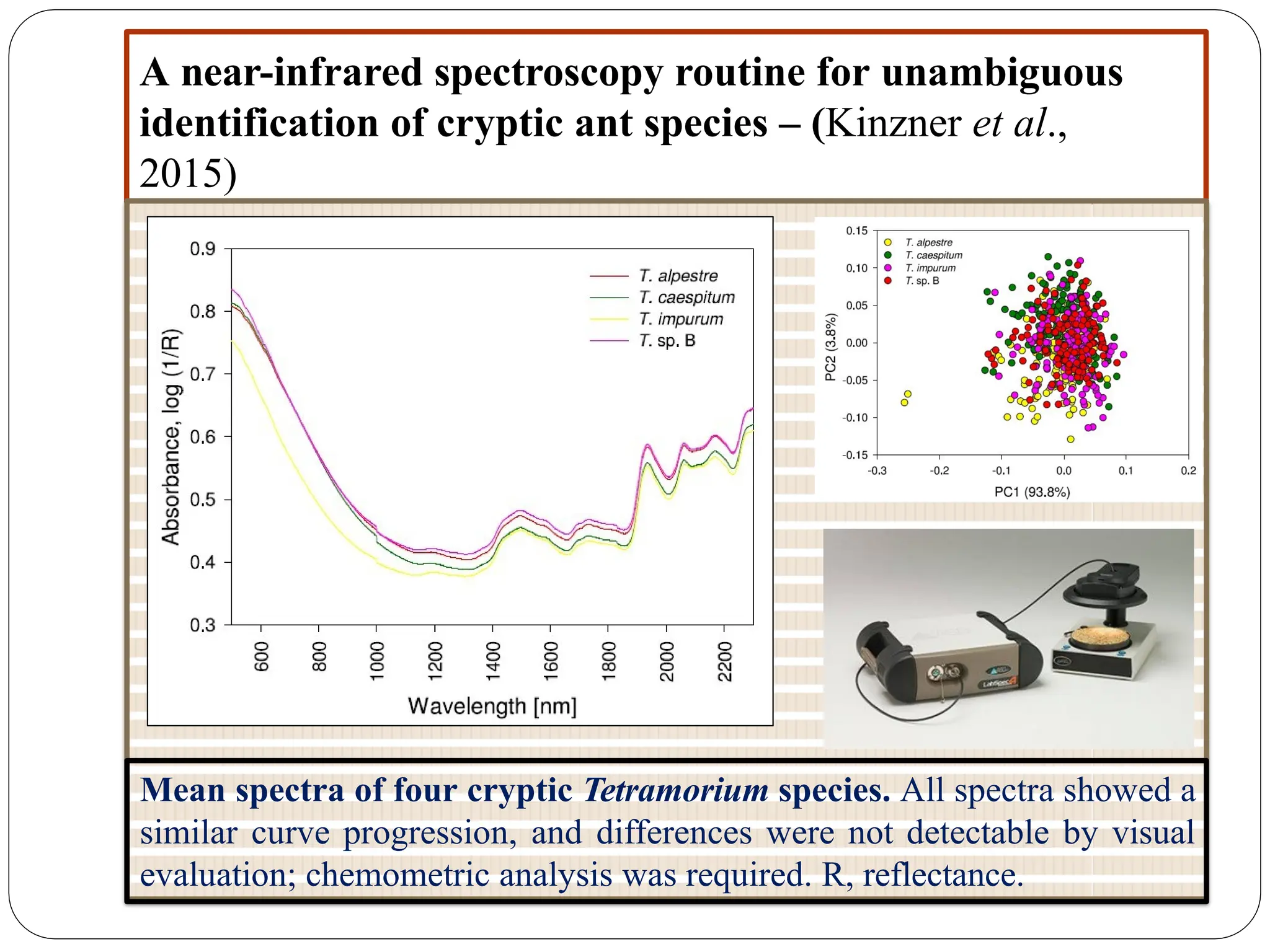
A near-infrared spectroscopyroutine for unambiguous
identification of cryptic ant species – (Kinzner et al.,
2015)
Mean spectra of four cryptic Tetramorium species. All spectra showed a
similar curve progression, and differences were not detectable by visual
evaluation; chemometric analysis was required. R, reflectance.
22.
Histochemical Approach
⚫ Histochemicalstudies: When the same kind of tissues from
different animal species may exhibit apparently the same
functions, histochemical differences between them may be
observed which could be of taxonomic value. This can also
help in the recognition of infraspecific groupings.
⚫ These techniques have been employed in the qualitative
and semi-quantitative analysis of proteins, free amino acids,
enzymes, carbohydrates, liquids and nucleic acids including
metal ions.
23.
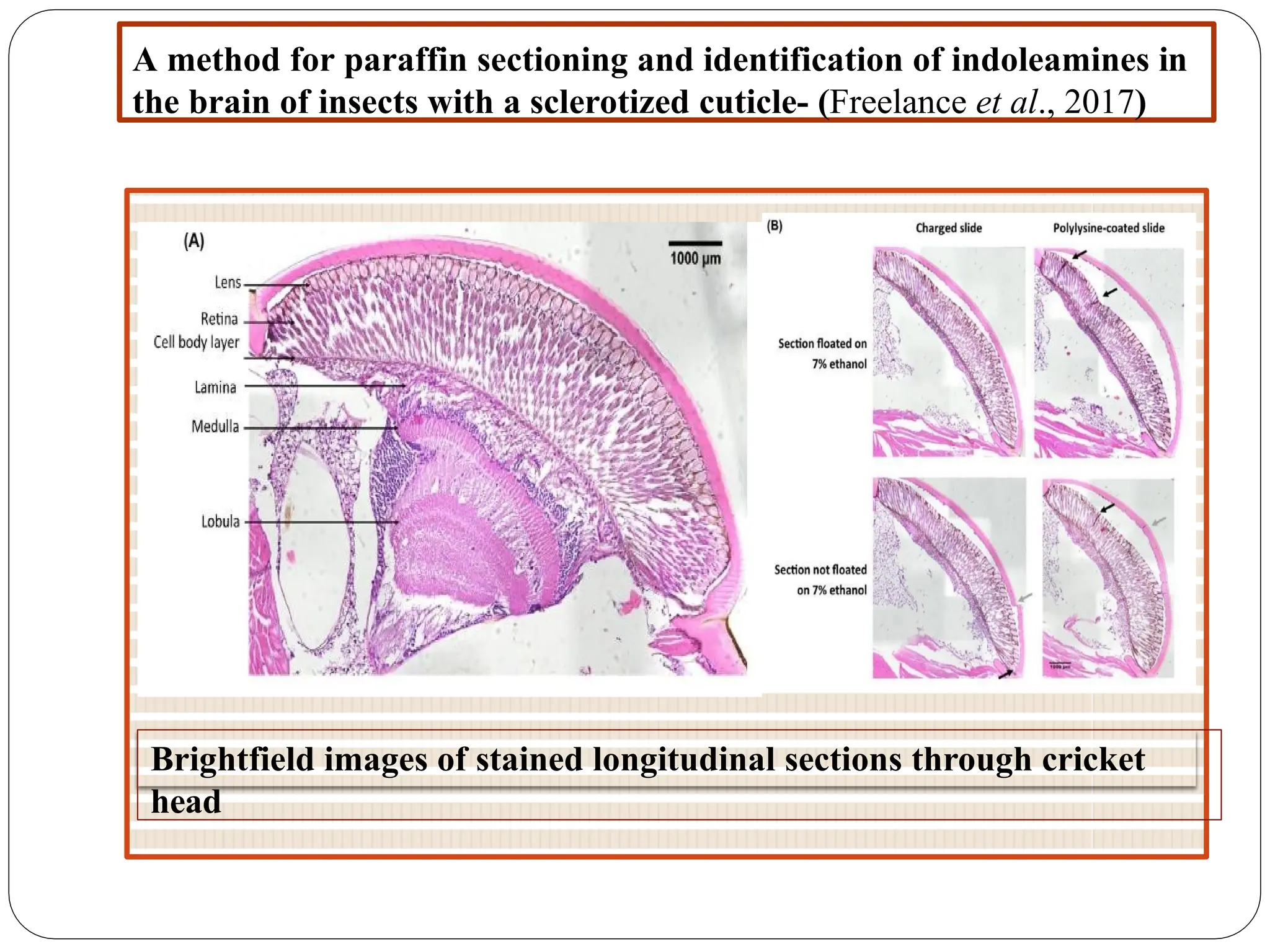
A method forparaffin sectioning and identification of indoleamines in
the brain of insects with a sclerotized cuticle- (Freelance et al., 2017)
Brightfield images of stained longitudinal sections through cricket
head
24.
Advantages of BiochemicalTaxonomy
⚫ Basu and Chatterjee (1969) demonstrated phylogenetic relationship
among various orders of insects and birds on the basis of
the quantitative analysis of ascorbic acid.
⚫ In some birds it is produced in the kidney; in some, in the liver; in
some, in both liver and kidney; and in others, in neither.
Accordingly they clarified that the ancestral enzyme systems
involved occurred first in kidney, were later somehow transferred
to the liver, and finally, in some of the more evolved passerine
birds, completely lost.
25.
⚫ Brand etal. (1972) established the phylogeny of a group of
fireants using biochemical characters of the highly unique
fireant venoms.
⚫ Walbank and Waterhouse (1970) corrected the phylogenetic
affinities (based earlier on morphological data) of certain
genera of Australian cockroaches after analysing their
defence secretions.
26.
Disadvantages of BiochemicalTaxonomy
⚫ Such studies are possible only in the existing organisms and
therefore it is difficult to trace the course of evolutionary history.
⚫ It cannot lead to definite judgements with regard to the
phylogeny of any organism whose fossil records are inadequate
or lacking.
⚫ Most of the biochemical taxonomic works are based on
qualitative and quantitative differences in single chemical
constituent of whole organisms or one of their tissues.
⚫ Like morphological characters, chemical characters are also
variable.
27.
⚫ Brand, J.M., M. S. Blum, H. M. Fales, and J. G. MacConnell. (1972).
Fire ant venoms: comparative analyses of alkaloidal
components. Toxicon 10: 259 Ð271.
⚫ Chaudhuri CR, Chatterjee IB. (1969). L-ascorbic acid synthesis in
birds: phylogenetic trend. Science.164:435–6. [PubMed: 5777214].
⚫ Wallbank, B. E.; Waterhouse, D. F. (1970-11-01). The defensive
secretions of Polyzosteria and related cockroaches. Journal of Insect
Physiology. 16 (11): 2081–2096. doi:10.1016/0022-
1910(70)90081-8.
ISSN 0022-1910.
⚫ Nuttall, G. H. F. (1901b). A further note on the biological test for blood
and its impoitance in zoological classification. British Medical
Journal. 2: 669.
⚫ Tiselius, A (1937). Electrophoresis of serum globulin
II. Electrophoretic analysis of normal and immune sera.
Biochemical Journal 31, 1464–1477.
⚫ Norris, K. P. (1959). Infra-red spectroscopy and its application to
microbiology. The Journal of hygiene, 57(3), 326–
345. doi:10.1017/s0022172400020192.
![⚫ Brand, J. M., M. S. Blum, H. M. Fales, and J. G. MacConnell. (1972).
Fire ant venoms: comparative analyses of alkaloidal
components. Toxicon 10: 259 Ð271.
⚫ Chaudhuri CR, Chatterjee IB. (1969). L-ascorbic acid synthesis in
birds: phylogenetic trend. Science.164:435–6. [PubMed: 5777214].
⚫ Wallbank, B. E.; Waterhouse, D. F. (1970-11-01). The defensive
secretions of Polyzosteria and related cockroaches. Journal of Insect
Physiology. 16 (11): 2081–2096. doi:10.1016/0022-
1910(70)90081-8.
ISSN 0022-1910.
⚫ Nuttall, G. H. F. (1901b). A further note on the biological test for blood
and its impoitance in zoological classification. British Medical
Journal. 2: 669.
⚫ Tiselius, A (1937). Electrophoresis of serum globulin
II. Electrophoretic analysis of normal and immune sera.
Biochemical Journal 31, 1464–1477.
⚫ Norris, K. P. (1959). Infra-red spectroscopy and its application to
microbiology. The Journal of hygiene, 57(3), 326–
345. doi:10.1017/s0022172400020192.](https://image.slidesharecdn.com/biochemicaltechniqueintaxonomy-250310094838-ad84d7b5/75/biochemical-technique-in-taxonomy-studies-27-2048.jpg)