By: Dr Karim Bakhsh Shaikh
DVM, MPHIL (Animal Products Technology)
SAU TandoJam
BACTOFUGATION
INTRODUCTION
It is removal of micro-organisms (specially bacteria) from the milk by the
centrifugal force.
It is special form of separation of micro-organisms, mainly spores
(Bacili/Clostridia) to enable milk to be sterilized at a lower temperature-
time combination.
Mainly bactofugation is used in making product (hard chese, semi-hard
chese)
 It removes bacteria, both living and dead, from treated substances whereas
traditional heat treatment kills bacteria and leaves them in food.
 Most of the micro-organisms are inactivated during pasteurization, but
highly heat resistant spores survive during pasteurization.
 These can lead to significant quality defects in hard cheese, semi-hard
cheese by proteolysis, lipolysis and gas formation.
 Bactofugation is important in foodstuffs infected with bacteria containing
thermostable endotoxins.
OBJECTIVES
TO improve the hygienic quality of milk.
To avoid heat resistant bacteria without resorting to excessive heating.
To ensure exceptionality of high degree of bacteriological purity in milk.
Size and density of bacteria is criteria for their removal
Bacteria specially heat resistant spores have high density then milk (1.028 -1.032)
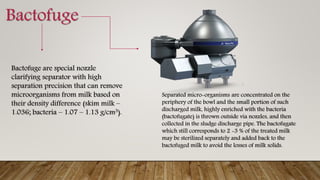
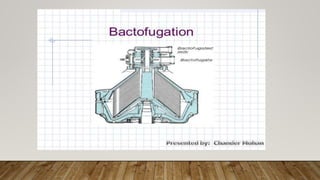
Bactofuge
Bactofuge are special nozzle
clarifying separator with high
separation precision that can remove
microorganisms from milk based on
their density difference (skim milk –
1.036; bacteria – 1.07 – 1.13 g/cm3).
Separated micro-organisms are concentrated on the
periphery of the bowl and the small portion of such
discharged milk, highly enriched with the bacteria
(bactofugate) is thrown outside via nozzles, and then
collected in the sludge discharge pipe. The bactofugate
which still corresponds to 2 -3 % of the treated milk
may be sterilized separately and added back to the
bactofuged milk to avoid the losses of milk solids.
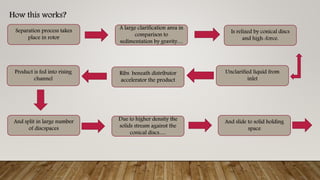
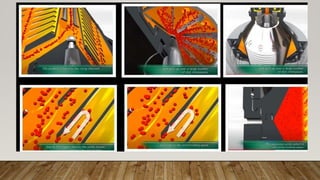
How this works?
Separation process takes
place in rotor
A large clarification area in
comparison to
sedimentation by gravity…
Is relized by conical discs
and high-force.
Unclarified liquid from
inlet
Ribs beneath distributor
accelerator the product
Product is fed into rising
channel
And split in large number
of discspaces
Due to higher density the
solids stream against the
conical discs….
And slide to solid holding
space
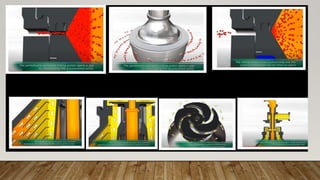
The separated solid
collected in solid holding
space
Periodically activated
sliding piston opens a gaps
for discharging of
accumulated solids
Slide piston close and again
filling of solids in holding
space occurs
Clarified liquid streams to
discharge channel towards
the centripedal pumps
Centripedal is stationary
(immobile) liquid rotate
Clarified liquid is discharge
under pressure through
discharged line
• Clarified and standardized milk is pumped into a plate heat exchanger, where it is heated to a temperature
of 60-75°C prior to being fed to the bactofuge.
• The centrifugal acceleration is increased to 10,000g.
• The slurry of bacteria (bactofugate) is discharged continuously through nozzles due to their greater specific
weight.
• It is about 3% of the feed by volume and represents a reduction in total bacteria by approximately 50-60%.
• The bactofugate stream is UHT processed (130 -140°C for 3-4 seconds) and remixed in the normal stream.
This time- temperature profile is sufficient to inactivate all spores.
Advantages:
 Use of Bactofuge cheese milk prevents swelling in certain cheeses which may be caused by heat resistant
butyric acid bacteria. Removal of bacteria without pasteurization enables cheddar cheese production
with more typical cheese flavor.
 In powders, it reduces the count of microbes and allows significant removal of heat resistant bacteria.
 The severity of heat treatment can be reduced in sterilized milks.
 In cream, defects caused by heat resistant Bacillus cereus can be avoided.
Bactofugation

Bactofugation

  • 1.
    By: Dr KarimBakhsh Shaikh DVM, MPHIL (Animal Products Technology) SAU TandoJam BACTOFUGATION
  • 2.
    INTRODUCTION It is removalof micro-organisms (specially bacteria) from the milk by the centrifugal force. It is special form of separation of micro-organisms, mainly spores (Bacili/Clostridia) to enable milk to be sterilized at a lower temperature- time combination. Mainly bactofugation is used in making product (hard chese, semi-hard chese)
  • 3.
     It removesbacteria, both living and dead, from treated substances whereas traditional heat treatment kills bacteria and leaves them in food.  Most of the micro-organisms are inactivated during pasteurization, but highly heat resistant spores survive during pasteurization.  These can lead to significant quality defects in hard cheese, semi-hard cheese by proteolysis, lipolysis and gas formation.  Bactofugation is important in foodstuffs infected with bacteria containing thermostable endotoxins.
  • 4.
    OBJECTIVES TO improve thehygienic quality of milk. To avoid heat resistant bacteria without resorting to excessive heating. To ensure exceptionality of high degree of bacteriological purity in milk.
  • 5.
    Size and densityof bacteria is criteria for their removal Bacteria specially heat resistant spores have high density then milk (1.028 -1.032)
  • 6.
    Bactofuge Bactofuge are specialnozzle clarifying separator with high separation precision that can remove microorganisms from milk based on their density difference (skim milk – 1.036; bacteria – 1.07 – 1.13 g/cm3). Separated micro-organisms are concentrated on the periphery of the bowl and the small portion of such discharged milk, highly enriched with the bacteria (bactofugate) is thrown outside via nozzles, and then collected in the sludge discharge pipe. The bactofugate which still corresponds to 2 -3 % of the treated milk may be sterilized separately and added back to the bactofuged milk to avoid the losses of milk solids.
  • 7.
    How this works? Separationprocess takes place in rotor A large clarification area in comparison to sedimentation by gravity… Is relized by conical discs and high-force. Unclarified liquid from inlet Ribs beneath distributor accelerator the product Product is fed into rising channel And split in large number of discspaces Due to higher density the solids stream against the conical discs…. And slide to solid holding space
  • 8.
    The separated solid collectedin solid holding space Periodically activated sliding piston opens a gaps for discharging of accumulated solids Slide piston close and again filling of solids in holding space occurs Clarified liquid streams to discharge channel towards the centripedal pumps Centripedal is stationary (immobile) liquid rotate Clarified liquid is discharge under pressure through discharged line • Clarified and standardized milk is pumped into a plate heat exchanger, where it is heated to a temperature of 60-75°C prior to being fed to the bactofuge. • The centrifugal acceleration is increased to 10,000g. • The slurry of bacteria (bactofugate) is discharged continuously through nozzles due to their greater specific weight. • It is about 3% of the feed by volume and represents a reduction in total bacteria by approximately 50-60%. • The bactofugate stream is UHT processed (130 -140°C for 3-4 seconds) and remixed in the normal stream. This time- temperature profile is sufficient to inactivate all spores.
  • 13.
    Advantages:  Use ofBactofuge cheese milk prevents swelling in certain cheeses which may be caused by heat resistant butyric acid bacteria. Removal of bacteria without pasteurization enables cheddar cheese production with more typical cheese flavor.  In powders, it reduces the count of microbes and allows significant removal of heat resistant bacteria.  The severity of heat treatment can be reduced in sterilized milks.  In cream, defects caused by heat resistant Bacillus cereus can be avoided.