Downloaded 23 times


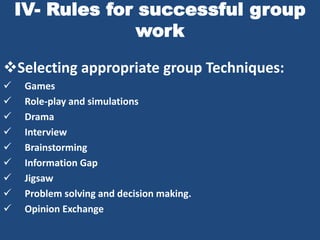
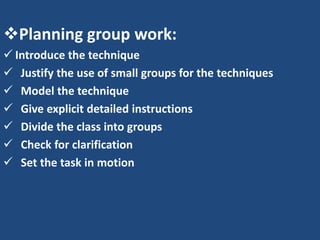


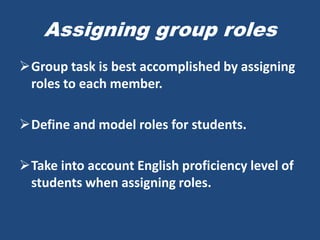
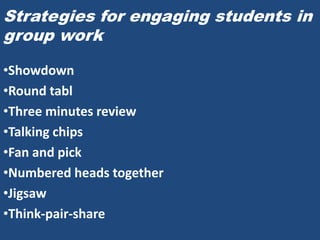


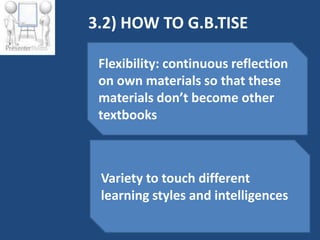


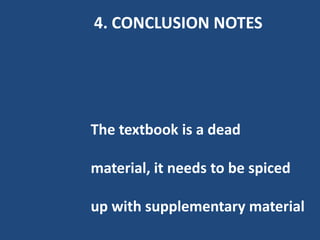





This document discusses strategies for effective classroom interaction and group work. It begins by defining interaction and noting that language is a tool for social relationships. Interactive principles like risk-taking and communicative competence are important. The teacher can take different roles like facilitator or manager. Questioning strategies include different types of questions. Group work has advantages like developing critical thinking, but teachers may make excuses to avoid it. Rules for successful group work include selecting techniques, planning, and monitoring tasks. Cultural expectations should be considered. The document also discusses using textbooks, including reasons for and against, options like omitting or adapting content, and going beyond textbooks.


