Downloaded 20 times
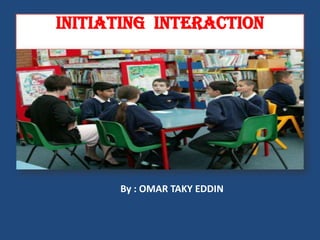
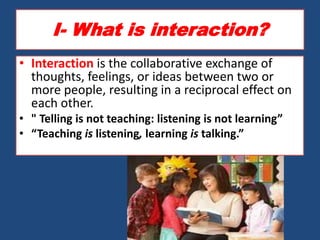
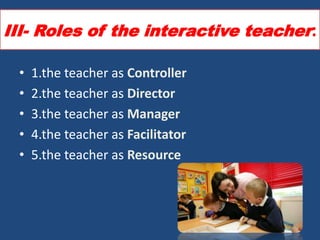
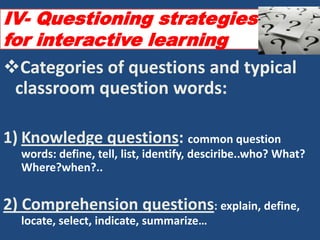
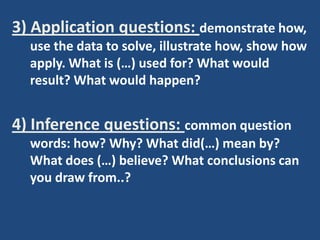
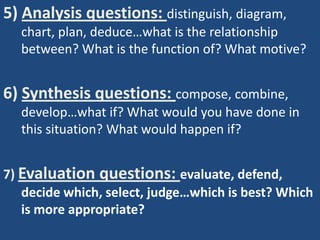
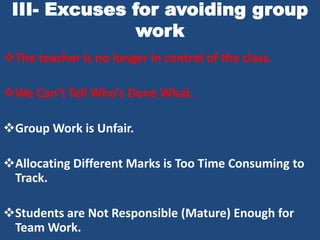

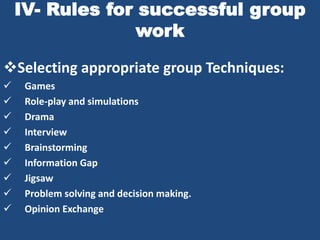
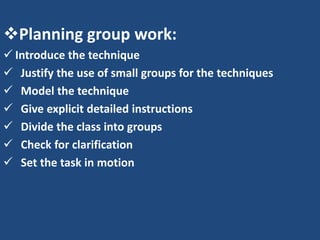


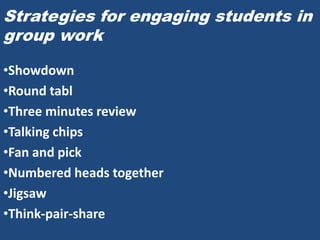
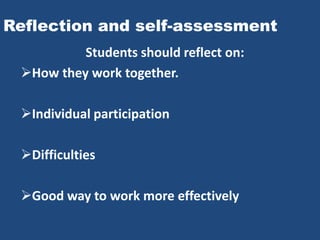
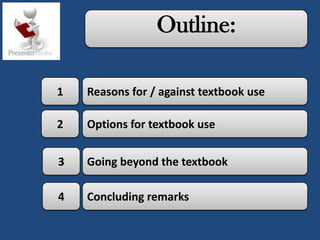
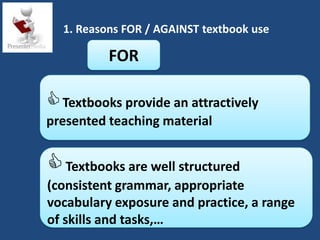
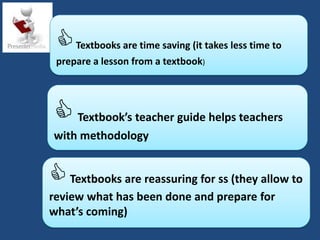
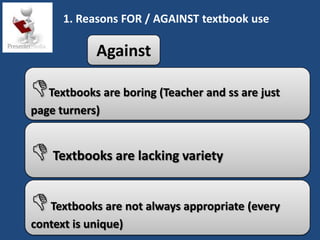
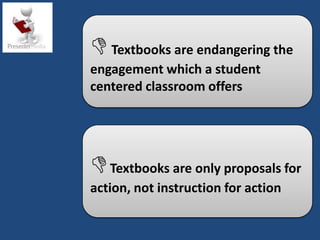
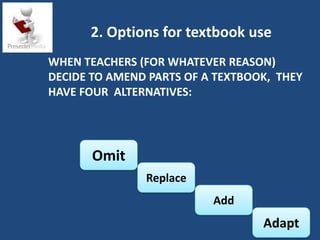



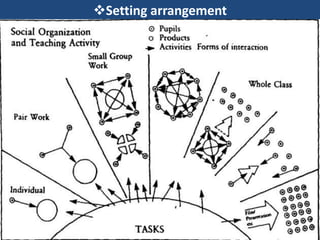


This document discusses strategies for effective classroom interaction and management. It defines interaction as a collaborative exchange between people that has a reciprocal effect. Effective interaction requires risk-taking, automaticity in communication, and developing communicative competence. The roles of an interactive teacher include controller, director, manager, facilitator and resource. Questioning strategies like knowledge, comprehension, application and evaluation questions can promote interactive learning. Group work can be sustained through selecting appropriate techniques, planning tasks, monitoring progress, and debriefing. Rules for successful group work include cultural considerations, classroom arrangement, emphasis on importance, teaching cooperation, and assigning roles. Textbooks can be used creatively by omitting, replacing, adding to or adapting lessons while also going beyond the


