Augusta Savage
1892 – 1962
Dr Michael Paraskos
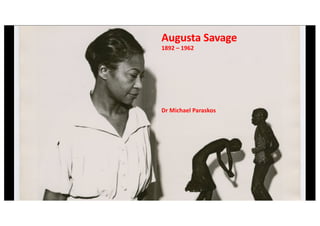
Augusta Savage
1892 – 1962
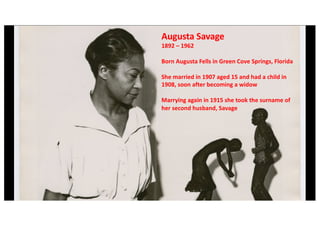
Born Augusta Fells in Green Cove Springs, Florida
She married in 1907 aged 15 and had a child in
1908, soon after becoming a widow
Marrying again in 1915 she took the surname of
her second husband, Savage
Augusta Savage
1892 – 1962
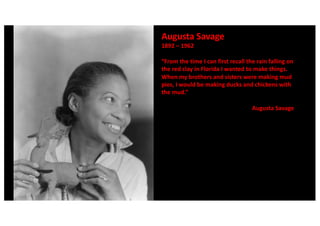
“From the time I can first recall the rain falling on
the red clay in Florida I wanted to make things.
When my brothers and sisters were making mud
pies, I would be making ducks and chickens with
the mud.”
Augusta Savage
Augusta Savage
1892 – 1962
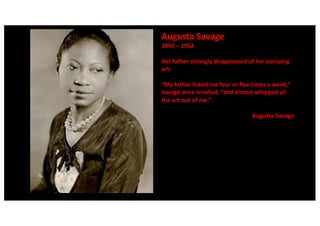
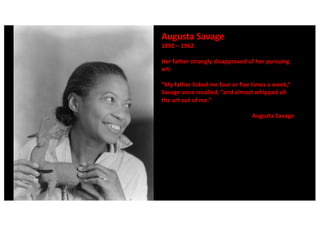
Her father strongly disapproved of her pursuing
art:
“My father licked me four or five times a week,”
Savage once recalled, “and almost whipped all
the art out of me.”
Augusta Savage
Augusta Savage
1892 – 1962
Her father strongly disapproved of her pursuing
art:
“My father licked me four or five times a week,”
Savage once recalled, “and almost whipped all
the art out of me.”
Augusta Savage
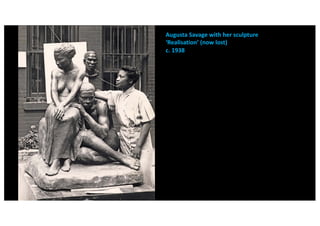
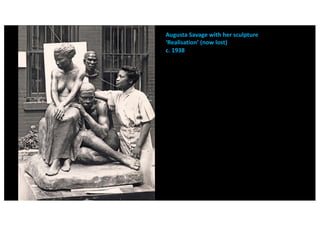
Augusta Savage with her sculpture
‘Realisation’ (now lost)
c. 1938
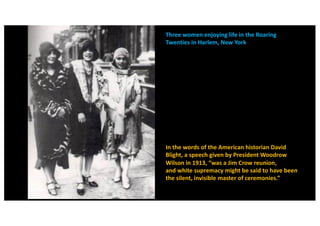
Three women enjoying life in the Roaring
Twenties in Harlem, New York
In the words of the American historian David
Blight, a speech given by President Woodrow
Wilson in 1913, “was a Jim Crow reunion,
and white supremacy might be said to have been
the silent, invisible master of ceremonies.”
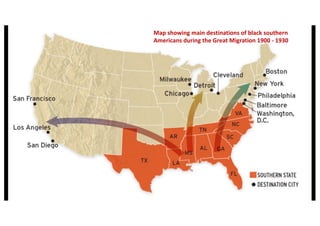
Map showing main destinations of black southern
Americans during the Great Migration 1900 - 1930
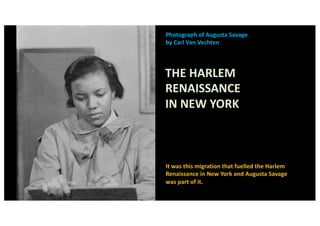
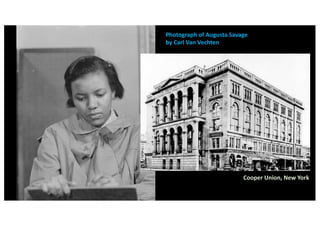
Photograph of Augusta Savage
by Carl Van Vechten
THE HARLEM
RENAISSANCE
IN NEW YORK
It was this migration that fuelled the Harlem
Renaissance in New York and Augusta Savage
was part of it.
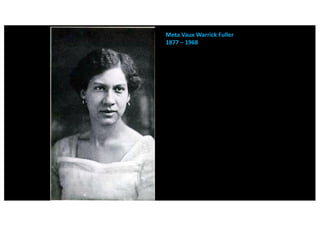
Meta Vaux Warrick Fuller
1877 – 1968
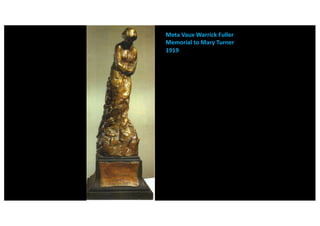
Meta Vaux Warrick Fuller
Memorial to Mary Turner
1919
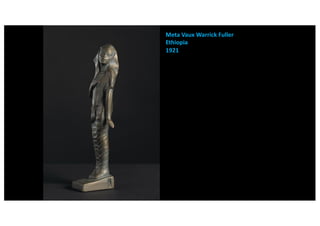
Meta Vaux Warrick Fuller
Ethiopia
1921
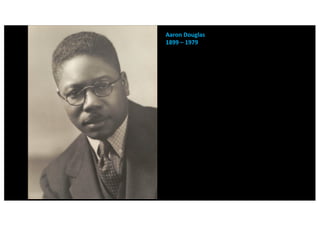
Aaron Douglas
1899 – 1979
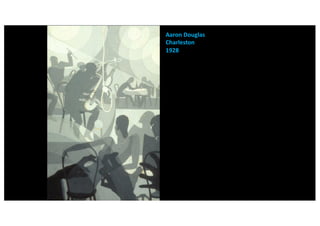
Aaron Douglas
Charleston
1928
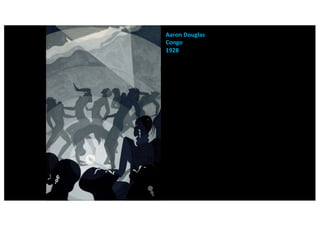
Aaron Douglas
Congo
1928
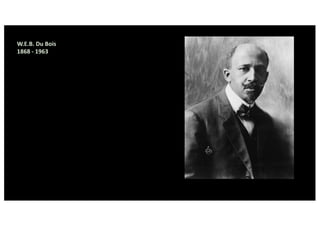
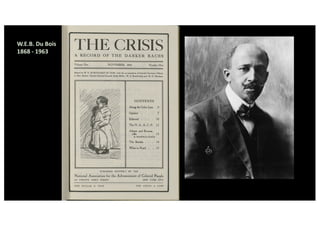
W.E.B. Du Bois
1868 - 1963
W.E.B. Du Bois
1868 - 1963
Photograph of Augusta Savage
by Carl Van Vechten
Cooper Union, New York
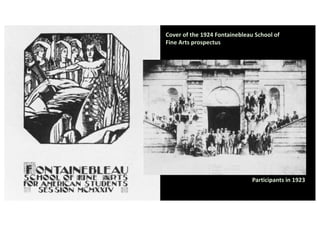
Cover of the 1924 Fontainebleau School of
Fine Arts prospectus
Cover of the 1924 Fontainebleau School of
Fine Arts prospectus
Participants in 1923
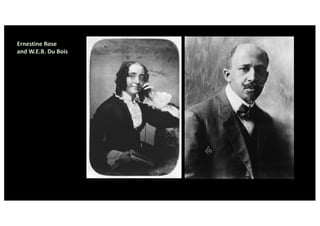
Ernestine Rose
and W.E.B. Du Bois
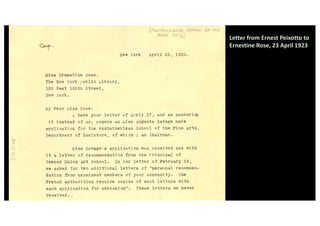
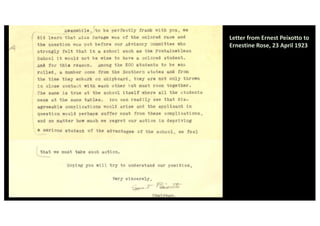
Letter from Ernest Peixotto to
Ernestine Rose, 23 April 1923
Letter from Ernest Peixotto to
Ernestine Rose, 23 April 1923
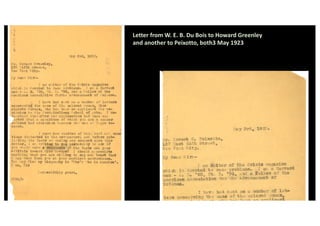
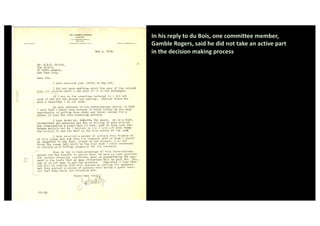
Letter from W. E. B. Du Bois to Howard Greenley
and another to Peixotto, both3 May 1923
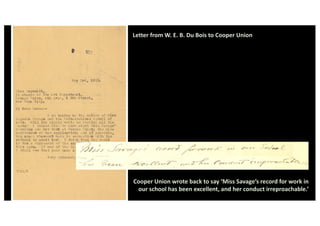
Letter from W. E. B. Du Bois to Cooper Union
Cooper Union wrote back to say ‘Miss Savage’s record for work in
our school has been excellent, and her conduct irreproachable.’
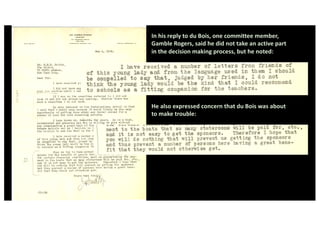
In his reply to du Bois, one committee member,
Gamble Rogers, said he did not take an active part
in the decision making process
In his reply to du Bois, one committee member,
Gamble Rogers, said he did not take an active part
in the decision making process, but he noted:
He also expressed concern that du Bois was about
to make trouble:
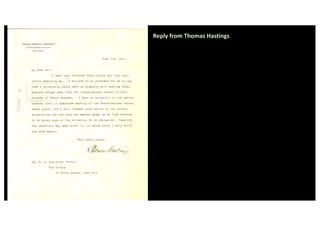
Reply from Thomas Hastings
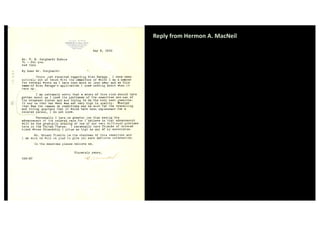
Reply from Hermon A. MacNeil
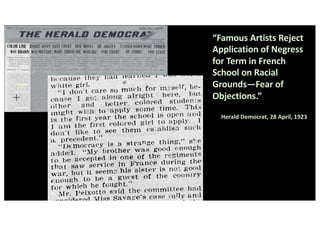
“Famous Artists Reject
Application of Negress
for Term in French
School on Racial
Grounds—Fear of
Objections.”
Herald Democrat, 28 April, 1923
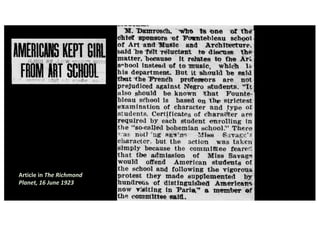
Article in The Richmond
Planet, 16 June 1923
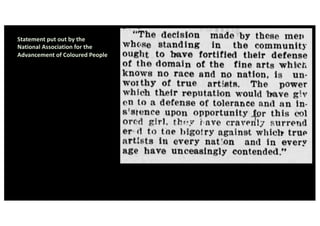
Statement put out by the
National Association for the
Advancement of Coloured People
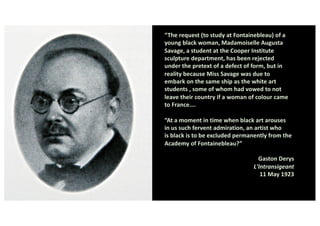
“The request (to study at Fontainebleau) of a
young black woman, Madamoiselle Augusta
Savage, a student at the Cooper Institute
sculpture department, has been rejected
under the pretext of a defect of form, but in
reality because Miss Savage was due to
embark on the same ship as the white art
students , some of whom had vowed to not
leave their country if a woman of colour came
to France….
“At a moment in time when black art arouses
in us such fervent admiration, an artist who
is black is to be excluded permanently from the
Academy of Fontainebleau?”
Gaston Derys
L'Intransigeant
11 May 1923
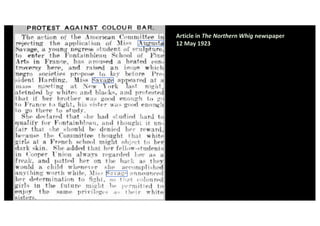
Article in The Northern Whig newspaper
12 May 1923
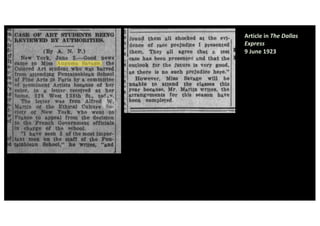
Article in The Dallas
Express
9 June 1923
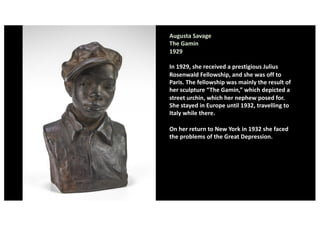
Augusta Savage
The Gamin
1929
In 1929, she received a prestigious Julius
Rosenwald Fellowship, and she was off to
Paris. The fellowship was mainly the result of
her sculpture “The Gamin,” which depicted a
street urchin, which her nephew posed for.
She stayed in Europe until 1932, travelling to
Italy while there.
On her return to New York in 1932 she faced
the problems of the Great Depression.
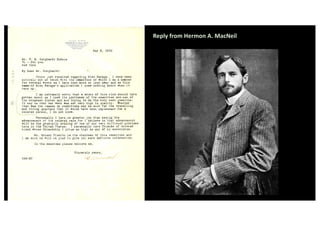
Reply from Hermon A. MacNeil
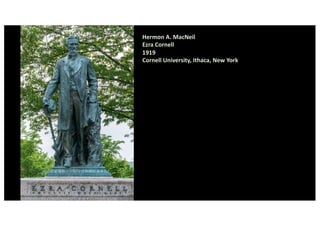
Hermon A. MacNeil
Ezra Cornell
1919
Cornell University, Ithaca, New York
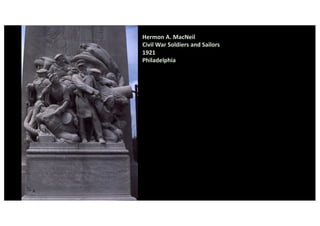
Hermon A. MacNeil
Civil War Soldiers and Sailors
1921
Philadelphia
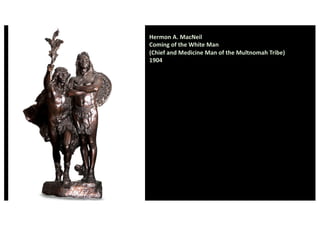
Hermon A. MacNeil
Coming of the White Man
(Chief and Medicine Man of the Multnomah Tribe)
1904
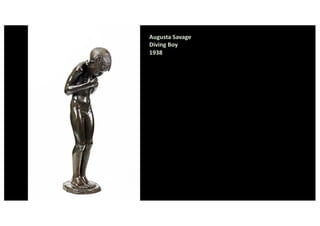
Augusta Savage
Diving Boy
1938
Augusta Savage with her sculpture
‘Realisation’ (now lost)
c. 1938
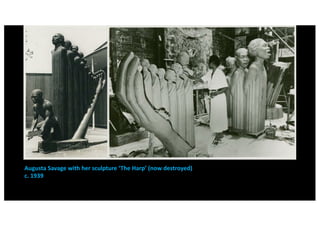
Augusta Savage with her sculpture ‘The Harp’ (now destroyed)
c. 1939
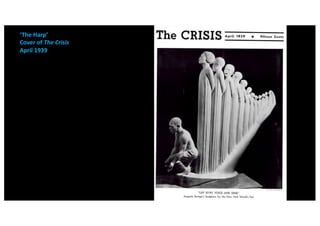
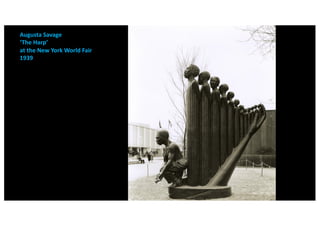
‘The Harp’
Cover of The Crisis
April 1939
Augusta Savage
‘The Harp’
at the New York World Fair
1939
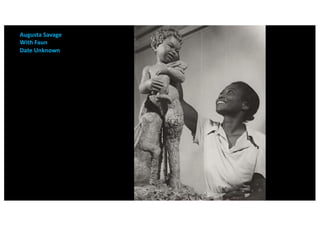
Augusta Savage
With Faun
Date Unknown
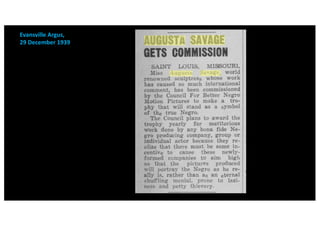
Evansville Argus,
29 December 1939
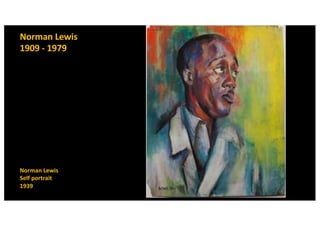
Norman Lewis
1909 - 1979
Norman Lewis
Self portrait
1939
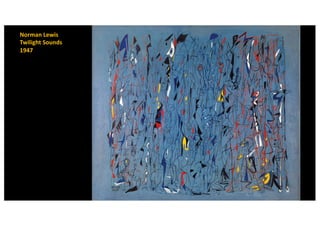
Norman Lewis
Twilight Sounds
1947
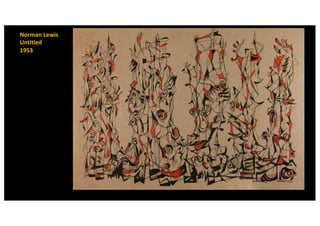
Norman Lewis
Untitled
1953
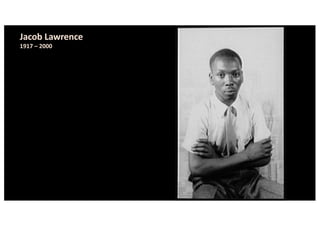
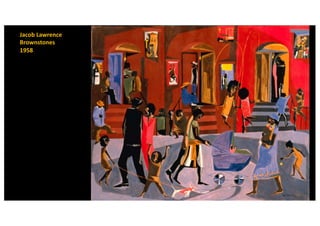
Jacob Lawrence
1917 – 2000
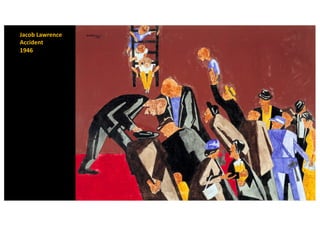
Jacob Lawrence
Accident
1946
Jacob Lawrence
Brownstones
1958
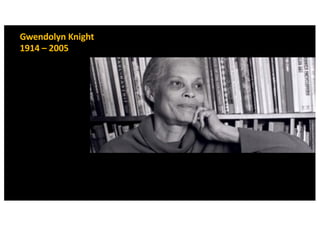
Gwendolyn Knight
1914 – 2005
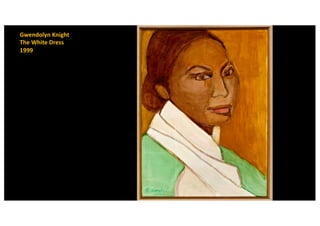
Gwendolyn Knight
The White Dress
1999
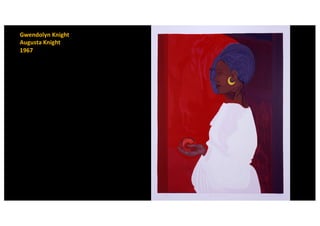
Gwendolyn Knight
Augusta Knight
1967
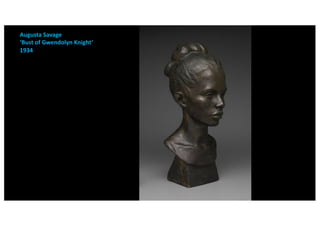
Augusta Savage
‘Bust of Gwendolyn Knight’
1934
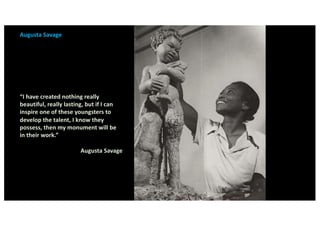
Augusta Savage
“I have created nothing really
beautiful, really lasting, but if I can
inspire one of these youngsters to
develop the talent, I know they
possess, then my monument will be
in their work.”
Augusta Savage

Augusta Savage