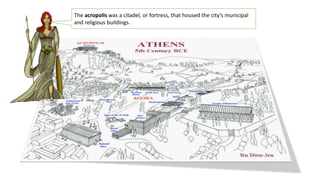
The acropolis was a citadel, or fortress, that housed the city’s municipal
and religious buildings.
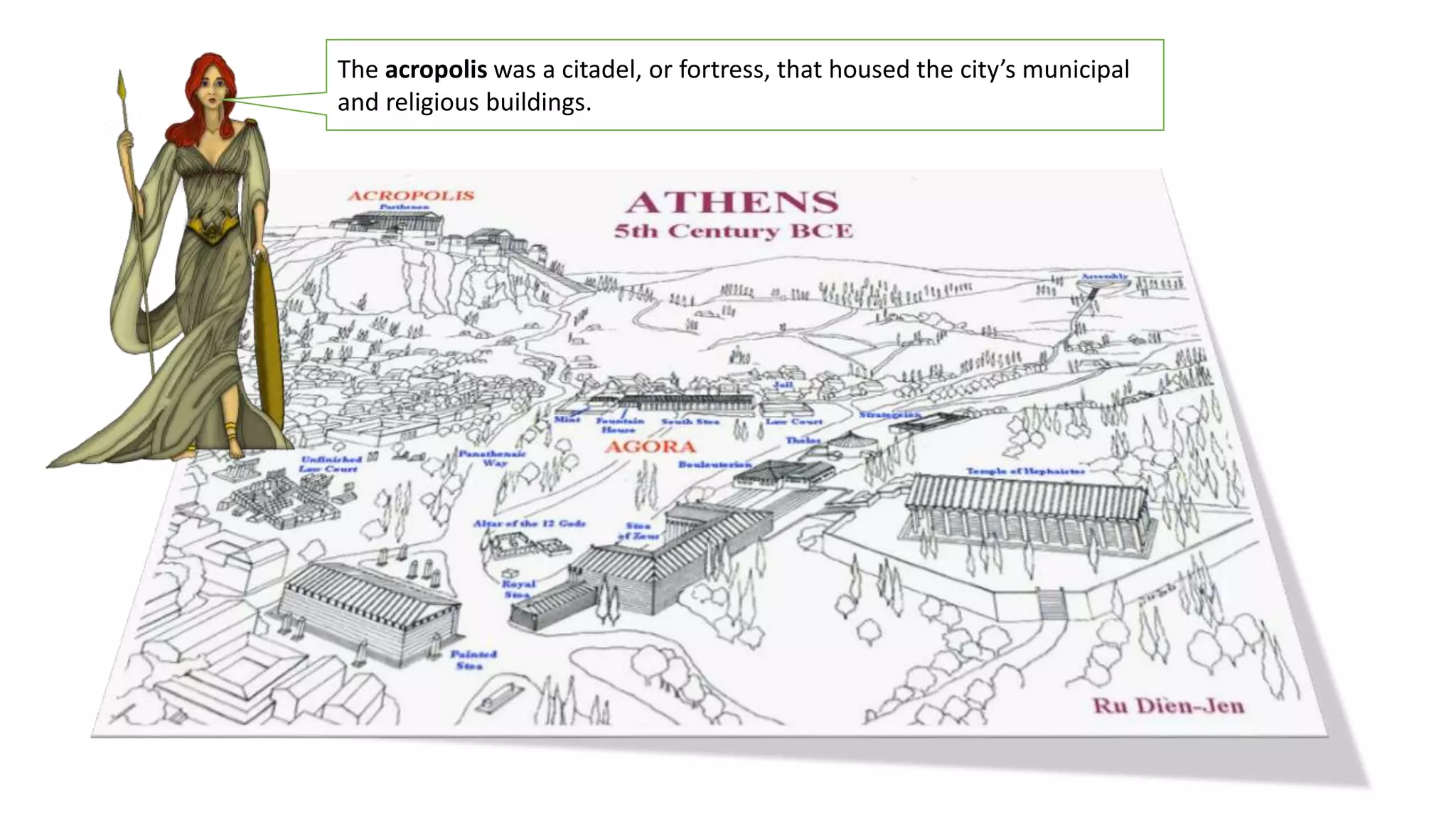
The Parthenon is located on the Acropolis (“city-
height”) in Athens, Greece, and is an ancient temple
to me (Athena)
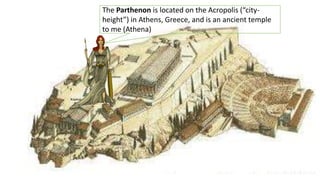
I am totally worth
it
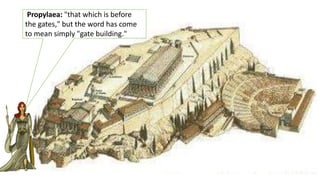
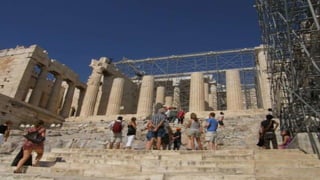
Propylaea: "that which is before
the gates," but the word has come
to mean simply "gate building."
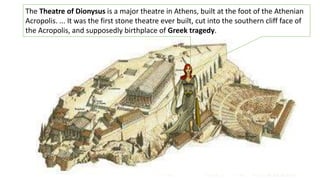
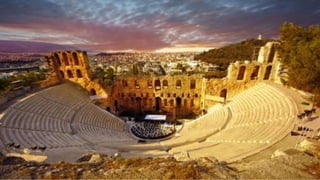
The Theatre of Dionysus is a major theatre in Athens, built at the foot of the Athenian
Acropolis. ... It was the first stone theatre ever built, cut into the southern cliff face of
the Acropolis, and supposedly birthplace of Greek tragedy.
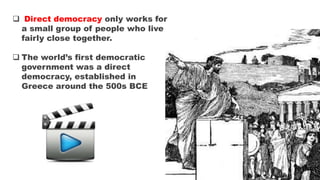
 Direct democracy only works for
a small group of people who live
fairly close together.
 The world’s first democratic
government was a direct
democracy, established in
Greece around the 500s BCE
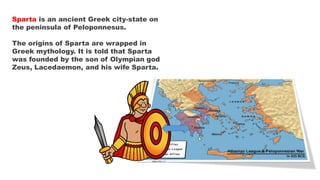
Sparta is an ancient Greek city-state on
the peninsula of Peloponnesus.
The origins of Sparta are wrapped in
Greek mythology. It is told that Sparta
was founded by the son of Olympian god
Zeus, Lacedaemon, and his wife Sparta.
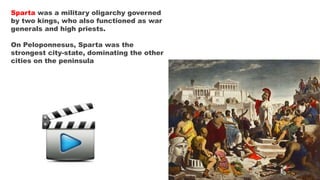
Sparta was a military oligarchy governed
by two kings, who also functioned as war
generals and high priests.
On Peloponnesus, Sparta was the
strongest city-state, dominating the other
cities on the peninsula
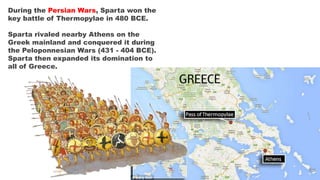
During the Persian Wars, Sparta won the
key battle of Thermopylae in 480 BCE.
Sparta rivaled nearby Athens on the
Greek mainland and conquered it during
the Peloponnesian Wars (431 - 404 BCE).
Sparta then expanded its domination to
all of Greece.
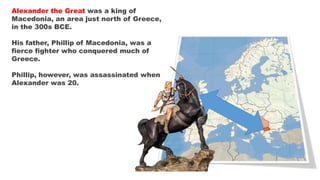
Alexander the Great was a king of
Macedonia, an area just north of Greece,
in the 300s BCE.
His father, Phillip of Macedonia, was a
fierce fighter who conquered much of
Greece.
Phillip, however, was assassinated when
Alexander was 20.
The people of Greece gave
Alexander authority to lead
them in battle.
In addition to being a king,
he was known as one of the
greatest military leaders of
his time. He conquered
areas quickly, while almost
never losing a battle.
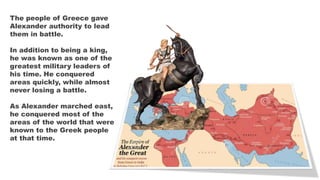
As Alexander marched east,
he conquered most of the
areas of the world that were
known to the Greek people
at that time.

Athens and sparta

  • 1.
    The acropolis wasa citadel, or fortress, that housed the city’s municipal and religious buildings.
  • 2.
    The Parthenon islocated on the Acropolis (“city- height”) in Athens, Greece, and is an ancient temple to me (Athena)
  • 3.
    I am totallyworth it
  • 4.
    Propylaea: "that whichis before the gates," but the word has come to mean simply "gate building."
  • 6.
    The Theatre ofDionysus is a major theatre in Athens, built at the foot of the Athenian Acropolis. ... It was the first stone theatre ever built, cut into the southern cliff face of the Acropolis, and supposedly birthplace of Greek tragedy.
  • 8.
     Direct democracyonly works for a small group of people who live fairly close together.  The world’s first democratic government was a direct democracy, established in Greece around the 500s BCE
  • 9.
    Sparta is anancient Greek city-state on the peninsula of Peloponnesus. The origins of Sparta are wrapped in Greek mythology. It is told that Sparta was founded by the son of Olympian god Zeus, Lacedaemon, and his wife Sparta.
  • 10.
    Sparta was amilitary oligarchy governed by two kings, who also functioned as war generals and high priests. On Peloponnesus, Sparta was the strongest city-state, dominating the other cities on the peninsula
  • 11.
    During the PersianWars, Sparta won the key battle of Thermopylae in 480 BCE. Sparta rivaled nearby Athens on the Greek mainland and conquered it during the Peloponnesian Wars (431 - 404 BCE). Sparta then expanded its domination to all of Greece.
  • 12.
    Alexander the Greatwas a king of Macedonia, an area just north of Greece, in the 300s BCE. His father, Phillip of Macedonia, was a fierce fighter who conquered much of Greece. Phillip, however, was assassinated when Alexander was 20.
  • 13.
    The people ofGreece gave Alexander authority to lead them in battle. In addition to being a king, he was known as one of the greatest military leaders of his time. He conquered areas quickly, while almost never losing a battle. As Alexander marched east, he conquered most of the areas of the world that were known to the Greek people at that time.