Download to read offline



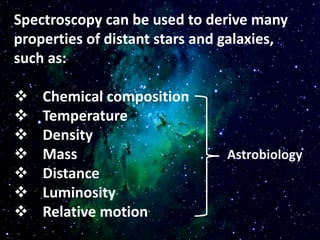
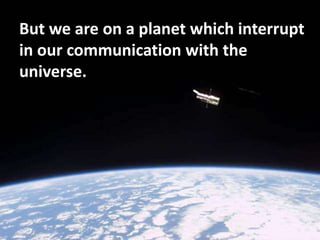
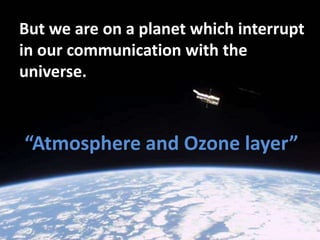
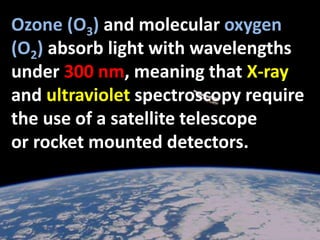
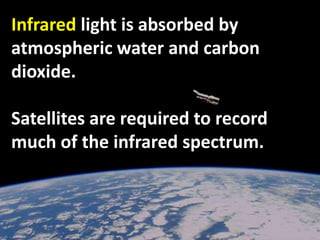
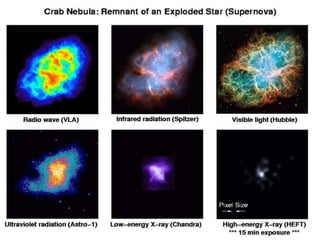
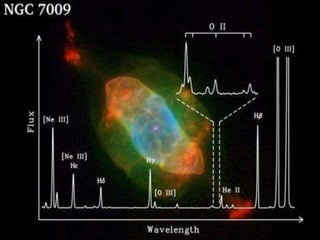
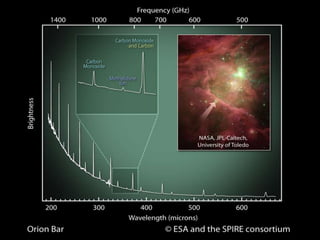
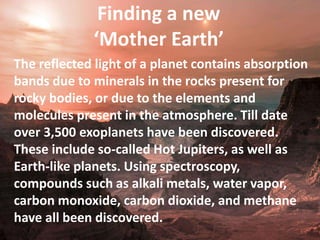
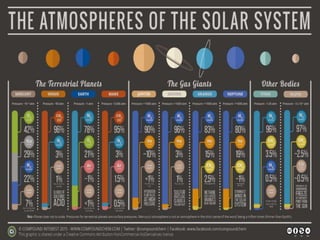
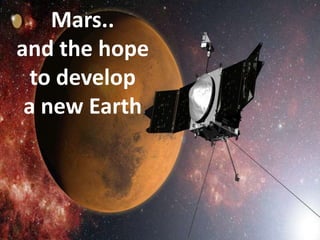
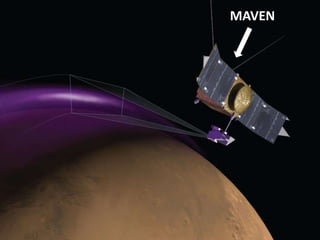
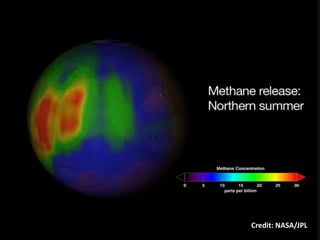
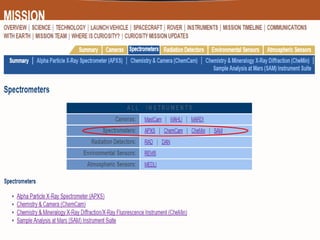
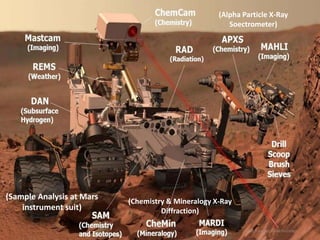
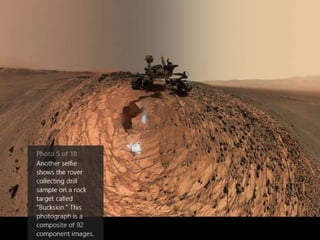
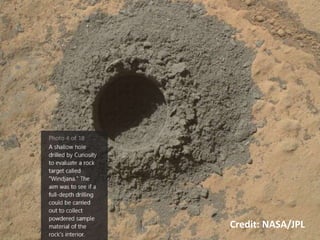
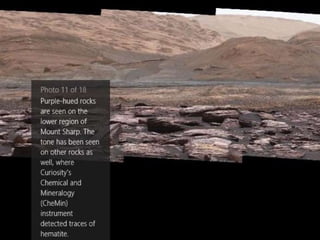
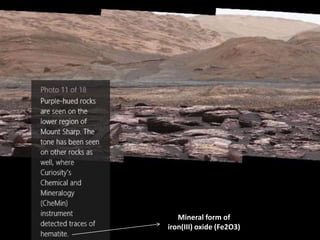
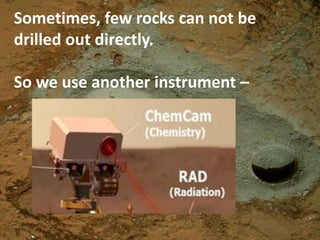
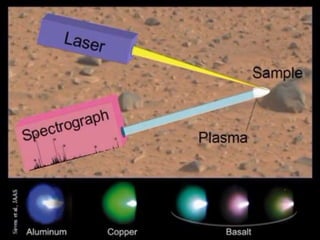
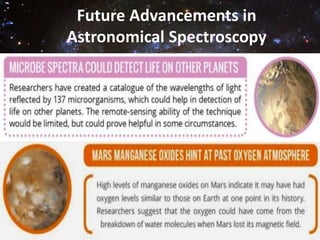
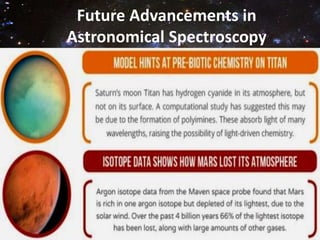

This document discusses the use of spectroscopy in astronomical observations. Spectroscopy can be used to derive many properties of distant stars and galaxies, such as chemical composition, temperature, density, mass, distance, luminosity, and relative motion. However, Earth's atmosphere interferes with certain wavelengths of light. Infrared and ultraviolet light are absorbed, requiring the use of satellites. Spectroscopy has also been used to discover compounds in exoplanet atmospheres like water vapor and methane. Future advancements may allow astronomers to better study objects and find habitable planets.


![Polymer [ बहुलक ] Chemistry Notes PDF - Irfanullah Mehar - JJ Sir Chemistry.pdf](https://cdn.slidesharecdn.com/ss_thumbnails/polymerchemistrynotespdf-irfanullahmehar-jjsirchemistry-260210172118-3f9b37f7-thumbnail.jpg?width=640&height=640&fit=bounds)


