VIVA-Tech International Journal for Research and Innovation Volume 1, Issue 6 (2023)
ISSN(Online): 2581-7280
VIVA Institute of Technology
11th
National Conference on Role of Engineers in Nation Building – 2023 (NCRENB-2023)
F-1
ARTIFICIAL INTELLIGENCE IN MENTAL HEALTHCARE
Prof. Shreya Bhamare¹, Onkar Shelar 2
, Siddhesh Rane³
1
(MCA, Viva Institute of Technology/ University of Mumbai, India)
2
(MCA, Viva Institute of Technology/ University of Mumbai, India)
3
(MCA, Viva Institute of Technology/ University of Mumbai, India)
Abstract : A summary of recent original research on AI specifically related to mental health is provided in this
article, along with an overview of AI and its present uses in mental healthcare. The development of prediction,
diagnosis, and treatment options for mental health care is being aided by current artificial intelligence (AI), and
machine learning in particular. To improve user experience and optimise individualised mental health care, AI is
being applied into digital treatments, particularly online and smartphone apps. To create prediction/detection
models for mental health disorders, AI techniques can be used. In order to assist with clinical diagnosis,
prognosis, and therapy as well as clinical and technological challenges, this article presents an overview of AI
techniques in mental healthcare.
Keywords – Depression, Machine Learning, Natural Language Processing, Stress, Suicide.
I. INTRODUCTION
Preface Artificial intelligence (AI) is the field of wisdom concerned with the study and design of
intelligent machines. AI technologies and ways are in fact formerly at work each around us, although frequently
behind the scenes. The field of internal health care, like a range of other fields, has been impacted by the revolution
in digital technology and artificial intelligence (AI). Advances in computational capacity, data collection and
machine literacy are contributing to an adding interest in artificial intelligence (AI), as reflected by a recent swell
in backing and exploration [1]. Popular media reports of the use of upstanding surveillance drones, driverless
buses, or the possible threats of arising super-intelligent machines have maybe increased some general
mindfulness of the content.
While AI technology is getting more current in drug for physical health operations, the discipline of
internal health has been slower to borrow AI. Nearly 66 of people with a known internal health issue no way
approach a good therapist for help [2]. To apply substantiated internal healthcare as a long- term thing, we need
to harness computational approaches stylish suited to big data.
II. LITERATURE REVIEW
The literature reviews this report is grounded on estimated the published substantiation on AI for the
forestalment, opinion, and treatment of internal health ails. The review concentrated on the clinical effectiveness
of AI operations, purpose of use, patient populations, primary druggies, and affiliated substantiation- grounded
guidelines. AI operations are being developed to prognosticate, diagnose, and treat internal health problems or
ails, how effective they're and how to incorporate them into internal health care services is still uncertain [3].
Anxiety and depression are generally observed among council scholars, with over two of them having their first
onset before the age of 24. To attack this issue, companies are developing software and programs to fete depression
and give support for the same using machine literacy and natural language processing.
AI applications appear to be effective for reducing symptoms of depression and improving access to
crisis resources. Compared with physician diagnoses, the diagnostic accuracy of AI models is generally moderate
to high. Research on using AI for preventing mental health problems is lacking, as are guidelines for using AI in
mental health care. There is also lack of research in assessing AI in specific groups such as older adults,
immigrants. Cognitive Behavioural Therapy (CBT) is a popular talking therapy that helps to reframe the way one
thinks and behaves, to change the way in which we address problems [4]. Using CBT, the bot aims to replicate
VIVA-Tech International Journal for Research and Innovation Volume 1, Issue 6 (2023)
ISSN(Online): 2581-7280
VIVA Institute of Technology
11th
National Conference on Role of Engineers in Nation Building – 2023 (NCRENB-2023)
F-2
the open ear of a trained professional. It also included therapeutic process-oriented features like empathetic
responses, tailoring specific content, accountability, motivation, and engagement [4].
III. METHODOLOGY
3.1 AI in Healthcare
The artificial intelligence (AI) technologies getting ever present in ultramodern business and everyday life is
also steadily being applied to healthcare show in Fig. 1. AI is presently being used to grease early complaint
discovery, enable the better understanding of complaint progression, optimize drug/ treatment tablets, and the
uncover new treatments. utmost AI and healthcare technologies have strong applicability to the healthcare field,
but the tactics they support can vary significantly between hospitals and other healthcare associations.
Artificial intelligence in healthcare is an overarching term used to describe the use of machine- learning
algorithms and software, or artificial intelligence (AI), to mimic mortal cognition in the analysis, donation, and
appreciation of complex medical and health care data. The eventuality for both AI and robotics in healthcare is
vast. Just like in our every- day lives, AI and robotics are decreasingly a part of our healthcare Eco-system. Areas
of drug most successful in using pattern recognition include ophthalmology, cancer discovery, and radiology,
where AI algorithms can perform as well or better than educated clinicians in assessing images for abnormalities
or craft undetectable to the mortal eye. These advances can conceivably change multitudinous corridor of patient
care, just as nonsupervisory procedures inside supplier, patient experience, and pathology labs.
Fig.1 Role of AI in Healthcare
3.1.1 Early Detection of ailments
AI-based knowledge is now used to recognize illnesses, for instance, tumours, in their starting stage in Fig.1.
AI increase the capability for healthcare professionals to more understand the day- to- day patterns and
requirements of the people they watch, for better feedback, guidance and support.
The wide use of wearables like iWatch by Apple and other clinical contrivances got together with AI. In
general, the before the discovery of a complaint, the better it can be treated.
3.1.2 Improve Decision Making
Improving care requires the alignment of big health data with applicable and timely decision- timber and
prophetic analytics can support clinical- timber and action as well as prioritise executive tasks. Using once
information of cases to fete cases at threat for a condition is one of the major uses of AI in healthcare. Using this
information, AI algorithms can help in better and bettered decision- making processes.
3.1.3 Help in Treatment
Artificial Intelligence systems have been created to assay data notes and reports from a case’s train, external
exploration and clinical moxie to help elect the correct, collectively customized treatment path. AI can help
clinicians with contriving better treatment plans for these cases see Fig. 1.
3.1.4 End of Life Care
We're living much longer than former generation, and as we approach the end of life, we're dying in different
and slower way, from conditions like heart failure. It's also a phase of life that’s frequently agonized by loneliness.
In this way, AI can help to make the experience better for critically ill or old age cases.
VIVA-Tech International Journal for Research and Innovation Volume 1, Issue 6 (2023)
ISSN(Online): 2581-7280
VIVA Institute of Technology
11th
National Conference on Role of Engineers in Nation Building – 2023 (NCRENB-2023)
F-3
3.2 AI in Mental Healthcare
While AI technology is getting more current in drug for physical health operations, the discipline of internal
health has been slower to borrow AI. Mental health interpreters are more hands- on and patient- centred in their
clinical practice [5]. assaying patient data to assess the threat of developing internal health conditions, classify
diseases, and optimize treatment plans. Conducting tone- assessment and remedy sessions. This order is largely
represented by keyword- touched off and NLP chatbots. They offer advice, track the stoner’s responses, estimate
the progression and inflexibility of a internal illness, and help manage with its symptoms. AI has great eventuality
tore-define our opinion and understanding of internal ails. Mental health clinical data is frequently in the form of
private and qualitative patient statements and written notes. AI ways offers the capability to develop better PR
diagnosis webbing tools and formulate threat models to determine an existent’s predilection for, or threat of
developing, internal illness
3.3 Natural Language Processing
The capability of machines to interpret and reuse mortal(natural) language is called NLP. The use of
computational ways to specifically examine and classify language. The NLP ways used in these systems were
latterly acclimated for use in the simple precursors of moment’s virtual agents, known as “chatbots” or
“chatterbots” [6].
NLP ways are applicable for psychiatry because language and speech are the primary sources of information
used to diagnose and treat internal diseases Applicable exemplifications in internal health include applying NLP
within the Clinical Record Interactive Hunt (CRIS) platform and prognosticating the threat of self-murder from
sanitarium discharge notes within the HER NLP has numerous practical uses for behavioural and internal health
care. For case, NLP combined with ML can allow virtual humans to interact with people through textbook or
voice communication. NLP, combined with ML ways, can also be used to overlook treatment sessions and identify
patterns or content of interest.
NLP can also be applied more astronomically to EHR or insurance claims data for automating JournalPre-
proof 8 map reviews, clustering cases into particular phenotypes, and prognosticating case specific issues These
experimenters propose that this fashion could be useful in training and dedication monitoring in clinical trials or
in natural settings to automatically identify outlier sessions or therapist interventions that are inconsistent with the
specified treatment approach.
3.4 CBT Chatbot
Internet- grounded cognitive behavioural remedy (CBT) has been offered since the 1990s but has been
characterised by low adherence. The development of CBT chatbots, which mimic normal conversational style to
deliver CBT, may increase adherence and offer other advantages. A chatbot is a computer program that mimics
discussion with druggies via a converse interface, either textbook or voice grounded [7]. the challenge of investing
chatbots with intelligence in terms of their capability to pretend the structures of natural language communication,
another important dimension, particularly in a psychology/ remedy setting, is emotional intelligence; developing
chatbots that can descry and respond meetly to the emotional state of the mortal.
The simplest of these chatbots can be used as conversational hunt sidekicks or recommendation system
interfaces, leading druggies to applicable internal health information or remedy content after a introductory and
brief dialogical commerce [8]. The bot also teaches useful strategies and practical tools, that have been shown
will work. In this light, it can contribute to increased well- being by reducing insulation, furnishing an instant
channel of communication which is kindly anonymous. The bot used 10 features to indicate the emotional
condition of the existent which were decided with the help contextual and behavioural stoner models and
classified them into colourful emotional countries.
3.5 Precision Medicine
As the National Institutes of Health (NIH) said, there's “an arising approach for complaint treatment and
forestalment that takes into account individual variability in genes, terrain and life for each person [9].” This
approach will allow croakers and experimenters to prognosticate more directly which treatment and forestalments
strategies for a particular complaint will work in which groups of people.
Artificial intelligence will have a huge impact on perfection drug, including genetics and genomics as well.
For illustration, Deep Genomics aims at relating patterns in huge data sets of inheritable information and croaker
al records, looking for mutations and liaison to complaint. They’re contriving a new generation of computational
technologies that can tell croakers what will be within a cell when DNA is altered by inheritable variation, whether
natural or remedial.
VIVA-Tech International Journal for Research and Innovation Volume 1, Issue 6 (2023)
ISSN(Online): 2581-7280
VIVA Institute of Technology
11th
National Conference on Role of Engineers in Nation Building – 2023 (NCRENB-2023)
F-4
3.6 Big Data Analytics in the healthcare
In recent times one can observe a constantly adding demand for results offering effective logical tools. This
trend is also conspicuous in the analysis of large volumes of data (Big Data, BD). Organizations are looking for
ways to use the power of Big Data to ameliorate their decision timber, competitive advantage or business
performance. Big Data is considered to offer implicit results to public and private associations, still, still not
important is known about the outgrowth of the practical use of Big Data in different types of associations [10].
Fig.2 Healthcare Big Data Analytics.
Healthcare has always generated huge quantities of data and currently, the preface of electronic medical
records, as well as the huge quantum of data transferred by colourful types of detectors or generated by cases in
social media causes data aqueducts to constantly grow. Rooting from this distraction of given association rules,
patterns and trends will allow health service providers and other stakeholders in the healthcare sector to offer
more accurate and more perceptive judgments of cases, substantiated treatment, monitoring of the cases,
preventative drug, support of medical exploration and health population, as well as better quality of medical
services and patient care while, at the same time, the capability to reduce costs (Fig. 2).
3.7 Applying AI in Healthcare
Looking at the eventuality in artificial intelligence for information gathering and moxie sharing, analysing
huge datasets and stumbling upon correlations or clusters that are unnoticeable to the mortal eye, we can fluently
discern what types of tasks smart algorithms can carry out in drug and healthcare. resemblant to the increase of
companies creating smart algorithms for medical purposes, policymakers and controllers in healthcare also
honoured the immense eventuality in A.I. to optimize the processes in drug for mending cases in a more effective
way, as well as in pharma or in administration in general.
The rise in the number of FDA- approved algorithms shows this change in the station of controllers. As the
first blessings in 2019 also show, we don't anticipate the trend to decelerate down. On the negative, we will most
probably see dozens of new medical A.I [11]. results on the request. As a starting point, let’s look at formerly
applied smart algorithms, promising results on training datasets and unborn prospects in colourful medical fields.
3.8 Challenges of AI
Although the eventuality of artificial intelligence for making healthcare better is irrefutable, and as the
rundown of approved FDA algorithms shows, the number of exploitable software is exponentially growing, the
successful integration of the technology into our healthcare systems is far from ineluctable [12]. For doing so,
we've to overcome specialized, medical limitations, as well as nonsupervisory obstacles, soothe ethical
enterprises and alleviate the tendency to oversell the technology. In this chapter, we epitomize the main
challenges that concern the restatement of artificial intelligence to everyday life, and ask the questions that are
generally raised in the medical world when meaning about A.I. and the times to come [13].
VIVA-Tech International Journal for Research and Innovation Volume 1, Issue 6 (2023)
ISSN(Online): 2581-7280
VIVA Institute of Technology
11th
National Conference on Role of Engineers in Nation Building – 2023 (NCRENB-2023)
F-5
IV. FIGURES AND TABLES
Fig. 3 The information on 288 peer- reviewed papers published between 1992 and January 2021 uprooted
from the Scopus database. The analysis period covered 28 times and 1 month of scientific product and included
an periodic growth rate of 5.12. still, the most significant increase in published papers passed in the once three
times (please see Fig. 1).
Fig.3 Annual scientific production.
Fig. 4 The action called A.I. Index in its 2018 Annual Report set up that from January 2015 to January 2018,
active A.I. startups increased by 113 percent, while all active startups only showed a moderate increase of 28
percent [14]. While in 2005, there were only 203 exploration papers onPubmed.com, one of the most prestigious
databases for life lores, the number rose to 7668 in 2018 and it’s likely to hit a new record in 2019.
Fig. 4 Machine learning and Deep learning annual report
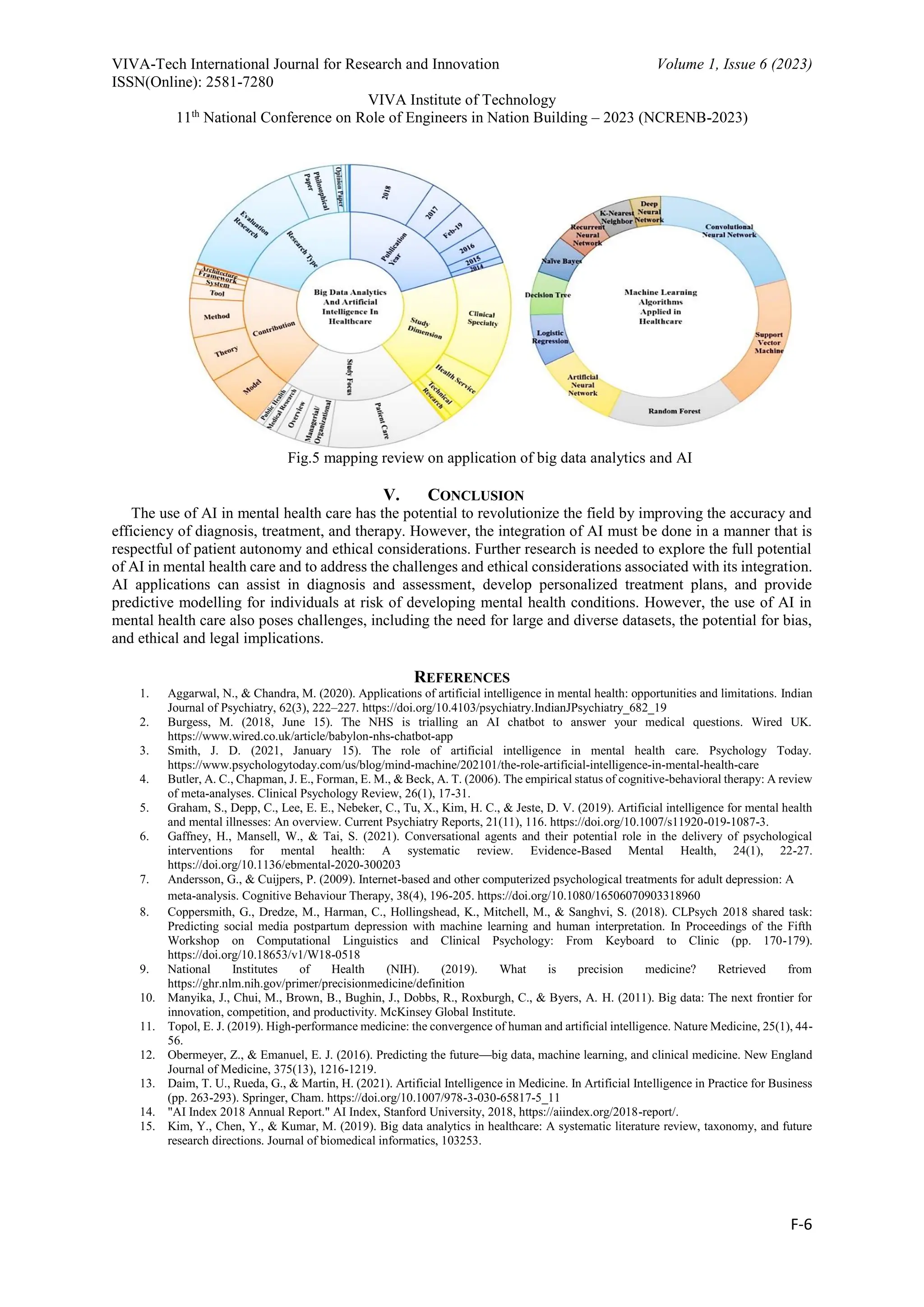
Fig. 5 To the extent of our knowledge, this is the first mapping review on operation of big data analytics and
artificial intelligence in healthcare. On the specialized front, results of this review demonstrate the operation of
colorful algorithms and ways for analysis of healthcare data.In this study bubble plots were used to collude [15].
The distribution of publications over times by exploration type and study concentrate Fig. 5; and donation and
study dimension Fig. 5.
September
VIVA-Tech International Journal for Research and Innovation Volume 1, Issue 6 (2023)
ISSN(Online): 2581-7280
VIVA Institute of Technology
11th
National Conference on Role of Engineers in Nation Building – 2023 (NCRENB-2023)
F-6
Fig.5 mapping review on application of big data analytics and AI
V. CONCLUSION
The use of AI in mental health care has the potential to revolutionize the field by improving the accuracy and
efficiency of diagnosis, treatment, and therapy. However, the integration of AI must be done in a manner that is
respectful of patient autonomy and ethical considerations. Further research is needed to explore the full potential
of AI in mental health care and to address the challenges and ethical considerations associated with its integration.
AI applications can assist in diagnosis and assessment, develop personalized treatment plans, and provide
predictive modelling for individuals at risk of developing mental health conditions. However, the use of AI in
mental health care also poses challenges, including the need for large and diverse datasets, the potential for bias,
and ethical and legal implications.
REFERENCES
1. Aggarwal, N., & Chandra, M. (2020). Applications of artificial intelligence in mental health: opportunities and limitations. Indian
Journal of Psychiatry, 62(3), 222–227. https://doi.org/10.4103/psychiatry.IndianJPsychiatry_682_19
2. Burgess, M. (2018, June 15). The NHS is trialling an AI chatbot to answer your medical questions. Wired UK.
https://www.wired.co.uk/article/babylon-nhs-chatbot-app
3. Smith, J. D. (2021, January 15). The role of artificial intelligence in mental health care. Psychology Today.
https://www.psychologytoday.com/us/blog/mind-machine/202101/the-role-artificial-intelligence-in-mental-health-care
4. Butler, A. C., Chapman, J. E., Forman, E. M., & Beck, A. T. (2006). The empirical status of cognitive-behavioral therapy: A review
of meta-analyses. Clinical Psychology Review, 26(1), 17-31.
5. Graham, S., Depp, C., Lee, E. E., Nebeker, C., Tu, X., Kim, H. C., & Jeste, D. V. (2019). Artificial intelligence for mental health
and mental illnesses: An overview. Current Psychiatry Reports, 21(11), 116. https://doi.org/10.1007/s11920-019-1087-3.
6. Gaffney, H., Mansell, W., & Tai, S. (2021). Conversational agents and their potential role in the delivery of psychological
interventions for mental health: A systematic review. Evidence-Based Mental Health, 24(1), 22-27.
https://doi.org/10.1136/ebmental-2020-300203
7. Andersson, G., & Cuijpers, P. (2009). Internet-based and other computerized psychological treatments for adult depression: A
meta-analysis. Cognitive Behaviour Therapy, 38(4), 196-205. https://doi.org/10.1080/16506070903318960
8. Coppersmith, G., Dredze, M., Harman, C., Hollingshead, K., Mitchell, M., & Sanghvi, S. (2018). CLPsych 2018 shared task:
Predicting social media postpartum depression with machine learning and human interpretation. In Proceedings of the Fifth
Workshop on Computational Linguistics and Clinical Psychology: From Keyboard to Clinic (pp. 170-179).
https://doi.org/10.18653/v1/W18-0518
9. National Institutes of Health (NIH). (2019). What is precision medicine? Retrieved from
https://ghr.nlm.nih.gov/primer/precisionmedicine/definition
10. Manyika, J., Chui, M., Brown, B., Bughin, J., Dobbs, R., Roxburgh, C., & Byers, A. H. (2011). Big data: The next frontier for
innovation, competition, and productivity. McKinsey Global Institute.
11. Topol, E. J. (2019). High-performance medicine: the convergence of human and artificial intelligence. Nature Medicine, 25(1), 44-
56.
12. Obermeyer, Z., & Emanuel, E. J. (2016). Predicting the future—big data, machine learning, and clinical medicine. New England
Journal of Medicine, 375(13), 1216-1219.
13. Daim, T. U., Rueda, G., & Martin, H. (2021). Artificial Intelligence in Medicine. In Artificial Intelligence in Practice for Business
(pp. 263-293). Springer, Cham. https://doi.org/10.1007/978-3-030-65817-5_11
14. "AI Index 2018 Annual Report." AI Index, Stanford University, 2018, https://aiindex.org/2018-report/.
15. Kim, Y., Chen, Y., & Kumar, M. (2019). Big data analytics in healthcare: A systematic literature review, taxonomy, and future
research directions. Journal of biomedical informatics, 103253.

ARTIFICIAL INTELLIGENCE IN MENTAL HEALTHCARE

  • 1.
    VIVA-Tech International Journalfor Research and Innovation Volume 1, Issue 6 (2023) ISSN(Online): 2581-7280 VIVA Institute of Technology 11th National Conference on Role of Engineers in Nation Building – 2023 (NCRENB-2023) F-1 ARTIFICIAL INTELLIGENCE IN MENTAL HEALTHCARE Prof. Shreya Bhamare¹, Onkar Shelar 2 , Siddhesh Rane³ 1 (MCA, Viva Institute of Technology/ University of Mumbai, India) 2 (MCA, Viva Institute of Technology/ University of Mumbai, India) 3 (MCA, Viva Institute of Technology/ University of Mumbai, India) Abstract : A summary of recent original research on AI specifically related to mental health is provided in this article, along with an overview of AI and its present uses in mental healthcare. The development of prediction, diagnosis, and treatment options for mental health care is being aided by current artificial intelligence (AI), and machine learning in particular. To improve user experience and optimise individualised mental health care, AI is being applied into digital treatments, particularly online and smartphone apps. To create prediction/detection models for mental health disorders, AI techniques can be used. In order to assist with clinical diagnosis, prognosis, and therapy as well as clinical and technological challenges, this article presents an overview of AI techniques in mental healthcare. Keywords – Depression, Machine Learning, Natural Language Processing, Stress, Suicide. I. INTRODUCTION Preface Artificial intelligence (AI) is the field of wisdom concerned with the study and design of intelligent machines. AI technologies and ways are in fact formerly at work each around us, although frequently behind the scenes. The field of internal health care, like a range of other fields, has been impacted by the revolution in digital technology and artificial intelligence (AI). Advances in computational capacity, data collection and machine literacy are contributing to an adding interest in artificial intelligence (AI), as reflected by a recent swell in backing and exploration [1]. Popular media reports of the use of upstanding surveillance drones, driverless buses, or the possible threats of arising super-intelligent machines have maybe increased some general mindfulness of the content. While AI technology is getting more current in drug for physical health operations, the discipline of internal health has been slower to borrow AI. Nearly 66 of people with a known internal health issue no way approach a good therapist for help [2]. To apply substantiated internal healthcare as a long- term thing, we need to harness computational approaches stylish suited to big data. II. LITERATURE REVIEW The literature reviews this report is grounded on estimated the published substantiation on AI for the forestalment, opinion, and treatment of internal health ails. The review concentrated on the clinical effectiveness of AI operations, purpose of use, patient populations, primary druggies, and affiliated substantiation- grounded guidelines. AI operations are being developed to prognosticate, diagnose, and treat internal health problems or ails, how effective they're and how to incorporate them into internal health care services is still uncertain [3]. Anxiety and depression are generally observed among council scholars, with over two of them having their first onset before the age of 24. To attack this issue, companies are developing software and programs to fete depression and give support for the same using machine literacy and natural language processing. AI applications appear to be effective for reducing symptoms of depression and improving access to crisis resources. Compared with physician diagnoses, the diagnostic accuracy of AI models is generally moderate to high. Research on using AI for preventing mental health problems is lacking, as are guidelines for using AI in mental health care. There is also lack of research in assessing AI in specific groups such as older adults, immigrants. Cognitive Behavioural Therapy (CBT) is a popular talking therapy that helps to reframe the way one thinks and behaves, to change the way in which we address problems [4]. Using CBT, the bot aims to replicate
  • 2.
    VIVA-Tech International Journalfor Research and Innovation Volume 1, Issue 6 (2023) ISSN(Online): 2581-7280 VIVA Institute of Technology 11th National Conference on Role of Engineers in Nation Building – 2023 (NCRENB-2023) F-2 the open ear of a trained professional. It also included therapeutic process-oriented features like empathetic responses, tailoring specific content, accountability, motivation, and engagement [4]. III. METHODOLOGY 3.1 AI in Healthcare The artificial intelligence (AI) technologies getting ever present in ultramodern business and everyday life is also steadily being applied to healthcare show in Fig. 1. AI is presently being used to grease early complaint discovery, enable the better understanding of complaint progression, optimize drug/ treatment tablets, and the uncover new treatments. utmost AI and healthcare technologies have strong applicability to the healthcare field, but the tactics they support can vary significantly between hospitals and other healthcare associations. Artificial intelligence in healthcare is an overarching term used to describe the use of machine- learning algorithms and software, or artificial intelligence (AI), to mimic mortal cognition in the analysis, donation, and appreciation of complex medical and health care data. The eventuality for both AI and robotics in healthcare is vast. Just like in our every- day lives, AI and robotics are decreasingly a part of our healthcare Eco-system. Areas of drug most successful in using pattern recognition include ophthalmology, cancer discovery, and radiology, where AI algorithms can perform as well or better than educated clinicians in assessing images for abnormalities or craft undetectable to the mortal eye. These advances can conceivably change multitudinous corridor of patient care, just as nonsupervisory procedures inside supplier, patient experience, and pathology labs. Fig.1 Role of AI in Healthcare 3.1.1 Early Detection of ailments AI-based knowledge is now used to recognize illnesses, for instance, tumours, in their starting stage in Fig.1. AI increase the capability for healthcare professionals to more understand the day- to- day patterns and requirements of the people they watch, for better feedback, guidance and support. The wide use of wearables like iWatch by Apple and other clinical contrivances got together with AI. In general, the before the discovery of a complaint, the better it can be treated. 3.1.2 Improve Decision Making Improving care requires the alignment of big health data with applicable and timely decision- timber and prophetic analytics can support clinical- timber and action as well as prioritise executive tasks. Using once information of cases to fete cases at threat for a condition is one of the major uses of AI in healthcare. Using this information, AI algorithms can help in better and bettered decision- making processes. 3.1.3 Help in Treatment Artificial Intelligence systems have been created to assay data notes and reports from a case’s train, external exploration and clinical moxie to help elect the correct, collectively customized treatment path. AI can help clinicians with contriving better treatment plans for these cases see Fig. 1. 3.1.4 End of Life Care We're living much longer than former generation, and as we approach the end of life, we're dying in different and slower way, from conditions like heart failure. It's also a phase of life that’s frequently agonized by loneliness. In this way, AI can help to make the experience better for critically ill or old age cases.
  • 3.
    VIVA-Tech International Journalfor Research and Innovation Volume 1, Issue 6 (2023) ISSN(Online): 2581-7280 VIVA Institute of Technology 11th National Conference on Role of Engineers in Nation Building – 2023 (NCRENB-2023) F-3 3.2 AI in Mental Healthcare While AI technology is getting more current in drug for physical health operations, the discipline of internal health has been slower to borrow AI. Mental health interpreters are more hands- on and patient- centred in their clinical practice [5]. assaying patient data to assess the threat of developing internal health conditions, classify diseases, and optimize treatment plans. Conducting tone- assessment and remedy sessions. This order is largely represented by keyword- touched off and NLP chatbots. They offer advice, track the stoner’s responses, estimate the progression and inflexibility of a internal illness, and help manage with its symptoms. AI has great eventuality tore-define our opinion and understanding of internal ails. Mental health clinical data is frequently in the form of private and qualitative patient statements and written notes. AI ways offers the capability to develop better PR diagnosis webbing tools and formulate threat models to determine an existent’s predilection for, or threat of developing, internal illness 3.3 Natural Language Processing The capability of machines to interpret and reuse mortal(natural) language is called NLP. The use of computational ways to specifically examine and classify language. The NLP ways used in these systems were latterly acclimated for use in the simple precursors of moment’s virtual agents, known as “chatbots” or “chatterbots” [6]. NLP ways are applicable for psychiatry because language and speech are the primary sources of information used to diagnose and treat internal diseases Applicable exemplifications in internal health include applying NLP within the Clinical Record Interactive Hunt (CRIS) platform and prognosticating the threat of self-murder from sanitarium discharge notes within the HER NLP has numerous practical uses for behavioural and internal health care. For case, NLP combined with ML can allow virtual humans to interact with people through textbook or voice communication. NLP, combined with ML ways, can also be used to overlook treatment sessions and identify patterns or content of interest. NLP can also be applied more astronomically to EHR or insurance claims data for automating JournalPre- proof 8 map reviews, clustering cases into particular phenotypes, and prognosticating case specific issues These experimenters propose that this fashion could be useful in training and dedication monitoring in clinical trials or in natural settings to automatically identify outlier sessions or therapist interventions that are inconsistent with the specified treatment approach. 3.4 CBT Chatbot Internet- grounded cognitive behavioural remedy (CBT) has been offered since the 1990s but has been characterised by low adherence. The development of CBT chatbots, which mimic normal conversational style to deliver CBT, may increase adherence and offer other advantages. A chatbot is a computer program that mimics discussion with druggies via a converse interface, either textbook or voice grounded [7]. the challenge of investing chatbots with intelligence in terms of their capability to pretend the structures of natural language communication, another important dimension, particularly in a psychology/ remedy setting, is emotional intelligence; developing chatbots that can descry and respond meetly to the emotional state of the mortal. The simplest of these chatbots can be used as conversational hunt sidekicks or recommendation system interfaces, leading druggies to applicable internal health information or remedy content after a introductory and brief dialogical commerce [8]. The bot also teaches useful strategies and practical tools, that have been shown will work. In this light, it can contribute to increased well- being by reducing insulation, furnishing an instant channel of communication which is kindly anonymous. The bot used 10 features to indicate the emotional condition of the existent which were decided with the help contextual and behavioural stoner models and classified them into colourful emotional countries. 3.5 Precision Medicine As the National Institutes of Health (NIH) said, there's “an arising approach for complaint treatment and forestalment that takes into account individual variability in genes, terrain and life for each person [9].” This approach will allow croakers and experimenters to prognosticate more directly which treatment and forestalments strategies for a particular complaint will work in which groups of people. Artificial intelligence will have a huge impact on perfection drug, including genetics and genomics as well. For illustration, Deep Genomics aims at relating patterns in huge data sets of inheritable information and croaker al records, looking for mutations and liaison to complaint. They’re contriving a new generation of computational technologies that can tell croakers what will be within a cell when DNA is altered by inheritable variation, whether natural or remedial.
  • 4.
    VIVA-Tech International Journalfor Research and Innovation Volume 1, Issue 6 (2023) ISSN(Online): 2581-7280 VIVA Institute of Technology 11th National Conference on Role of Engineers in Nation Building – 2023 (NCRENB-2023) F-4 3.6 Big Data Analytics in the healthcare In recent times one can observe a constantly adding demand for results offering effective logical tools. This trend is also conspicuous in the analysis of large volumes of data (Big Data, BD). Organizations are looking for ways to use the power of Big Data to ameliorate their decision timber, competitive advantage or business performance. Big Data is considered to offer implicit results to public and private associations, still, still not important is known about the outgrowth of the practical use of Big Data in different types of associations [10]. Fig.2 Healthcare Big Data Analytics. Healthcare has always generated huge quantities of data and currently, the preface of electronic medical records, as well as the huge quantum of data transferred by colourful types of detectors or generated by cases in social media causes data aqueducts to constantly grow. Rooting from this distraction of given association rules, patterns and trends will allow health service providers and other stakeholders in the healthcare sector to offer more accurate and more perceptive judgments of cases, substantiated treatment, monitoring of the cases, preventative drug, support of medical exploration and health population, as well as better quality of medical services and patient care while, at the same time, the capability to reduce costs (Fig. 2). 3.7 Applying AI in Healthcare Looking at the eventuality in artificial intelligence for information gathering and moxie sharing, analysing huge datasets and stumbling upon correlations or clusters that are unnoticeable to the mortal eye, we can fluently discern what types of tasks smart algorithms can carry out in drug and healthcare. resemblant to the increase of companies creating smart algorithms for medical purposes, policymakers and controllers in healthcare also honoured the immense eventuality in A.I. to optimize the processes in drug for mending cases in a more effective way, as well as in pharma or in administration in general. The rise in the number of FDA- approved algorithms shows this change in the station of controllers. As the first blessings in 2019 also show, we don't anticipate the trend to decelerate down. On the negative, we will most probably see dozens of new medical A.I [11]. results on the request. As a starting point, let’s look at formerly applied smart algorithms, promising results on training datasets and unborn prospects in colourful medical fields. 3.8 Challenges of AI Although the eventuality of artificial intelligence for making healthcare better is irrefutable, and as the rundown of approved FDA algorithms shows, the number of exploitable software is exponentially growing, the successful integration of the technology into our healthcare systems is far from ineluctable [12]. For doing so, we've to overcome specialized, medical limitations, as well as nonsupervisory obstacles, soothe ethical enterprises and alleviate the tendency to oversell the technology. In this chapter, we epitomize the main challenges that concern the restatement of artificial intelligence to everyday life, and ask the questions that are generally raised in the medical world when meaning about A.I. and the times to come [13].
  • 5.
    VIVA-Tech International Journalfor Research and Innovation Volume 1, Issue 6 (2023) ISSN(Online): 2581-7280 VIVA Institute of Technology 11th National Conference on Role of Engineers in Nation Building – 2023 (NCRENB-2023) F-5 IV. FIGURES AND TABLES Fig. 3 The information on 288 peer- reviewed papers published between 1992 and January 2021 uprooted from the Scopus database. The analysis period covered 28 times and 1 month of scientific product and included an periodic growth rate of 5.12. still, the most significant increase in published papers passed in the once three times (please see Fig. 1). Fig.3 Annual scientific production. Fig. 4 The action called A.I. Index in its 2018 Annual Report set up that from January 2015 to January 2018, active A.I. startups increased by 113 percent, while all active startups only showed a moderate increase of 28 percent [14]. While in 2005, there were only 203 exploration papers onPubmed.com, one of the most prestigious databases for life lores, the number rose to 7668 in 2018 and it’s likely to hit a new record in 2019. Fig. 4 Machine learning and Deep learning annual report Fig. 5 To the extent of our knowledge, this is the first mapping review on operation of big data analytics and artificial intelligence in healthcare. On the specialized front, results of this review demonstrate the operation of colorful algorithms and ways for analysis of healthcare data.In this study bubble plots were used to collude [15]. The distribution of publications over times by exploration type and study concentrate Fig. 5; and donation and study dimension Fig. 5. September
  • 6.
    VIVA-Tech International Journalfor Research and Innovation Volume 1, Issue 6 (2023) ISSN(Online): 2581-7280 VIVA Institute of Technology 11th National Conference on Role of Engineers in Nation Building – 2023 (NCRENB-2023) F-6 Fig.5 mapping review on application of big data analytics and AI V. CONCLUSION The use of AI in mental health care has the potential to revolutionize the field by improving the accuracy and efficiency of diagnosis, treatment, and therapy. However, the integration of AI must be done in a manner that is respectful of patient autonomy and ethical considerations. Further research is needed to explore the full potential of AI in mental health care and to address the challenges and ethical considerations associated with its integration. AI applications can assist in diagnosis and assessment, develop personalized treatment plans, and provide predictive modelling for individuals at risk of developing mental health conditions. However, the use of AI in mental health care also poses challenges, including the need for large and diverse datasets, the potential for bias, and ethical and legal implications. REFERENCES 1. Aggarwal, N., & Chandra, M. (2020). Applications of artificial intelligence in mental health: opportunities and limitations. Indian Journal of Psychiatry, 62(3), 222–227. https://doi.org/10.4103/psychiatry.IndianJPsychiatry_682_19 2. Burgess, M. (2018, June 15). The NHS is trialling an AI chatbot to answer your medical questions. Wired UK. https://www.wired.co.uk/article/babylon-nhs-chatbot-app 3. Smith, J. D. (2021, January 15). The role of artificial intelligence in mental health care. Psychology Today. https://www.psychologytoday.com/us/blog/mind-machine/202101/the-role-artificial-intelligence-in-mental-health-care 4. Butler, A. C., Chapman, J. E., Forman, E. M., & Beck, A. T. (2006). The empirical status of cognitive-behavioral therapy: A review of meta-analyses. Clinical Psychology Review, 26(1), 17-31. 5. Graham, S., Depp, C., Lee, E. E., Nebeker, C., Tu, X., Kim, H. C., & Jeste, D. V. (2019). Artificial intelligence for mental health and mental illnesses: An overview. Current Psychiatry Reports, 21(11), 116. https://doi.org/10.1007/s11920-019-1087-3. 6. Gaffney, H., Mansell, W., & Tai, S. (2021). Conversational agents and their potential role in the delivery of psychological interventions for mental health: A systematic review. Evidence-Based Mental Health, 24(1), 22-27. https://doi.org/10.1136/ebmental-2020-300203 7. Andersson, G., & Cuijpers, P. (2009). Internet-based and other computerized psychological treatments for adult depression: A meta-analysis. Cognitive Behaviour Therapy, 38(4), 196-205. https://doi.org/10.1080/16506070903318960 8. Coppersmith, G., Dredze, M., Harman, C., Hollingshead, K., Mitchell, M., & Sanghvi, S. (2018). CLPsych 2018 shared task: Predicting social media postpartum depression with machine learning and human interpretation. In Proceedings of the Fifth Workshop on Computational Linguistics and Clinical Psychology: From Keyboard to Clinic (pp. 170-179). https://doi.org/10.18653/v1/W18-0518 9. National Institutes of Health (NIH). (2019). What is precision medicine? Retrieved from https://ghr.nlm.nih.gov/primer/precisionmedicine/definition 10. Manyika, J., Chui, M., Brown, B., Bughin, J., Dobbs, R., Roxburgh, C., & Byers, A. H. (2011). Big data: The next frontier for innovation, competition, and productivity. McKinsey Global Institute. 11. Topol, E. J. (2019). High-performance medicine: the convergence of human and artificial intelligence. Nature Medicine, 25(1), 44- 56. 12. Obermeyer, Z., & Emanuel, E. J. (2016). Predicting the future—big data, machine learning, and clinical medicine. New England Journal of Medicine, 375(13), 1216-1219. 13. Daim, T. U., Rueda, G., & Martin, H. (2021). Artificial Intelligence in Medicine. In Artificial Intelligence in Practice for Business (pp. 263-293). Springer, Cham. https://doi.org/10.1007/978-3-030-65817-5_11 14. "AI Index 2018 Annual Report." AI Index, Stanford University, 2018, https://aiindex.org/2018-report/. 15. Kim, Y., Chen, Y., & Kumar, M. (2019). Big data analytics in healthcare: A systematic literature review, taxonomy, and future research directions. Journal of biomedical informatics, 103253.