
Downloaded 32 times
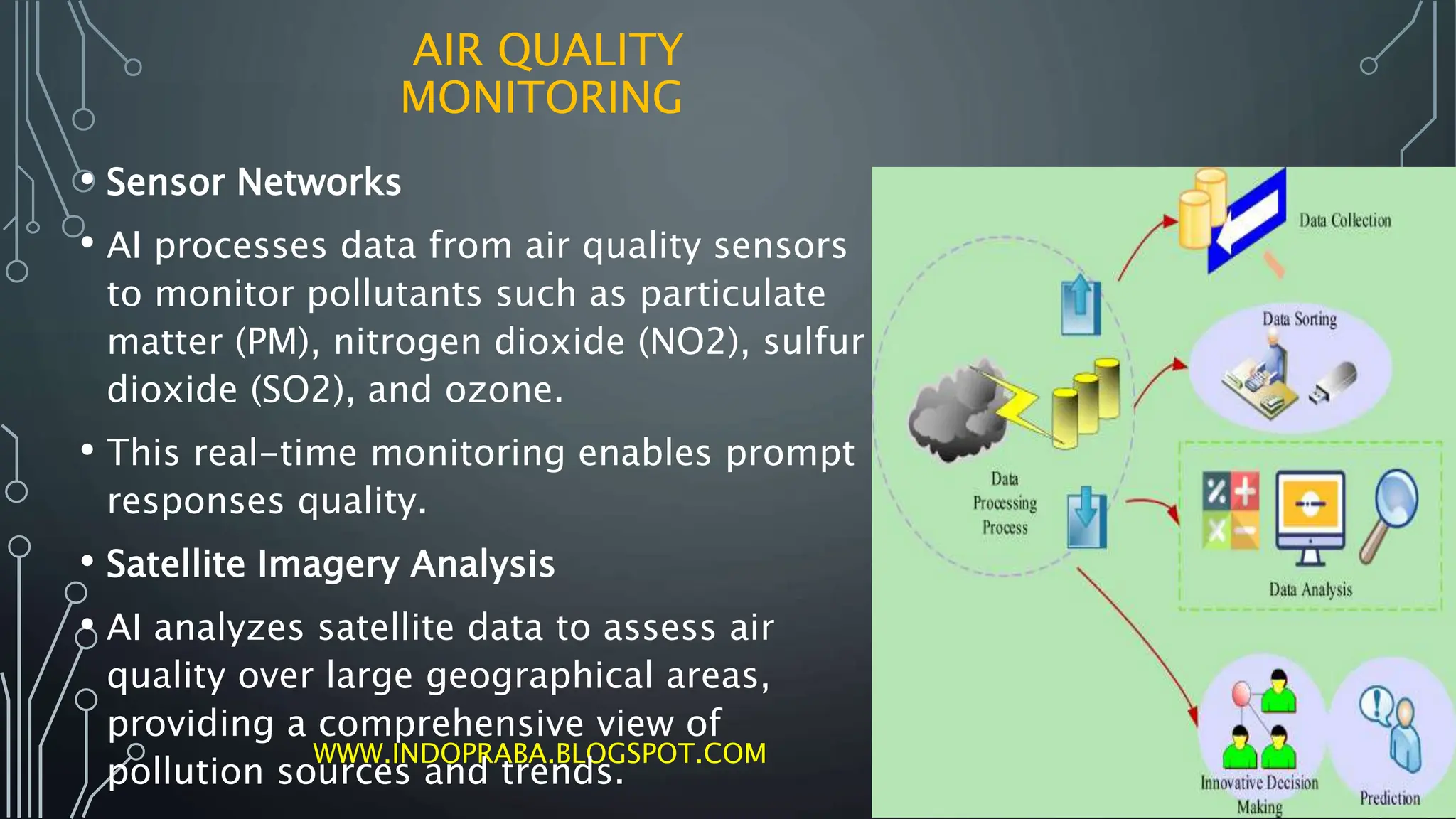
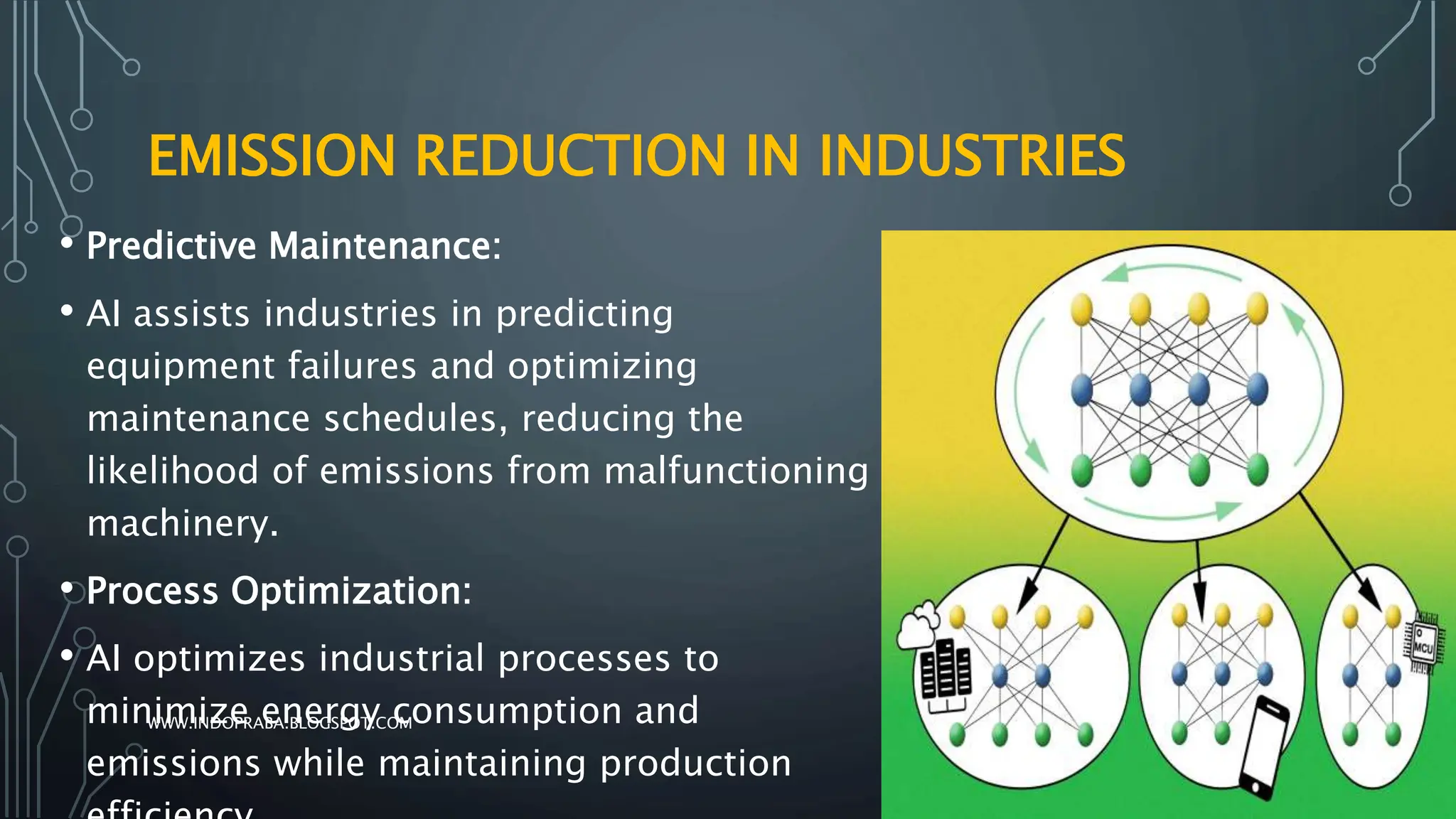
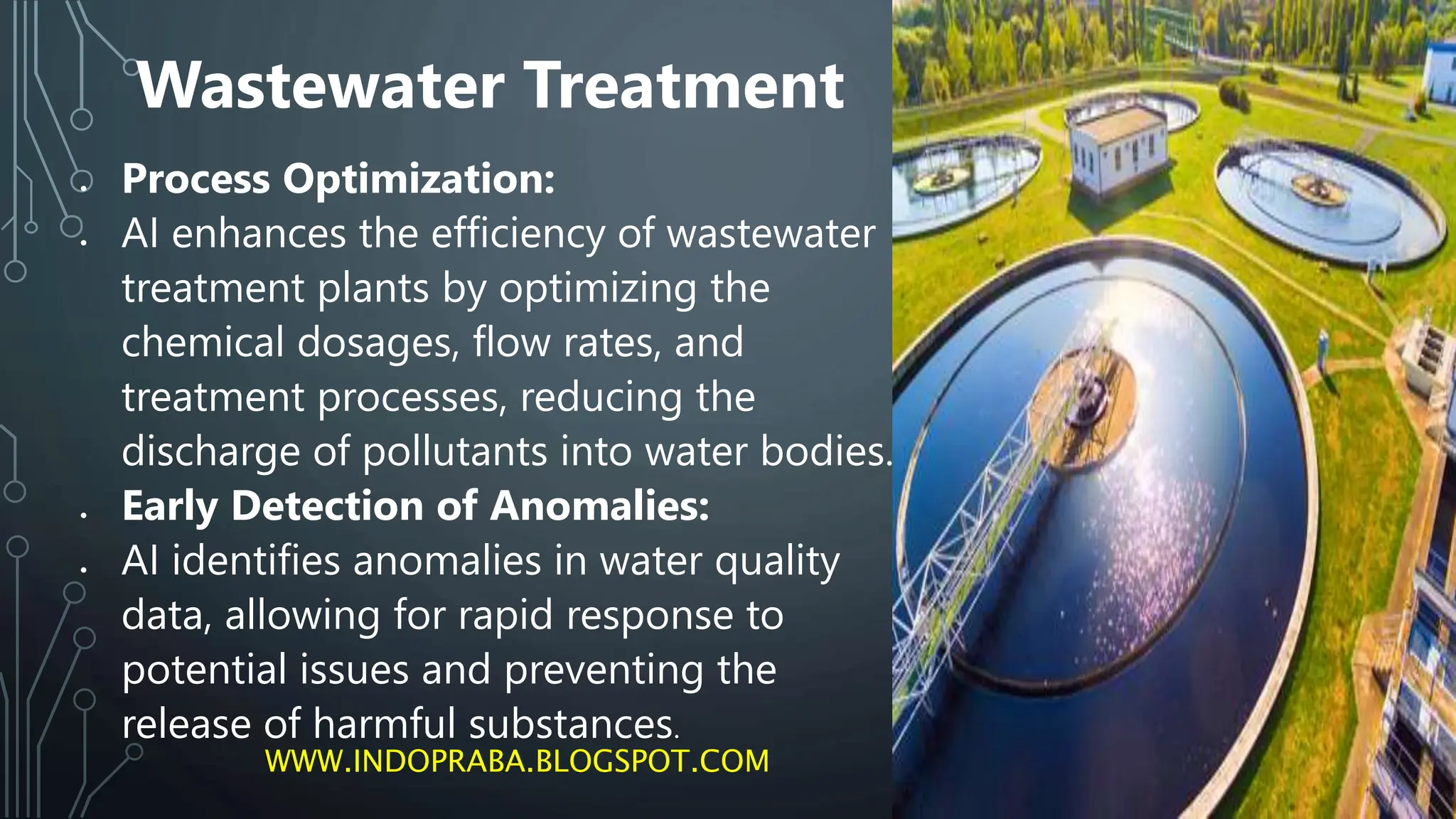
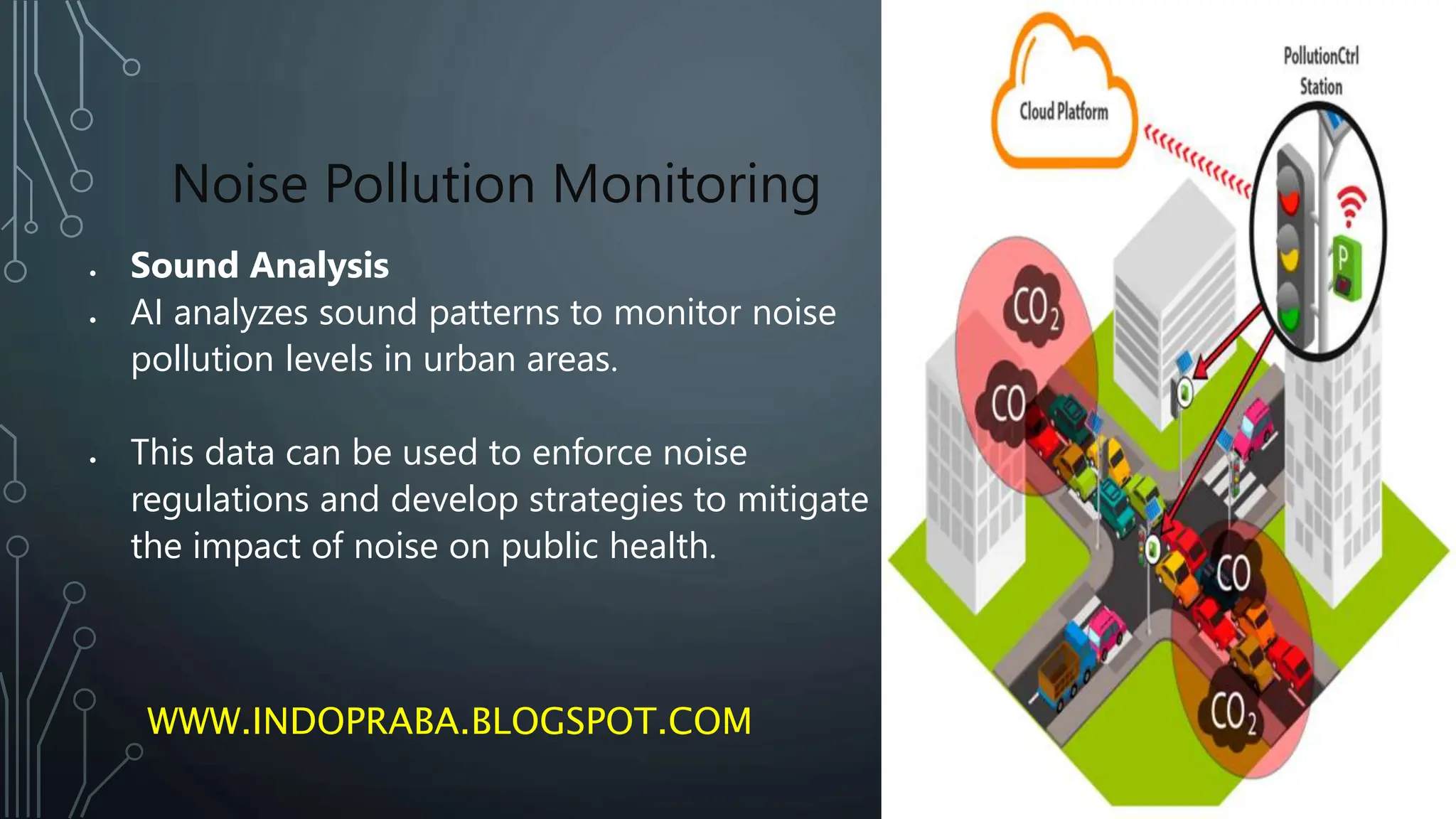
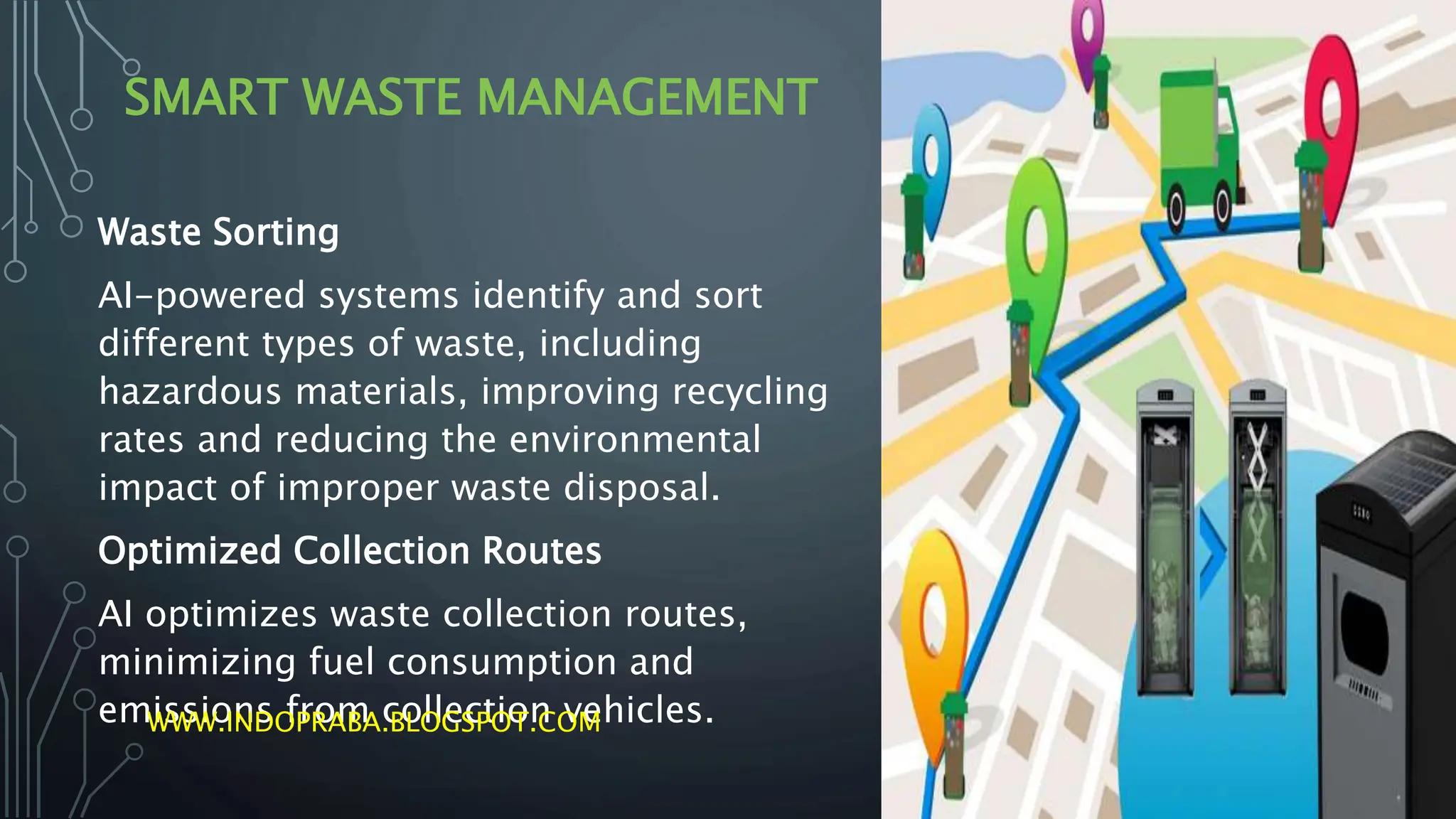
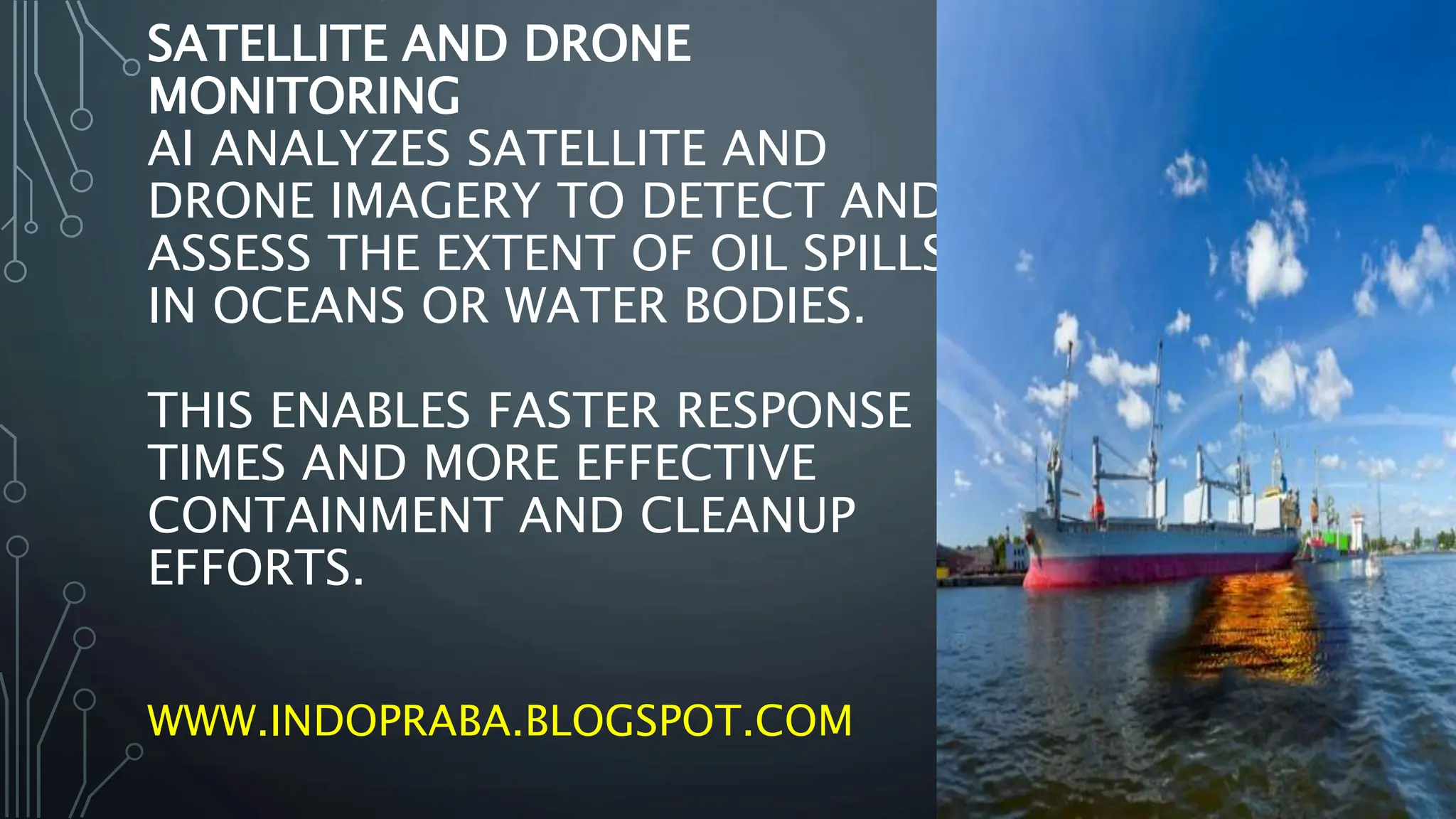
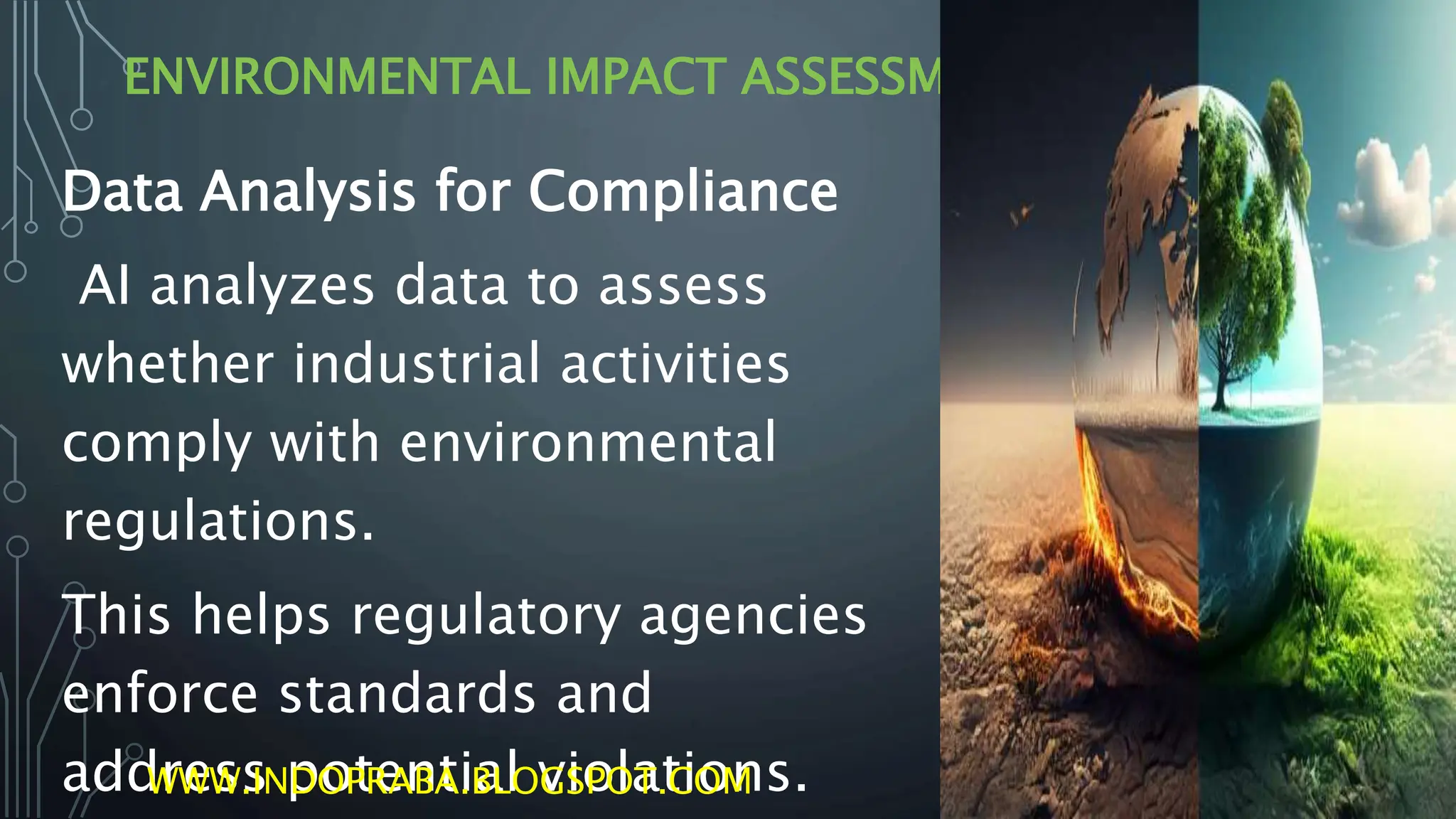
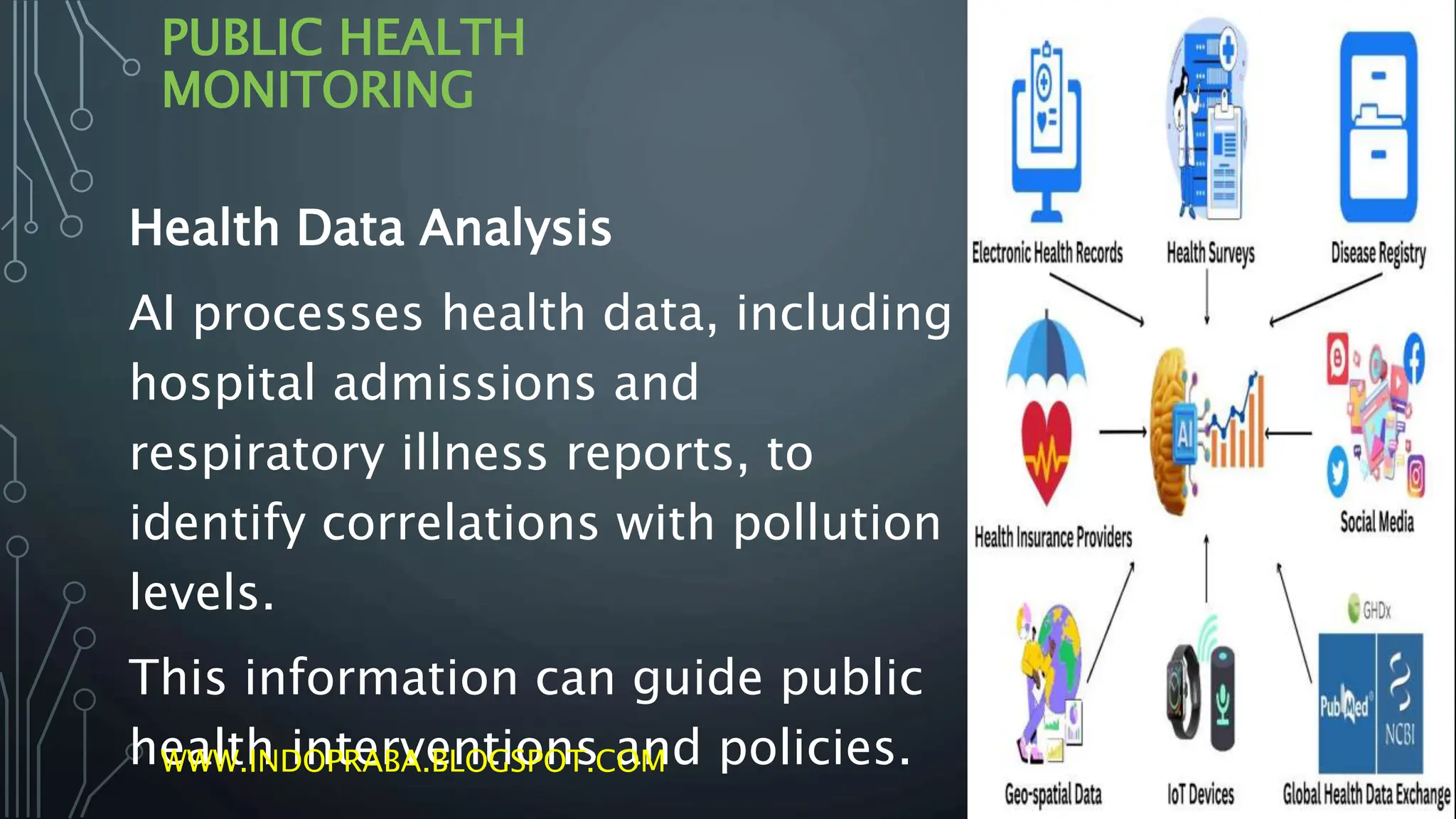
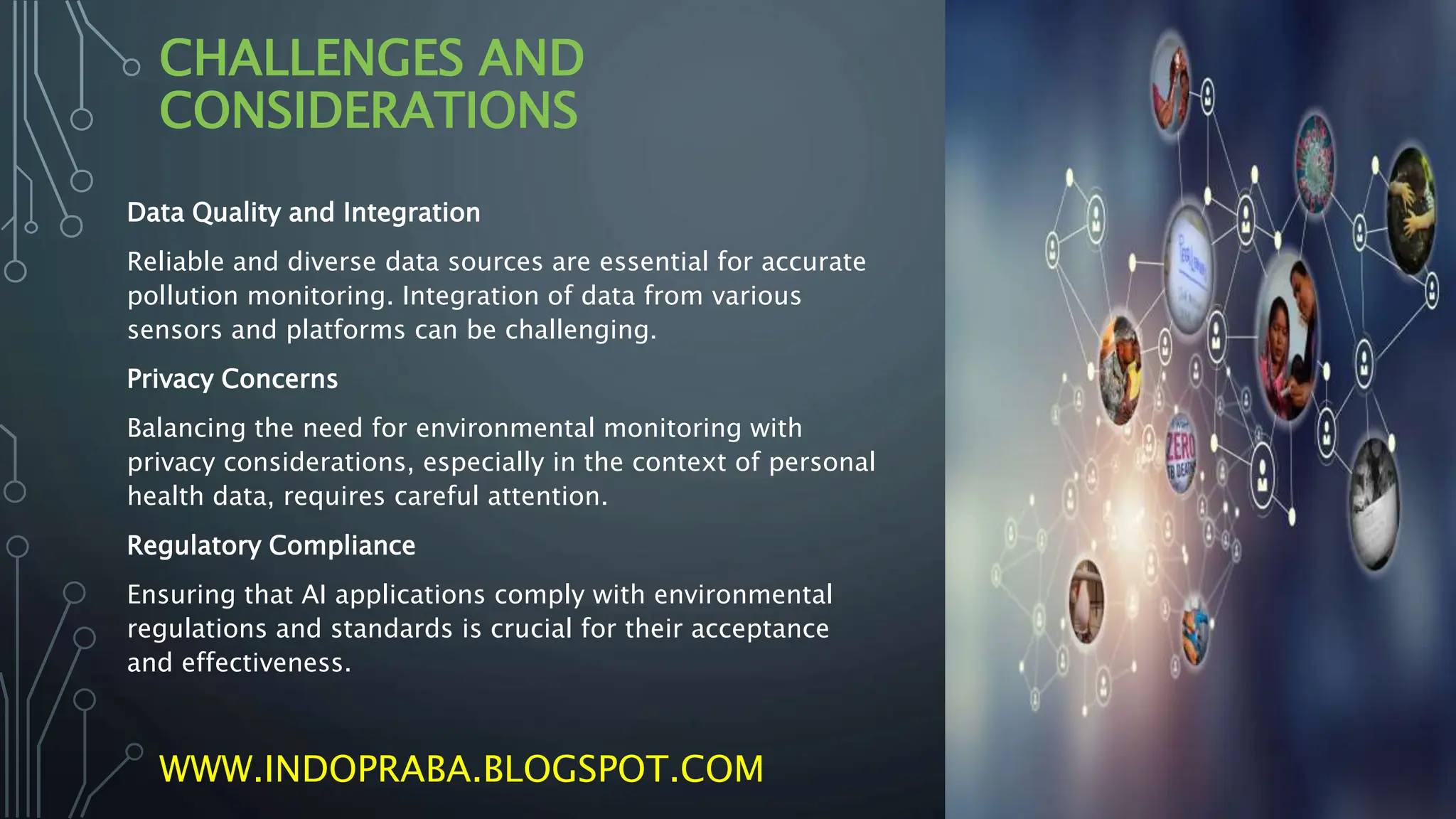
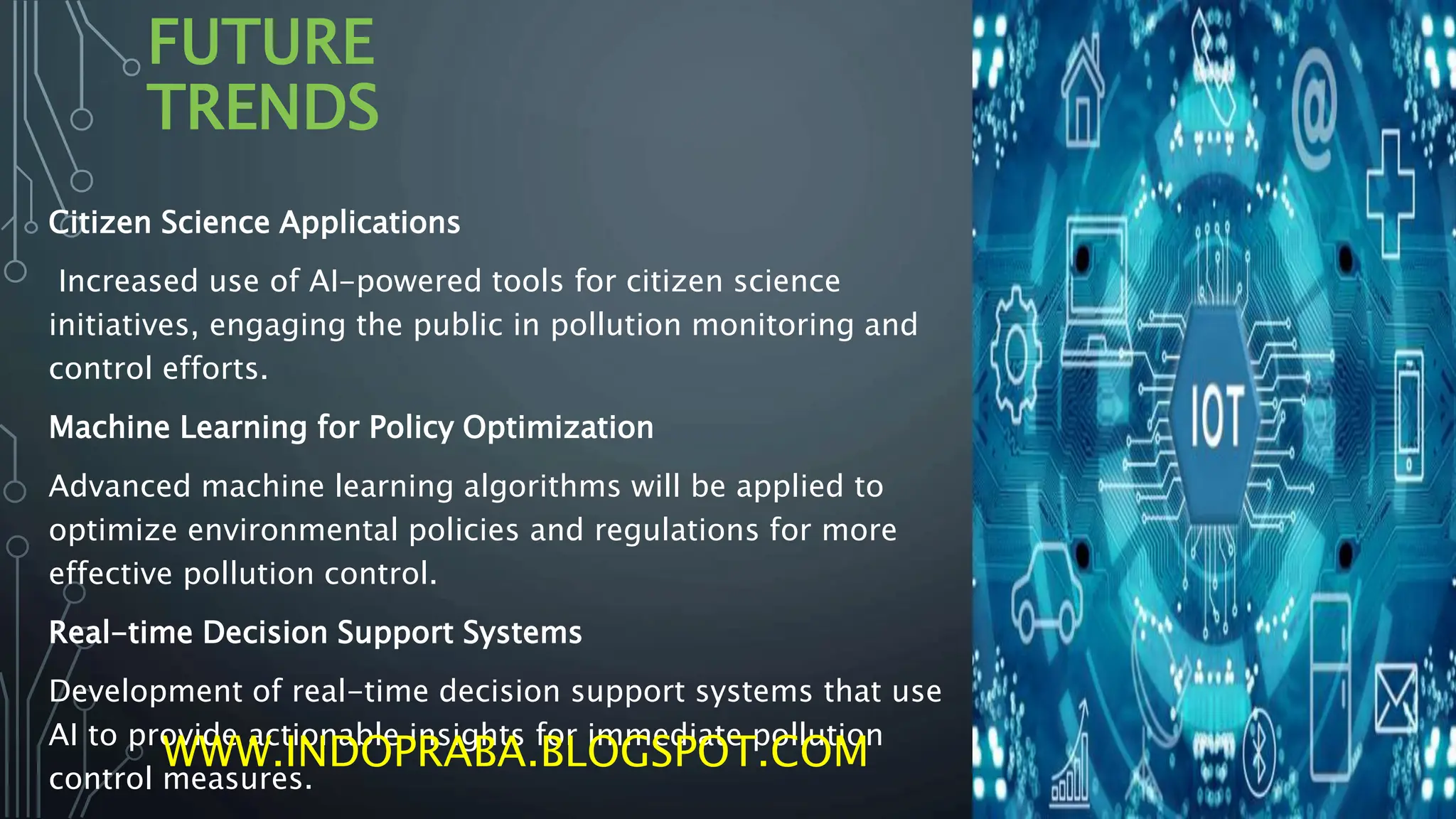

Artificial intelligence (AI) is increasingly applied in pollution control to monitor and mitigate air, water, and noise pollution through various methods such as sensor networks, satellite imagery, and predictive maintenance. It enhances the efficiency of wastewater treatment, optimizes waste management, and analyzes health data to guide public health interventions. AI's integration faces challenges including data quality, regulatory compliance, and privacy concerns, but holds potential for future trends like citizen science and real-time decision support systems.


![Coded Agents – with UiPath SDK + LangGraph [Virtual Hands-on Workshop]](https://cdn.slidesharecdn.com/ss_thumbnails/codedagentsdeck-251215155422-5497c599-thumbnail.jpg?width=640&height=640&fit=bounds)


