An iterative approach to
digital product development
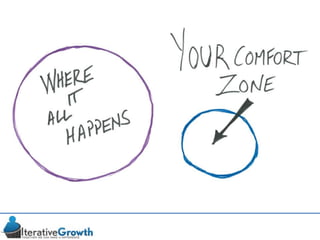
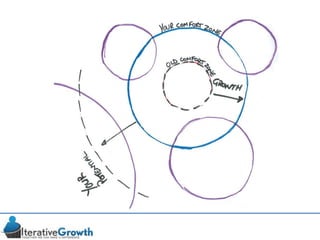
comfort zone
1
Movement
Time !!
Introduction
2
Introduction
• The digital environment is fluid and changes
rapidly, demanding the ability to respond to
change and feedback in short time frames
• Taking a purely project based approach to
your digital products can inhibit creative
opportunism and responsiveness
Projects ….
Things change
• they always do
• they always will
You’re not in control of that
its about how you can respond
This is often a change in attitude and culture
Product over project
• Projects end
• Products remain
• Projects try and cram it all in
• Products grow over time
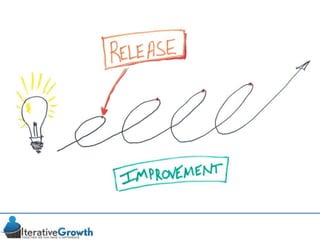
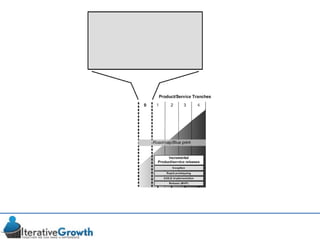
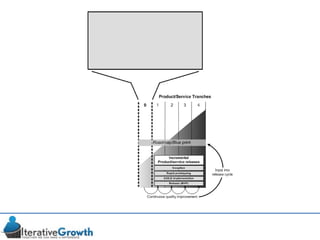
Continuous quality improvement
• Digital products are constantly evaluated and
improved based on efficiency, effectiveness
and value
• Challenge the final outcome if there is one
• Refine and improve return on investment
Agile – quick intro
3
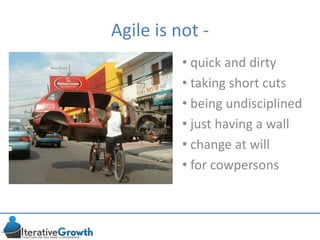
• quick and dirty
• taking short cuts
• being undisciplined
• just having a wall
• change at will
• for cowpersons
Agile is not -
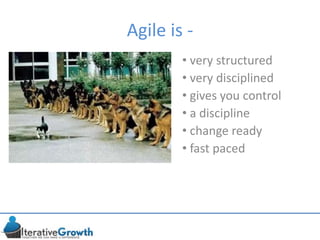
Agile is -
• very structured
• very disciplined
• gives you control
• a discipline
• change ready
• fast paced
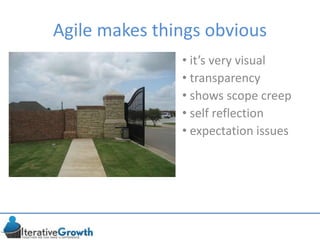
Agile makes things obvious
• it’s very visual
• transparency
• shows scope creep
• self reflection
• expectation issues
Being able to…
• Fail sooner than later
• See issues quickly
• Transfer ownership of decisions away from
implementation units
• Increase output
• Understand capacity and cost
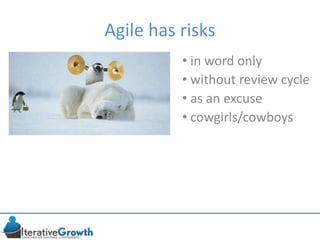
Agile has risks
• in word only
• without review cycle
• as an excuse
• cowgirls/cowboys
a beautiful alignment
4
Product based planning
• Product based planning is the fundamental
planning technique that supports Prince 2 and
MSP
• Has four key parts
– Project product description
– Product breakdown structures
– Product descriptions
– Product flow
Project product description
• Purpose: Scope and requirements
• Composition: Key outputs
• Customers expectations
• Assumptions
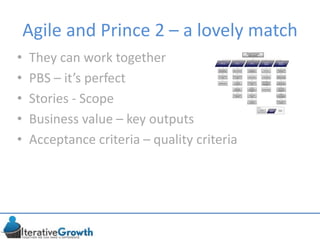
Agile and Prince 2 – a lovely match
• They can work together
• PBS – it’s perfect
• Stories - Scope
• Business value – key outputs
• Acceptance criteria – quality criteria
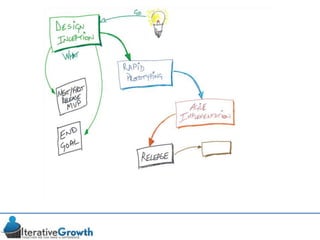
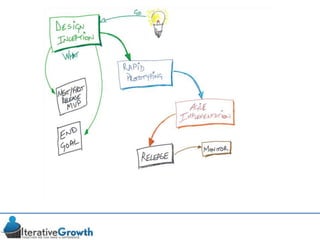
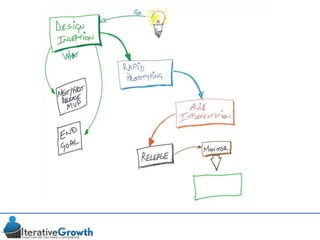
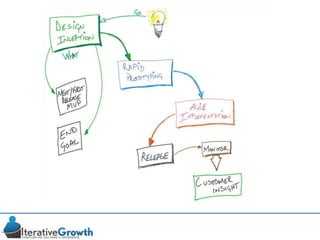
Iterative design
5
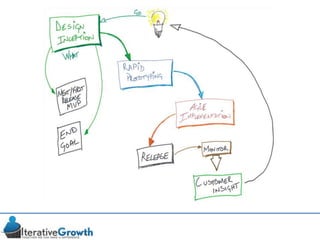
Iterative design
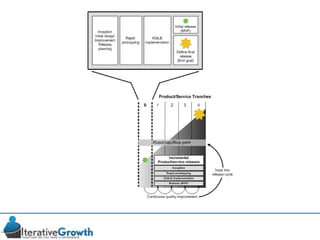
• We don't know everything upfront
• Things change they always do
• Products informed by measurement
• Only do what you need now
• Allow for end goal to be reviewed & refocused
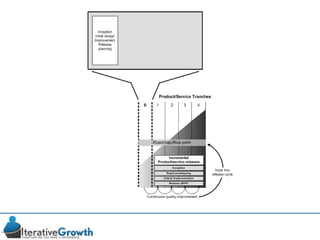
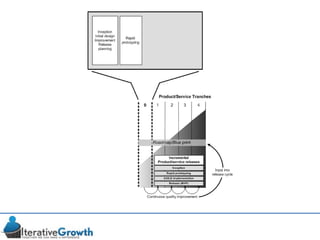
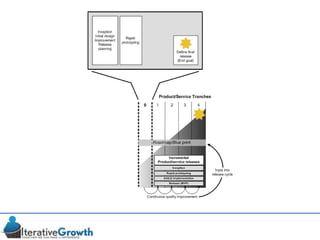
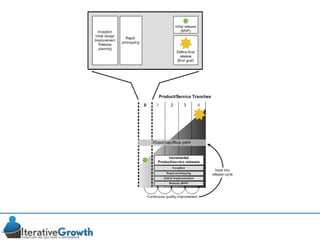
MVP – minimum viable product
• Begin with what is needed now
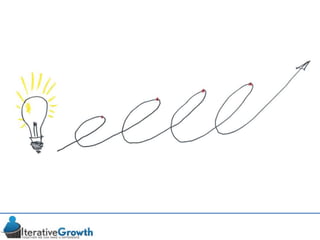
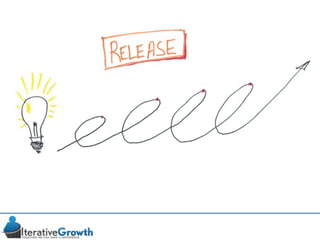
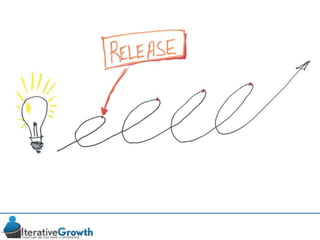
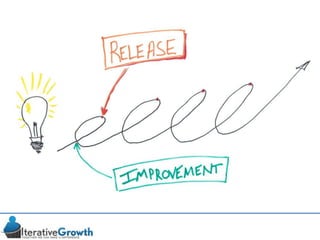
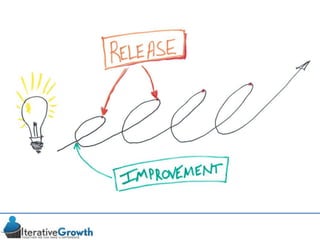
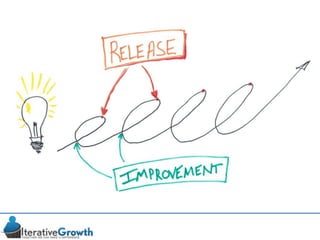
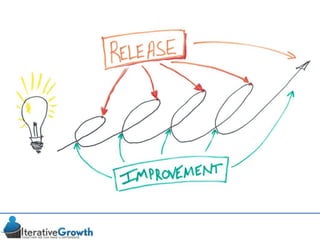
• Release often
• Allow for growth
• Defer decisions until appropriate time
• Getting traction
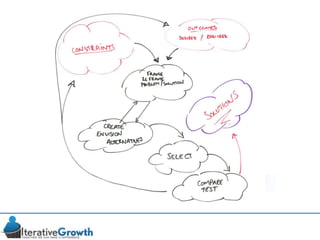
The design space
• Creative thinking
• Outside the box
• Understanding and having boundaries
• Blue sky vs reality
formalising it all
6
Questions and
workshop time....
7
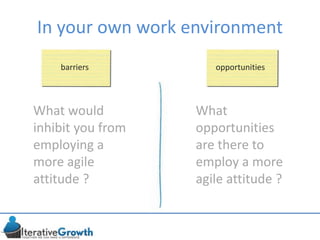
In your own work environment
What would
inhibit you from
employing a
more agile
attitude ?
barriers opportunities
What
opportunities
are there to
employ a more
agile attitude ?

An iterative approach to digital product development

  • 1.
    An iterative approachto digital product development
  • 2.
  • 5.
  • 6.
  • 7.
    Introduction • The digitalenvironment is fluid and changes rapidly, demanding the ability to respond to change and feedback in short time frames • Taking a purely project based approach to your digital products can inhibit creative opportunism and responsiveness
  • 8.
    Projects …. Things change •they always do • they always will You’re not in control of that its about how you can respond This is often a change in attitude and culture
  • 9.
    Product over project •Projects end • Products remain • Projects try and cram it all in • Products grow over time
  • 10.
    Continuous quality improvement •Digital products are constantly evaluated and improved based on efficiency, effectiveness and value • Challenge the final outcome if there is one • Refine and improve return on investment
  • 11.
  • 12.
    • quick anddirty • taking short cuts • being undisciplined • just having a wall • change at will • for cowpersons Agile is not -
  • 13.
    Agile is - •very structured • very disciplined • gives you control • a discipline • change ready • fast paced
  • 14.
    Agile makes thingsobvious • it’s very visual • transparency • shows scope creep • self reflection • expectation issues
  • 15.
    Being able to… •Fail sooner than later • See issues quickly • Transfer ownership of decisions away from implementation units • Increase output • Understand capacity and cost
  • 16.
    Agile has risks •in word only • without review cycle • as an excuse • cowgirls/cowboys
  • 17.
  • 18.
    Product based planning •Product based planning is the fundamental planning technique that supports Prince 2 and MSP • Has four key parts – Project product description – Product breakdown structures – Product descriptions – Product flow
  • 19.
    Project product description •Purpose: Scope and requirements • Composition: Key outputs • Customers expectations • Assumptions
  • 20.
    Agile and Prince2 – a lovely match • They can work together • PBS – it’s perfect • Stories - Scope • Business value – key outputs • Acceptance criteria – quality criteria
  • 21.
  • 22.
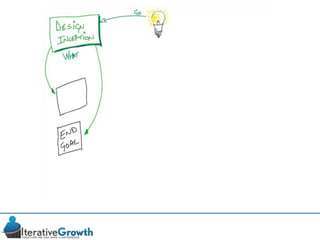
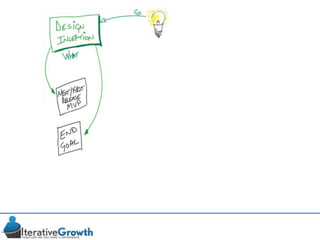
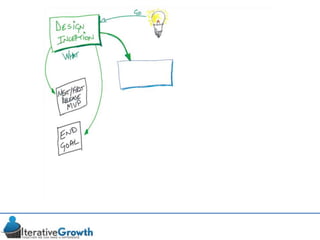
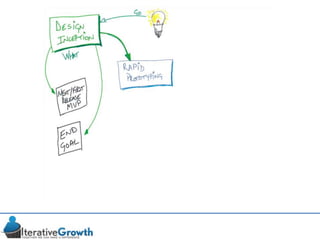
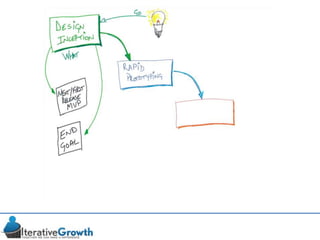
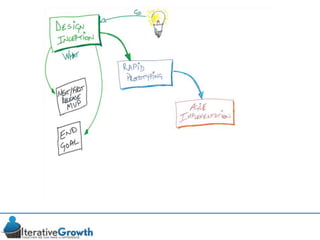
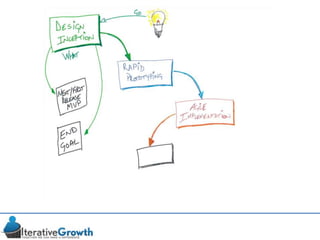
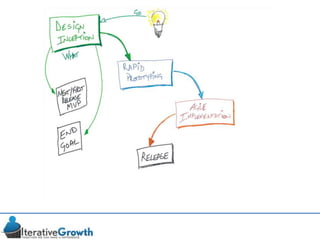
    Iterative design • Wedon't know everything upfront • Things change they always do • Products informed by measurement • Only do what you need now • Allow for end goal to be reviewed & refocused
  • 32.
    MVP – minimumviable product • Begin with what is needed now • Release often • Allow for growth • Defer decisions until appropriate time • Getting traction
  • 33.
    The design space •Creative thinking • Outside the box • Understanding and having boundaries • Blue sky vs reality
  • 54.
  • 62.
  • 63.
    In your ownwork environment What would inhibit you from employing a more agile attitude ? barriers opportunities What opportunities are there to employ a more agile attitude ?

Editor's Notes

  • #10 Measurement at the end of the project often results in a new project