http://www.authorstream.com/Presentation/sandamichaela-2006806-almada-negreiros1/
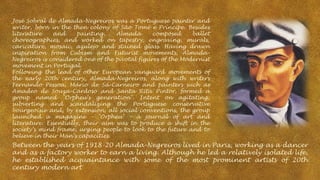
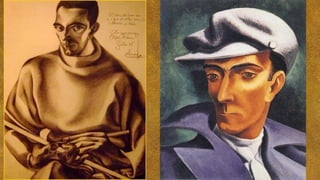
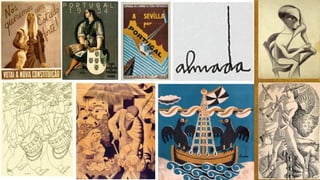
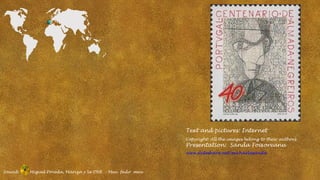
José Sobral de Almada-Negreiros was a Portuguese painter and
writer, born in the then colony of São Tomé e Príncipe. Besides
literature
and
painting,
Almada
composed
ballet
choreographies, and worked on tapestry, engraving, murals,
caricature, mosaic, azulejo and stained glass. Having drawn
inspiration from Cubism and Futurist movements, AlmadaNegreiros is considered one of the pivotal figures of the Modernist
movement in Portugal.
Following the lead of other European vanguard movements of
the early 20th century, Almada-Negreiros, along with writers
Fernando Pessoa, Mário de Sá-Carneiro and painters such as
Amadeo de Souza-Cardoso and Santa Rita Pintor, formed a
group named "Orpheu’s generation". Intent on agitating,
subverting and scandalizing the Portuguese conservative
bourgeoisie and, by extension, all social conventions, the group
launched a magazine – "Orpheu" – a journal of art and
literature. Essentially, their aim was to produce a shift in the
society’s mind frame, urging people to look to the future and to
believe in their Man’s capacities.

Between the years of 1918-20 Almada-Negreiros lived in Paris, working as a dancer
and as a factory worker to earn a living. Although he led a relatively isolated life,
he established acquaintance with some of the most prominent artists of 20th
century modern art
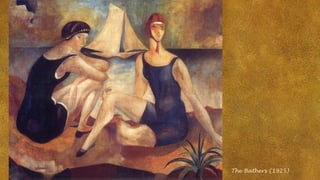
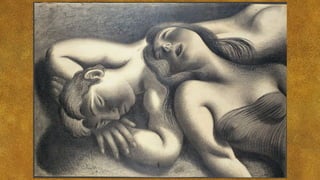
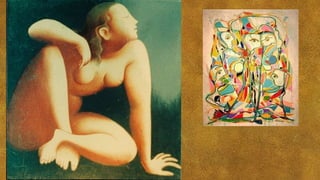
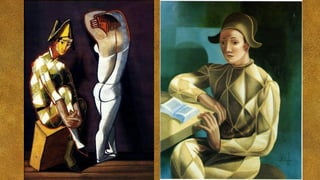
The Bathers (1925)
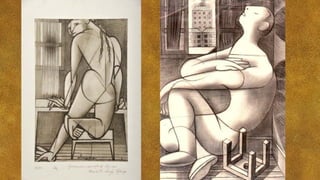
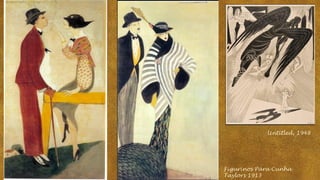
Untitled, 1948

Figurinos Para Cunha
Taylors 1913
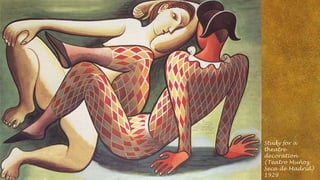
Study for a
theatre
decoration
(Teatro Muñoz
Seca de Madrid)
1929
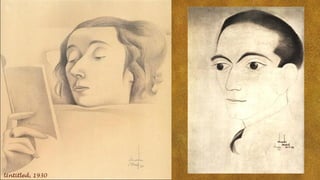
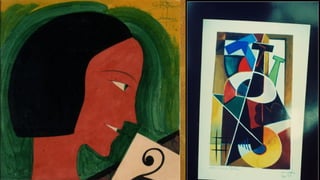
Untitled, 1930
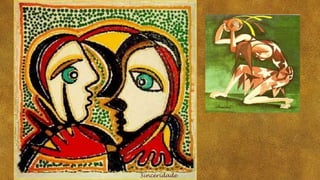
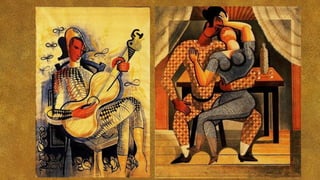
Sinceridade
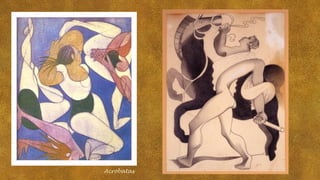
Acrobatas
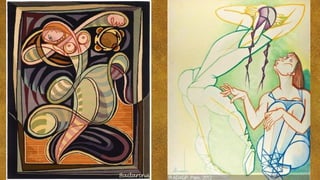
Bailarina
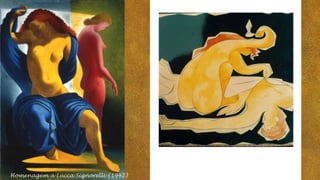
Homenagem a Lucca Signorelli (1942)
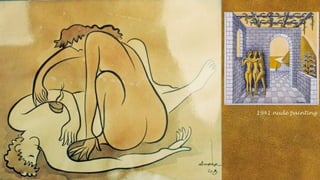
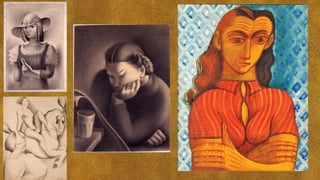
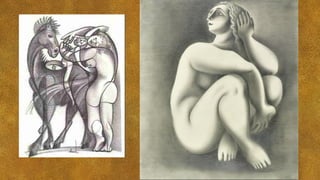
1941 nude painting
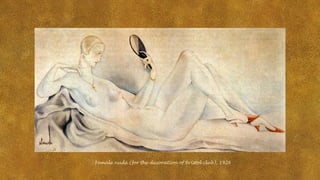
Female nude (for the decoration of Bristol club), 1926
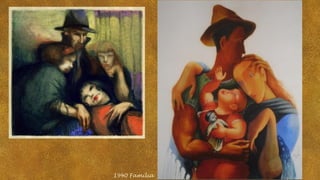
1940 Familia
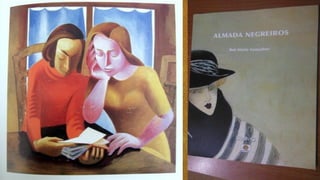
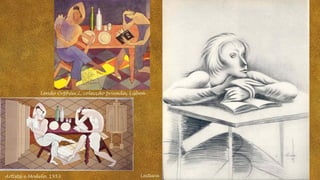
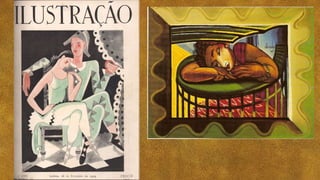
Lendo Orpheu 2, colecção privada, Lisboa

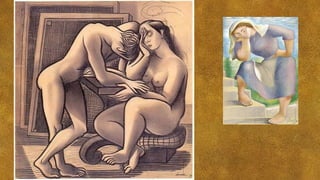
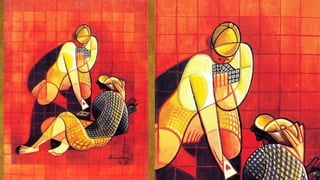
Artista e Modelo, 1953

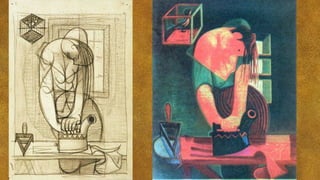
Leitura
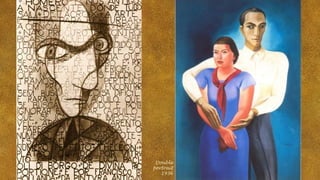
Double
portrait
1936
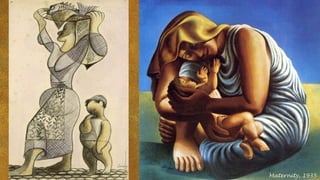
Maternity, 1935
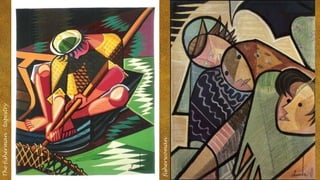
fisherwoman

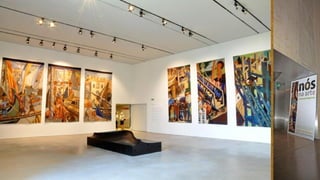
The fisherman - tapestry
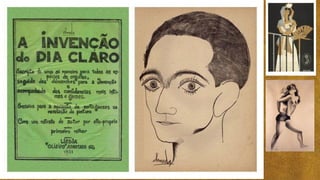
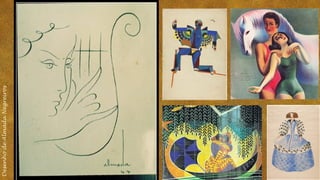
Desenho de Almada Negreiros
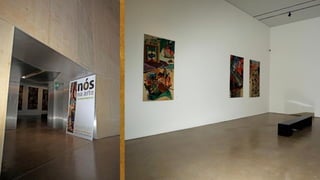
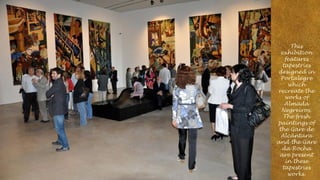
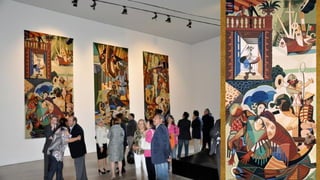
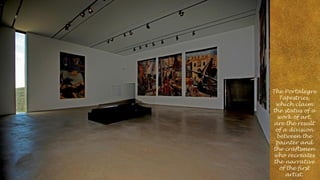
This
exhibition
features
tapestries
designed in
Portalegre
which
recreate the
works of
Almada
Negreiros.
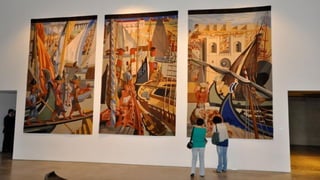
The fresh
paintings of
the Gare de
Alcântara
and the Gare
da Rocha
are present
in these
tapestries
works.
The Portalegre
Tapestries,
which claim
the status of a
work of art,
are the result
of a division
between the
painter and
the craftsmen
who recreates
the narrative
of the first
artist.
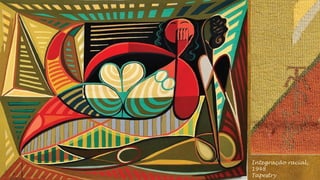
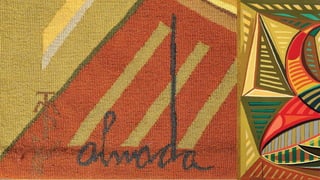
Integração racial,
1948
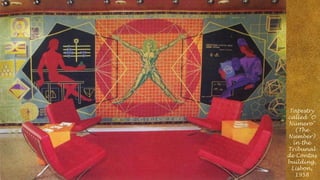
Tapestry
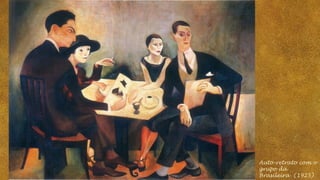
Auto-retrato com o
grupo da
Brasileira (1925)
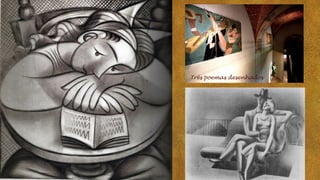
Três poemas desenhados
Tapestry
called "O
Número"
(The
Number)
in the
Tribunal
de Contas
building,
Lisbon,
1958
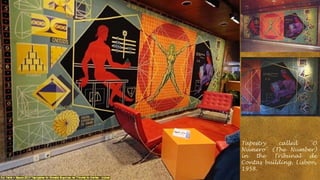
Tapestry
called
"O
Número" (The Number)
in
the
Tribunal
de
Contas building, Lisbon,
1958.
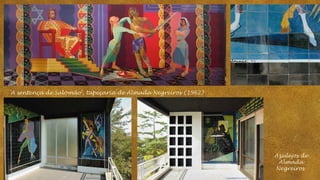
'A sentença de Salomão', tapeçaria de Almada Negreiros (1962)

Azulejos de
Almada
Negreiros
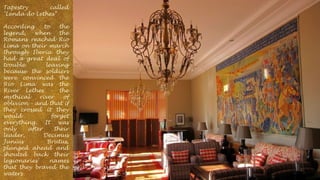
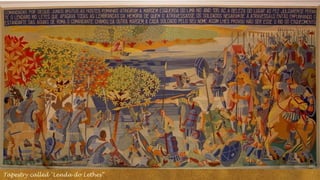
Tapestry
called
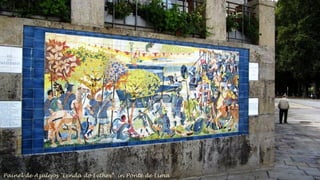
"Lenda do Lethes”
According
to
the
legend,
when
the
Romans reached Rio
Lima on their march
through Iberia they
had a great deal of
trouble
leaving
because the soldiers
were convinced the
Rio Lima was the
River Lethes - the
mythical
river
of
oblivion - and that if
they crossed it they
would
forget
everything. It was
only
after
their
leader,
Decimus
Junius
Brutus,
plunged ahead and
shouted back their
legionaries'
names
that they braved the
waters
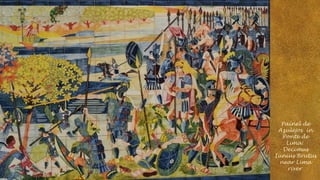
Tapestry called "Lenda do Lethes”
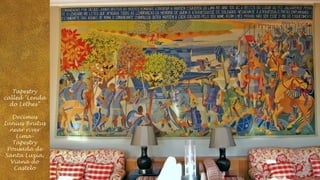
Tapestry
called "Lenda
do Lethes”
Decimus
Iunius Brutus
near river
LimaTapestry
Pousada de
Santa Luzia,
Viana do
Castelo
Painel de Azulejos "Lenda do Lethes” in Ponte de Lima
Painel de
Azulejos in
Ponte de
Lima:
Decimus
Iunius Brutus
near Lima
river
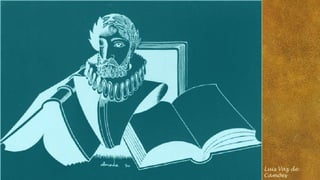
Luís Vaz de
Camões
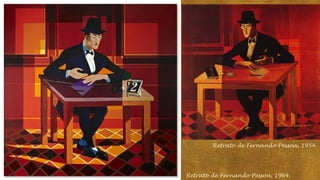
Retrato de Fernando Pessoa, 1954.

Retrato de Fernando Pessoa, 1964.
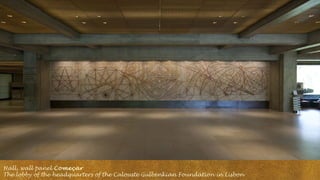
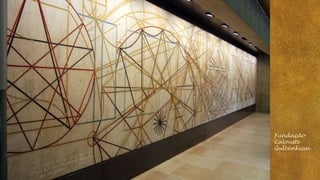
Hall, wall panel Começar
The lobby of the headquarters of the Calouste Gulbenkian Foundation in Lisbon
Fundação
Calouste
Gulbenkian
Text and pictures: Internet
Copyright: All the images belong to their authors

Presentation: Sanda Foişoreanu
www.slideshare.net/michaelasanda

Sound:

Miguel Poveda, Mariza y la ONE - Meu fado meu

Almada Negreiros

Editor's Notes

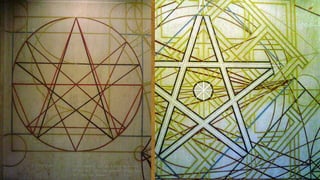
  • #62 this great "wall", "Almada brings together the four areas supportive of their composition: a) a graphic scheme of 'list 9/10" with the pentagram inscribed in circumference and a set of rectangles in the' golden number b) 'Figure superfluous Exerrore »Leonardo da Vinci, the circumference divided by sixteen-pointed star, or half of it due to the cutting force that the wall composition, c) the boards of Pythagoras, the same center exact time and emblematic of the whole composition recorded d) the development of a complex network of paths that culminates in the determination of the 'point of Bahutte' point 'placed on the circle and found the square and the triangle', which had been subject one of the paintings of the series exposed in 1957