Accident /Incident
Investigation
Overview
 Purpose of Investigation
 Managing the Accident Scene
 Steps in Conducting Investigation
Investigations are conducted to:
Prevent recurrence
Comply with policies and regulatory
requirements
Maintain employee awareness
ACCIDENT
An undesired event that results
in harm to people, damage to
property, or loss to process
ILO Accident Report
• Accidents - 250 M/year or 685 T/day or
475/minute or 8/second
• Working children - 12 M (recorded),
12,000 are fatal
• Working Adults - 3,000/day = 2/min.
Types of Accident
1. Personal injury or illness
2. Property damage
3. Combination of items 1 & 2
4. Near-miss (actually an
incident)
INCIDENT
An undesired event which,
under slightly different
circumstances, could have
resulted in harm to people,
damage to property, or loss to
process
Accidents are the result of: :
 Unsafe Acts
 Unsafe Conditions
UNSAFE ACTS
Behaviors which could permit
the occurrence of an accident or
incident
Deviation from standard
procedures or practices
UNSAFE CONDITIONS
Circumstances which could
permit the occurrence of an
accident or incident
Deviation from
standard conditions
(equipment, materials,
or environment)
Unless the unsafe acts/conditions are:
Prevention is the reason for
conducting an Accident
Investigation
 Identified and
 Eliminated or controlled
… similar mishaps will occur
 LTI
 Non-LTI
 Near Miss
 Chemical Spill
 Property Damage
 Fire and Explosion
All accidents must be
investigated:
Accident Investigations are
usually considered a
Supervisor’s responsibility
 More familiar with the people
involved
 Better understanding of the
operations
 Personal interest in investigations
Advantages of Supervisors
over other investigators:
Team Effort
All employees should
understand :
 What to report
 How to report
 LTI
 Non-LTI
 Near Misses
 Property Damage
 Chemical Spill
 Fire or Explosion
What to Report
 Medical
 Safety
 Environmental Control
 Management
Whom to Report to:
Managing the Accident Scene
Two Priorities:
 Care & treatment of the injured
 Elimination or control of
remaining hazards
 Training in First Aid
 Drills under normal and abnormal
conditions
 Liaison with hospitals
Care & Treatment of Injured
Supervisors can increase their
ability to respond to Medical
Emergencies by:
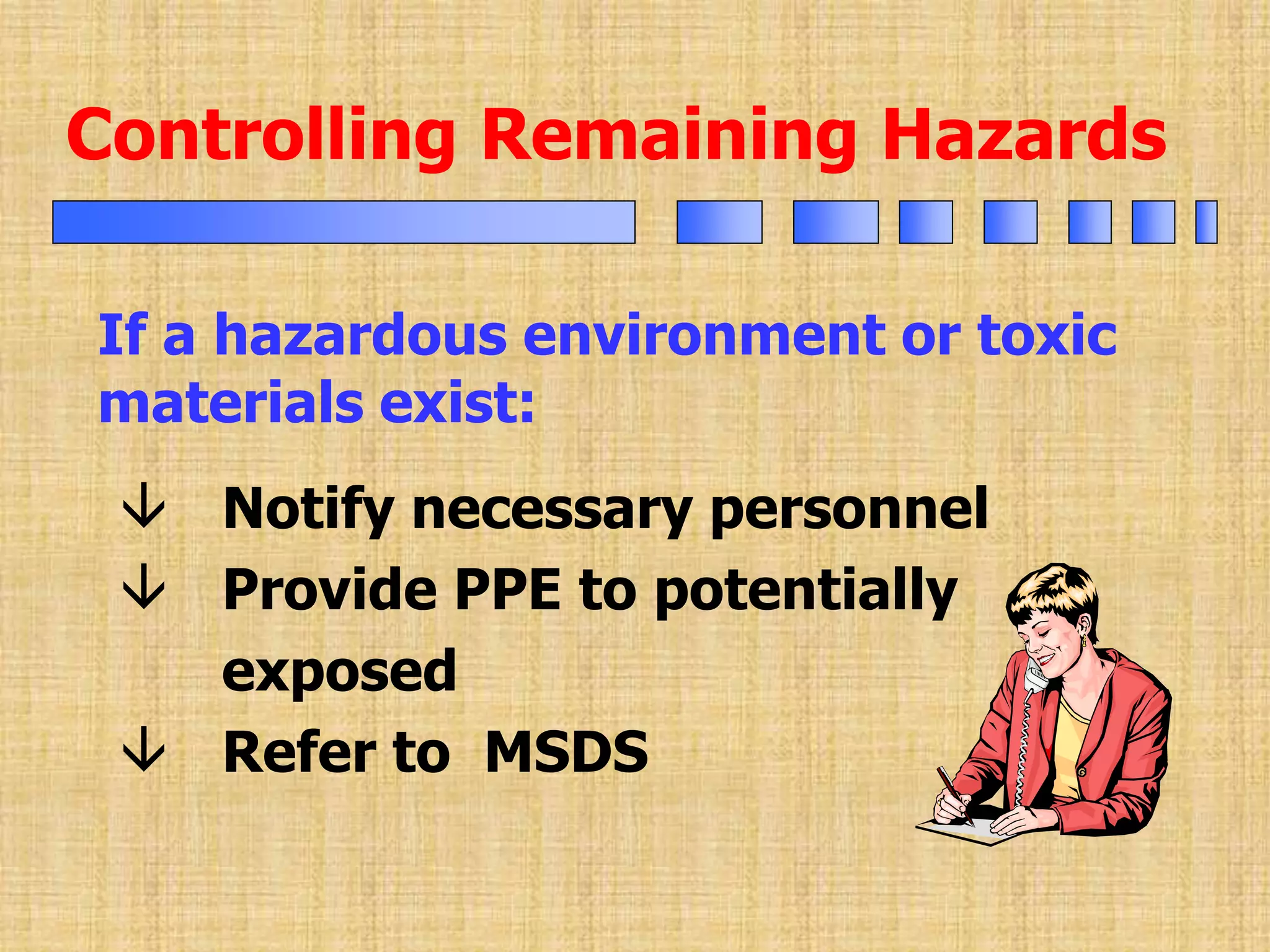
 Notify necessary personnel
 Provide PPE to potentially
exposed
 Refer to MSDS
Controlling Remaining Hazards
If a hazardous environment or toxic
materials exist:
Isolate the site
 To protect people from further
injury
 To preserve evidence and
valuable clues
Successful investigation is
done ...
 Immediately
 Completely
 Thoroughly
Investigate immediately,
because:
 Operations are disrupted
 Memories fade
 Employees are at risk
Conducting the Investigation
 Gather information
 Analyze the facts
 Make recommendations
ACCIDENT INVESTIGATION
Guidelines:
1. Investigate immediately
2. Ensure immediate treatment
3. Secure the area
4. Record details of event (photo, sketch, etc.)
5. Collect physical evidence
6. Review other sources (victim’s record, friends, etc.)
7. Interview witnesses (5Ws + 1H)
8. Write causal factors (man, machine, material, method)
9. Make recommendations (effective/reliable results)
Gathering Information
 NOI, POI, DOI, TOI
 personnel involved
 property damage
 environmental harm
Preliminary Facts:
Accident Investigation
Equipment
 Report form
 Notebook or pad of
paper
 Tape recorder
 Camera (instant or
digital)
 Measuring equipment
Sources of Information
 Witnesses
 Physical evidence at the
scene
 Existing records
Victim and onlookers
Those who heard what happened
Saw area prior to incident
Others with info about involved
individuals, equipment or
circumstances
Witnesses
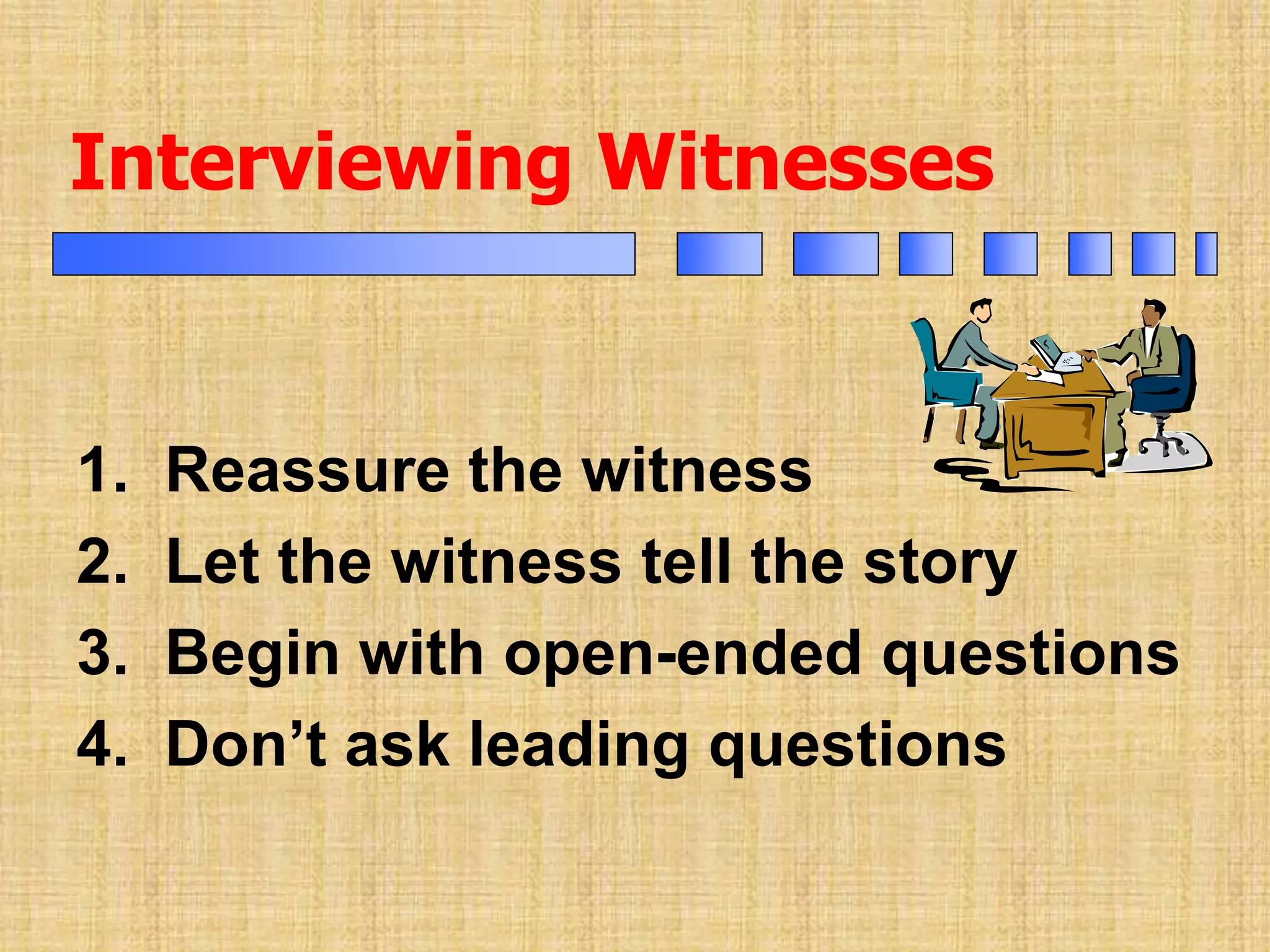
Interviewing Witnesses
1. Reassure the witness
2. Let the witness tell the story
3. Begin with open-ended questions
4. Don’t ask leading questions
Interviewing Witnesses
5. Summarize
6. Ask for recommendations
7. Get written statements
8. Close on a positive note
ACCIDENT INVESTIGATION
Questions for reporting: WHO
- was injured?
- saw the accident?
- was working with the injured?
- had instructed/assigned the job to the injured?
- else was involved?
- has the information of events prior to the accidents?
ACCIDENT INVESTIGATION
Questions for reporting: WHAT
- is the injury?
- is the damage or loss?
- was the injured doing?
- had the injured been
instructed to do?
- tools/equipment/machinery
were being used?
- did the injured & any
witnesses saw?
- training had been given?
- were the contributory causes
of the accident?
- communication system was
used?
- is the state of health of the
injured?
- safety rules were violated?
- safety system and procedures
were there?
ACCIDENT INVESTIGATION
Questions for reporting: WHEN
- did the accident occur?
- did the damage become evident?
- did the injured start the job?
- was the explanation of hazard given?
- did the supervisor last see the injured?
- did the persons involved last have food & rest?
ACCIDENT INVESTIGATION
Questions for reporting: WHY
- did the injury occur?
- did the communication fail?
- was the training not given?
- were the unsafe condition
permitted?
- was the hazard not spotted at
previous inspection?
- was PPE not provided?
- was PPE not used?
- was there no safe system of
work?
- was there no safety
instruction given?
- was the supervisor not
consulted when things
started go wrong?
- was the supervisor not there
at the time?
ACCIDENT INVESTIGATION
Questions for reporting: WHERE
- did the accident occur?
- did the damage occur?
- was the supervisor at that time?
- was the witnesses at that time?
ACCIDENT INVESTIGATION
Questions for reporting: HOW
- did the injury occur?
- could the accident have been avoided?
- could have been the injury avoided?
- could the supervisor have prevented the
accident?
- could better design help?
Physical Evidence
Provides information about an
accident that witnesses may
overlook or take for granted
Sketches
To record important details at the
accident site for later study
Electrocution
victim
Comfort
Room
 Floor plan from overhead view
 Location of involved man,
machine, tool
 Size and location of transient
evidences (spills, dust,
footprints, skid marks)
Include everything that
could be important:
AHU
X
X
Photographs
 detail
 color differences
 complex shapes
difficult to recall
Photographs
 General area
 Detailed shots
 Show scale on small objects
 Indicate reference point
 Better to take too many than
too few
Materials
Tools
Machines EXAMINING
Examining Physical Evidence
 Physical condition
 Position of switches/levers
 Reading of gauges
 Safeguards
 Warning devices
Machines & Tools
 Misuse
 Abuse
 Disuse
 Improper handling
 Damage
Material
Position and condition can indicate
If chemicals are involved:
 correct item used
 correct concentration
 expired
 contaminated
 MSDS availability
Material - Chemical
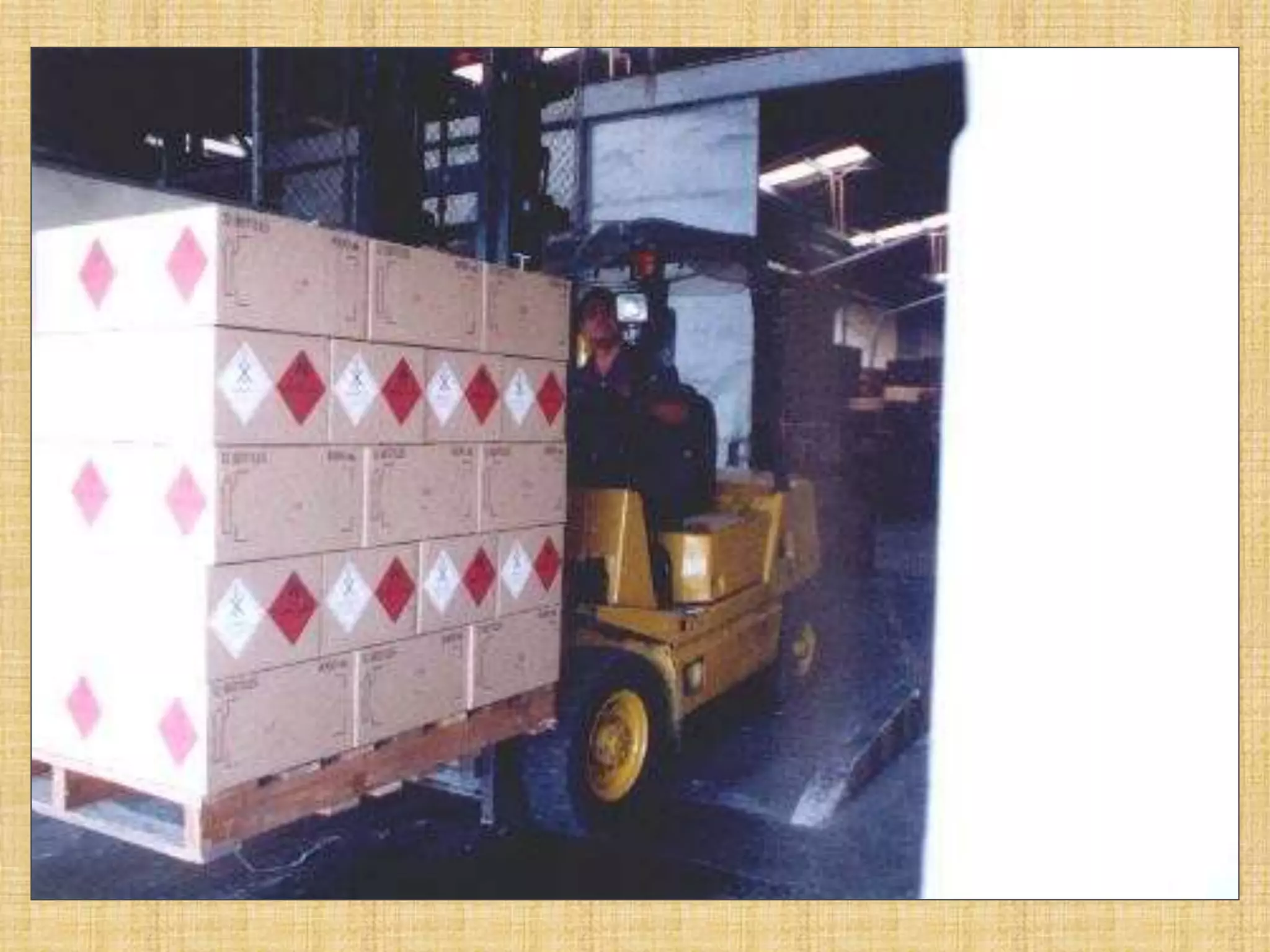
 Log and label
 Secure storage & transport
 Avoid contamination
 Guard against tampering and loss
 Appropriate HSE warnings
If items have to be
removed from the scene
for detailed examination:
Environment (Work)
 Weather condition
 Illumination
 Noise
 Housekeeping
Existing Records
 Employee records
 Equipment records
 Job or Task records
 Previous Accident Investigation
reports
Workshop I - Gathering of Facts
I. Actual Accident or Simulated Accident
- Nature of Accident
- Parties involved/responsible person(s)
- Place of Accident
- Time and Date of Accident
II. Interview witnesses/victims
- 5W’s and 1 H develop at least 20 questions
III. Collected evidences, photographs, records review
15 minutes
IV. Presentation: Dramatization
10 minutes
Analyzing the Facts
 Cause Analysis (root)
 Change analysis
UNAWARE
UNABLE
UNMOTIVATED
HAZARDOUS
ACTS
UNNOTICED
UNCORRECTED
HAZARDOUS
CONDITIONS
ACCIDENT / ILLNESS
Immediate and Basic Causes
 Look beyond the direct causes of
the accident …
 Find out what can be done to
eliminate the underlying reason for
the hazardous behaviors and
conditions that led to the mishap
Direct
Causes
Basic
(root)Causes
Direct Causes
• caught in, between, or under
• struck against or struck by
• fall from or fall on
• overexertion or stress
Basic (Root) Causes
• inadequate maintenance of equipment
• inadequate codes and standards
• insufficient employee safety training
• safe work practices inadequately followed
• faulty design of work area
• supervisors not performing duties
Change Analysis
Compares how a job was
actually performed with the way
it should have been performed
Change Analysis
ACTUAL
BEHAVIORS or
CONDITIONS
STANDARD
BEHAVIORS or
CONDITIONS
SAFE
BEHAVIORS or
CONDITIONS
ACTUAL
BEHAVIORS or
CONDITIONS
STANDARD
BEHAVIORS or
CONDITIONS
UNSAFE
BEHAVIORS or
CONDITIONS
Recommending Corrective
Actions
 Specific
 Measurable
 Attainable
 Realistic
 Time-bound
Follow-up
It’s the best way to ensure that
recommendations are carried
out
 General information
 A Summary
 An Analysis
 Recommendations
Report forms require four
basic types of information
Reports should be
 Clear
 Detailed
 Neat
 Legible
Management Approach
 Training
 Inspections
 Hazard analysis
 Safety Meetings
Not just for incidents
involving serious injury, its
for ANY occurrence that has
the POTENTIAL of causing
harm
Accident Investigation...
Review
 Purpose of Investigation
 Managing the Accident Scene
 Steps in Conducting Investigation
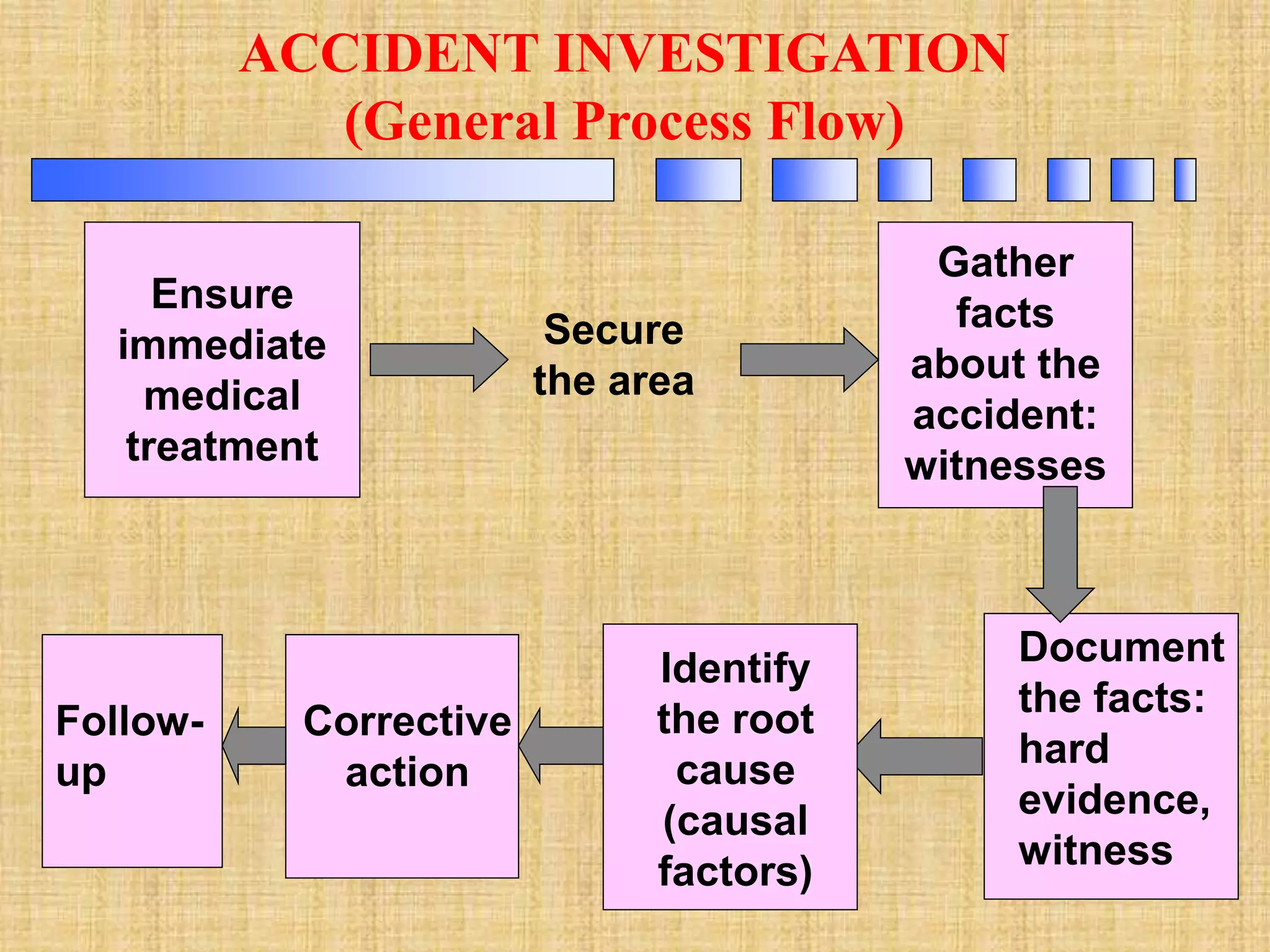
ACCIDENT INVESTIGATION
(General Process Flow)
Secure
the area
Document
the facts:
hard
evidence,
witness
Ensure
immediate
medical
treatment
Gather
facts
about the
accident:
witnesses
Identify
the root
cause
(causal
factors)
Corrective
action
Follow-
up

accident.ppt

  • 1.
  • 6.
    Overview  Purpose ofInvestigation  Managing the Accident Scene  Steps in Conducting Investigation
  • 7.
    Investigations are conductedto: Prevent recurrence Comply with policies and regulatory requirements Maintain employee awareness
  • 8.
    ACCIDENT An undesired eventthat results in harm to people, damage to property, or loss to process
  • 9.
    ILO Accident Report •Accidents - 250 M/year or 685 T/day or 475/minute or 8/second • Working children - 12 M (recorded), 12,000 are fatal • Working Adults - 3,000/day = 2/min.
  • 10.
    Types of Accident 1.Personal injury or illness 2. Property damage 3. Combination of items 1 & 2 4. Near-miss (actually an incident)
  • 11.
    INCIDENT An undesired eventwhich, under slightly different circumstances, could have resulted in harm to people, damage to property, or loss to process
  • 12.
    Accidents are theresult of: :  Unsafe Acts  Unsafe Conditions
  • 13.
    UNSAFE ACTS Behaviors whichcould permit the occurrence of an accident or incident Deviation from standard procedures or practices
  • 14.
    UNSAFE CONDITIONS Circumstances whichcould permit the occurrence of an accident or incident Deviation from standard conditions (equipment, materials, or environment)
  • 15.
    Unless the unsafeacts/conditions are: Prevention is the reason for conducting an Accident Investigation  Identified and  Eliminated or controlled … similar mishaps will occur
  • 16.
     LTI  Non-LTI Near Miss  Chemical Spill  Property Damage  Fire and Explosion All accidents must be investigated:
  • 17.
    Accident Investigations are usuallyconsidered a Supervisor’s responsibility
  • 18.
     More familiarwith the people involved  Better understanding of the operations  Personal interest in investigations Advantages of Supervisors over other investigators:
  • 19.
    Team Effort All employeesshould understand :  What to report  How to report
  • 20.
     LTI  Non-LTI Near Misses  Property Damage  Chemical Spill  Fire or Explosion What to Report
  • 21.
     Medical  Safety Environmental Control  Management Whom to Report to:
  • 22.
    Managing the AccidentScene Two Priorities:  Care & treatment of the injured  Elimination or control of remaining hazards
  • 23.
     Training inFirst Aid  Drills under normal and abnormal conditions  Liaison with hospitals Care & Treatment of Injured Supervisors can increase their ability to respond to Medical Emergencies by:
  • 24.
     Notify necessarypersonnel  Provide PPE to potentially exposed  Refer to MSDS Controlling Remaining Hazards If a hazardous environment or toxic materials exist:
  • 25.
    Isolate the site To protect people from further injury  To preserve evidence and valuable clues
  • 26.
    Successful investigation is done...  Immediately  Completely  Thoroughly
  • 27.
    Investigate immediately, because:  Operationsare disrupted  Memories fade  Employees are at risk
  • 29.
    Conducting the Investigation Gather information  Analyze the facts  Make recommendations
  • 30.
    ACCIDENT INVESTIGATION Guidelines: 1. Investigateimmediately 2. Ensure immediate treatment 3. Secure the area 4. Record details of event (photo, sketch, etc.) 5. Collect physical evidence 6. Review other sources (victim’s record, friends, etc.) 7. Interview witnesses (5Ws + 1H) 8. Write causal factors (man, machine, material, method) 9. Make recommendations (effective/reliable results)
  • 31.
    Gathering Information  NOI,POI, DOI, TOI  personnel involved  property damage  environmental harm Preliminary Facts:
  • 32.
    Accident Investigation Equipment  Reportform  Notebook or pad of paper  Tape recorder  Camera (instant or digital)  Measuring equipment
  • 33.
    Sources of Information Witnesses  Physical evidence at the scene  Existing records
  • 34.
    Victim and onlookers Thosewho heard what happened Saw area prior to incident Others with info about involved individuals, equipment or circumstances Witnesses
  • 35.
    Interviewing Witnesses 1. Reassurethe witness 2. Let the witness tell the story 3. Begin with open-ended questions 4. Don’t ask leading questions
  • 36.
    Interviewing Witnesses 5. Summarize 6.Ask for recommendations 7. Get written statements 8. Close on a positive note
  • 37.
    ACCIDENT INVESTIGATION Questions forreporting: WHO - was injured? - saw the accident? - was working with the injured? - had instructed/assigned the job to the injured? - else was involved? - has the information of events prior to the accidents?
  • 38.
    ACCIDENT INVESTIGATION Questions forreporting: WHAT - is the injury? - is the damage or loss? - was the injured doing? - had the injured been instructed to do? - tools/equipment/machinery were being used? - did the injured & any witnesses saw? - training had been given? - were the contributory causes of the accident? - communication system was used? - is the state of health of the injured? - safety rules were violated? - safety system and procedures were there?
  • 39.
    ACCIDENT INVESTIGATION Questions forreporting: WHEN - did the accident occur? - did the damage become evident? - did the injured start the job? - was the explanation of hazard given? - did the supervisor last see the injured? - did the persons involved last have food & rest?
  • 40.
    ACCIDENT INVESTIGATION Questions forreporting: WHY - did the injury occur? - did the communication fail? - was the training not given? - were the unsafe condition permitted? - was the hazard not spotted at previous inspection? - was PPE not provided? - was PPE not used? - was there no safe system of work? - was there no safety instruction given? - was the supervisor not consulted when things started go wrong? - was the supervisor not there at the time?
  • 41.
    ACCIDENT INVESTIGATION Questions forreporting: WHERE - did the accident occur? - did the damage occur? - was the supervisor at that time? - was the witnesses at that time?
  • 42.
    ACCIDENT INVESTIGATION Questions forreporting: HOW - did the injury occur? - could the accident have been avoided? - could have been the injury avoided? - could the supervisor have prevented the accident? - could better design help?
  • 43.
    Physical Evidence Provides informationabout an accident that witnesses may overlook or take for granted
  • 44.
    Sketches To record importantdetails at the accident site for later study
  • 45.
  • 46.
     Floor planfrom overhead view  Location of involved man, machine, tool  Size and location of transient evidences (spills, dust, footprints, skid marks) Include everything that could be important:
  • 47.
  • 48.
    Photographs  detail  colordifferences  complex shapes difficult to recall
  • 50.
    Photographs  General area Detailed shots  Show scale on small objects  Indicate reference point  Better to take too many than too few
  • 56.
  • 57.
     Physical condition Position of switches/levers  Reading of gauges  Safeguards  Warning devices Machines & Tools
  • 58.
     Misuse  Abuse Disuse  Improper handling  Damage Material Position and condition can indicate
  • 59.
    If chemicals areinvolved:  correct item used  correct concentration  expired  contaminated  MSDS availability Material - Chemical
  • 60.
     Log andlabel  Secure storage & transport  Avoid contamination  Guard against tampering and loss  Appropriate HSE warnings If items have to be removed from the scene for detailed examination:
  • 61.
    Environment (Work)  Weathercondition  Illumination  Noise  Housekeeping
  • 62.
    Existing Records  Employeerecords  Equipment records  Job or Task records  Previous Accident Investigation reports
  • 63.
    Workshop I -Gathering of Facts I. Actual Accident or Simulated Accident - Nature of Accident - Parties involved/responsible person(s) - Place of Accident - Time and Date of Accident II. Interview witnesses/victims - 5W’s and 1 H develop at least 20 questions III. Collected evidences, photographs, records review 15 minutes IV. Presentation: Dramatization 10 minutes
  • 64.
    Analyzing the Facts Cause Analysis (root)  Change analysis
  • 65.
  • 66.
     Look beyondthe direct causes of the accident …  Find out what can be done to eliminate the underlying reason for the hazardous behaviors and conditions that led to the mishap
  • 67.
  • 68.
    Direct Causes • caughtin, between, or under • struck against or struck by • fall from or fall on • overexertion or stress
  • 69.
    Basic (Root) Causes •inadequate maintenance of equipment • inadequate codes and standards • insufficient employee safety training • safe work practices inadequately followed • faulty design of work area • supervisors not performing duties
  • 70.
    Change Analysis Compares howa job was actually performed with the way it should have been performed
  • 71.
    Change Analysis ACTUAL BEHAVIORS or CONDITIONS STANDARD BEHAVIORSor CONDITIONS SAFE BEHAVIORS or CONDITIONS ACTUAL BEHAVIORS or CONDITIONS STANDARD BEHAVIORS or CONDITIONS UNSAFE BEHAVIORS or CONDITIONS
  • 72.
    Recommending Corrective Actions  Specific Measurable  Attainable  Realistic  Time-bound
  • 73.
    Follow-up It’s the bestway to ensure that recommendations are carried out
  • 74.
     General information A Summary  An Analysis  Recommendations Report forms require four basic types of information
  • 75.
    Reports should be Clear  Detailed  Neat  Legible
  • 81.
    Management Approach  Training Inspections  Hazard analysis  Safety Meetings
  • 82.
    Not just forincidents involving serious injury, its for ANY occurrence that has the POTENTIAL of causing harm Accident Investigation...
  • 83.
    Review  Purpose ofInvestigation  Managing the Accident Scene  Steps in Conducting Investigation
  • 84.
    ACCIDENT INVESTIGATION (General ProcessFlow) Secure the area Document the facts: hard evidence, witness Ensure immediate medical treatment Gather facts about the accident: witnesses Identify the root cause (causal factors) Corrective action Follow- up