Sarah Faye Cohen
Managing Director / Open Textbook Network
open.umn.edu
Possibilities for libraries
in open education
Open to Opportunity
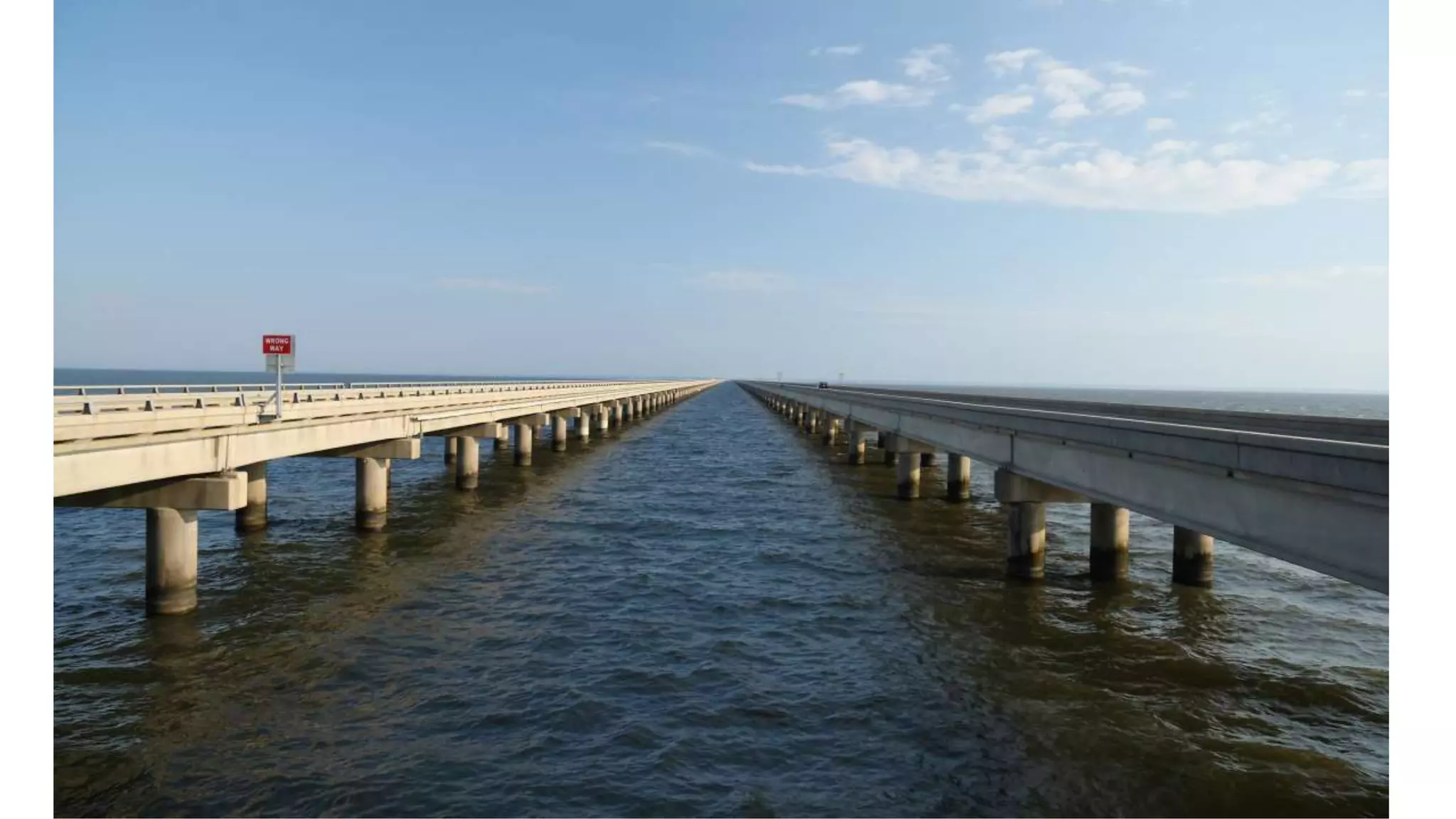
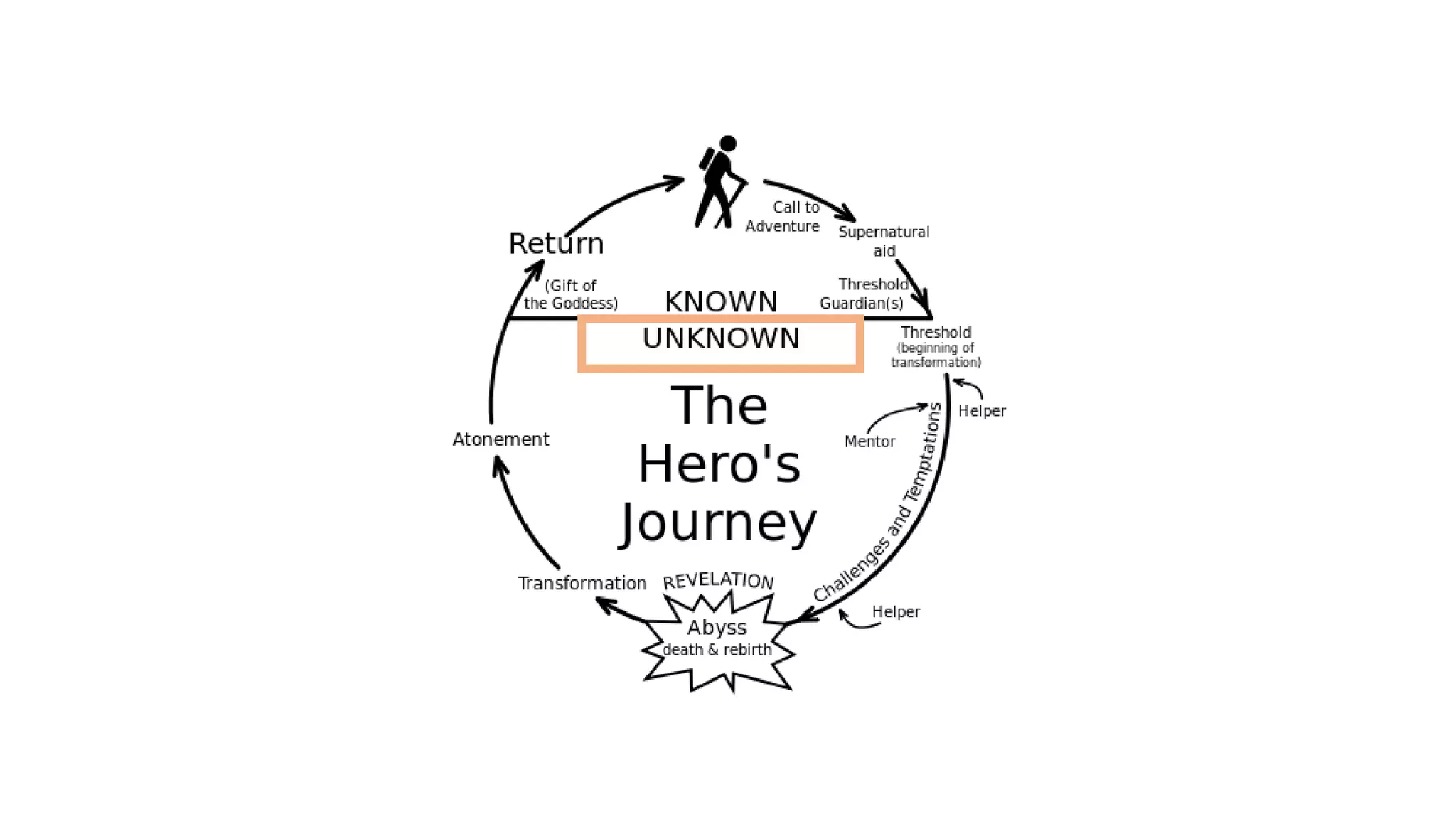
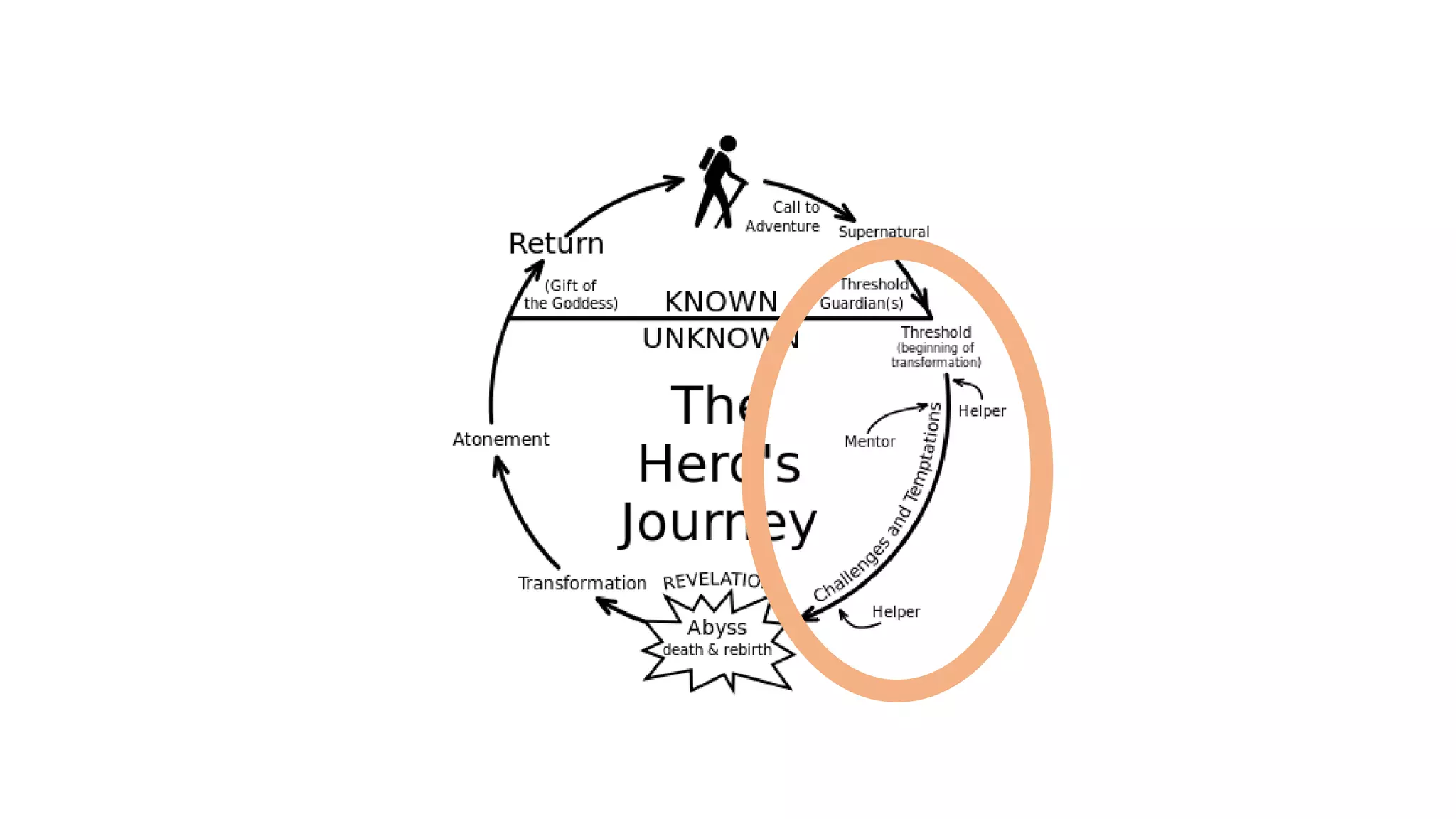
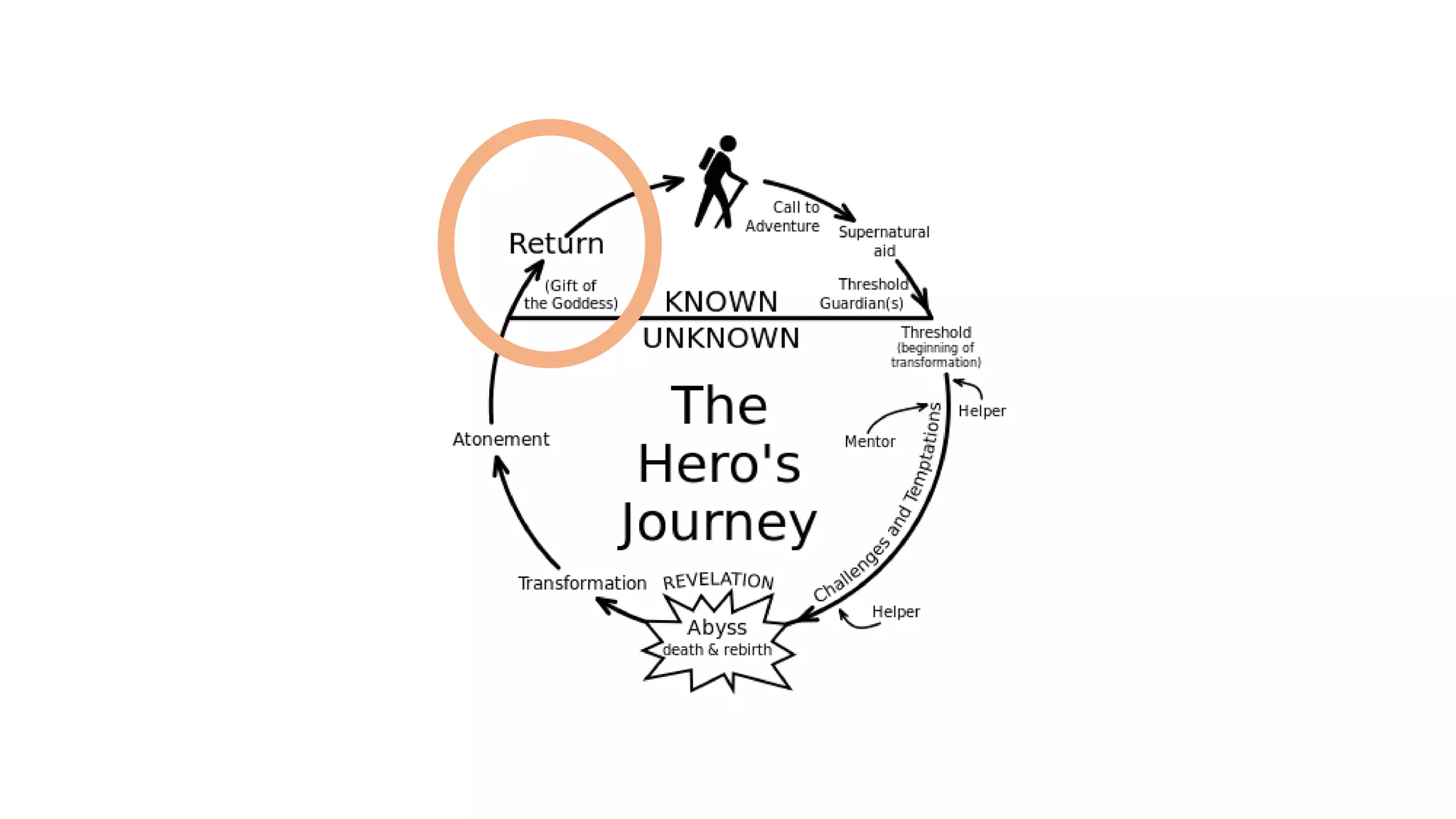
This is about a journey.
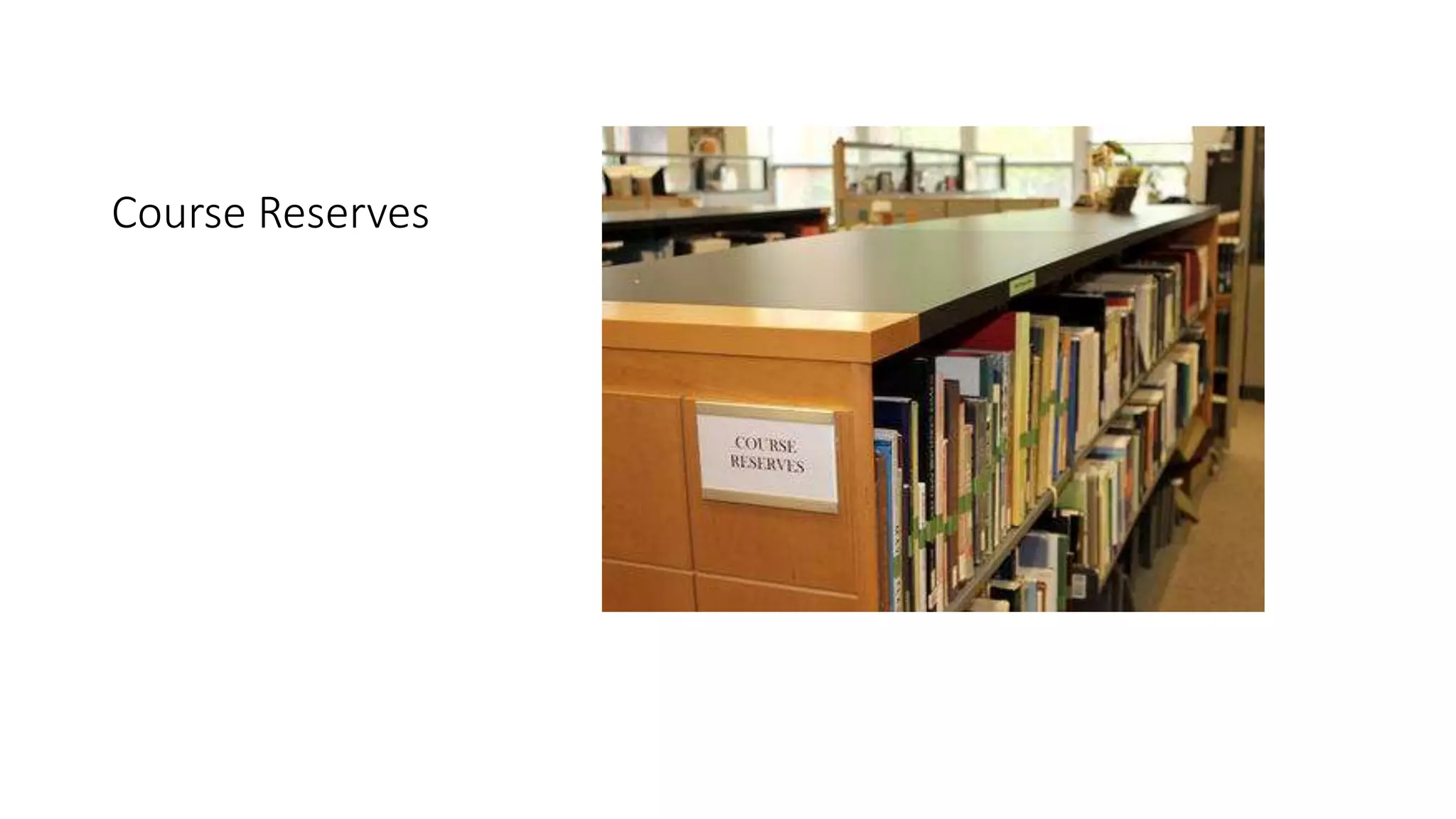
Course Reserves
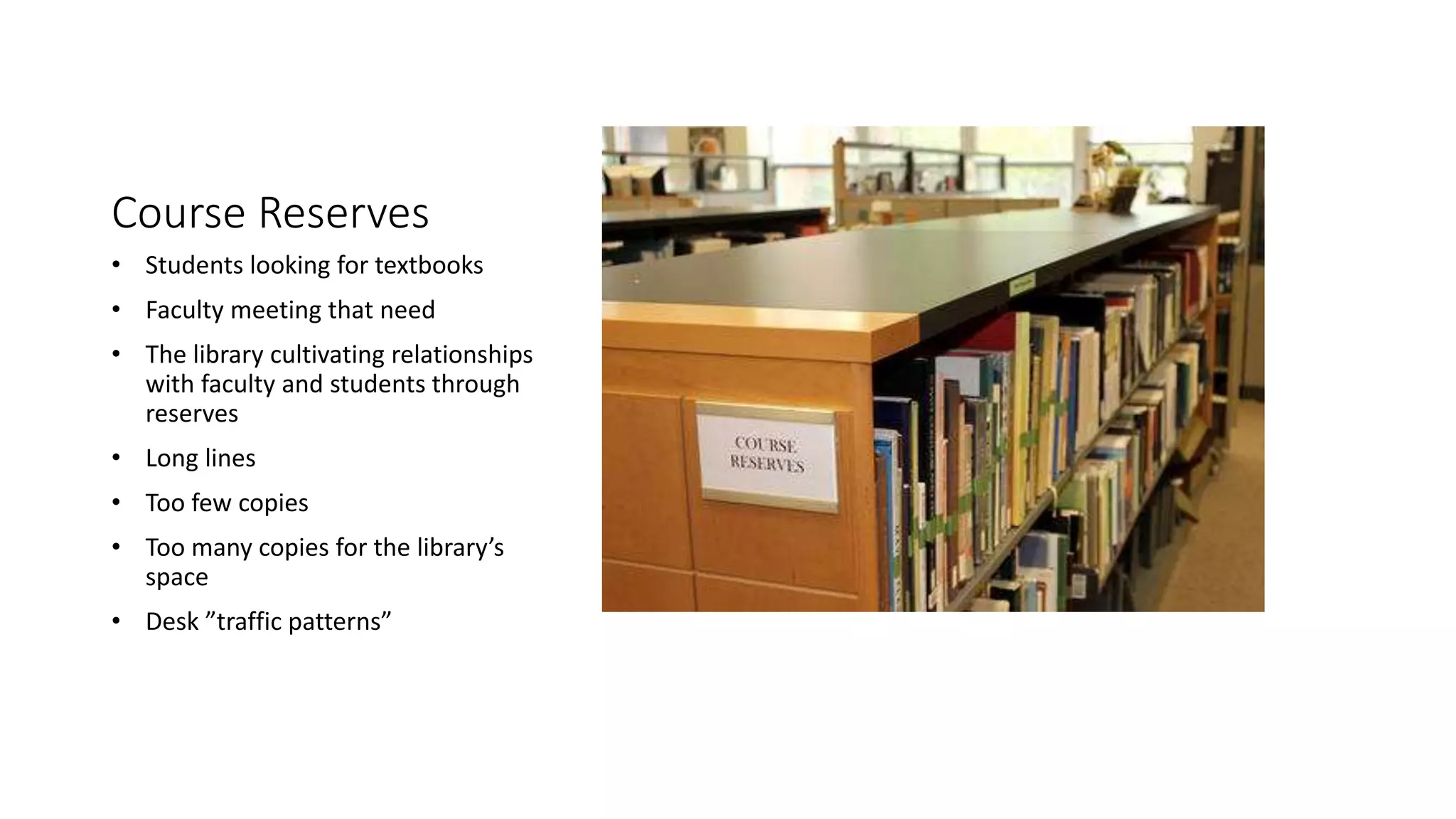
Course Reserves
• Students looking for textbooks
• Faculty meeting that need
• The library cultivating relationships
with faculty and students through
reserves
• Long lines
• Too few copies
• Too many copies for the library’s
space
• Desk ”traffic patterns”
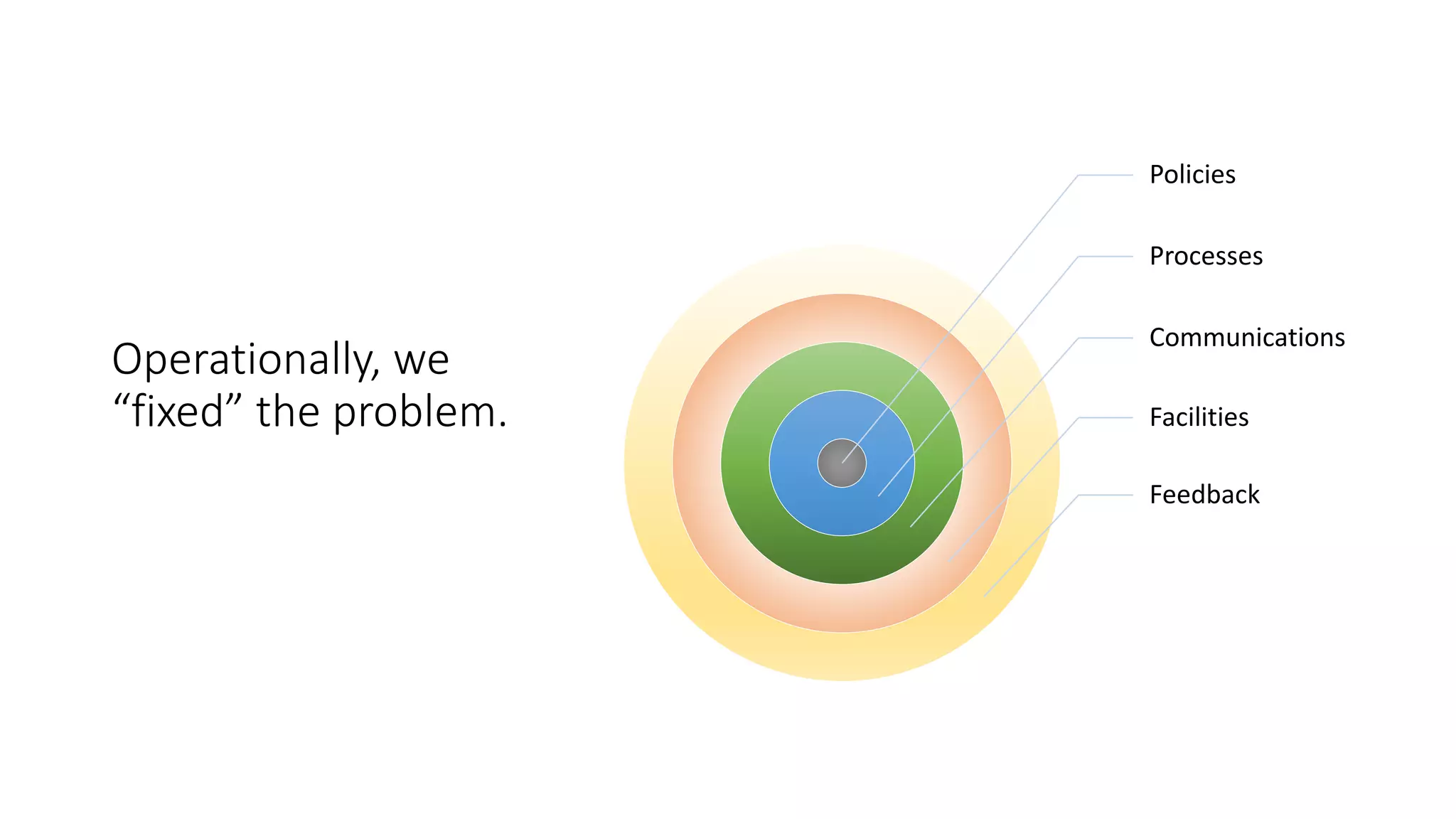
Operationally, we
“fixed” the problem.
Policies
Processes
Communications
Facilities
Feedback
“There’s an open education
conference in Vancouver, BC. You
should go.”
“There’s an open education
conference in Vancouver, BC. You
should go.”
“There’s an open education
conference in Vancouver, BC. You
should go.”
Defining Open Educational Resources
Hewlett Foundation Definition:
“OER are teaching, learning, and
research resources that reside
in the public domain or are
released under an intellectual
property license that permits
their free use and repurposing
by others”
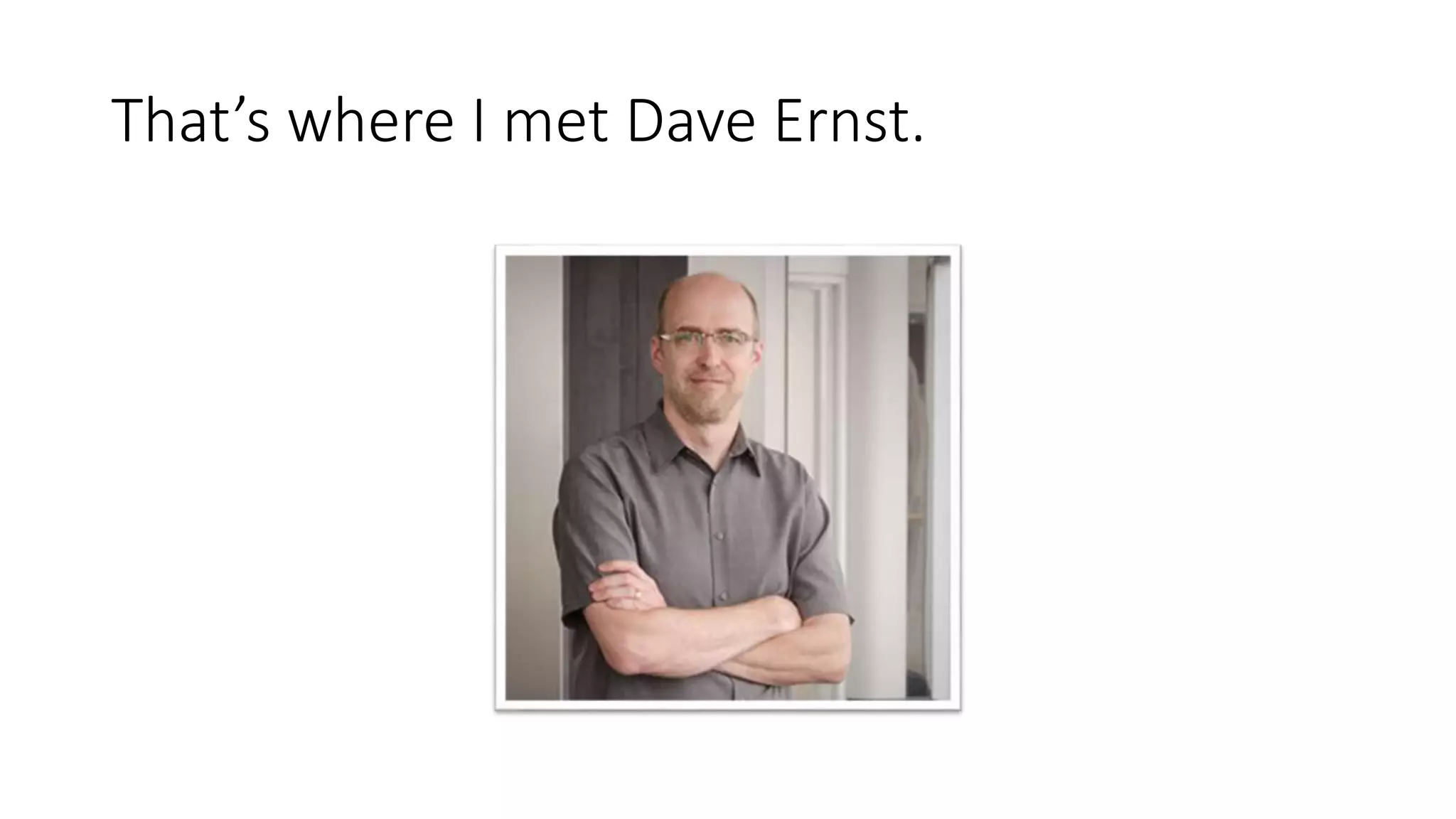
That’s where I met Dave Ernst.
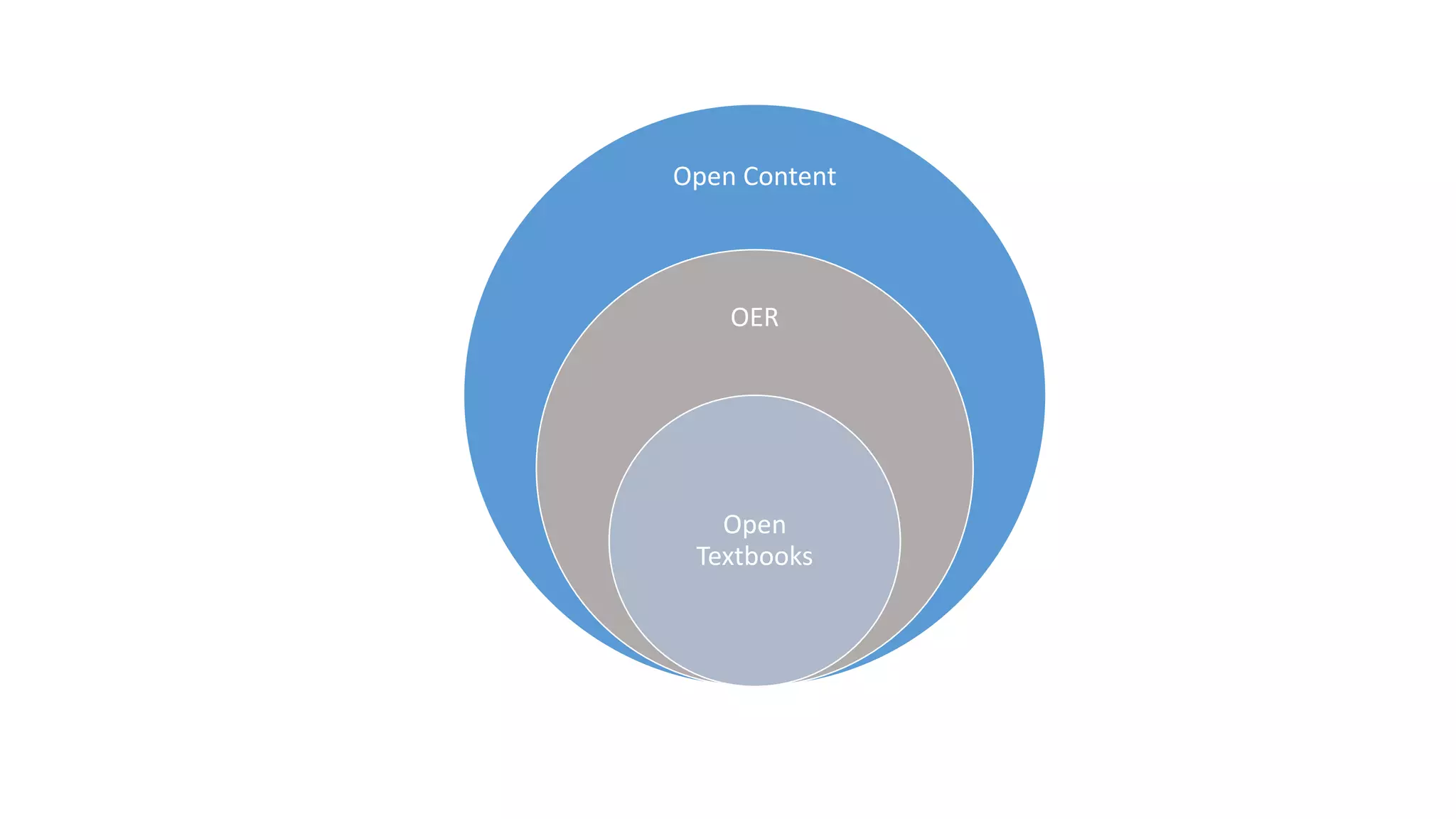
Open Content
OER
Open
Textbooks
Why Textbooks?
• Hits a major pain point – textbook costs
• Faculty understand textbooks
• Faculty know how to adopt textbooks
• Faculty effort (vs. alternatives) is kept at a minimum
• Textbooks can provide content for a complete (or nearly complete)
course
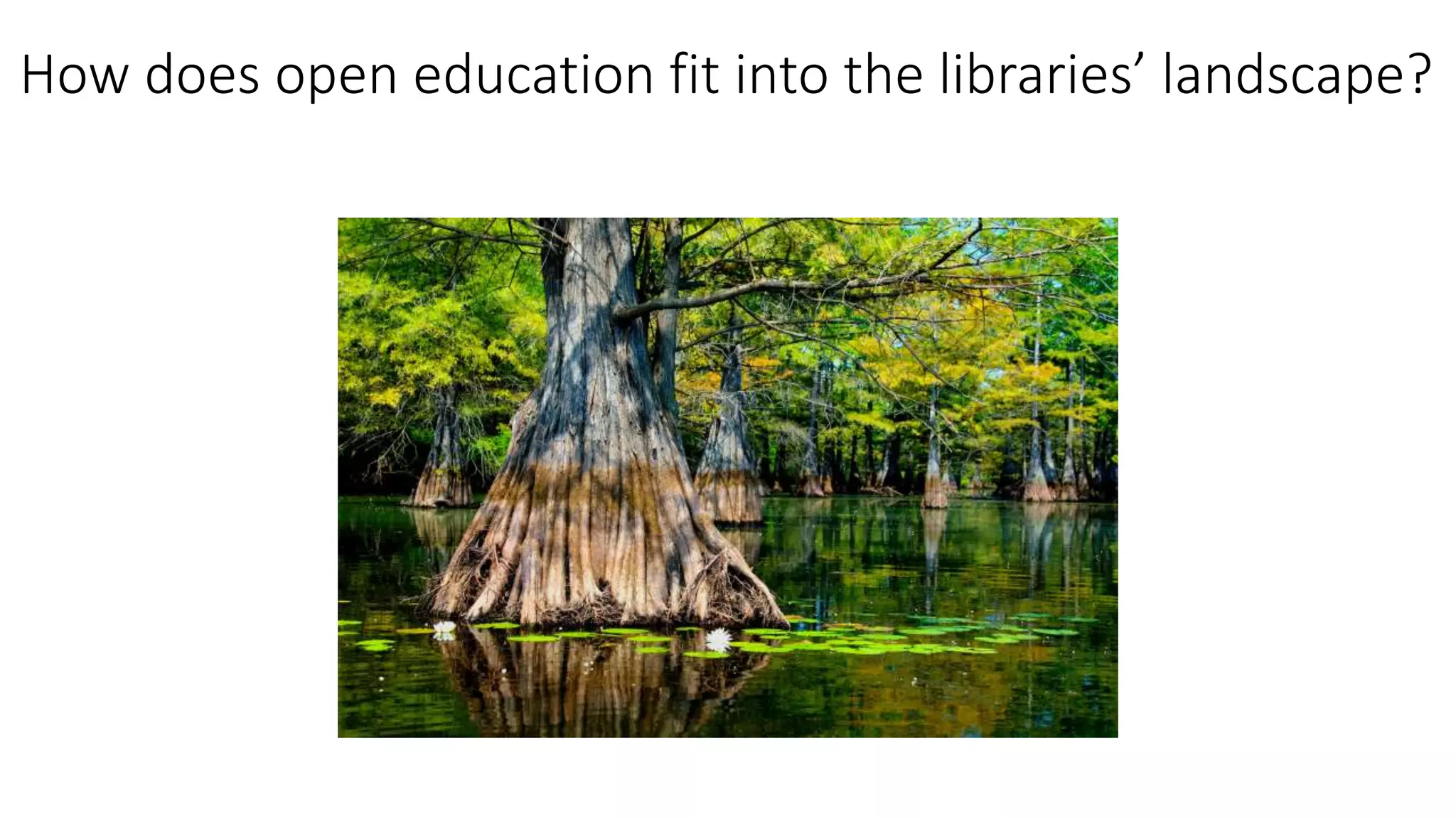
How does open education fit into the libraries’ landscape?
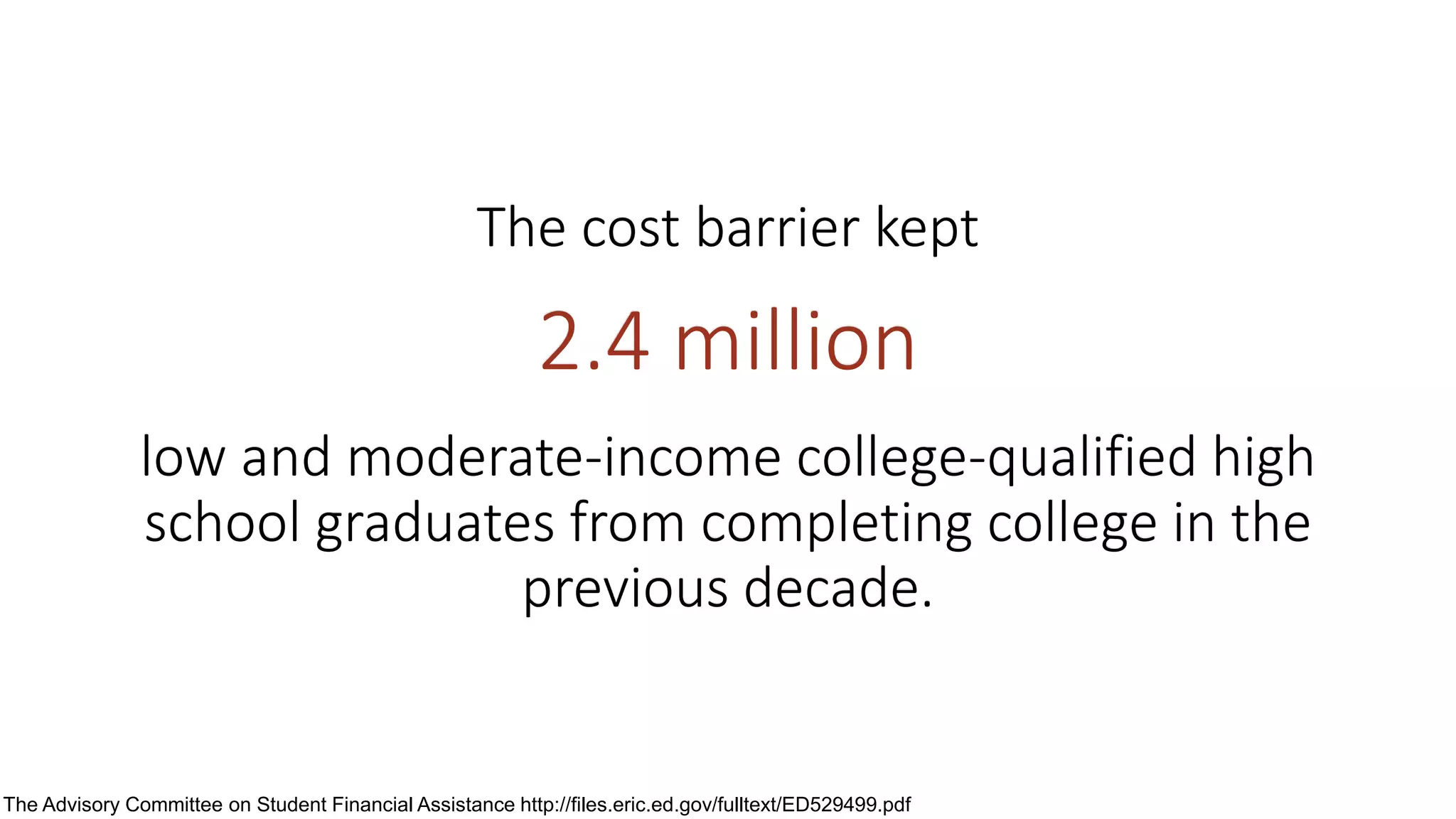
The cost barrier kept
2.4 million
low and moderate-income college-qualified high
school graduates from completing college in the
previous decade.
The Advisory Committee on Student Financial Assistance http://files.eric.ed.gov/fulltext/ED529499.pdf
A Lens Into Libraries
Open is “disruptive” to libraries
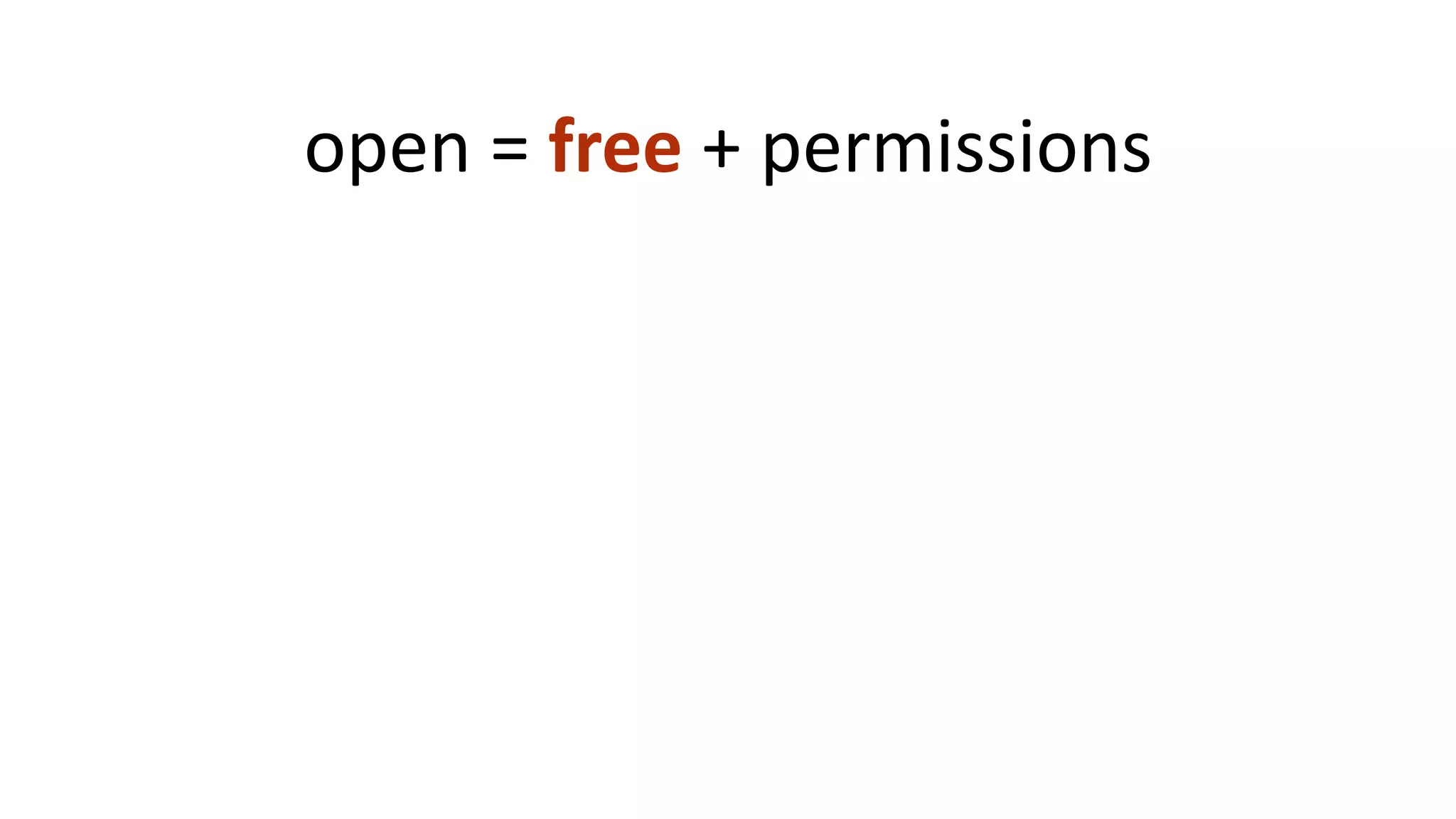
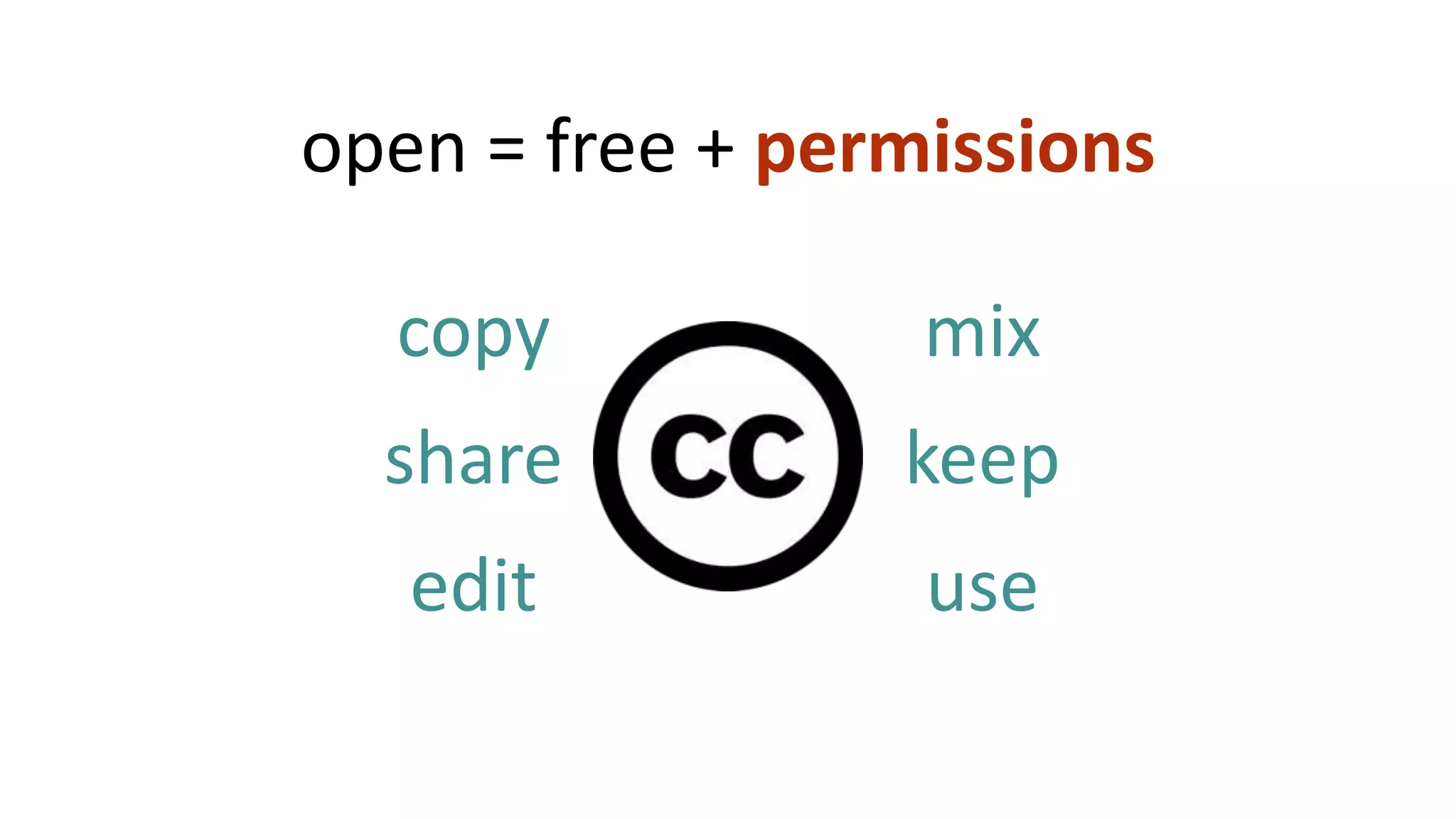
open = free + permissions
copy mix
share keep
edit use
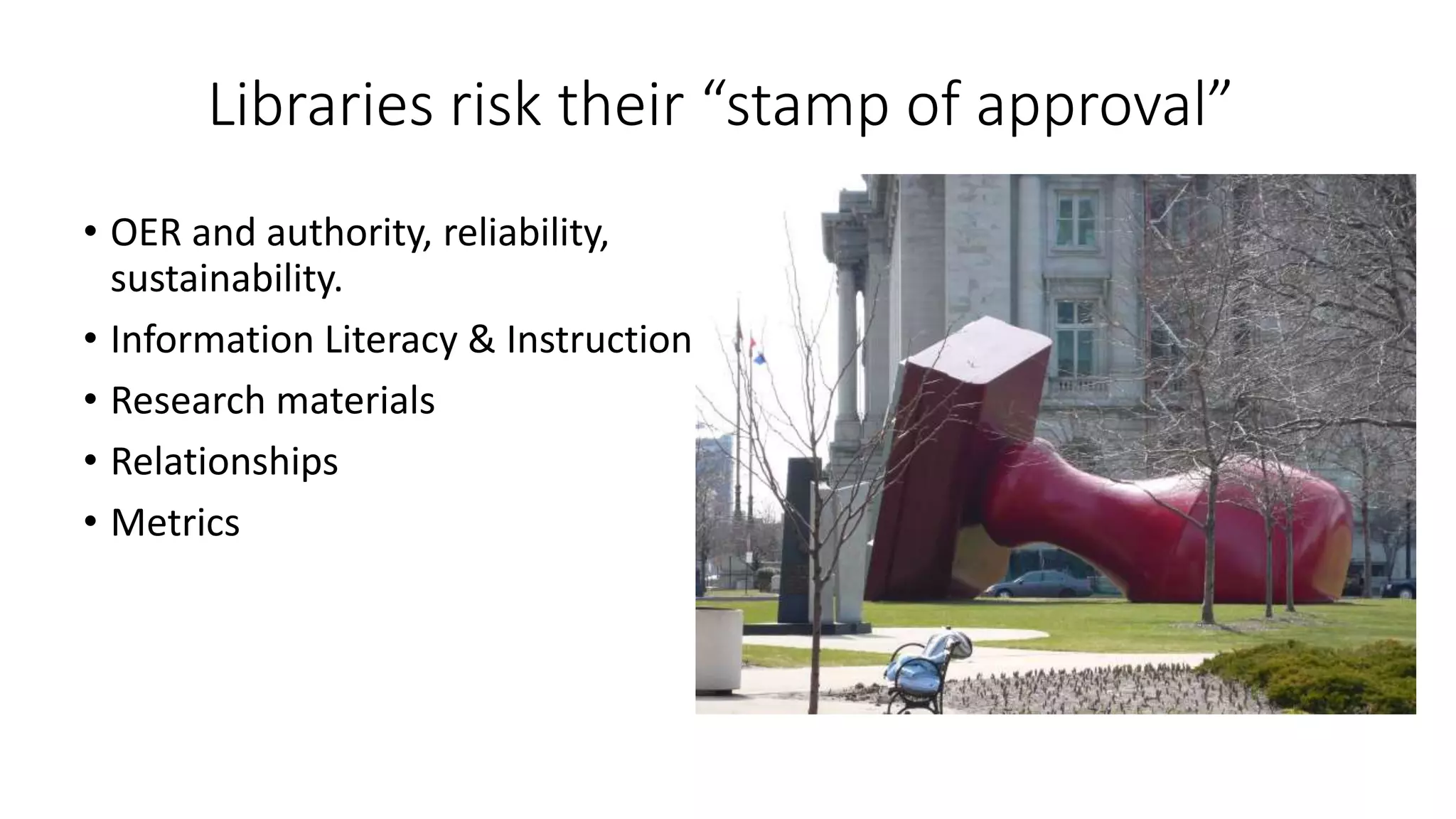
Libraries risk their “stamp of approval”
• OER and authority, reliability,
sustainability.
• Information Literacy & Instruction
• Research materials
• Relationships
• Metrics
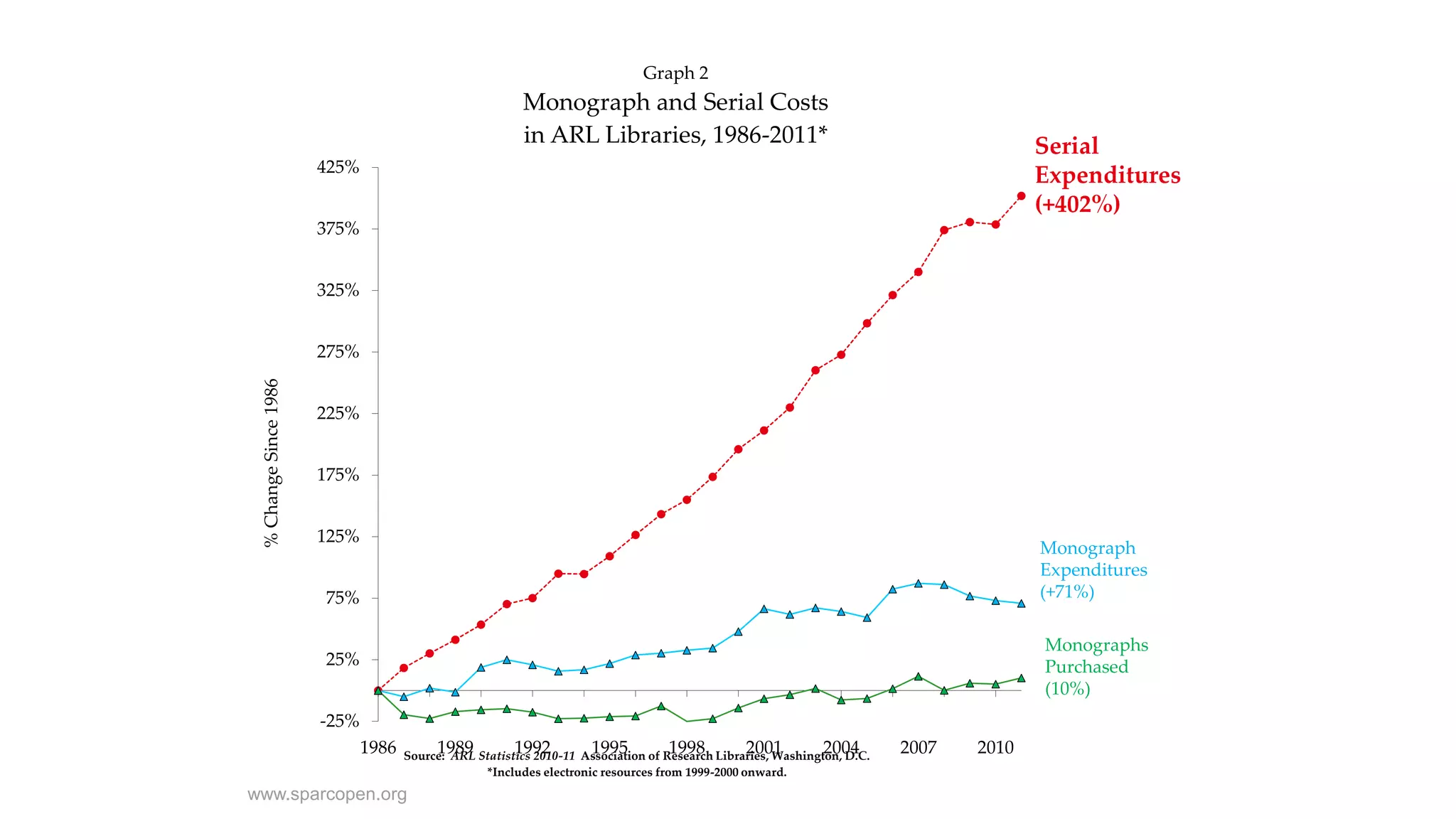
Library resources are not “open”, only
“available” within your institution.
-25%
25%
75%
125%
175%
225%
275%
325%
375%
425%
1986 1989 1992 1995 1998 2001 2004 2007 2010
%ChangeSince1986
Source: ARL Statistics 2010-11 Association of Research Libraries, Washington, D.C.
*Includes electronic resources from 1999-2000 onward.
Graph 2
Monograph and Serial Costs
in ARL Libraries, 1986-2011* Serial
Expenditures
(+402%)
Monograph
Expenditures
(+71%)
Monographs
Purchased
(10%)
www.sparcopen.org
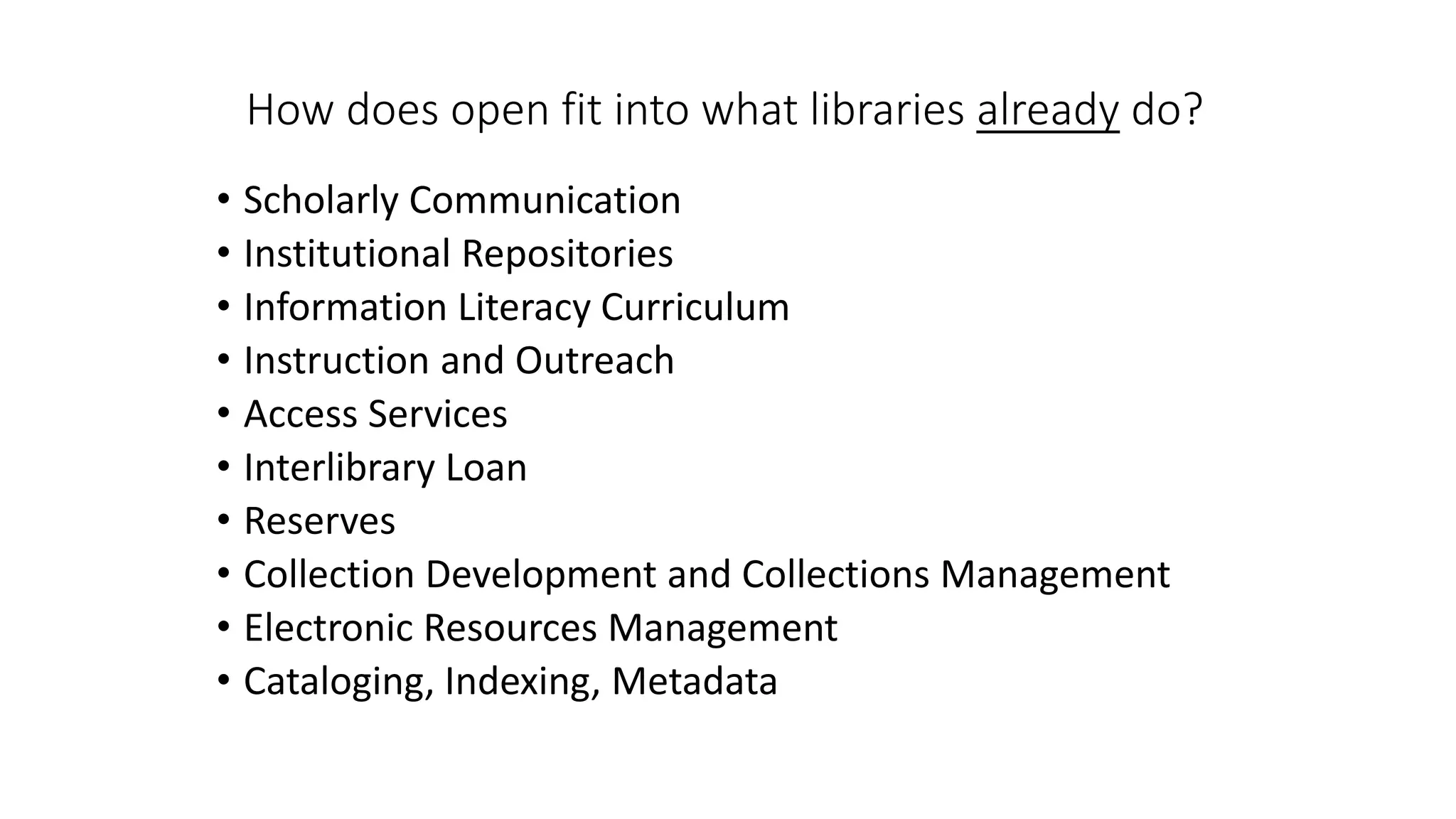
How does open fit into what libraries already do?
• Scholarly Communication
• Institutional Repositories
• Information Literacy Curriculum
• Instruction and Outreach
• Access Services
• Interlibrary Loan
• Reserves
• Collection Development and Collections Management
• Electronic Resources Management
• Cataloging, Indexing, Metadata
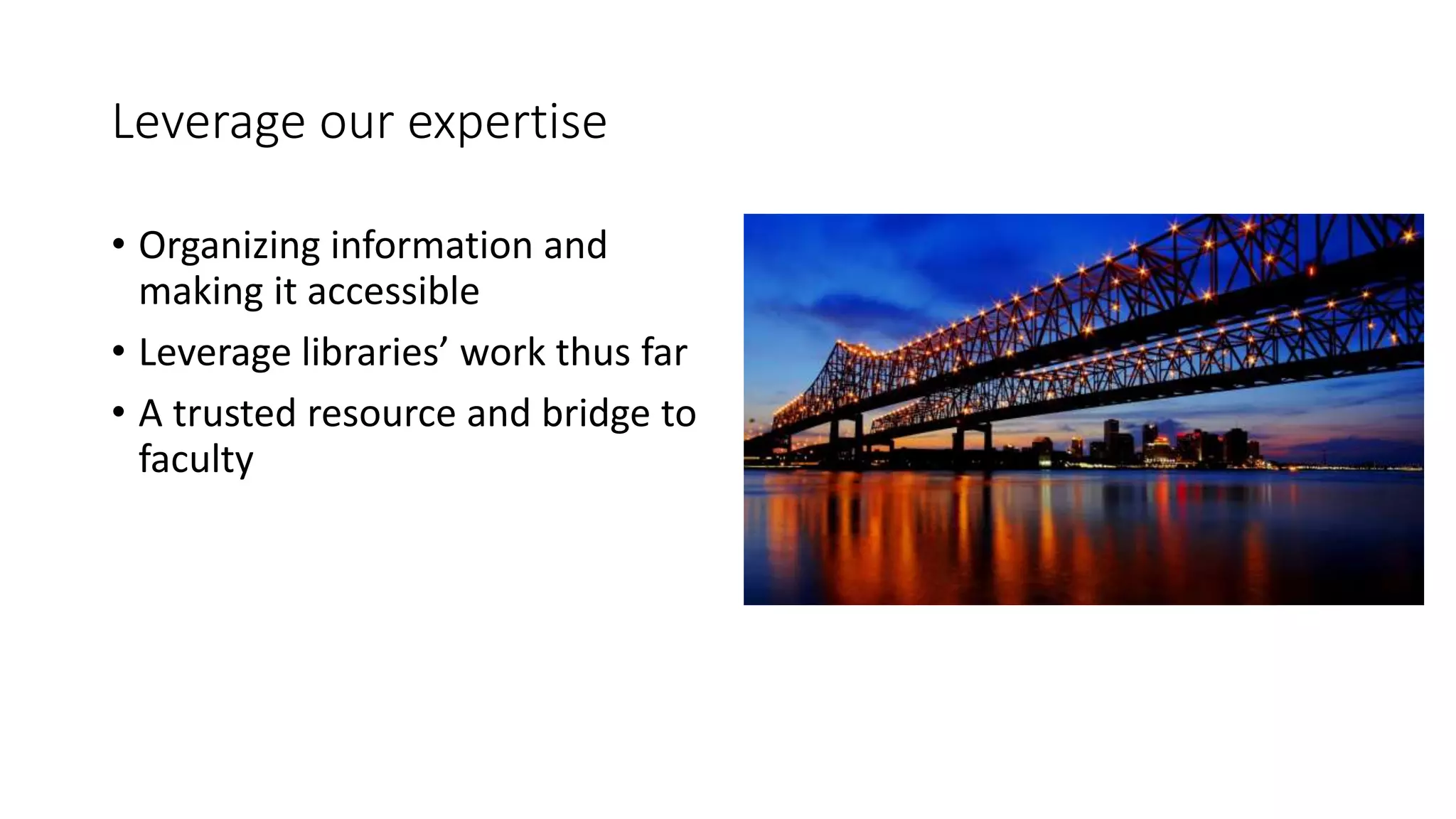
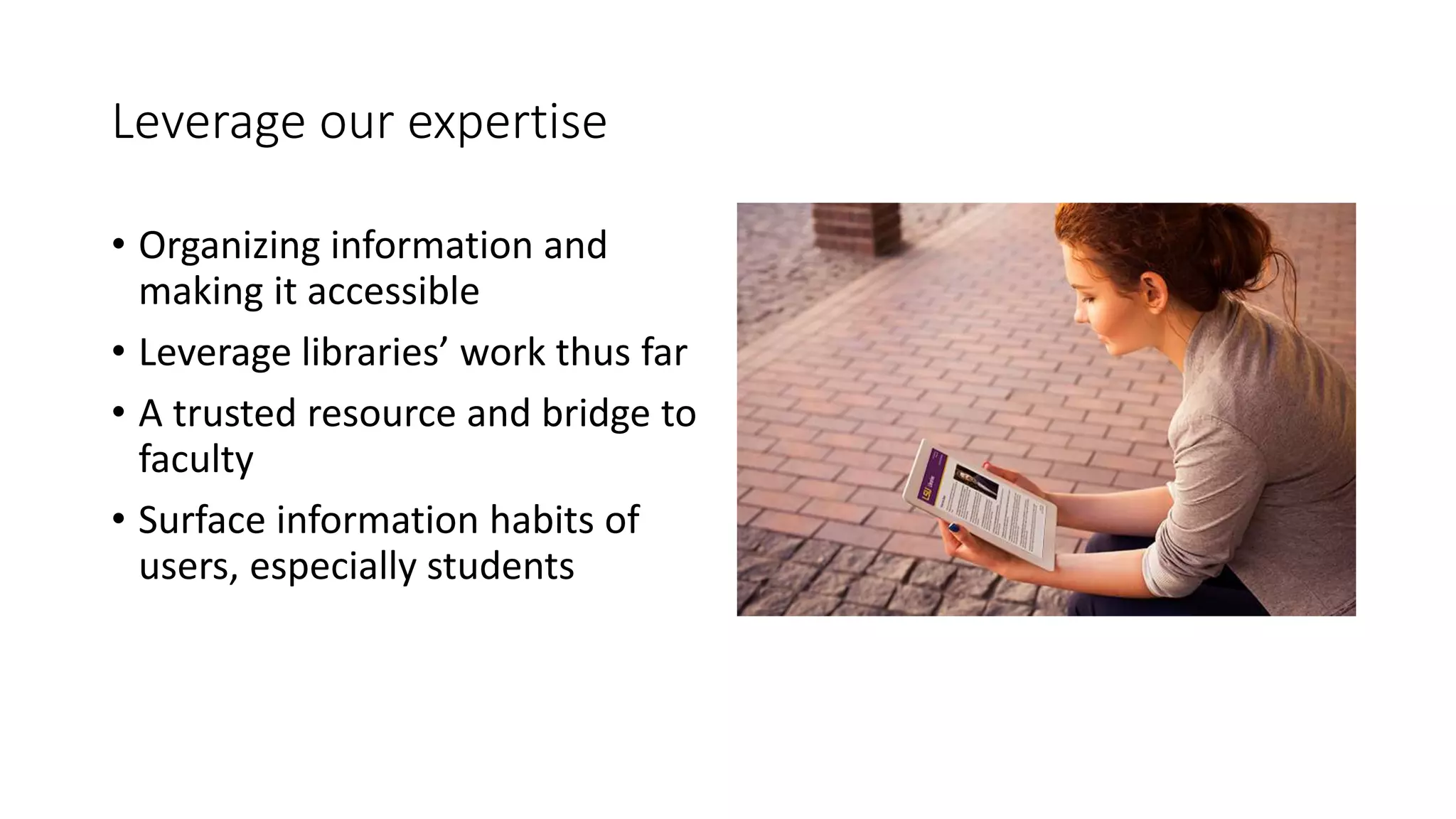
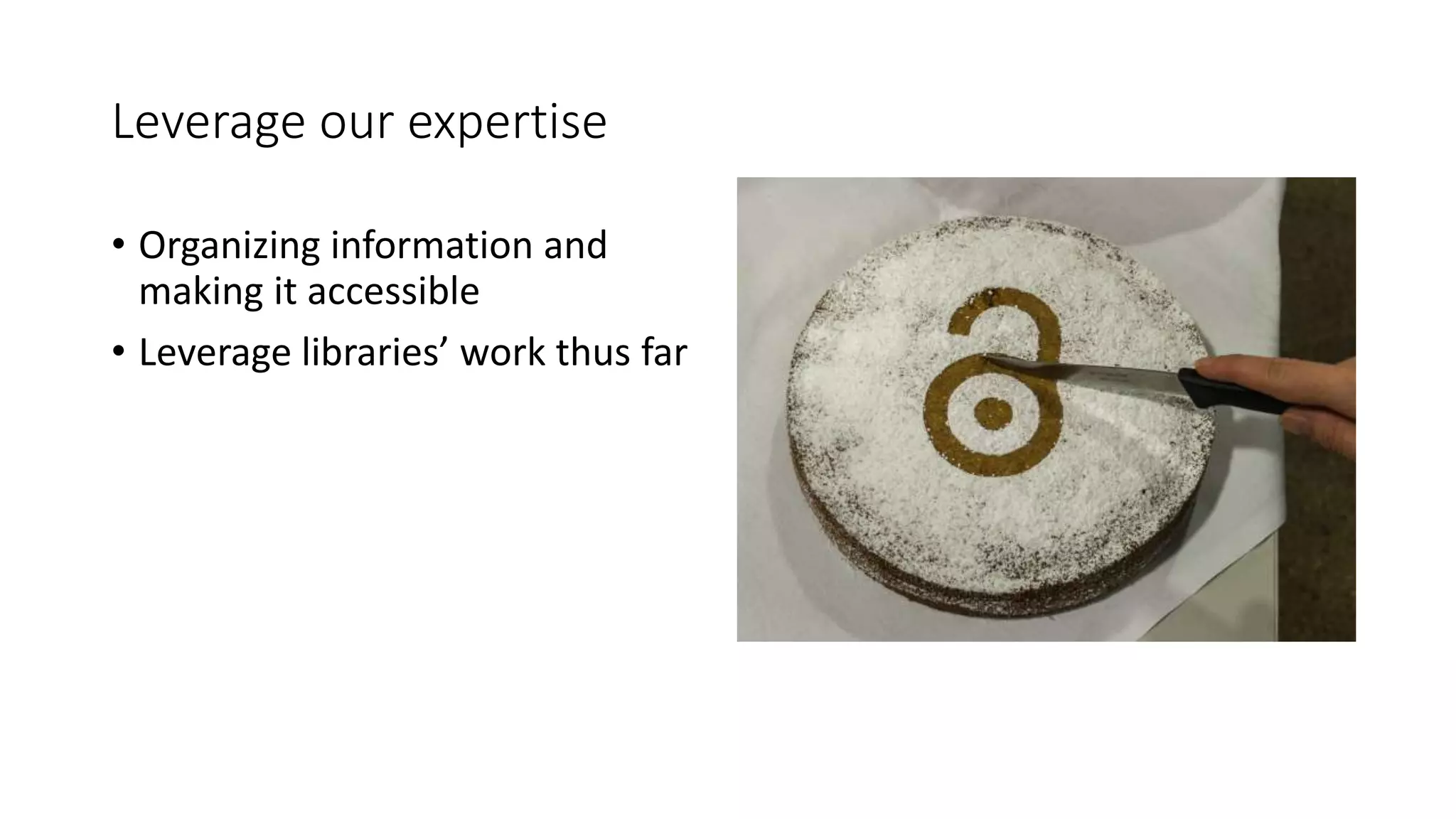
Leverage our expertise
• Organizing information and
making it accessible
Leverage our expertise
• Organizing information and
making it accessible
• Leverage libraries’ work thus far
Leverage our expertise
• Organizing information and
making it accessible
• Leverage libraries’ work thus far
• A trusted resource and bridge to
faculty
Collaborate deeply with faculty.
• Actualize librarians’ deep interest in creative and innovative
pedagogy.
• Realize the potential of the 5Rs.
• Use OERs in the flipped classrooms, as well as inquiry based learning,
problem based learning, active learning.
• Stimulate tangible partnerships with Centers for Teaching and
Learning, Instructional Designers, Distance Education, and more.
Leverage our expertise
• Organizing information and
making it accessible
• Leverage libraries’ work thus far
• A trusted resource and bridge to
faculty
• Surface information habits of
users, especially students
Integrate open into current and new instruction
• ACRL Framework: Threshold Concepts
• Open’s potential to address many of the TCs:
• Format as process
• Authority as Constructed and Contextual
• Information as commodity
• Assessment opportunities:
• Creation and modification with students using open content would allow
libraries to provide direct assessment /artifacts of student learning and
achievement in these TCs.
Build connections to:
• ACRL's strategic direction
for libraries:
• expressing the value of libraries,
student learning, and active
participation in the research
and scholarly environment.
• Intersections in Scholarly
Communication and
Information Literacy
• Other open initiatives (OA,
open data, knowledge
commons, etc).
There is still much to be done.
• Accessibility
• Discovery
• Integration
• Tools for editing, authoring,
metadata
• Metrics
• Preservation
• Outreach
• What else?
Good news.
Open Textbook Network
The Open Textbook Network is an alliance of colleges and universities committed
to access, affordability, and student academic success through the use of open
textbooks.
Members include 31 individual academic libraries and 7 library consortia
(representing 147 libraries).
We’re 44 members representing about 250 campuses.
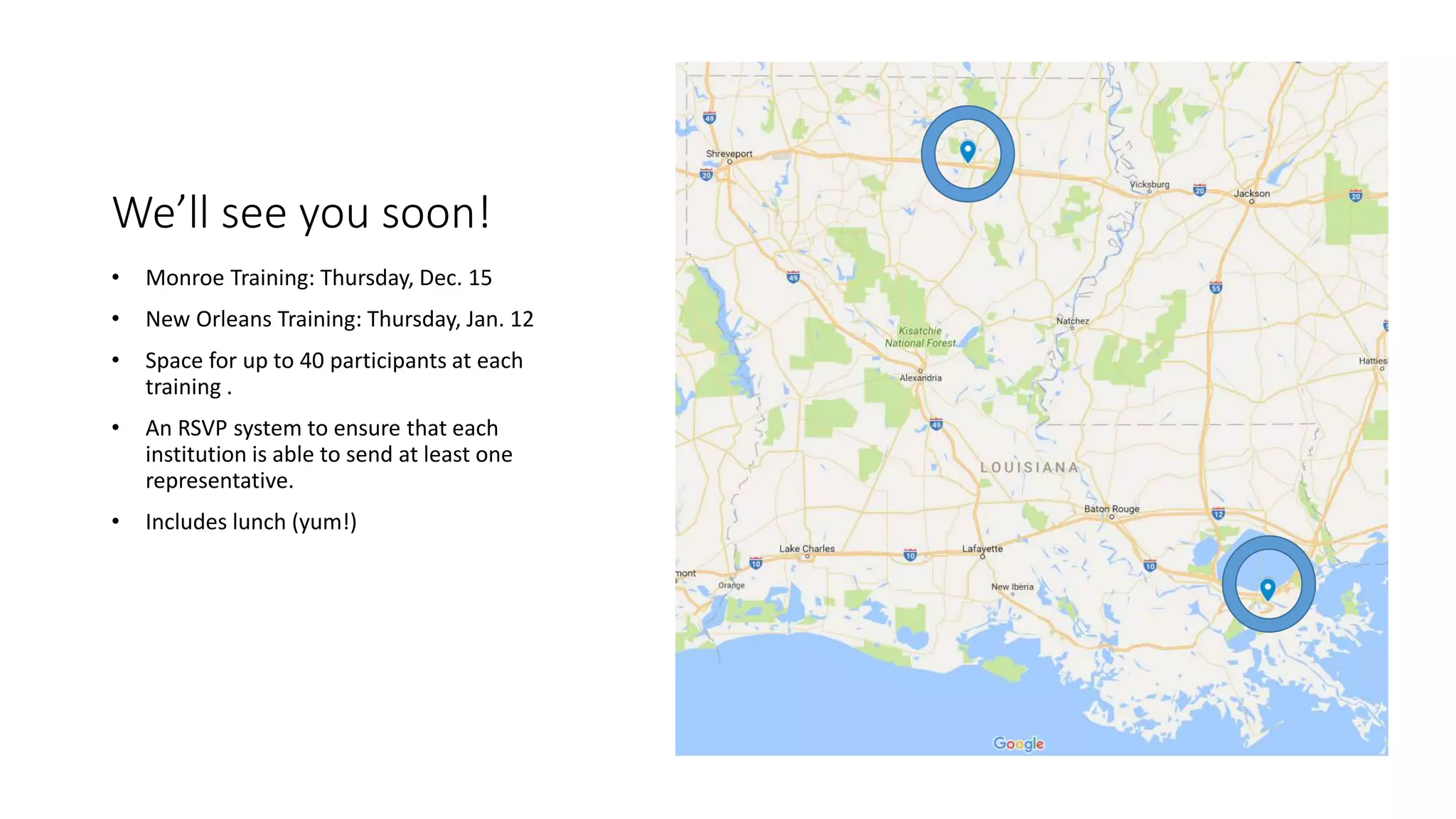
We’ll see you soon!
• Monroe Training: Thursday, Dec. 15
• New Orleans Training: Thursday, Jan. 12
• Space for up to 40 participants at each
training .
• An RSVP system to ensure that each
institution is able to send at least one
representative.
• Includes lunch (yum!)
Thank you!
@thesheck
@open_textbooks
sfcohen@umn.edu

Open to Opportunity: Possibilities for libraries in open education

  • 1.
    Sarah Faye Cohen ManagingDirector / Open Textbook Network open.umn.edu Possibilities for libraries in open education Open to Opportunity
  • 2.
    This is abouta journey.
  • 5.
  • 6.
    Course Reserves • Studentslooking for textbooks • Faculty meeting that need • The library cultivating relationships with faculty and students through reserves • Long lines • Too few copies • Too many copies for the library’s space • Desk ”traffic patterns”
  • 7.
    Operationally, we “fixed” theproblem. Policies Processes Communications Facilities Feedback
  • 9.
    “There’s an openeducation conference in Vancouver, BC. You should go.”
  • 10.
    “There’s an openeducation conference in Vancouver, BC. You should go.”
  • 11.
    “There’s an openeducation conference in Vancouver, BC. You should go.”
  • 13.
    Defining Open EducationalResources Hewlett Foundation Definition: “OER are teaching, learning, and research resources that reside in the public domain or are released under an intellectual property license that permits their free use and repurposing by others”
  • 15.
    That’s where Imet Dave Ernst.
  • 16.
  • 17.
    Why Textbooks? • Hitsa major pain point – textbook costs • Faculty understand textbooks • Faculty know how to adopt textbooks • Faculty effort (vs. alternatives) is kept at a minimum • Textbooks can provide content for a complete (or nearly complete) course
  • 20.
    How does openeducation fit into the libraries’ landscape?
  • 22.
    The cost barrierkept 2.4 million low and moderate-income college-qualified high school graduates from completing college in the previous decade. The Advisory Committee on Student Financial Assistance http://files.eric.ed.gov/fulltext/ED529499.pdf
  • 23.
    A Lens IntoLibraries
  • 24.
  • 25.
    open = free+ permissions
  • 26.
    open = free+ permissions
  • 27.
    open = free+ permissions copy mix share keep edit use
  • 30.
    Libraries risk their“stamp of approval” • OER and authority, reliability, sustainability. • Information Literacy & Instruction • Research materials • Relationships • Metrics
  • 31.
    Library resources arenot “open”, only “available” within your institution.
  • 32.
    -25% 25% 75% 125% 175% 225% 275% 325% 375% 425% 1986 1989 19921995 1998 2001 2004 2007 2010 %ChangeSince1986 Source: ARL Statistics 2010-11 Association of Research Libraries, Washington, D.C. *Includes electronic resources from 1999-2000 onward. Graph 2 Monograph and Serial Costs in ARL Libraries, 1986-2011* Serial Expenditures (+402%) Monograph Expenditures (+71%) Monographs Purchased (10%) www.sparcopen.org
  • 35.
    How does openfit into what libraries already do?
  • 36.
    How does openfit into what libraries already do? • Scholarly Communication • Institutional Repositories • Information Literacy Curriculum • Instruction and Outreach • Access Services • Interlibrary Loan • Reserves • Collection Development and Collections Management • Electronic Resources Management • Cataloging, Indexing, Metadata
  • 37.
    Leverage our expertise •Organizing information and making it accessible
  • 39.
    Leverage our expertise •Organizing information and making it accessible • Leverage libraries’ work thus far
  • 40.
    Leverage our expertise •Organizing information and making it accessible • Leverage libraries’ work thus far • A trusted resource and bridge to faculty
  • 41.
    Collaborate deeply withfaculty. • Actualize librarians’ deep interest in creative and innovative pedagogy. • Realize the potential of the 5Rs. • Use OERs in the flipped classrooms, as well as inquiry based learning, problem based learning, active learning. • Stimulate tangible partnerships with Centers for Teaching and Learning, Instructional Designers, Distance Education, and more.
  • 42.
    Leverage our expertise •Organizing information and making it accessible • Leverage libraries’ work thus far • A trusted resource and bridge to faculty • Surface information habits of users, especially students
  • 43.
    Integrate open intocurrent and new instruction • ACRL Framework: Threshold Concepts • Open’s potential to address many of the TCs: • Format as process • Authority as Constructed and Contextual • Information as commodity • Assessment opportunities: • Creation and modification with students using open content would allow libraries to provide direct assessment /artifacts of student learning and achievement in these TCs.
  • 44.
    Build connections to: •ACRL's strategic direction for libraries: • expressing the value of libraries, student learning, and active participation in the research and scholarly environment. • Intersections in Scholarly Communication and Information Literacy • Other open initiatives (OA, open data, knowledge commons, etc).
  • 45.
    There is stillmuch to be done. • Accessibility • Discovery • Integration • Tools for editing, authoring, metadata • Metrics • Preservation • Outreach • What else?
  • 54.
  • 56.
    Open Textbook Network TheOpen Textbook Network is an alliance of colleges and universities committed to access, affordability, and student academic success through the use of open textbooks. Members include 31 individual academic libraries and 7 library consortia (representing 147 libraries). We’re 44 members representing about 250 campuses.
  • 57.
    We’ll see yousoon! • Monroe Training: Thursday, Dec. 15 • New Orleans Training: Thursday, Jan. 12 • Space for up to 40 participants at each training . • An RSVP system to ensure that each institution is able to send at least one representative. • Includes lunch (yum!)
  • 59.

Editor's Notes

  • #3 The journey libraries are on already; the journey in front of us. Image made available via CC-BY license: https://www.flickr.com/photos/glennaa/2959846745: Looking south from the Lake Pontchartrain Causeway - considered the longest bridge in the world
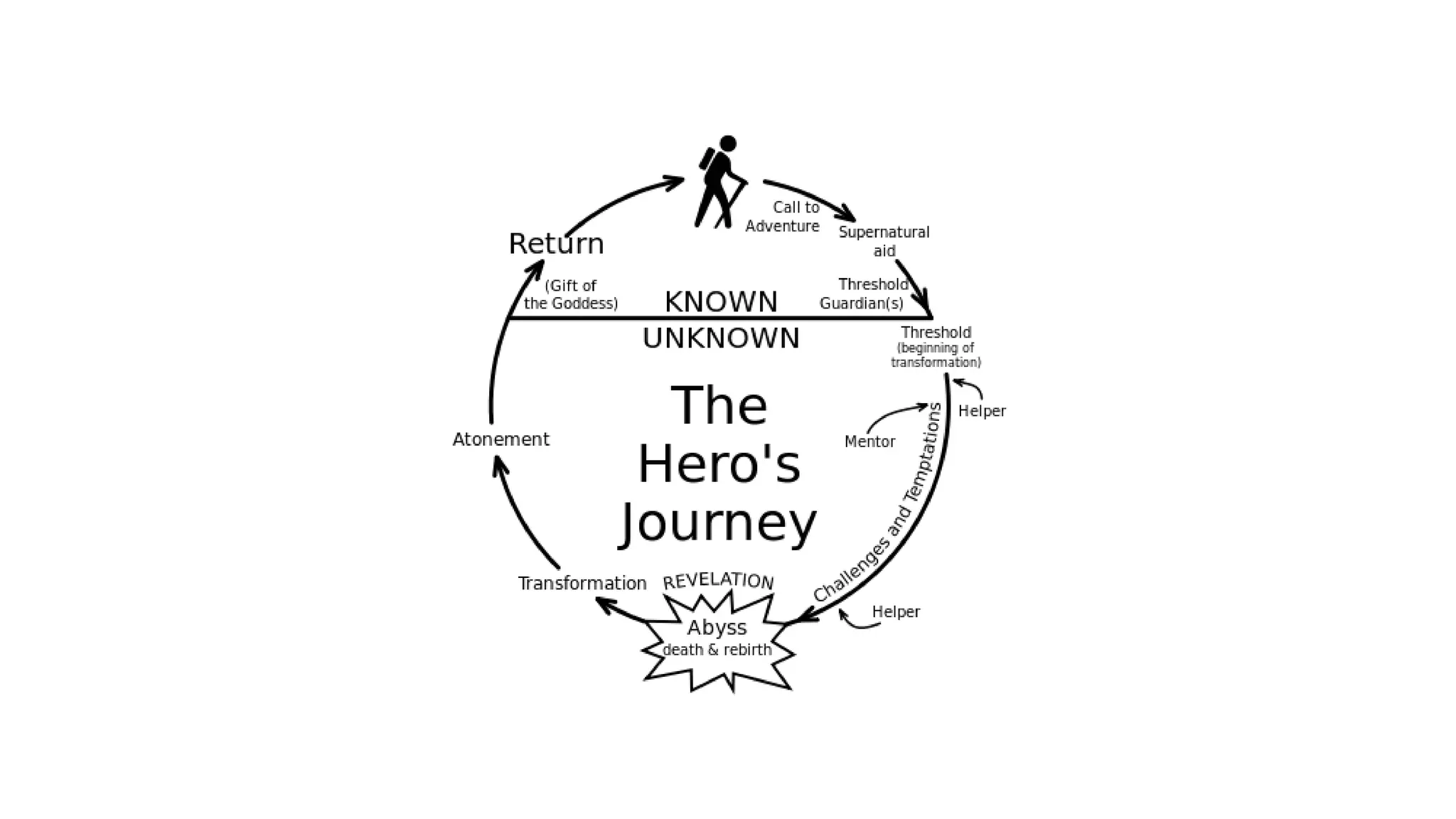
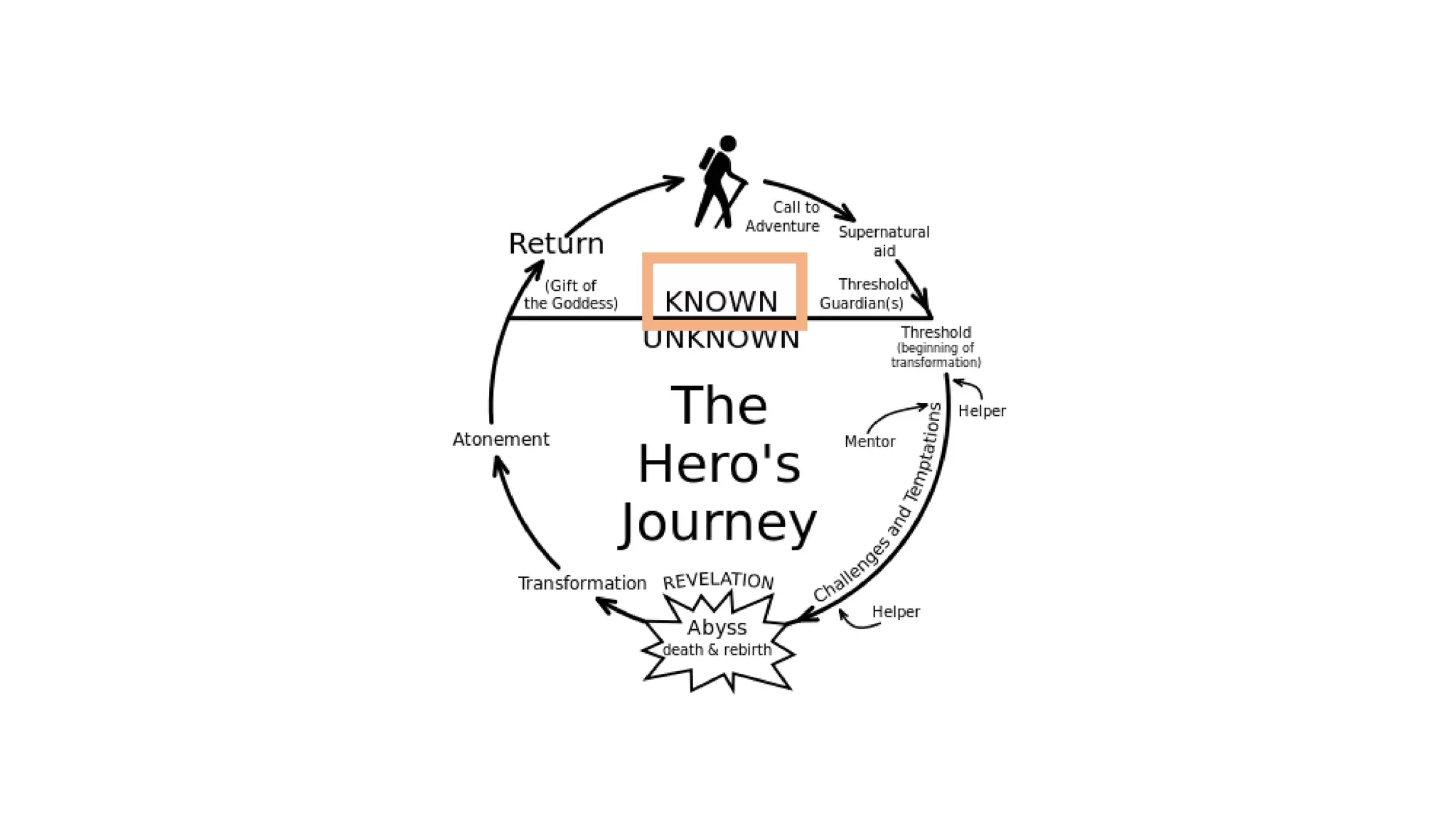
  • #4 Reminiscent of the hero’s journey – Joseph Campbell. https://en.wikipedia.org/wiki/Hero%27s_journey#/media/File:Heroesjourney.svg
  • #6 Course Reserves. Context: a public, STEM school, quarter system, with textbook costs above the national average. Image from Cornell University Library: https://mannlib.cornell.edu/news/call-course-reserve-software-requests
  • #7  Image from Cornell University Library: https://mannlib.cornell.edu/news/call-course-reserve-software-requests
  • #9 https://commons.wikimedia.org/wiki/File%3AThe_Thinker%2C_Rodin.jpg
  • #13 Image made available via CC-BY license: https://www.flickr.com/photos/mdpettitt/8671901426/
  • #14  http://www.hewlett.org/programs/education/open-educational-resources OER Logo 2012 J. Mello,used under a Creative Commons license CC-BY
  • #16 @dernst: https://research.cehd.umn.edu/otn/about-us/
  • #21 Image made available via CC-BY license: https://www.flickr.com/photos/finchlake/5925498145/in/album-72157625657638359/
  • #22 Thinking about our core values as a profession: Access: Information as readily, equally, and equitably accessible Diversity: providing a full spectrum of resources and services to the communities we serve Lifelong learning: promotes the creation, maintenance, and enhancement of a learning society Social Responsibility: the contribution that librarianship can make in ameliorating or solving the critical problems of society;  No better avenue for manifesting our core values as a profession at our institutions of higher education than open education. http://www.ala.org/advocacy/intfreedom/statementspols/corevalues Image made available via CC-BY license: https://www.flickr.com/photos/notahipster/4319953731/
  • #23 Slide from @dernst courtesy of a CC BY license. Slides available through www.slideshare.net/djernst
  • #24  Image made available via CC-BY license: https://www.flickr.com/photos/kidkaitou/8450319298/
  • #26 Slide from @dernst courtesy of a CC BY license. Slides available through www.slideshare.net/djernst
  • #27 Slide from @dernst courtesy of a CC BY license. Slides available through www.slideshare.net/djernst
  • #28 Slide from @dernst courtesy of a CC BY license. Slides available through www.slideshare.net/djernst
  • #29 Slide from @dernst courtesy of a CC BY license. Slides available through www.slideshare.net/djernst
  • #31  Image made available via CC-BY license: https://www.flickr.com/photos/mlcastle/2462959205/
  • #32  Slide made available by David Wiley (@opencontent) via a CC BY license: http://opencontent.org/blog/archives/3883
  • #33  This slide made available under a CC BY license by Nick Shockey(@nshockey) and Nicole Allen(@txtbks) at SPARC (www.sparcopen.org ). Accessed via their slide deck http://www.slideshare.net/txtbks/advancing-open-vanderbilt
  • #37 Open has the potential to provide new and important opportunities for all areas of libraries.
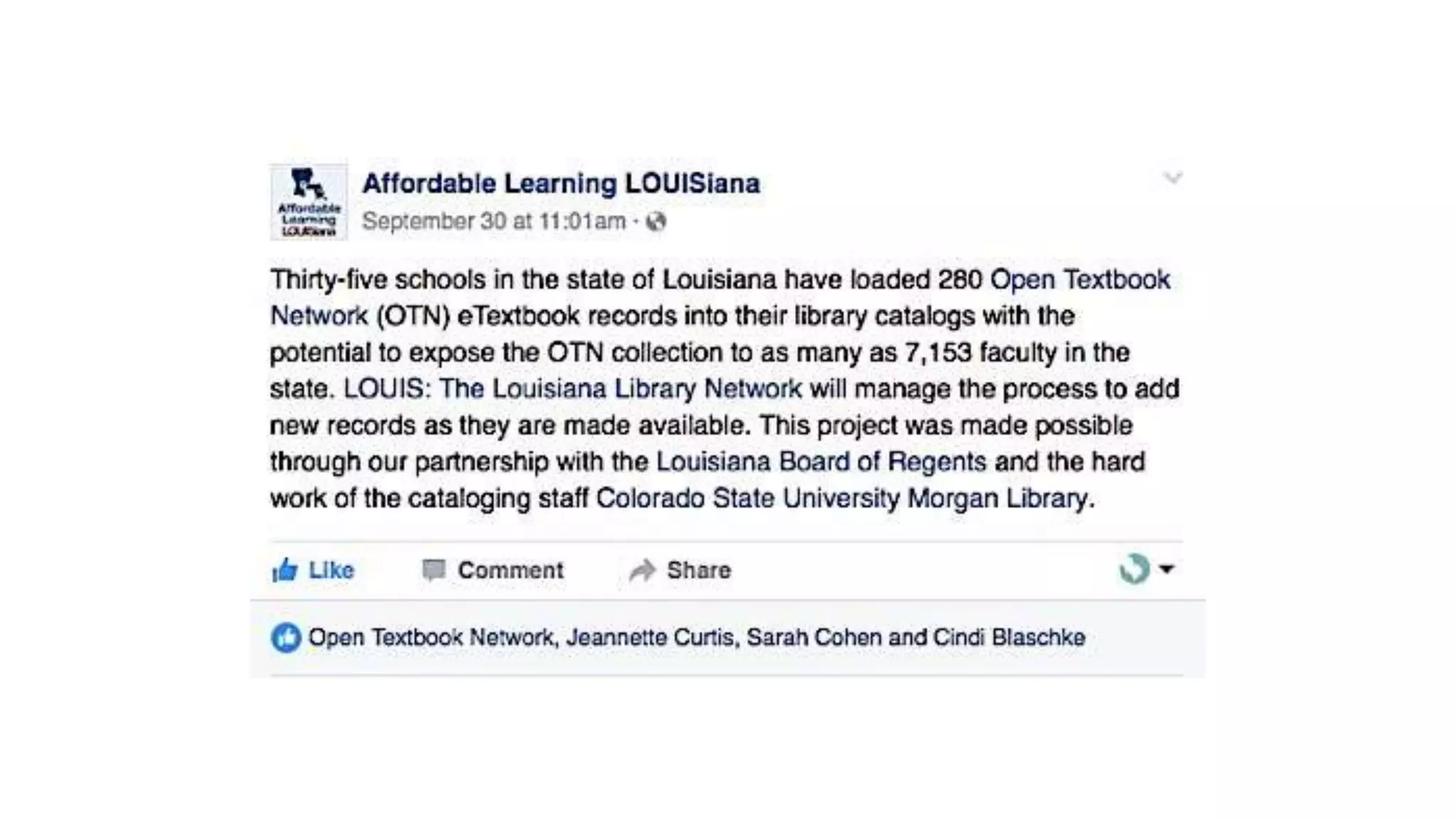
  • #38 http://open.umn.edu/opentextbooks/Discovery.aspx: Thanks to Colorado State University for creating these records. Image made available via CC-BY license: https://www.flickr.com/photos/mamsy/4175783446/
  • #39 https://www.facebook.com/affordablela/
  • #40  Image made available via CC-BY license: https://www.flickr.com/photos/slubdresden/10404994606
  • #41  Image made available via CC-BY license: https://www.flickr.com/photos/55918701@N02/6980775574/
  • #42 https://www.flickr.com/photos/littledebbie11/5028737162
  • #43 Photo courtesy of LSU Libraries Facebook: https://www.facebook.com/LSULibraries/photos/a.124749309331.104273.22954284331/10153689450109332/
  • #44 For more: Hofer, A., Townsend, L., & Brunetti, K. (2012). Troublesome concepts: Investigating threshold concepts for information literacy instruction. portal:Libraries and the Academy, 12(4), 387-405. 
  • #45 Image made available via CC-BY license: https://www.flickr.com/photos/sangre-la/2569383682/
  • #46 Image made available via CC-BY license: https://www.flickr.com/photos/usfwshq/6947786884
  • #47  Image made available via CC-BY license: http://www.flickr.com/photos/vblibrary/4993073773/
  • #48 Mirrors the Kuhlthau model of Information Seeking: http://wp.comminfo.rutgers.edu/ckuhlthau/information-search-process/
  • #49  Image made available via CC-BY license: https://www.flickr.com/photos/amherstcollege/6257865134
  • #50  http://www.ala.org/advocacy/intfreedom/statementspols/corevalues Image made available via CC-BY license: https://www.flickr.com/photos/notahipster/4319953731/
  • #51  Image made available via CC-BY license: https://www.flickr.com/photos/tmlf/5170211718
  • #52  Image made available via CC-BY license: https://www.flickr.com/photos/praveenpn4u/4344132308
  • #53  Image made available via CC-BY license: https://www.flickr.com/photos/rainerstropek/8993205231
  • #54 Image made available via CC-BY license: https://www.flickr.com/photos/kevandotorg/4023199860
  • #56 Map represents Open Textbook Network membership as of Sept 2016: https://research.cehd.umn.edu/otn/membership/network-members/
  • #57 https://research.cehd.umn.edu/otn/
  • #59 Image made available via CC-BY license: https://www.flickr.com/photos/the-o/1289211078/