A UNIVERSITY E-LEARNINGA UNIVERSITY E-LEARNING
EXPERIENCEEXPERIENCE
DIOSDADO C. CARONONGAN
Other names:
• Distance Learning,
• Computer-Based Training (CBT),
• Internet-Based Training (IBT),
• Web-Based Training (WBT).
What is E-Learning?What is E-Learning?
Simply put, E-Learning is learning
utilizing electronic technologies
to access educational
curriculum outside of a
traditional classroom.
• Knowledge databases – most basic form of e-
learning
– indexed explanations and guidance,
step-by-step instructions
– moderately interactive – type in a key word or
phrase to search the database, or make a
selection from an alphabetical list
• Online support – functions in a similar manner to
knowledge databases
– forums, chat rooms, online bulletin boards, e-
mail, or live instant-messaging support
– Slightly more interactive can ask more specific
questions and answers, can get more immediate
answers
Types of E-LearningTypes of E-Learning
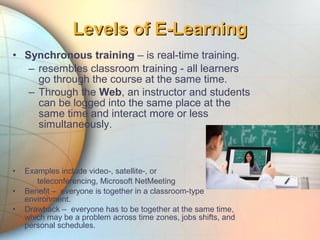
• Synchronous training – is real-time training.
– resembles classroom training - all learners
go through the course at the same time.
– Through the Web, an instructor and students
can be logged into the same place at the
same time and interact more or less
simultaneously.
• Examples include video-, satellite-, or
teleconferencing, Microsoft NetMeeting
• Benefit – everyone is together in a classroom-type
environment.
• Drawback – everyone has to be together at the same time,
which may be a problem across time zones, jobs shifts, and
personal schedules.
Levels of E-LearningLevels of E-Learning
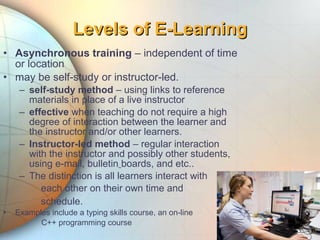
• Asynchronous training – independent of time
or location
• may be self-study or instructor-led.
– self-study method – using links to reference
materials in place of a live instructor
– effective when teaching do not require a high
degree of interaction between the learner and
the instructor and/or other learners.
– Instructor-led method – regular interaction
with the instructor and possibly other students,
using e-mail, bulletin boards, and etc..
– The distinction is all learners interact with
each other on their own time and
schedule.
• Examples include a typing skills course, an on-line
C++ programming course
Levels of E-LearningLevels of E-Learning
• Keys to successful e-learning include
– Varying the types of content – images,
sounds, text
– Creating interaction that engages attention -
quizzes
– Providing immediate feedback
– Encouraging interaction
with other e-learners and
e-instructor – chat rooms,
e-mail, instant messaging
Effective E-LearningEffective E-Learning
EnvironmentEnvironment
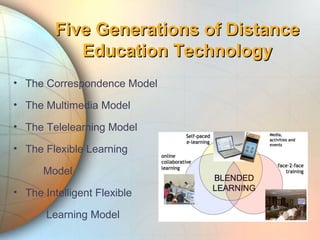
Five Generations of DistanceFive Generations of Distance
Education TechnologyEducation Technology
• The Correspondence Model
• The Multimedia Model
• The Telelearning Model
• The Flexible Learning
Model
• The Intelligent Flexible
Learning Model
HIGHLYHIGHLY
REFINEDREFINED
MATERIALSMATERIALS
ADVANCEDADVANCED
INTERACTIVEINTERACTIVE
DELIVERYDELIVERY
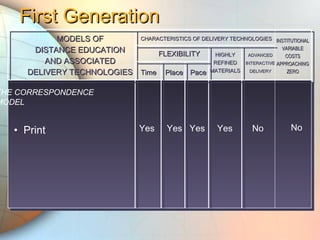
CHARACTERISTICS OF DELIVERY TECHNOLOGIESCHARACTERISTICS OF DELIVERY TECHNOLOGIESMODELS OFMODELS OF
DISTANCE EDUCATIONDISTANCE EDUCATION
AND ASSOCIATEDAND ASSOCIATED
DELIVERY TECHNOLOGIESDELIVERY TECHNOLOGIES
Yes Yes Yes Yes No
FLEXIBILITYFLEXIBILITY
TimeTime PlacePlace PacePace
INSTITUTIONALINSTITUTIONAL
VARIABLEVARIABLE
COSTSCOSTS
APPROACHINGAPPROACHING
ZEROZERO
THE CORRESPONDENCE
MODEL
• Print
First GenerationFirst Generation
No
HIGHLYHIGHLY
REFINEDREFINED
MATERIALSMATERIALS
ADVANCEDADVANCED
INTERACTIVEINTERACTIVE
DELIVERYDELIVERY
CHARACTERISTICS OF DELIVERY TECHNOLOGIESCHARACTERISTICS OF DELIVERY TECHNOLOGIESMODELS OFMODELS OF
DISTANCE EDUCATIONDISTANCE EDUCATION
AND ASSOCIATEDAND ASSOCIATED
DELIVERY TECHNOLOGIESDELIVERY TECHNOLOGIES
Yes Yes Yes Yes No
Yes Yes Yes Yes No
Yes Yes Yes Yes No
FLEXIBILITYFLEXIBILITY
TimeTime PlacePlace PacePace
Yes Yes Yes Yes Yes
Yes Yes Yes Yes Yes
INSTITUTIONALINSTITUTIONAL
VARIABLEVARIABLE
COSTSCOSTS
APPROACHINGAPPROACHING
ZEROZERO
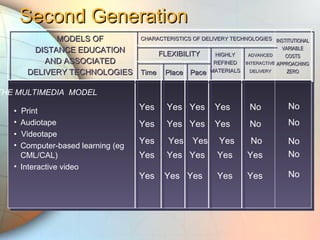
THE MULTIMEDIA MODEL
• Print
• Audiotape
• Videotape
• Computer-based learning (eg
CML/CAL)
• Interactive video
Second GenerationSecond Generation
No
No
No
No
No
HIGHLYHIGHLY
REFINEDREFINED
MATERIALSMATERIALS
ADVANCEDADVANCED
INTERACTIVEINTERACTIVE
DELIVERYDELIVERY
CHARACTERISTICS OF DELIVERY TECHNOLOGIESCHARACTERISTICS OF DELIVERY TECHNOLOGIESMODELS OFMODELS OF
DISTANCE EDUCATIONDISTANCE EDUCATION
AND ASSOCIATEDAND ASSOCIATED
DELIVERY TECHNOLOGIESDELIVERY TECHNOLOGIES
No No No No Yes
No No No No Yes
FLEXIBILITYFLEXIBILITY
TimeTime PlacePlace PacePace
No No No Yes Yes
No No No Yes Yes
INSTITUTIONALINSTITUTIONAL
VARIABLEVARIABLE
COSTSCOSTS
APPROACHINGAPPROACHING
ZEROZERO
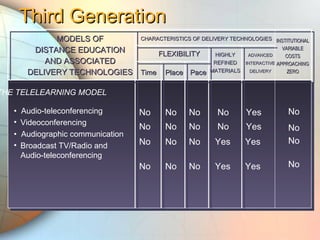
THE TELELEARNING MODEL
• Audio-teleconferencing
• Videoconferencing
• Audiographic communication
• Broadcast TV/Radio and
Audio-teleconferencing
Third GenerationThird Generation
No
No
No
No
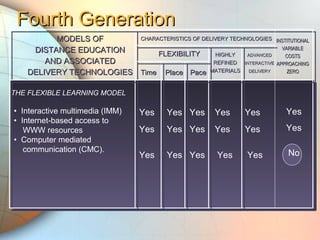
THE FLEXIBLE LEARNING MODEL
• Interactive multimedia (IMM)
• Internet-based access to
WWW resources
• Computer mediated
communication (CMC).
HIGHLYHIGHLY
REFINEDREFINED
MATERIALSMATERIALS
ADVANCEDADVANCED
INTERACTIVEINTERACTIVE
DELIVERYDELIVERY
CHARACTERISTICS OF DELIVERY TECHNOLOGIESCHARACTERISTICS OF DELIVERY TECHNOLOGIESMODELS OFMODELS OF
DISTANCE EDUCATIONDISTANCE EDUCATION
AND ASSOCIATEDAND ASSOCIATED
DELIVERY TECHNOLOGIESDELIVERY TECHNOLOGIES
Yes Yes Yes Yes Yes
Yes Yes Yes Yes Yes
FLEXIBILITYFLEXIBILITY
TimeTime PlacePlace PacePace
Yes Yes Yes Yes Yes
INSTITUTIONALINSTITUTIONAL
VARIABLEVARIABLE
COSTSCOSTS
APPROACHINGAPPROACHING
ZEROZERO
Yes
Yes
No
Fourth GenerationFourth Generation
HIGHLYHIGHLY
REFINEDREFINED
MATERIALSMATERIALS
ADVANCEDADVANCED
INTERACTIVEINTERACTIVE
DELIVERYDELIVERY
CHARACTERISTICS OF DELIVERY TECHNOLOGIESCHARACTERISTICS OF DELIVERY TECHNOLOGIESMODELS OFMODELS OF
DISTANCE EDUCATIONDISTANCE EDUCATION
AND ASSOCIATEDAND ASSOCIATED
DELIVERY TECHNOLOGIESDELIVERY TECHNOLOGIES
Yes Yes Yes Yes Yes
Yes Yes Yes Yes Yes
FLEXIBILITYFLEXIBILITY
TimeTime PlacePlace PacePace
Yes Yes Yes Yes Yes
Yes Yes Yes Yes Yes
INSTITUTIONALINSTITUTIONAL
VARIABLEVARIABLE
COSTSCOSTS
APPROACHINGAPPROACHING
ZEROZERO
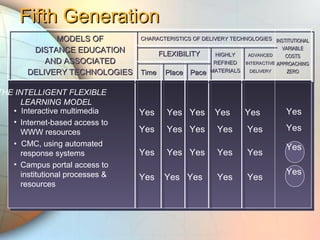
THE INTELLIGENT FLEXIBLE
LEARNING MODEL
• Interactive multimedia
• Internet-based access to
WWW resources
• CMC, using automated
response systems
• Campus portal access to
institutional processes &
resources
Fifth GenerationFifth Generation
Yes
Yes
Yes
Yes
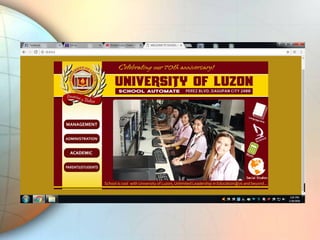
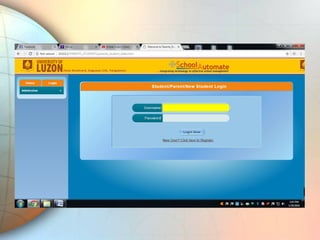
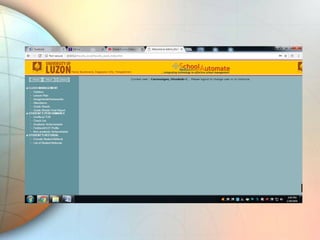
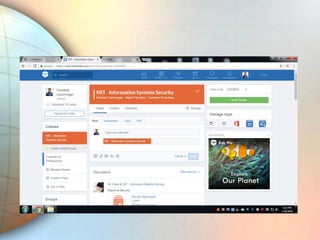
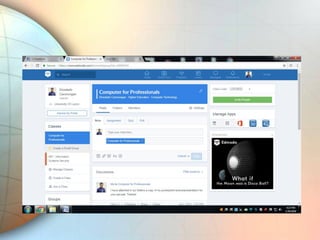
As a case study, the UL experienceAs a case study, the UL experience
exemplifies the necessary institution–exemplifies the necessary institution–
wide corporate approach necessarywide corporate approach necessary
for an organization to becomefor an organization to become “fast,“fast,
flexible and fluid”flexible and fluid” as it strives toas it strives to
develop the capacity to implementdevelop the capacity to implement
fifth generation distance education.fifth generation distance education.
UL Case StudyUL Case Study
• It's less expensive to produce
• It's self-paced
• It’s self-directed and moves faster
• It can work from any location and any time
• It can be updated easily and quickly
• It can lead to increased retention and a
stronger grasp on the subject
• 24/7 accessibility makes scheduling and
managing easy for large groups of students
Benefits of E-LearningBenefits of E-Learning
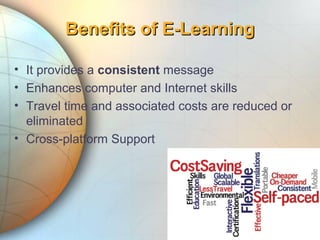
• It provides a consistent message
• Enhances computer and Internet skills
• Travel time and associated costs are reduced or
eliminated
• Cross-platform Support
Benefits of E-LearningBenefits of E-Learning
A University E-Learning Experience

A University E-Learning Experience

  • 1.
    A UNIVERSITY E-LEARNINGAUNIVERSITY E-LEARNING EXPERIENCEEXPERIENCE DIOSDADO C. CARONONGAN
  • 2.
    Other names: • DistanceLearning, • Computer-Based Training (CBT), • Internet-Based Training (IBT), • Web-Based Training (WBT). What is E-Learning?What is E-Learning? Simply put, E-Learning is learning utilizing electronic technologies to access educational curriculum outside of a traditional classroom.
  • 3.
    • Knowledge databases– most basic form of e- learning – indexed explanations and guidance, step-by-step instructions – moderately interactive – type in a key word or phrase to search the database, or make a selection from an alphabetical list • Online support – functions in a similar manner to knowledge databases – forums, chat rooms, online bulletin boards, e- mail, or live instant-messaging support – Slightly more interactive can ask more specific questions and answers, can get more immediate answers Types of E-LearningTypes of E-Learning
  • 4.
    • Synchronous training– is real-time training. – resembles classroom training - all learners go through the course at the same time. – Through the Web, an instructor and students can be logged into the same place at the same time and interact more or less simultaneously. • Examples include video-, satellite-, or teleconferencing, Microsoft NetMeeting • Benefit – everyone is together in a classroom-type environment. • Drawback – everyone has to be together at the same time, which may be a problem across time zones, jobs shifts, and personal schedules. Levels of E-LearningLevels of E-Learning
  • 5.
    • Asynchronous training– independent of time or location • may be self-study or instructor-led. – self-study method – using links to reference materials in place of a live instructor – effective when teaching do not require a high degree of interaction between the learner and the instructor and/or other learners. – Instructor-led method – regular interaction with the instructor and possibly other students, using e-mail, bulletin boards, and etc.. – The distinction is all learners interact with each other on their own time and schedule. • Examples include a typing skills course, an on-line C++ programming course Levels of E-LearningLevels of E-Learning
  • 6.
    • Keys tosuccessful e-learning include – Varying the types of content – images, sounds, text – Creating interaction that engages attention - quizzes – Providing immediate feedback – Encouraging interaction with other e-learners and e-instructor – chat rooms, e-mail, instant messaging Effective E-LearningEffective E-Learning EnvironmentEnvironment
  • 7.
    Five Generations ofDistanceFive Generations of Distance Education TechnologyEducation Technology • The Correspondence Model • The Multimedia Model • The Telelearning Model • The Flexible Learning Model • The Intelligent Flexible Learning Model
  • 8.
    HIGHLYHIGHLY REFINEDREFINED MATERIALSMATERIALS ADVANCEDADVANCED INTERACTIVEINTERACTIVE DELIVERYDELIVERY CHARACTERISTICS OF DELIVERYTECHNOLOGIESCHARACTERISTICS OF DELIVERY TECHNOLOGIESMODELS OFMODELS OF DISTANCE EDUCATIONDISTANCE EDUCATION AND ASSOCIATEDAND ASSOCIATED DELIVERY TECHNOLOGIESDELIVERY TECHNOLOGIES Yes Yes Yes Yes No FLEXIBILITYFLEXIBILITY TimeTime PlacePlace PacePace INSTITUTIONALINSTITUTIONAL VARIABLEVARIABLE COSTSCOSTS APPROACHINGAPPROACHING ZEROZERO THE CORRESPONDENCE MODEL • Print First GenerationFirst Generation No
  • 9.
    HIGHLYHIGHLY REFINEDREFINED MATERIALSMATERIALS ADVANCEDADVANCED INTERACTIVEINTERACTIVE DELIVERYDELIVERY CHARACTERISTICS OF DELIVERYTECHNOLOGIESCHARACTERISTICS OF DELIVERY TECHNOLOGIESMODELS OFMODELS OF DISTANCE EDUCATIONDISTANCE EDUCATION AND ASSOCIATEDAND ASSOCIATED DELIVERY TECHNOLOGIESDELIVERY TECHNOLOGIES Yes Yes Yes Yes No Yes Yes Yes Yes No Yes Yes Yes Yes No FLEXIBILITYFLEXIBILITY TimeTime PlacePlace PacePace Yes Yes Yes Yes Yes Yes Yes Yes Yes Yes INSTITUTIONALINSTITUTIONAL VARIABLEVARIABLE COSTSCOSTS APPROACHINGAPPROACHING ZEROZERO THE MULTIMEDIA MODEL • Print • Audiotape • Videotape • Computer-based learning (eg CML/CAL) • Interactive video Second GenerationSecond Generation No No No No No
  • 10.
    HIGHLYHIGHLY REFINEDREFINED MATERIALSMATERIALS ADVANCEDADVANCED INTERACTIVEINTERACTIVE DELIVERYDELIVERY CHARACTERISTICS OF DELIVERYTECHNOLOGIESCHARACTERISTICS OF DELIVERY TECHNOLOGIESMODELS OFMODELS OF DISTANCE EDUCATIONDISTANCE EDUCATION AND ASSOCIATEDAND ASSOCIATED DELIVERY TECHNOLOGIESDELIVERY TECHNOLOGIES No No No No Yes No No No No Yes FLEXIBILITYFLEXIBILITY TimeTime PlacePlace PacePace No No No Yes Yes No No No Yes Yes INSTITUTIONALINSTITUTIONAL VARIABLEVARIABLE COSTSCOSTS APPROACHINGAPPROACHING ZEROZERO THE TELELEARNING MODEL • Audio-teleconferencing • Videoconferencing • Audiographic communication • Broadcast TV/Radio and Audio-teleconferencing Third GenerationThird Generation No No No No
  • 11.
    THE FLEXIBLE LEARNINGMODEL • Interactive multimedia (IMM) • Internet-based access to WWW resources • Computer mediated communication (CMC). HIGHLYHIGHLY REFINEDREFINED MATERIALSMATERIALS ADVANCEDADVANCED INTERACTIVEINTERACTIVE DELIVERYDELIVERY CHARACTERISTICS OF DELIVERY TECHNOLOGIESCHARACTERISTICS OF DELIVERY TECHNOLOGIESMODELS OFMODELS OF DISTANCE EDUCATIONDISTANCE EDUCATION AND ASSOCIATEDAND ASSOCIATED DELIVERY TECHNOLOGIESDELIVERY TECHNOLOGIES Yes Yes Yes Yes Yes Yes Yes Yes Yes Yes FLEXIBILITYFLEXIBILITY TimeTime PlacePlace PacePace Yes Yes Yes Yes Yes INSTITUTIONALINSTITUTIONAL VARIABLEVARIABLE COSTSCOSTS APPROACHINGAPPROACHING ZEROZERO Yes Yes No Fourth GenerationFourth Generation
  • 12.
    HIGHLYHIGHLY REFINEDREFINED MATERIALSMATERIALS ADVANCEDADVANCED INTERACTIVEINTERACTIVE DELIVERYDELIVERY CHARACTERISTICS OF DELIVERYTECHNOLOGIESCHARACTERISTICS OF DELIVERY TECHNOLOGIESMODELS OFMODELS OF DISTANCE EDUCATIONDISTANCE EDUCATION AND ASSOCIATEDAND ASSOCIATED DELIVERY TECHNOLOGIESDELIVERY TECHNOLOGIES Yes Yes Yes Yes Yes Yes Yes Yes Yes Yes FLEXIBILITYFLEXIBILITY TimeTime PlacePlace PacePace Yes Yes Yes Yes Yes Yes Yes Yes Yes Yes INSTITUTIONALINSTITUTIONAL VARIABLEVARIABLE COSTSCOSTS APPROACHINGAPPROACHING ZEROZERO THE INTELLIGENT FLEXIBLE LEARNING MODEL • Interactive multimedia • Internet-based access to WWW resources • CMC, using automated response systems • Campus portal access to institutional processes & resources Fifth GenerationFifth Generation Yes Yes Yes Yes
  • 13.
    As a casestudy, the UL experienceAs a case study, the UL experience exemplifies the necessary institution–exemplifies the necessary institution– wide corporate approach necessarywide corporate approach necessary for an organization to becomefor an organization to become “fast,“fast, flexible and fluid”flexible and fluid” as it strives toas it strives to develop the capacity to implementdevelop the capacity to implement fifth generation distance education.fifth generation distance education. UL Case StudyUL Case Study
  • 19.
    • It's lessexpensive to produce • It's self-paced • It’s self-directed and moves faster • It can work from any location and any time • It can be updated easily and quickly • It can lead to increased retention and a stronger grasp on the subject • 24/7 accessibility makes scheduling and managing easy for large groups of students Benefits of E-LearningBenefits of E-Learning
  • 20.
    • It providesa consistent message • Enhances computer and Internet skills • Travel time and associated costs are reduced or eliminated • Cross-platform Support Benefits of E-LearningBenefits of E-Learning