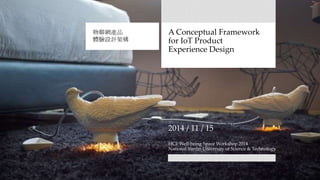
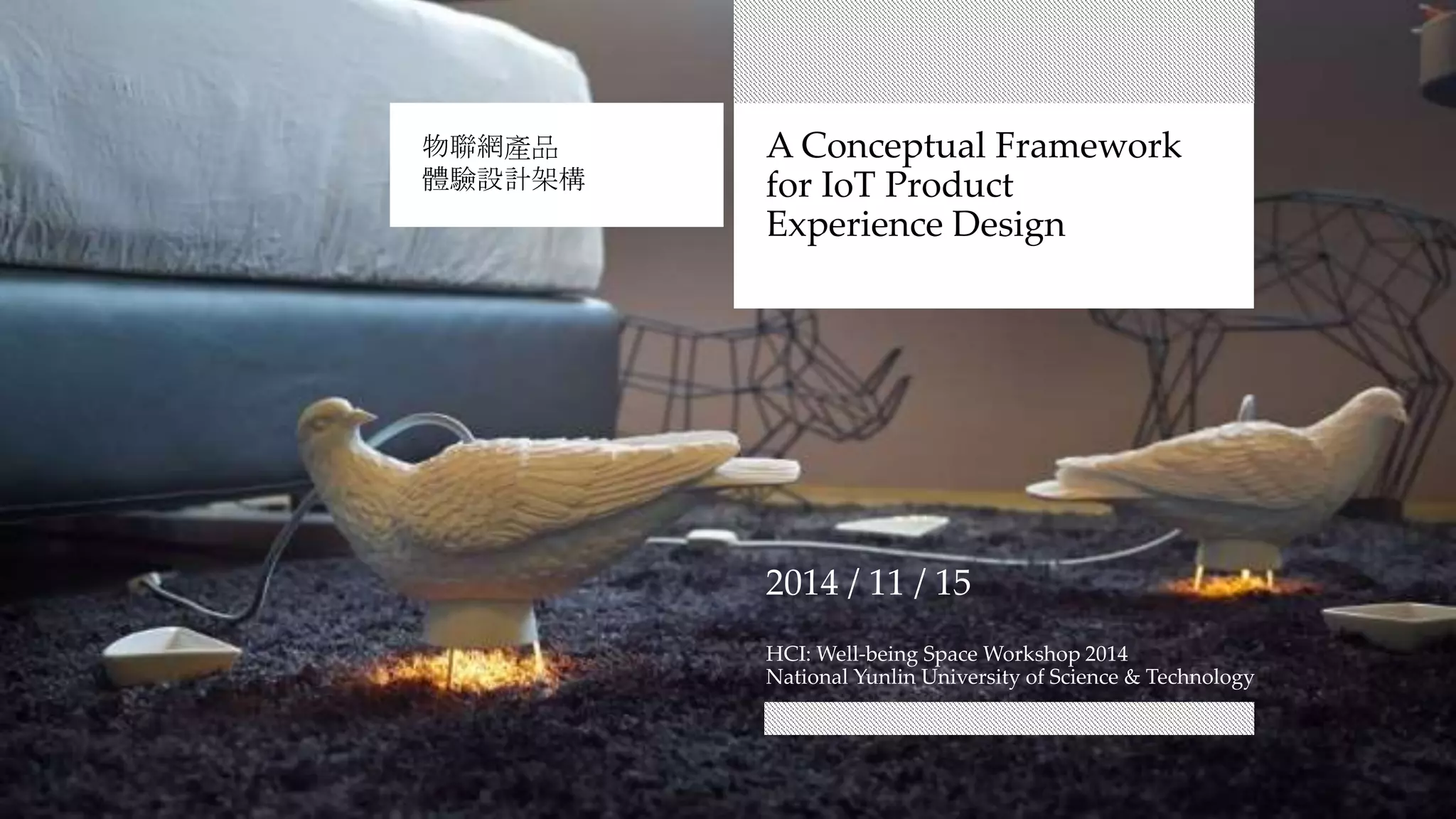












A Conceptual Framework
for IoT Product
Experience Design
物聯網產品
體驗設計架構
2014 / 11 / 15
HCI: Well-being Space Workshop 2014
National Yunlin University of Science & Technology
Ting-Han Daniel Chen 種子森林在做以下的設計研究:
Entrepreneurial Prototyping 創業雛形
Enterprise Transformation 事業轉型
Enterprise Facelift 事業整型
Design Intervention 設計干預
Design Academics 設計學術
現任 /
種子森林設計開發有限公司
設計總監
元智大學資傳系 兼任講師
台灣互動設計協會 理事
Telit – A day in the life of the Internet of Things
by Telit Wireless Solutions
https://www.youtube.com/watch?v=fFqEx--b7hU
IoT visions
might be
wonderful.
However,
without design…
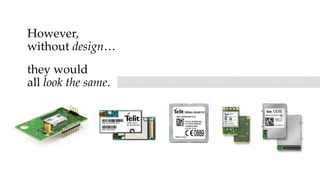
they would
all look the same.
However,
without design…
So, let’s put design first.
who are we designing for?
So…
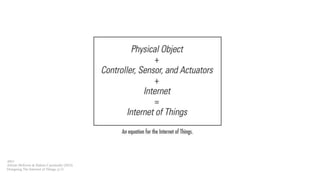
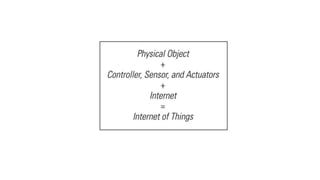
So…what is IoT then?
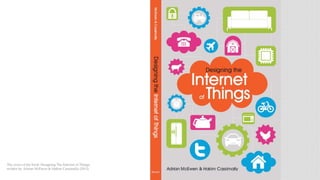
The cover of the book: Designing The Internet of Things,
written by Adrian McEwen & Hakim Cassimally (2013)
After:
Adrian McEwen & Hakim Cassimally (2013)
Designing The Internet of Things, p.11
How shall we design IoT for people (user)?
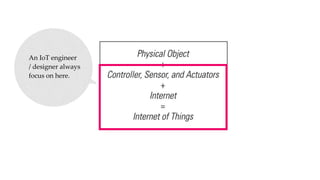
An IoT engineer
/ designer always
focus on here.
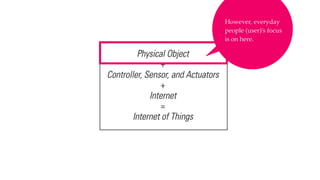
However, everyday
people (user)’s focus
is on here.
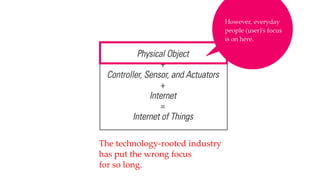
However, everyday
people (user)’s focus
is on here.
The technology-rooted industry
has put the wrong focus
for so long.
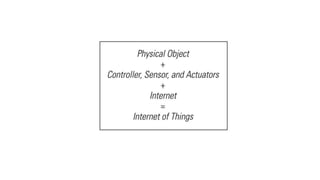
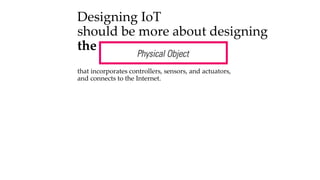
Designing IoT
should be more about designing
the
that incorporates controllers, sensors, and actuators,
and connects to the Internet.
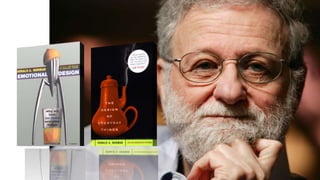
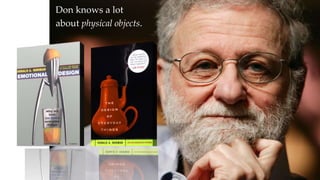
Don knows a lot
about designing physical objects.
A Conceptual Framework
for IoT Product
Experience Design
物聯網產品
體驗設計架構
A physical object
of IoT
A physical object
of IoT
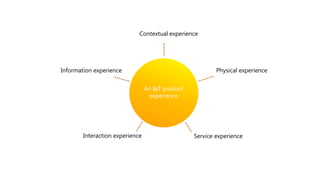
What’s the user experience of IoT?
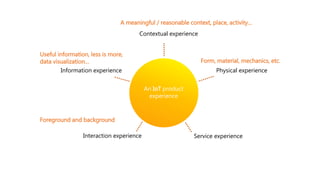
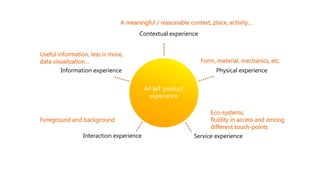
An IoT product
experience
Contextual experience
Physical experienceInformation experience
Interaction experience Service experience
Contextual experience
Physical experienceInformation experience
Interaction experience Service experience
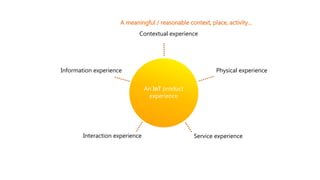
A meaningful / reasonable context, place, activity…
An IoT product
experience
Contextual experience
Physical experienceInformation experience
Interaction experience Service experience
A meaningful / reasonable context, place, activity…
An IoT product
experience
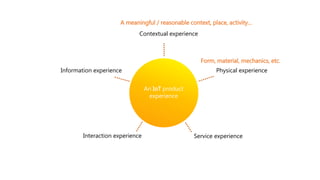
Form, material, mechanics, etc.
Contextual experience
Physical experienceInformation experience
Interaction experience Service experience
A meaningful / reasonable context, place, activity…
An IoT product
experience
Form, material, mechanics, etc.
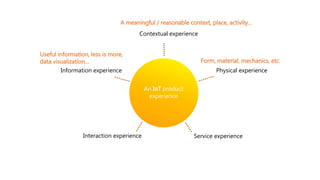
Useful information, less is more,
data visualization…
Contextual experience
Physical experienceInformation experience
Interaction experience Service experience
A meaningful / reasonable context, place, activity…
An IoT product
experience
Form, material, mechanics, etc.
Foreground and background
Useful information, less is more,
data visualization…
Contextual experience
Physical experienceInformation experience
Interaction experience Service experience
A meaningful / reasonable context, place, activity…
An IoT product
experience
Form, material, mechanics, etc.
Foreground and background
Eco-systems,
fluidity in accessing among
different touch-points
Useful information, less is more,
data visualization…
Contextual
Design
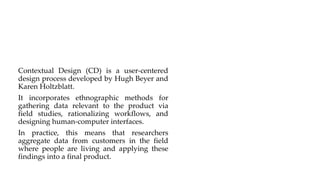
Contextual Design (CD) is a user-centered
design process developed by Hugh Beyer and
Karen Holtzblatt.
It incorporates ethnographic methods for
gathering data relevant to the product via
field studies, rationalizing workflows, and
designing human-computer interfaces.
In practice, this means that researchers
aggregate data from customers in the field
where people are living and applying these
findings into a final product.
Contextual Design (CD) is a user-centered
design process developed by Hugh Beyer and
Karen Holtzblatt.
It incorporates ethnographic methods for
gathering data relevant to the product via
field studies, rationalizing workflows, and
designing human-computer interfaces.
In practice, this means that researchers
aggregate data from customers in the field
where people are living and applying these
findings into a final product.
Process Overview:
1. Collecting data - contextual inquiry
2. Interpretation
3. Data Consolidation
4. Visioning
5. Storyboarding
6. User Environment Design
7. Prototyping
Physical
Design
(Industrial Design)
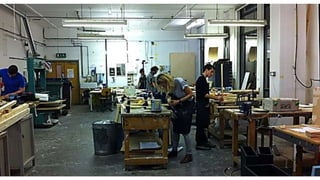
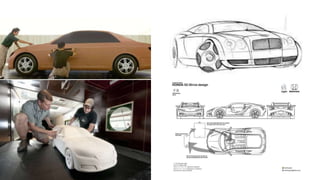
Industrial design (ID) is the professional
service of creating and developing
concepts and specifications that optimize
the function, value and appearance of
products and systems for the mutual
benefit of both user and manufacturer.
Industrial Designers Society of America
Information
Design
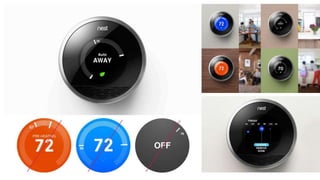
Information design is the practice of
presenting information in a way that
fosters efficient and effective
understanding of it.
The term has come to be used
specifically for graphic design for
displaying information effectively,
rather than just attractively or for
artistic expression.
Information design is closely related
to the field of data visualization and
is often taught as part of graphic
design courses.
Interaction
(behavior)
Design
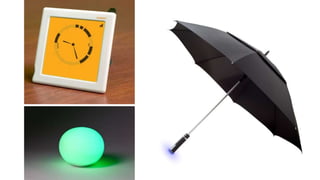
Interaction Design (IxD) defines the structure
and behavior of interactive systems.
Interaction Designers strive to create
meaningful relationships between people and
the products and services that they use, from
computers to mobile devices to appliances
and beyond.
Interaction Design Association
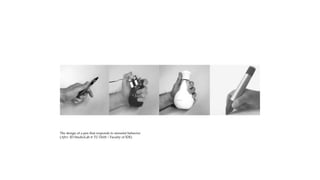
The design of a pen that responds to stressful behavior
(After: ID-StudioLab @ TU Delft | Faculty of IDE)
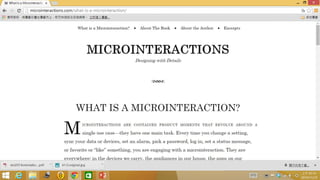
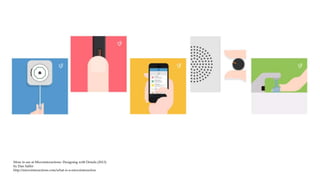
More to see at Microinteractions: Designing with Details (2013)
by Dan Saffer
http://microinteractions.com/what-is-a-microinteraction
Service
Design
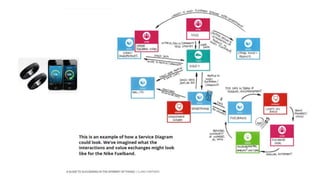
Service design is the activity of planning
and organizing people, infrastructure,
communication and material
components of a service in order to
improve its quality and the interaction
between service provider and customers.
The purpose of service design
methodologies is to design according to
the needs of customers or participants, so
that the service is user-friendly,
competitive and relevant to the
customers.
Service Design Network
Some
more
examples
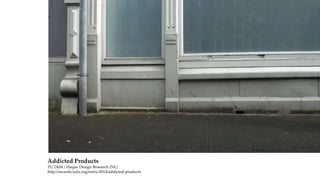
Addicted Products
TU Delft / Haque Design Research (NL)
http://awards.ixda.org/entry/2014/addicted-products
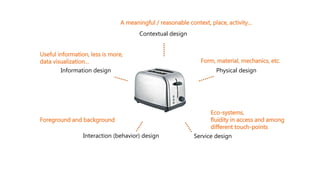
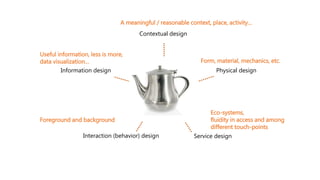
Contextual design
Physical designInformation design
Interaction (behavior) design Service design
A meaningful / reasonable context, place, activity…
Form, material, mechanics, etc.
Foreground and background
Eco-systems,
fluidity in accessing among
different touch-points
Useful information, less is more,
data visualization…
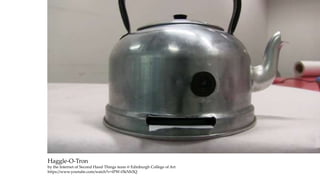
Haggle-O-Tron
by the Internet of Second Hand Things team @ Edinburgh College of Art
https://www.youtube.com/watch?v=tPW-t5kNh5Q
Contextual design
Physical designInformation design
Interaction (behavior) design Service design
A meaningful / reasonable context, place, activity…
Form, material, mechanics, etc.
Useful information, less is more,
data visualization…
Foreground and background
Eco-systems,
fluidity in accessing among
different touch-points
What else IoT could be?
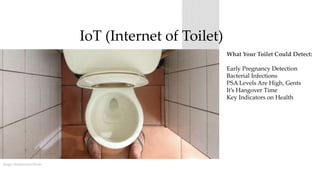
IoT (Internet of Toilet)
Image: dirtyboxface/Flickr
What Your Toilet Could Detect:
Early Pregnancy Detection
Bacterial Infections
PSA Levels Are High, Gents
It’s Hangover Time
Key Indicators on Health
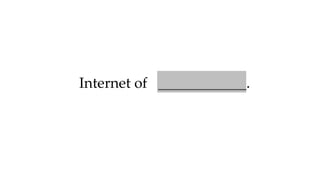
Internet of ____________.
However
Different protocols and standards…
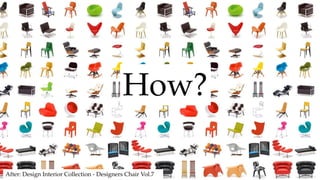
How?
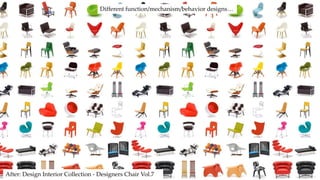
After: Design Interior Collection - Designers Chair Vol.7
Different function/mechanism/behavior designs…
After: Design Interior Collection - Designers Chair Vol.7
How?
We may not achieve
a world of Internet of Everything …
But we may create
Internet of something
that makes a better life.
We may not achieve
a world of Internet of Everything …
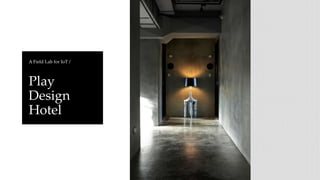
A Field Lab for IoT /
Play
Design
Hotel
A Field Lab for IoT /
Play
Design
Hotel
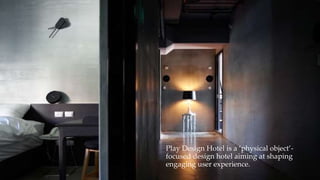
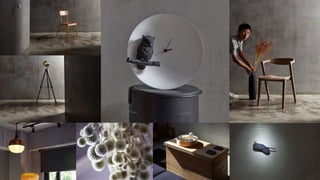
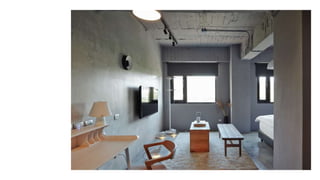
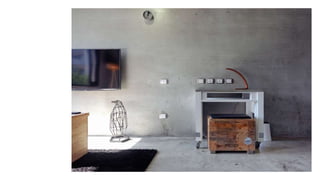
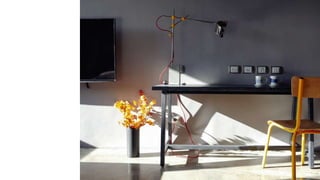
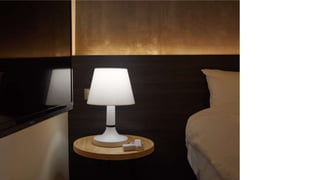
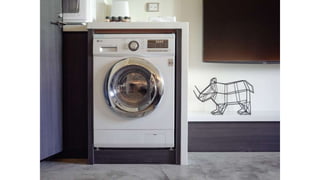
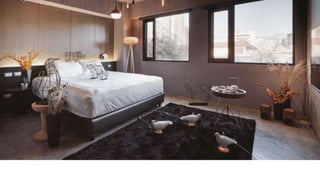
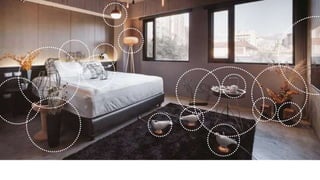
Play Design Hotel is a ‘physical object’-
focused design hotel aiming at shaping
engaging user experience.
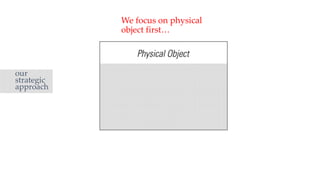
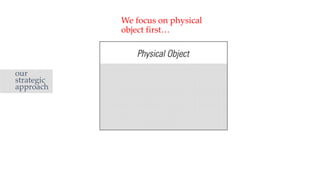
We focus on physical
object first…
our
strategic
approach
We focus on physical
object first…
our
strategic
approach
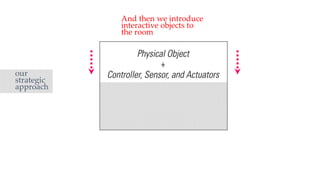
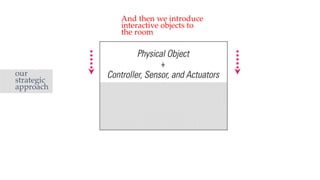
And then we introduce
interactive objects to
the room
our
strategic
approach
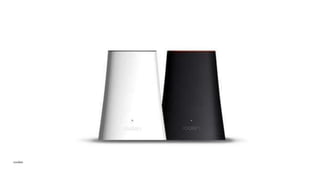
roolen
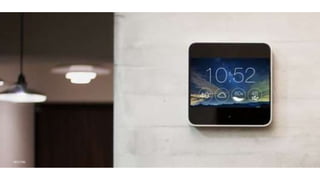
SENTRI
And then we introduce
interactive objects to
the room
our
strategic
approach
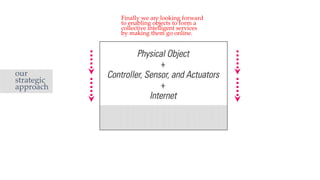
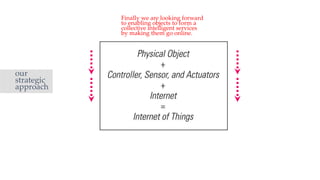
Finally we are looking forward
to enabling objects to form a
collective intelligent services
by making them go online.
our
strategic
approach
Finally we are looking forward
to enabling objects to form a
collective intelligent services
by making them go online.
our
strategic
approach
Thanks
for your
attention.
Welcome to visit us /
design the future with us.
Drop us an e-mail at info@soforest.tw
Thanks
for your
attention.
Disclaimer:
All visual materials shown in this presentation are
copyright to their respective owners.

物聯網產品體驗設計架構 | A Conceptual Framework for IoT Product Experience Design

  • 1.
    A Conceptual Framework forIoT Product Experience Design 物聯網產品 體驗設計架構 2014 / 11 / 15 HCI: Well-being Space Workshop 2014 National Yunlin University of Science & Technology
  • 2.
    Ting-Han Daniel Chen種子森林在做以下的設計研究: Entrepreneurial Prototyping 創業雛形 Enterprise Transformation 事業轉型 Enterprise Facelift 事業整型 Design Intervention 設計干預 Design Academics 設計學術 現任 / 種子森林設計開發有限公司 設計總監 元智大學資傳系 兼任講師 台灣互動設計協會 理事
  • 3.
    Telit – Aday in the life of the Internet of Things by Telit Wireless Solutions https://www.youtube.com/watch?v=fFqEx--b7hU
  • 4.
  • 5.
  • 6.
    they would all lookthe same. However, without design…
  • 7.
    So, let’s putdesign first.
  • 8.
    who are wedesigning for?
  • 11.
  • 12.
  • 13.
    The cover ofthe book: Designing The Internet of Things, written by Adrian McEwen & Hakim Cassimally (2013)
  • 14.
    After: Adrian McEwen &Hakim Cassimally (2013) Designing The Internet of Things, p.11
  • 15.
    How shall wedesign IoT for people (user)?
  • 17.
    An IoT engineer /designer always focus on here.
  • 19.
  • 20.
    However, everyday people (user)’sfocus is on here. The technology-rooted industry has put the wrong focus for so long.
  • 21.
    Designing IoT should bemore about designing the that incorporates controllers, sensors, and actuators, and connects to the Internet.
  • 24.
    Don knows alot about designing physical objects.
  • 25.
    A Conceptual Framework forIoT Product Experience Design 物聯網產品 體驗設計架構
  • 26.
  • 27.
    A physical object ofIoT What’s the user experience of IoT?
  • 30.
    An IoT product experience Contextualexperience Physical experienceInformation experience Interaction experience Service experience
  • 31.
    Contextual experience Physical experienceInformationexperience Interaction experience Service experience A meaningful / reasonable context, place, activity… An IoT product experience
  • 32.
    Contextual experience Physical experienceInformationexperience Interaction experience Service experience A meaningful / reasonable context, place, activity… An IoT product experience Form, material, mechanics, etc.
  • 33.
    Contextual experience Physical experienceInformationexperience Interaction experience Service experience A meaningful / reasonable context, place, activity… An IoT product experience Form, material, mechanics, etc. Useful information, less is more, data visualization…
  • 34.
    Contextual experience Physical experienceInformationexperience Interaction experience Service experience A meaningful / reasonable context, place, activity… An IoT product experience Form, material, mechanics, etc. Foreground and background Useful information, less is more, data visualization…
  • 35.
    Contextual experience Physical experienceInformationexperience Interaction experience Service experience A meaningful / reasonable context, place, activity… An IoT product experience Form, material, mechanics, etc. Foreground and background Eco-systems, fluidity in accessing among different touch-points Useful information, less is more, data visualization…
  • 36.
  • 37.
    Contextual Design (CD)is a user-centered design process developed by Hugh Beyer and Karen Holtzblatt. It incorporates ethnographic methods for gathering data relevant to the product via field studies, rationalizing workflows, and designing human-computer interfaces. In practice, this means that researchers aggregate data from customers in the field where people are living and applying these findings into a final product.
  • 38.
    Contextual Design (CD)is a user-centered design process developed by Hugh Beyer and Karen Holtzblatt. It incorporates ethnographic methods for gathering data relevant to the product via field studies, rationalizing workflows, and designing human-computer interfaces. In practice, this means that researchers aggregate data from customers in the field where people are living and applying these findings into a final product. Process Overview: 1. Collecting data - contextual inquiry 2. Interpretation 3. Data Consolidation 4. Visioning 5. Storyboarding 6. User Environment Design 7. Prototyping
  • 40.
  • 41.
    Industrial design (ID)is the professional service of creating and developing concepts and specifications that optimize the function, value and appearance of products and systems for the mutual benefit of both user and manufacturer. Industrial Designers Society of America
  • 44.
  • 45.
    Information design isthe practice of presenting information in a way that fosters efficient and effective understanding of it. The term has come to be used specifically for graphic design for displaying information effectively, rather than just attractively or for artistic expression. Information design is closely related to the field of data visualization and is often taught as part of graphic design courses.
  • 48.
  • 49.
    Interaction Design (IxD)defines the structure and behavior of interactive systems. Interaction Designers strive to create meaningful relationships between people and the products and services that they use, from computers to mobile devices to appliances and beyond. Interaction Design Association
  • 50.
    The design ofa pen that responds to stressful behavior (After: ID-StudioLab @ TU Delft | Faculty of IDE)
  • 52.
    More to seeat Microinteractions: Designing with Details (2013) by Dan Saffer http://microinteractions.com/what-is-a-microinteraction
  • 53.
  • 54.
    Service design isthe activity of planning and organizing people, infrastructure, communication and material components of a service in order to improve its quality and the interaction between service provider and customers. The purpose of service design methodologies is to design according to the needs of customers or participants, so that the service is user-friendly, competitive and relevant to the customers. Service Design Network
  • 57.
  • 58.
    Addicted Products TU Delft/ Haque Design Research (NL) http://awards.ixda.org/entry/2014/addicted-products
  • 59.
    Contextual design Physical designInformationdesign Interaction (behavior) design Service design A meaningful / reasonable context, place, activity… Form, material, mechanics, etc. Foreground and background Eco-systems, fluidity in accessing among different touch-points Useful information, less is more, data visualization…
  • 60.
    Haggle-O-Tron by the Internetof Second Hand Things team @ Edinburgh College of Art https://www.youtube.com/watch?v=tPW-t5kNh5Q
  • 61.
    Contextual design Physical designInformationdesign Interaction (behavior) design Service design A meaningful / reasonable context, place, activity… Form, material, mechanics, etc. Useful information, less is more, data visualization… Foreground and background Eco-systems, fluidity in accessing among different touch-points
  • 63.
    What else IoTcould be?
  • 64.
    IoT (Internet ofToilet) Image: dirtyboxface/Flickr What Your Toilet Could Detect: Early Pregnancy Detection Bacterial Infections PSA Levels Are High, Gents It’s Hangover Time Key Indicators on Health
  • 66.
  • 67.
  • 70.
  • 71.
  • 72.
    After: Design InteriorCollection - Designers Chair Vol.7 Different function/mechanism/behavior designs…
  • 73.
    After: Design InteriorCollection - Designers Chair Vol.7 How?
  • 74.
    We may notachieve a world of Internet of Everything …
  • 75.
    But we maycreate Internet of something that makes a better life. We may not achieve a world of Internet of Everything …
  • 76.
    A Field Labfor IoT / Play Design Hotel
  • 77.
    A Field Labfor IoT / Play Design Hotel
  • 78.
    Play Design Hotelis a ‘physical object’- focused design hotel aiming at shaping engaging user experience.
  • 79.
    We focus onphysical object first… our strategic approach
  • 84.
    We focus onphysical object first… our strategic approach
  • 85.
    And then weintroduce interactive objects to the room our strategic approach
  • 88.
  • 89.
  • 90.
    And then weintroduce interactive objects to the room our strategic approach
  • 91.
    Finally we arelooking forward to enabling objects to form a collective intelligent services by making them go online. our strategic approach
  • 92.
    Finally we arelooking forward to enabling objects to form a collective intelligent services by making them go online. our strategic approach
  • 95.
  • 96.
    Welcome to visitus / design the future with us. Drop us an e-mail at info@soforest.tw Thanks for your attention.
  • 97.
    Disclaimer: All visual materialsshown in this presentation are copyright to their respective owners.