peri-operative care
Preoperative & Postoperative care
Shaikah A.O.B
Objective :
1. Outline type ,class and grade of surgery.
2. Define the perioperative .
3. Discuses the general preoperative care .
4. Overview the anesthetic status classification and airway evaluation .
5. Discuses the common medical problems affecting a patient’s fitness for operation. (
specific pre- op Assessment )
6. Notes about inter- operative complication .
7. Discuses the post-operative care .
8. Minchin the postoperative possible complications .
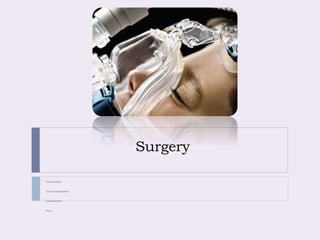
Surgery
Clean Surgery.
Clean-Contaminated.
Contaminated.
Dirty.
PHASES OF SURGERY
 Pre-operative – from the time of px’s decision for
surgical intervention to the px’s tranference to the
OR.
 Intra-operative – px is received in the OR (with
physical preparation) unto the admission in the RR.
 Post-operative – px’s admission in the RR until the
follow-up evaluation.
Effects of Surgery
 Stress Response Activation (SRA)
 Decreased resistance to infection
 Alteration in the vascular and respiratory function
 Vital organ function (VOF) is altered
 Psychologic effects (common fears r/t SRA)
Types of surgery
 1- According to pt.
A-In pt. surgery : pt. expected to remain in the hospital fore more
than 24 hrs.
B-0ut pt. surgery : ambulatory surgery –same day surgery pt. return to
his home in the same day of surgery.
 2- According to their urgency
A-optional : at the request of pt. as cosmetic surgery .
B-Elective : planned the convenience of pt. as removal of cyst
C- required : should be done promptly as removal of cataract
d-Urgent : required promptly within 24-48 hrs as malignant tumor
E-Emergency : Immediately for survival as intestinal obstruction
appendectomy
Classification
 Clean
 Clean Contaminated
 Contaminated
 Dirty
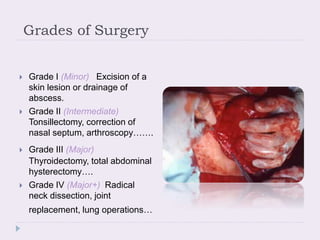
Grades of Surgery
 Grade I (Minor) Excision of a
skin lesion or drainage of
abscess.
 Grade II (Intermediate)
Tonsillectomy, correction of
nasal septum, arthroscopy…….
 Grade III (Major)
Thyroidectomy, total abdominal
hysterectomy….
 Grade IV (Major+) Radical
neck dissection, joint
replacement, lung operations…
peri-operative care
Three Phases of peri-operative care
 Perioperative Period: Period of the time that
constitute the surgical experience, include :-
 Pre-operative .
 Inter- operative.
 Post – operative .
Definition : Pre – operative care :
is the preparation and management of a patient prior
to surgery. It includes both physical and
psychological preparation
purpose of preoperative evaluation
 Establish baseline history and physical.
 Identify previously undetected disease.
 Assess operative risk. Should the patient proceed with
elective surgery?
 Provide high-quality and safe patient care .
 Improve patient satisfaction and set foundation for
optimum outcomes
 Make specific recommendations regarding preoperative
treatment that might lower the risk of surgery.
 Give suggestions regarding intraoperative and
postoperative care.
Pre-operative Care
 Assessment (evaluation). History
Examination
Investigations
 Pro-op preparation .
 Psychological preparation
 Physical preparation
 Physiological preparation
 Counseling.
 On going to theater.
History and Physical Examination
 Diagnosis of current condition
 Identifies associated risk factors:
 Age of the patient (Extremes of age)
 Co-morbid conditions
 Previous surgery
 Determines current medications
 Reviews past medical history
 Determines physical status:
 American Society of Anesthesiologists’ (ASA) Physical
Status Assessment
Key topics to review when taking the
past medical history
Cardiovascular
Respiratory
Gastrointestinal
Genitourinary tract
Neurological
Endocrine/metabolic
Locomotor system
Infectious diseases
Previous surgery
 ■ Types of anaesthetic and any problems encountereda
 ■ Have any members of the patient’s family had particular
 problems with anaesthesia?
Key topics in the general medical
examination General
 ■ Anaemia, jaundice, cyanosis, nutritional status, teeth,
feet,
 leg ulcers (sources of infection)
 Cardiovascular
 ■ Pulse, blood pressure, heart sounds, bruits, peripheral
 pulses, peripheral oedema
 Respiratory
 ■ Respiratory rate and effort, chest expansion and
 percussion note, breath sounds, oxygen saturation
 Gastrointestinal
 ■ Abdominal masses, ascites, bowel sounds, bruits,
herniae,
 genitalia
 Neurological
 ■ Conscious level, any pre-existing cognitive impairment
or
 confusion, deafness, neurological status of limbs
American Society of Anesthesiologists
Patient Classification
1 =A normal healthy patient
2 =A patient with a mild systemic disease
3 = A patient with a severe systemic disease that limits
activity, but is not incapacitating
4 =A patient with an incapacitating systemic disease that is
a constant threat to life
5 =A moribund patient not expected to survive 24 hours
with or without operation
ASA 1
 A normal, healthy patient. The pathological process
for which surgery is to be performed is localized and
does not entail a systemic disease.
Example: An otherwise healthy patient scheduled for a
cosmetic procedure.
ASA 2
 A patient with systemic disease, caused either by
the condition to be treated or other
pathophysiological process, but which does not
result in limitation of activity.
Example: a patient with asthma, diabetes, or
hypertension that is well controlled with medical
therapy, and has no systemic sequelae
ASA 3
 A patient with moderate or severe systemic
disease caused either by the condition to be
treated surgically or other pathophysiological
processes, which does limit activity.
Example: a patient with uncontrolled asthma that
limits activity, or diabetes that has systemic
sequelae such as retinopathy
ASA 4
 A patient with severe systemic disease that is a
constant potential threat to life.
Example: a patient with heart failure, or a patient with
renal failure requiring dialysis.
ASA 5
 A patient who is at substantial risk of death within 24
hours, and is submitted to the procedure in
desperation.
Example: a patient with fixed and dilated pupils status
post a head injury.
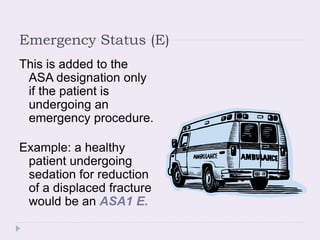
Emergency Status (E)
This is added to the
ASA designation only
if the patient is
undergoing an
emergency procedure.
Example: a healthy
patient undergoing
sedation for reduction
of a displaced fracture
would be an ASA1 E.
General Ix :-
 Full blood count (for example to test for anaemia)
 Haemostasis (to test how well the blood clots)
 Renal function
 Random blood glucose (to test for diabetes)
 Urine analysis (for example to test for urinary
infections or kidney problems)
 Plain chest X-ray (radiograph)
 Resting electrocardiogram (ECG)
 Blood gases (to test for cardiovascular or lung
problems)
 Lung function
 Pregnancy
Indications for preoperative investigations
 Full blood count
 All adult women
 Men over the age of 60 years
 Cardiovascular or haematological disease
 Urea & electrolytes
 All patients over 60 years
 Cardiovascular and renal disease
 Diabetics
 Patients on steroids, diuretics, ACE inhibitors
 Chest X-ray
 Cardiovascular and respiratory disease
 Malignancy
 Major thoracic and upper abdominal surgery
ECG
 Indicated :-
 Men > 45 y - Women > 55 y .
 Known cardiac disease .
 H&P suggesting possibility of cardiac disease .
 Electrolyte imbalance risk (ie diuretic use) .
 DM/HTN .
 Candidates for major surgeries .
NOTE – ECG :
 Low likelihood of changing management
 Recent MI important to detect
 Cardiac event risk increased by:
 Non-sinus rhythm
 PACs - Premature atriale contractions
 >5 PVCs - Premature ventricle contractions
 No risk increase with BBB
NOTE:
Basic Factors Affecting Operative Risk :
1. Age over 70 years
2. Overall physical status
3. Elective vs. emergency surgery
4. Physiologic extent of the tumor
5. Associated illnesses as Jaundice, Bleeding tendency
6.Chronic drug medication as Oral contraceptive pills.
 Anticoagulants
 Tranquilizers (hypnotic as benzodiazepine)
 Antibiotics – aminoglycosides
 Diuretics
 Antiypertensives
 Long term steroid therapy
(P.S ) : Blood volume considerations:-
a. anemia – chronic or acute
b. minimal requirement for anesthesia –
10 g/dl Hgb
NOTE:
 Problems in elderly:
 Tolerate hypo tension, tachycardia, over and under-hydration
poorly
 Usually emphysema, they are used to a high level of PCO2
which leads to respiratory acidosis
 Atherosclerosis makes their CVS very fragile – any sudden
increase in B.P. can cause cerebral haemorrhage.
 Sluggish peripheral circulation – higher chances of
Thromboembolism and Pulmonary embolism
 Poorly tolerate acid-base imbalance
 Problems of children:
 They have a raised BMR – lot of carbohydrates preoperatively
and quick feeding postoperatively
 Very high incidence of Respiratory tract infection
 Poorly tolerate fever and cold
Airway evaluation
 History of difficult intubation
 Head and neck examination for airway evaluation
 Face
 Oral cavity : mouth opening
mandibular space
tongue
teeth
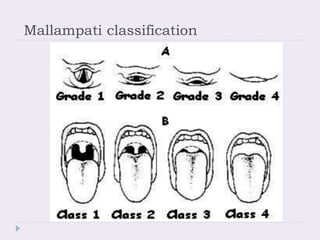
Mallampati classification
Airway evaluation
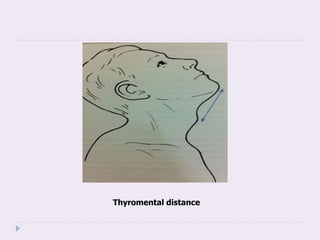
 Mentothyroid distance : normal 6 cm.
 Mentosternal distance : normal 15 cm
 Mentohyoid distance : normal 3 FB
 Neck movement: flexion and extension of neck,
history of radiation
 Nasal cavity
Thyromental distance
Difficult intubation
 Mouth opening less than 3 cm.
 Limitation of neck movement
 Micrognatia
 Macroglossia
 Protusion of teeth
 Short neck
 Morbid obesity
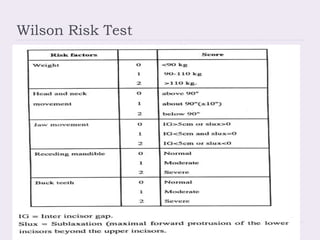
Wilson Risk Test
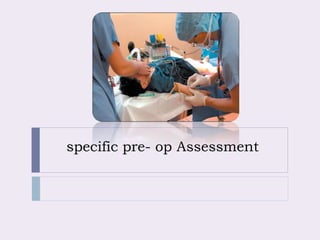
specific pre- op Assessment
Specific Risks
 Pulmonary
 Cardiac
 Hepatic
 Hematologic
 Endocrine
 Thromboembolism Prophylaxis
Pulmonary Risks
 Complications
 Hypoventilation
 Pneumonia
 Atelectasis
 Occur in about a third of patients
 Accounts for half of perioperative mortality
Who’s at Risk
 Smokers
 COPD
 Obesity
  lung capacity, FRC, VC ,Hypoxemia
 Age > 70
 Procedure related risks:
 Type of anesthesia
 GETA alone  FRC 11%
 inhibited coughing peri-op
 Surgical site
Thoracic surgery Upper abdominal surgery
 Duration of surgery > 2 hours
Pulmonary Assessment :
 Patient History:
 unexplained dyspnea, cough, reduced exercise
tolerance
 Physical Exam:
 wheeze, rhonchi,  exp time,  Birthing Sound
 Pre-operative CXR:
 Mandatory in patients over 40 yo
 B.N
ABG: no role for routine use result should not prohibit surgery
Pulmonary Assessment :
 Pulmonary Function test
 N.B
 FEV1 > 2L, probably safe
 FEV1 between 1 and 2L, increased risk
 FEV1 <1L, high risk
Risk Management
 Quit smoking
 Bronchodilator therapy
 PT ( physiotherapy ) .
 Early treatment of bronchitis
 Early mobilization
 Smoking cessation
 24 hr: decrease carboxyhemoglobin
 2-3 day: increase ciliary function
but increase secretion
 1-2 wk: decrease secretion
 4-8 wks: decrease postop pulmonary complication
NOTE
Cardiac Risks
 Complications
 Myocardial Infarction
 CHF
 Hypertension
 50% fatal, 60% silent
 Increased mortality post-op day 3
Who’s at Risk
 Recent MI (Interval between MI time and surgery
less than 6 mo is more likely with reinfarction)
 Valvular heart disease
 CHF
 Unstable angina
 Diabetes
Cardiac Assessment
 Resting echocardiogram function
 Exercise stress testing
 Pharmacologic stress testing
 Dipyridamole or adenosine thallium
 Dobutamine echo
 Coronary angiography
P.S:
 Goldman Cardiac Risk-Index for Noncardiac Surgery
 American College of Cardiology Risk Assessment
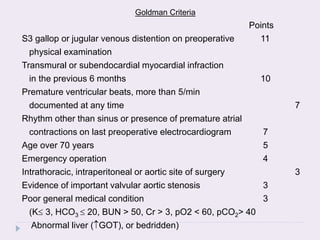
Goldman Criteria
Points
S3 gallop or jugular venous distention on preoperative 11
physical examination
Transmural or subendocardial myocardial infraction
in the previous 6 months 10
Premature ventricular beats, more than 5/min
documented at any time 7
Rhythm other than sinus or presence of premature atrial
contractions on last preoperative electrocardiogram 7
Age over 70 years 5
Emergency operation 4
Intrathoracic, intraperitoneal or aortic site of surgery 3
Evidence of important valvular aortic stenosis 3
Poor general medical condition 3
(K 3, HCO3  20, BUN > 50, Cr > 3, pO2 < 60, pCO2> 40
Abnormal liver (GOT), or bedridden)
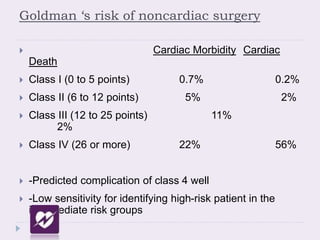
Goldman ‘s risk of noncardiac surgery
 Cardiac Morbidity Cardiac
Death
 Class I (0 to 5 points) 0.7% 0.2%
 Class II (6 to 12 points) 5% 2%
 Class III (12 to 25 points) 11%
2%
 Class IV (26 or more) 22% 56%
 -Predicted complication of class 4 well
 -Low sensitivity for identifying high-risk patient in the
intermediate risk groups
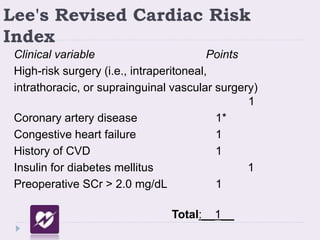
Lee's Revised Cardiac Risk
Index
Clinical variable Points
High-risk surgery (i.e., intraperitoneal,
intrathoracic, or suprainguinal vascular surgery)
1
Coronary artery disease 1*
Congestive heart failure 1
History of CVD 1
Insulin for diabetes mellitus 1
Preoperative SCr > 2.0 mg/dL 1
Total:__1__
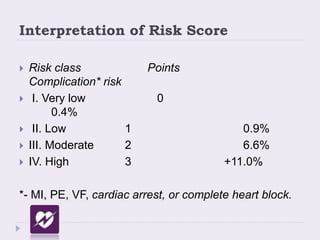
Interpretation of Risk Score
 Risk class Points
Complication* risk
 I. Very low 0
0.4%
 II. Low 1 0.9%
 III. Moderate 2 6.6%
 IV. High 3 +11.0%
*- MI, PE, VF, cardiac arrest, or complete heart block.
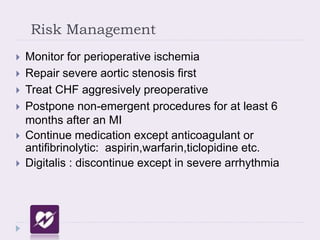
Risk Management
 Monitor for perioperative ischemia
 Repair severe aortic stenosis first
 Treat CHF aggresively preoperative
 Postpone non-emergent procedures for at least 6
months after an MI
 Continue medication except anticoagulant or
antifibrinolytic: aspirin,warfarin,ticlopidine etc.
 Digitalis : discontinue except in severe arrhythmia
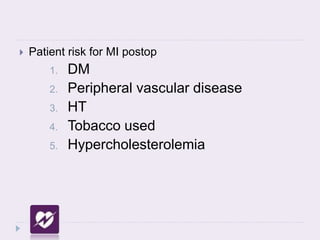
 Patient risk for MI postop
1. DM
2. Peripheral vascular disease
3. HT
4. Tobacco used
5. Hypercholesterolemia
Hepatic disease Assessment
 Liver is the seat of metabolism of most of the
anaesthetic drugs.
 in the pre-operative phase it requires plenty of
carbohydrates, Vitamin K and other clotting factors.
 Liver function tests not only reveal the state of the
liver but other organs as well as the Heart.
 Serum Cholesterol, Triglyserides, Proteins and
Albumin are routinely done.
 If 1gm%. Protein is less in blood 900 grams is less in
the body.
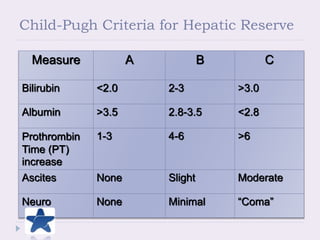
Child-Pugh Criteria for Hepatic Reserve
Measure A B C
Bilirubin <2.0 2-3 >3.0
Albumin >3.5 2.8-3.5 <2.8
Prothrombin
Time (PT)
increase
1-3 4-6 >6
Ascites None Slight Moderate
Neuro None Minimal “Coma”
Child-Pugh Criteria for Hepatic Reserve
 Predictor of perioperative mortality:
 Class A: 0 - 5%
 Class B: 10 – 15%
 Class C: > 25%
 Correct what you can  vitamin K, FFP,
Albumin, etc.
 Anticipate bleeding, complications
 P.S
 Don’t operate Px with active hepatitis , Don’t
Op. Px with hepatic encephalopathy.
Townsend, Textbook of Surgery, 16th ed.
Hypertension
 History of end organ damage: cardiac ischemia,
renal, neurological
 Elective surgery should be delayed if
DBP ≥ 110 mmHg with or without new onset of
headache
 but if no sign of end organ damage surgery may be
proceed
 In DM keep DBP < 90mmHg
 Aggressive treatment associated with reduction in
long term risk
 Continue medication until day of surgery: ACEI and
diuretic may be discontinue
Renal Risk
 Not all renal failure is oliguric
 CRF
 CRF patient  risk of  congestive heart failure,
hyper K, plt.dysfunction, anemia
 After dialysis pt at risk of  hypovolumia
Assessment
 Urine analysis , creatinine , BUN
 dialysis, type of dialysis, last dialysis,
 serum K,
 Hct.
 and platelet function
Specific Factors affecting Operative Risk -
Renal
 Pre op. Baseline renal function studies:
 BUN
 Creatinine
 GFR
 Avoid rise in BP b/c it will exacerbate RF.
 Assume DM have CRI
 Volume status
 Electrolytes
 Drug metabolism
 Careful admin. Of drugs:
 Nephrotoxicity
P.S catheter drainage of an obstructed urinary
tract
How to manage patient with CRF
 on dialysis previously.
OR
 Not on dialysis previously
CRF Patient on dialysis previously :
 Dialysis 24 h before surgery to minimize risk of :
 volume overload
 hyper K
 Excess bleeding.
 Check U/E ,creatinine postdialysis.
 CXR to exclude pulm. Edema.
 Post op dialysis delayed 24h.
CRF Patient NOT on dialysis previously:
 IF:
-Euvolemic
-No electrolyte disturbances, bleeding tendency.
-responsive to diuretic .
P.S no need for dialysis before surgery.
But if patient develops diuretic resistance with
progressive edema pre op. dialysis is considered
Endocrine Risks
 Thyroid storm
 Diabetic complications
Risk Management
 Good control of thyroid function for at least 3 months
prior
 Hold oral hypoglycemics
 Reduce insulin by half
The Rx goal of the preoperative
management of diabetic patients
To avoid :
 Hypoglycemia
 Excessive hyperglycemia
 Electrolyte disturbance
 Protein catabolism
Principles of management of diabetes in
pre operative period:
 the patients are insulin dependent .
 On oral hypoglycemic.
 Or controlled by diet.
Insulin dependent :
 Admit 2 days preoperatively: CXR, ECG, FBS, U&E,
HbA1c.
 Establish good diabetic control (glucose 4-10
mmol/L).
 TTT : but them on Dextrose /insulin / K infusion
Insulin dependent
 Check glucose intra-operatively and U&E
postoperatively.
 Monitor glucose regularly in early postoperative
period.
 Continue infusion until full oral diet is establish and
then reinstitute normal insulin regime.
Oral hypoglycemic
 Review control.
 Major surgery: convert to glucose /insulin / K
infusion .
 Minor surgery : omit oral hypoglycemic agent.
Check blood sugar.
 If greater than 13 mmol/l give small dose of
subcutaneous insulin .
Diabetic control by diet alone
 Review control.
 ‘if preoperative control is adequate , no other
measure required other than routine check of blood
sugar pre- and postoperatively.
Evaluation of Hemostatic Disorders
 History:
 Easy bruising, epistaxis
 Cut when shaving
 Heavy menstrual bleeding
 Family history of bleeding disorders
 ASA / NSAID’s
 Renal disease
 Hepatic disease (EtOH)
 Physical:
 Ecchymoses
 Hepatosplenomegaly
 Excessive mobility of joints or excess skin laxity
 Stigmata of renal or hepatic disease
Laboratory Tests of Bleeding Function
 Prothrombin time (PT/INR):
 Measures factor VII and common pathway factors
(factor X, prothrombin/thrombin, fibrinogen, and
fibrin)
 Partial thromboplastin time (PTT):
 Intrinsic pathway and common pathway
 Platelet count:
 quantifies platelets
 Bleeding time and Clotting time:
 estimates qualitative platelet function
Patients on Anticoagulants
 Aspirin (ASA)
 Coumadin (Warfarin)
 Heparin
 Reasons patients are placed on anticoagulants:
− Atrial fibrillation
− Prosthetic heart valve
− DVT or PE
− CVA or TIA
− Hypercoagulable state
1Ridker et al Ann Intern Med 114:835-839, 1991.
Preoperative transfusion may:
 Induce immunosuppression
 Increase risk of infection
 Increase risk of tumour recurrence
 If transfusion is required it should be given at least 2
days preoperatively
 Blood transfused immediately prior to operation has
reduced O2 carrying capacity
Thrombembolic Prophylaxis
 Specific to surgery:
 Acute spinal cord injury
 Major trauma
 Major surgery including:
- general cancer or non-cancer surgery
- hip and knee arthroplasty
- open gynaecological surgery
- open urological surgery
- prolonged surgery
 Increased risk
 Elderly
 Obesity
 Prolonged anesthesia
 Immobility
Risk factors for DVT
 Age >40 years
 Obesity
 Varicose veins
 High oestrogen pill
 Previous DVT or PE
 Malignancy
 Infection
 Heart failure / recent infarction
 Polycythaemia /thrombophilia
 Immobility ( bed rest over 4 days)
 Major trauma
 Duration of surgery.
Patients who are malnourished
 Proteins are essential for healing and
regenerating tissue
 Malnourished patients have
 Higher wound complications (dehiscence) and greater
anastomotic leak rate
 More postoperative muscle weakness (diaphragm)
 Longer time in rehabilitation
Nutritional assessment
 Clinical assessment
 Weight loss
 10% =mild malnutrition
 30% = severe malnutrition
 BMI
 Anthropometric assessment
 Triceps skin fold thickness
 Mid arm circumference
 Hand grip strength
 Blood indices
 Reduced serum albumin, prealbumin or transferrin
 Lymphocyte count
 ‘End-of-bedogram’
 No index of nutritional assessment shown to be superior
to clinical assessment
Methods of nutritional support
 Use gastrointestinal tract if available
 Prolonged post-operative starvation is probably not required
 Early enteral nutrition reduced post-operative morbidity
P.S.
 Indications for total parenteral nutrition
Absolute indications
 Enterocutaneous fistulae
Relative indications
 Moderate or severe malnutrition
 Acute pancreatitis
 Abdominal sepsis
 Prolonged ileus
 Major trauma and burns
 Severe inflammatory bowel disease
Patient Preparation
 Psychological:
 Acceptance and positive outlook
 Physical:
 Skin preparation
 Bowel preparation
 Preaneasthetic medications
 Opiates
 Anticholinergics
 Barbiturates
 Prophylactic antibiotics
 Physiological:
 Correcting associated co-morbid conditions
 Patient optimization
A. Blood Orders:
1. Type and screen or type and cross for
number of units appropriate to the procedure
B. Skin Preparation:
1. Hair removal best performed on day of surgery
with an electric clipper
2. Pre-operative scrub or shower of the operative site
with a germicidal soap.
C. Pre-operative antibiotics:
1. Administer prophylactic antibiotics 30 min prior to
incision
D. Respiratory Care:
1. Pre-operative spirometry on the evening prior
to surgery when indicated
2. Bronchodilators for moderate to severe COPD
E. Decompression of GI tract:
1. NPO after midnight
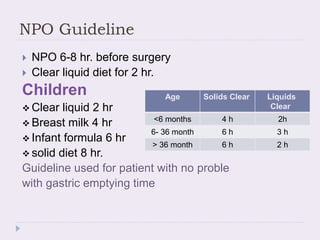
NPO Guideline
 NPO 6-8 hr. before surgery
 Clear liquid diet for 2 hr.
Children
 Clear liquid 2 hr
 Breast milk 4 hr
 Infant formula 6 hr
 solid diet 8 hr.
Guideline used for patient with no proble
with gastric emptying time
Liquids
Clear
Solids ClearAge
2h4 h<6 months
3 h6 h6- 36 month
2 h6 h> 36 month
5% Dextrose in Lactated Ringer's Injection (D5LR):Hypertonic (cells shrink), Uses: hypertonic hydration;
provides some calories; replace electrolytes and ECF losses; mild to moderate acidosis (the lactate is
metabolized into bicarbonate which counteracts the acidosis), the dextrose minimizes glycogen depletion,
Complications: Same as LR - not enough electrolytes for maintenance; patients with hepatic disease have
trouble metabolizing the lactate; do not use if lactic acidosis is presen
F. Intravenous fluids:
1. Maintenance rate overnight (D5LR)
2. Plasma and extracellular fluid deficit- volume and
concentration
a. hourly urine output
b. urine concentration
c. mucous membranes
d. skin turgor
G. Access and Monitoring lines:
1. At least one ga.18 IV needed for initiation of
anesthesia
2. Arterial catheters and central or pulmonary artery catheters
when indicated
H. Thromboembolic prophylaxis:
1. When indicated (those predispose to deep venous
thrombosis)
I. Pre-operative sedation:
1. As ordered by the anesthesiologist
J. Special Consideration:
1. Maintenance medication
2. Pre-operative diabetic management
3. Other prophylactic medications
4. Peri-operative steroid coverage (if needed)
K. Skin Marking:
1. For Plastic/Reconstructive Surgeries
2. Marking of stoma sites
P. Pre-operative notes
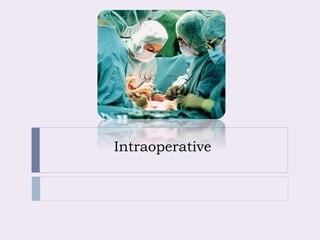
Intraoperative
Intraoperative Care -Complication
 Hypoventilation
 Oral Trauma -
endotracheal intubation
 Hypotension
 Cardiac dysrhythmia
 Hypothermia
 Peripheral nerve
damage
 Malignant hyperthermia
 Malignant hyperthermia - due to abnormal and
excessive intracellular collection of Ca+ resulting in
hypermetabolism and increased muscle contraction.
 Signs and Symptoms - high fever, tachycardia,
muscle rigidity, heart failure, pseudotetany, and CNS
damage.
Treatment of Malignant Hyperthermia
 discontinue inhalent anesthetic,
 Give Dantrium,
 oxygen,
 dextrose 50%, diuretic,
 antiarrhythmics, sodium bicarbonate,
 and hypothermic measures-cooling blanket,
 iced IV saline or iced saline lavage of stomach, bladder,
rectum
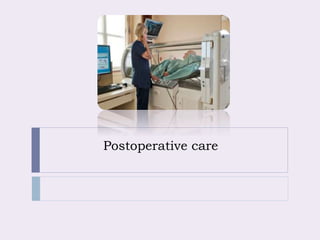
Postoperative care
Definition :
 is the management of a patient after surgery. This
includes care given during the immediate
postoperative period, both in the operating
room and postanesthesia care unit (PACU), as well
as during the days following surgery
Perioperative Care
Immediate Anesthetic Care (PACU)
 Respiratory Status - patent airway
 Cardiovascular - regular, strong heart rate and stable
BP (VS); peripheral pulses; Homan’s Sign
 Neurological – level of consciousness; orientation,
sensation
 Fluid and Electrolyte, Acid Base Balance
Post operative note and orders
 The patient should be discharged to the ward with
comprehensive orders for the following:
 • Vital signs
 • Pain control
 • Rate and type of intravenous fluid
 • Urine and gastrointestinal fluid output
 • Other medications
 • Laboratory investigations
 The patient’s progress should be monitored and should
include at least:
 • A comment on medical and nursing observations
 • A specific comment on the wound or operation site
 • Any complications
 • Any changes made in treatment
Aftercare: Prevention of complications
1• Encourage early mobilization:
 o Deep breathing and coughing
 o Active daily exercise
 o Joint range of motion
 o Muscular strengthening
 o Make walking aids such as canes, crutches and
walkers available and provide instructions for their use
2• Ensure adequate nutrition
3• Prevent skin breakdown and pressure sores:
 o Turn the patient frequently
 o Keep urine and faeces off skin
4• Provide adequate pain control
Discharge not
 On discharging the patient from the ward, record in
the notes:
• Diagnosis on admission and discharge
• Summary of course in hospital
• Instructions about further management,
including drugs prescribed.
 Ensure that a copy of this information is given to the
patient, together with
 details of any follow-up appointment
Postoperative Management
 If the patient is restless, something is wrong.
Look out for the following in recovery:
• Airway obstruction
• Hypoxia
• Haemorrhage: internal or external
• Hypotension and/or hypertension
• Postoperative pain
• Shivering, hypothermia
• Vomiting, aspiration
• Falling on the floor
• Residual narcosi
Postoperative Management
The recovering patient is fit for the ward when:
 • Awake, opens eyes
 • Extubated
 • Blood pressure and pulse are satisfactory
 • Can lift head on command
 • Not hypoxic
 • Breathing quietly and comfortably
 • Appropriate analgesia has been prescribed and is
safely established
Post Operative Complications:
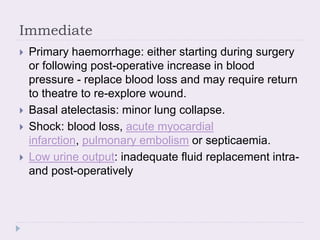
Immediate
 Primary haemorrhage: either starting during surgery
or following post-operative increase in blood
pressure - replace blood loss and may require return
to theatre to re-explore wound.
 Basal atelectasis: minor lung collapse.
 Shock: blood loss, acute myocardial
infarction, pulmonary embolism or septicaemia.
 Low urine output: inadequate fluid replacement intra-
and post-operatively
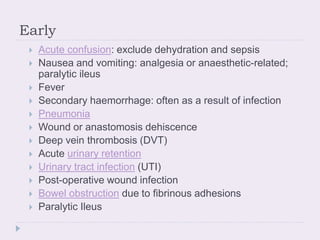
Early
 Acute confusion: exclude dehydration and sepsis
 Nausea and vomiting: analgesia or anaesthetic-related;
paralytic ileus
 Fever
 Secondary haemorrhage: often as a result of infection
 Pneumonia
 Wound or anastomosis dehiscence
 Deep vein thrombosis (DVT)
 Acute urinary retention
 Urinary tract infection (UTI)
 Post-operative wound infection
 Bowel obstruction due to fibrinous adhesions
 Paralytic Ileus
Late
 Bowel obstruction due to fibrous adhesions
 Incisional hernia
 Persistent sinus
 Recurrence of reason for surgery, e.g. malignancy
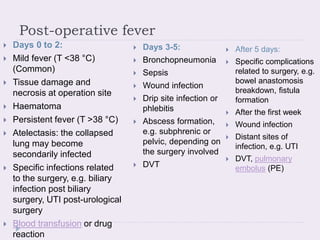
Post-operative fever
 Days 0 to 2:
 Mild fever (T <38 °C)
(Common)
 Tissue damage and
necrosis at operation site
 Haematoma
 Persistent fever (T >38 °C)
 Atelectasis: the collapsed
lung may become
secondarily infected
 Specific infections related
to the surgery, e.g. biliary
infection post biliary
surgery, UTI post-urological
surgery
 Blood transfusion or drug
reaction
 Days 3-5:
 Bronchopneumonia
 Sepsis
 Wound infection
 Drip site infection or
phlebitis
 Abscess formation,
e.g. subphrenic or
pelvic, depending on
the surgery involved
 DVT
 After 5 days:
 Specific complications
related to surgery, e.g.
bowel anastomosis
breakdown, fistula
formation
 After the first week
 Wound infection
 Distant sites of
infection, e.g. UTI
 DVT, pulmonary
embolus (PE)
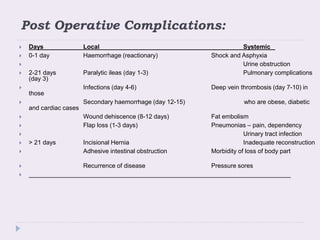
Post Operative Complications:
 Days Local Systemic
 0-1 day Haemorrhage (reactionary) Shock and Asphyxia
 Urine obstruction
 2-21 days Paralytic ileas (day 1-3) Pulmonary complications
(day 3)
 Infections (day 4-6) Deep vein thrombosis (day 7-10) in
those
 Secondary haemorrhage (day 12-15) who are obese, diabetic
and cardiac cases
 Wound dehiscence (8-12 days) Fat embolism
 Flap loss (1-3 days) Pneumonias – pain, dependency
 Urinary tract infection
 > 21 days Incisional Hernia Inadequate reconstruction
 Adhesive intestinal obstruction Morbidity of loss of body part
 Recurrence of disease Pressure sores
 ____________________________________________________________________________
PERIOPERATIVE CARE
Summary
 Specific Nursing Duties for each phase:
 Preoperative, Intraoperative, Postoperative
 Throughout Perioperative Care, the nurse will
always:
 Monitor patient’s response to therapeutic regime, prevent
complications, patient education and promote optimum
well-being
91024663-Perioperative-Evaluation

91024663-Perioperative-Evaluation

  • 1.
    peri-operative care Preoperative &Postoperative care Shaikah A.O.B
  • 2.
    Objective : 1. Outlinetype ,class and grade of surgery. 2. Define the perioperative . 3. Discuses the general preoperative care . 4. Overview the anesthetic status classification and airway evaluation . 5. Discuses the common medical problems affecting a patient’s fitness for operation. ( specific pre- op Assessment ) 6. Notes about inter- operative complication . 7. Discuses the post-operative care . 8. Minchin the postoperative possible complications .
  • 3.
  • 4.
    PHASES OF SURGERY Pre-operative – from the time of px’s decision for surgical intervention to the px’s tranference to the OR.  Intra-operative – px is received in the OR (with physical preparation) unto the admission in the RR.  Post-operative – px’s admission in the RR until the follow-up evaluation.
  • 5.
    Effects of Surgery Stress Response Activation (SRA)  Decreased resistance to infection  Alteration in the vascular and respiratory function  Vital organ function (VOF) is altered  Psychologic effects (common fears r/t SRA)
  • 6.
    Types of surgery 1- According to pt. A-In pt. surgery : pt. expected to remain in the hospital fore more than 24 hrs. B-0ut pt. surgery : ambulatory surgery –same day surgery pt. return to his home in the same day of surgery.  2- According to their urgency A-optional : at the request of pt. as cosmetic surgery . B-Elective : planned the convenience of pt. as removal of cyst C- required : should be done promptly as removal of cataract d-Urgent : required promptly within 24-48 hrs as malignant tumor E-Emergency : Immediately for survival as intestinal obstruction appendectomy
  • 7.
    Classification  Clean  CleanContaminated  Contaminated  Dirty
  • 8.
    Grades of Surgery Grade I (Minor) Excision of a skin lesion or drainage of abscess.  Grade II (Intermediate) Tonsillectomy, correction of nasal septum, arthroscopy…….  Grade III (Major) Thyroidectomy, total abdominal hysterectomy….  Grade IV (Major+) Radical neck dissection, joint replacement, lung operations…
  • 9.
  • 10.
    Three Phases ofperi-operative care  Perioperative Period: Period of the time that constitute the surgical experience, include :-  Pre-operative .  Inter- operative.  Post – operative .
  • 11.
    Definition : Pre– operative care : is the preparation and management of a patient prior to surgery. It includes both physical and psychological preparation
  • 12.
    purpose of preoperativeevaluation  Establish baseline history and physical.  Identify previously undetected disease.  Assess operative risk. Should the patient proceed with elective surgery?  Provide high-quality and safe patient care .  Improve patient satisfaction and set foundation for optimum outcomes  Make specific recommendations regarding preoperative treatment that might lower the risk of surgery.  Give suggestions regarding intraoperative and postoperative care.
  • 13.
    Pre-operative Care  Assessment(evaluation). History Examination Investigations  Pro-op preparation .  Psychological preparation  Physical preparation  Physiological preparation  Counseling.  On going to theater.
  • 14.
    History and PhysicalExamination  Diagnosis of current condition  Identifies associated risk factors:  Age of the patient (Extremes of age)  Co-morbid conditions  Previous surgery  Determines current medications  Reviews past medical history  Determines physical status:  American Society of Anesthesiologists’ (ASA) Physical Status Assessment
  • 15.
    Key topics toreview when taking the past medical history Cardiovascular Respiratory Gastrointestinal Genitourinary tract Neurological Endocrine/metabolic Locomotor system Infectious diseases Previous surgery  ■ Types of anaesthetic and any problems encountereda  ■ Have any members of the patient’s family had particular  problems with anaesthesia?
  • 16.
    Key topics inthe general medical examination General  ■ Anaemia, jaundice, cyanosis, nutritional status, teeth, feet,  leg ulcers (sources of infection)  Cardiovascular  ■ Pulse, blood pressure, heart sounds, bruits, peripheral  pulses, peripheral oedema  Respiratory  ■ Respiratory rate and effort, chest expansion and  percussion note, breath sounds, oxygen saturation  Gastrointestinal  ■ Abdominal masses, ascites, bowel sounds, bruits, herniae,  genitalia  Neurological  ■ Conscious level, any pre-existing cognitive impairment or  confusion, deafness, neurological status of limbs
  • 17.
    American Society ofAnesthesiologists Patient Classification 1 =A normal healthy patient 2 =A patient with a mild systemic disease 3 = A patient with a severe systemic disease that limits activity, but is not incapacitating 4 =A patient with an incapacitating systemic disease that is a constant threat to life 5 =A moribund patient not expected to survive 24 hours with or without operation
  • 18.
    ASA 1  Anormal, healthy patient. The pathological process for which surgery is to be performed is localized and does not entail a systemic disease. Example: An otherwise healthy patient scheduled for a cosmetic procedure.
  • 19.
    ASA 2  Apatient with systemic disease, caused either by the condition to be treated or other pathophysiological process, but which does not result in limitation of activity. Example: a patient with asthma, diabetes, or hypertension that is well controlled with medical therapy, and has no systemic sequelae
  • 20.
    ASA 3  Apatient with moderate or severe systemic disease caused either by the condition to be treated surgically or other pathophysiological processes, which does limit activity. Example: a patient with uncontrolled asthma that limits activity, or diabetes that has systemic sequelae such as retinopathy
  • 21.
    ASA 4  Apatient with severe systemic disease that is a constant potential threat to life. Example: a patient with heart failure, or a patient with renal failure requiring dialysis.
  • 22.
    ASA 5  Apatient who is at substantial risk of death within 24 hours, and is submitted to the procedure in desperation. Example: a patient with fixed and dilated pupils status post a head injury.
  • 23.
    Emergency Status (E) Thisis added to the ASA designation only if the patient is undergoing an emergency procedure. Example: a healthy patient undergoing sedation for reduction of a displaced fracture would be an ASA1 E.
  • 24.
    General Ix :- Full blood count (for example to test for anaemia)  Haemostasis (to test how well the blood clots)  Renal function  Random blood glucose (to test for diabetes)  Urine analysis (for example to test for urinary infections or kidney problems)  Plain chest X-ray (radiograph)  Resting electrocardiogram (ECG)  Blood gases (to test for cardiovascular or lung problems)  Lung function  Pregnancy
  • 25.
    Indications for preoperativeinvestigations  Full blood count  All adult women  Men over the age of 60 years  Cardiovascular or haematological disease  Urea & electrolytes  All patients over 60 years  Cardiovascular and renal disease  Diabetics  Patients on steroids, diuretics, ACE inhibitors  Chest X-ray  Cardiovascular and respiratory disease  Malignancy  Major thoracic and upper abdominal surgery
  • 26.
    ECG  Indicated :- Men > 45 y - Women > 55 y .  Known cardiac disease .  H&P suggesting possibility of cardiac disease .  Electrolyte imbalance risk (ie diuretic use) .  DM/HTN .  Candidates for major surgeries .
  • 27.
    NOTE – ECG:  Low likelihood of changing management  Recent MI important to detect  Cardiac event risk increased by:  Non-sinus rhythm  PACs - Premature atriale contractions  >5 PVCs - Premature ventricle contractions  No risk increase with BBB
  • 28.
    NOTE: Basic Factors AffectingOperative Risk : 1. Age over 70 years 2. Overall physical status 3. Elective vs. emergency surgery 4. Physiologic extent of the tumor 5. Associated illnesses as Jaundice, Bleeding tendency 6.Chronic drug medication as Oral contraceptive pills.  Anticoagulants  Tranquilizers (hypnotic as benzodiazepine)  Antibiotics – aminoglycosides  Diuretics  Antiypertensives  Long term steroid therapy (P.S ) : Blood volume considerations:- a. anemia – chronic or acute b. minimal requirement for anesthesia – 10 g/dl Hgb
  • 29.
    NOTE:  Problems inelderly:  Tolerate hypo tension, tachycardia, over and under-hydration poorly  Usually emphysema, they are used to a high level of PCO2 which leads to respiratory acidosis  Atherosclerosis makes their CVS very fragile – any sudden increase in B.P. can cause cerebral haemorrhage.  Sluggish peripheral circulation – higher chances of Thromboembolism and Pulmonary embolism  Poorly tolerate acid-base imbalance  Problems of children:  They have a raised BMR – lot of carbohydrates preoperatively and quick feeding postoperatively  Very high incidence of Respiratory tract infection  Poorly tolerate fever and cold
  • 30.
    Airway evaluation  Historyof difficult intubation  Head and neck examination for airway evaluation  Face  Oral cavity : mouth opening mandibular space tongue teeth Mallampati classification
  • 31.
  • 32.
    Airway evaluation  Mentothyroiddistance : normal 6 cm.  Mentosternal distance : normal 15 cm  Mentohyoid distance : normal 3 FB  Neck movement: flexion and extension of neck, history of radiation  Nasal cavity
  • 33.
  • 34.
    Difficult intubation  Mouthopening less than 3 cm.  Limitation of neck movement  Micrognatia  Macroglossia  Protusion of teeth  Short neck  Morbid obesity
  • 35.
  • 36.
    specific pre- opAssessment
  • 37.
    Specific Risks  Pulmonary Cardiac  Hepatic  Hematologic  Endocrine  Thromboembolism Prophylaxis
  • 38.
    Pulmonary Risks  Complications Hypoventilation  Pneumonia  Atelectasis  Occur in about a third of patients  Accounts for half of perioperative mortality
  • 39.
    Who’s at Risk Smokers  COPD  Obesity   lung capacity, FRC, VC ,Hypoxemia  Age > 70  Procedure related risks:  Type of anesthesia  GETA alone  FRC 11%  inhibited coughing peri-op  Surgical site Thoracic surgery Upper abdominal surgery  Duration of surgery > 2 hours
  • 40.
    Pulmonary Assessment : Patient History:  unexplained dyspnea, cough, reduced exercise tolerance  Physical Exam:  wheeze, rhonchi,  exp time,  Birthing Sound  Pre-operative CXR:  Mandatory in patients over 40 yo  B.N ABG: no role for routine use result should not prohibit surgery
  • 41.
    Pulmonary Assessment : Pulmonary Function test  N.B  FEV1 > 2L, probably safe  FEV1 between 1 and 2L, increased risk  FEV1 <1L, high risk
  • 42.
    Risk Management  Quitsmoking  Bronchodilator therapy  PT ( physiotherapy ) .  Early treatment of bronchitis  Early mobilization
  • 43.
     Smoking cessation 24 hr: decrease carboxyhemoglobin  2-3 day: increase ciliary function but increase secretion  1-2 wk: decrease secretion  4-8 wks: decrease postop pulmonary complication NOTE
  • 44.
    Cardiac Risks  Complications Myocardial Infarction  CHF  Hypertension  50% fatal, 60% silent  Increased mortality post-op day 3
  • 45.
    Who’s at Risk Recent MI (Interval between MI time and surgery less than 6 mo is more likely with reinfarction)  Valvular heart disease  CHF  Unstable angina  Diabetes
  • 46.
    Cardiac Assessment  Restingechocardiogram function  Exercise stress testing  Pharmacologic stress testing  Dipyridamole or adenosine thallium  Dobutamine echo  Coronary angiography P.S:  Goldman Cardiac Risk-Index for Noncardiac Surgery  American College of Cardiology Risk Assessment
  • 47.
    Goldman Criteria Points S3 gallopor jugular venous distention on preoperative 11 physical examination Transmural or subendocardial myocardial infraction in the previous 6 months 10 Premature ventricular beats, more than 5/min documented at any time 7 Rhythm other than sinus or presence of premature atrial contractions on last preoperative electrocardiogram 7 Age over 70 years 5 Emergency operation 4 Intrathoracic, intraperitoneal or aortic site of surgery 3 Evidence of important valvular aortic stenosis 3 Poor general medical condition 3 (K 3, HCO3  20, BUN > 50, Cr > 3, pO2 < 60, pCO2> 40 Abnormal liver (GOT), or bedridden)
  • 48.
    Goldman ‘s riskof noncardiac surgery  Cardiac Morbidity Cardiac Death  Class I (0 to 5 points) 0.7% 0.2%  Class II (6 to 12 points) 5% 2%  Class III (12 to 25 points) 11% 2%  Class IV (26 or more) 22% 56%  -Predicted complication of class 4 well  -Low sensitivity for identifying high-risk patient in the intermediate risk groups
  • 49.
    Lee's Revised CardiacRisk Index Clinical variable Points High-risk surgery (i.e., intraperitoneal, intrathoracic, or suprainguinal vascular surgery) 1 Coronary artery disease 1* Congestive heart failure 1 History of CVD 1 Insulin for diabetes mellitus 1 Preoperative SCr > 2.0 mg/dL 1 Total:__1__
  • 50.
    Interpretation of RiskScore  Risk class Points Complication* risk  I. Very low 0 0.4%  II. Low 1 0.9%  III. Moderate 2 6.6%  IV. High 3 +11.0% *- MI, PE, VF, cardiac arrest, or complete heart block.
  • 51.
    Risk Management  Monitorfor perioperative ischemia  Repair severe aortic stenosis first  Treat CHF aggresively preoperative  Postpone non-emergent procedures for at least 6 months after an MI  Continue medication except anticoagulant or antifibrinolytic: aspirin,warfarin,ticlopidine etc.  Digitalis : discontinue except in severe arrhythmia
  • 52.
     Patient riskfor MI postop 1. DM 2. Peripheral vascular disease 3. HT 4. Tobacco used 5. Hypercholesterolemia
  • 53.
    Hepatic disease Assessment Liver is the seat of metabolism of most of the anaesthetic drugs.  in the pre-operative phase it requires plenty of carbohydrates, Vitamin K and other clotting factors.  Liver function tests not only reveal the state of the liver but other organs as well as the Heart.  Serum Cholesterol, Triglyserides, Proteins and Albumin are routinely done.  If 1gm%. Protein is less in blood 900 grams is less in the body.
  • 54.
    Child-Pugh Criteria forHepatic Reserve Measure A B C Bilirubin <2.0 2-3 >3.0 Albumin >3.5 2.8-3.5 <2.8 Prothrombin Time (PT) increase 1-3 4-6 >6 Ascites None Slight Moderate Neuro None Minimal “Coma”
  • 55.
    Child-Pugh Criteria forHepatic Reserve  Predictor of perioperative mortality:  Class A: 0 - 5%  Class B: 10 – 15%  Class C: > 25%  Correct what you can  vitamin K, FFP, Albumin, etc.  Anticipate bleeding, complications  P.S  Don’t operate Px with active hepatitis , Don’t Op. Px with hepatic encephalopathy. Townsend, Textbook of Surgery, 16th ed.
  • 56.
    Hypertension  History ofend organ damage: cardiac ischemia, renal, neurological  Elective surgery should be delayed if DBP ≥ 110 mmHg with or without new onset of headache  but if no sign of end organ damage surgery may be proceed  In DM keep DBP < 90mmHg  Aggressive treatment associated with reduction in long term risk  Continue medication until day of surgery: ACEI and diuretic may be discontinue
  • 57.
    Renal Risk  Notall renal failure is oliguric  CRF  CRF patient  risk of  congestive heart failure, hyper K, plt.dysfunction, anemia  After dialysis pt at risk of  hypovolumia
  • 58.
    Assessment  Urine analysis, creatinine , BUN  dialysis, type of dialysis, last dialysis,  serum K,  Hct.  and platelet function
  • 59.
    Specific Factors affectingOperative Risk - Renal  Pre op. Baseline renal function studies:  BUN  Creatinine  GFR  Avoid rise in BP b/c it will exacerbate RF.  Assume DM have CRI  Volume status  Electrolytes  Drug metabolism  Careful admin. Of drugs:  Nephrotoxicity P.S catheter drainage of an obstructed urinary tract
  • 60.
    How to managepatient with CRF  on dialysis previously. OR  Not on dialysis previously
  • 61.
    CRF Patient ondialysis previously :  Dialysis 24 h before surgery to minimize risk of :  volume overload  hyper K  Excess bleeding.  Check U/E ,creatinine postdialysis.  CXR to exclude pulm. Edema.  Post op dialysis delayed 24h.
  • 62.
    CRF Patient NOTon dialysis previously:  IF: -Euvolemic -No electrolyte disturbances, bleeding tendency. -responsive to diuretic . P.S no need for dialysis before surgery. But if patient develops diuretic resistance with progressive edema pre op. dialysis is considered
  • 63.
    Endocrine Risks  Thyroidstorm  Diabetic complications
  • 64.
    Risk Management  Goodcontrol of thyroid function for at least 3 months prior  Hold oral hypoglycemics  Reduce insulin by half
  • 65.
    The Rx goalof the preoperative management of diabetic patients To avoid :  Hypoglycemia  Excessive hyperglycemia  Electrolyte disturbance  Protein catabolism
  • 66.
    Principles of managementof diabetes in pre operative period:  the patients are insulin dependent .  On oral hypoglycemic.  Or controlled by diet.
  • 67.
    Insulin dependent : Admit 2 days preoperatively: CXR, ECG, FBS, U&E, HbA1c.  Establish good diabetic control (glucose 4-10 mmol/L).  TTT : but them on Dextrose /insulin / K infusion
  • 68.
    Insulin dependent  Checkglucose intra-operatively and U&E postoperatively.  Monitor glucose regularly in early postoperative period.  Continue infusion until full oral diet is establish and then reinstitute normal insulin regime.
  • 69.
    Oral hypoglycemic  Reviewcontrol.  Major surgery: convert to glucose /insulin / K infusion .  Minor surgery : omit oral hypoglycemic agent. Check blood sugar.  If greater than 13 mmol/l give small dose of subcutaneous insulin .
  • 70.
    Diabetic control bydiet alone  Review control.  ‘if preoperative control is adequate , no other measure required other than routine check of blood sugar pre- and postoperatively.
  • 71.
    Evaluation of HemostaticDisorders  History:  Easy bruising, epistaxis  Cut when shaving  Heavy menstrual bleeding  Family history of bleeding disorders  ASA / NSAID’s  Renal disease  Hepatic disease (EtOH)  Physical:  Ecchymoses  Hepatosplenomegaly  Excessive mobility of joints or excess skin laxity  Stigmata of renal or hepatic disease
  • 72.
    Laboratory Tests ofBleeding Function  Prothrombin time (PT/INR):  Measures factor VII and common pathway factors (factor X, prothrombin/thrombin, fibrinogen, and fibrin)  Partial thromboplastin time (PTT):  Intrinsic pathway and common pathway  Platelet count:  quantifies platelets  Bleeding time and Clotting time:  estimates qualitative platelet function
  • 73.
    Patients on Anticoagulants Aspirin (ASA)  Coumadin (Warfarin)  Heparin  Reasons patients are placed on anticoagulants: − Atrial fibrillation − Prosthetic heart valve − DVT or PE − CVA or TIA − Hypercoagulable state 1Ridker et al Ann Intern Med 114:835-839, 1991.
  • 74.
    Preoperative transfusion may: Induce immunosuppression  Increase risk of infection  Increase risk of tumour recurrence  If transfusion is required it should be given at least 2 days preoperatively  Blood transfused immediately prior to operation has reduced O2 carrying capacity
  • 75.
    Thrombembolic Prophylaxis  Specificto surgery:  Acute spinal cord injury  Major trauma  Major surgery including: - general cancer or non-cancer surgery - hip and knee arthroplasty - open gynaecological surgery - open urological surgery - prolonged surgery  Increased risk  Elderly  Obesity  Prolonged anesthesia  Immobility
  • 76.
    Risk factors forDVT  Age >40 years  Obesity  Varicose veins  High oestrogen pill  Previous DVT or PE  Malignancy  Infection  Heart failure / recent infarction  Polycythaemia /thrombophilia  Immobility ( bed rest over 4 days)  Major trauma  Duration of surgery.
  • 77.
    Patients who aremalnourished  Proteins are essential for healing and regenerating tissue  Malnourished patients have  Higher wound complications (dehiscence) and greater anastomotic leak rate  More postoperative muscle weakness (diaphragm)  Longer time in rehabilitation
  • 78.
    Nutritional assessment  Clinicalassessment  Weight loss  10% =mild malnutrition  30% = severe malnutrition  BMI  Anthropometric assessment  Triceps skin fold thickness  Mid arm circumference  Hand grip strength  Blood indices  Reduced serum albumin, prealbumin or transferrin  Lymphocyte count  ‘End-of-bedogram’  No index of nutritional assessment shown to be superior to clinical assessment
  • 79.
    Methods of nutritionalsupport  Use gastrointestinal tract if available  Prolonged post-operative starvation is probably not required  Early enteral nutrition reduced post-operative morbidity P.S.  Indications for total parenteral nutrition Absolute indications  Enterocutaneous fistulae Relative indications  Moderate or severe malnutrition  Acute pancreatitis  Abdominal sepsis  Prolonged ileus  Major trauma and burns  Severe inflammatory bowel disease
  • 80.
    Patient Preparation  Psychological: Acceptance and positive outlook  Physical:  Skin preparation  Bowel preparation  Preaneasthetic medications  Opiates  Anticholinergics  Barbiturates  Prophylactic antibiotics  Physiological:  Correcting associated co-morbid conditions  Patient optimization
  • 81.
    A. Blood Orders: 1.Type and screen or type and cross for number of units appropriate to the procedure B. Skin Preparation: 1. Hair removal best performed on day of surgery with an electric clipper 2. Pre-operative scrub or shower of the operative site with a germicidal soap. C. Pre-operative antibiotics: 1. Administer prophylactic antibiotics 30 min prior to incision
  • 82.
    D. Respiratory Care: 1.Pre-operative spirometry on the evening prior to surgery when indicated 2. Bronchodilators for moderate to severe COPD E. Decompression of GI tract: 1. NPO after midnight
  • 83.
    NPO Guideline  NPO6-8 hr. before surgery  Clear liquid diet for 2 hr. Children  Clear liquid 2 hr  Breast milk 4 hr  Infant formula 6 hr  solid diet 8 hr. Guideline used for patient with no proble with gastric emptying time Liquids Clear Solids ClearAge 2h4 h<6 months 3 h6 h6- 36 month 2 h6 h> 36 month
  • 84.
    5% Dextrose inLactated Ringer's Injection (D5LR):Hypertonic (cells shrink), Uses: hypertonic hydration; provides some calories; replace electrolytes and ECF losses; mild to moderate acidosis (the lactate is metabolized into bicarbonate which counteracts the acidosis), the dextrose minimizes glycogen depletion, Complications: Same as LR - not enough electrolytes for maintenance; patients with hepatic disease have trouble metabolizing the lactate; do not use if lactic acidosis is presen F. Intravenous fluids: 1. Maintenance rate overnight (D5LR) 2. Plasma and extracellular fluid deficit- volume and concentration a. hourly urine output b. urine concentration c. mucous membranes d. skin turgor G. Access and Monitoring lines: 1. At least one ga.18 IV needed for initiation of anesthesia 2. Arterial catheters and central or pulmonary artery catheters when indicated
  • 85.
    H. Thromboembolic prophylaxis: 1.When indicated (those predispose to deep venous thrombosis) I. Pre-operative sedation: 1. As ordered by the anesthesiologist J. Special Consideration: 1. Maintenance medication 2. Pre-operative diabetic management 3. Other prophylactic medications 4. Peri-operative steroid coverage (if needed) K. Skin Marking: 1. For Plastic/Reconstructive Surgeries 2. Marking of stoma sites P. Pre-operative notes
  • 86.
  • 87.
    Intraoperative Care -Complication Hypoventilation  Oral Trauma - endotracheal intubation  Hypotension  Cardiac dysrhythmia  Hypothermia  Peripheral nerve damage  Malignant hyperthermia  Malignant hyperthermia - due to abnormal and excessive intracellular collection of Ca+ resulting in hypermetabolism and increased muscle contraction.  Signs and Symptoms - high fever, tachycardia, muscle rigidity, heart failure, pseudotetany, and CNS damage.
  • 88.
    Treatment of MalignantHyperthermia  discontinue inhalent anesthetic,  Give Dantrium,  oxygen,  dextrose 50%, diuretic,  antiarrhythmics, sodium bicarbonate,  and hypothermic measures-cooling blanket,  iced IV saline or iced saline lavage of stomach, bladder, rectum
  • 89.
  • 90.
    Definition :  isthe management of a patient after surgery. This includes care given during the immediate postoperative period, both in the operating room and postanesthesia care unit (PACU), as well as during the days following surgery
  • 91.
    Perioperative Care Immediate AnestheticCare (PACU)  Respiratory Status - patent airway  Cardiovascular - regular, strong heart rate and stable BP (VS); peripheral pulses; Homan’s Sign  Neurological – level of consciousness; orientation, sensation  Fluid and Electrolyte, Acid Base Balance
  • 92.
    Post operative noteand orders  The patient should be discharged to the ward with comprehensive orders for the following:  • Vital signs  • Pain control  • Rate and type of intravenous fluid  • Urine and gastrointestinal fluid output  • Other medications  • Laboratory investigations  The patient’s progress should be monitored and should include at least:  • A comment on medical and nursing observations  • A specific comment on the wound or operation site  • Any complications  • Any changes made in treatment
  • 93.
    Aftercare: Prevention ofcomplications 1• Encourage early mobilization:  o Deep breathing and coughing  o Active daily exercise  o Joint range of motion  o Muscular strengthening  o Make walking aids such as canes, crutches and walkers available and provide instructions for their use 2• Ensure adequate nutrition 3• Prevent skin breakdown and pressure sores:  o Turn the patient frequently  o Keep urine and faeces off skin 4• Provide adequate pain control
  • 94.
    Discharge not  Ondischarging the patient from the ward, record in the notes: • Diagnosis on admission and discharge • Summary of course in hospital • Instructions about further management, including drugs prescribed.  Ensure that a copy of this information is given to the patient, together with  details of any follow-up appointment
  • 95.
    Postoperative Management  Ifthe patient is restless, something is wrong. Look out for the following in recovery: • Airway obstruction • Hypoxia • Haemorrhage: internal or external • Hypotension and/or hypertension • Postoperative pain • Shivering, hypothermia • Vomiting, aspiration • Falling on the floor • Residual narcosi
  • 96.
    Postoperative Management The recoveringpatient is fit for the ward when:  • Awake, opens eyes  • Extubated  • Blood pressure and pulse are satisfactory  • Can lift head on command  • Not hypoxic  • Breathing quietly and comfortably  • Appropriate analgesia has been prescribed and is safely established
  • 97.
  • 98.
    Immediate  Primary haemorrhage:either starting during surgery or following post-operative increase in blood pressure - replace blood loss and may require return to theatre to re-explore wound.  Basal atelectasis: minor lung collapse.  Shock: blood loss, acute myocardial infarction, pulmonary embolism or septicaemia.  Low urine output: inadequate fluid replacement intra- and post-operatively
  • 99.
    Early  Acute confusion:exclude dehydration and sepsis  Nausea and vomiting: analgesia or anaesthetic-related; paralytic ileus  Fever  Secondary haemorrhage: often as a result of infection  Pneumonia  Wound or anastomosis dehiscence  Deep vein thrombosis (DVT)  Acute urinary retention  Urinary tract infection (UTI)  Post-operative wound infection  Bowel obstruction due to fibrinous adhesions  Paralytic Ileus
  • 100.
    Late  Bowel obstructiondue to fibrous adhesions  Incisional hernia  Persistent sinus  Recurrence of reason for surgery, e.g. malignancy
  • 101.
    Post-operative fever  Days0 to 2:  Mild fever (T <38 °C) (Common)  Tissue damage and necrosis at operation site  Haematoma  Persistent fever (T >38 °C)  Atelectasis: the collapsed lung may become secondarily infected  Specific infections related to the surgery, e.g. biliary infection post biliary surgery, UTI post-urological surgery  Blood transfusion or drug reaction  Days 3-5:  Bronchopneumonia  Sepsis  Wound infection  Drip site infection or phlebitis  Abscess formation, e.g. subphrenic or pelvic, depending on the surgery involved  DVT  After 5 days:  Specific complications related to surgery, e.g. bowel anastomosis breakdown, fistula formation  After the first week  Wound infection  Distant sites of infection, e.g. UTI  DVT, pulmonary embolus (PE)
  • 102.
    Post Operative Complications: Days Local Systemic  0-1 day Haemorrhage (reactionary) Shock and Asphyxia  Urine obstruction  2-21 days Paralytic ileas (day 1-3) Pulmonary complications (day 3)  Infections (day 4-6) Deep vein thrombosis (day 7-10) in those  Secondary haemorrhage (day 12-15) who are obese, diabetic and cardiac cases  Wound dehiscence (8-12 days) Fat embolism  Flap loss (1-3 days) Pneumonias – pain, dependency  Urinary tract infection  > 21 days Incisional Hernia Inadequate reconstruction  Adhesive intestinal obstruction Morbidity of loss of body part  Recurrence of disease Pressure sores  ____________________________________________________________________________
  • 103.
    PERIOPERATIVE CARE Summary  SpecificNursing Duties for each phase:  Preoperative, Intraoperative, Postoperative  Throughout Perioperative Care, the nurse will always:  Monitor patient’s response to therapeutic regime, prevent complications, patient education and promote optimum well-being