5 Effective Math
Strategies for
Classroom Use
Kristina Bowerman – EDIM 510


                               http://flic.kr/p/72gX58
Real-life Applications
• Talk about when and where the
  skill will be used
• Choose examples that are
  meaningful to the students
• Ask the students to name some
  more examples
• Discuss jobs that use the skill

                                    http://flic.kr/p/6DPLSC
Modeling & Practice

                          • Teach by example
                          • Outline Steps
                          • Talk through the process and
                           provide opportunities for your
                           students to do the same
                          • Include time for individual and
                           group work


http://flic.kr/p/djaFtt
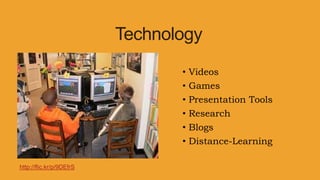
Technology
                                 •   Videos
                                 •   Games
                                 •   Presentation Tools
                                 •   Research
                                 •   Blogs
                                 •   Distance-Learning

http://flic.kr/p/9DEfrS
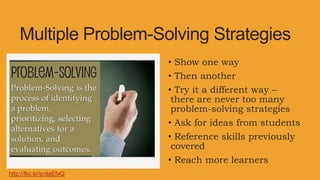
Multiple Problem-Solving Strategies
                          • Show one way
                          • Then another
                          • Try it a different way –
                           there are never too many
                           problem-solving strategies
                          • Ask for ideas from students
                          • Reference skills previously
                           covered
                          • Reach more learners
http://flic.kr/p/daEfxQ
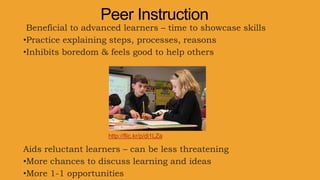
Peer Instruction
 Beneficial to advanced learners – time to showcase skills
•Practice explaining steps, processes, reasons
•Inhibits boredom & feels good to help others


                    http://flic.kr/p/di1LZa

Aids reluctant learners – can be less threatening
•More chances to discuss learning and ideas
•More 1-1 opportunities

5 effective math strategies for classroom use

  • 1.
    5 Effective Math Strategiesfor Classroom Use Kristina Bowerman – EDIM 510 http://flic.kr/p/72gX58
  • 2.
    Real-life Applications • Talkabout when and where the skill will be used • Choose examples that are meaningful to the students • Ask the students to name some more examples • Discuss jobs that use the skill http://flic.kr/p/6DPLSC
  • 3.
    Modeling & Practice • Teach by example • Outline Steps • Talk through the process and provide opportunities for your students to do the same • Include time for individual and group work http://flic.kr/p/djaFtt
  • 4.
    Technology • Videos • Games • Presentation Tools • Research • Blogs • Distance-Learning http://flic.kr/p/9DEfrS
  • 5.
    Multiple Problem-Solving Strategies • Show one way • Then another • Try it a different way – there are never too many problem-solving strategies • Ask for ideas from students • Reference skills previously covered • Reach more learners http://flic.kr/p/daEfxQ
  • 6.
    Peer Instruction Beneficialto advanced learners – time to showcase skills •Practice explaining steps, processes, reasons •Inhibits boredom & feels good to help others http://flic.kr/p/di1LZa Aids reluctant learners – can be less threatening •More chances to discuss learning and ideas •More 1-1 opportunities

Editor's Notes

  • #3 Math is always easier and more applicable when we understand how we will use the info, so be sure to share that with your students. Always base discussions around examples that appeal to kids – sports, games, shopping, etc. After you start the discussion, always allow opportunities for the students to share ideas about how they might use the skill.
  • #4 Your students pay attention to what you do, most of the time! Show your students example of you problem-solving as you self-speak through the steps, explaining your reasoning along the way. Along with good instruction, students need practice and opportunities to apply their new-found skills.
  • #5 Let’s face it, technology often makes learning more interesting, fun, and grabs your students’ attention. Make use the readily available tools that will help your students learn. Don’t get caught up in the flash of technology though – always be sure your technology choices support your curriculum, not the other way around!
  • #6 We don’t all learn the same way. Luckily, there are multiple strategies/approaches for most types of problems. Show your students multiple ways to problem-solve and allow them to choose the one that works best for them. I always have a plan to show multiple strategies during a lesson, and I can’t tell you how many times my students think of a way to solve a problem that might not have occurred to me. When your students really think about problem-solving, they can provide a plethora of ideas, so don’t forget to tap into them as extra resources!
  • #7 Think you have the perfect explanation? Sometimes your students would disagree. It’s amazing how hearing information from someone else, someone of their own age, can impact learners. There are times when all it takes is a little different explanation to make it all stick. Plus, it helps all learners, both advanced and reluctant. Sometimes students who struggle in one subject excel in another, and this strategy allows everyone to work together and shine.