Chemical Industry Digest. May 2016
Instrumentation
61
SafetyInstrumentedSystemsinEPCProjectLifecycle
Shivendra Kapoor
-
is Manager- Functional Safety with Chola MS Risk Services in Mumbai,
TÜV SÜD. He has +13 years of industry experience covering a variety of sectors like: Oil and
Gas, Mines and Minerals, Chemicals, etc. He is also a freelance writer at heart and has many
Chemical Industry Digest. May 2016
Instrumentation
E
PCs and detail engineering companies over the
-
mized engineering of various types of industrial
plants. However, with huge increases in the scale, pro-
duction capacities and complexity, high end automation
had to be introduced in plants. Even though a lot of auto-
mated safety measures are implemented, there is a long
list of catastrophic industrial disasters occurring quite fre-
quently and the numbers are ever increasing. Operating
companies are facing the heat from government, the
general public and insurance companies to improve
process safety. Accordingly, HSE studies like: HAZOP,
SIL, FERA, Vent and dispersion, Alarm Rationalization,
Human Factors, etc. have become very popular; whether
-
stallations. Some of these studies were conducted earlier
as well, but now, it is with more vigor and involvement.
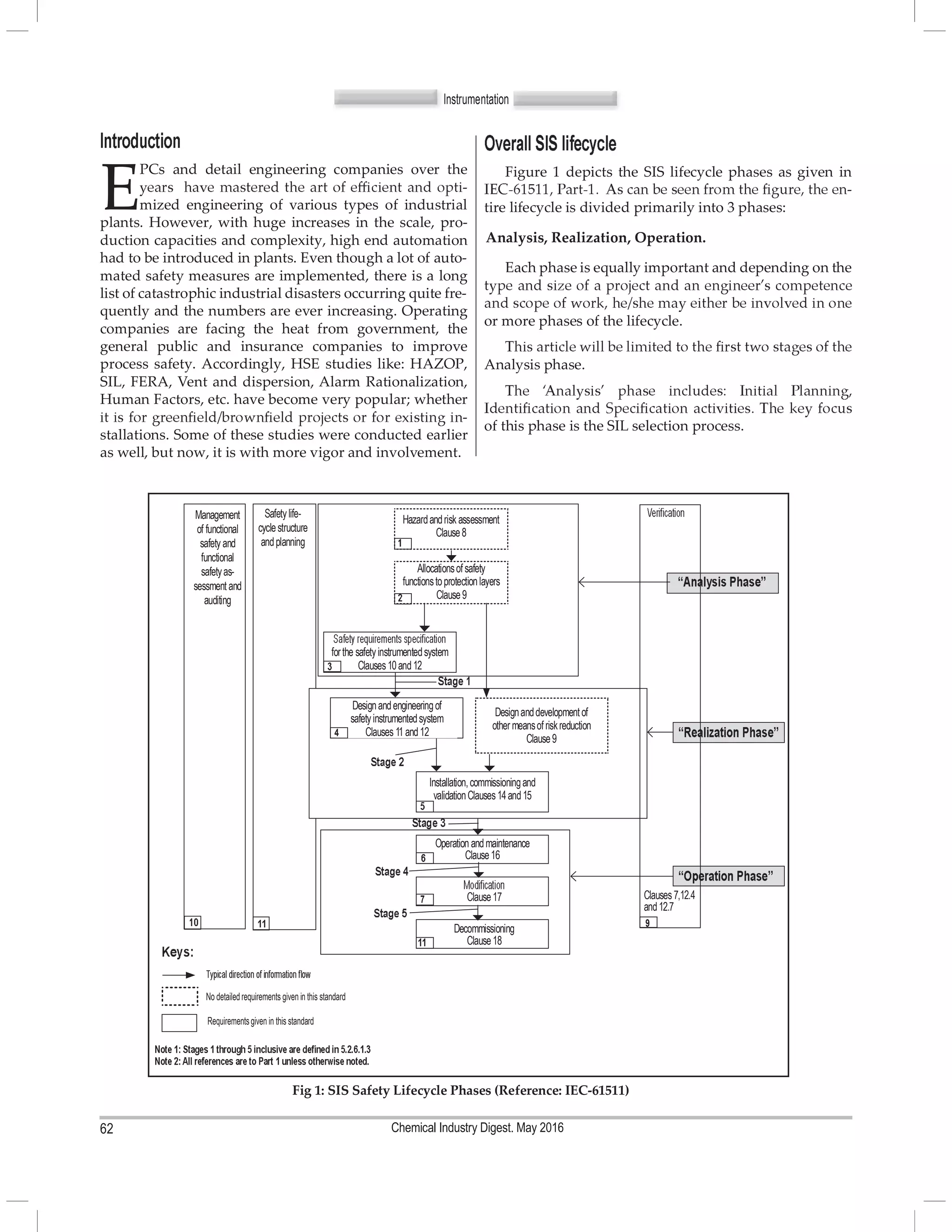
Figure 1 depicts the SIS lifecycle phases as given in
-
tire lifecycle is divided primarily into 3 phases:
Analysis, Realization, Operation.
Each phase is equally important and depending on the
or more phases of the lifecycle.
Analysis phase.
of this phase is the SIL selection process.
Fig 1: SIS Safety Lifecycle Phases (Reference: IEC-61511)
Clause5 Clause6.2 Clauses7,12.4
and12.7
No detailedrequirements given in this standard
Requirementsgiven in this standard
Management
of functional
safety and
functional
safetyas-
sessment and
auditing
Safetylife-
cyclestructure
andplanning
Hazardandrisk assessment
Clause8
Allocationsof safety
functionstoprotectionlayers
Clause9
forthe safetyinstrumentedsystem
Clauses10and12
Designandengineeringof
safety instrumented system
Clauses 11 and12
Designanddevelopmentof
other meansof riskreduction
Clause9
Installation,commissioningand
validationClauses14and15
Operation andmaintenance
Clause16
Clause17
Decommissioning
Clause18
9
7
4
62
Chemical Industry Digest. May 2016
Instrumentation
Begins with: Conceptual Process Design
Ends with:
The lifecycle begins by conceptualizing the initial de-
and purpose in terms of goals and measurable outcomes.
This is done to avoid ambiguity amongst team members
First Two Stages of the Analysis Phase:
limits of the process and equipment as well as any other
boundaries that will be addressed further during hazard
and risk analysis.
-
-
tentially occur in the operation of the process. This is usu-
-
-
-
63
Chemical Industry Digest. May 2016
Instrumentation
After the P&IDs are developed and stamped as
ready for HAZOP. HAZOPs are well understood and
incorporation of recommendations usually follows by
-
tation. These form the basic inputs for the SIL selection
study that begins after the HAZOP.
-
en to the engineering team to prepare and conduct the
HAZOP. Subsequently, adequate time shall be given to
-
evant documentation so that technically clear and precise
information is available to the SIL selection team. Failure
to do so usually results in a lot of confusion during the SIL
SIL selection study should be developed in accordance
-
pleted and then the hazards are characterized in terms of
the most popular. With all the information available and
the tolerable risks known, one can determine whether a
SIS is required to perform the SIF under consideration.
The required risk reduction will determine which SIL
should be selected for the SIF in question. The SIF if used
to reduce the risk of the process from intolerable region
to the tolerable region becomes one of the layers of pro-
tection. There could possibly be other non-SIS layers of
protection, for e.g. mechanical relief devices, alarms, etc.
that may protect against the same hazard.
The EPC personnel shall consider the following
points while planning and executing the HSE study:
-
ducting the required study including coordinating
-
-
petent and well trained to give valuable inputs during
the study; else the purpose of the study is lost
-
cle
-
64
dations in consultation with the HSE consultant
-
All of the above consume reasonable man hours and
-
ect.
The Analysis phase ends with documenting all the
input for the next phase of the lifecycle i.e. Realization
is required if the safety system is to be designed, installed
and operated.
Analysis phase of the safety lifecycle. Some of the sub-
will be covered in forthcoming articles.
It is worth reiterating that it is important to give full
adequate allocation of budget, man-hrs and trained re-
sources is given for HSE studies during planning and
is usually embraced by companies, but when it comes
strictly be avoided as once the safety lifecycle phases are
bypassed; they merely become a piece of formality and
subsequent phases of the safety lifecycle.
phase in the lifecycle, as if the team fails to identify the
correct hazards, then there will not be a need for a safety
function in place to reduce the potential risk associated
with the hazards.
IEC-61511 standard: Safety Instrumented Systems for
the process industry sector.
Safety Integrity Level Selection by Edward M. Marszal
and Eric William Scharpf.

4-SIS in EPC Project Lifecycle, May 2016

  • 1.
    Chemical Industry Digest.May 2016 Instrumentation 61 SafetyInstrumentedSystemsinEPCProjectLifecycle Shivendra Kapoor - is Manager- Functional Safety with Chola MS Risk Services in Mumbai, TÜV SÜD. He has +13 years of industry experience covering a variety of sectors like: Oil and Gas, Mines and Minerals, Chemicals, etc. He is also a freelance writer at heart and has many Chemical Industry Digest. May 2016
  • 2.
    Chemical Industry Digest.May 2016 Instrumentation E PCs and detail engineering companies over the - mized engineering of various types of industrial plants. However, with huge increases in the scale, pro- duction capacities and complexity, high end automation had to be introduced in plants. Even though a lot of auto- mated safety measures are implemented, there is a long list of catastrophic industrial disasters occurring quite fre- quently and the numbers are ever increasing. Operating companies are facing the heat from government, the general public and insurance companies to improve process safety. Accordingly, HSE studies like: HAZOP, SIL, FERA, Vent and dispersion, Alarm Rationalization, Human Factors, etc. have become very popular; whether - stallations. Some of these studies were conducted earlier as well, but now, it is with more vigor and involvement. Figure 1 depicts the SIS lifecycle phases as given in - tire lifecycle is divided primarily into 3 phases: Analysis, Realization, Operation. Each phase is equally important and depending on the or more phases of the lifecycle. Analysis phase. of this phase is the SIL selection process. Fig 1: SIS Safety Lifecycle Phases (Reference: IEC-61511) Clause5 Clause6.2 Clauses7,12.4 and12.7 No detailedrequirements given in this standard Requirementsgiven in this standard Management of functional safety and functional safetyas- sessment and auditing Safetylife- cyclestructure andplanning Hazardandrisk assessment Clause8 Allocationsof safety functionstoprotectionlayers Clause9 forthe safetyinstrumentedsystem Clauses10and12 Designandengineeringof safety instrumented system Clauses 11 and12 Designanddevelopmentof other meansof riskreduction Clause9 Installation,commissioningand validationClauses14and15 Operation andmaintenance Clause16 Clause17 Decommissioning Clause18 9 7 4 62
  • 3.
    Chemical Industry Digest.May 2016 Instrumentation Begins with: Conceptual Process Design Ends with: The lifecycle begins by conceptualizing the initial de- and purpose in terms of goals and measurable outcomes. This is done to avoid ambiguity amongst team members First Two Stages of the Analysis Phase: limits of the process and equipment as well as any other boundaries that will be addressed further during hazard and risk analysis. - - tentially occur in the operation of the process. This is usu- - - - 63
  • 4.
    Chemical Industry Digest.May 2016 Instrumentation After the P&IDs are developed and stamped as ready for HAZOP. HAZOPs are well understood and incorporation of recommendations usually follows by - tation. These form the basic inputs for the SIL selection study that begins after the HAZOP. - en to the engineering team to prepare and conduct the HAZOP. Subsequently, adequate time shall be given to - evant documentation so that technically clear and precise information is available to the SIL selection team. Failure to do so usually results in a lot of confusion during the SIL SIL selection study should be developed in accordance - pleted and then the hazards are characterized in terms of the most popular. With all the information available and the tolerable risks known, one can determine whether a SIS is required to perform the SIF under consideration. The required risk reduction will determine which SIL should be selected for the SIF in question. The SIF if used to reduce the risk of the process from intolerable region to the tolerable region becomes one of the layers of pro- tection. There could possibly be other non-SIS layers of protection, for e.g. mechanical relief devices, alarms, etc. that may protect against the same hazard. The EPC personnel shall consider the following points while planning and executing the HSE study: - ducting the required study including coordinating - - petent and well trained to give valuable inputs during the study; else the purpose of the study is lost - cle - 64 dations in consultation with the HSE consultant - All of the above consume reasonable man hours and - ect. The Analysis phase ends with documenting all the input for the next phase of the lifecycle i.e. Realization is required if the safety system is to be designed, installed and operated. Analysis phase of the safety lifecycle. Some of the sub- will be covered in forthcoming articles. It is worth reiterating that it is important to give full adequate allocation of budget, man-hrs and trained re- sources is given for HSE studies during planning and is usually embraced by companies, but when it comes strictly be avoided as once the safety lifecycle phases are bypassed; they merely become a piece of formality and subsequent phases of the safety lifecycle. phase in the lifecycle, as if the team fails to identify the correct hazards, then there will not be a need for a safety function in place to reduce the potential risk associated with the hazards. IEC-61511 standard: Safety Instrumented Systems for the process industry sector. Safety Integrity Level Selection by Edward M. Marszal and Eric William Scharpf.