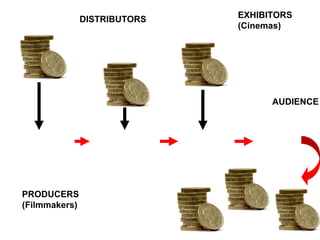
DISTRIBUTORS   EXHIBITORS
                              (Cinemas)


                                    AUDIENCE


PRODUCERS
(Filmmakers)
Yr 12 OCR Media Studies

   Film Industry:
Reaching an Audience


     Learning Objectives:

 1. To understand how the media industry
        targets audiences for films
What’s the last ad you saw for a
              film?
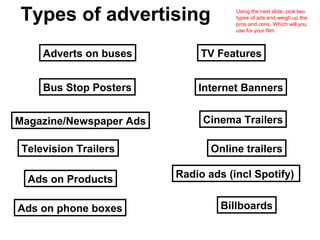
Types of advertising                 Using the next slide, pick two
                                     types of ads and weigh up the
                                     pros and cons. Which will you
                                     use for your film.


     Adverts on buses         TV Features


     Bus Stop Posters        Internet Banners


Magazine/Newspaper Ads        Cinema Trailers

 Television Trailers            Online trailers

  Ads on Products        Radio ads (incl Spotify)


Ads on phone boxes                Billboards
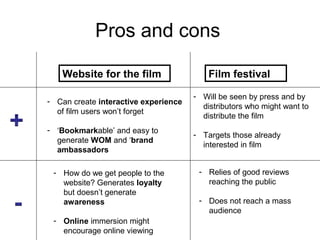
Pros and cons

   Website for the film                   Film festival

                                      - Will be seen by press and by
- Can create interactive experience
                                        distributors who might want to
  of film users won’t forget
                                        distribute the film
- ‘Bookmarkable’ and easy to
                                      - Targets those already
  generate WOM and ‘brand
                                        interested in film
  ambassadors

 - How do we get people to the         - Relies of good reviews
   website? Generates loyalty            reaching the public
   but doesn’t generate
   awareness                           - Does not reach a mass
                                         audience
 - Online immersion might
   encourage online viewing
Quick quiz
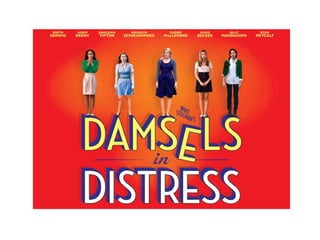
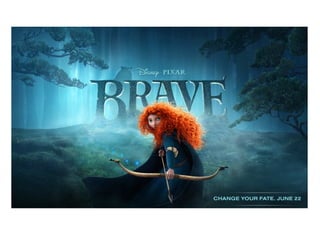
Focusing on film posters…

• What elements does a film poster use to appeal
  to an audience?
Consider and annotate effects of:
- Elements of genre
- Layout
- Use of names
- Colour
- Angles
- Fonts
- Tagline
Now duplicate the slide you’ve
              created.
This time I want you to analyse the poster
while relating to Uses and Gratifications
Theory.

•   Blumler and Katz (1974)
Surveillance (becoming aware, informed, and educated about the world around
   them)
Personal identity (shaped by relating to specific characters)
Personal relationships (enhanced by shared experience and views on ‘what
   happened’)
Diversion: that is to say, escape and entertainment
Analysing posters - media A level

Analysing posters - media A level

  • 1.
    DISTRIBUTORS EXHIBITORS (Cinemas) AUDIENCE PRODUCERS (Filmmakers)
  • 2.
    Yr 12 OCRMedia Studies Film Industry: Reaching an Audience Learning Objectives: 1. To understand how the media industry targets audiences for films
  • 3.
    What’s the lastad you saw for a film?
  • 4.
    Types of advertising Using the next slide, pick two types of ads and weigh up the pros and cons. Which will you use for your film. Adverts on buses TV Features Bus Stop Posters Internet Banners Magazine/Newspaper Ads Cinema Trailers Television Trailers Online trailers Ads on Products Radio ads (incl Spotify) Ads on phone boxes Billboards
  • 5.
    Pros and cons Website for the film Film festival - Will be seen by press and by - Can create interactive experience distributors who might want to of film users won’t forget distribute the film - ‘Bookmarkable’ and easy to - Targets those already generate WOM and ‘brand interested in film ambassadors - How do we get people to the - Relies of good reviews website? Generates loyalty reaching the public but doesn’t generate awareness - Does not reach a mass audience - Online immersion might encourage online viewing
  • 6.
  • 7.
    Focusing on filmposters… • What elements does a film poster use to appeal to an audience? Consider and annotate effects of: - Elements of genre - Layout - Use of names - Colour - Angles - Fonts - Tagline
  • 15.
    Now duplicate theslide you’ve created. This time I want you to analyse the poster while relating to Uses and Gratifications Theory. • Blumler and Katz (1974) Surveillance (becoming aware, informed, and educated about the world around them) Personal identity (shaped by relating to specific characters) Personal relationships (enhanced by shared experience and views on ‘what happened’) Diversion: that is to say, escape and entertainment