21 st  Century Learning and LOTE Karen Brooks
Blog & Web Resources http://juergenkurtz.wordpress.com/ http://foundintranslation.berkeley.edu/ http://iblood.wordpress.com/ http://columbialinguistics.wordpress.com/ http://www.psycholinguisticsarena.com/ http://ritasimsan.wordpress.com/ http://www.stanford.edu/group/CFLP/resource/resources.html   http://linguistlist.org/ http://www.international.ucla.edu/languages/nhlrc/ http://international.ucla.edu/languages/index.asp http://wordswithoutborders.org/ http://bupsychling.wordpress.com/ http://www.actfl.org/i4a/pages/index.cfm?pageid=3392
Le Book http://www.youtube.com/watch?v=4pyjRj3UMRM
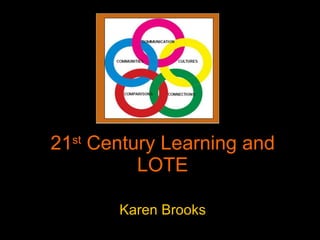
The 5 C's from  NJ’s 21 st  Century Skills Curriculum   Communication   The communication standard stresses the use of language for communication in "real life" situations. It emphasizes "what students can do with language" rather than "what they know about language." Students are asked to communicate in oral and written form, interpret oral and written messages, show cultural understanding when they communicate, and present oral and written information to various audiences for a variety of purposes.
Cultures   Cultural understanding is an important part of world languages education. Experiencing other cultures develops a better understanding and appreciation of the relationship between languages and other cultures, as well as the student's native culture. Students become better able to understand other people's points of view, ways of life, and contributions to the world.
Connections   World languages instruction must be connected with other subject areas. Content from other subject areas is integrated with world language instruction through lessons that are developed around common themes.
Comparisons   Students are encouraged to compare and contrast languages and cultures. They discover patterns, make predictions, and analyze similarities and differences across languages and cultures. Students often come to understand their native language and culture better through such comparisons.
Communities   Extending learning experiences from the world language classroom to the home and multilingual and multicultural community emphasizes living in a global society. Activities may include: field trips, use of e-mail and the World Wide Web, clubs, exchange programs and cultural activities, school-to-work opportunities, and opportunities to hear speakers of other languages in the school and classroom.
 
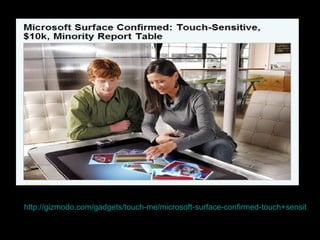
http://gizmodo.com/gadgets/touch-me/microsoft-surface-confirmed-touch+sensitive-10k-minority-report-table-264338.php
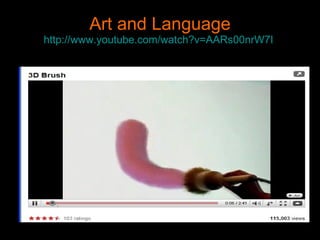
Art and Language http://www.youtube.com/watch?v=AARs00nrW7I
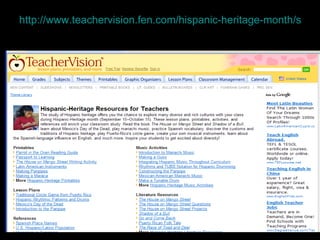
http://www.teachervision.fen.com/hispanic-heritage-month/south-america/6629.html
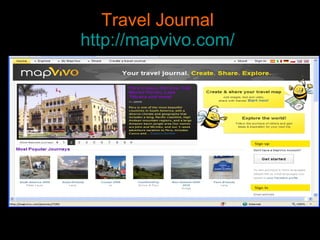
Travel Journal   http://mapvivo.com/
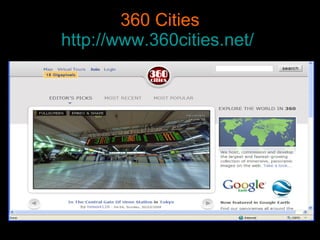
360 Cities http://www.360cities.net/
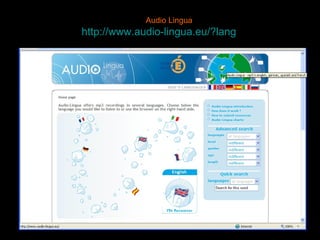
Audio Lingua http://www.audio-lingua.eu/?lang =en
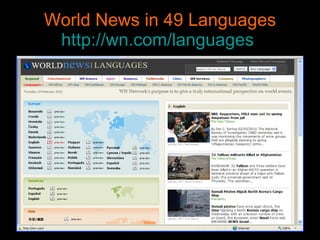
World News in 49 Languages http://wn.com/languages
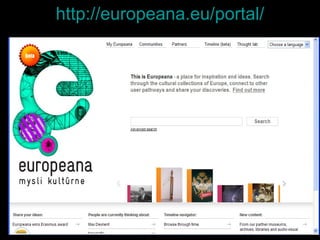
http://europeana.eu/portal/
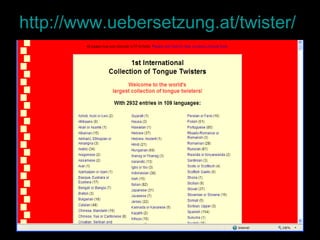
http://www.uebersetzung.at/twister/
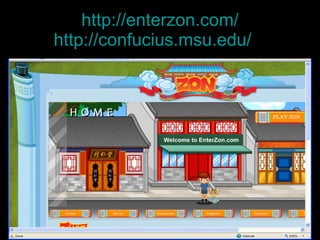
http://enterzon.com/ http://confucius.msu.edu/
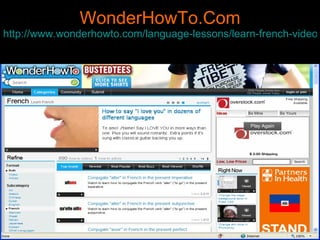
WonderHowTo.Com http://www.wonderhowto.com/language-lessons/learn-french-video/
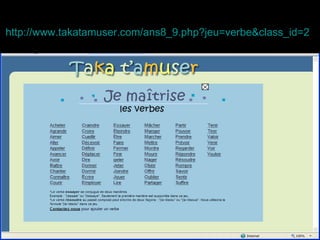
http://www.takatamuser.com/ans8_9.php?jeu=verbe&class_id=2
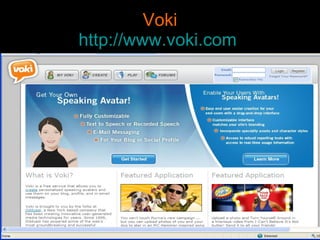
Voki http://www.voki.com
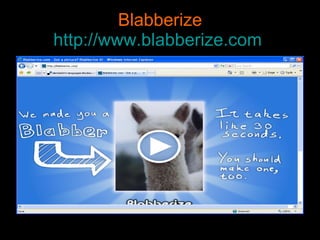
Blabberize http://www.blabberize.com
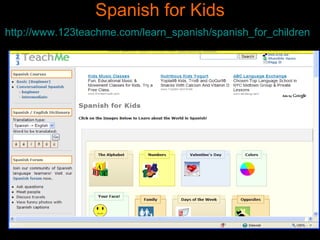
Spanish for Kids http://www.123teachme.com/learn_spanish/spanish_for_children
http://www.searchenginecolossus.com/
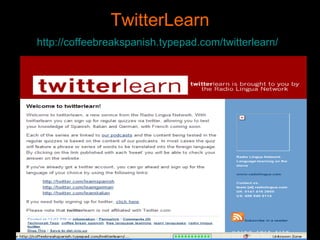
TwitterLearn http://coffeebreakspanish.typepad.com/twitterlearn/
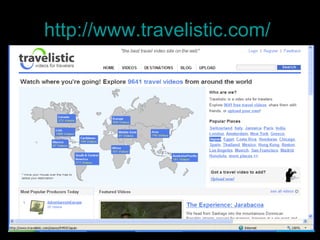
http://www.travelistic.com/
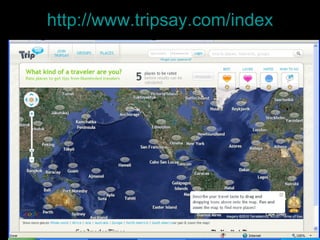
http://www.tripsay.com/index
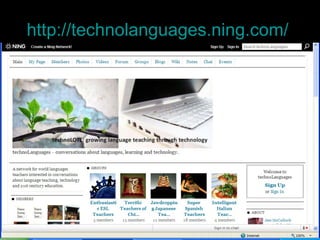
http://technolanguages.ning.com/
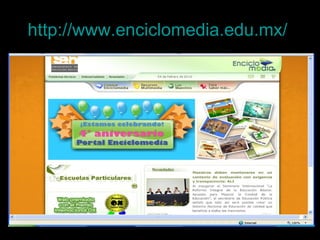
http://www.enciclomedia.edu.mx/
Karen Brooks [email_address] http://www.delicious.com/dembe01

21st Century Learning And Lote