





The Internet of Things
                                 Taking the Web to the Everyday

FINHTML5, Helsinki, 2012-01-24
`whoami`
Martin Spindler

Co-Founder & Managing Director
   Internet of People Limited
   http://internetofpeople.eu


       Strategy Consultant
Internet of Things | Smart Energy

    http://martinspindler.net
    hello@martinspindler.net
        twitter.com/mjays
Martin Spindler

Co-Founder & Managing Director
   Internet of People Limited
   http://internetofpeople.eu


       Strategy Consultant
Internet of Things | Smart Energy

    http://martinspindler.net
    hello@martinspindler.net
        twitter.com/mjays
I
My first job at Uni
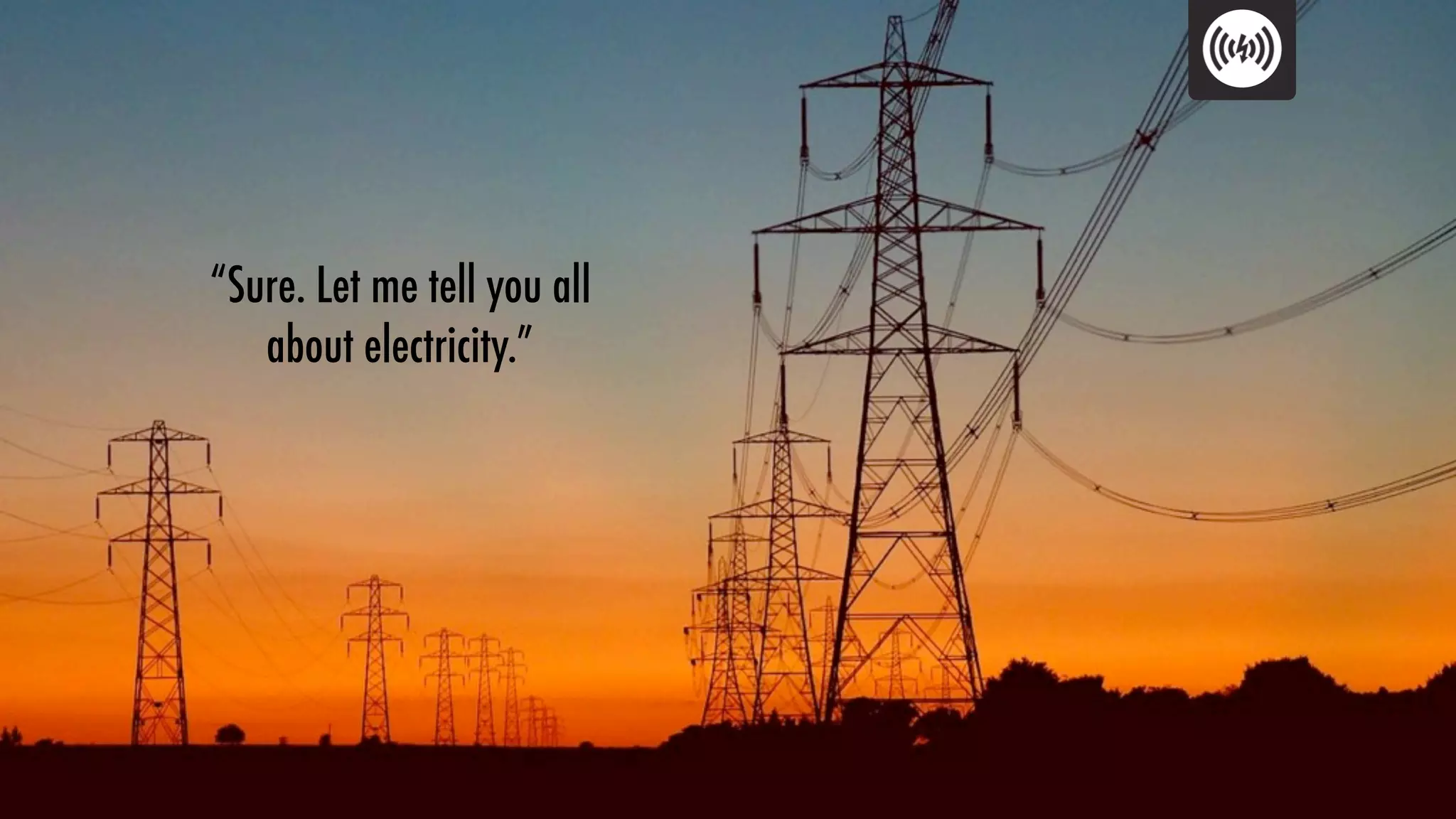
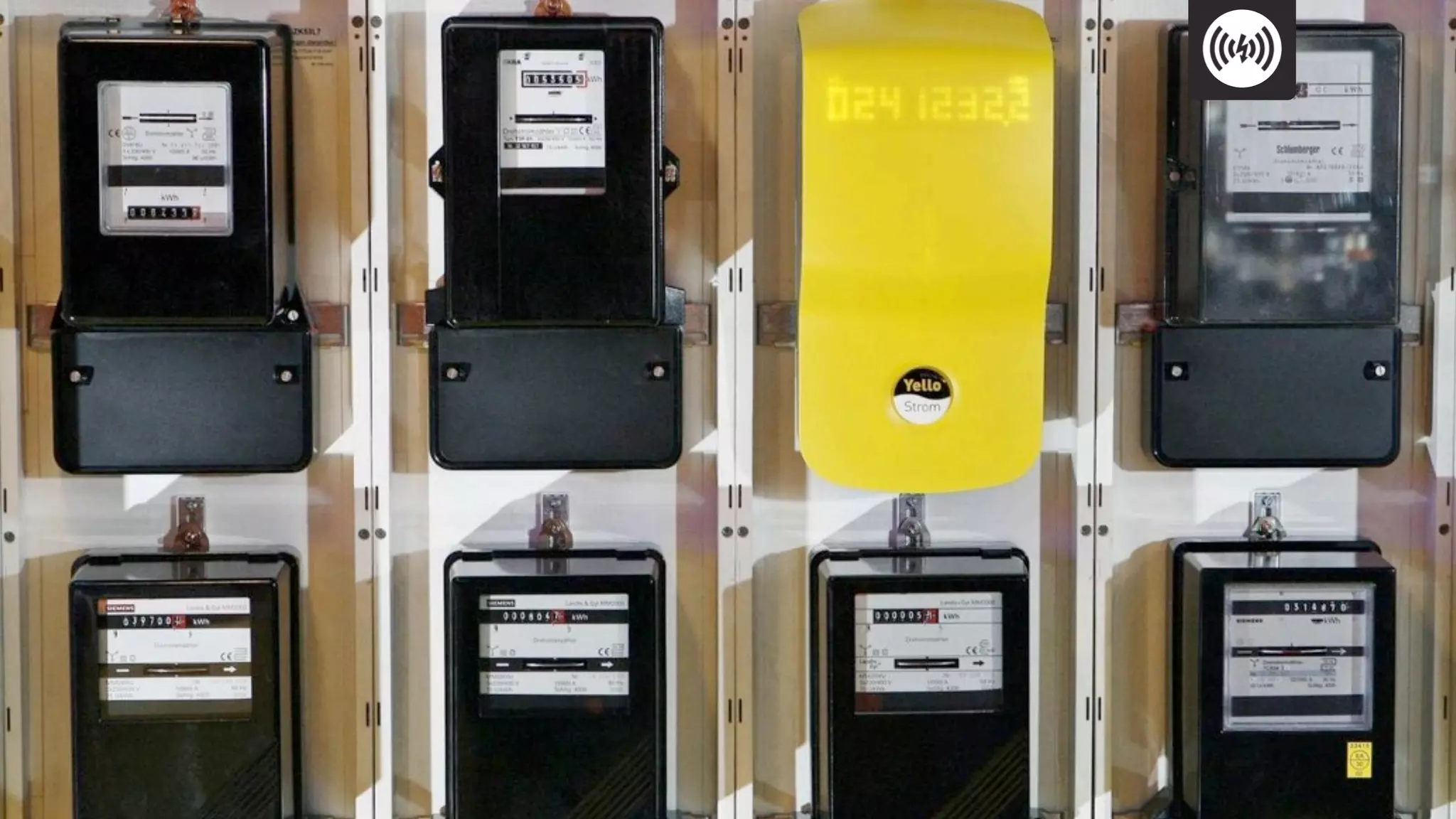
“Sure. Let me tell you all
   about electricity.”
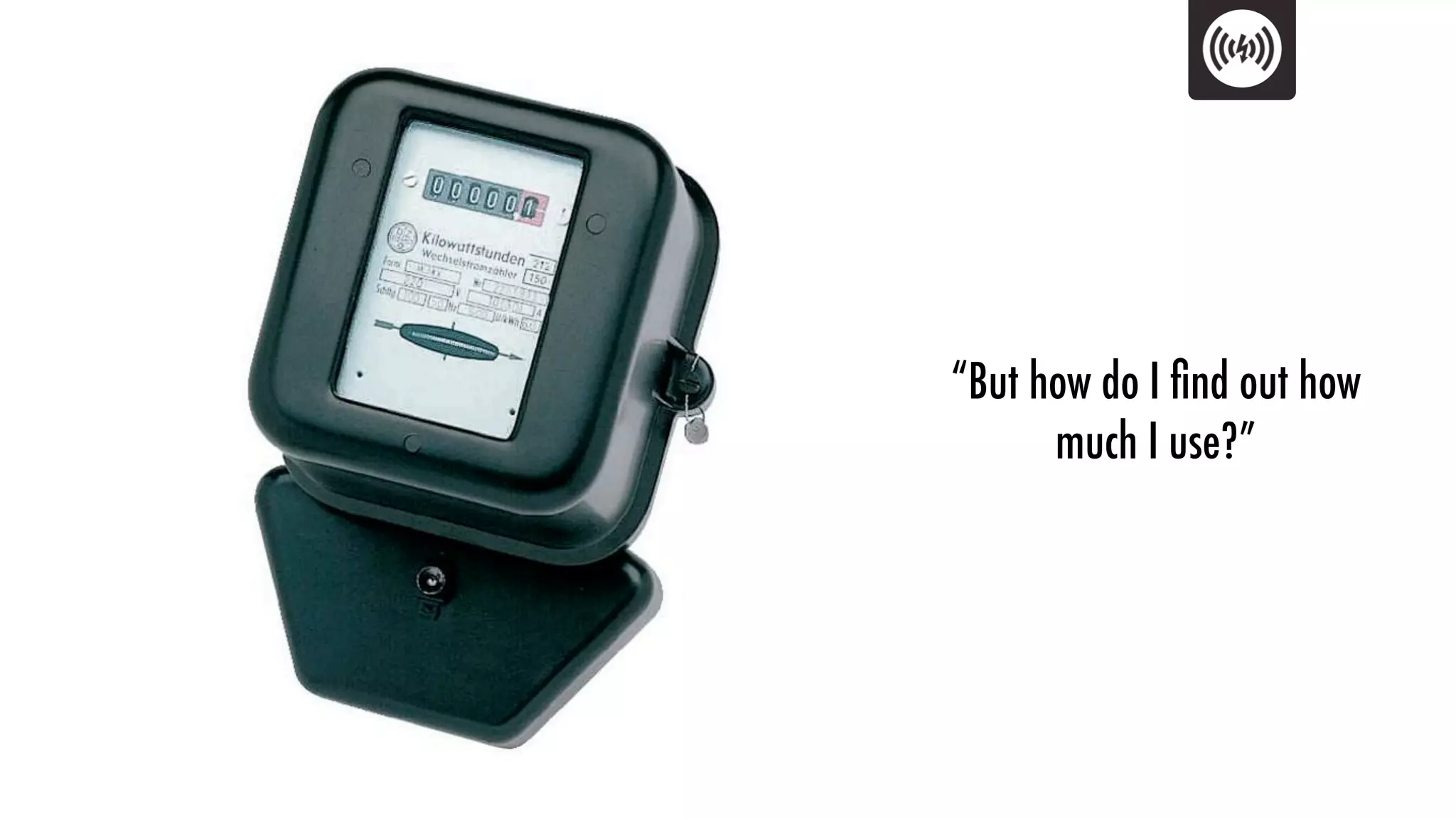
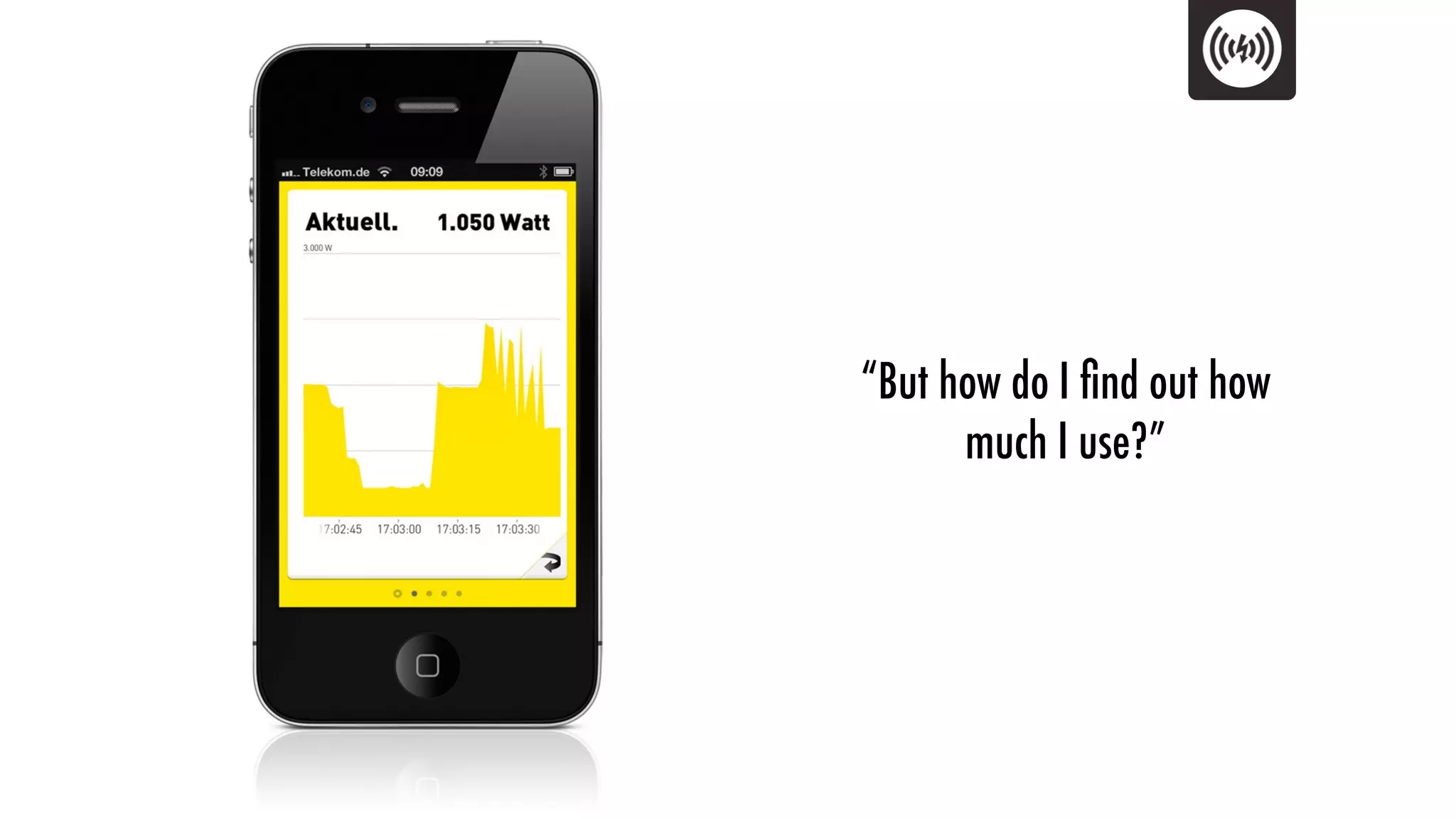
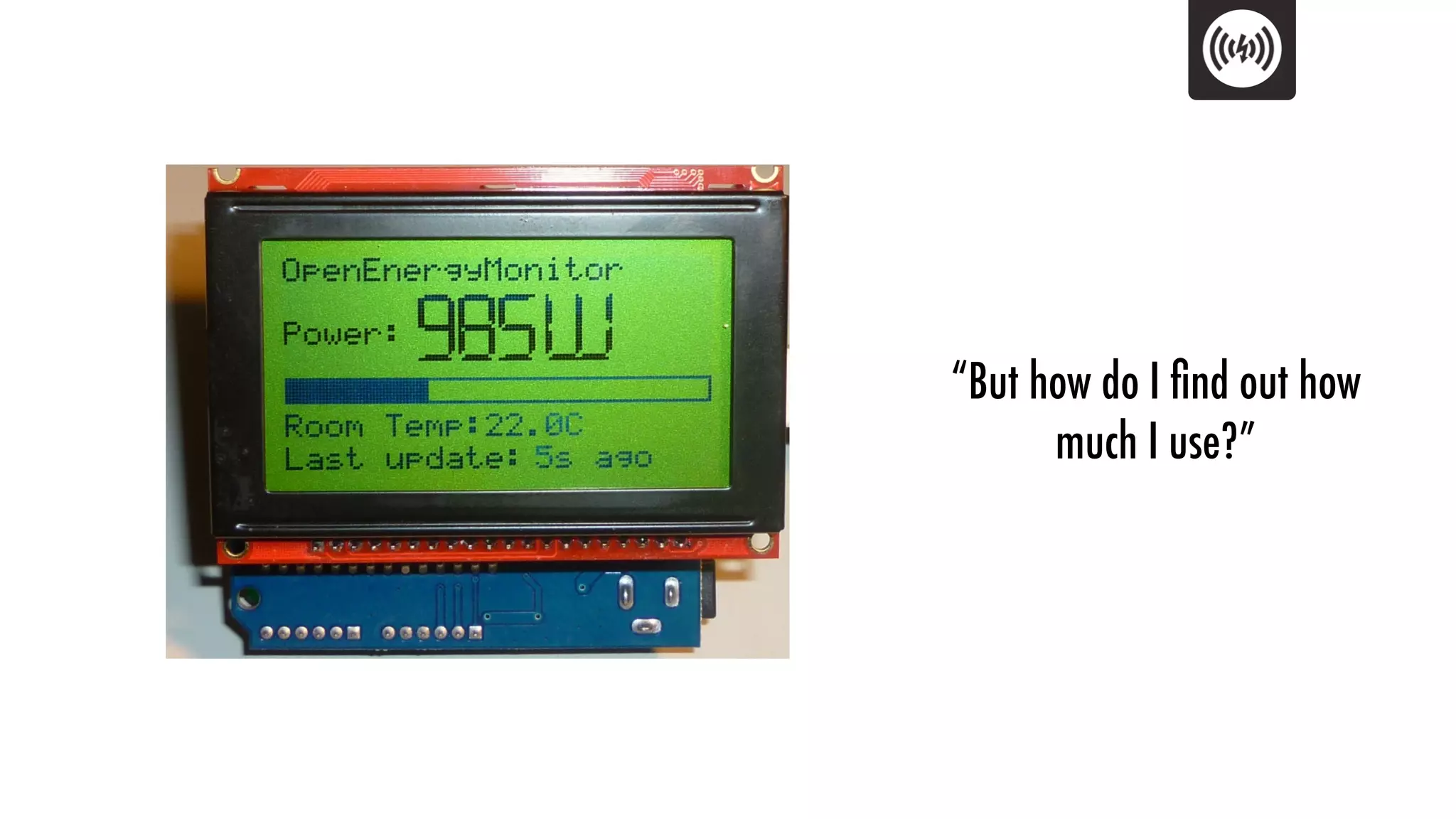
“But how do I find out how
      much I use?”
About at the same time…
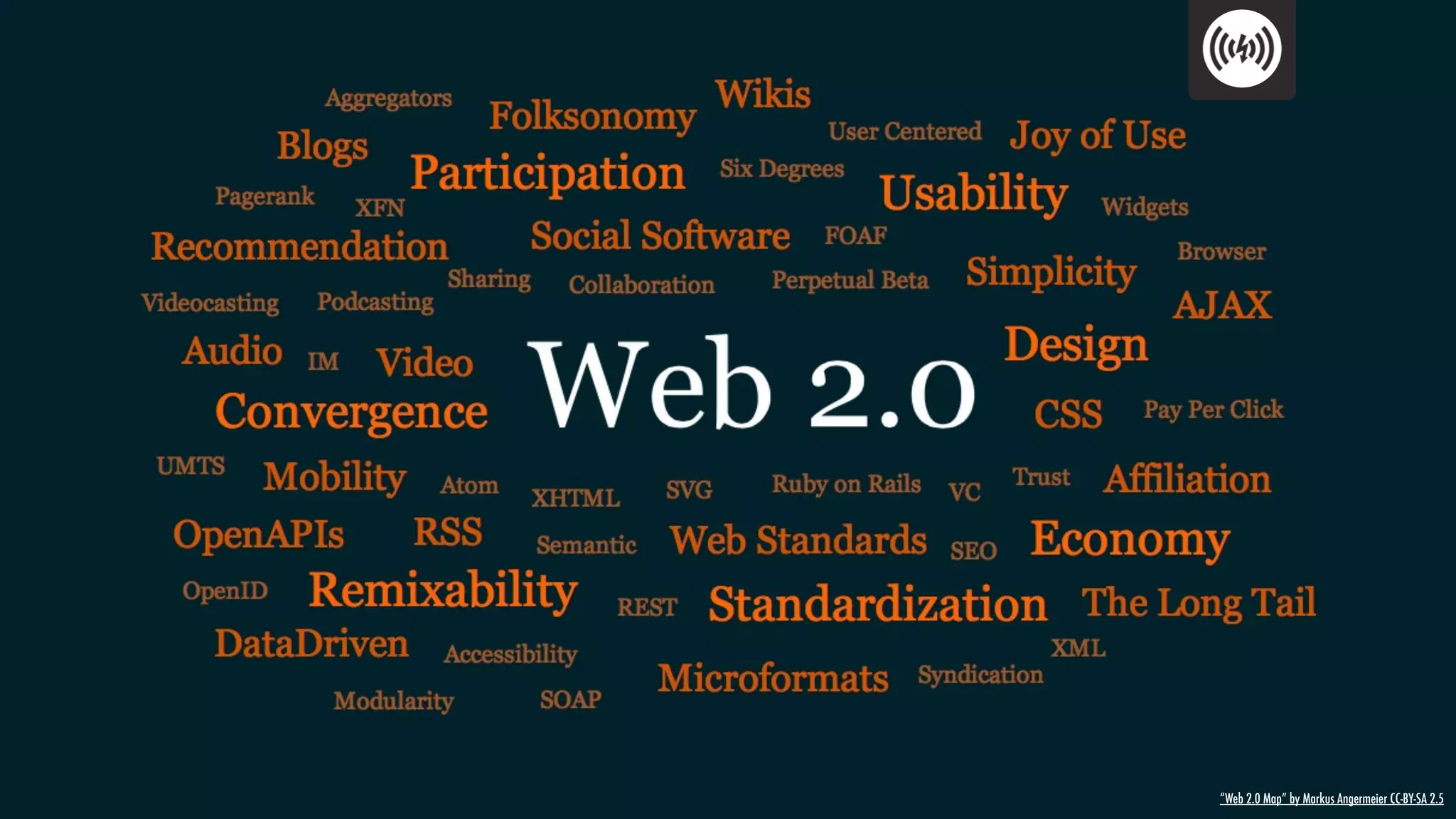
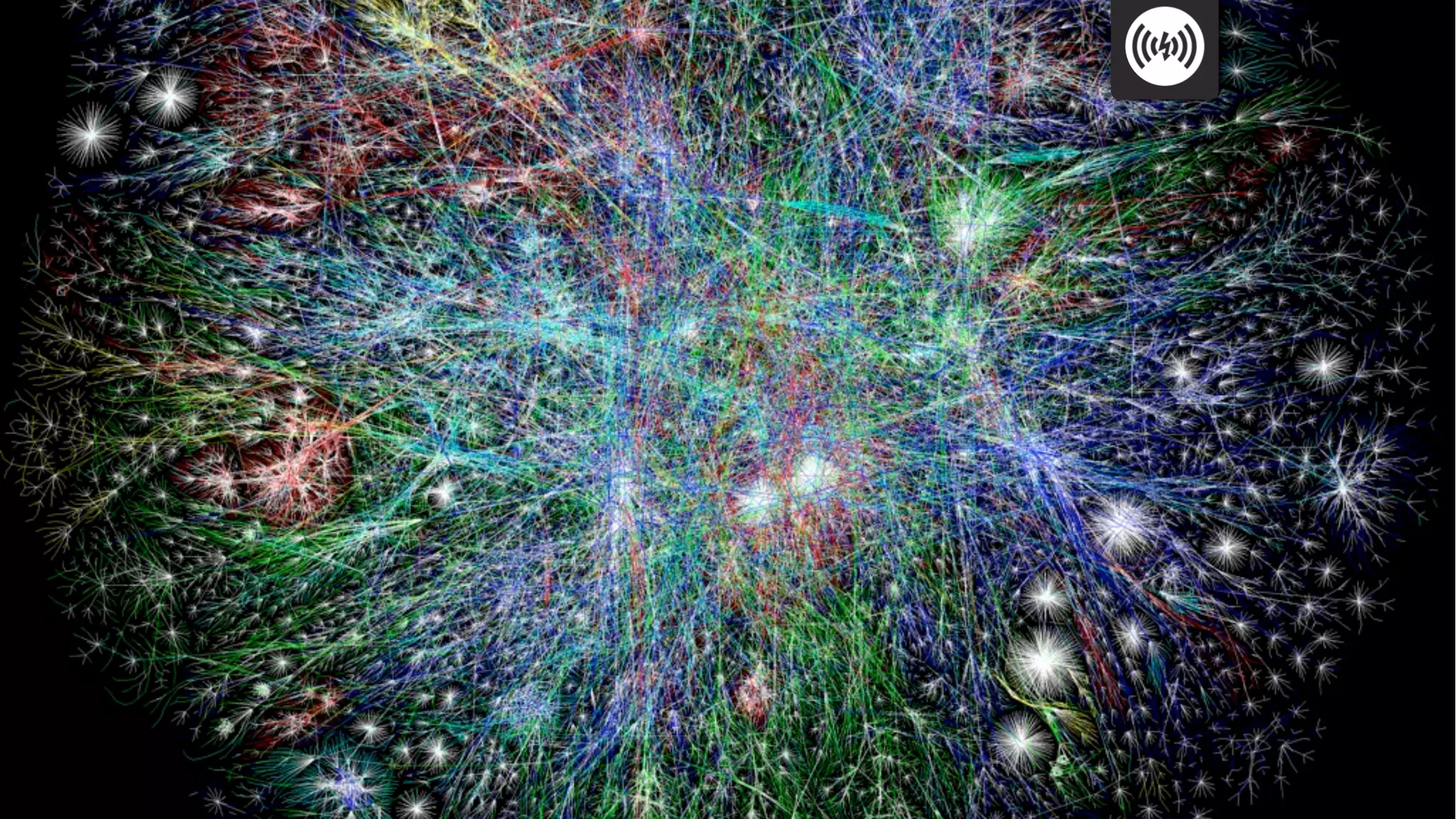
“Web 2.0 Map” by Markus Angermeier CC-BY-SA 2.5
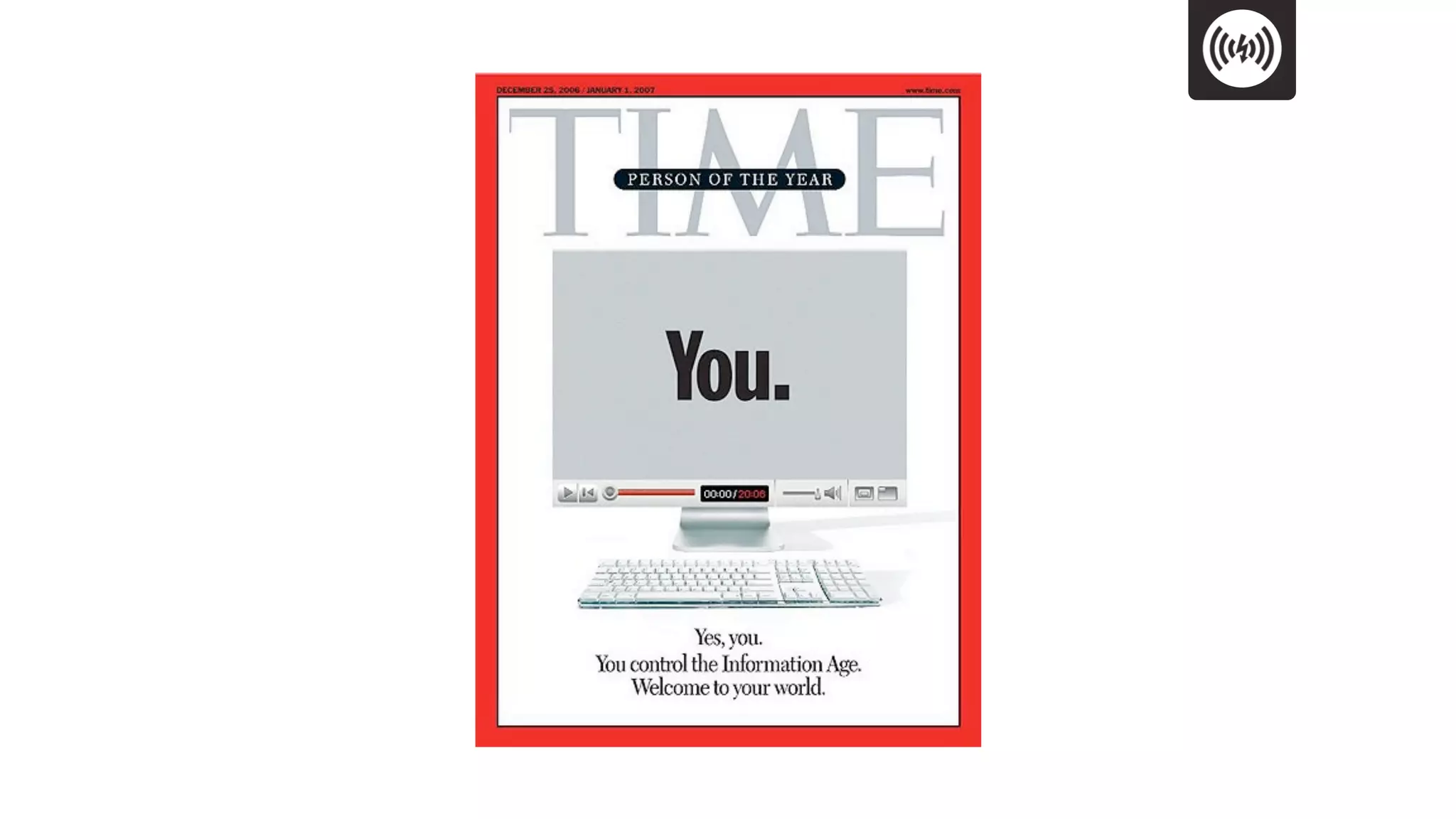
“Web 2.0!”

“User Generated Content!”

      “Prosumer!”
“Prosumer?”
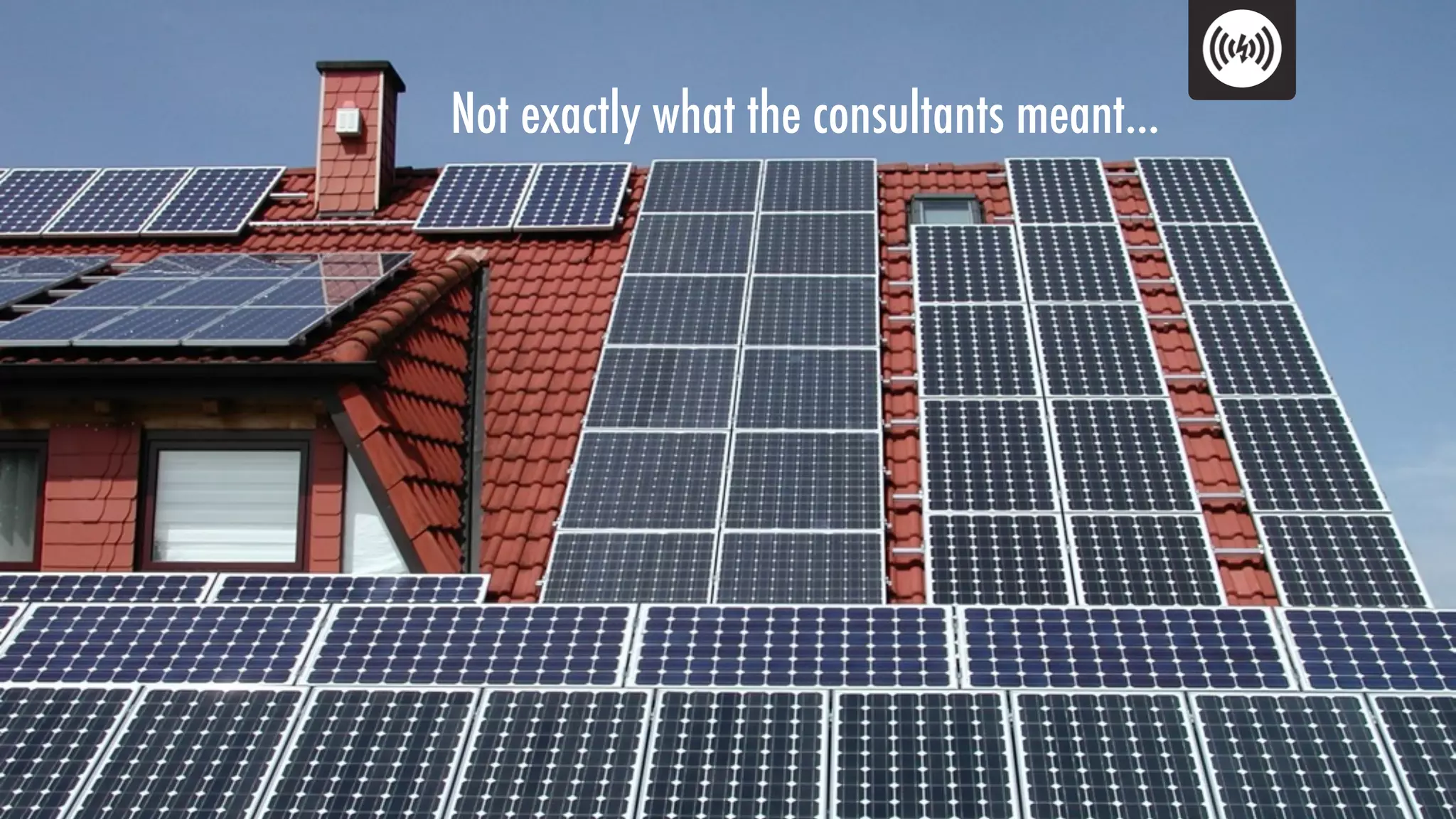
Not exactly what the consultants meant…
“But how do I find out how
      much I use?”
“But how do I find out how
      much I use?”
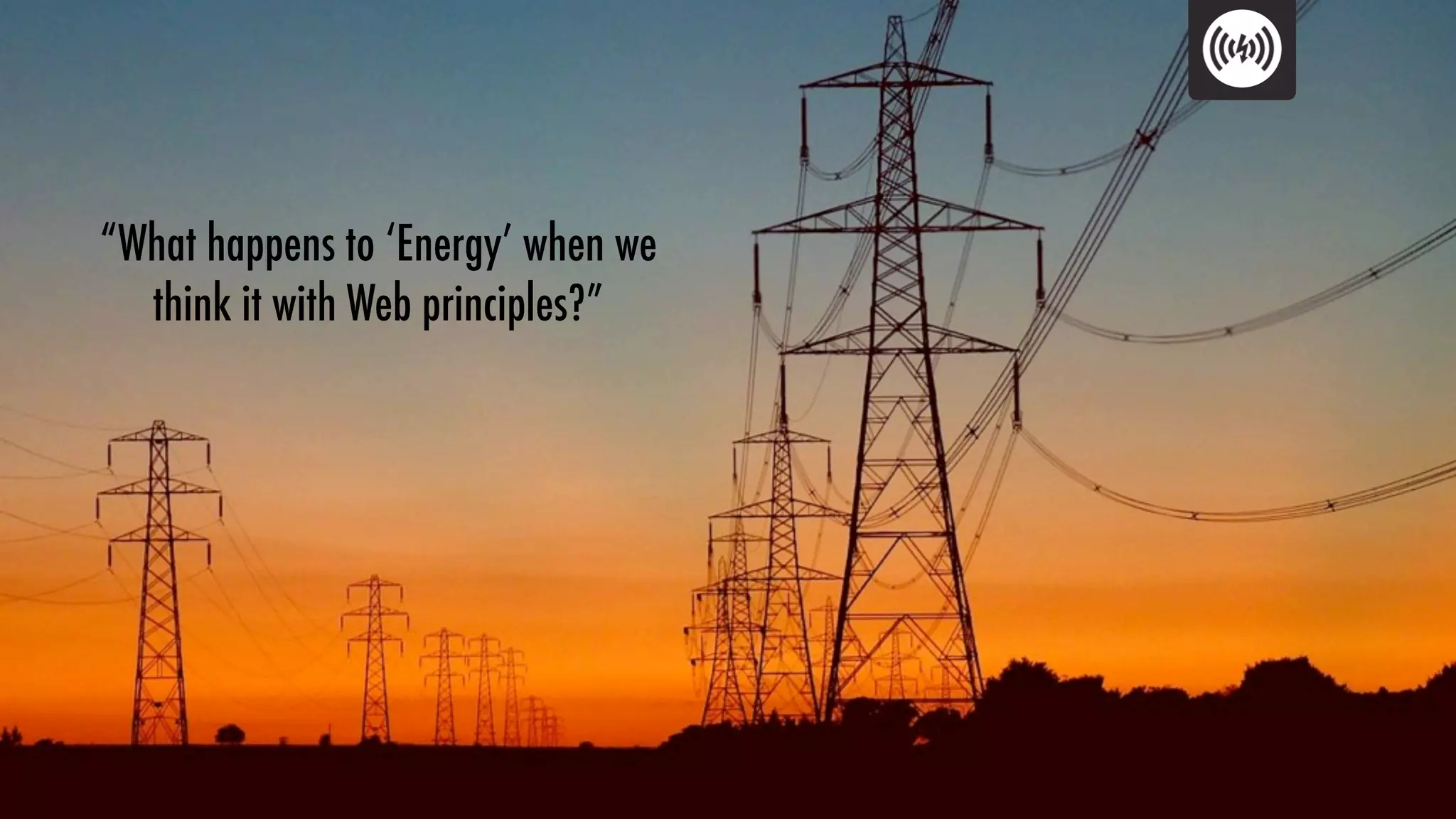
“What happens to ‘Energy’ when we
  think it with Web principles?”
Impact of
cat pictures
on the
environment?
Web 2.0 = “The Read-Write Web”
Smart Grid = “The Read-Write Grid”
II
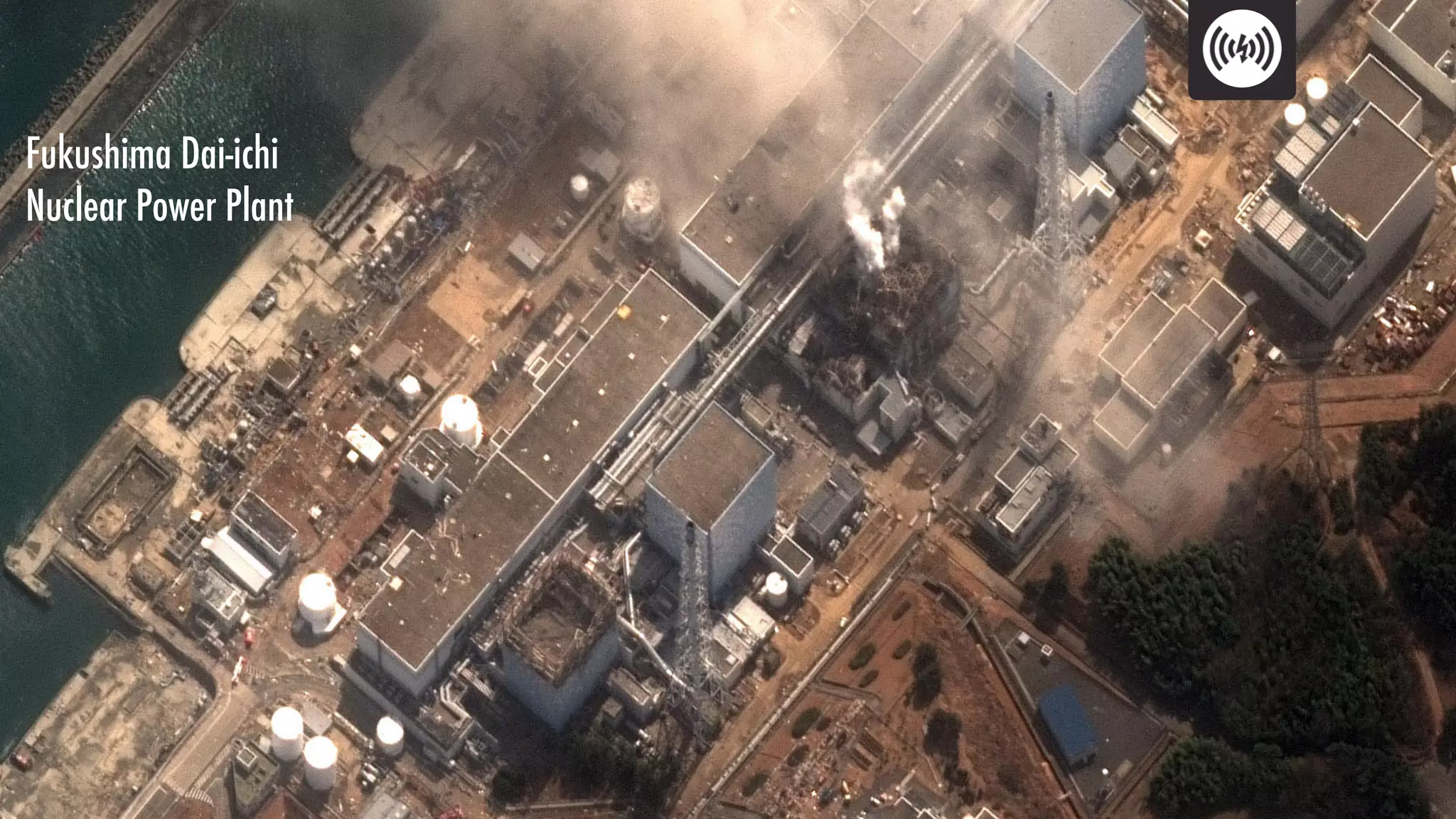
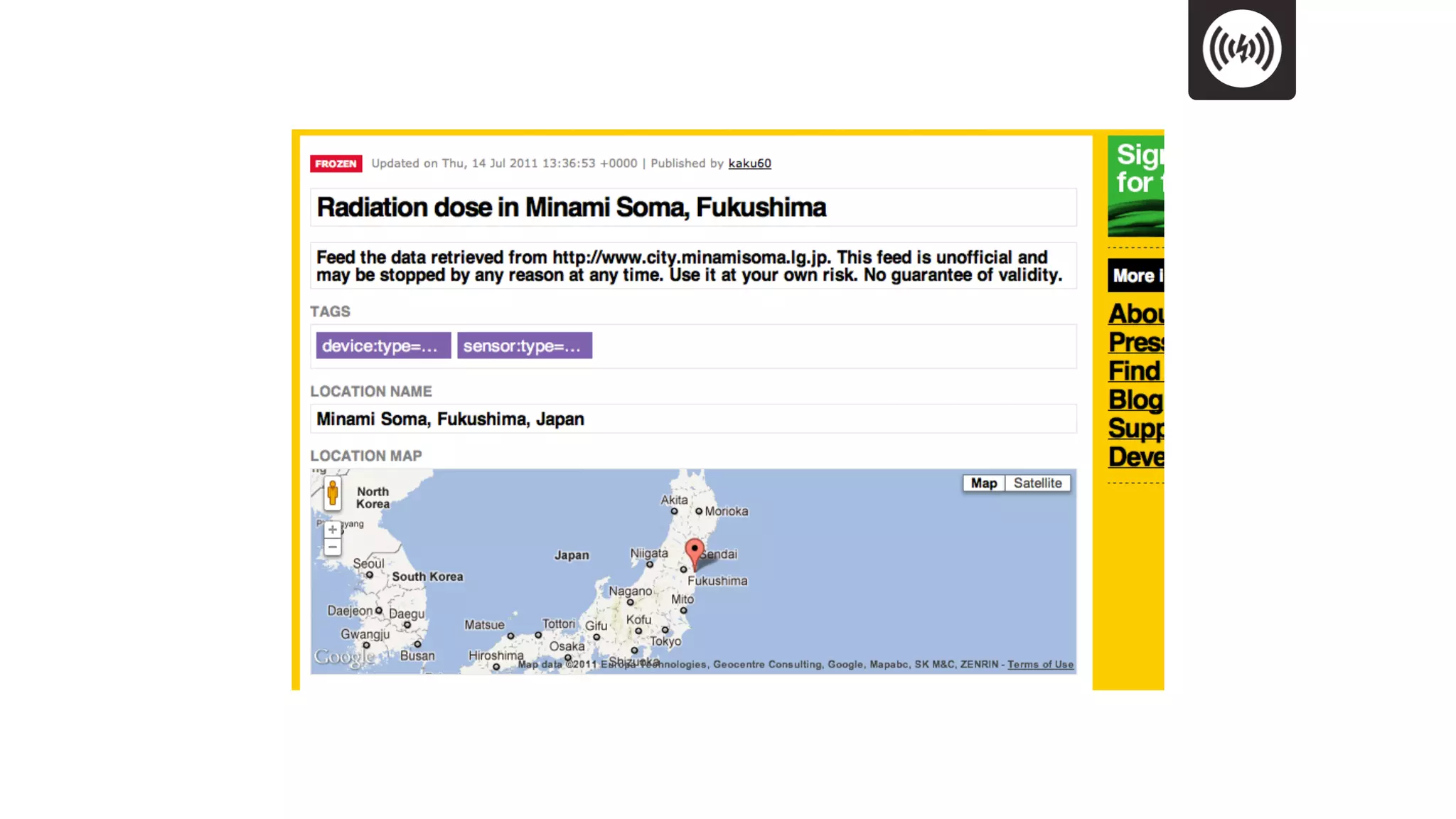
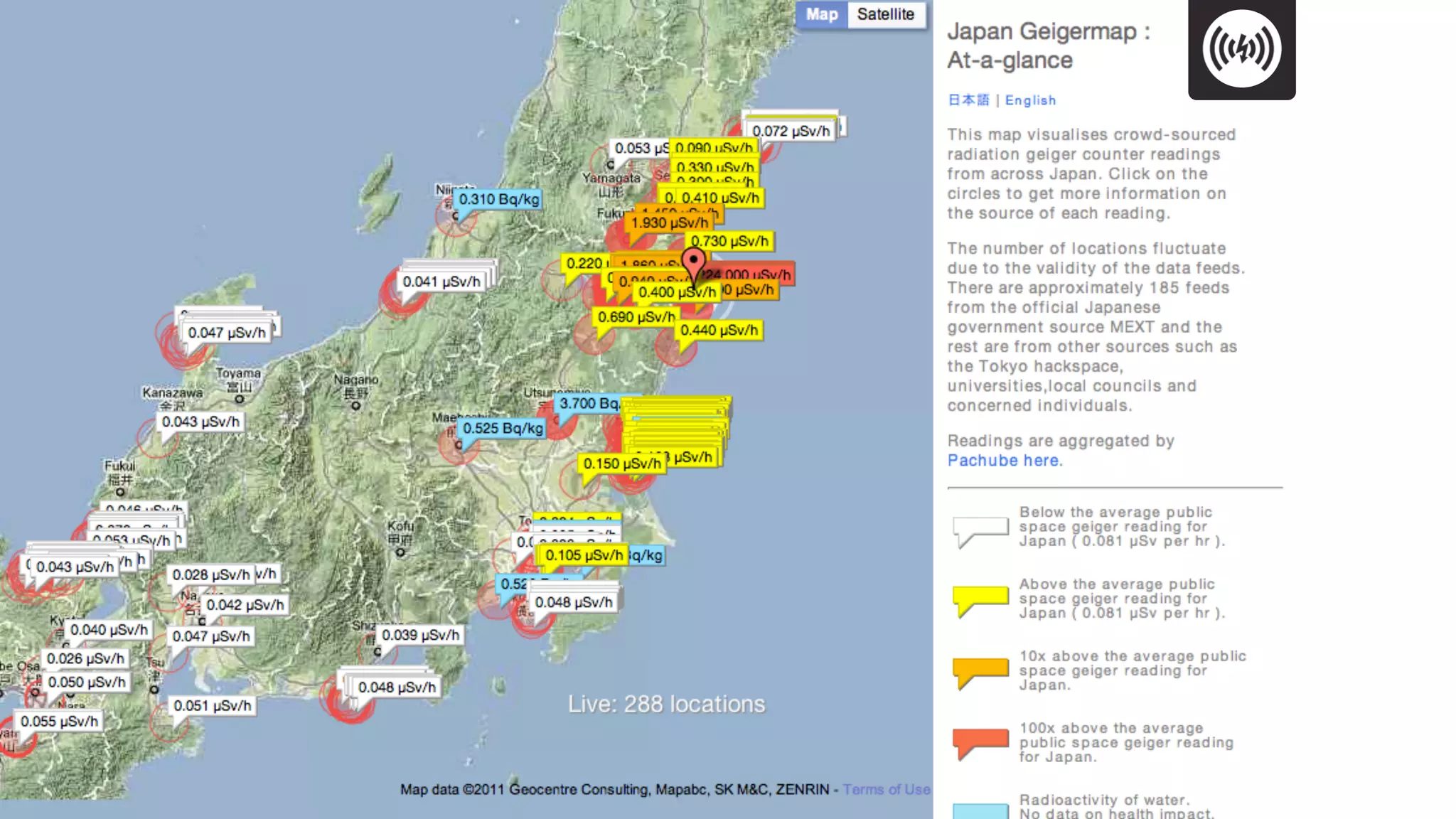
Fukushima Dai-ichi
Nuclear Power Plant
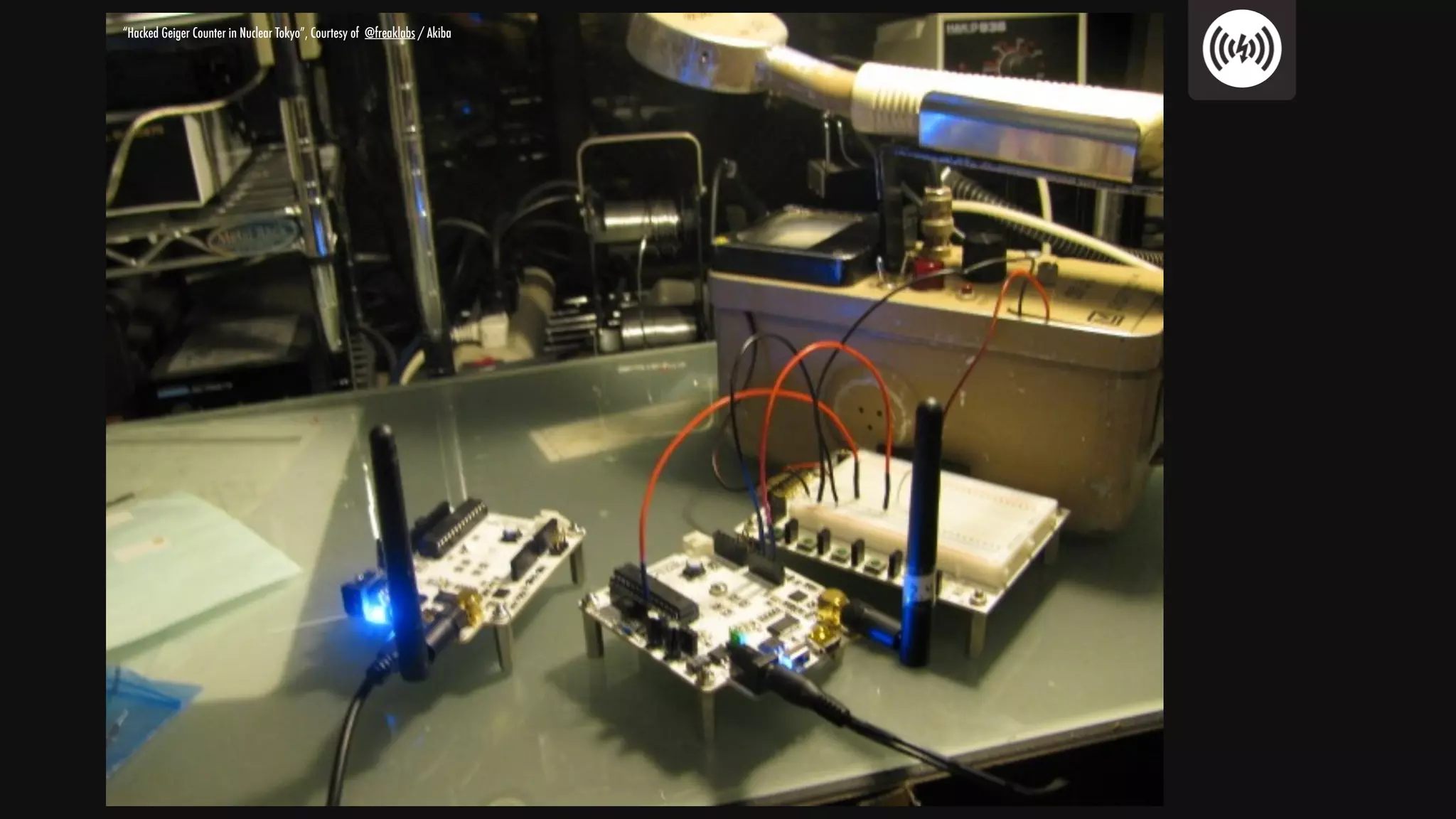
“Hacked Geiger Counter in Nuclear Tokyo”, Courtesy of @freaklabs / Akiba
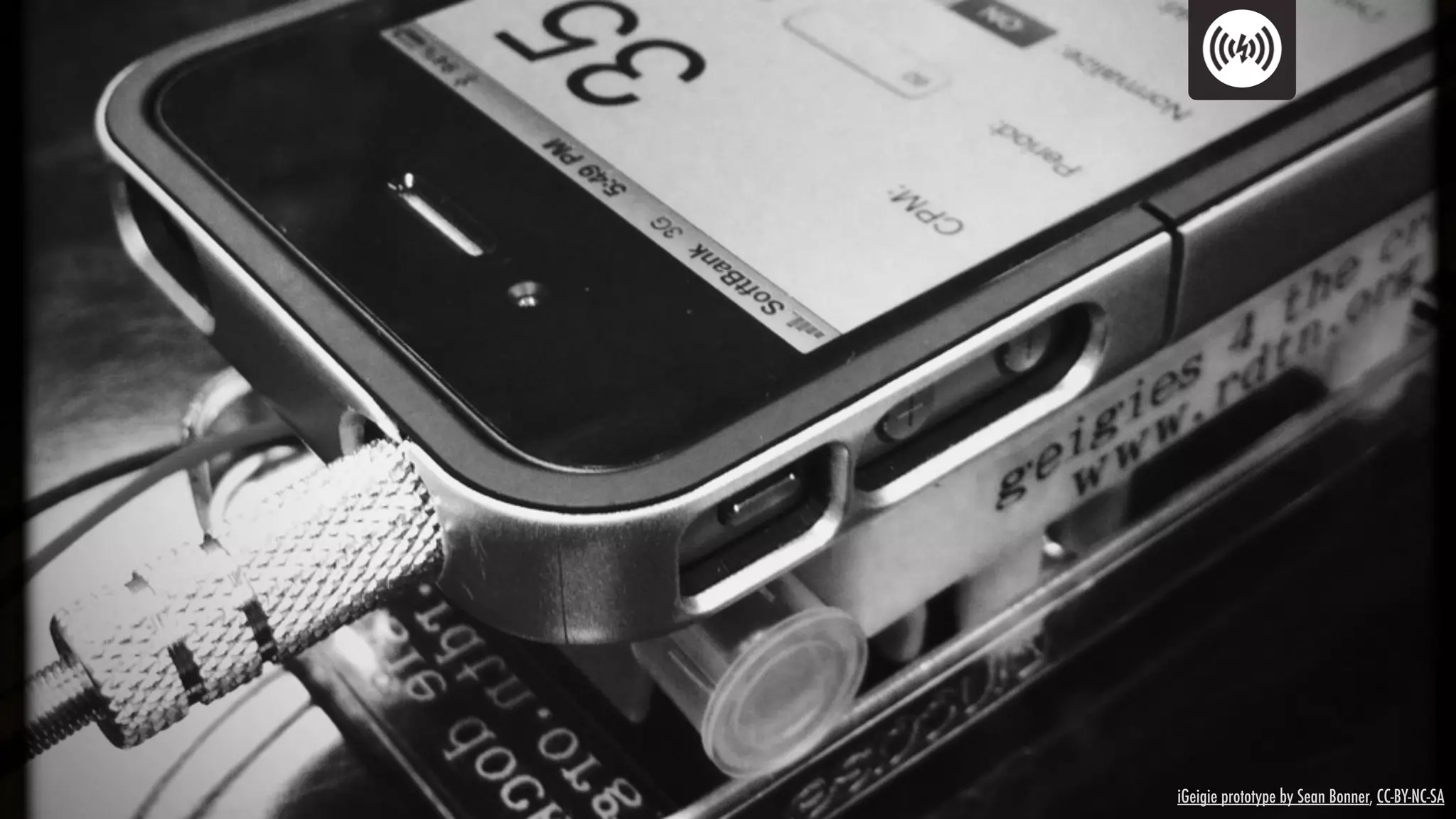
iGeigie prototype by Sean Bonner, CC-BY-NC-SA
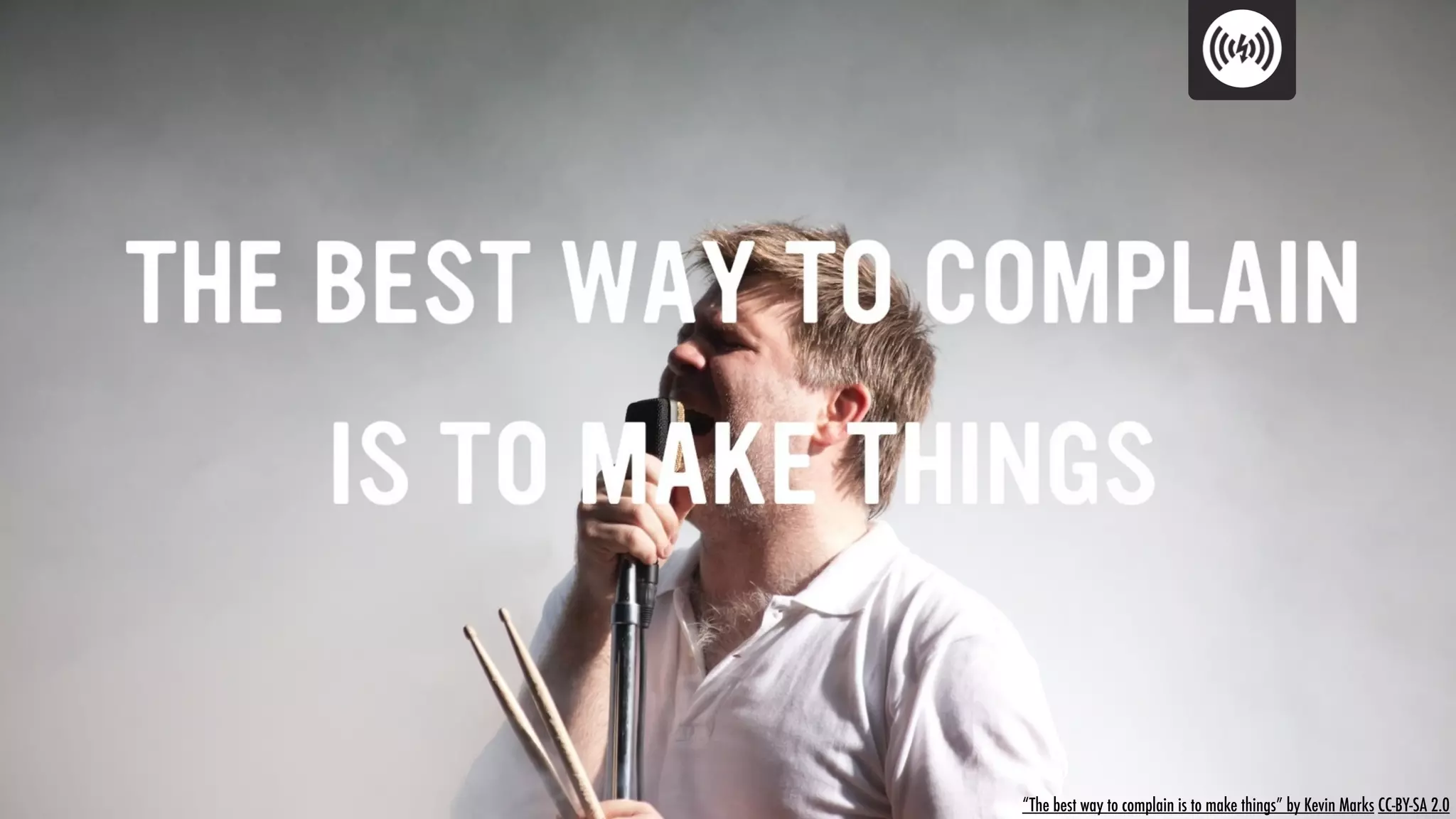
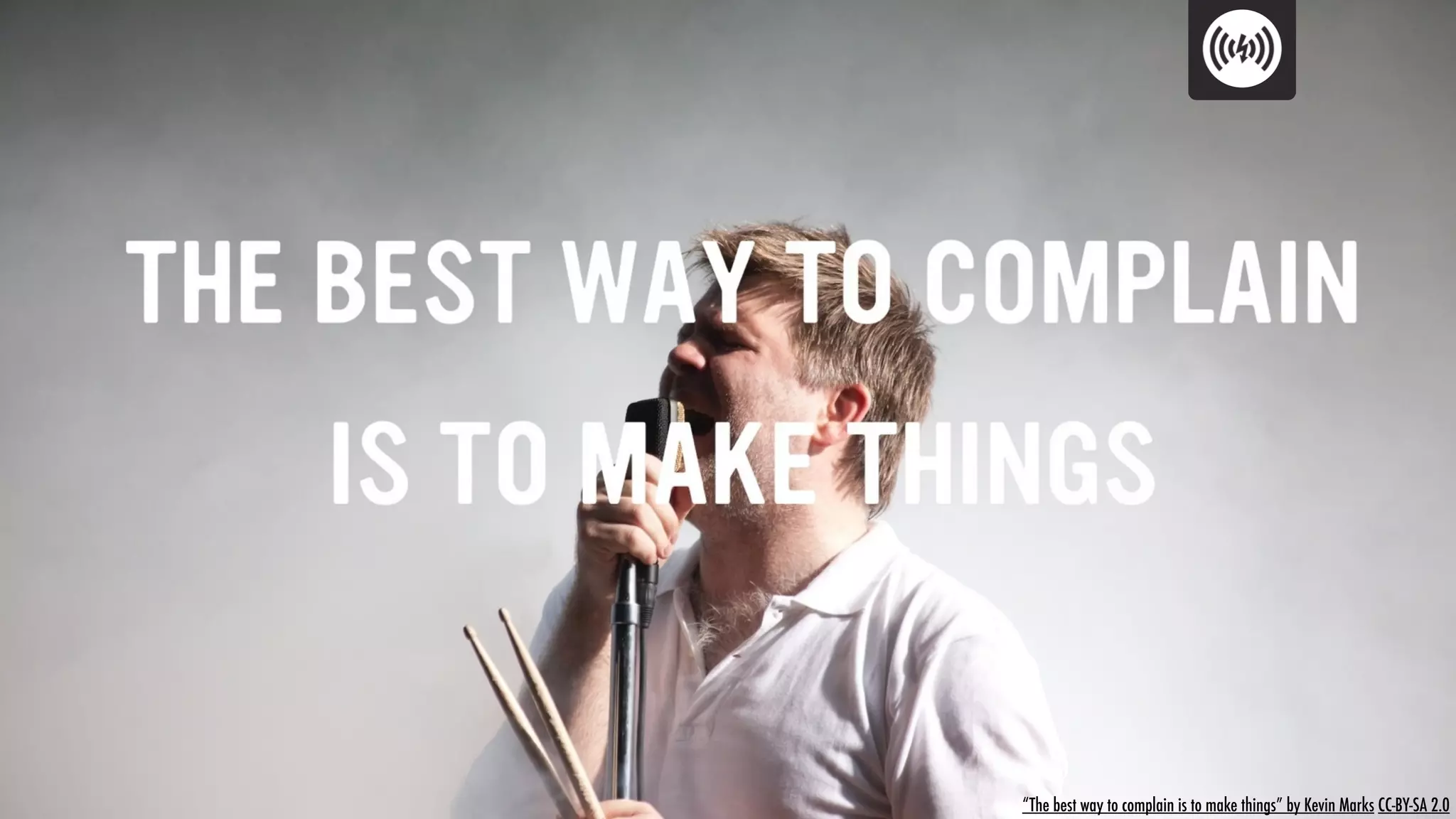
“The best way to complain is to make things” by Kevin Marks CC-BY-SA 2.0
“To read a book people will turn to
their phones. But the web is where
     they will go to complain.”
                           — Paul Ford, ftrain.com
III
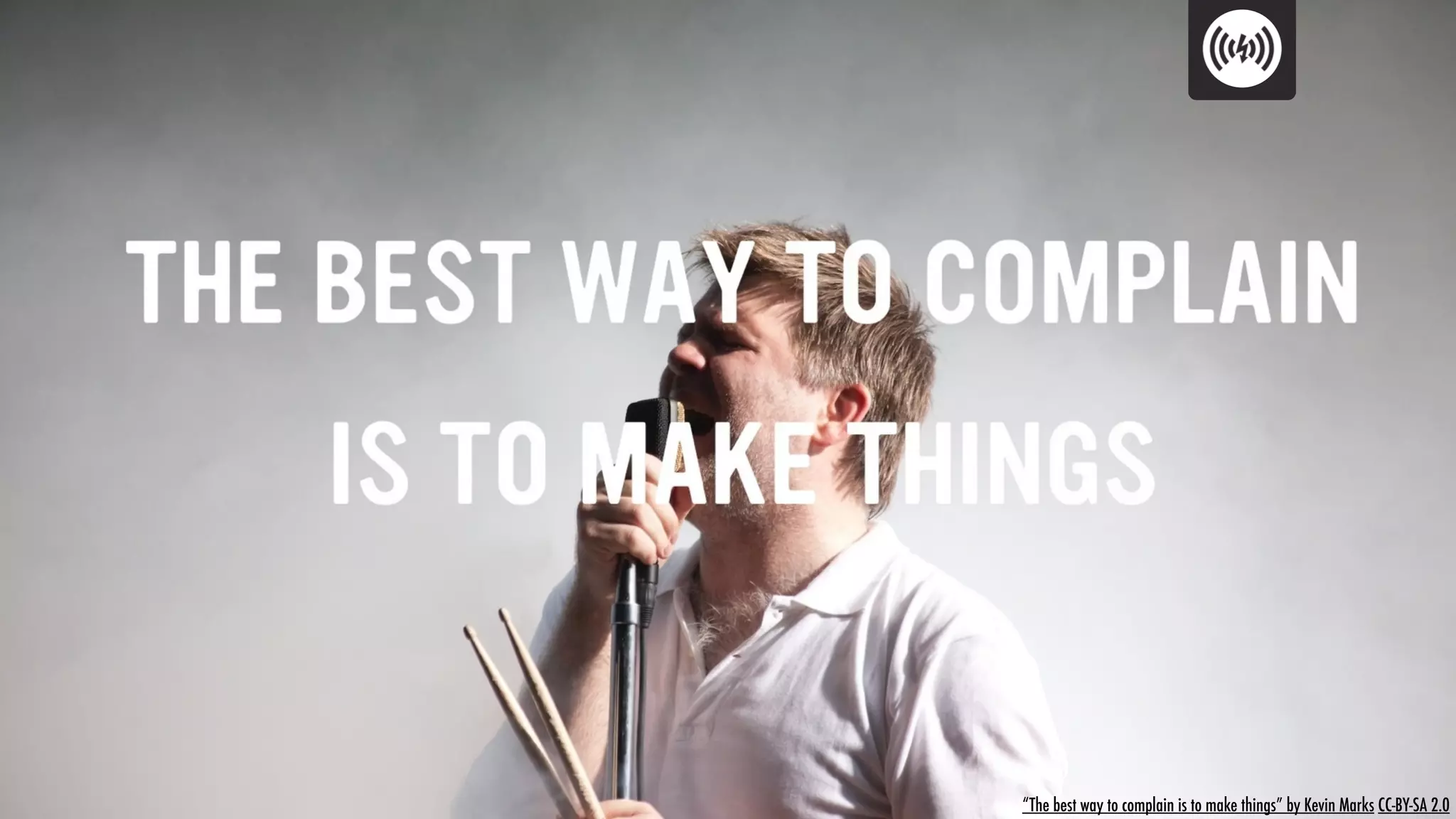
“The best way to complain is to make things” by Kevin Marks CC-BY-SA 2.0
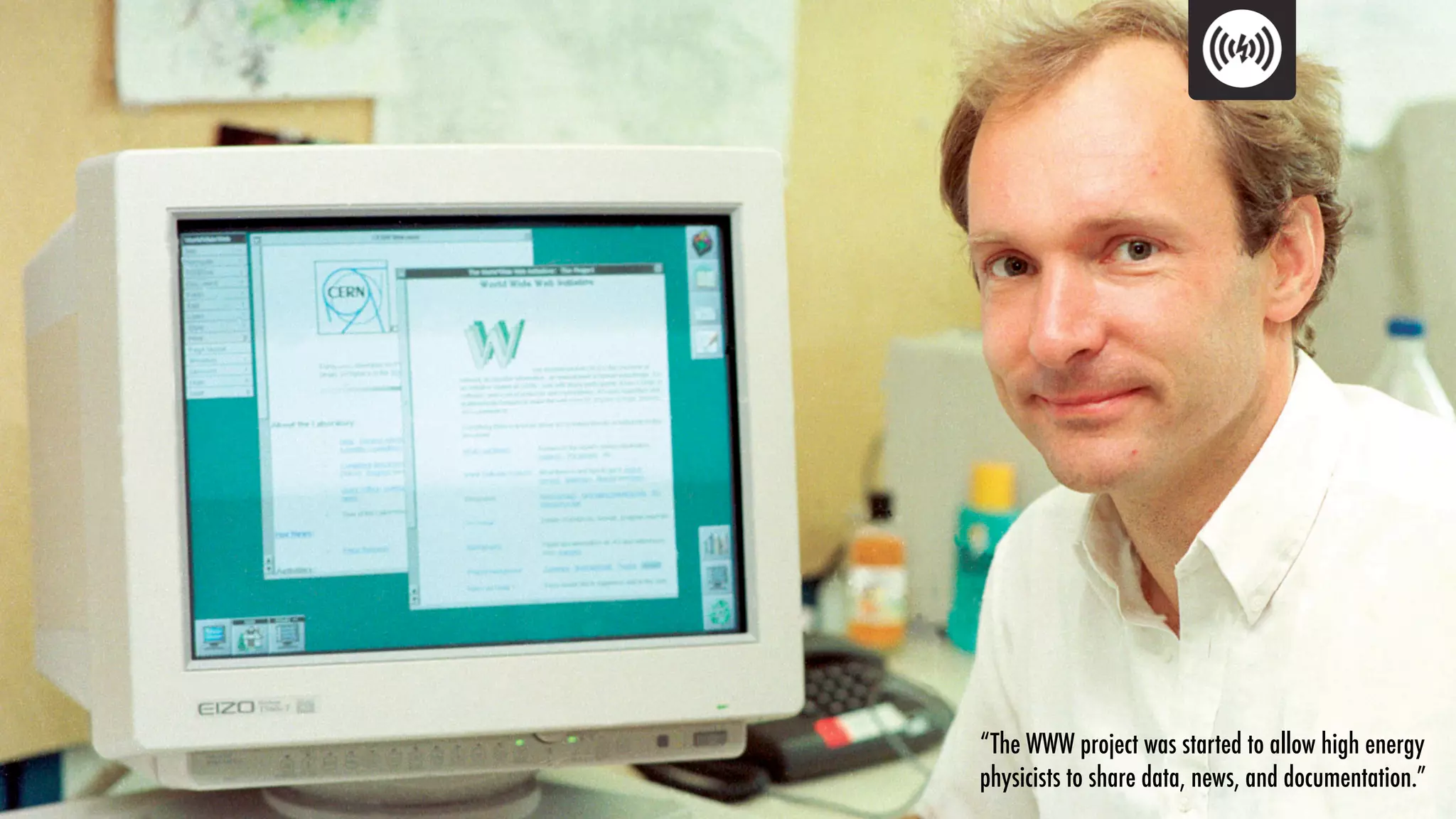
“The WWW project was started to allow high energy
physicists to share data, news, and documentation.”
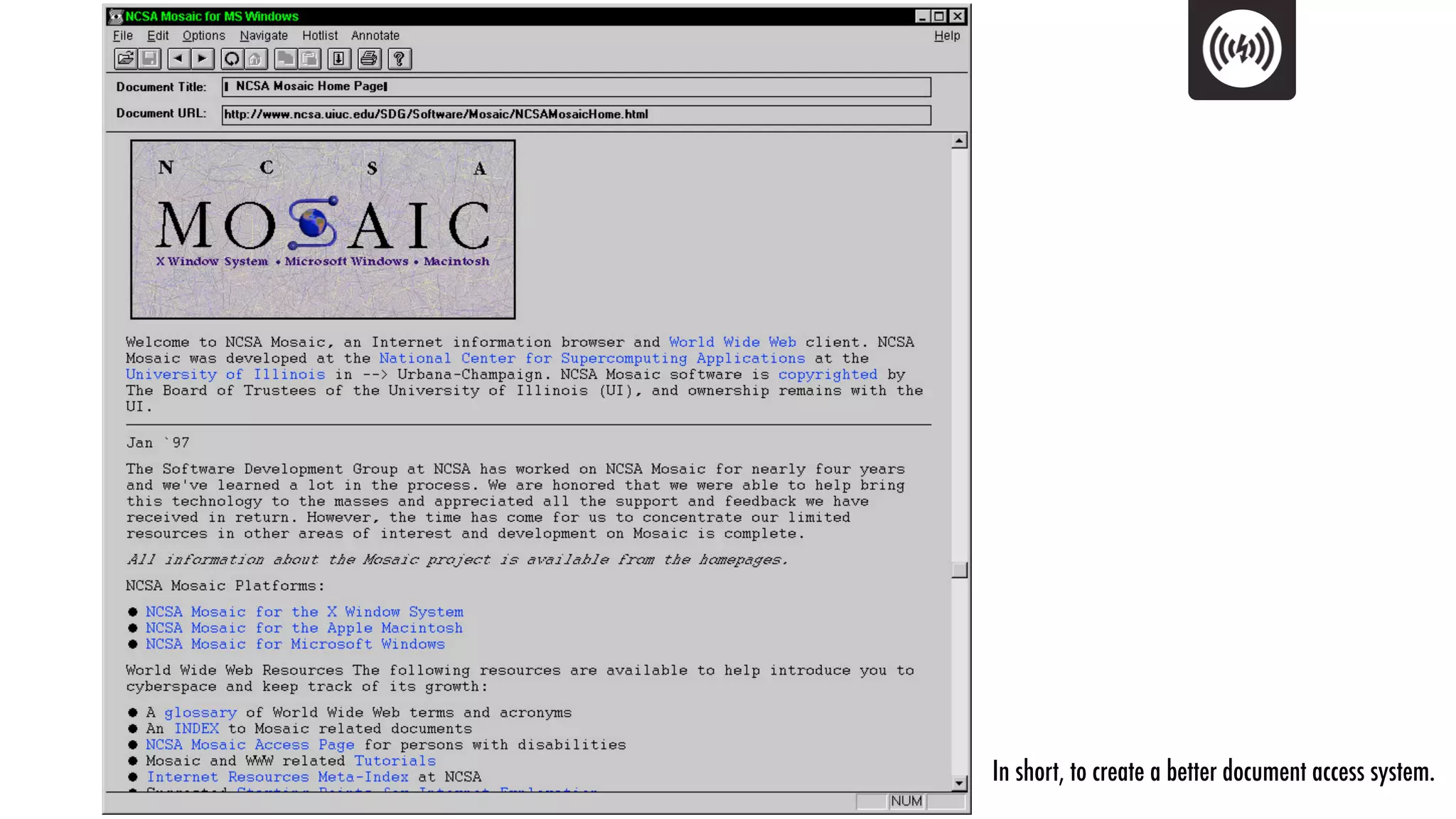
In short, to create a better document access system.
“Social!”
“Mobile!”
 “Local!”
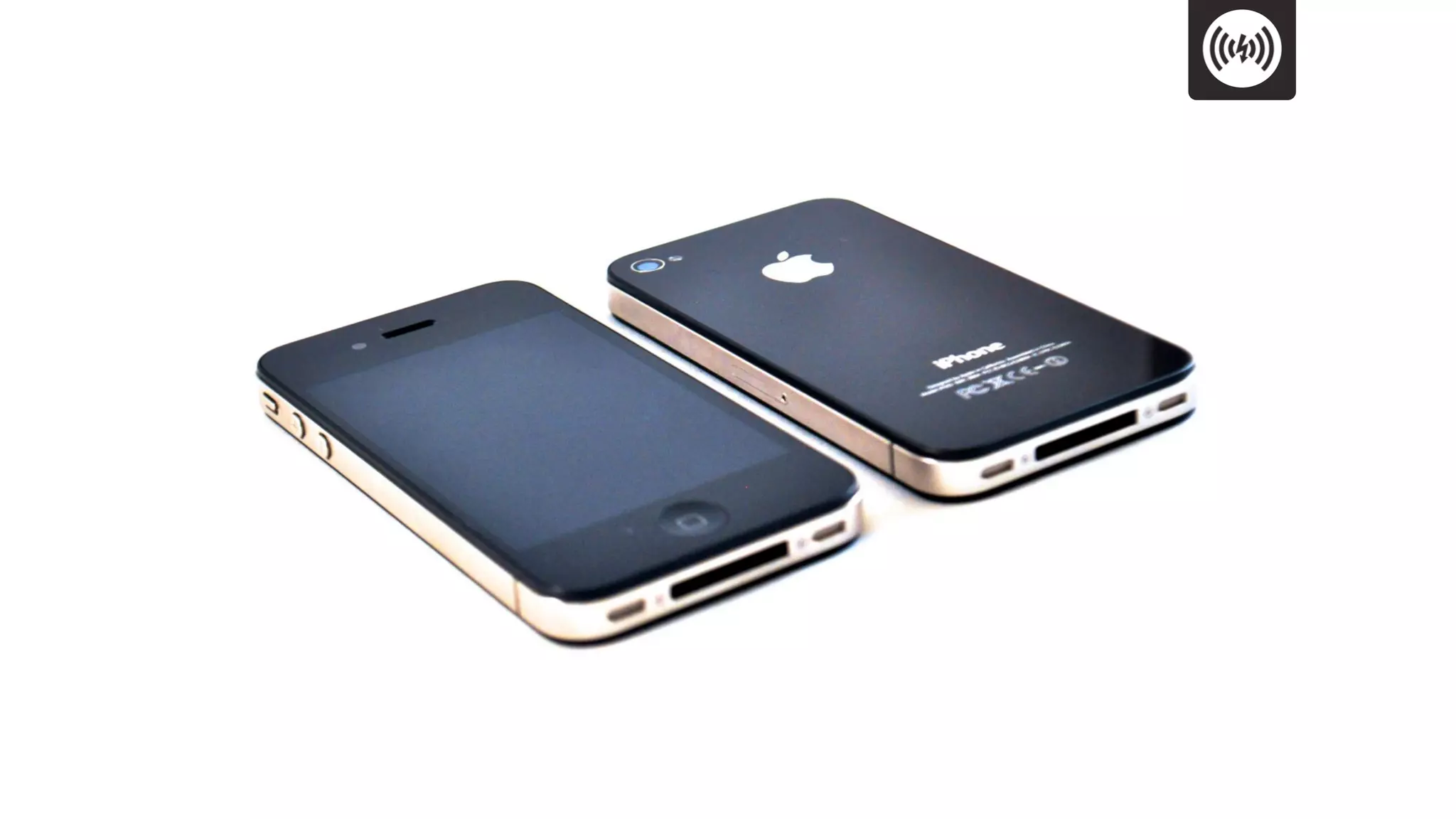
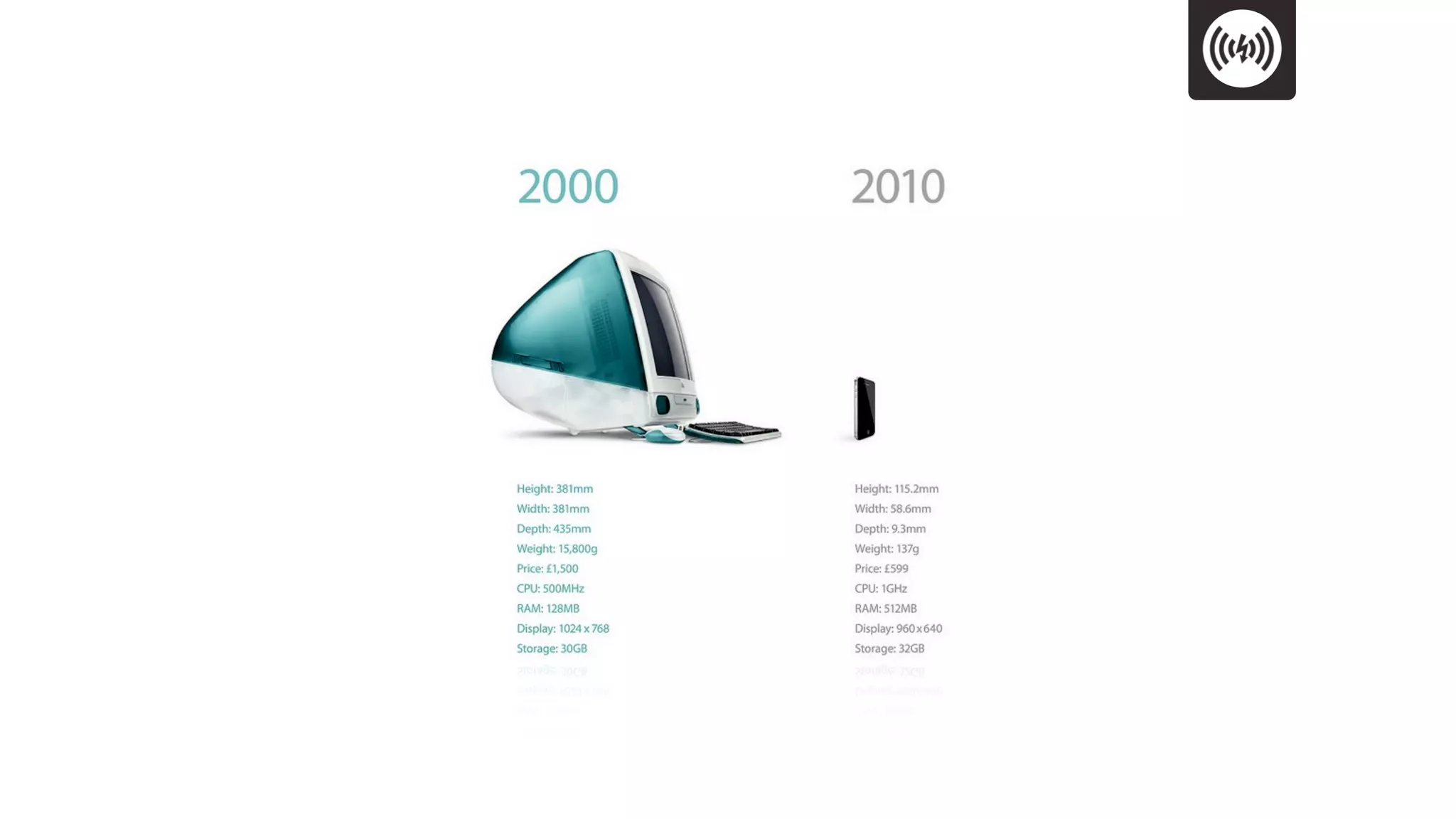
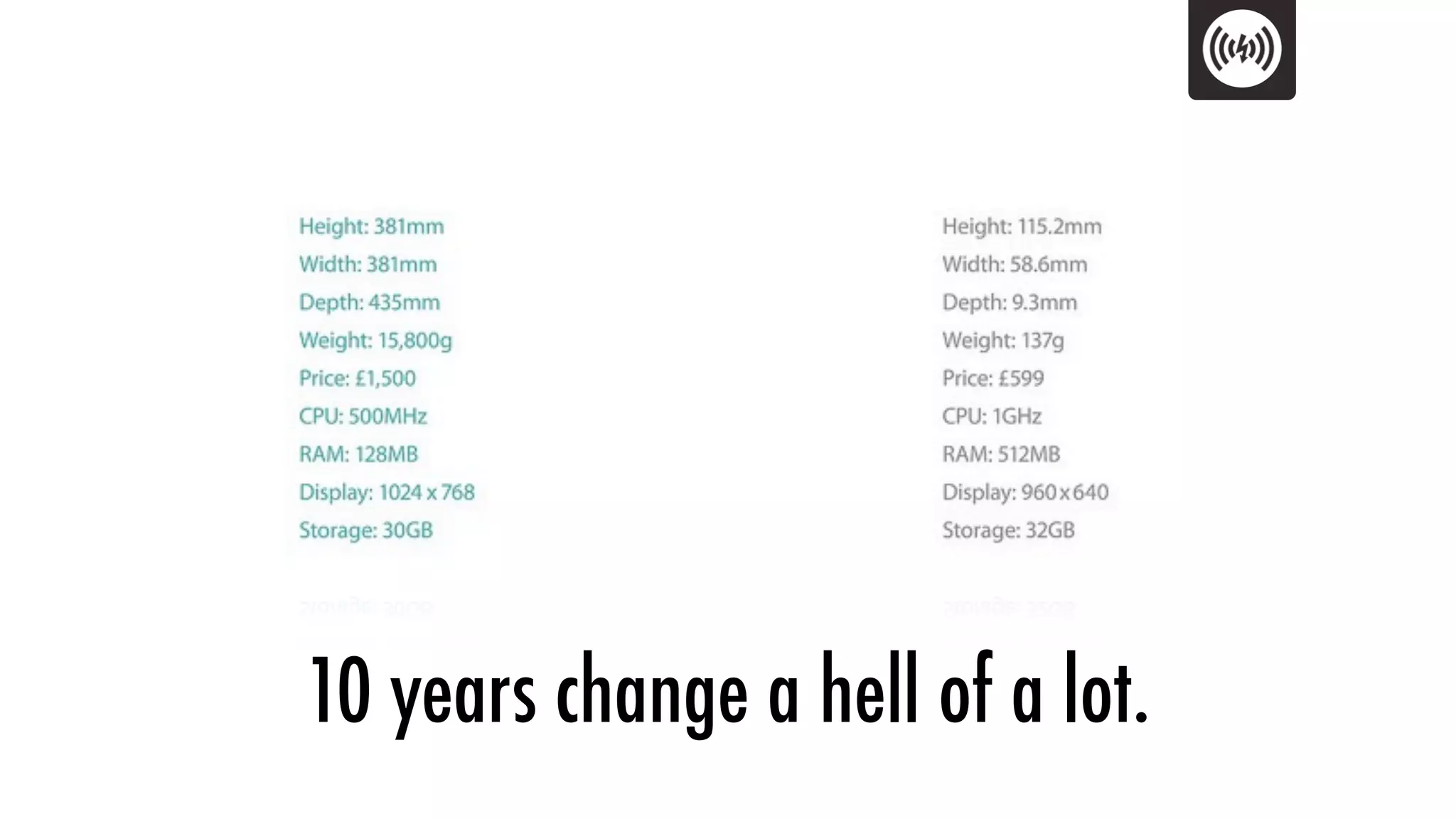
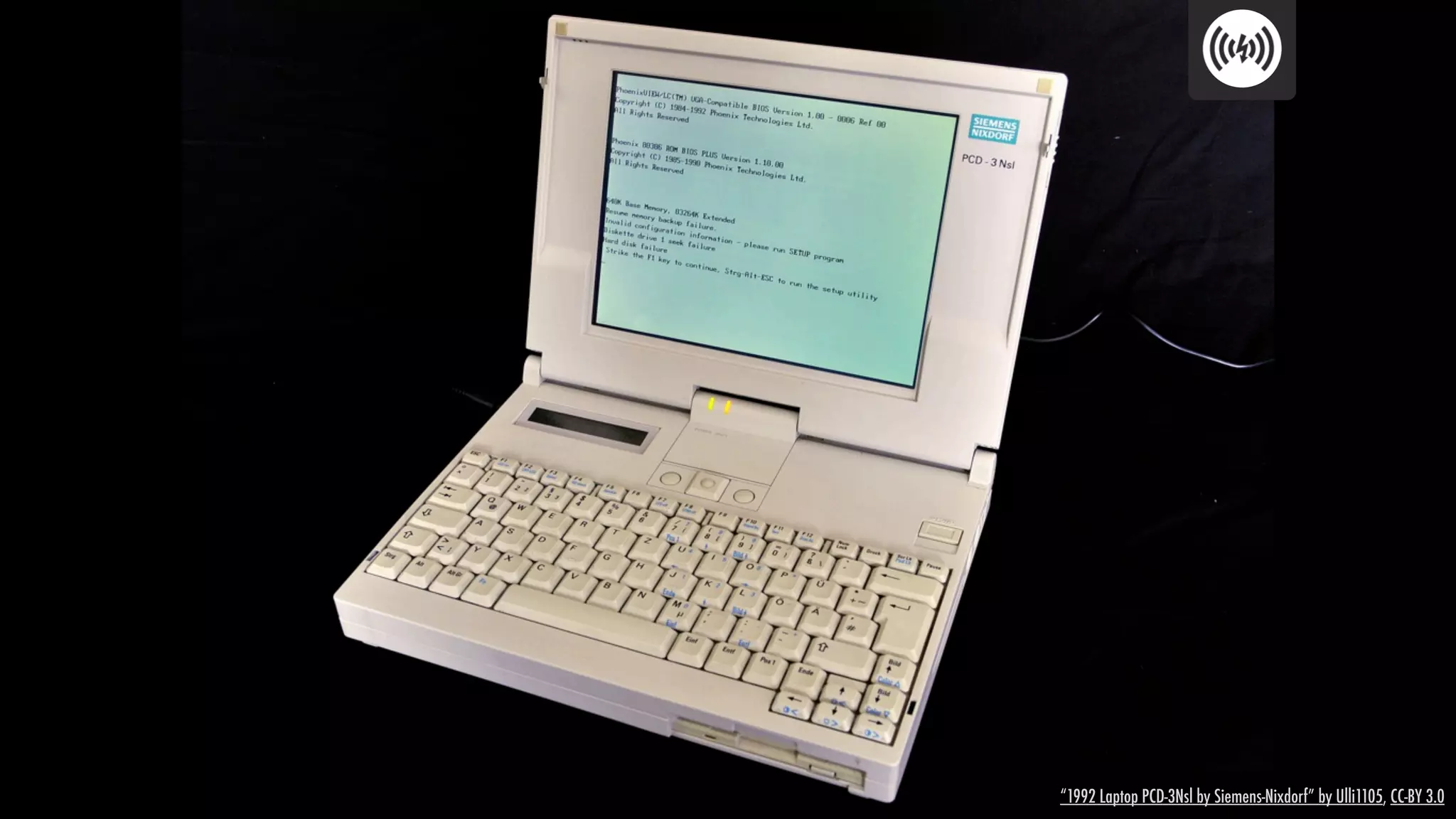
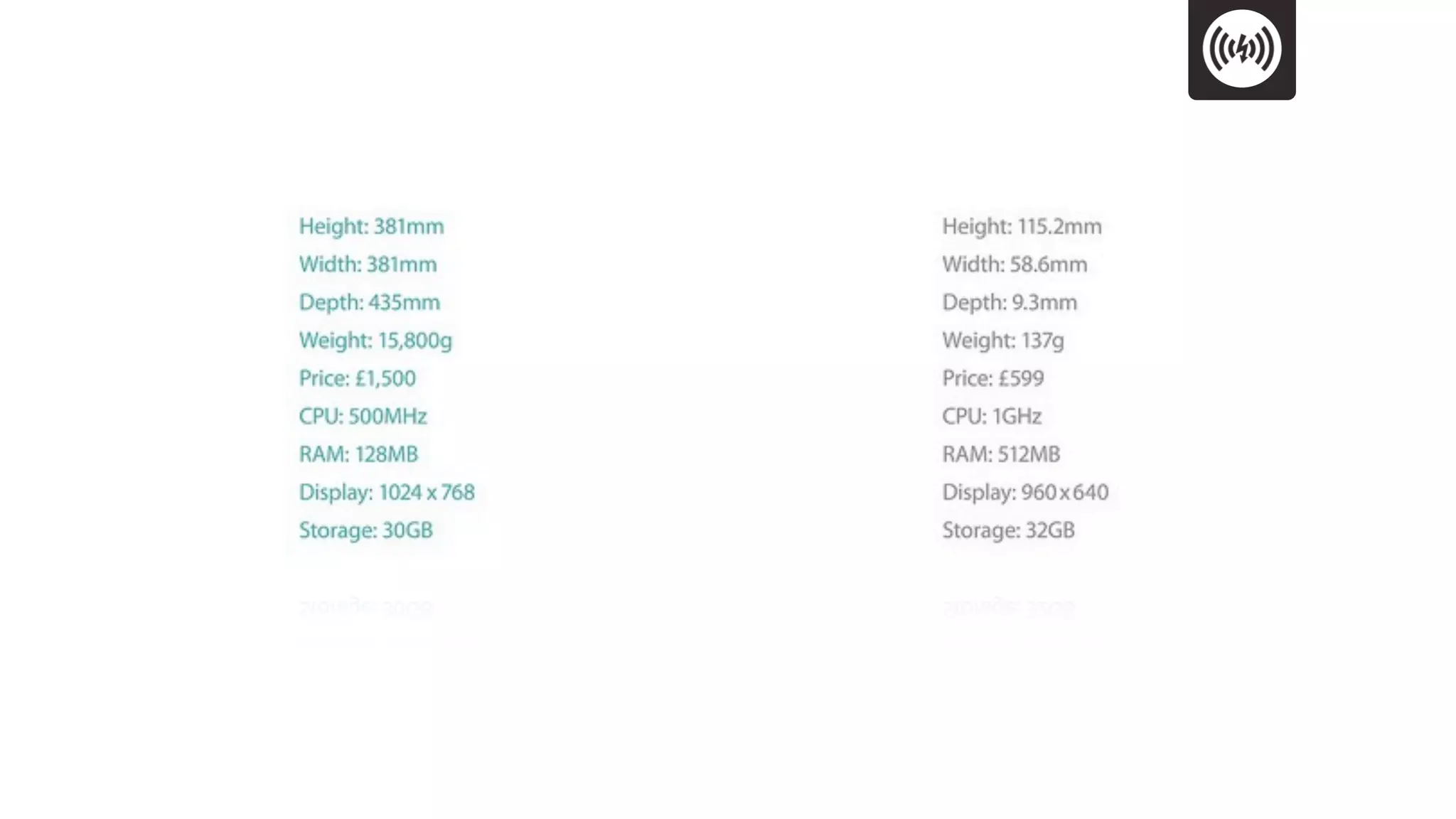
10 years change a hell of a lot.
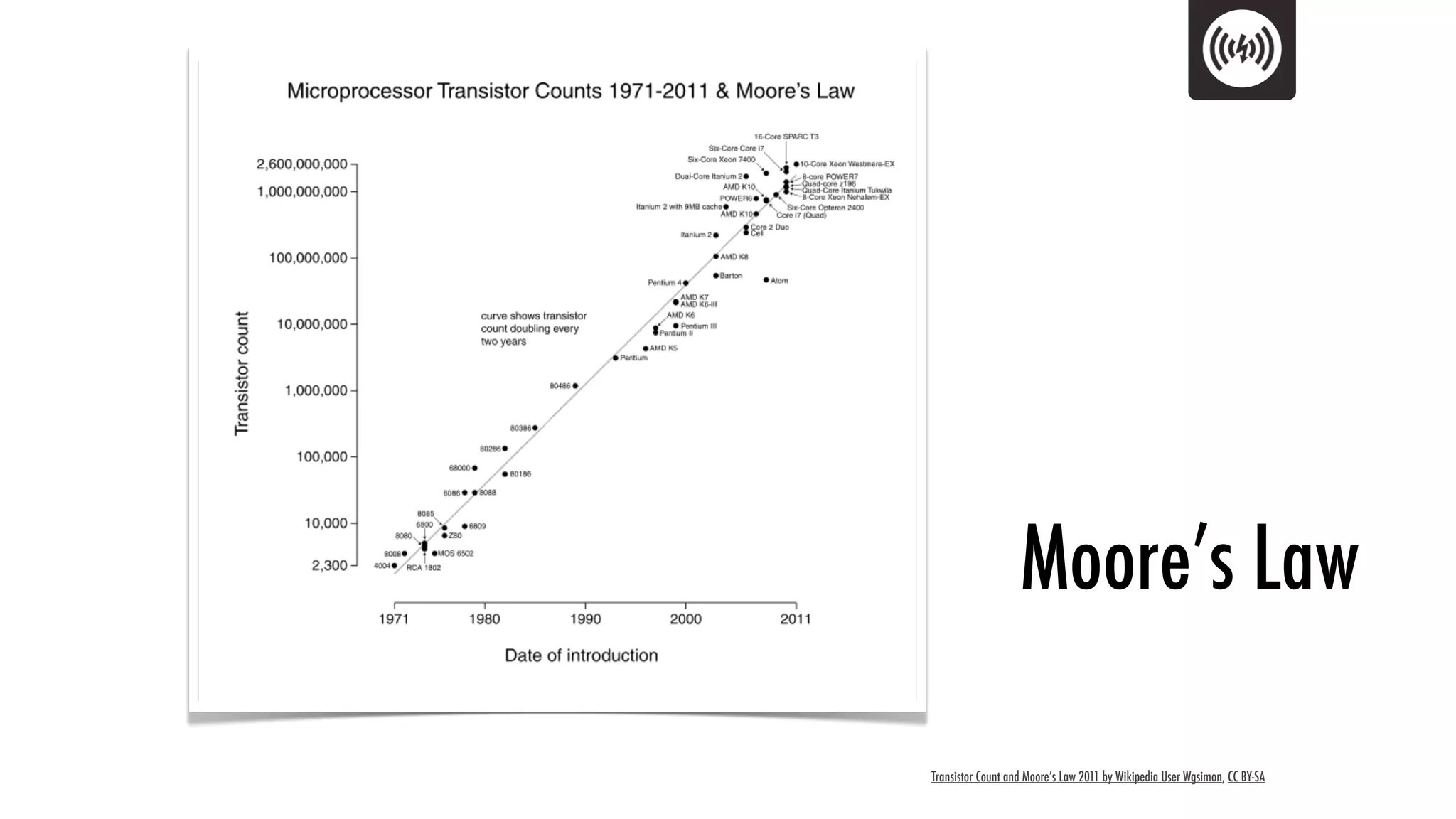
Moore’s Law

Transistor Count and Moore’s Law 2011 by Wikipedia User Wgsimon, CC BY-SA
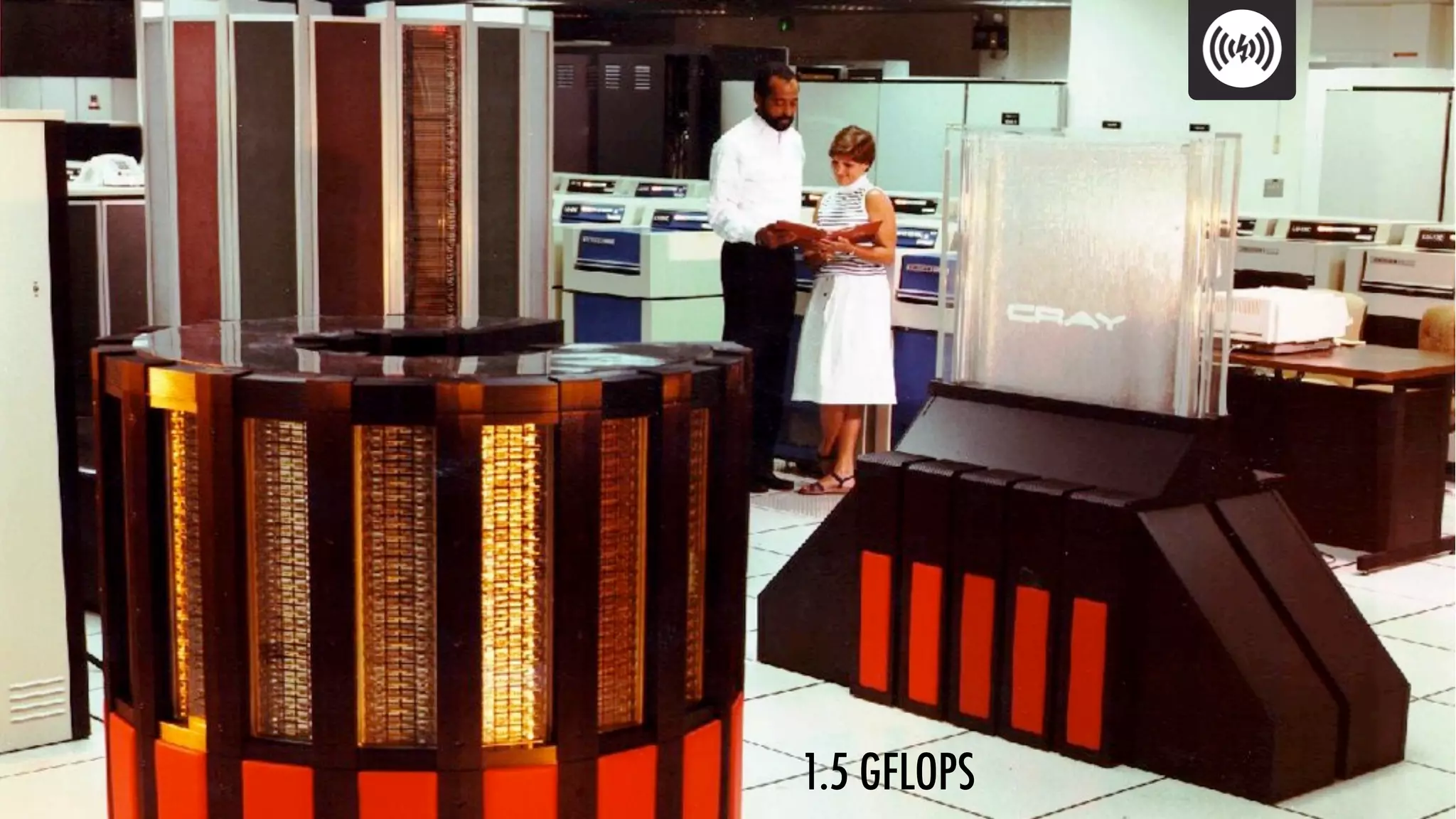
1.5 GFLOPS
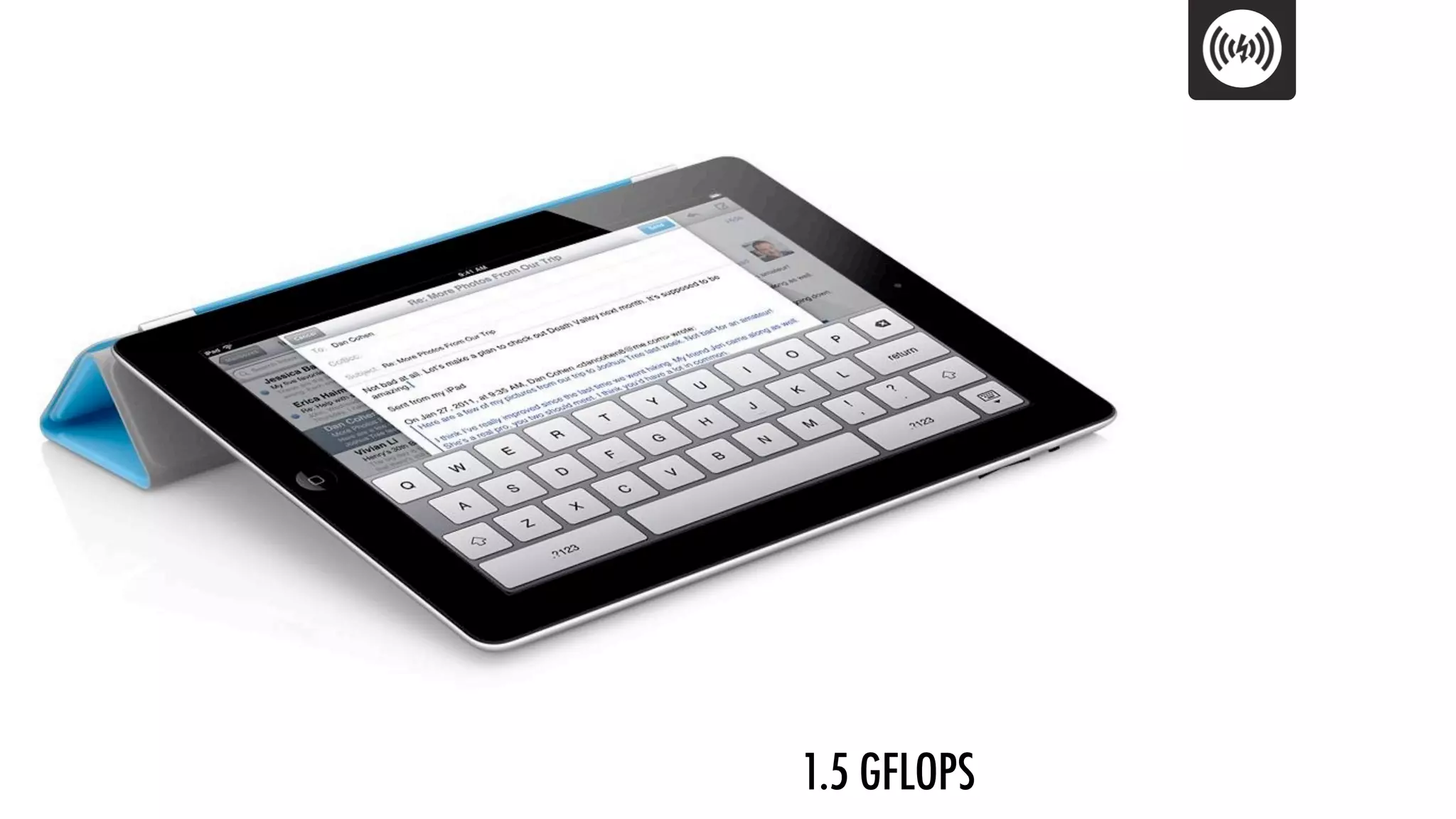
1.5 GFLOPS
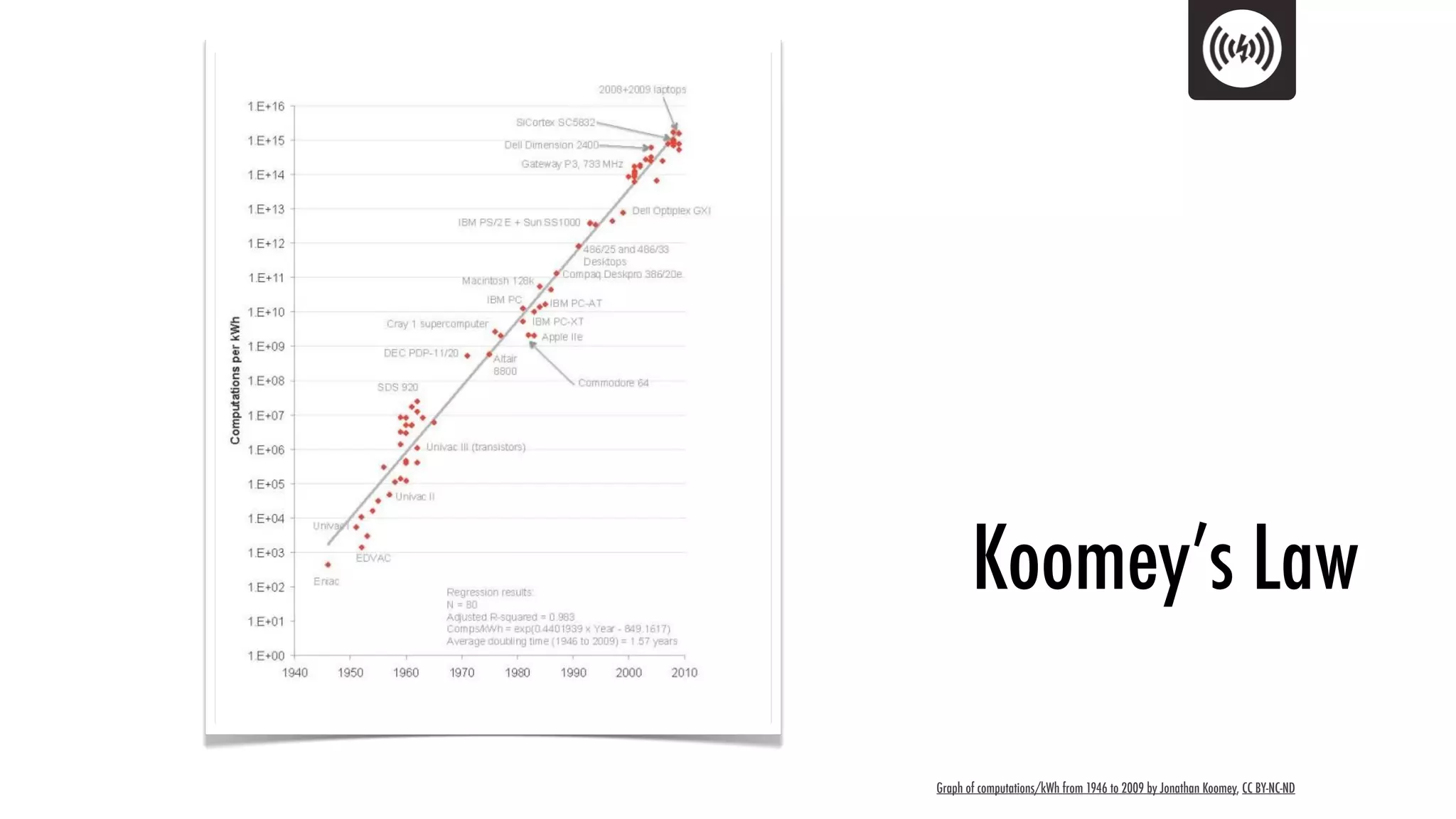
Koomey’s Law

Graph of computations/kWh from 1946 to 2009 by Jonathan Koomey, CC BY-NC-ND
“1992 Laptop PCD-3Nsl by Siemens-Nixdorf” by Ulli1105, CC-BY 3.0
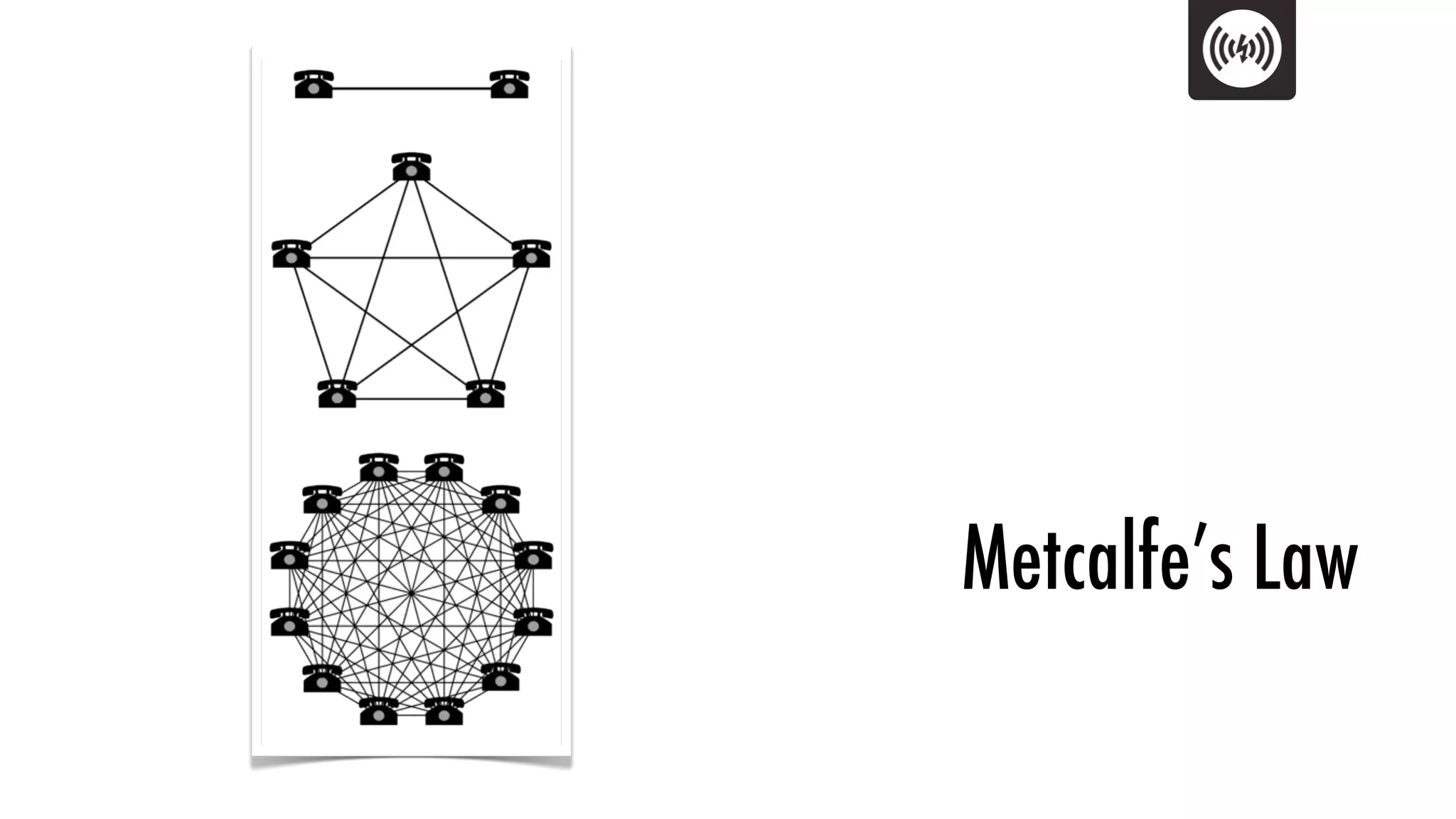
Metcalfe’s Law
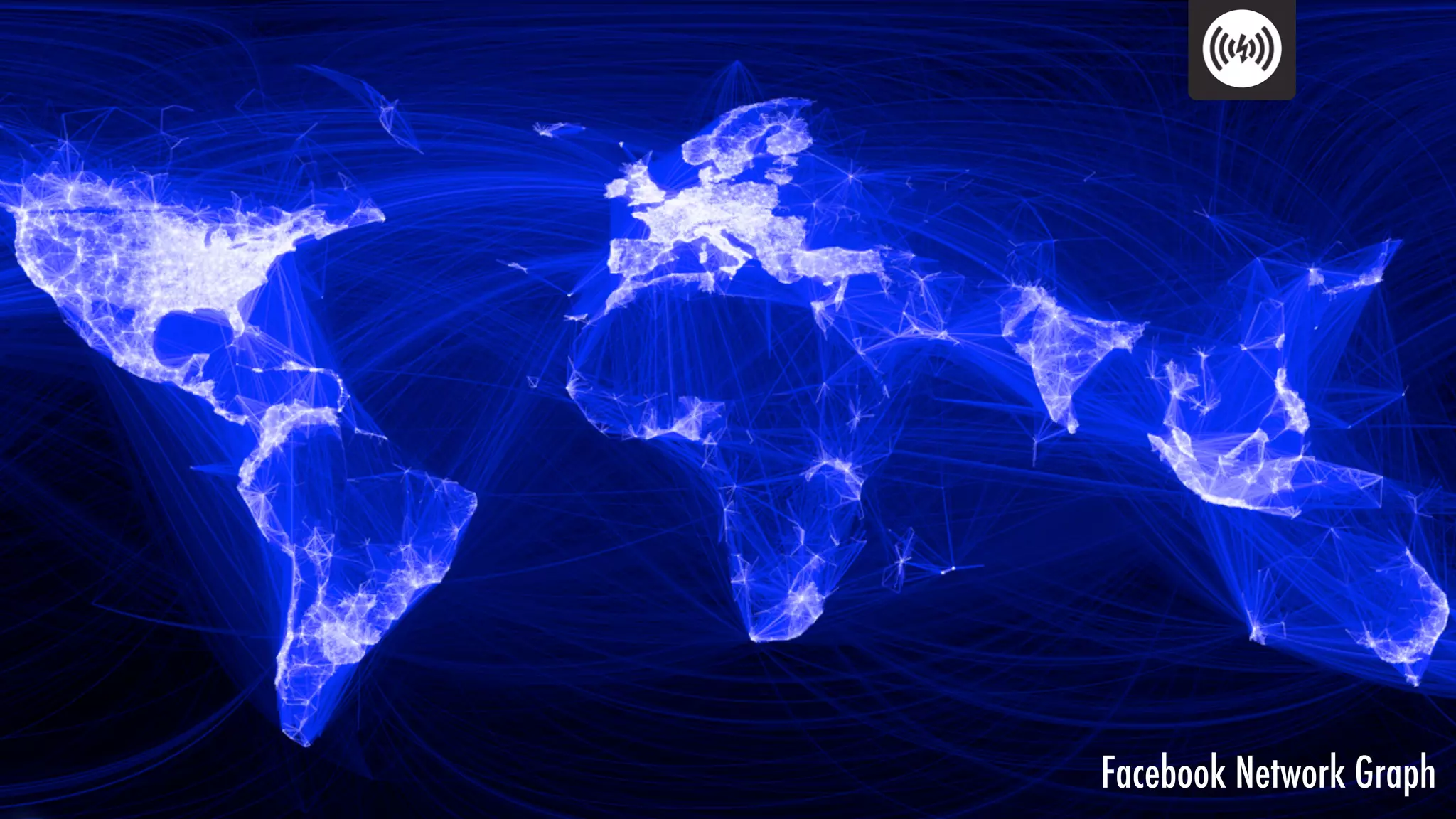
Facebook Network Graph
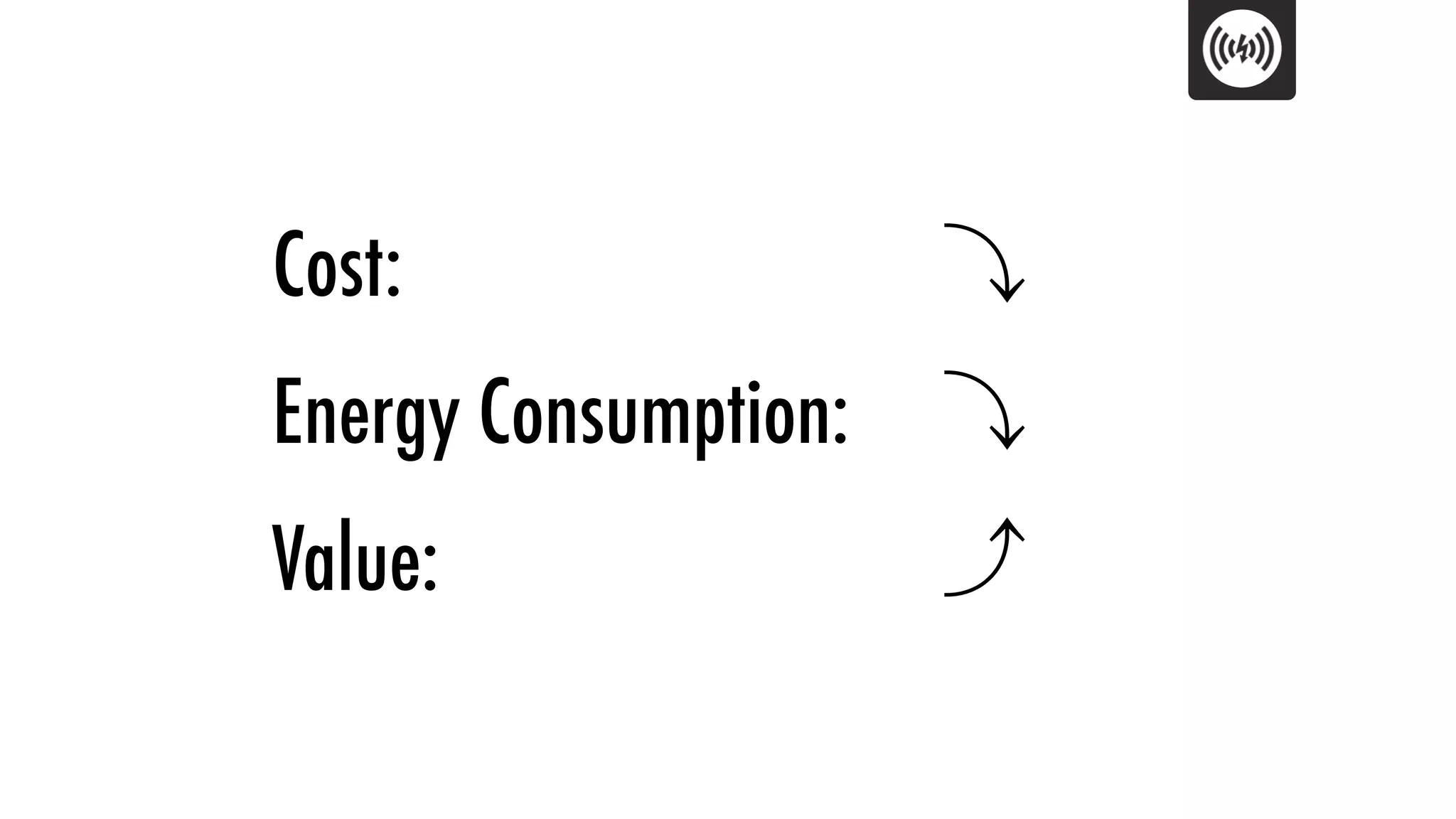
Cost:
Energy Consumption:
Value:
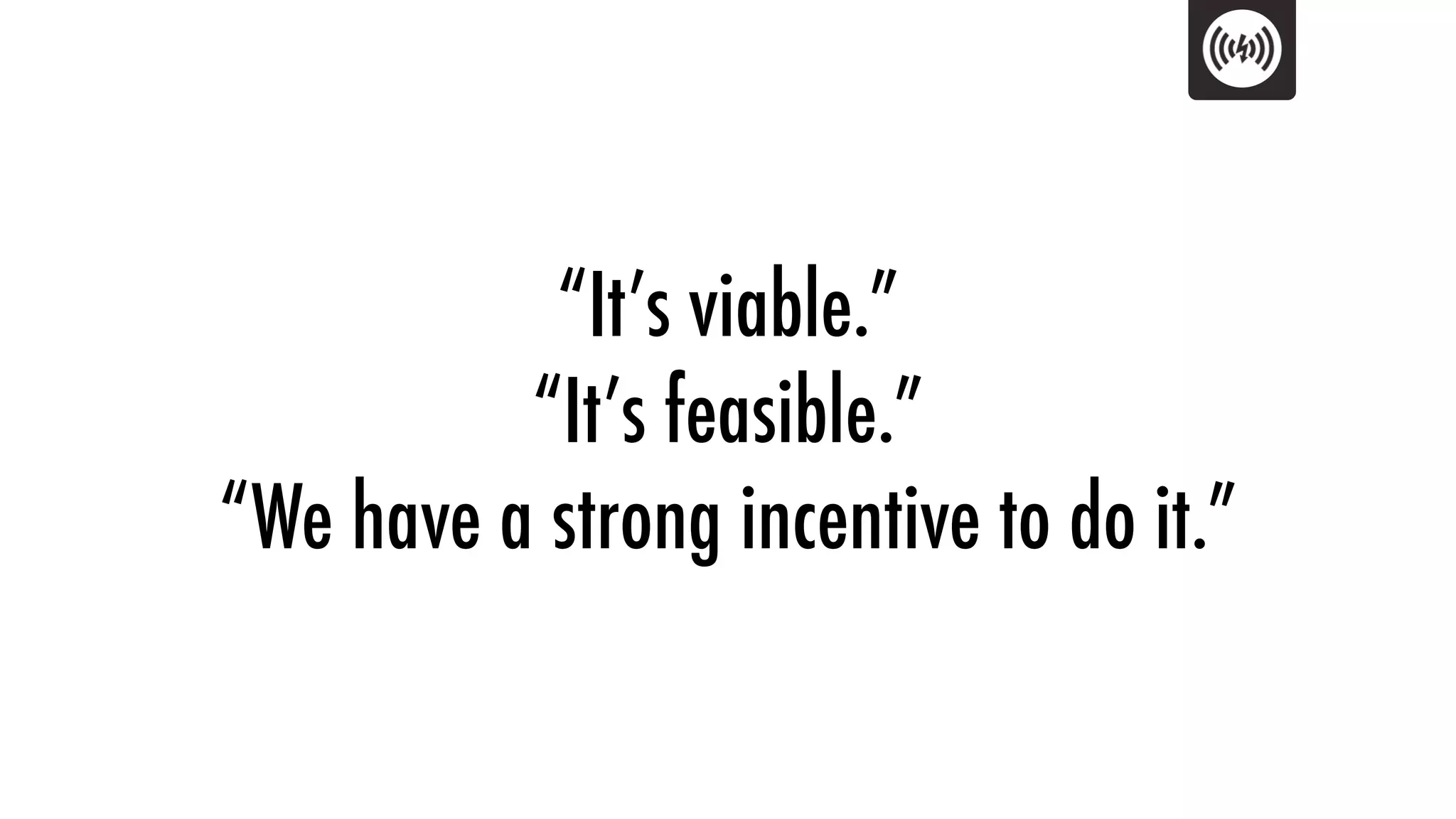
“It’s viable.”
          “It’s feasible.”
“We have a strong incentive to do it.”
IV
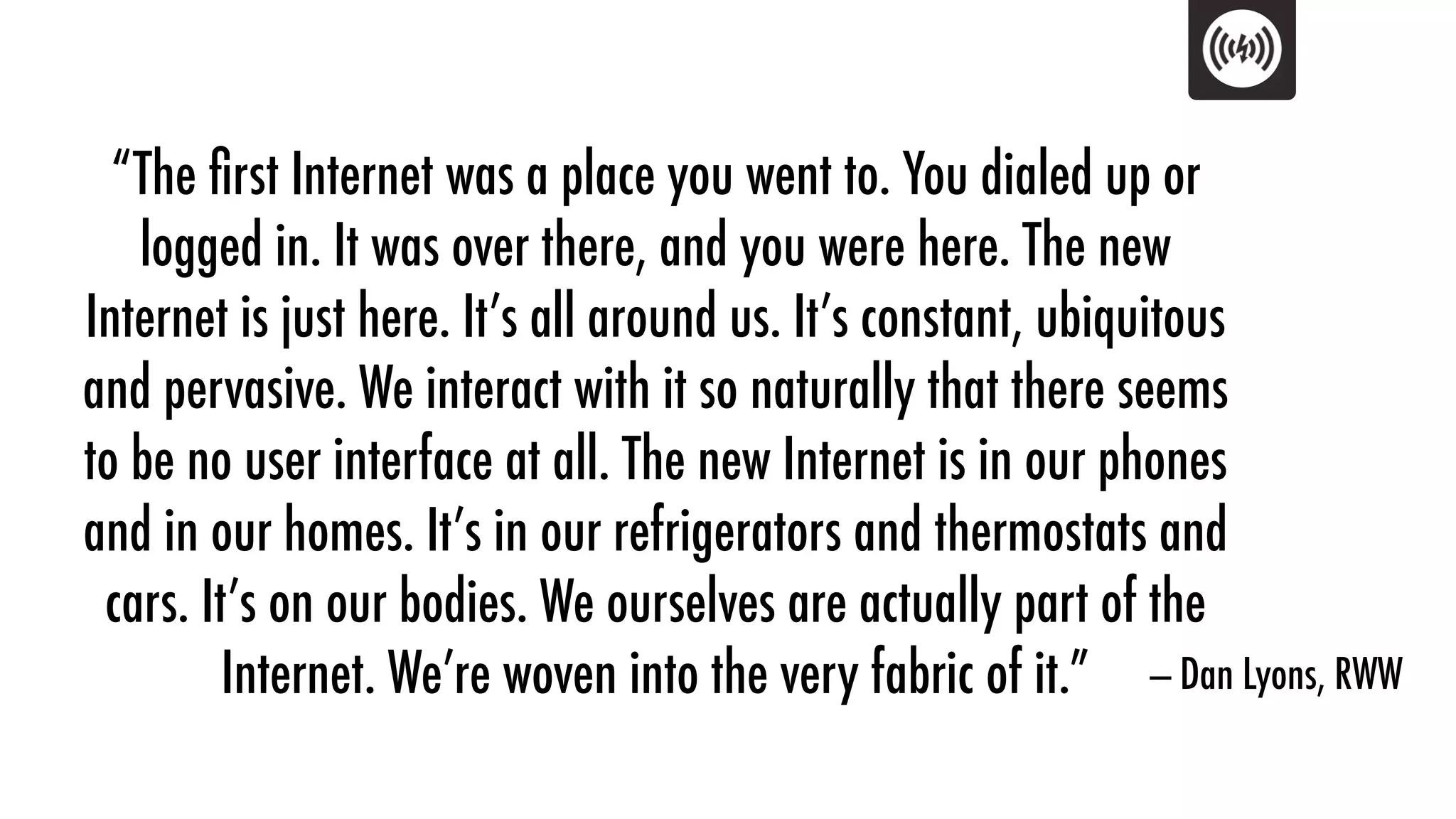
“The first Internet was a place you went to. You dialed up or
   logged in. It was over there, and you were here. The new
Internet is just here. It’s all around us. It’s constant, ubiquitous
and pervasive. We interact with it so naturally that there seems
to be no user interface at all. The new Internet is in our phones
and in our homes. It’s in our refrigerators and thermostats and
 cars. It’s on our bodies. We ourselves are actually part of the
         Internet. We’re woven into the very fabric of it.” — Dan Lyons, RWW
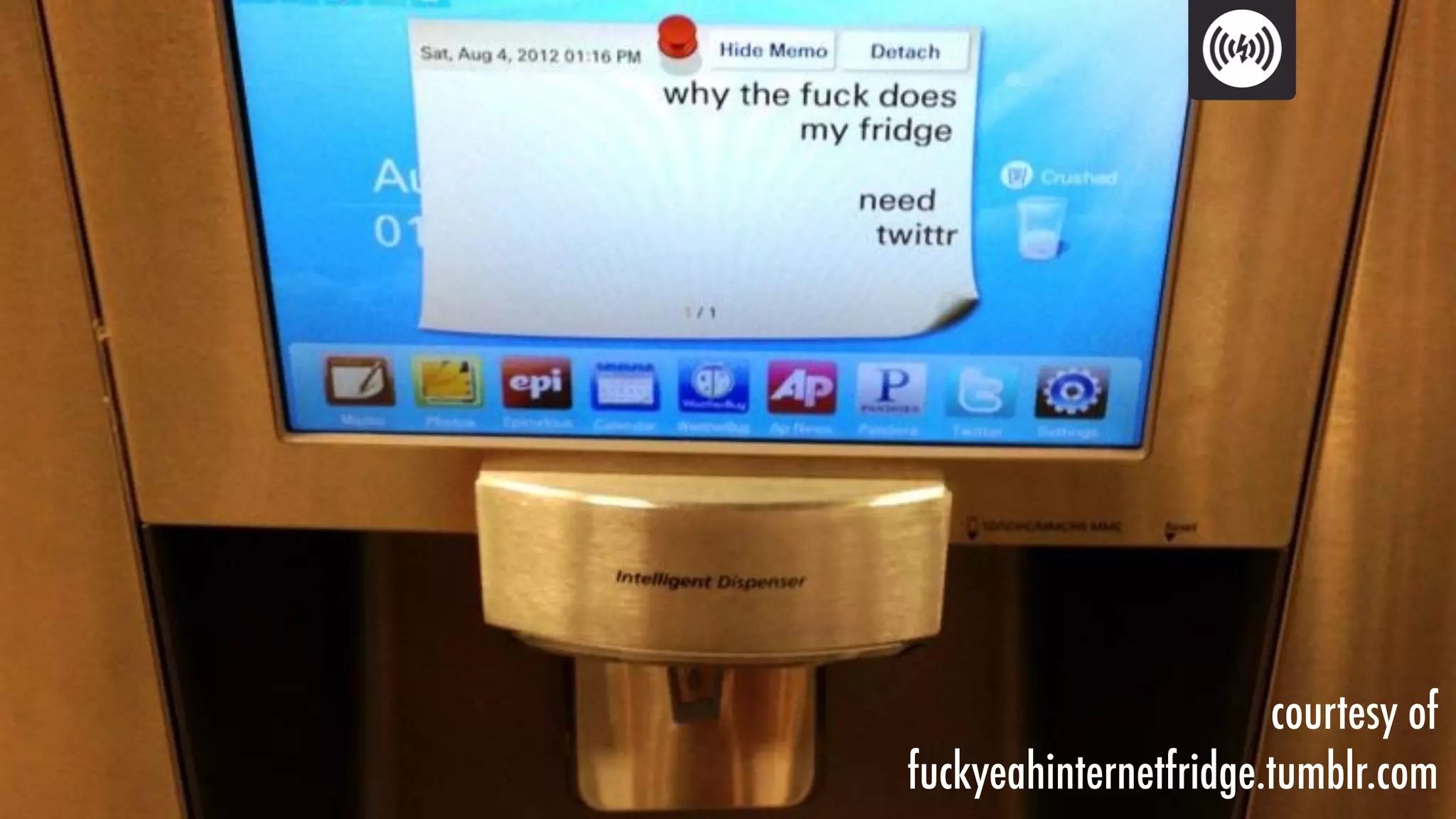
courtesy of
fuckyeahinternetfridge.tumblr.com
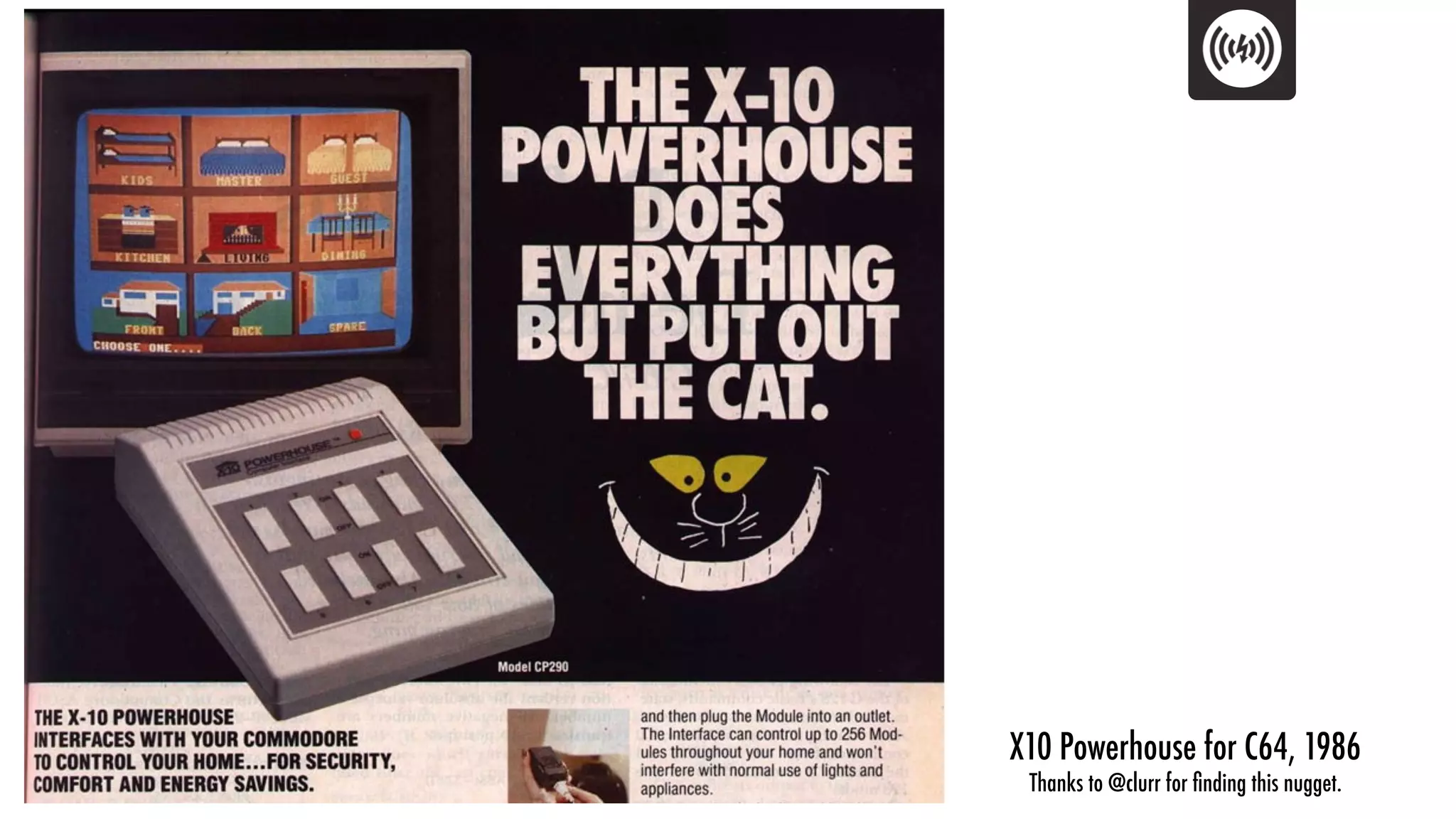
X10 Powerhouse for C64, 1986
 Thanks to @clurr for finding this nugget.
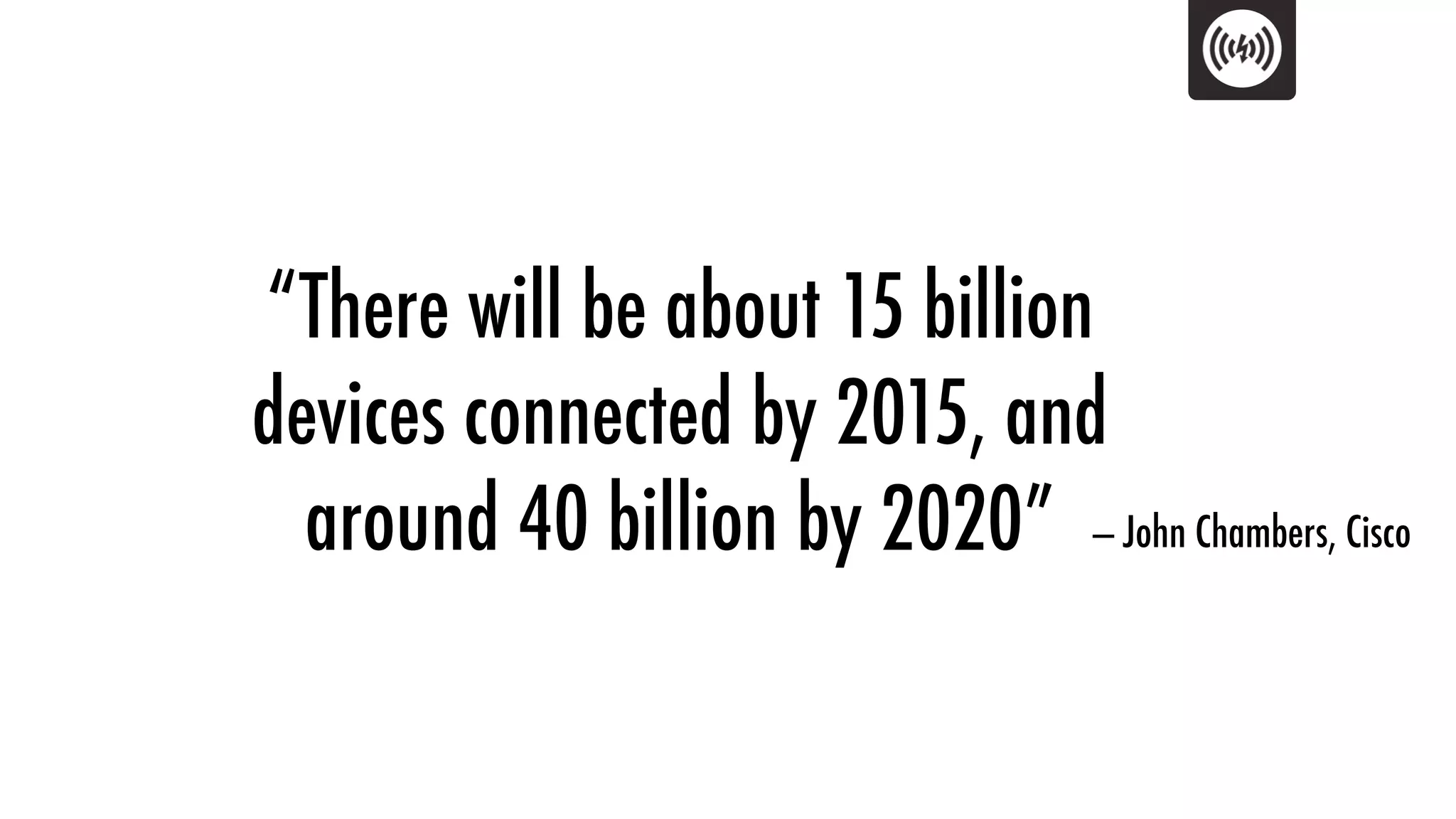
“There will be about 15 billion
devices connected by 2015, and
  around 40 billion by 2020” — John Chambers, Cisco
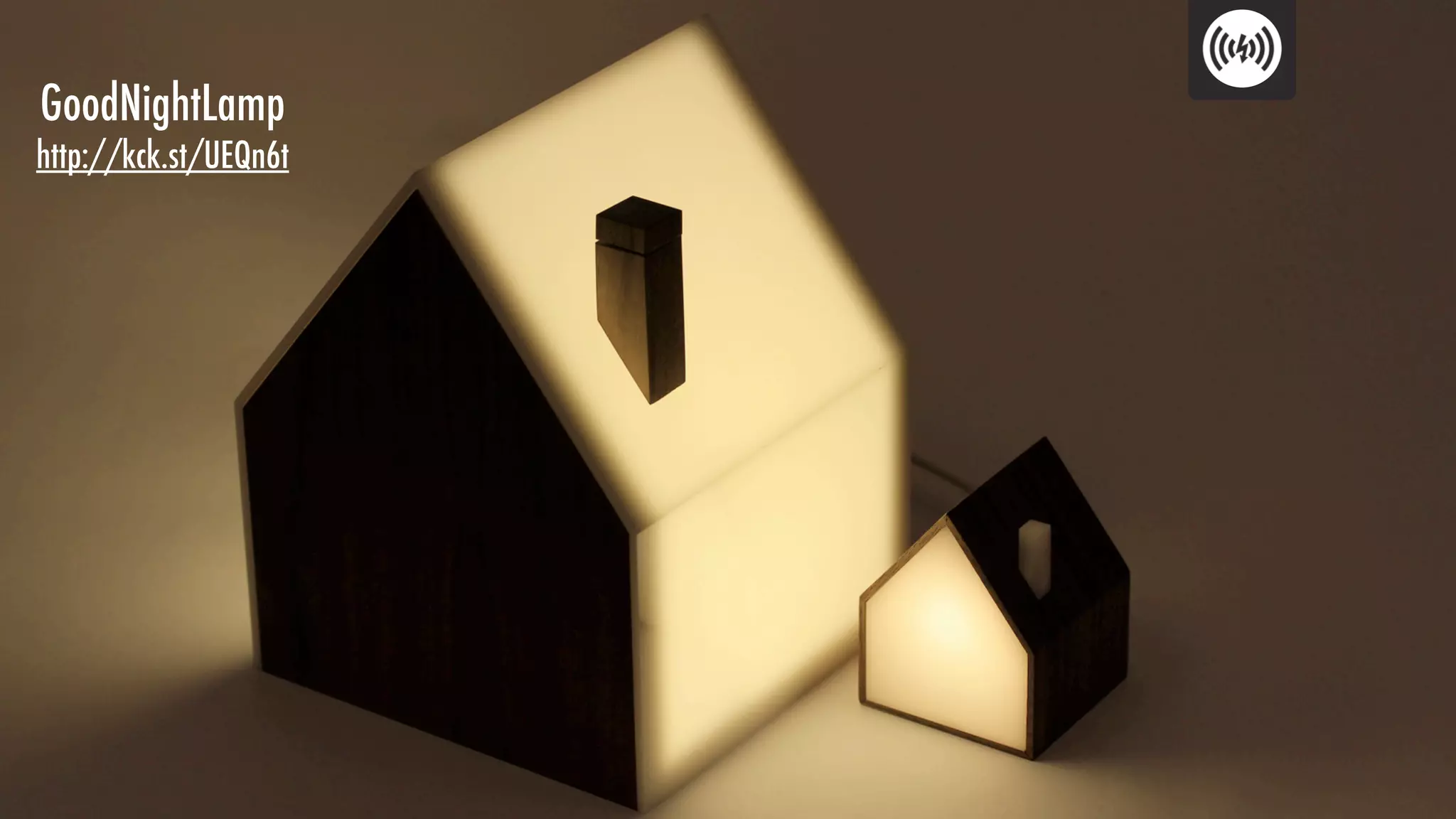
GoodNightLamp
http://kck.st/UEQn6t
“The best way to complain is to make things” by Kevin Marks CC-BY-SA 2.0
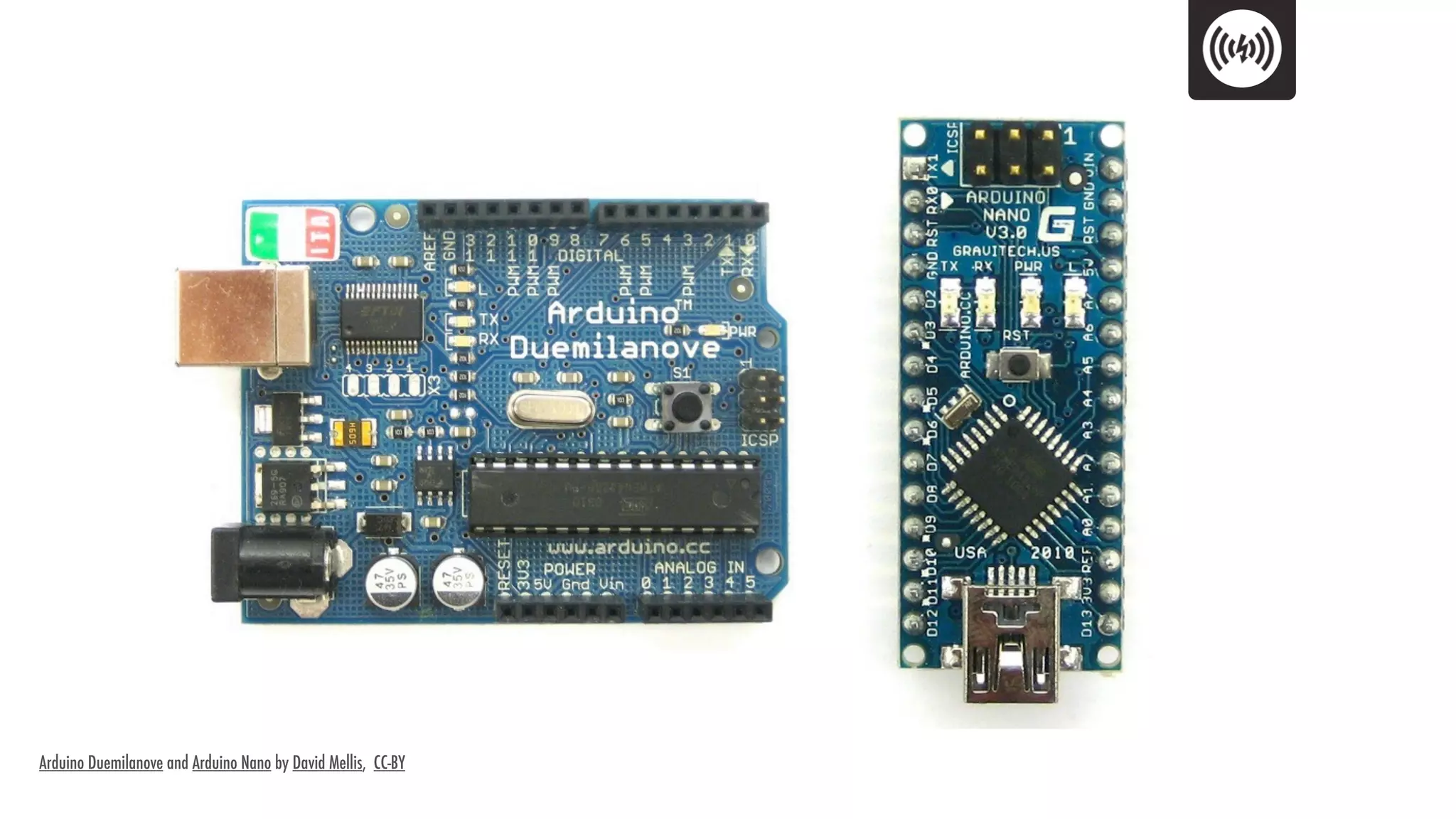
Arduino Duemilanove and Arduino Nano by David Mellis, CC-BY
Q&A
Thank you for your attention
and have a great conference!
Martin Spindler

Co-Founder & Managing Director
   Internet of People Limited
   http://internetofpeople.eu


       Strategy Consultant
Internet of Things | Smart Energy

    http://martinspindler.net
    hello@martinspindler.net
        twitter.com/mjays

The Internet of Things - Taking the Web to the Everyday