

THE LOST BUDDHAS
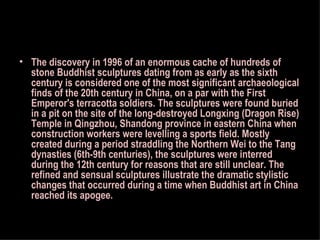
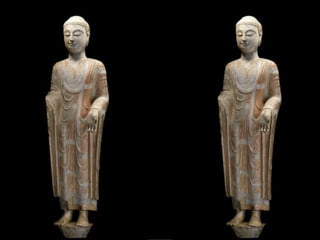
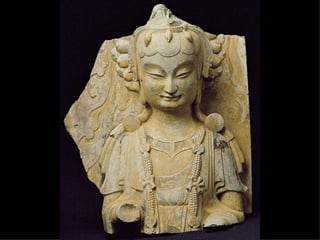
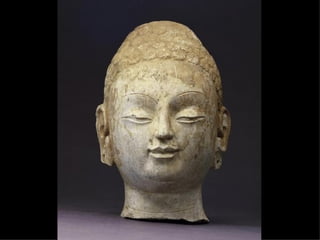
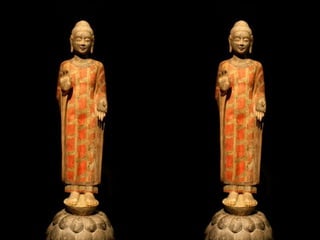
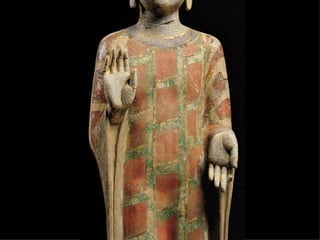
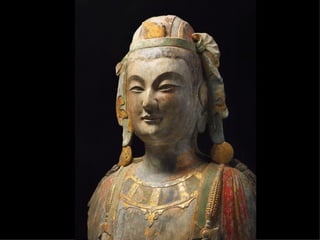
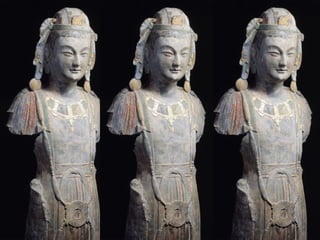
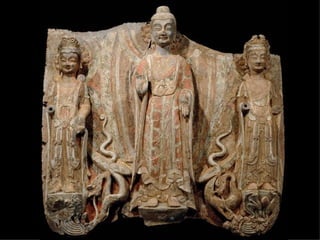
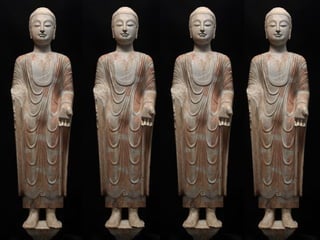
The discovery in 1996 of an enormous cache of hundreds of stone Buddhist sculptures dating from as early as the sixth century is considered one of the most significant archaeological finds of the 20th century in China, on a par with the First Emperor's terracotta soldiers. The sculptures were found buried in a pit on the site of the long-destroyed Longxing (Dragon Rise) Temple in Qingzhou, Shandong province in eastern China when construction workers were levelling a sports field. Mostly created during a period straddling the Northern Wei to the Tang dynasties (6th-9th centuries), the sculptures were interred during the 12th century for reasons that are still unclear. The refined and sensual sculptures illustrate the dramatic stylistic changes that occurred during a time when Buddhist art in China reached its apogee.


THE END You Can Keep Listening To The Music Or Hit ‘Esc’ To Exit

110237 633627548124795000

  • 1.
  • 2.
    The discovery in1996 of an enormous cache of hundreds of stone Buddhist sculptures dating from as early as the sixth century is considered one of the most significant archaeological finds of the 20th century in China, on a par with the First Emperor's terracotta soldiers. The sculptures were found buried in a pit on the site of the long-destroyed Longxing (Dragon Rise) Temple in Qingzhou, Shandong province in eastern China when construction workers were levelling a sports field. Mostly created during a period straddling the Northern Wei to the Tang dynasties (6th-9th centuries), the sculptures were interred during the 12th century for reasons that are still unclear. The refined and sensual sculptures illustrate the dramatic stylistic changes that occurred during a time when Buddhist art in China reached its apogee.
  • 3.
  • 4.
  • 5.
  • 6.
  • 7.
  • 8.
  • 9.
  • 10.
  • 11.
  • 12.
    THE END YouCan Keep Listening To The Music Or Hit ‘Esc’ To Exit